Nationwide × Accommodation Known As A Famous RyokanRecommended Hotel·Ryokan
入力欄の先頭で左矢印キーを押すと、選択中の検索条件に移動できます。chip上では左右矢印で移動し、DeleteキーまたはBackspaceキーで削除できます。


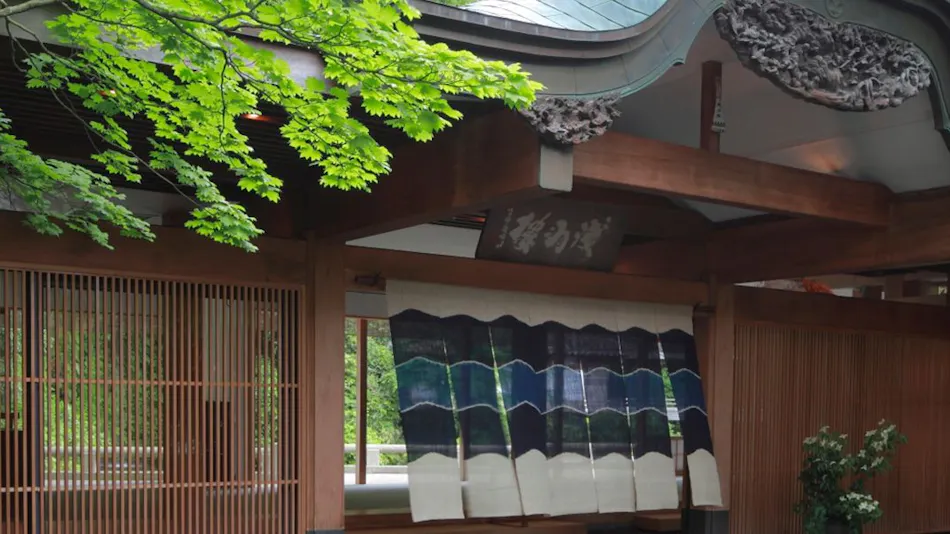
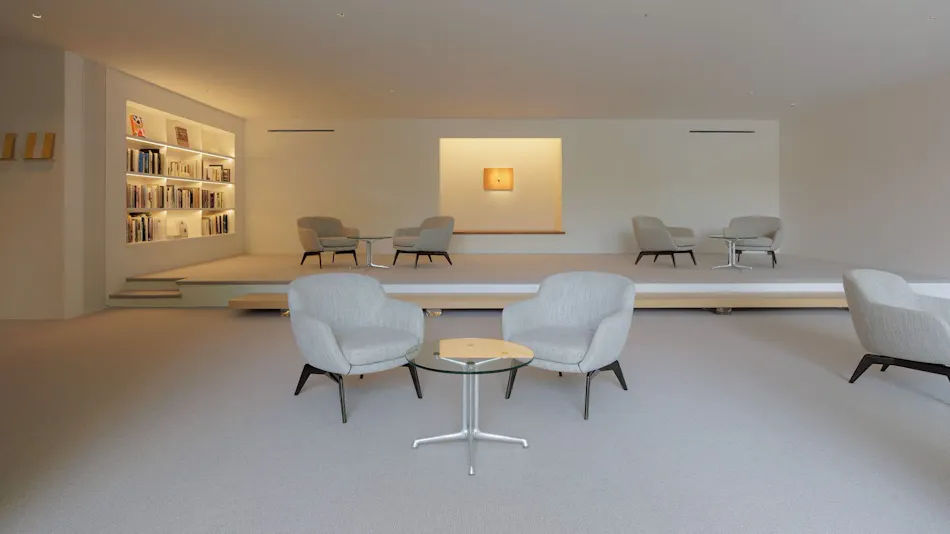
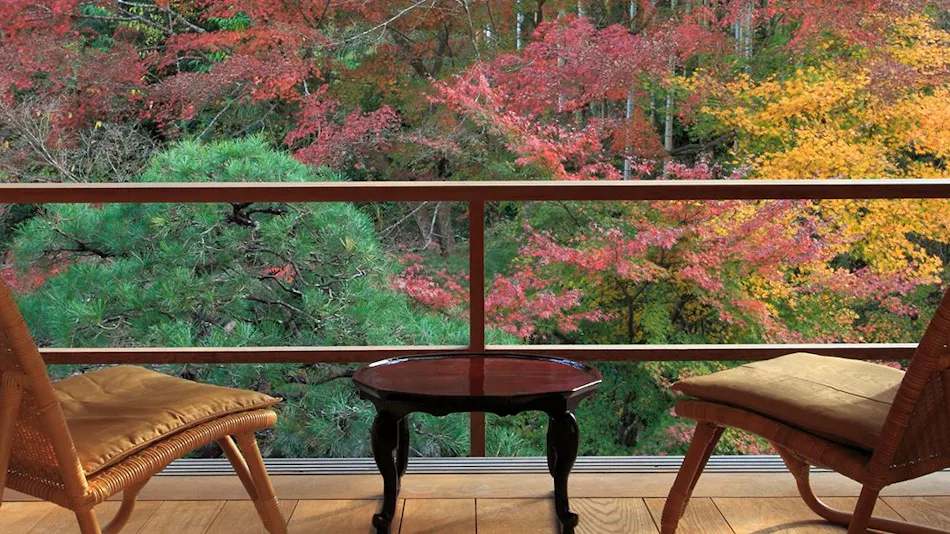
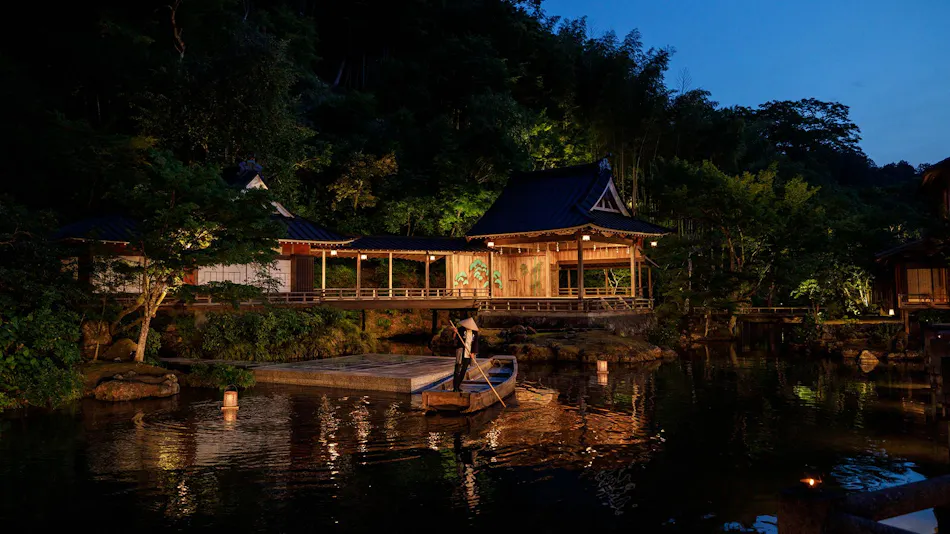
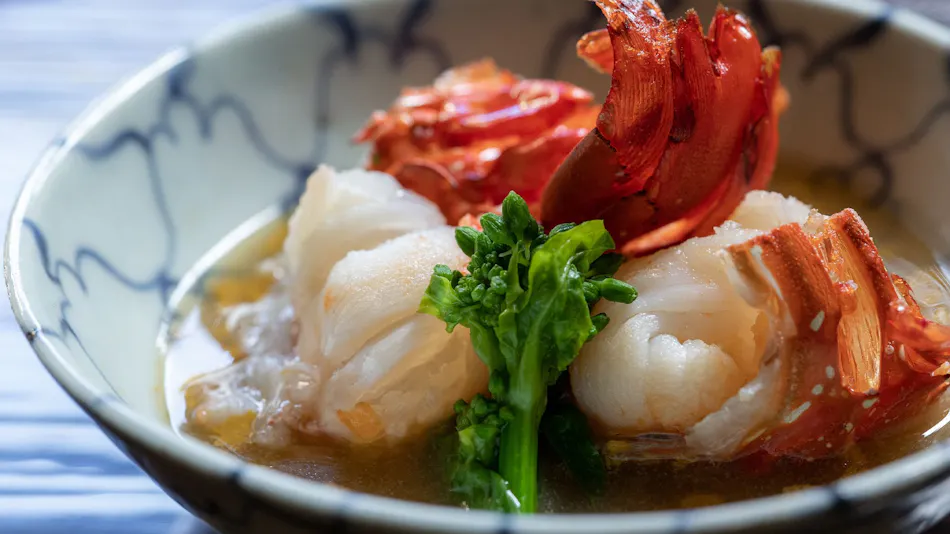
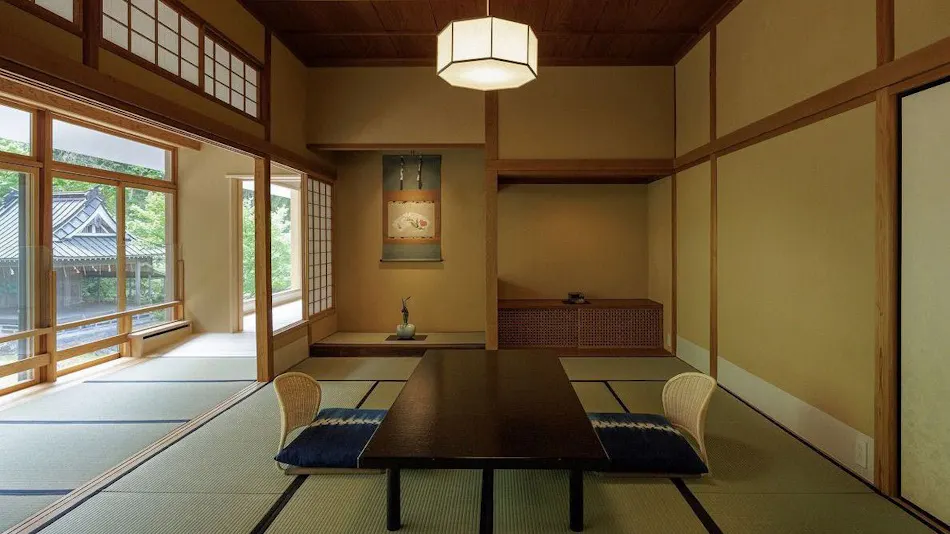
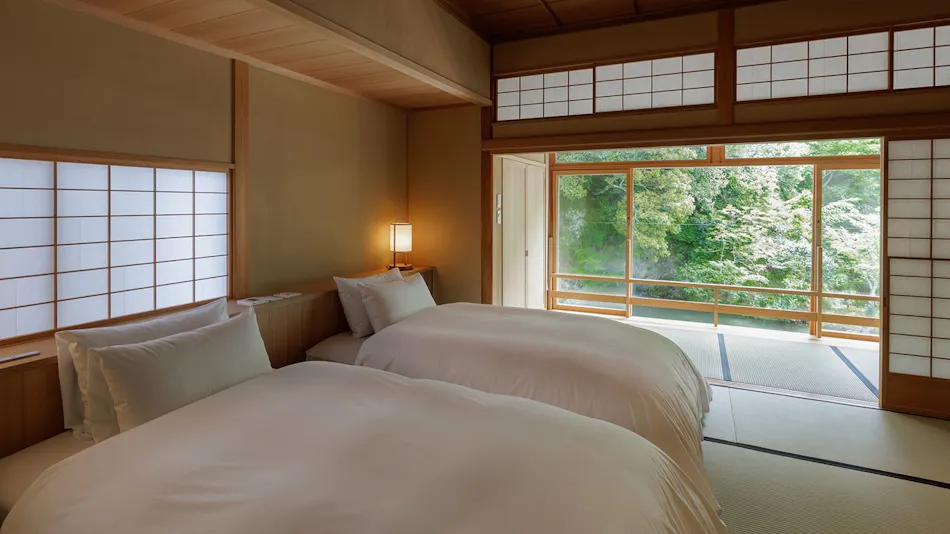
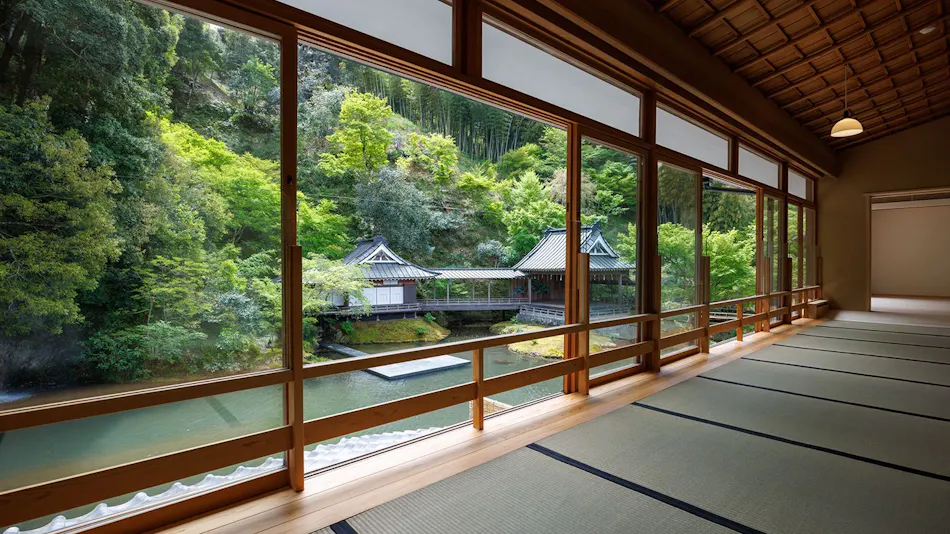
Set amid lush green mountains and a beautiful river in Shuzenji, Izu, Asaba traces its origins back over 500 years to a temple lodging founded by Yakurō Yukitada Asaba. Cherishing the beauty of Japan’s four seasons, our free-flowing Onsen from a natural spring that has welled up since ancient times soothes travelers, while our cuisine highlights seasonal ingredients and freshness, served at just the right pace.

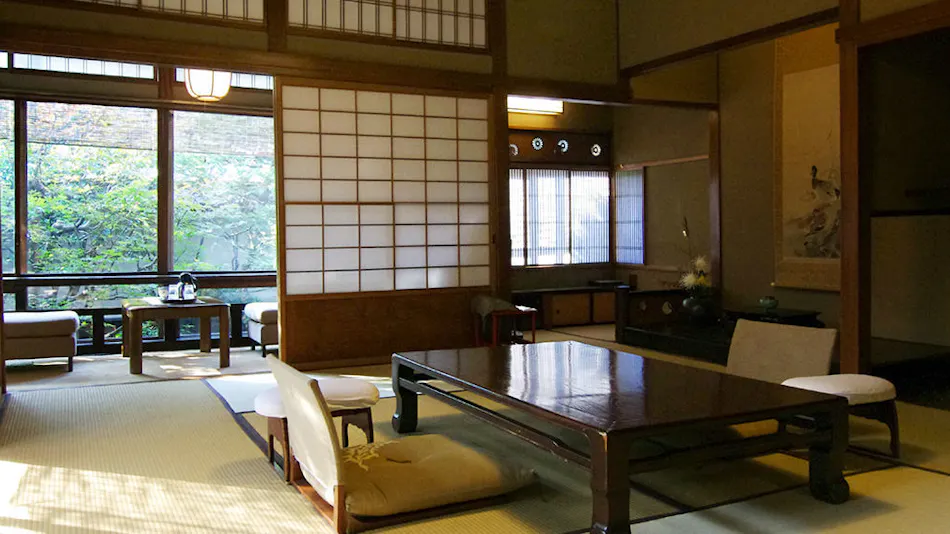

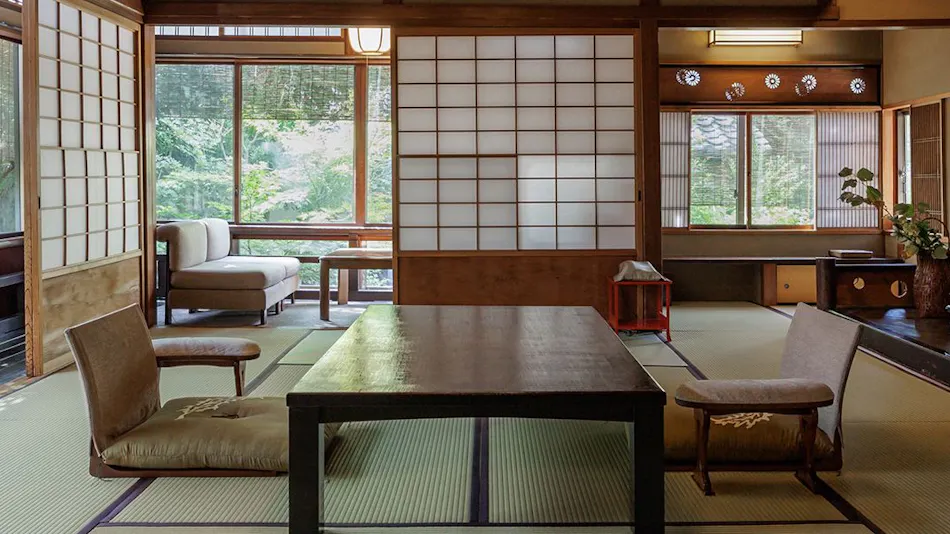
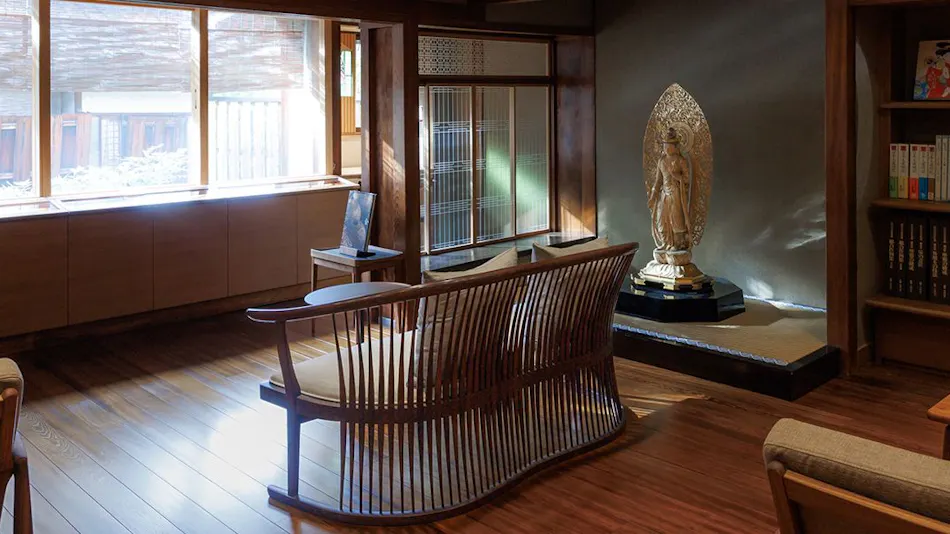
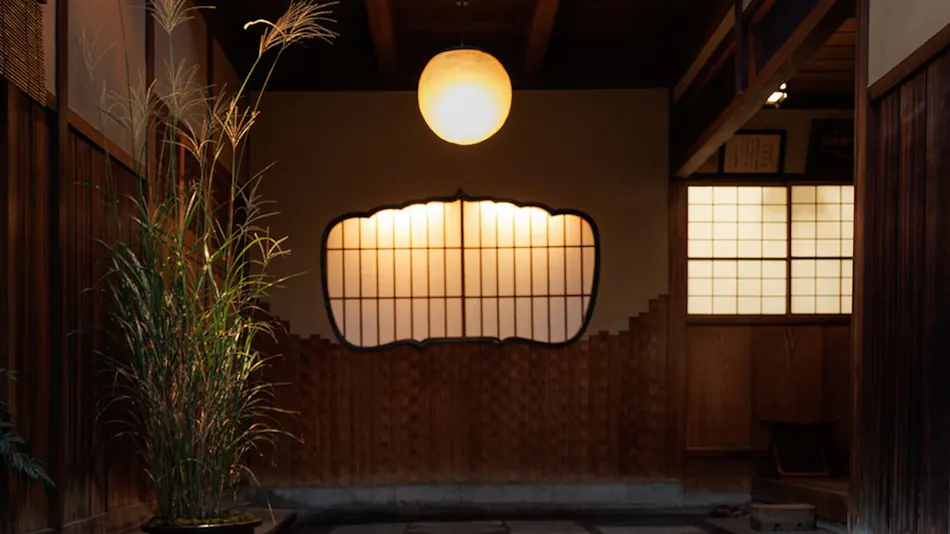
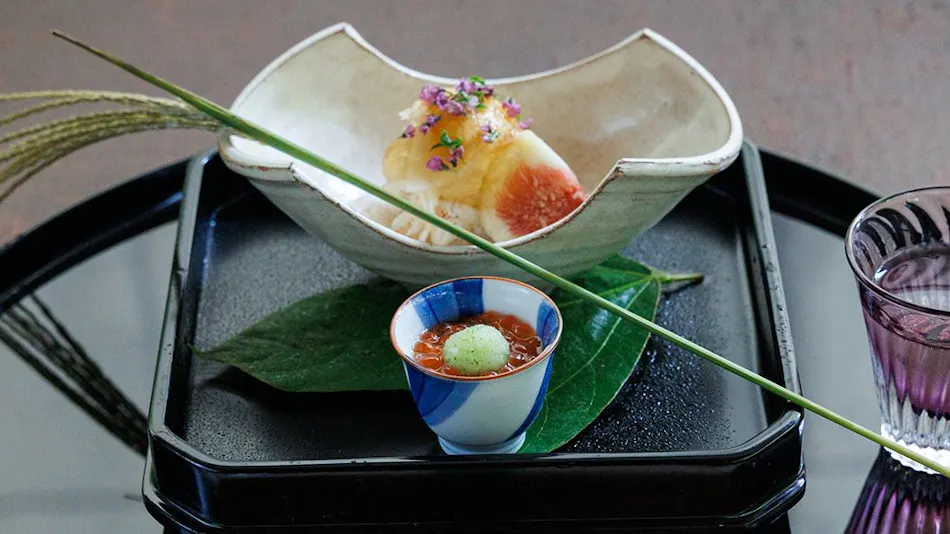
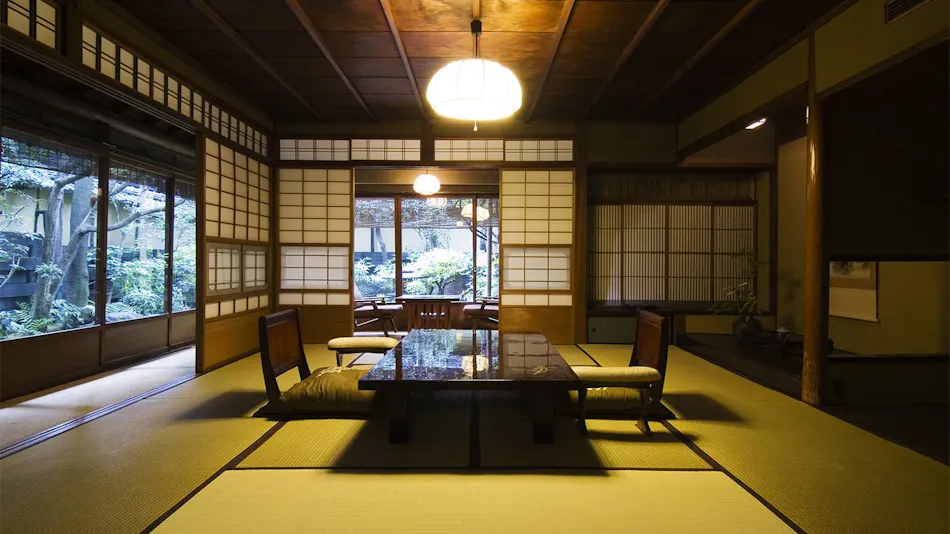


With the spirit of “Raisha Nyoki” (welcoming you as if returning home) and a deep respect for tradition, we have long hosted Bakumatsu-era patriots, members of the Imperial family, writers and artists, as well as guests from overseas. Our cuisine features kaiseki that reflects Kyoto’s annual events and the changing seasons. We would be delighted if you would spend a peaceful time at our historic Ryokan, embracing a culture that cherishes fine craftsmanship and harmony with nature.
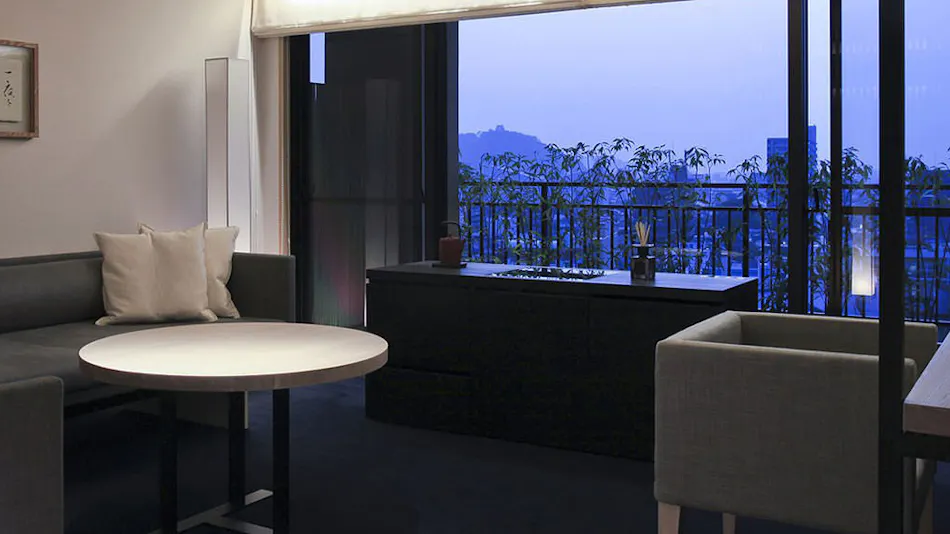
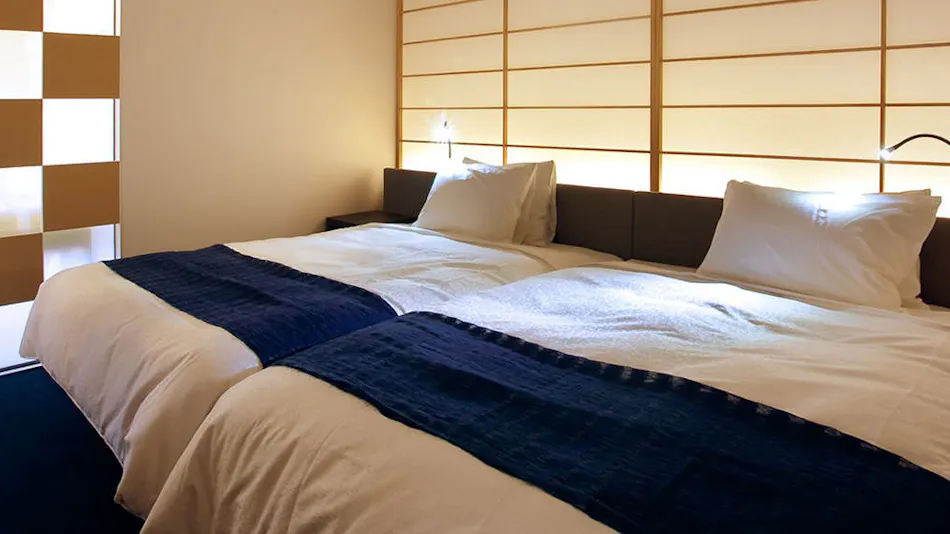
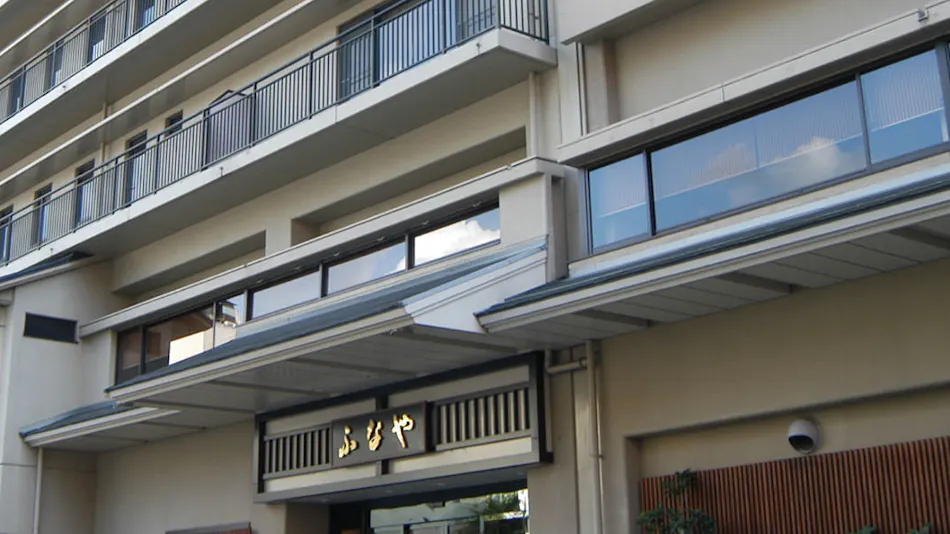
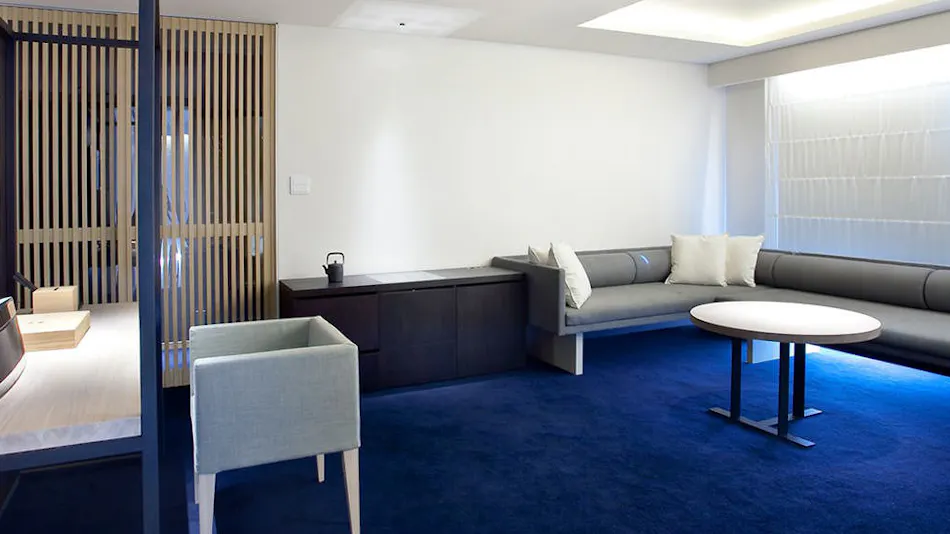
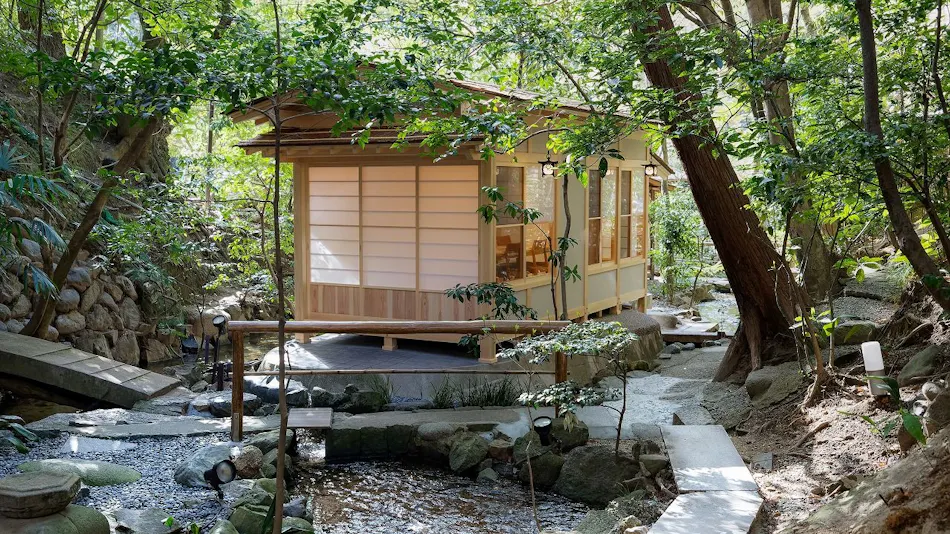
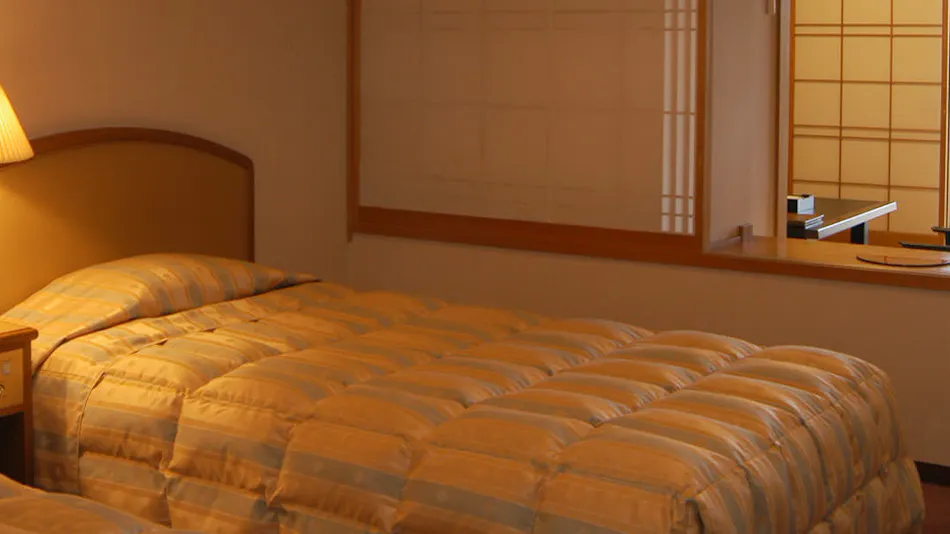
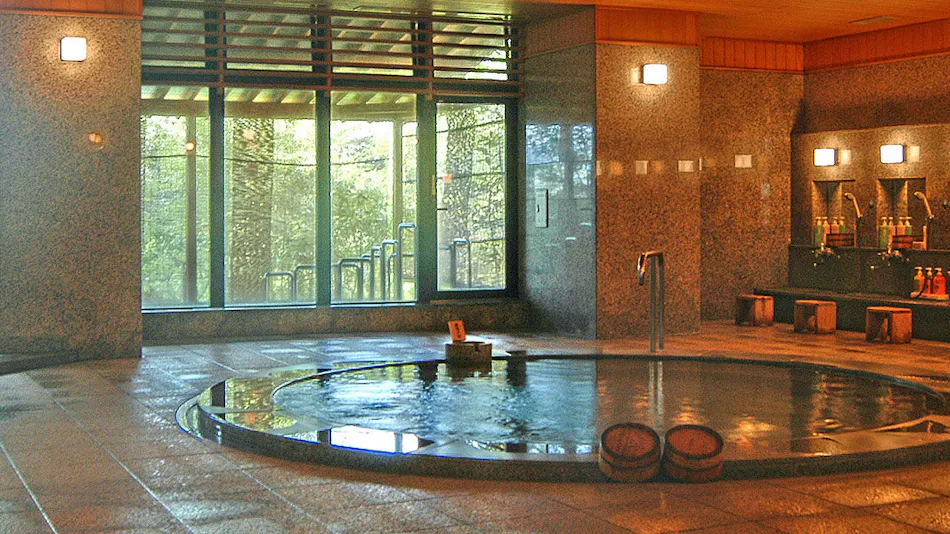
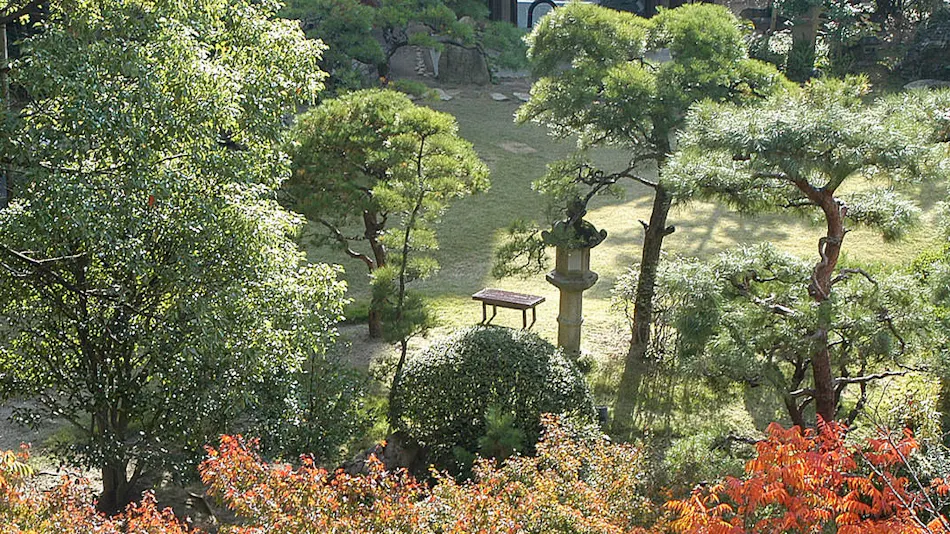
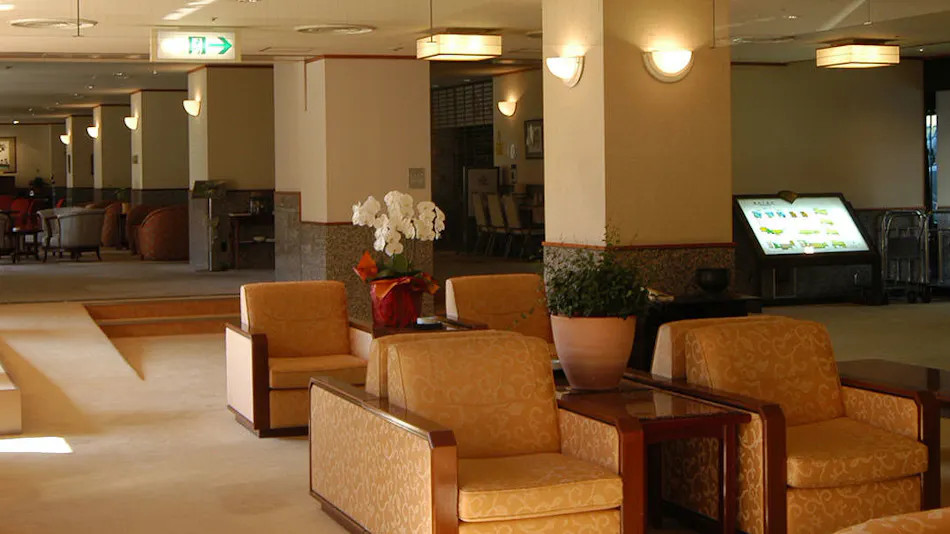
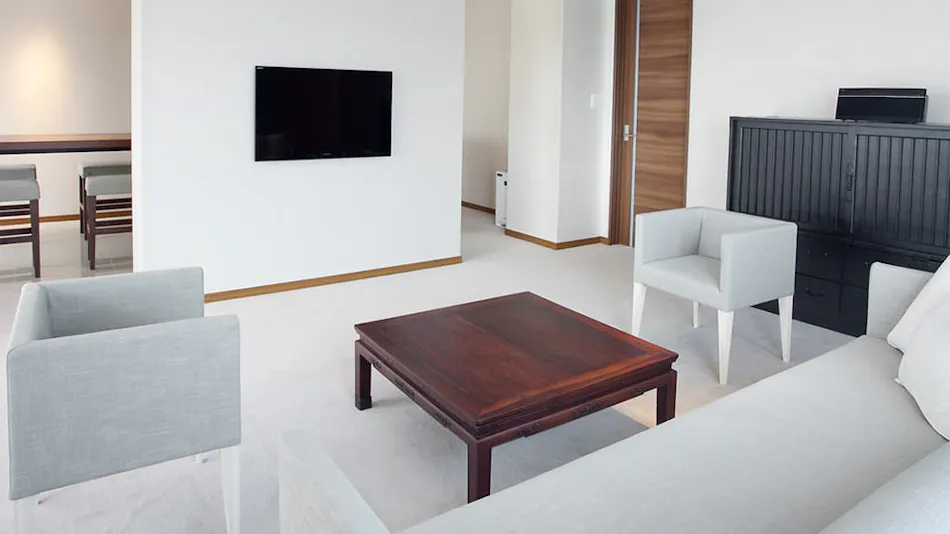
Dogo Onsen, Japan's oldest Onsen with a history of approximately 3,000 years, has been celebrated as one of the nation's most renowned hot springs, even mentioned in poems such as "Shiratama no Ishiyu" and "Iyo no Yuketa." Funaya Ryokan (now known as "Funaya") opened here during the Kan'ei era of the Edo period. For over 390 years, it has been cherished as a beloved Property for countless travelers. Dogo Onsen, which appears in ancient texts like the "Nihon Shoki" and "Manyoshu," was made decisively famous by Natsume Soseki's novel "Botchan." The haiku, "Hajimete no Funaya tomari wo shigure keri," was composed in the autumn of 1893 when Soseki stayed at Funaya during his first year as a teacher in Matsuyama. Funaya Ryokan has also been a favorite Property of literary figures connected to Matsuyama, such as Masaoka Shiki and Takahama Kyoshi. At "Dogo Onsen Funaya," you can enjoy a vast garden of approximately 1,500 tsubo (about 4,950 square meters) with a flowing mountain stream. The Property has been meticulously crafted to harmonize the charm of tradition with a fresh, modern spirit. Please savor a memorable moment of your journey with us.
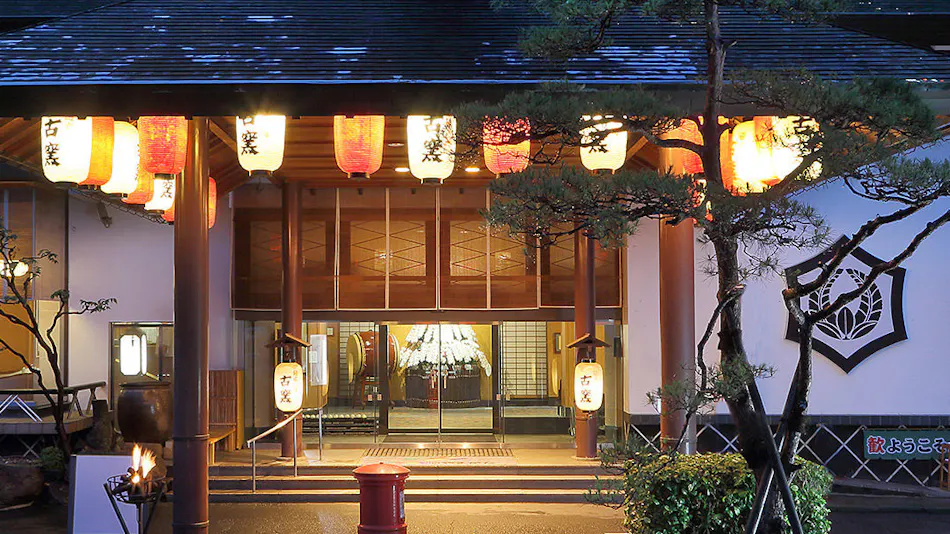
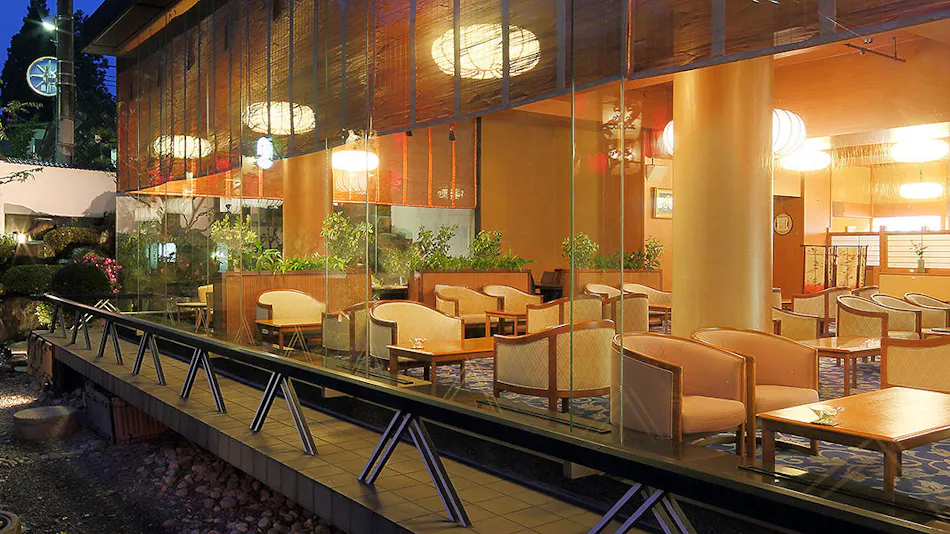
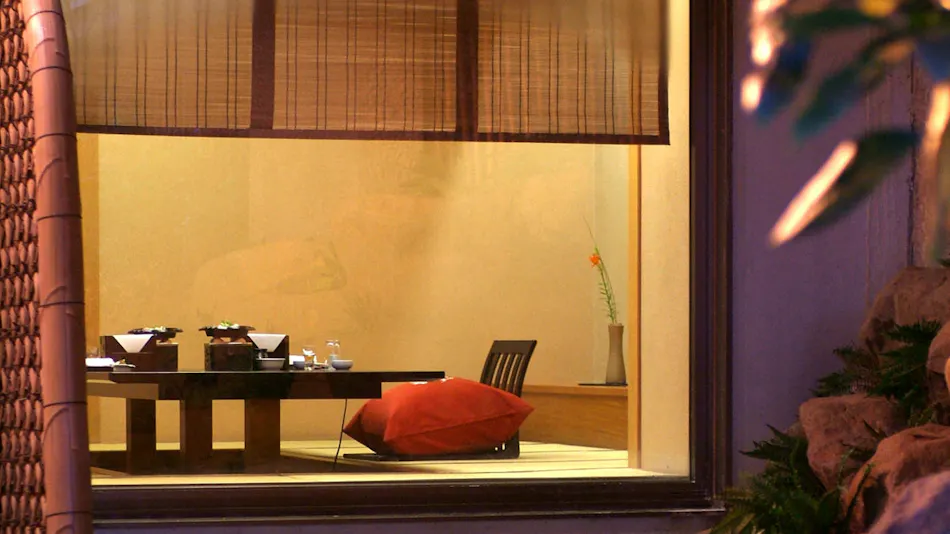
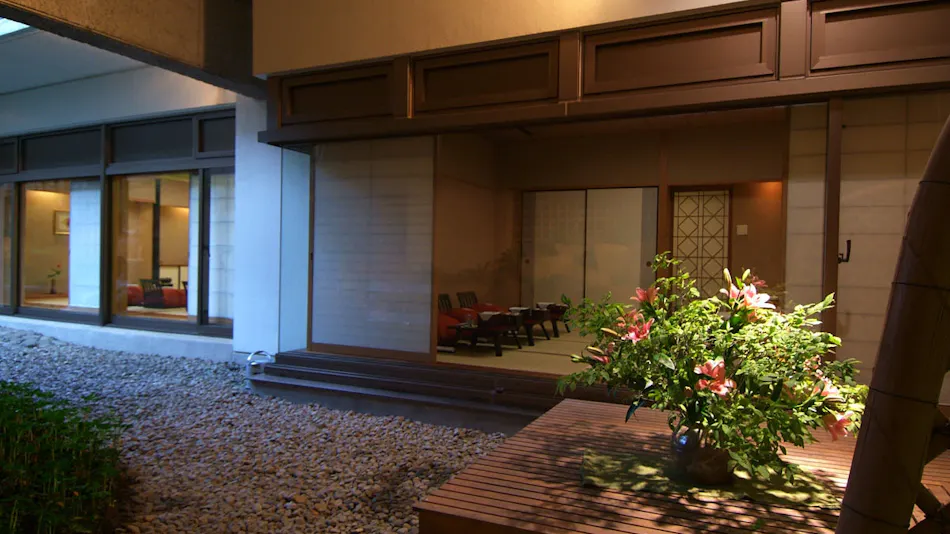
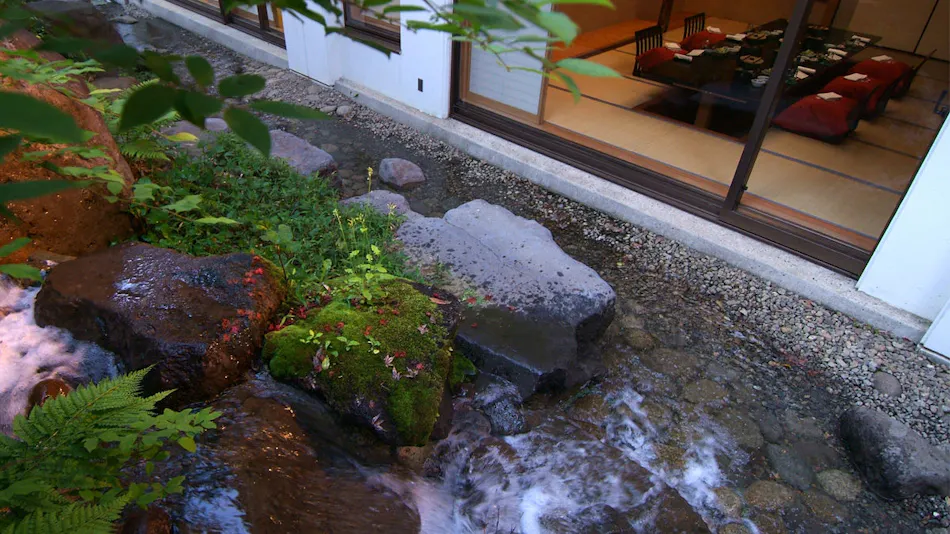
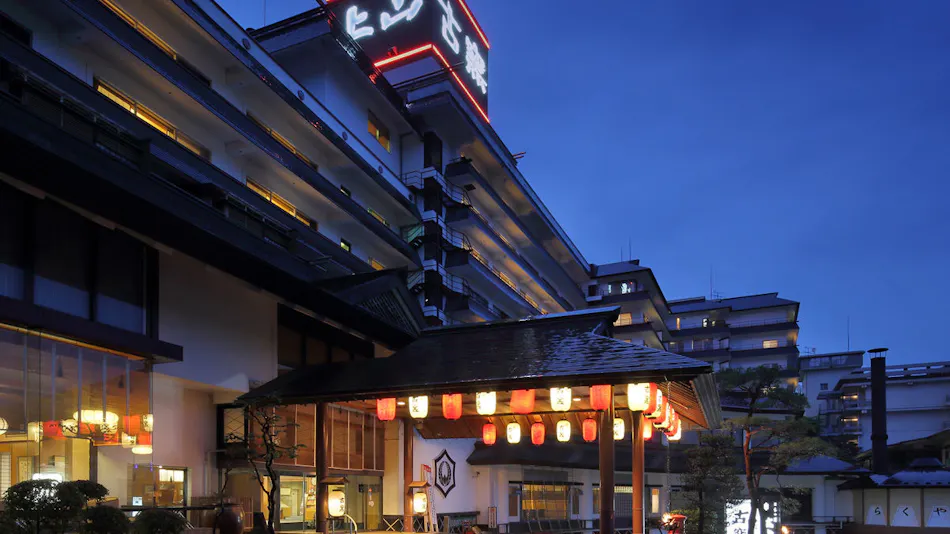
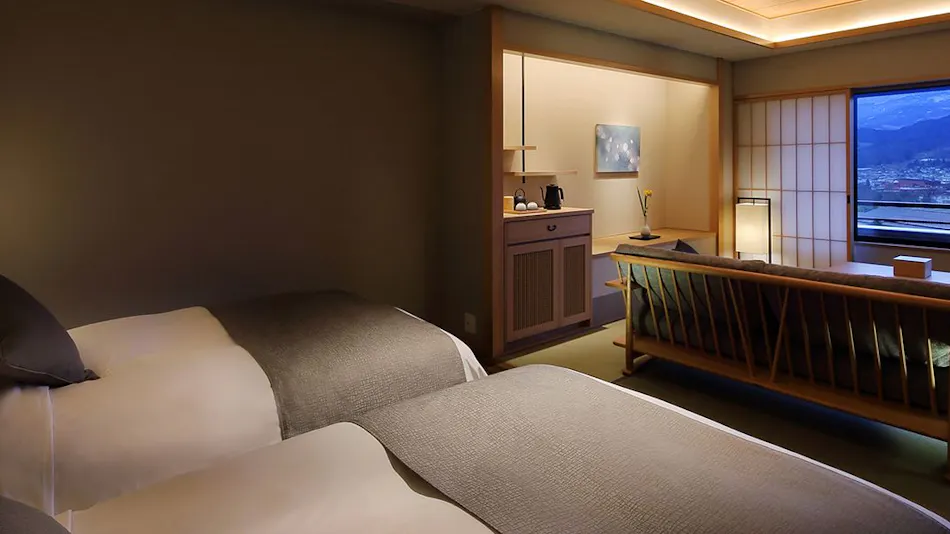
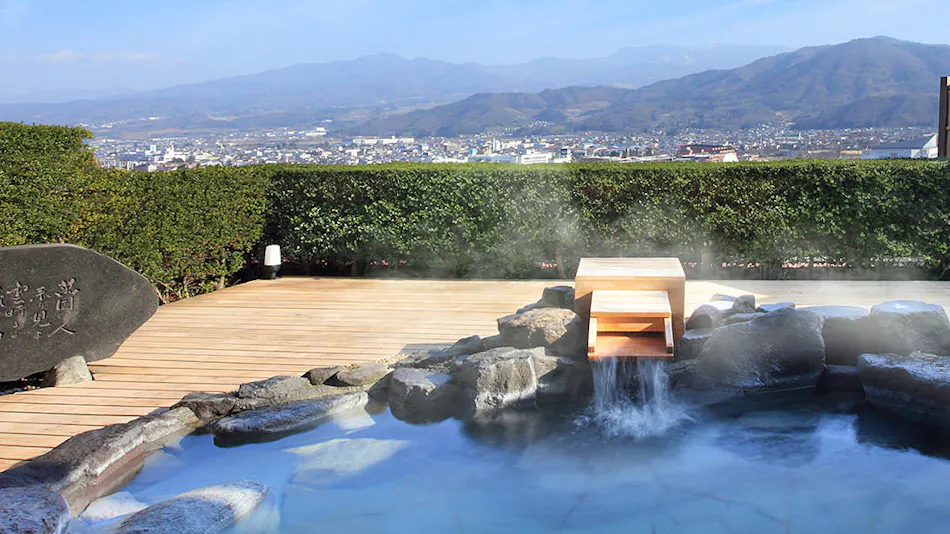
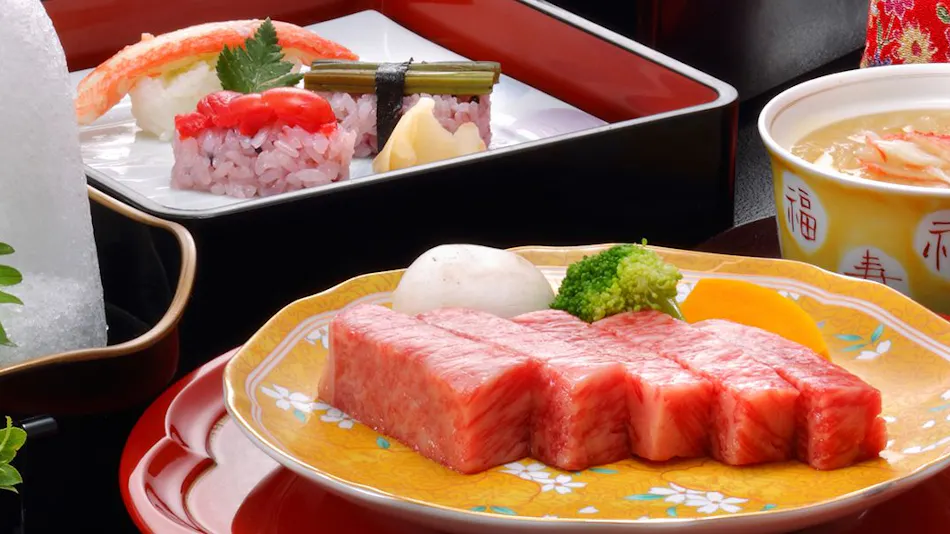
Awarded a spot in the "Top 100 Hotels and Ryokans in Japan Chosen by Professionals" for 40 consecutive years. Our cuisine, featuring A5-grade Yonezawa Beef and Yamagata Beef, Japan's top-rated rice "Tsuyahime," and fresh vegetables directly sourced from contracted farmers, is highly praised by our guests. The lobby exudes rich Japanese ambiance, and there is a Kyoto-style restaurant on-site. Within the premises, you can find the remains of a 1,300-year-old Sue ware kiln, which is the origin of the establishment's name and is designated as a cultural property of the prefecture. Guests can enjoy painting on Raku ware, and the gallery inside the facility displays over 3,000 works by prominent figures from various fields. In addition to the open-air bath on the first floor, there is a private open-air bath on the third floor for complete privacy, and an observation open-air bath on the eighth floor offering views of the Zao mountain range to the east. Our cuisine highlights the local flavors of Yamagata, with specialties such as Yonezawa Beef steak, sukiyaki, Onsen-steamed shabu-shabu, and Yamagata's famous imoni stew, all of which are highly popular.


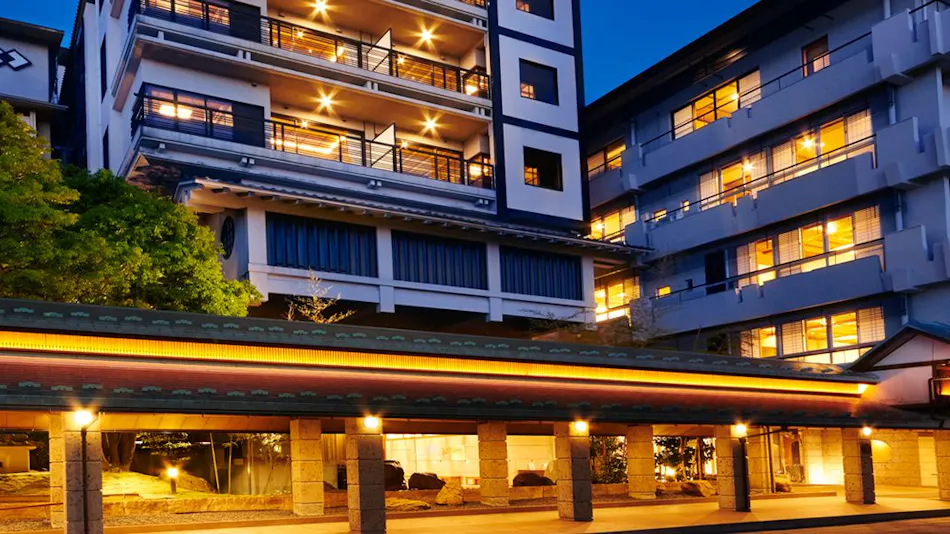

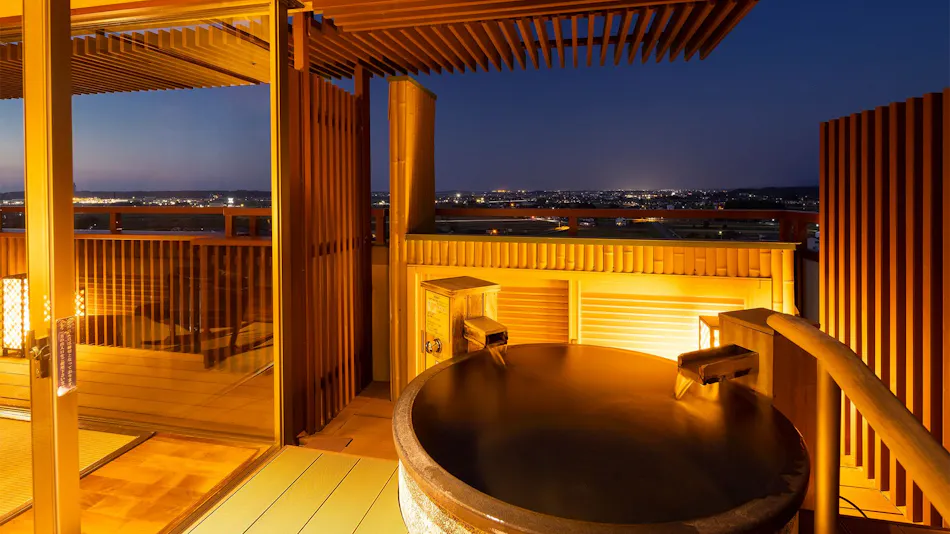
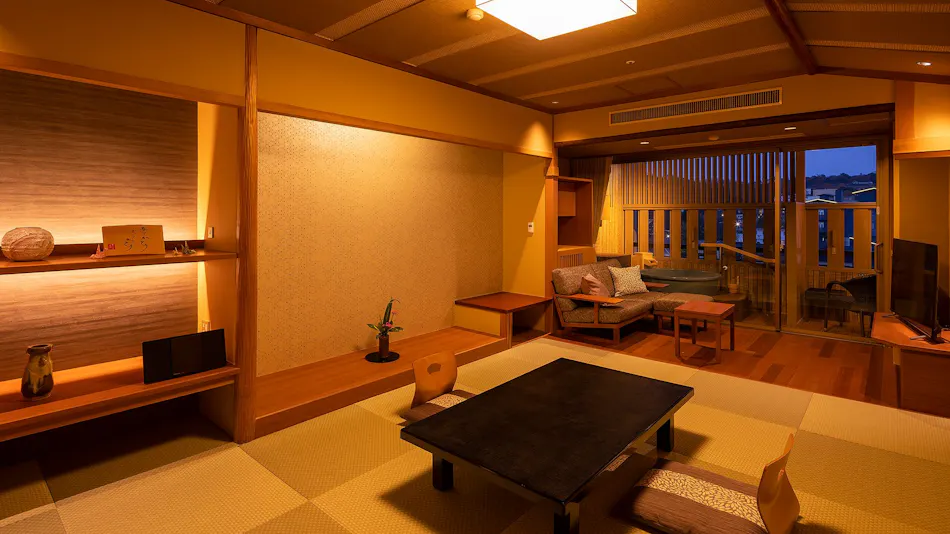
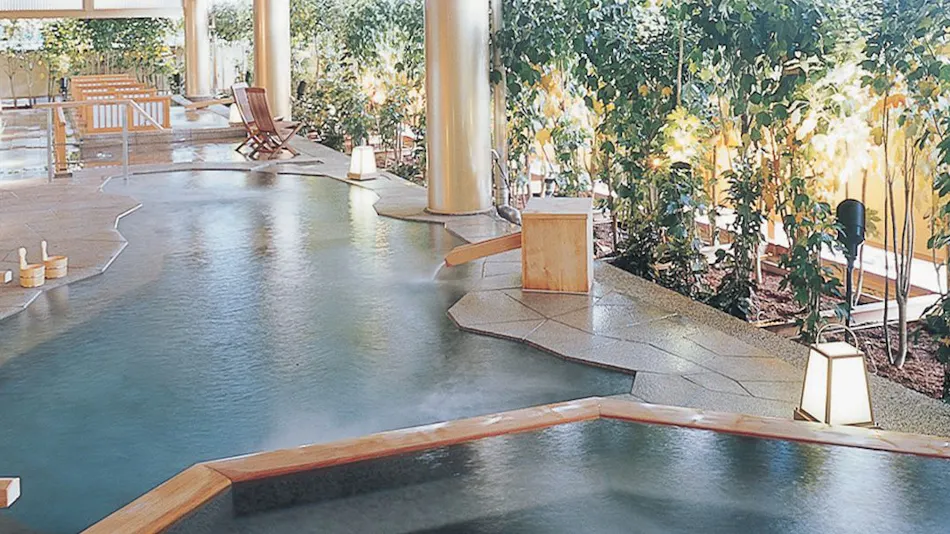


Savor the flavors of each season, soak in the Onsen at your leisure, and discover new delights. Enjoy seasonal cuisine—then return to the Onsen. With family, as a couple, or with someone special. In your own way, enjoy a moment that refreshes both body and mind. Experience a day unique to an Onsen Ryokan at Yunokuni Tensho. To help you truly relax and enjoy your stay, we welcome you with a variety of Facilities centered around our Onsen and heartfelt hospitality. “One Night, Three Onsens—18 Bath-Hopping Experiences” Ranked 4th overall in The whole country in the 2026 “100 Best Hotels & Ryokan in Japan” selected by professionals
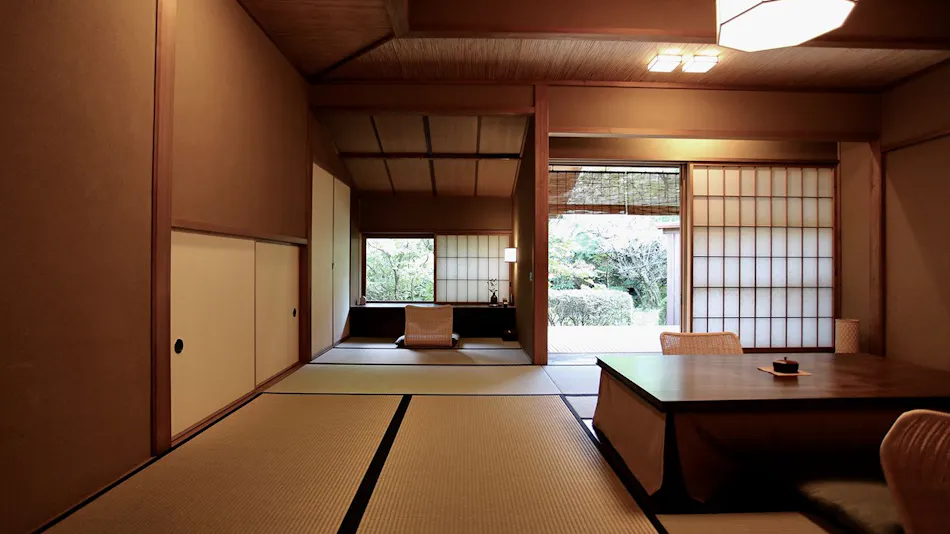
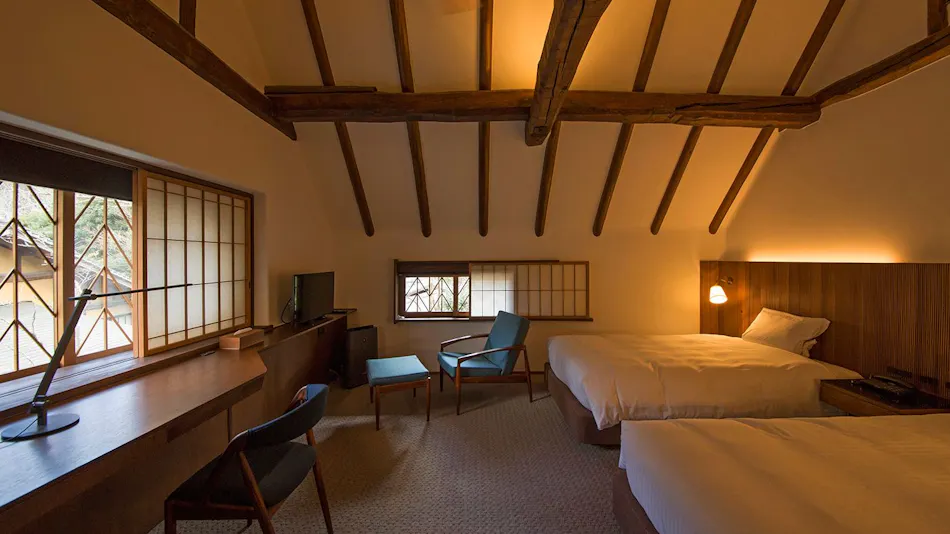
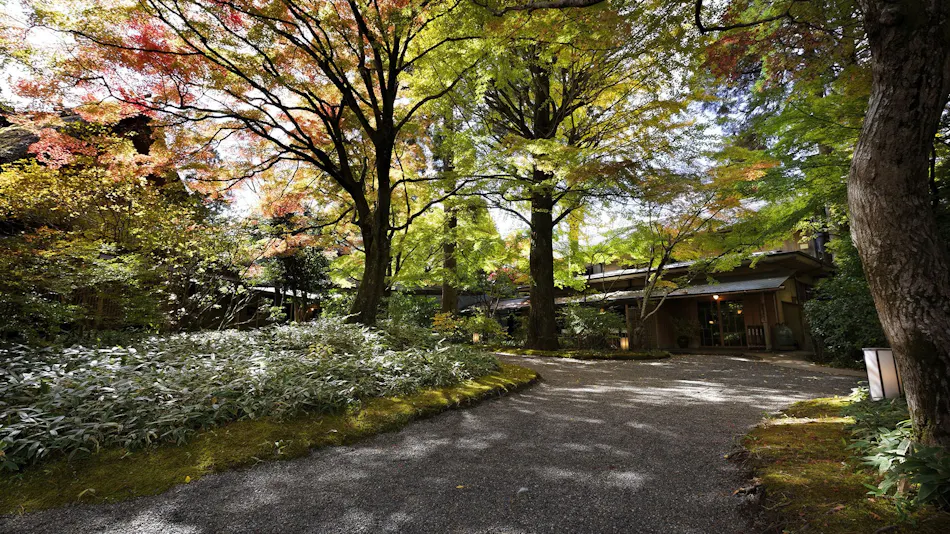

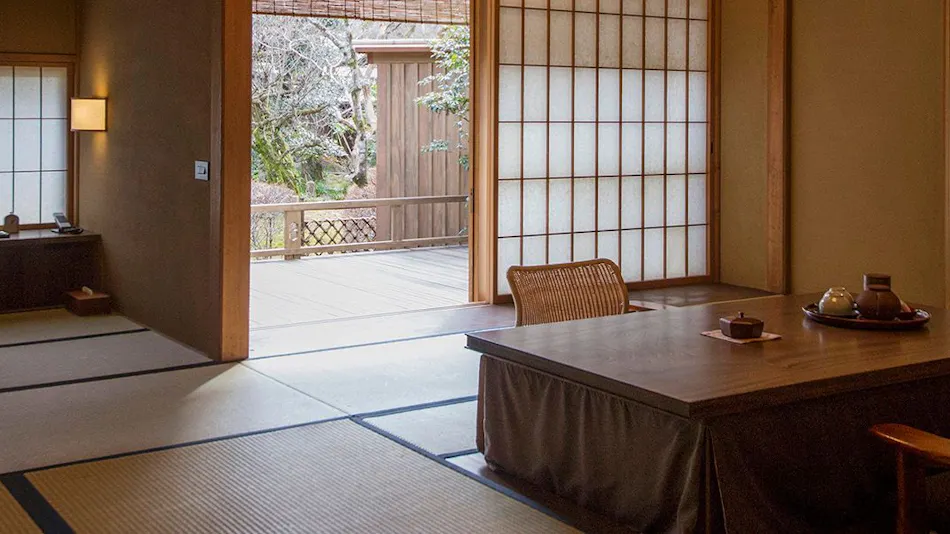
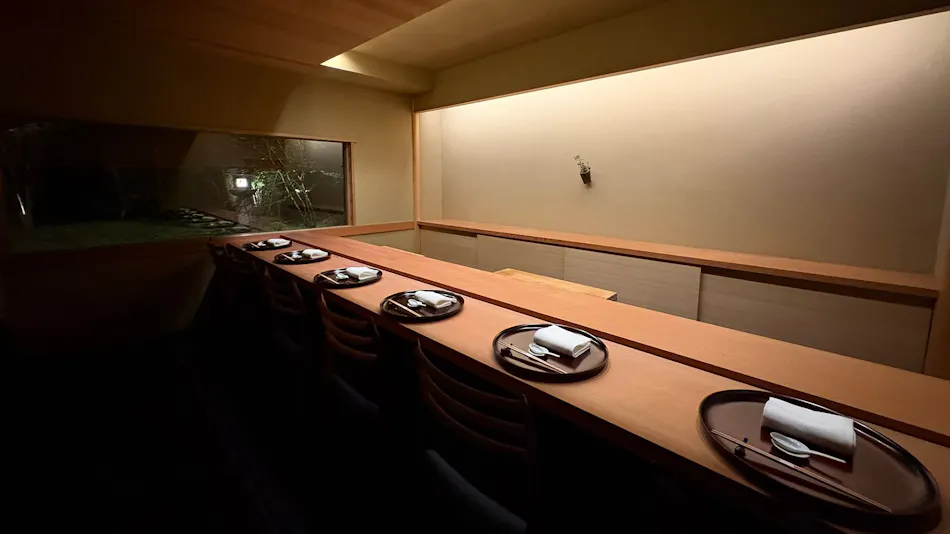
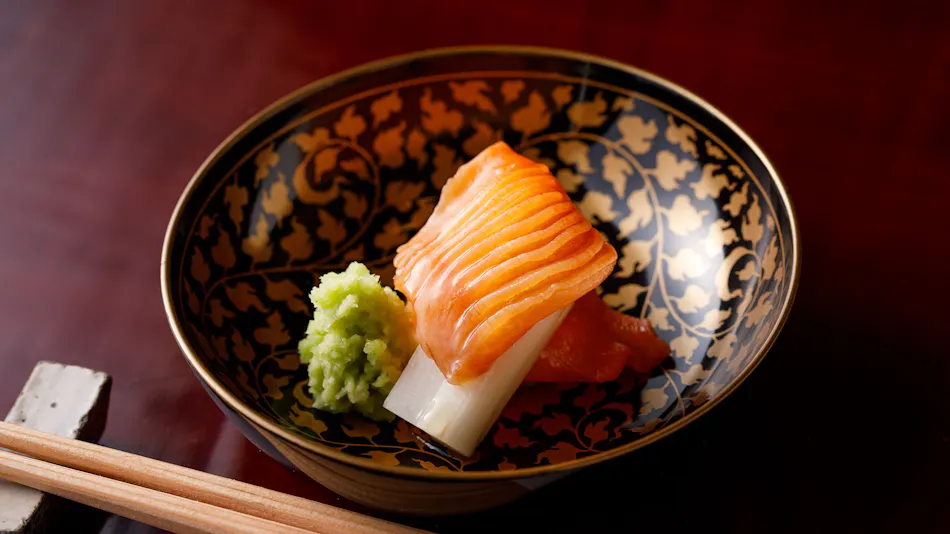
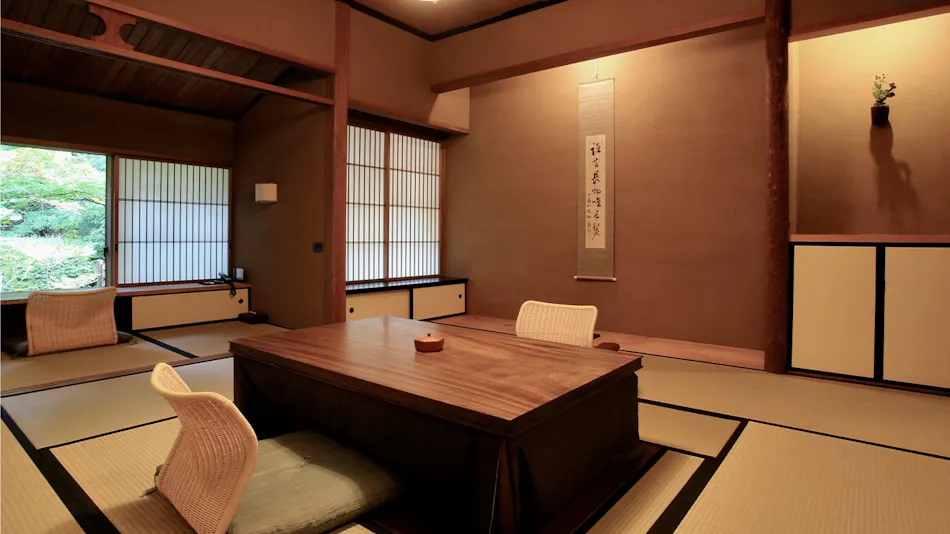
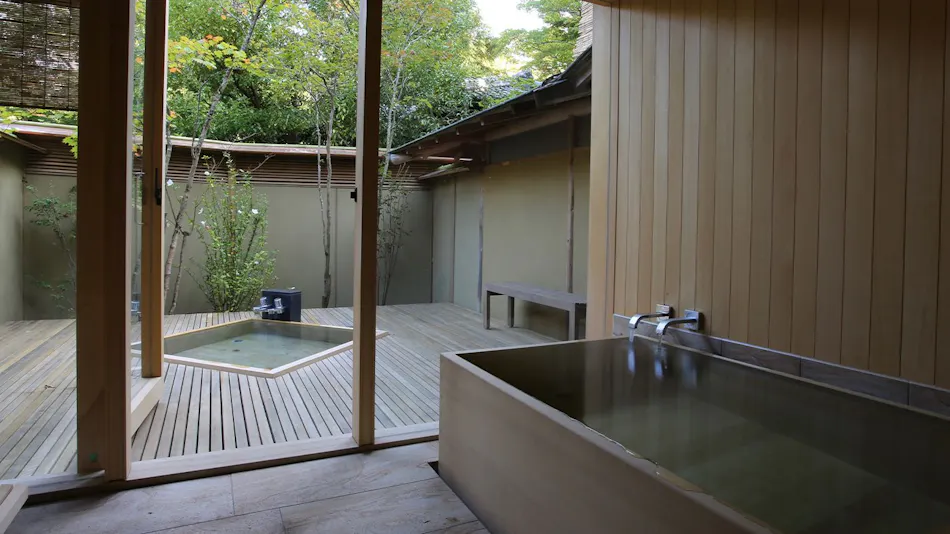
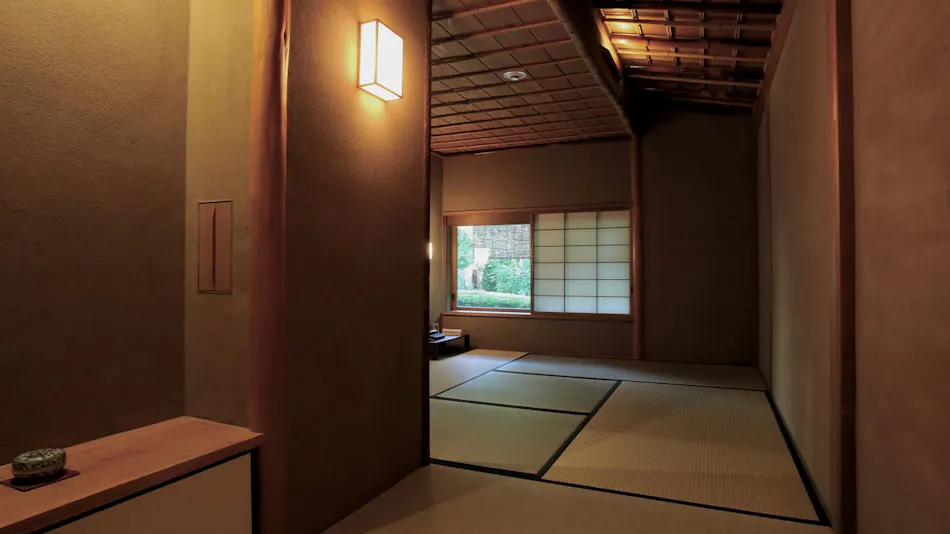
At the foot of Mt. Yufu, on a vast 10,000-tsubo estate leading to Lake Kinrin.Since our founding in 1921, we have carefully preserved the garden’s charm and tranquility.A garden surrounded by greenery from trees over 200 years old, and 17 guest rooms—each with a unique design.Enjoy local-ingredient cuisine and smooth, free-flowing Onsen hot spring water from the source as you savor the changing seasons at your own pace.
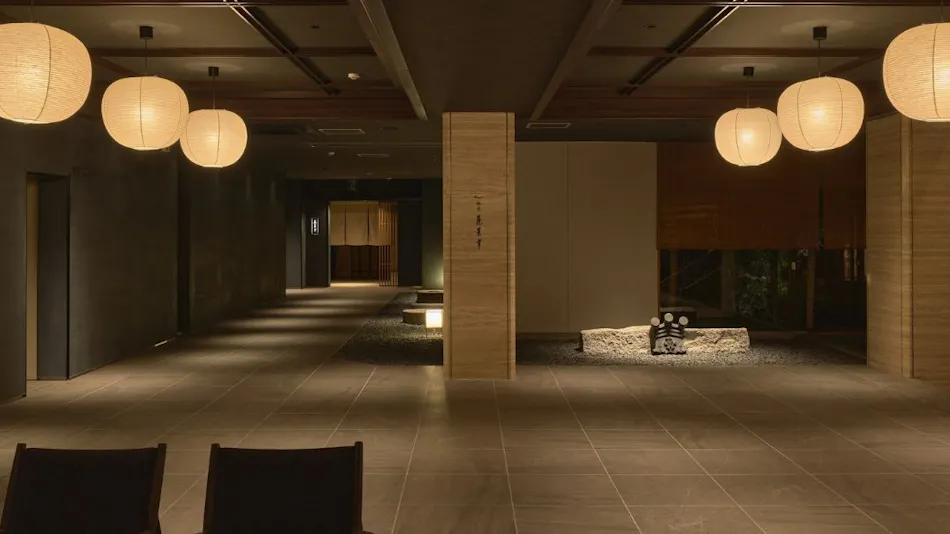
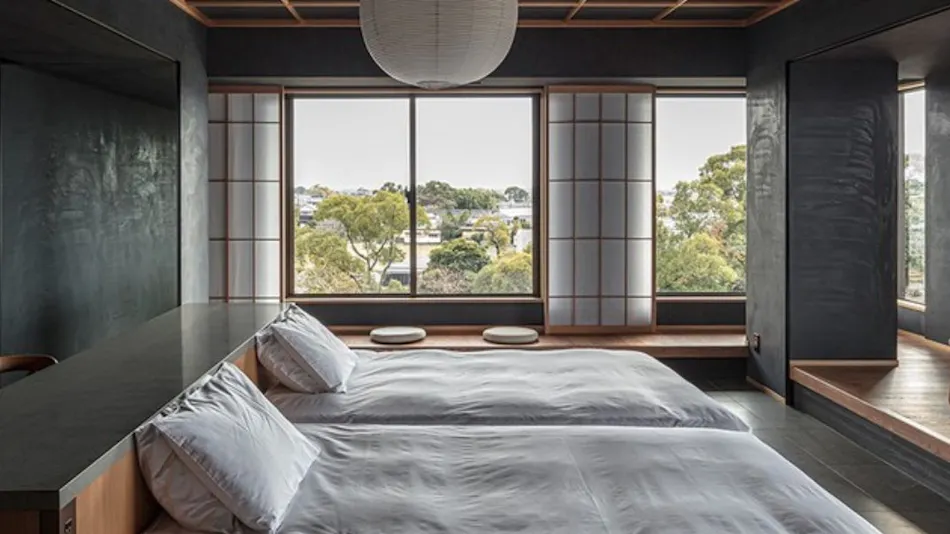
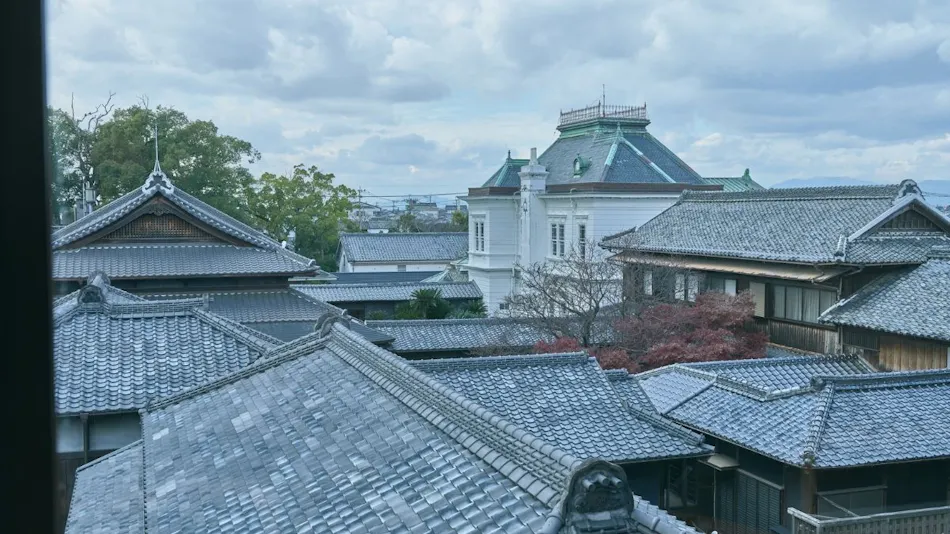
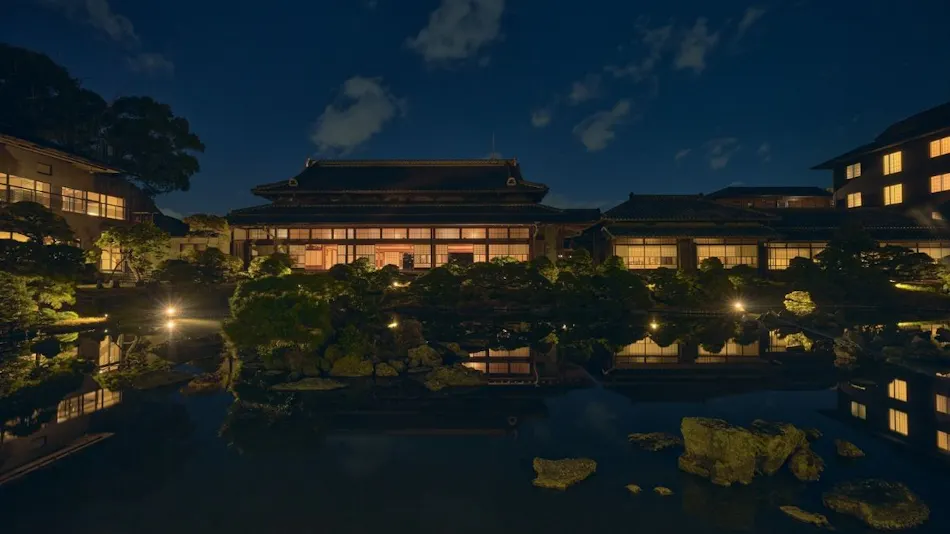
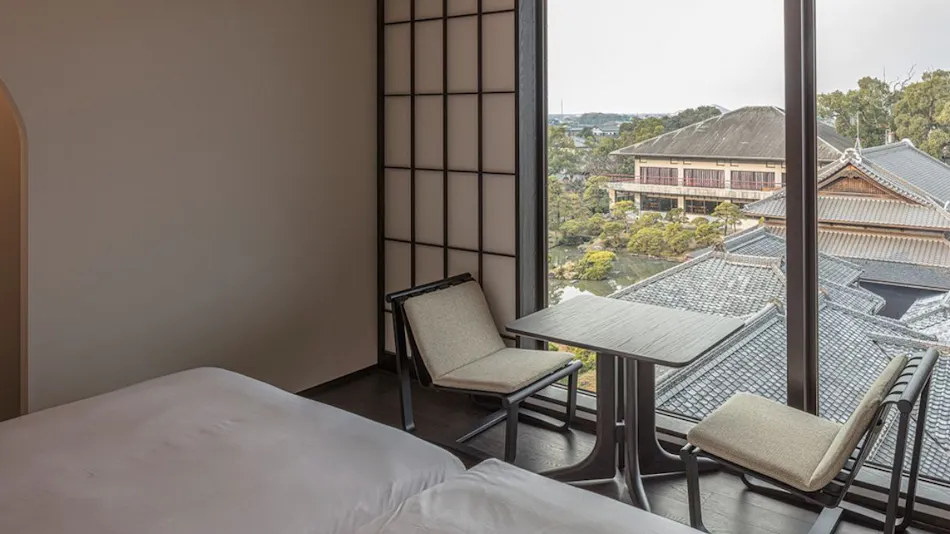
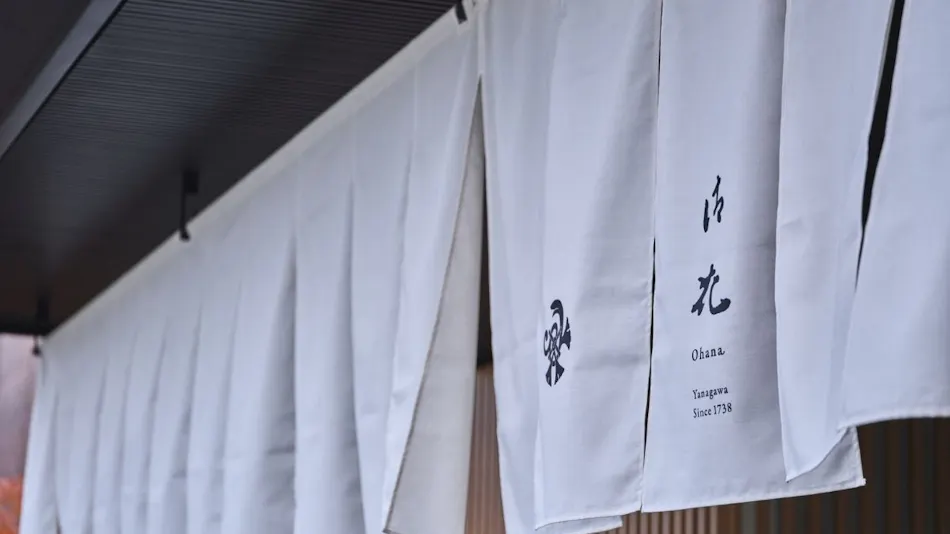
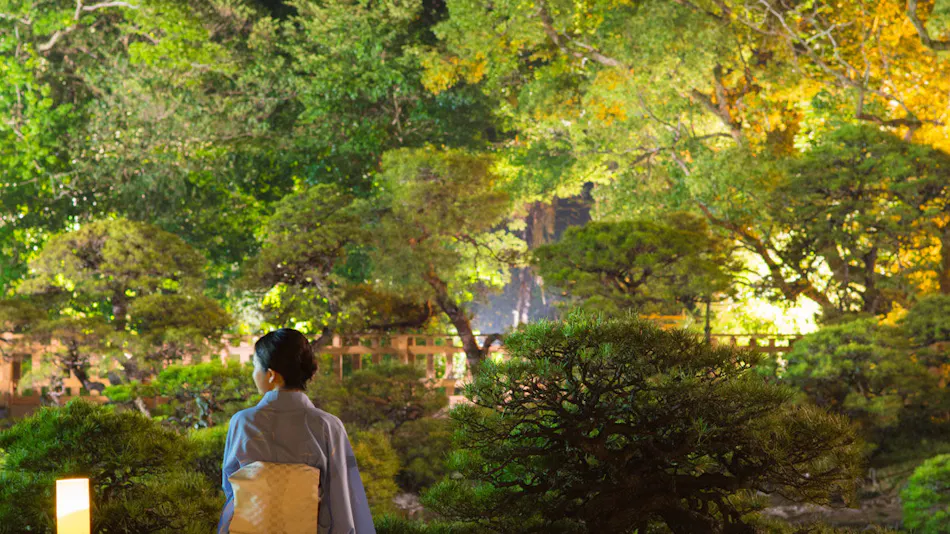
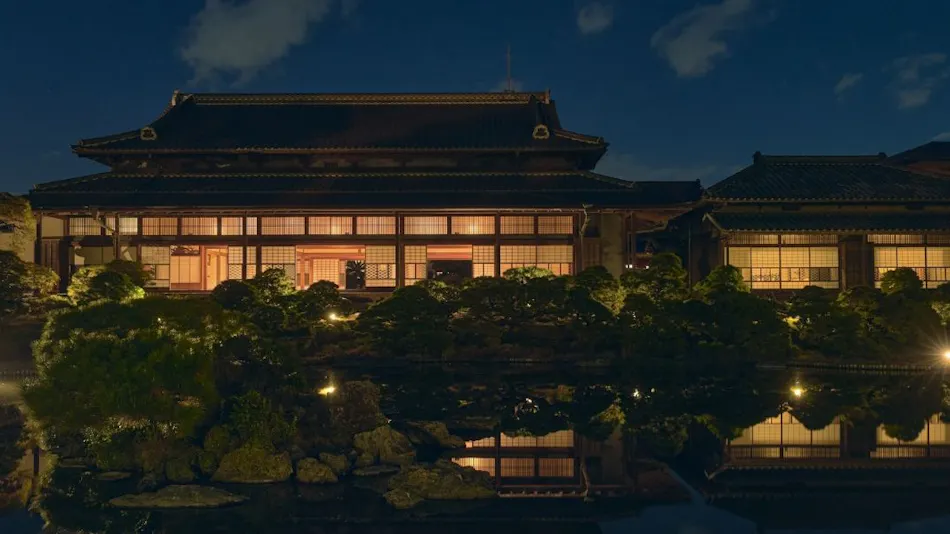
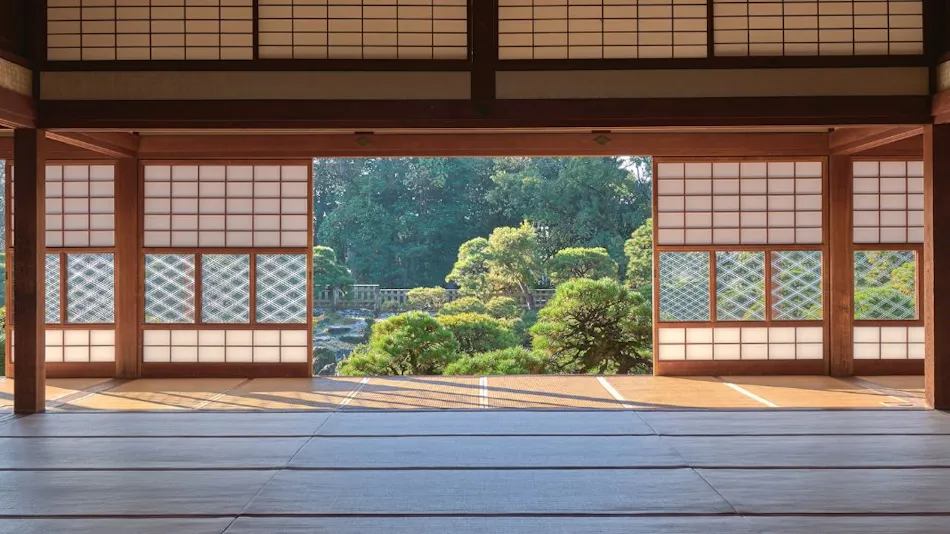
Yanagawa is a beautiful water city where 930 km of canals, unchanged since the Edo period, spread throughout the town and boats glide by. The Tachibana family has long stood alongside Yanagawa’s history. During the Edo period, Ohana began as a villa of the Tachibana family, lords of the Yanagawa Domain. From the Western-style building constructed in the Meiji era as an authentic guesthouse, you pass through to a grand 100-tatami hall—beyond which lies a magnificent garden composed solely of pine trees. With the renewal of our accommodation wing, we are being reborn as a space where you can more fully enjoy the appeal of cultural properties still preserved by descendants of this former daimyo family. Making use of our distinction as Japan’s only nationally designated Place of Scenic Beauty where you can stay—a Ryokan with dining—we offer activities and moments that let you feel the history and stories of the daimyo family (the Tachibana family).


Kinosaki Onsen, with a history of 1300 years since its opening. The willow-lined Otani River flows through the center of the town, accompanied by stone bridges. In the heart of this charming Onsen town lies Nishimuraya Honkan. Passing through the grand traditional gate, you are greeted by the faint aroma of incense. The 34 Rooms face the garden, showcasing the serene beauty of Japanese-style aesthetics. In addition to the private bathrooms in each Room, there are large communal baths and open-air baths, each with unique designs, including the Azumaya-style "Yoshinoyu" nestled in a bamboo grove and the Chinese pavement-style "Fukunoyu." The soft texture of the weak saline Onsen water will wash away your fatigue. The warm hospitality, carrying on 160 years of history and tradition, continues to captivate visitors.
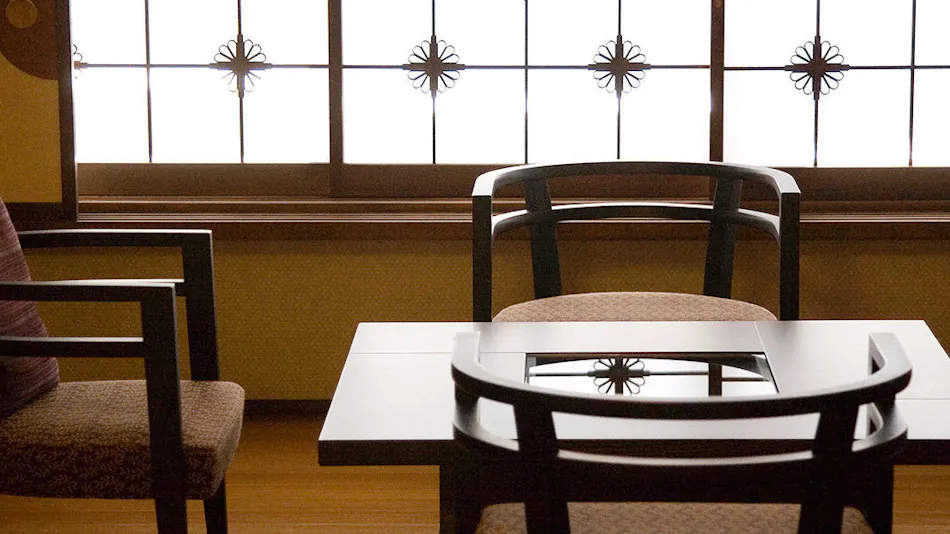
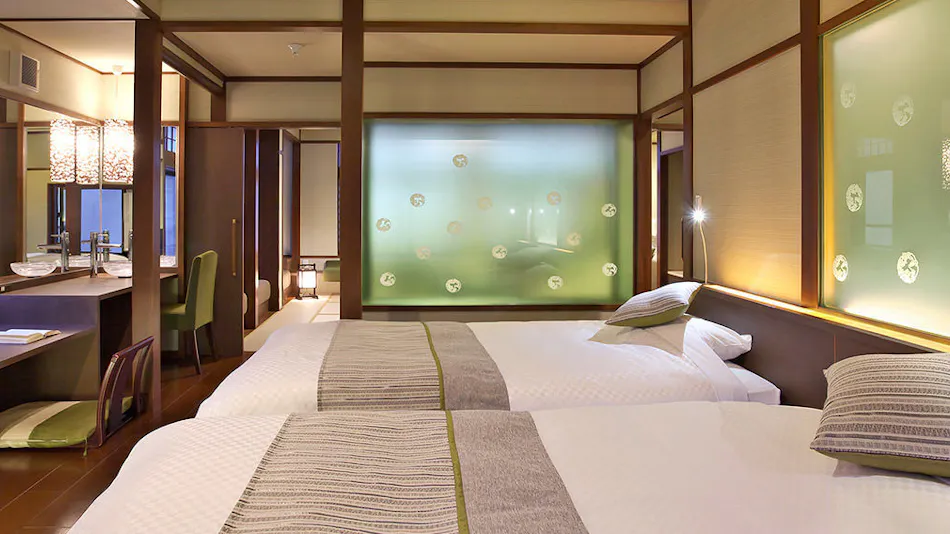
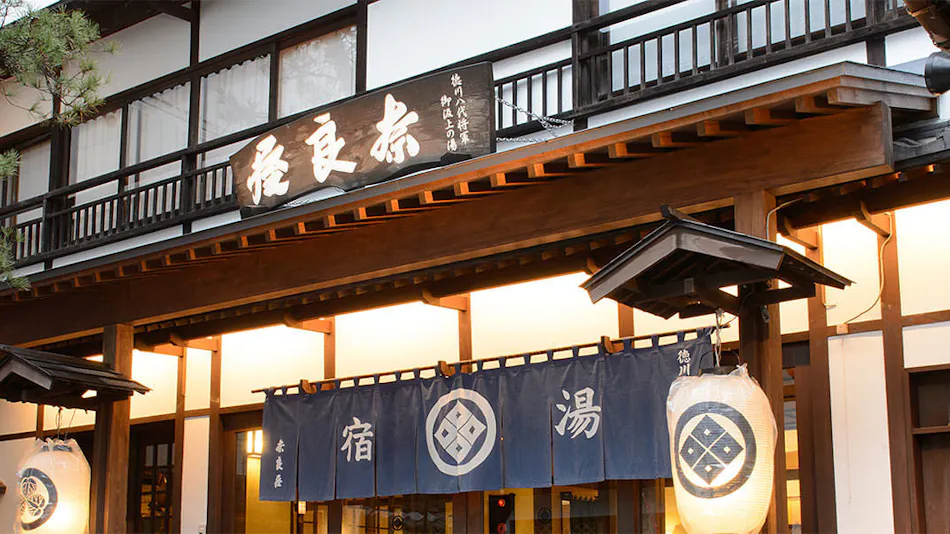
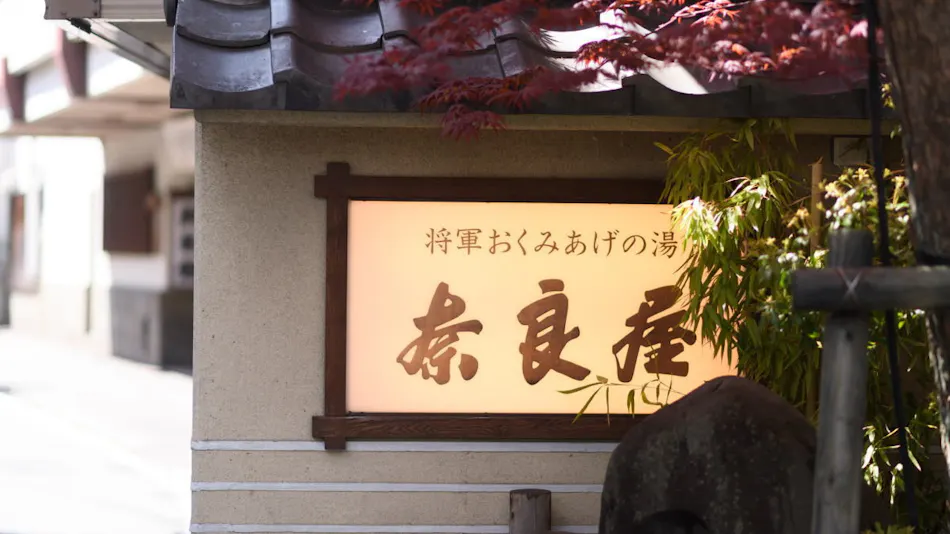
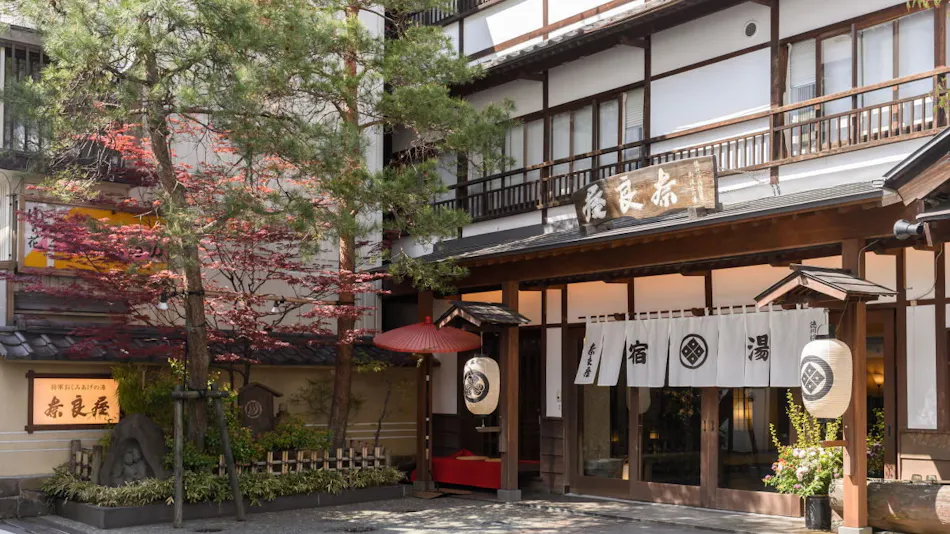
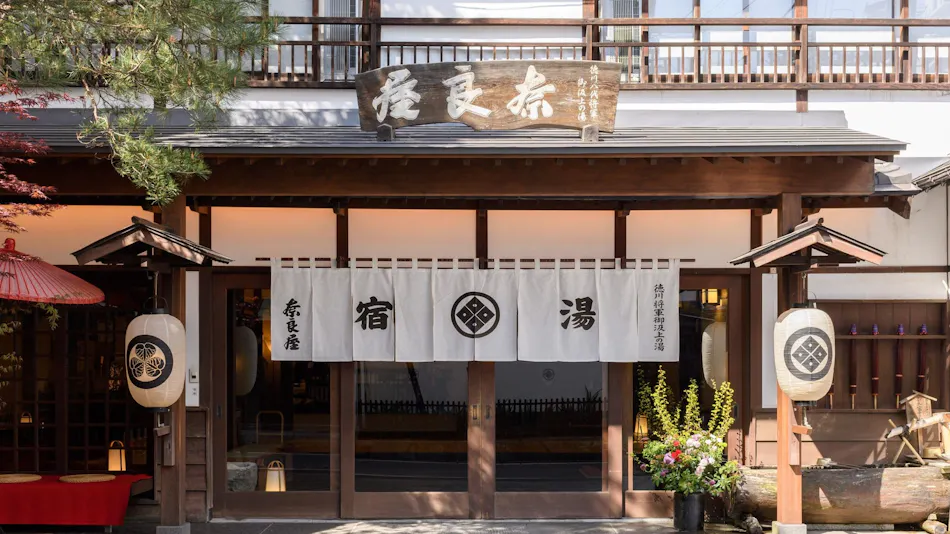
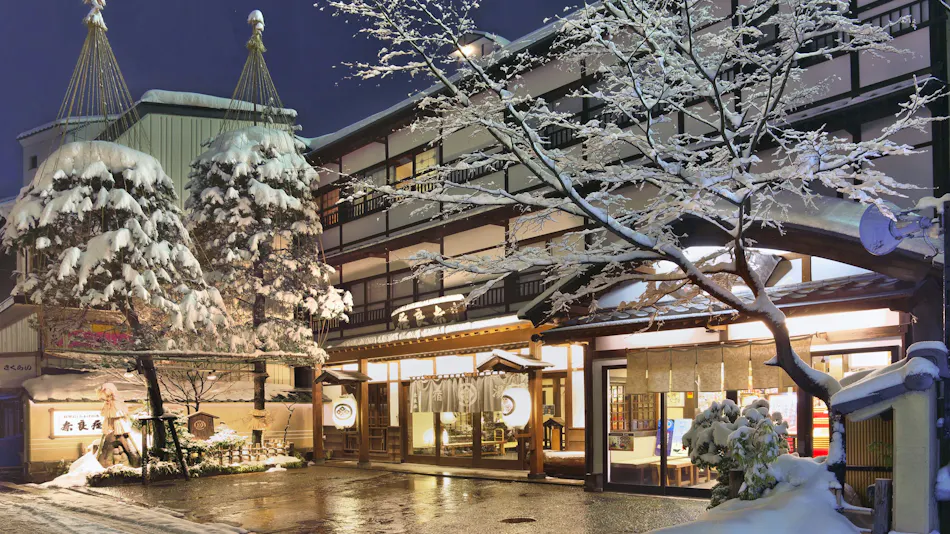
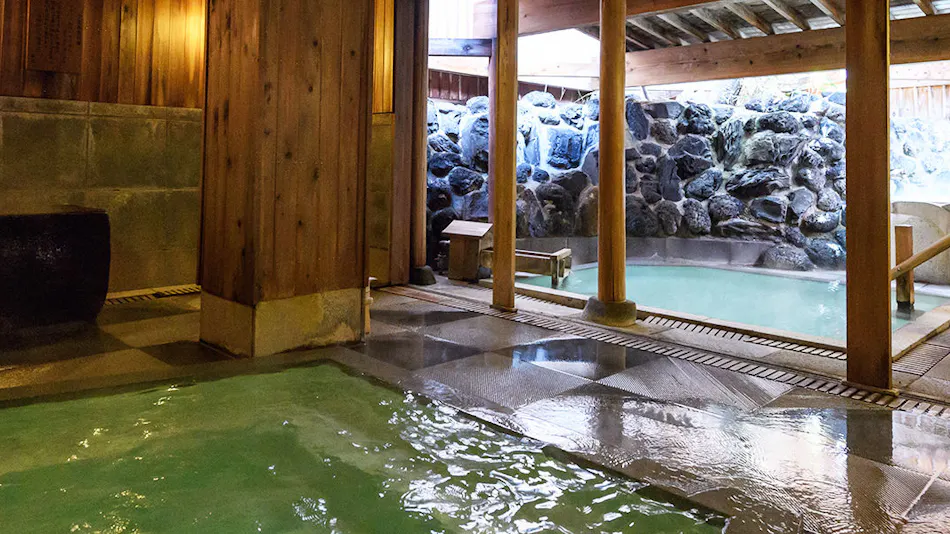
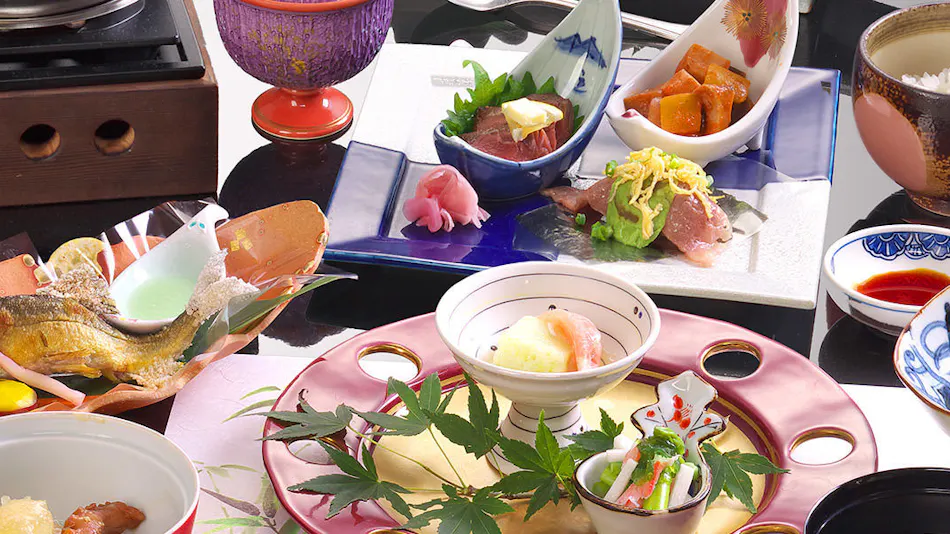
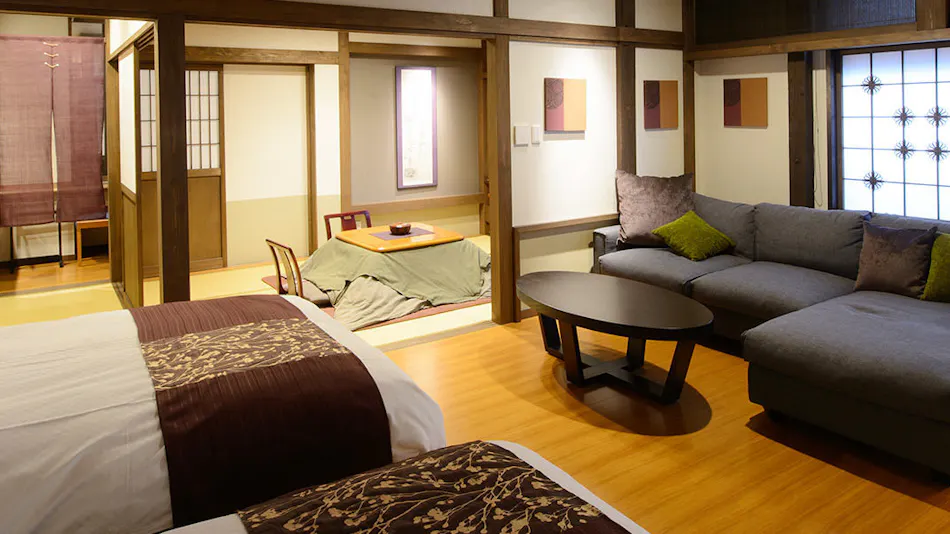
Just a 1-minute walk from the famous Kusatsu Onsen attraction 'Yubatake'. The traditional Japanese-style Ryokan 'Naraya' exudes historical charm. Boasting a variety of Room types suitable for various travels and the 24-hour flowing Onsen 'Shirahata no Yu'.
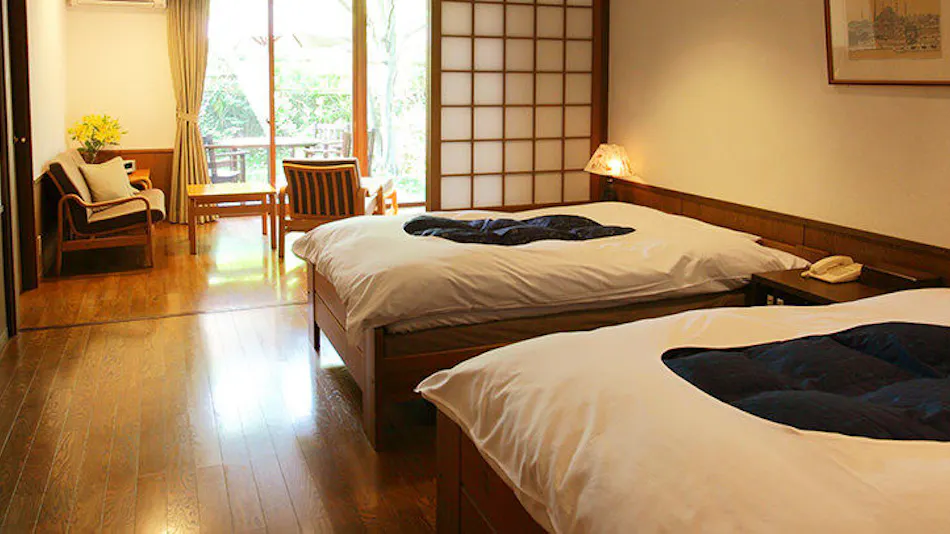
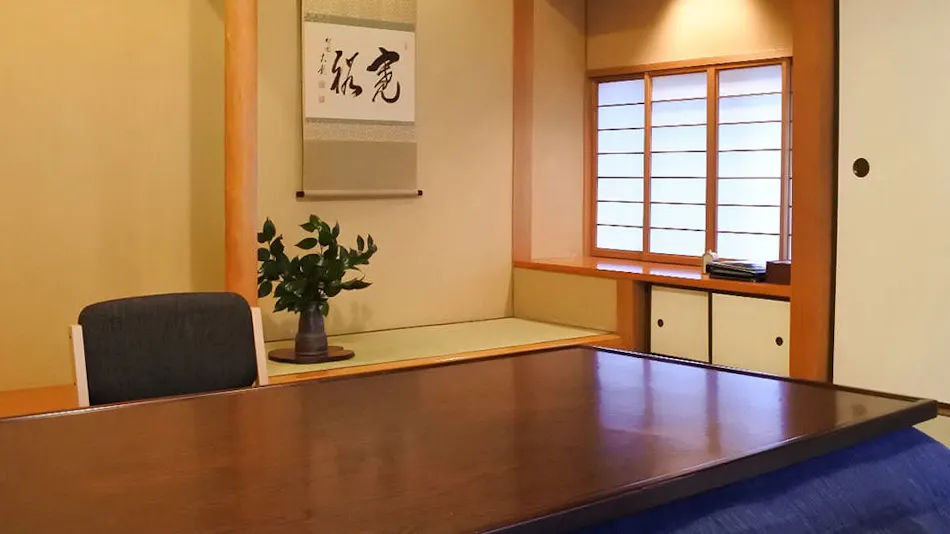
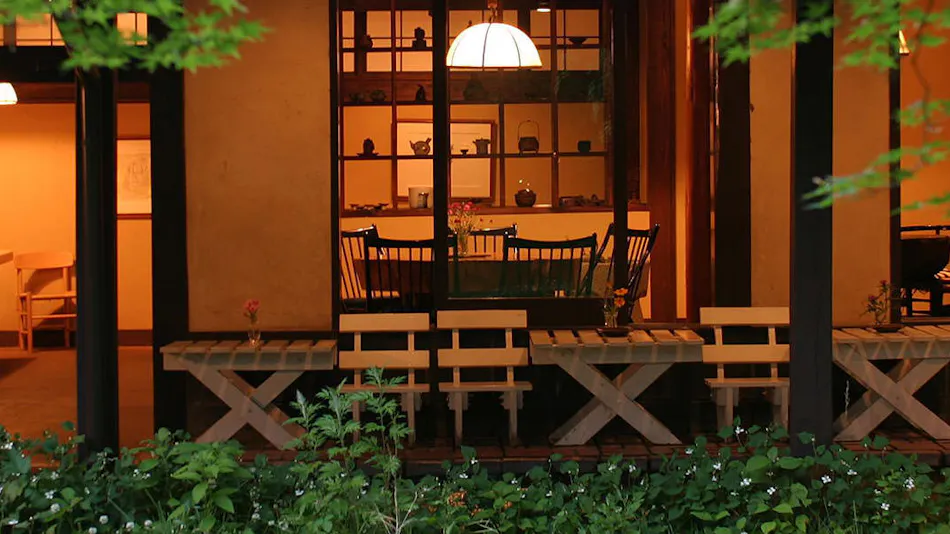
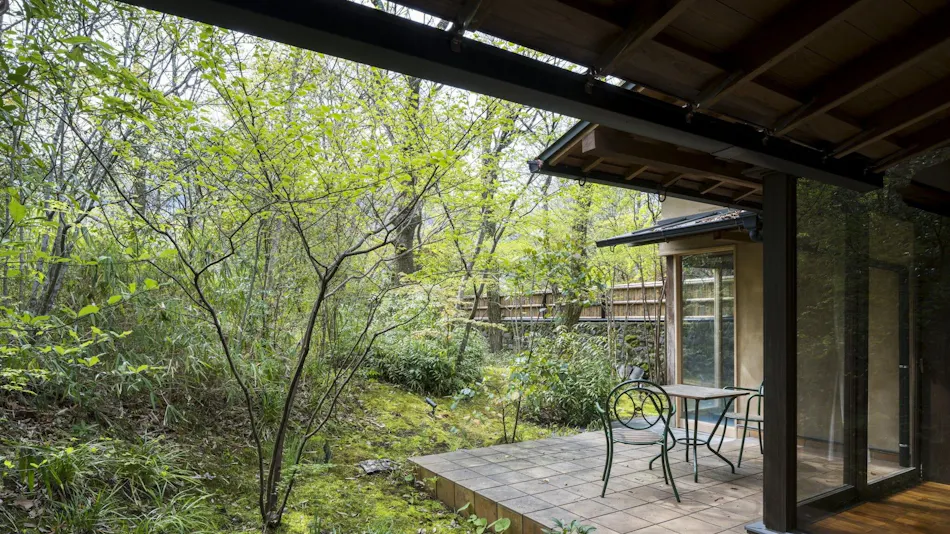
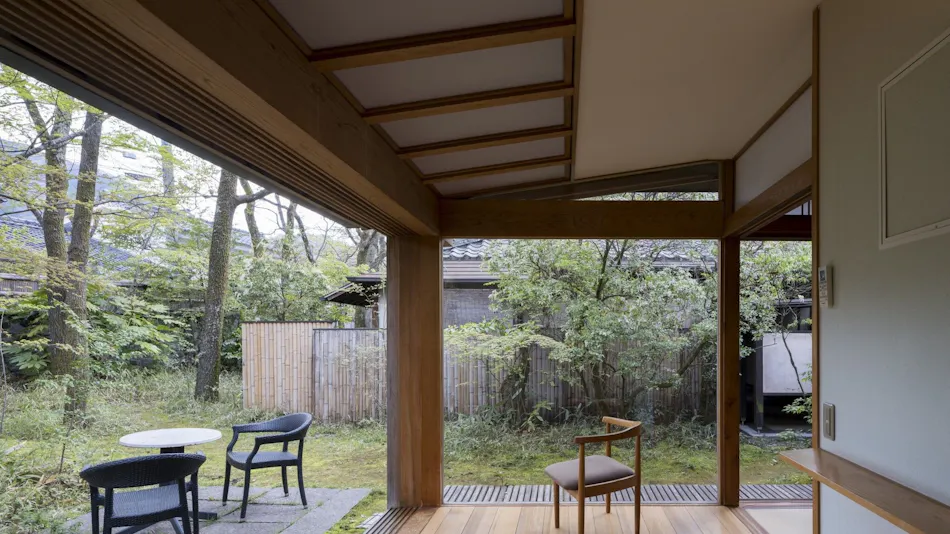
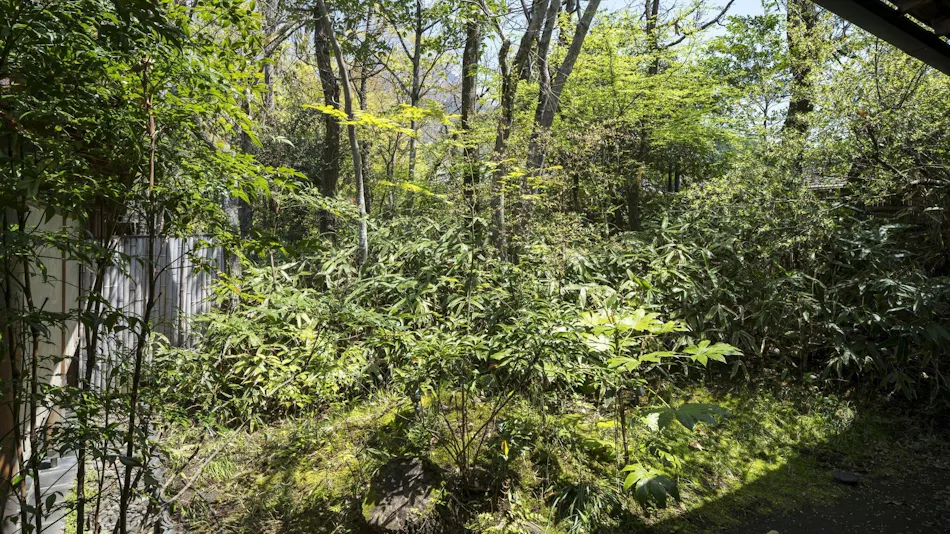
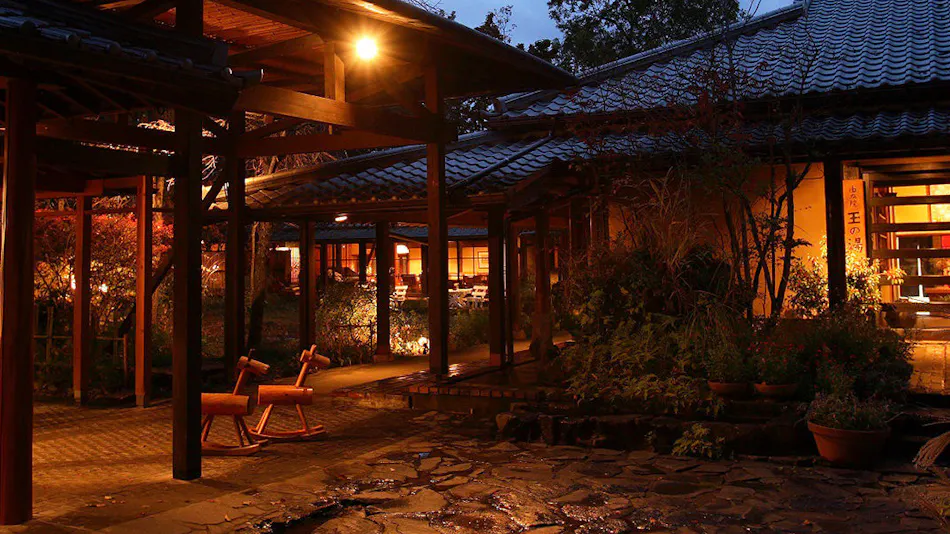
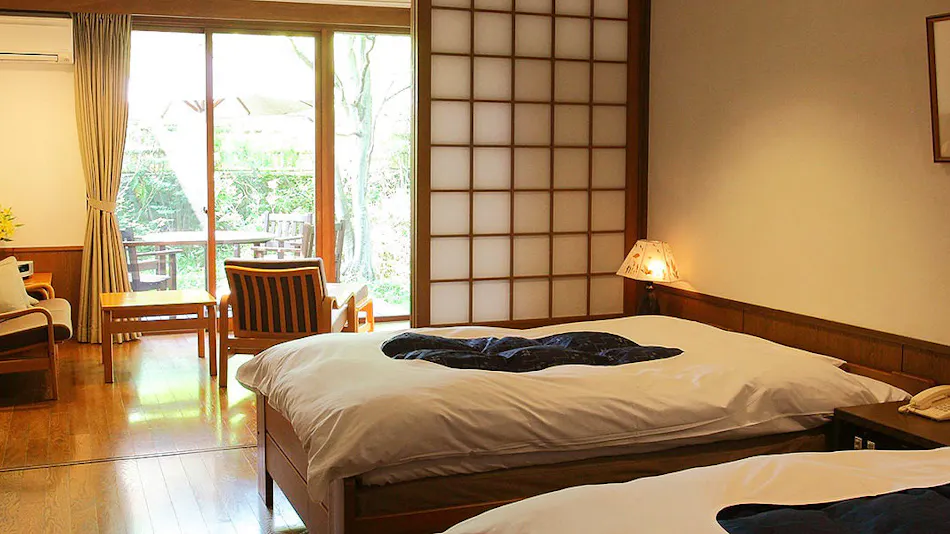
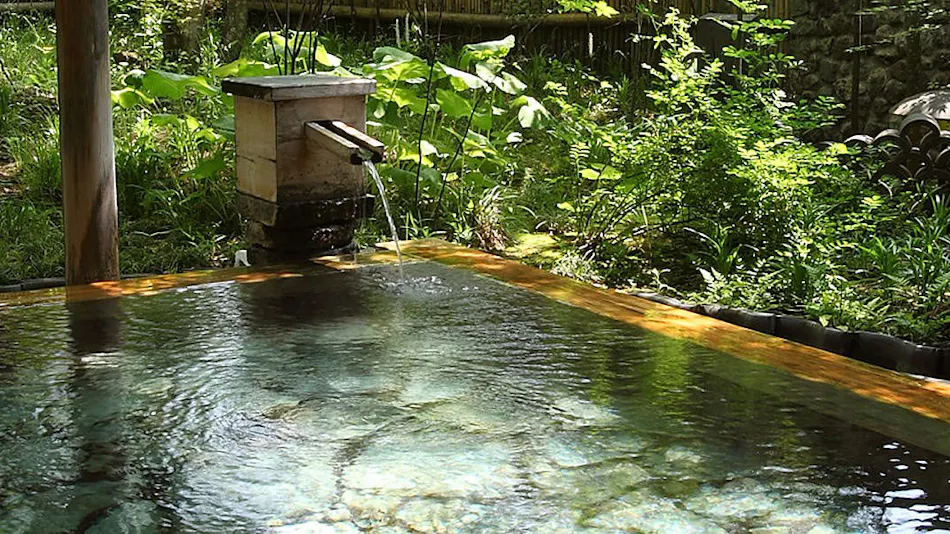
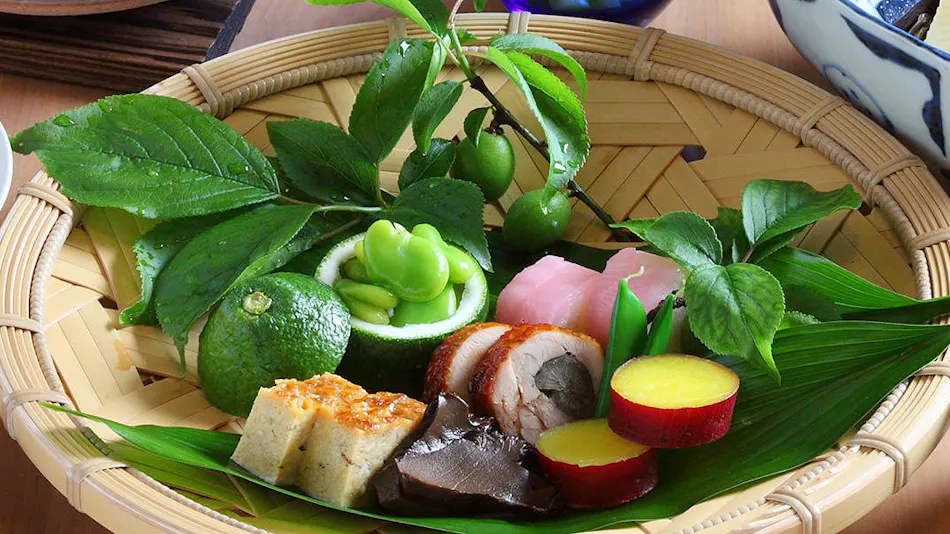
Yufuin, home to Tamano-yu, strives to be a tourist destination in harmony with nature, focusing on preserving the environment while developing the town. Take a stroll through the countryside and small paths to experience the changing seasons.
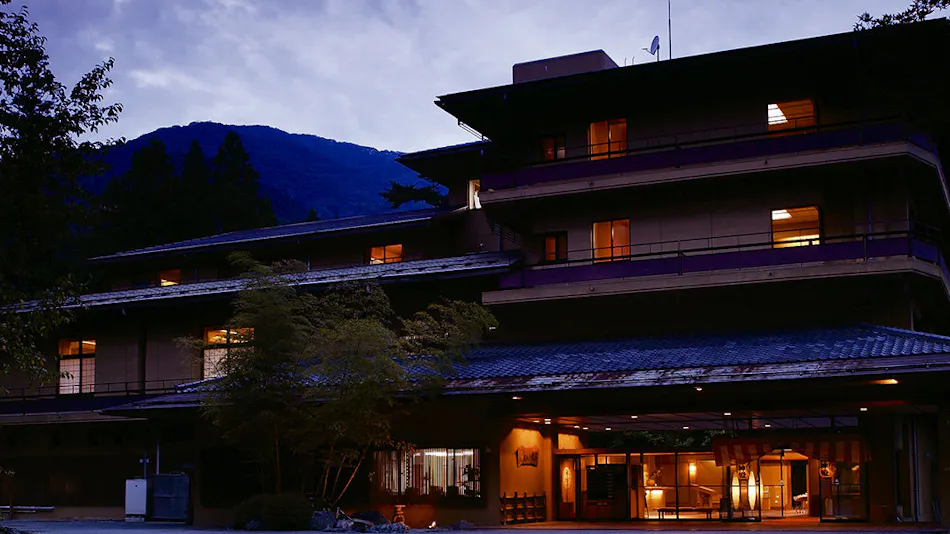
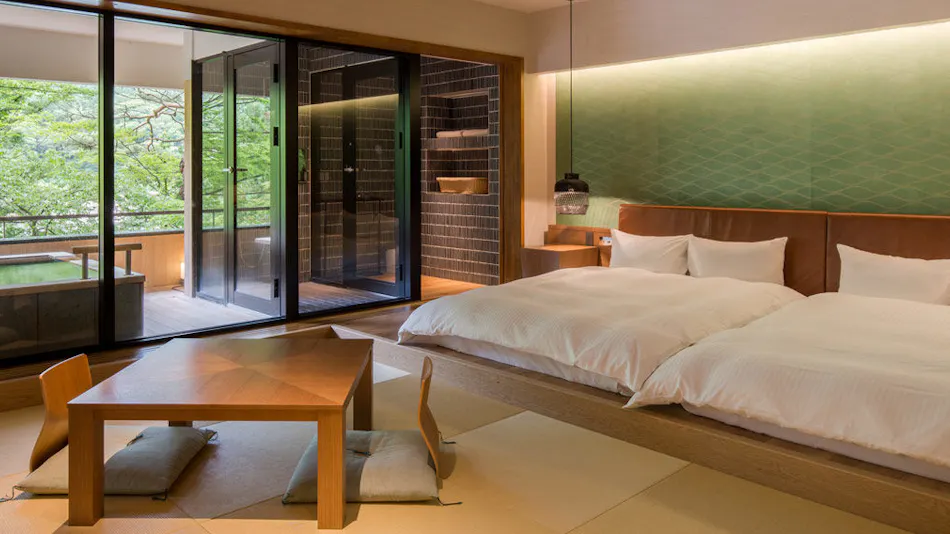
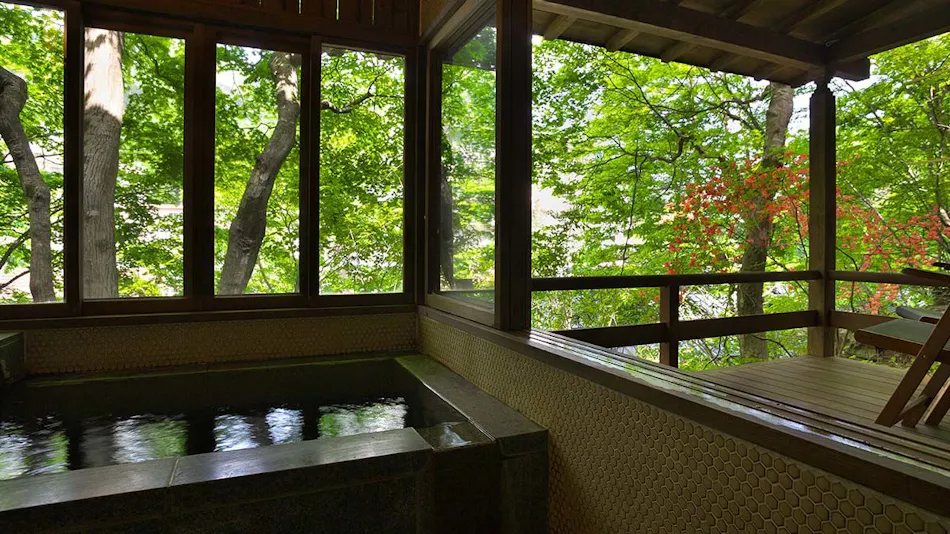
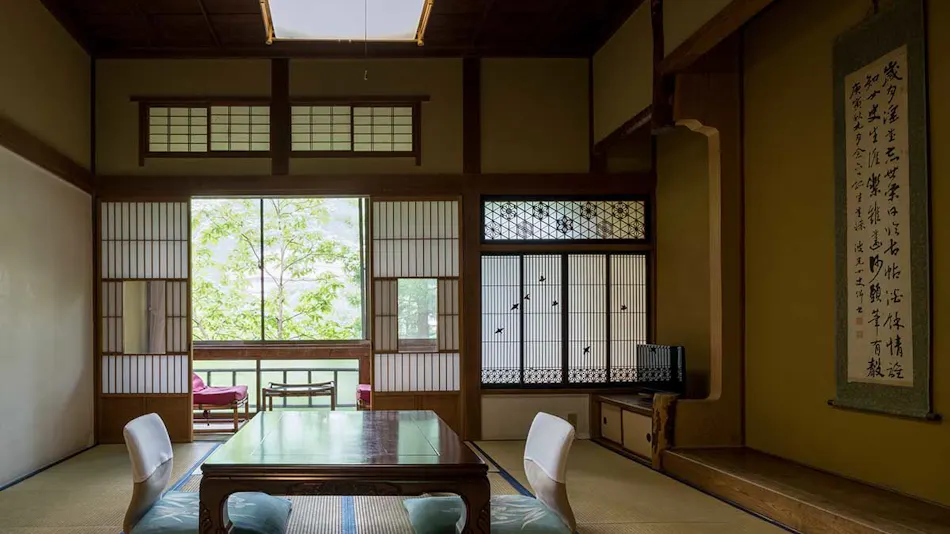
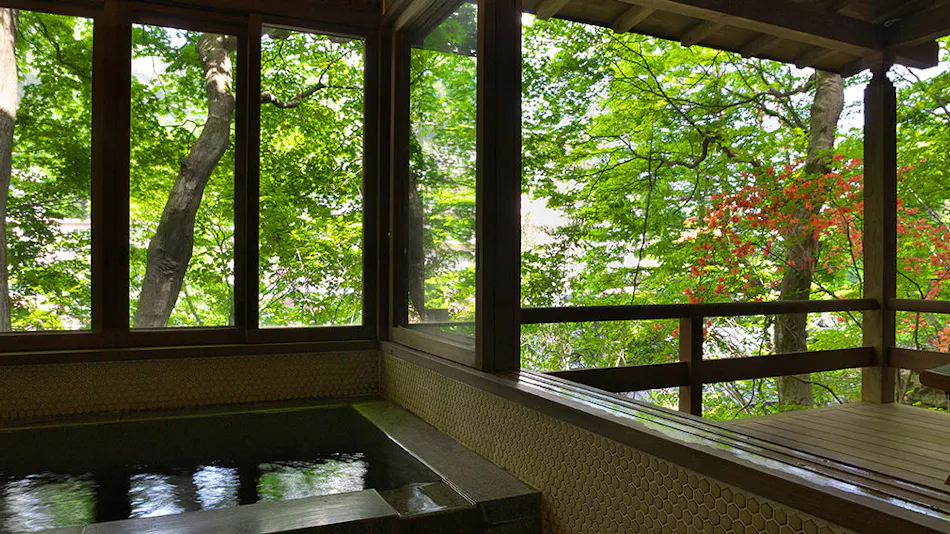
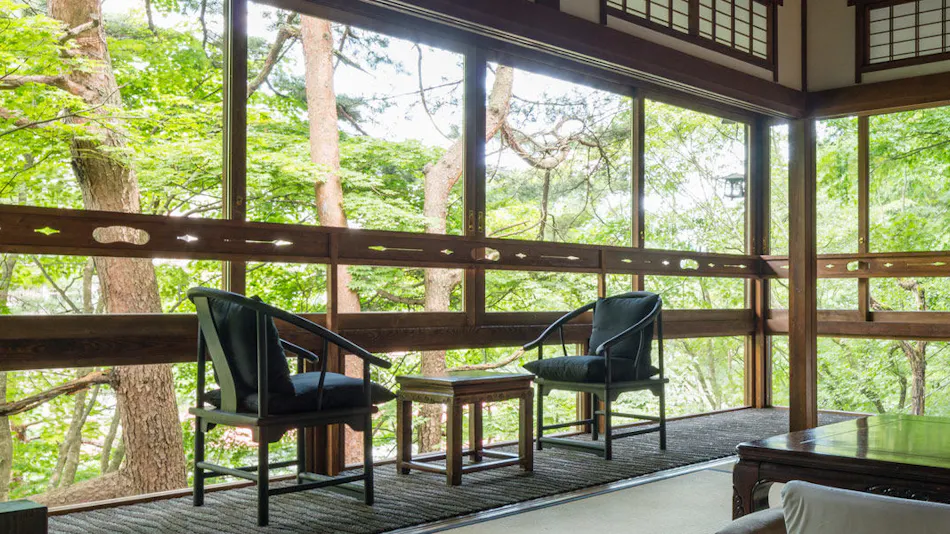
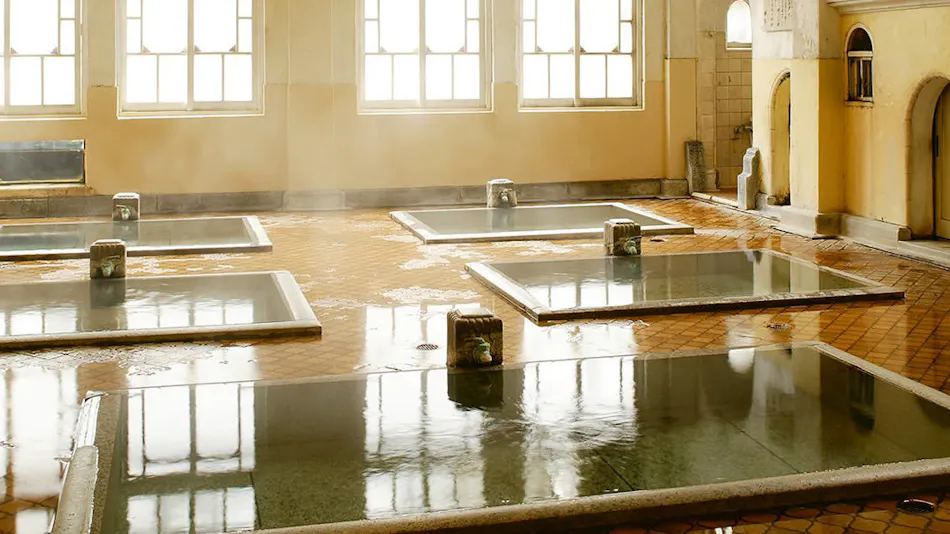
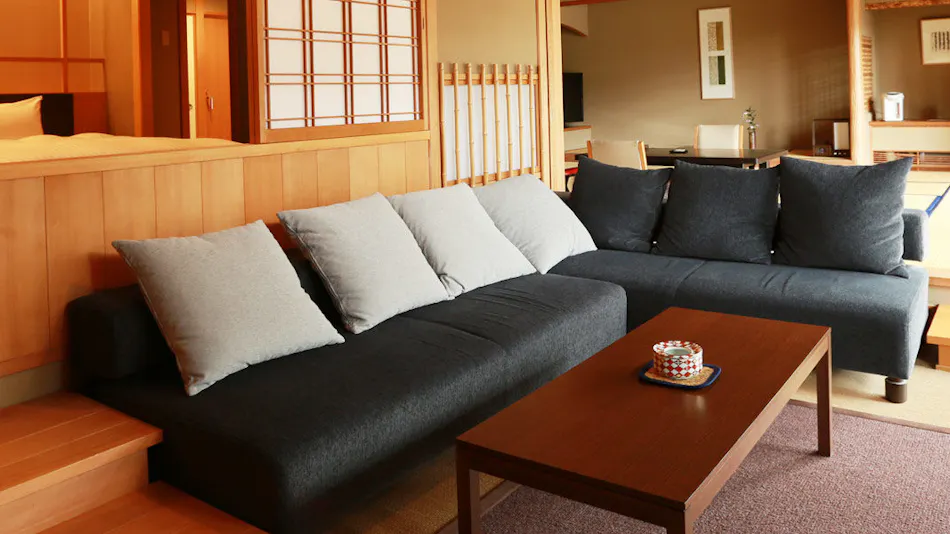
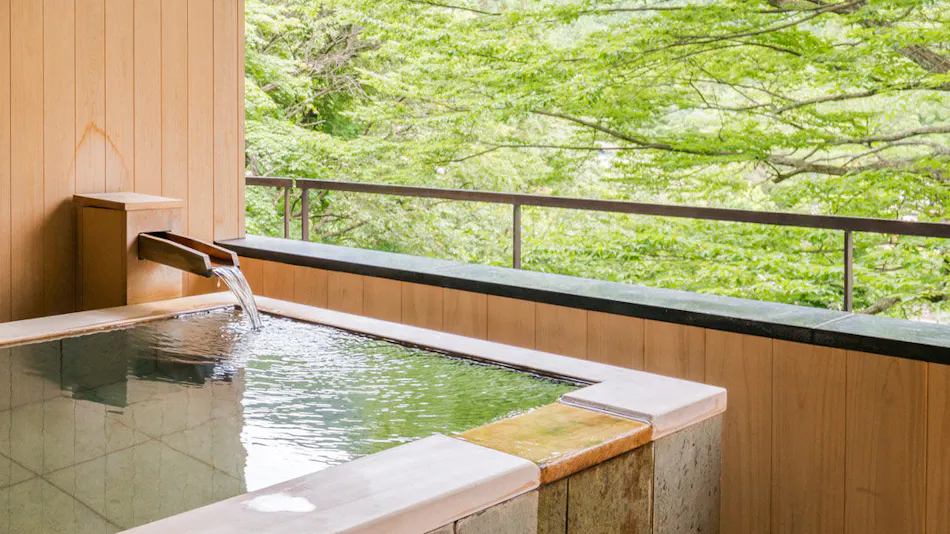
Since its establishment in Genroku 7 (1694), "Sekizenkan" has welcomed guests for over 300 years, with a constant flow of visitors seeking Onsen therapy. The Property features three distinct buildings: the "Main Building," known as the oldest Onsen inn architecture in Japan, where the culture of Onsen therapy still thrives; the "Sansou," designated as a Registered Tangible Cultural Property of Japan for its excellent design and architectural techniques in the Momoyama style; and the "Kashoutei," located at the highest point in Shima Onsen, surrounded by the tranquility of ancient pine trees. At Sansou and Kashoutei, guests can savor exquisite kaiseki cuisine prepared by the head chef. Enjoy a variety of Onsen experiences, including the retro-modern "Genroku no Yu" and the seasonal "Mori no Yu."
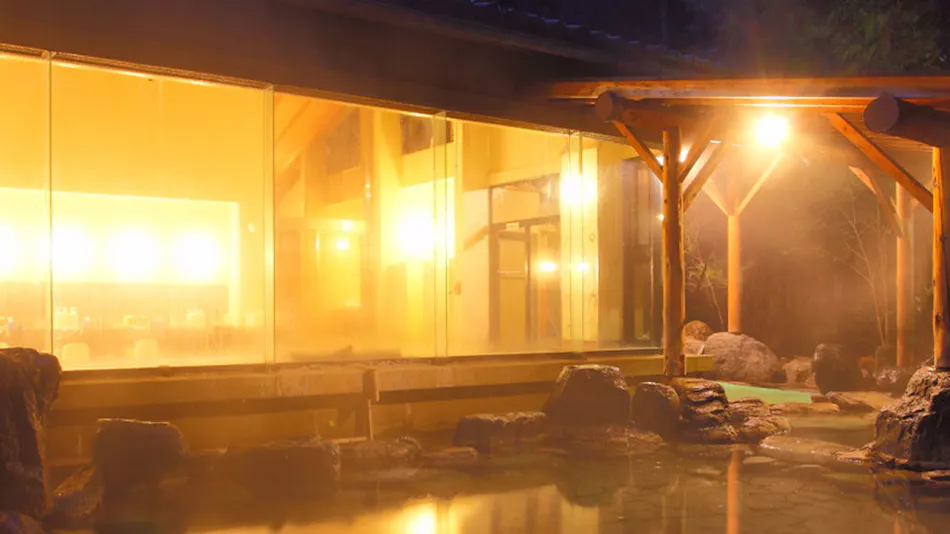
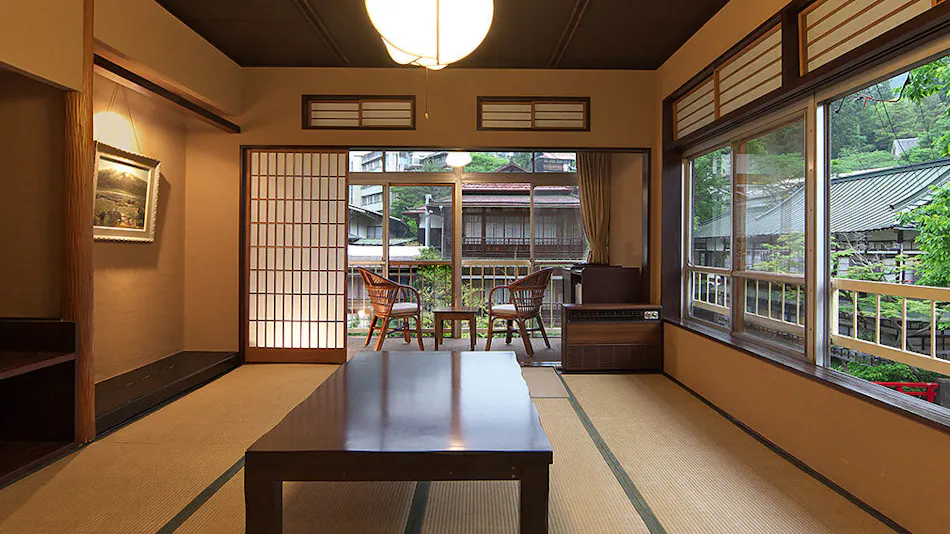
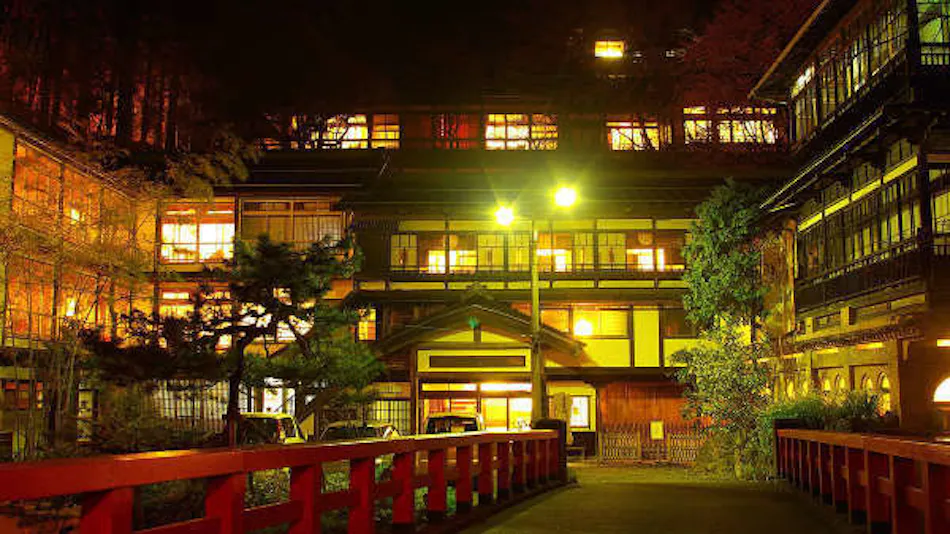
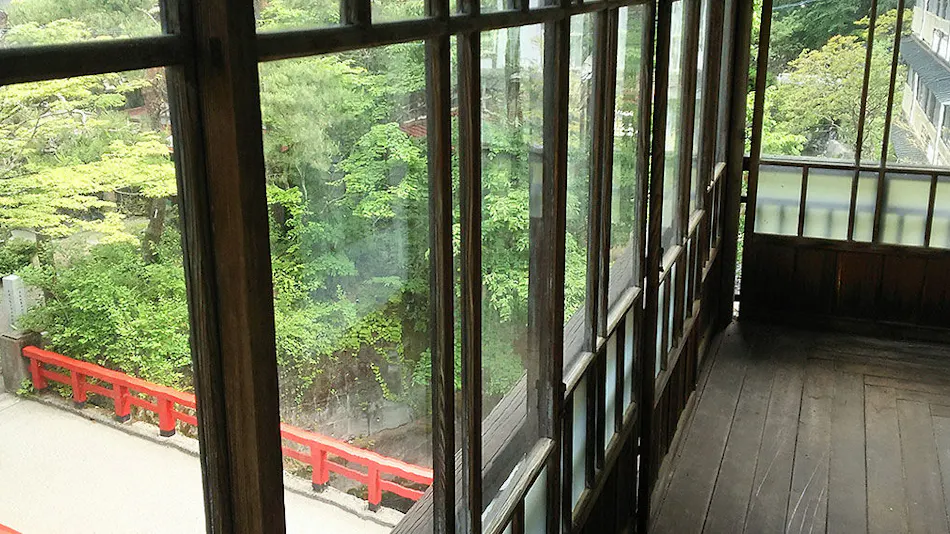
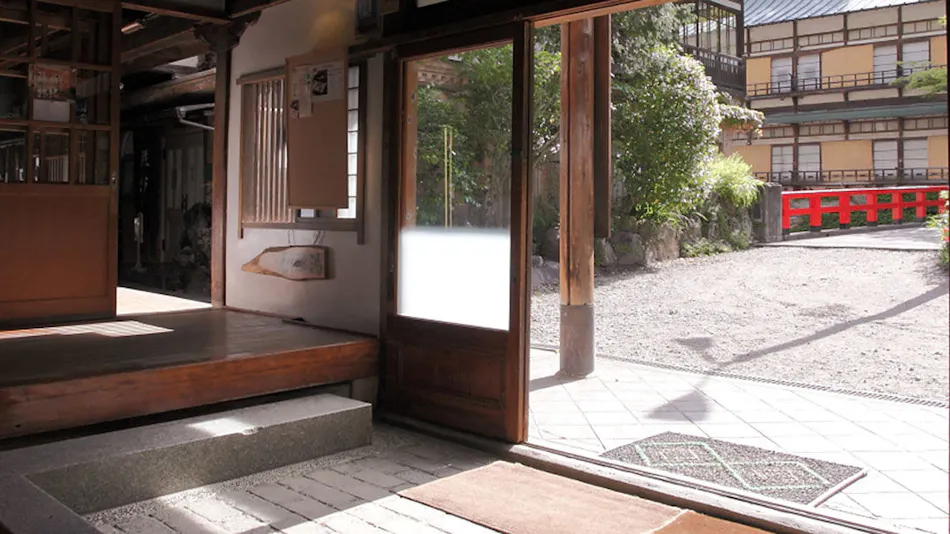
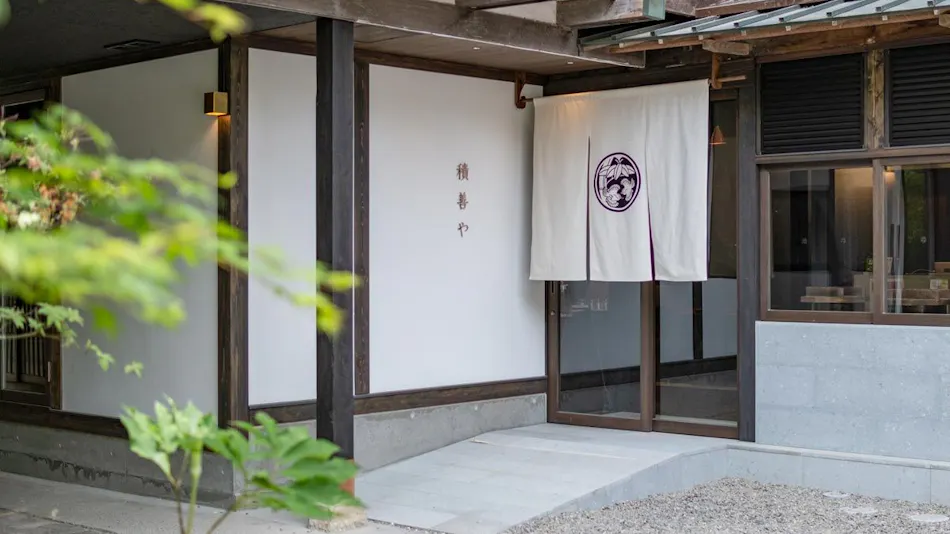

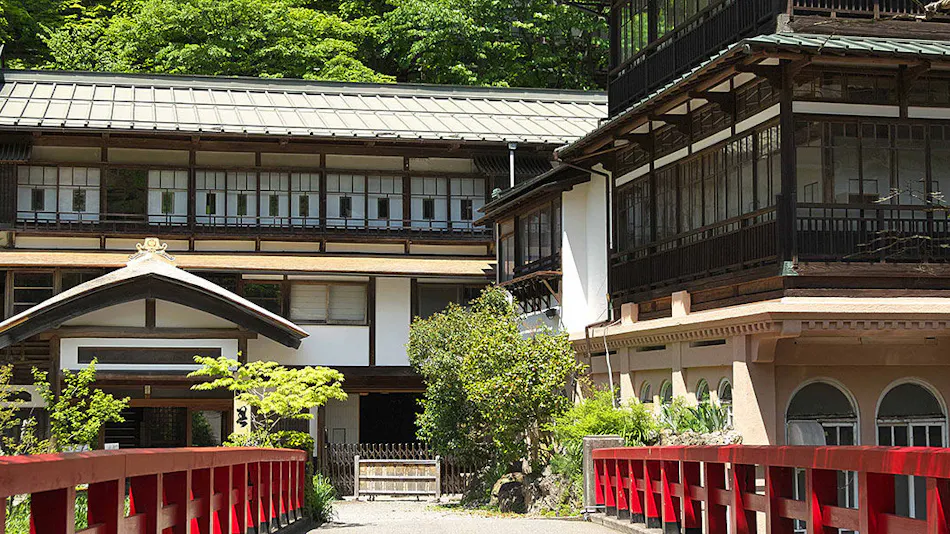
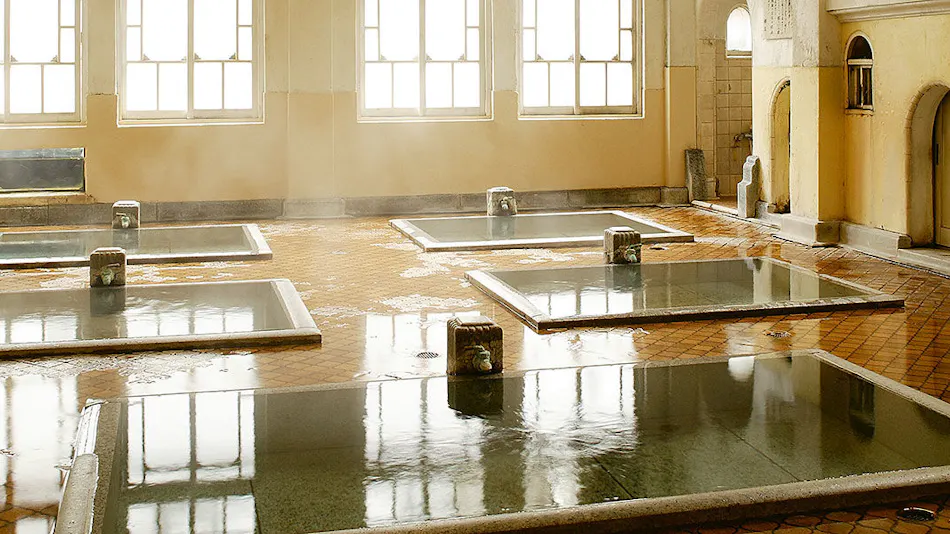
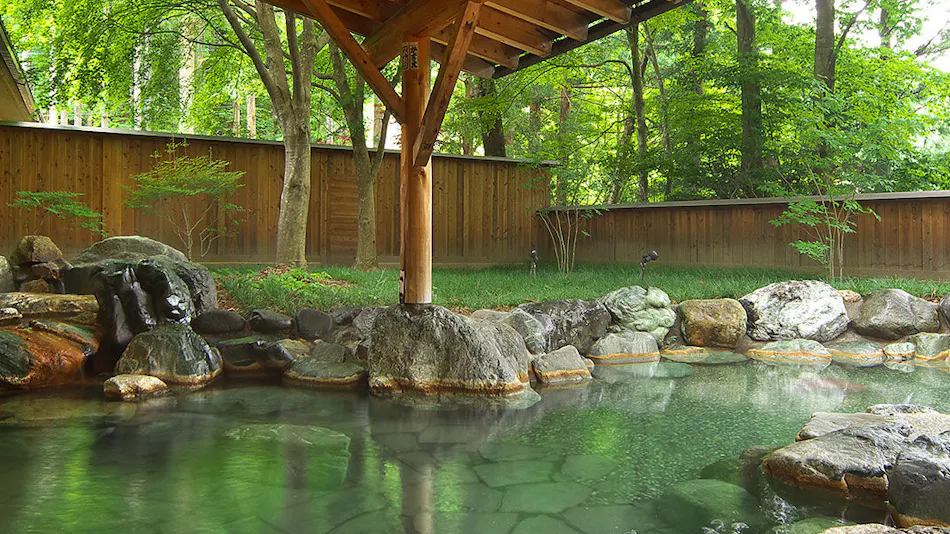
Established in the 7th year of Genroku. This is Japan's oldest property architecture designated as an important cultural property, also famous as the model for the movie "Spirited Away." Enjoy four diverse onsen, including the retro-modern "Genroku Onsen" and the "Mori Onsen" that reflects the changing seasons.
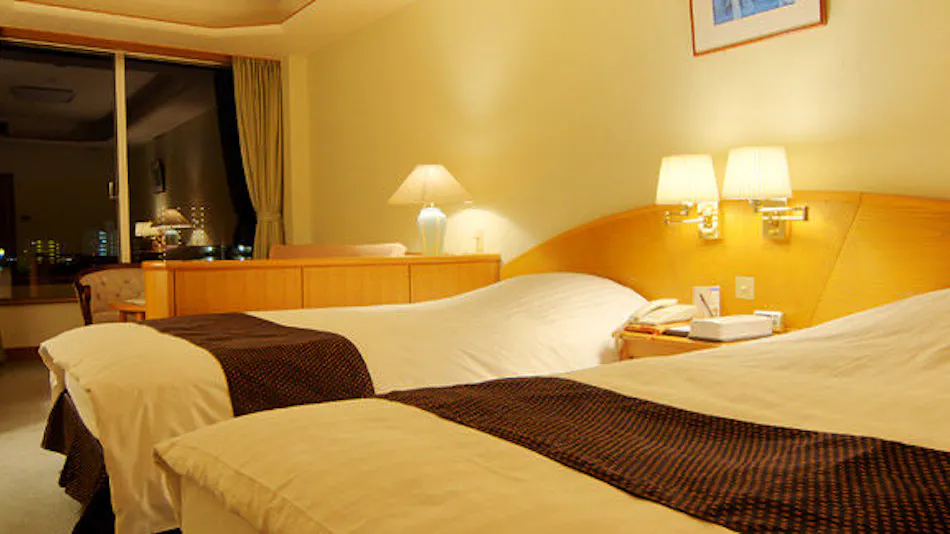
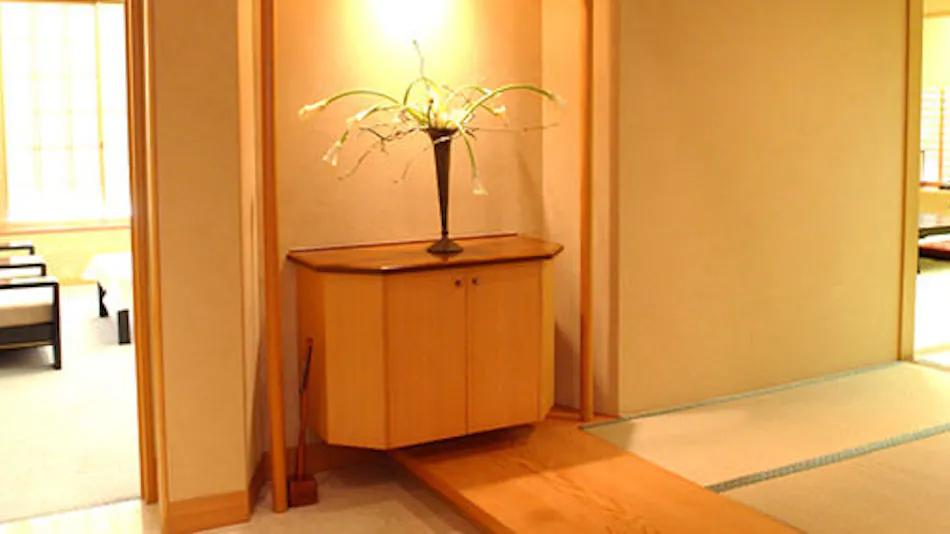
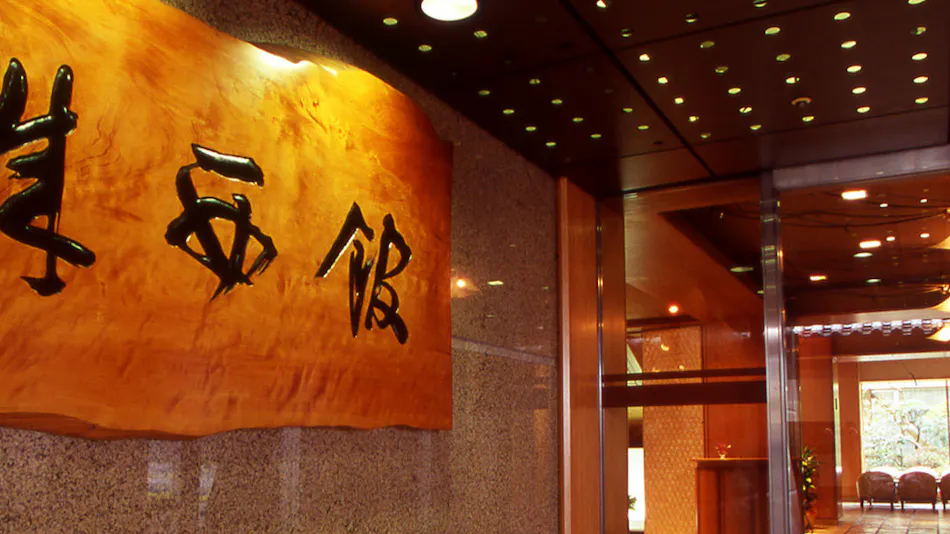
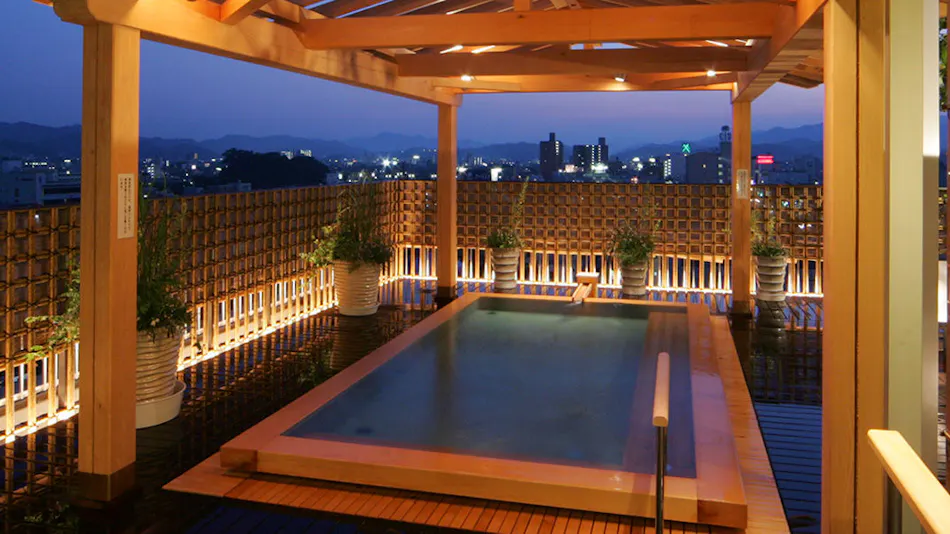
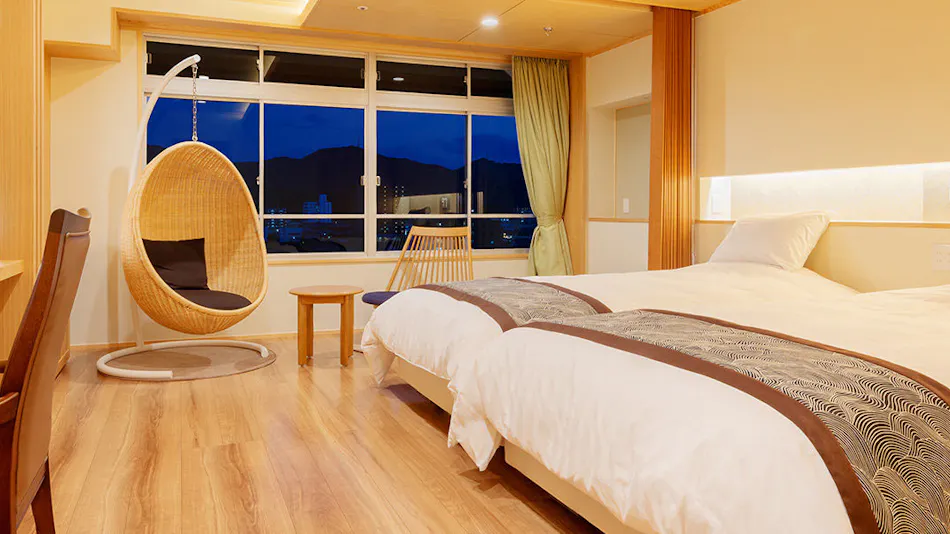
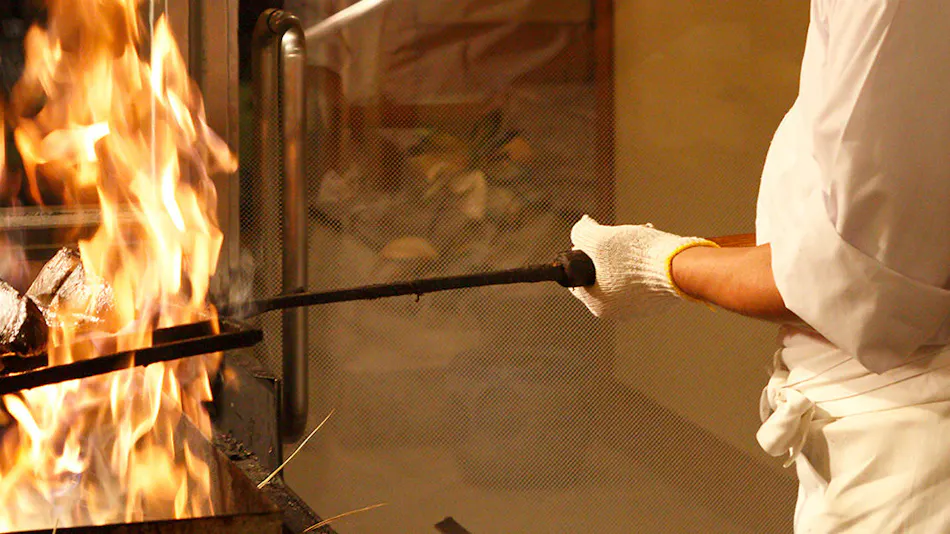
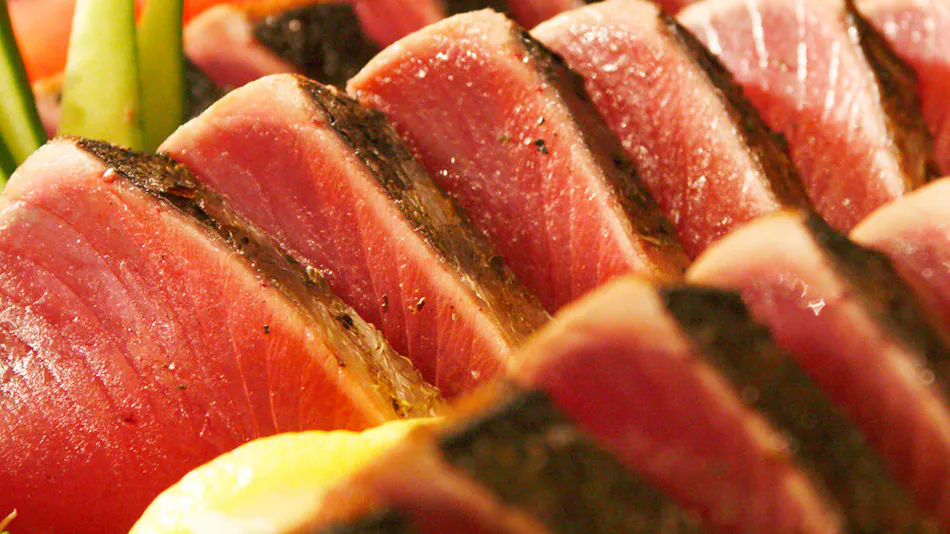
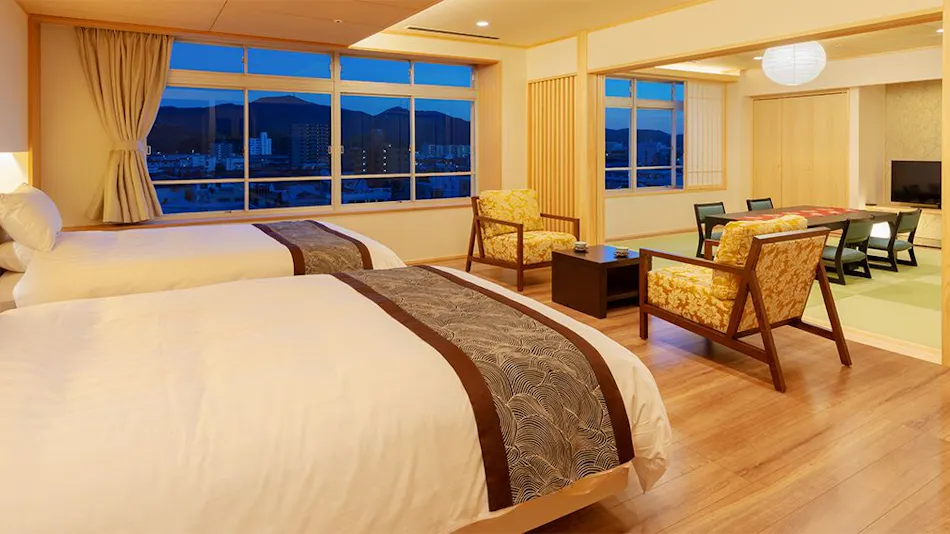
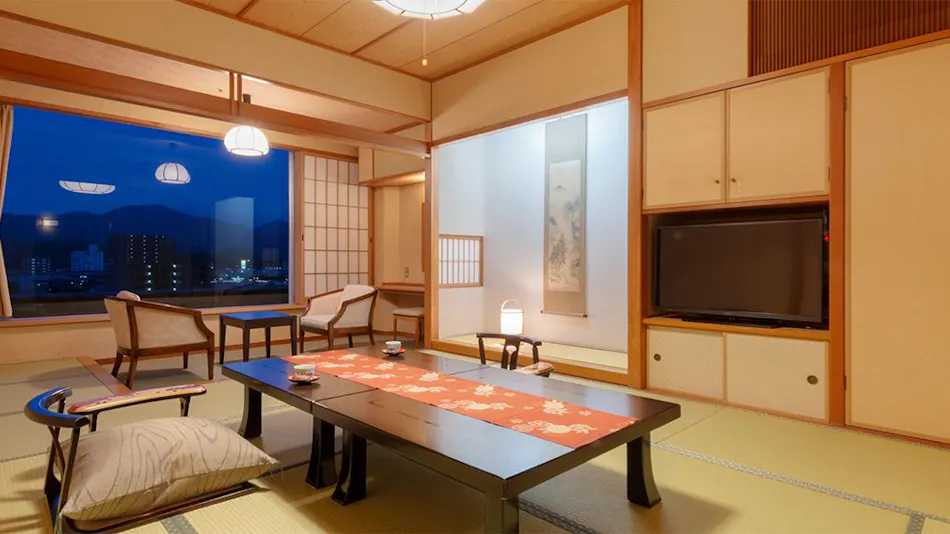
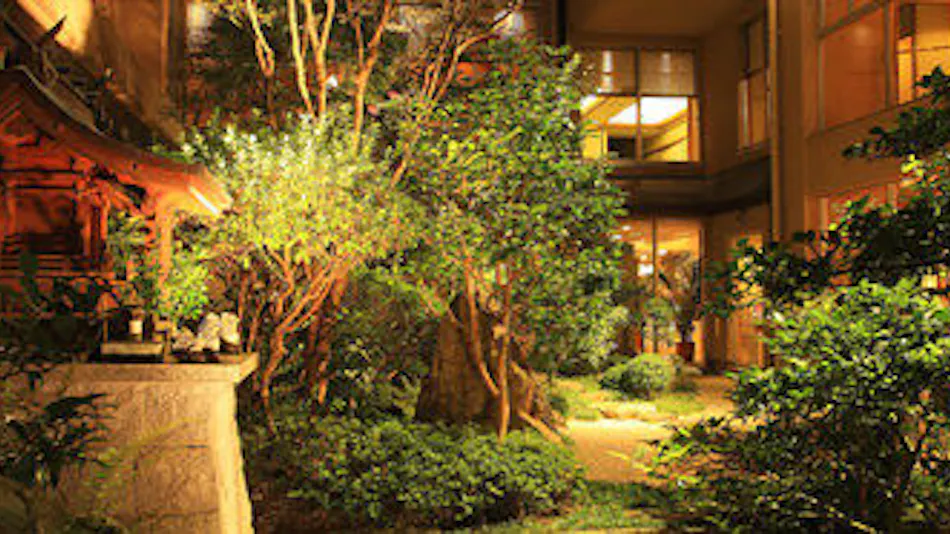
Since its founding in the seventh year of the Meiji era, Stays Josaikan has been widely loved as a property of sincerity in Tosa, welcoming many distinguished guests from the imperial family, as well as numerous political and business leaders. What we always cherish is the idea of our property as an extension of the home. We sincerely and wholeheartedly offer hospitality with gratitude, so that guests who have traveled all the way to Tosa can relax and feel at ease. Time flows and eras change, but the spirit of hospitality remains unchanged. Subtly and warmly. The passionate thoughts of our predecessors still live on in Stays Josaikan.
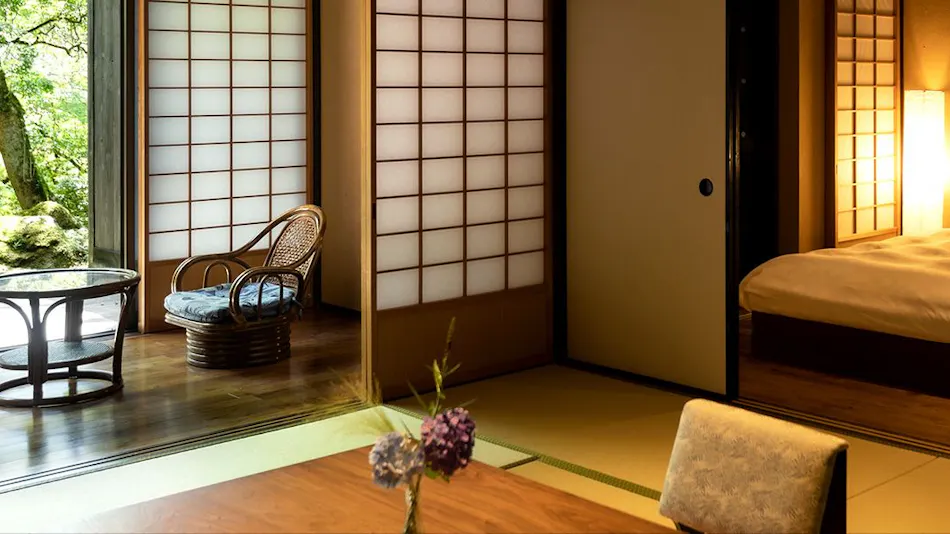
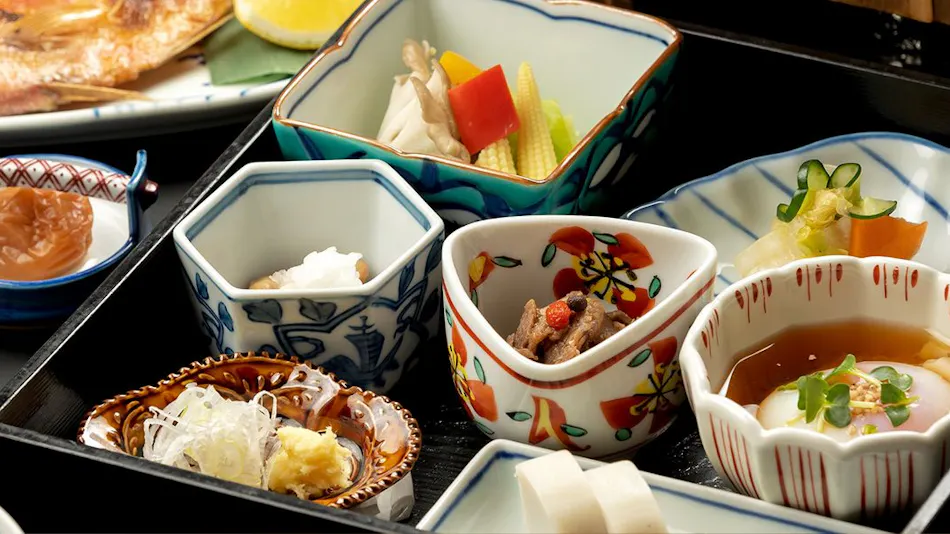
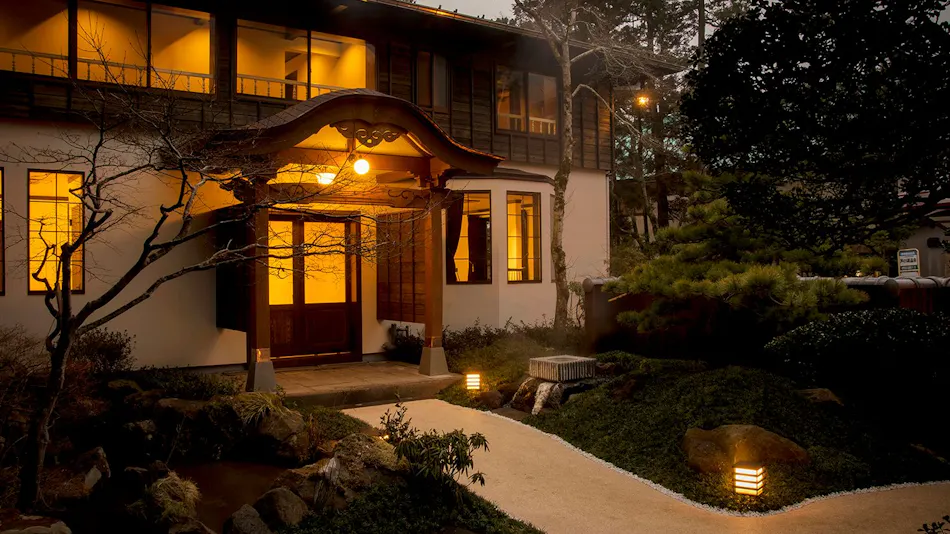
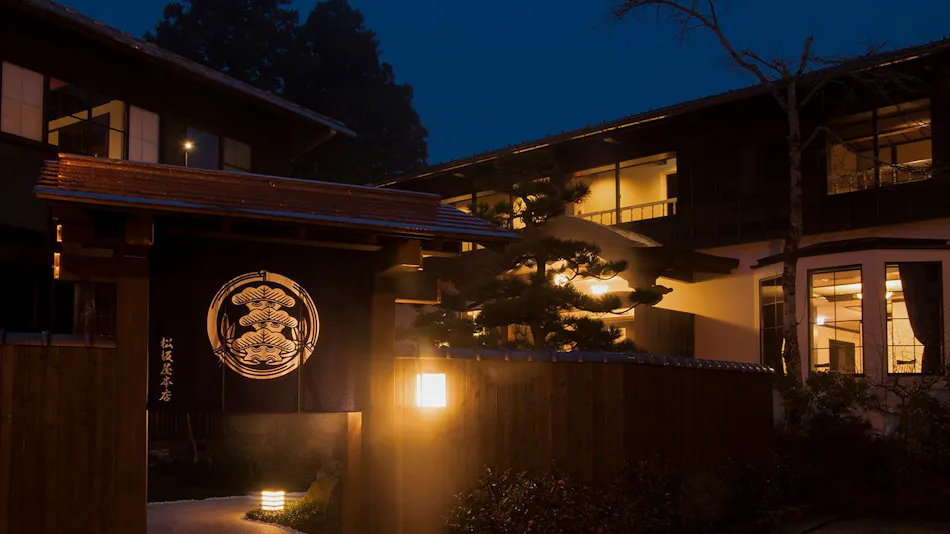
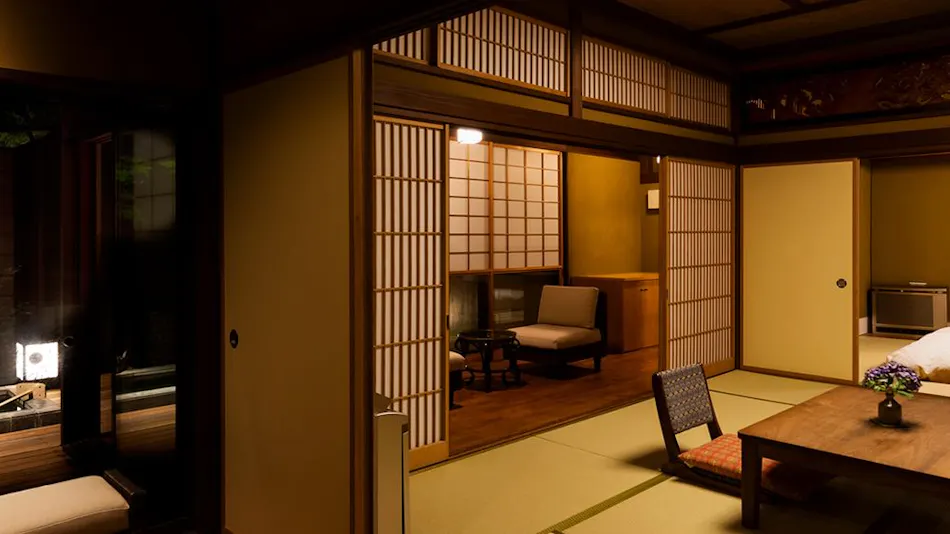
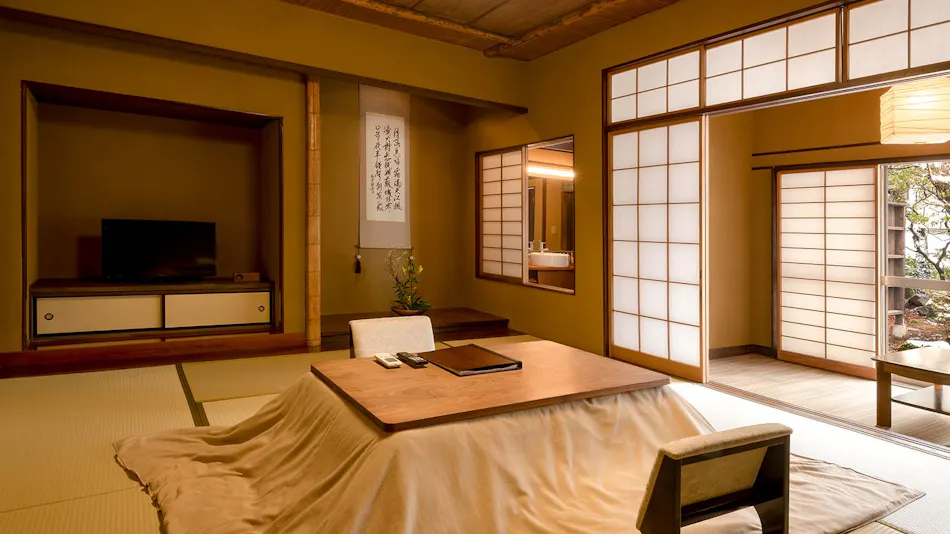
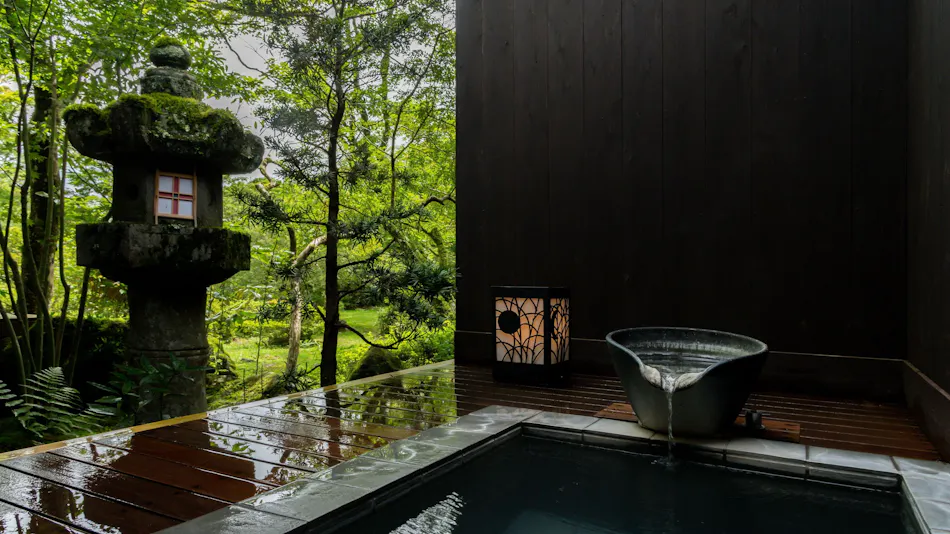
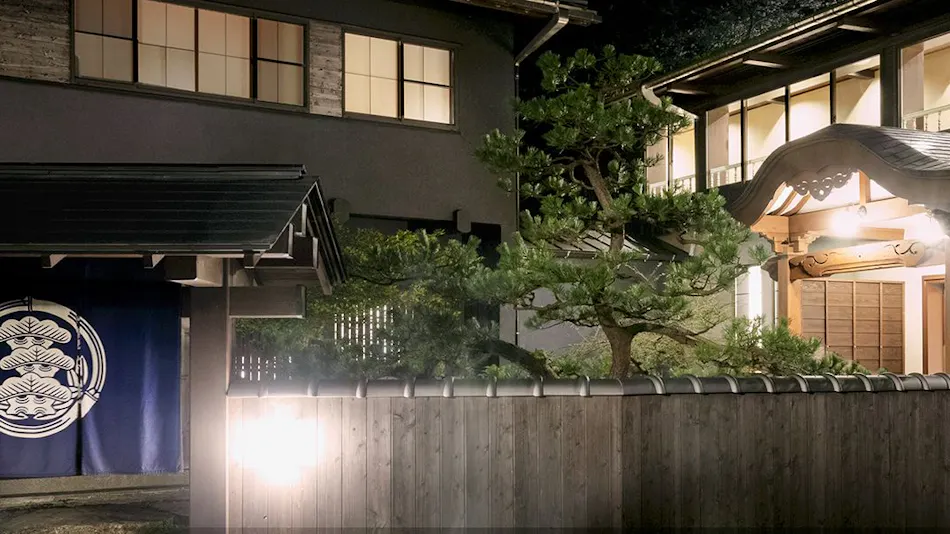
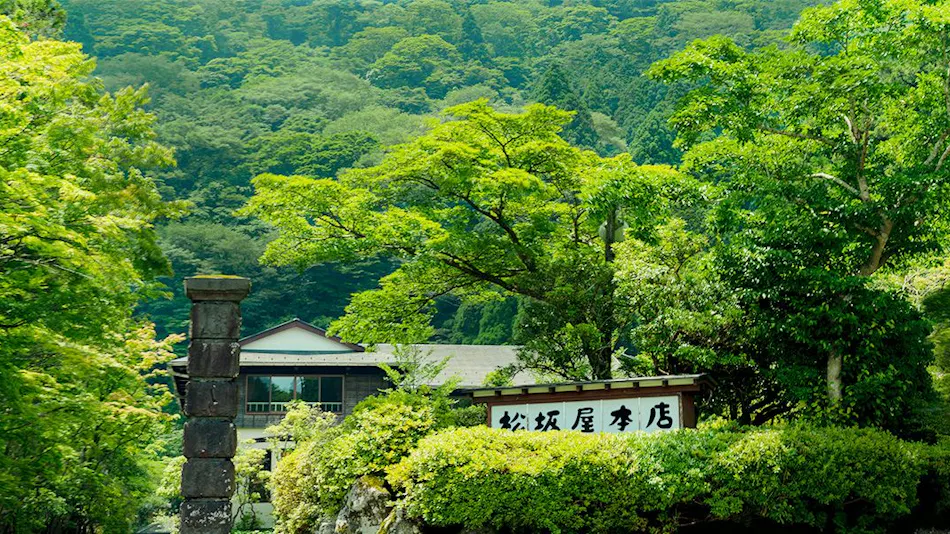
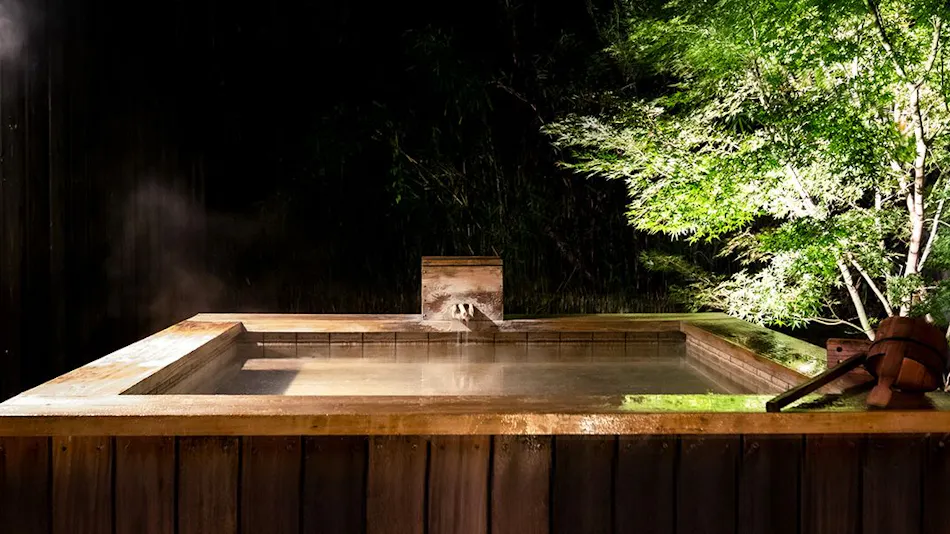
In the spring of 2017, after about a year and a half of silence, a new chapter began. Founded in 1662. A history woven by Onsen waters—Edo, Meiji, Taisho, Showa, Heisei, Reiwa. Surrounded by magnificent nature, the scent of the waters lingers as artifacts from different eras and worlds add color and elegance to the Ryokan. Let your thoughts drift to the founder, Mannemon Matsuzaka. A long-established Ryokan beloved since the Edo period as an Onsen Accommodation—so renowned it even appears in ukiyo-e prints by Utagawa Hiroshige. From meetings between Takayoshi Kido and Takamori Saigo to a stay by Bunroku Shishi, leading figures of the Meiji era once gathered here. Since then, many guests—including members of the Imperial Family—have continued to visit.What captivates visitors is our rare, highly beneficial spring water found only here: it contains all three celebrated skin-beautifying types—sulfur springs, sulfate springs, and bicarbonate springs. Another reason is our abundant flow rate of 200 liters per minute. We adhere strictly to “100% free-flowing from the source,” with no added water, no heating adjustments, and no circulation.Moreover, the history of Hakone Ashinoyu is said to date back to the Nara period—more than 1,200 years ago.Now come and savor Hakone’s finest famed hot spring—a place cherished through time—and enjoy being part of its continuing story into the future.
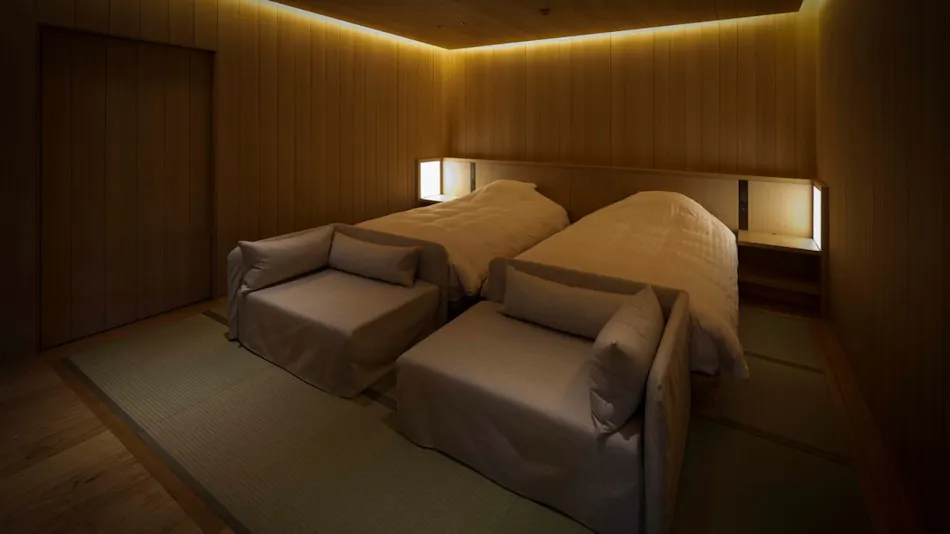
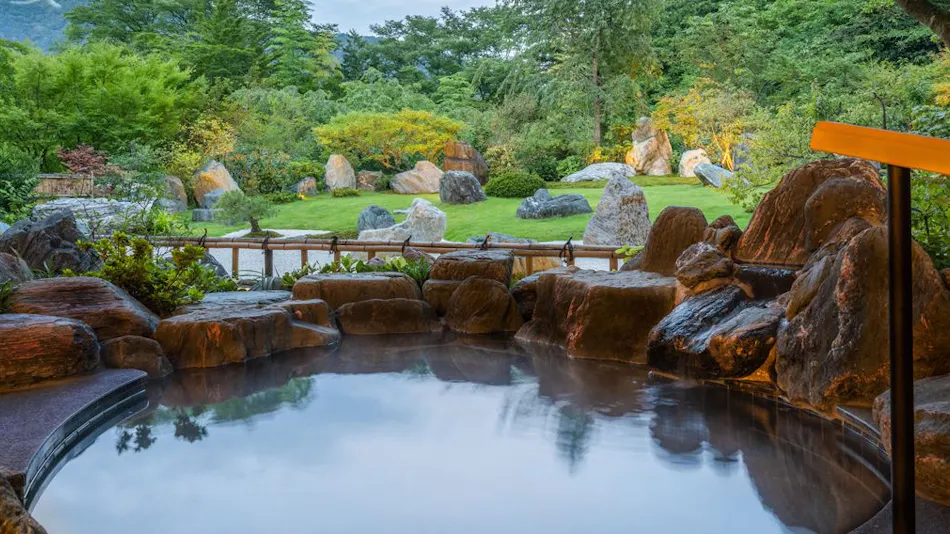
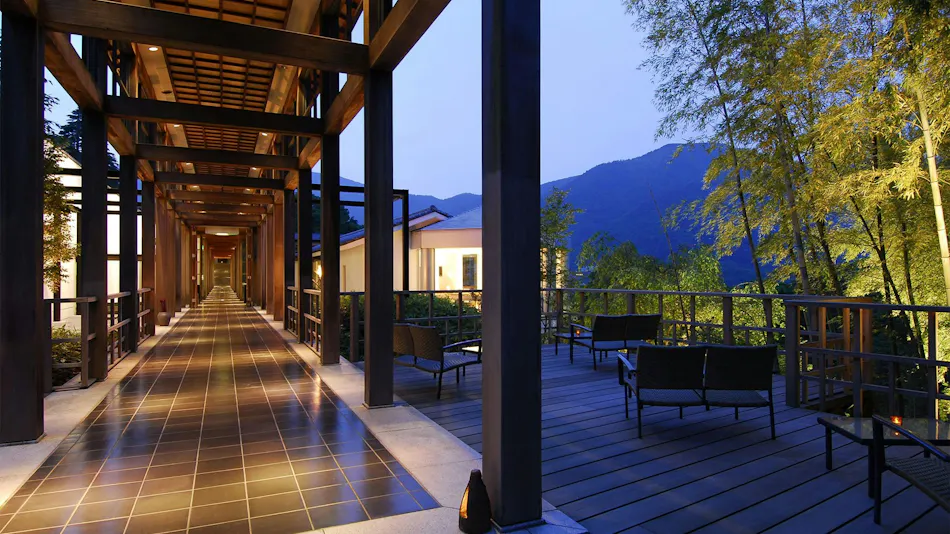
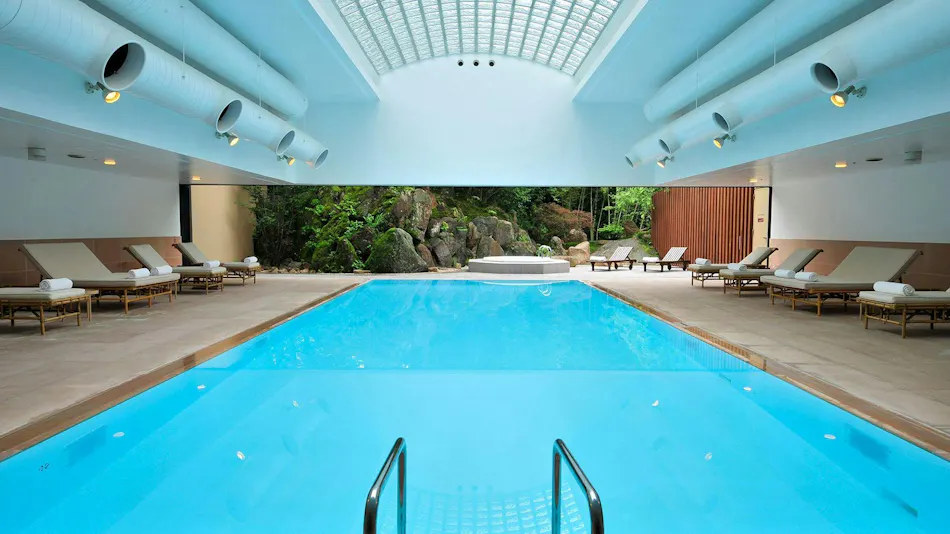
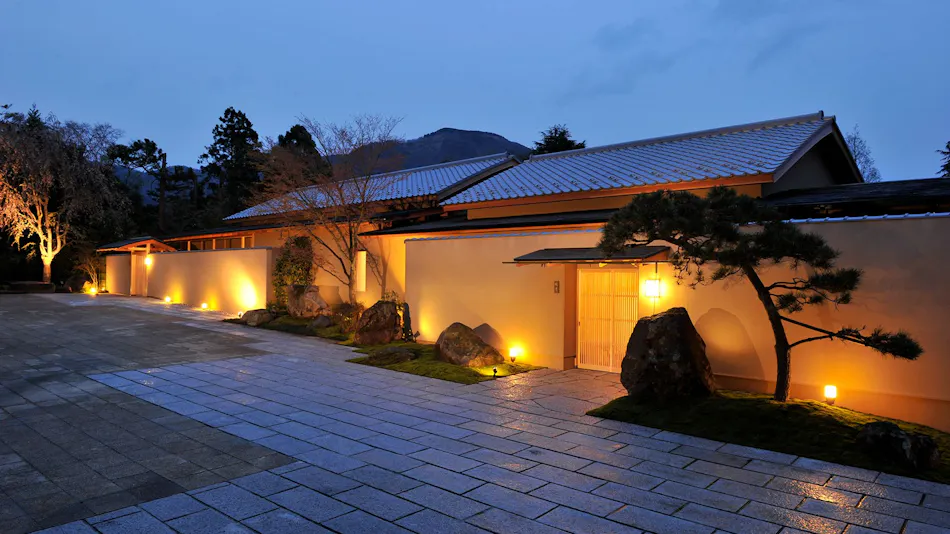
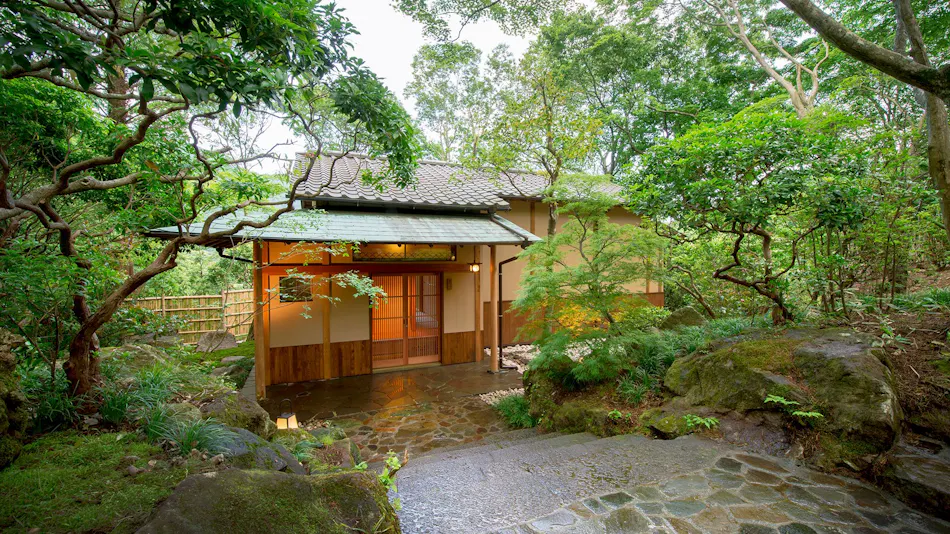
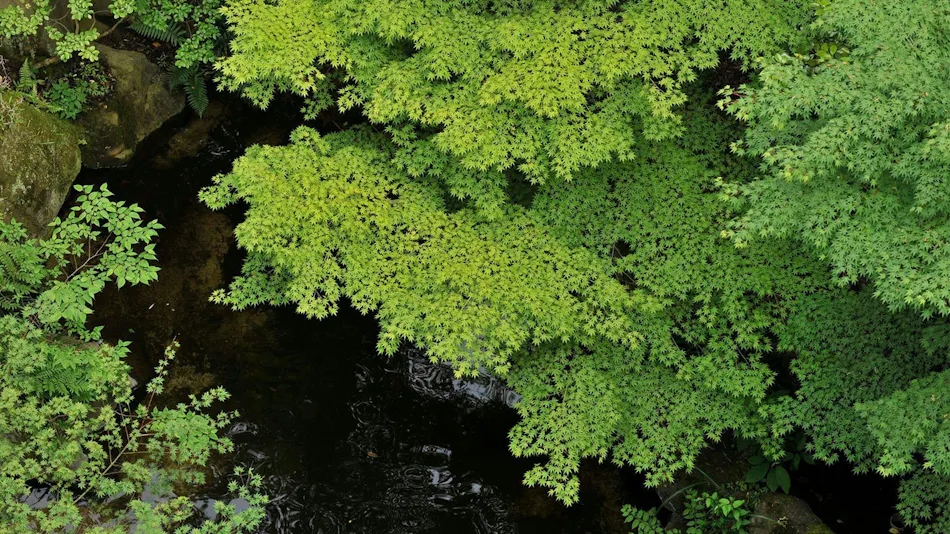
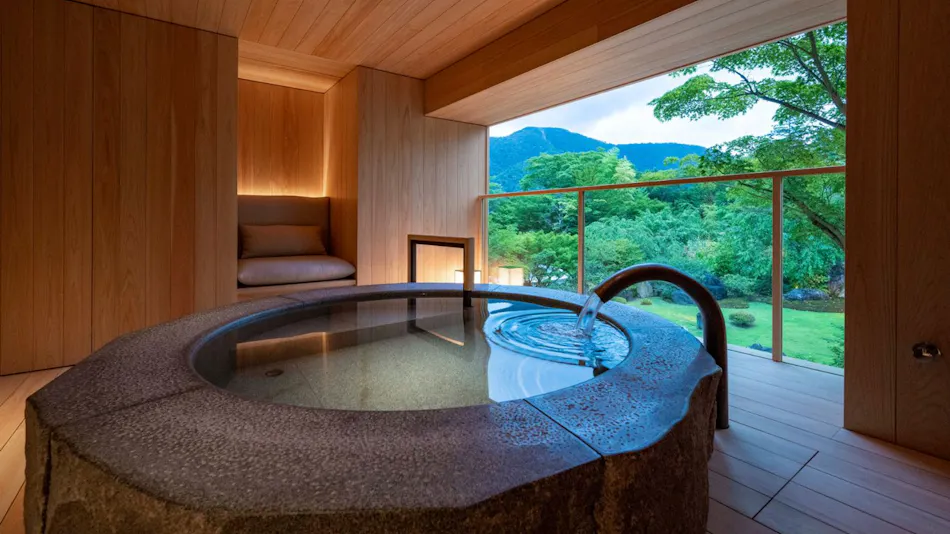
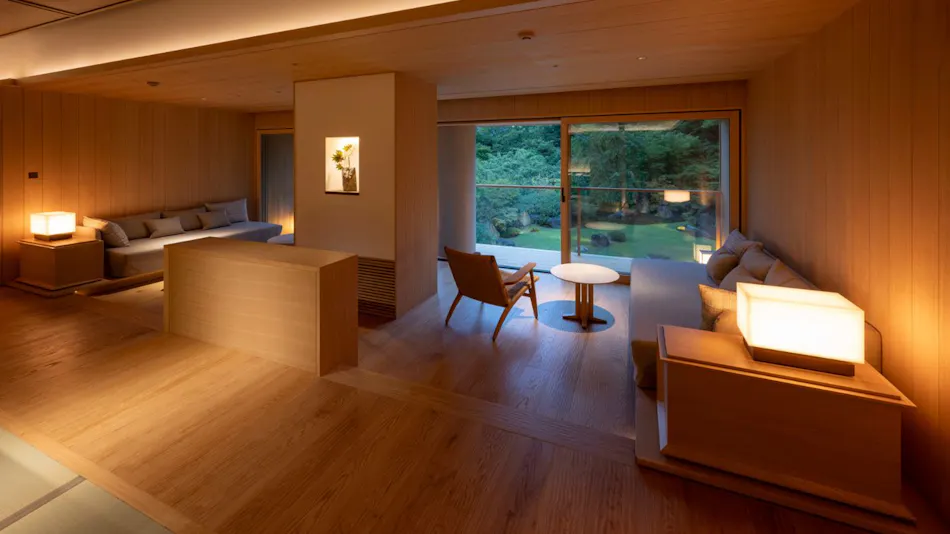
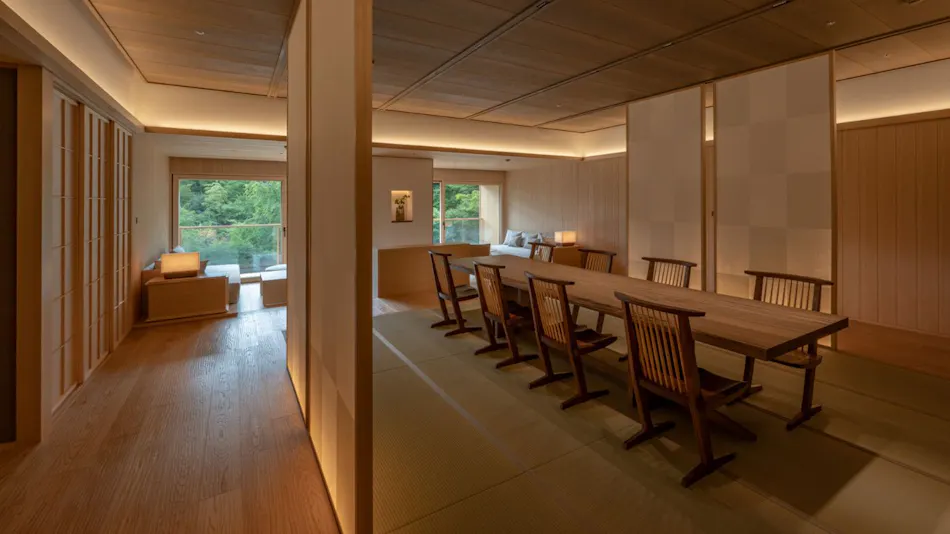
Founded in Gora in 1948 by Haruhito Kan’in, with the former Kan’in-no-miya family’s summer villa as its backdrop. The name “Kadan” carries on the spirit of a “place of hospitality” where distinguished guests are welcomed and entertained. Built on “washin”—a Japanese ethos of consideration for others and harmony—we have woven our history as an Accommodation that continues to share the allure of Japanese culture. Together with our dedicated team, “Kadanbito,” we offer stays inspired by the concept of ichiza-konryu—creating a shared sense of unity between host and guest. From the magnificent colonnade and traditional tatami-floored Japanese-style rooms with a kutsunugi-ishi step, to spacious Onsen baths, a moon-viewing terrace accompanied by the sound of a gentle stream, and seasonal kaiseki cuisine, we create enriching moments throughout your stay that connect you with nature’s blessings.A member of Relais & Châteaux since 1992. Awarded the highest rating of Three Michelin Keys for two consecutive years in the MICHELIN Guide Hotel Selection 2025.
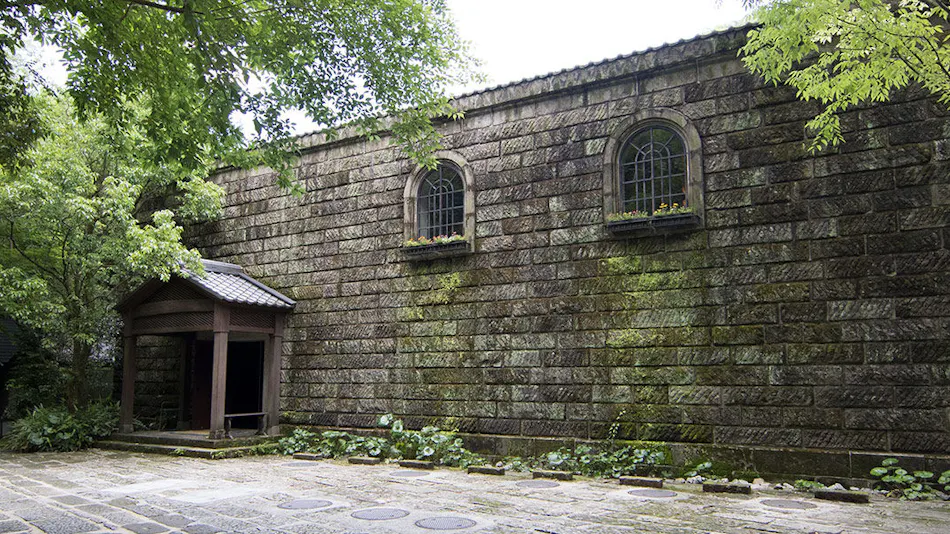
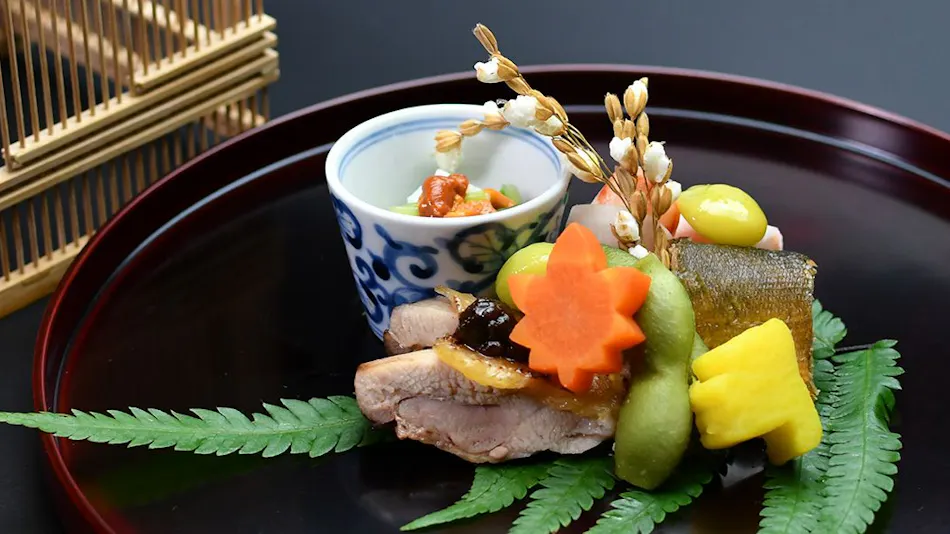
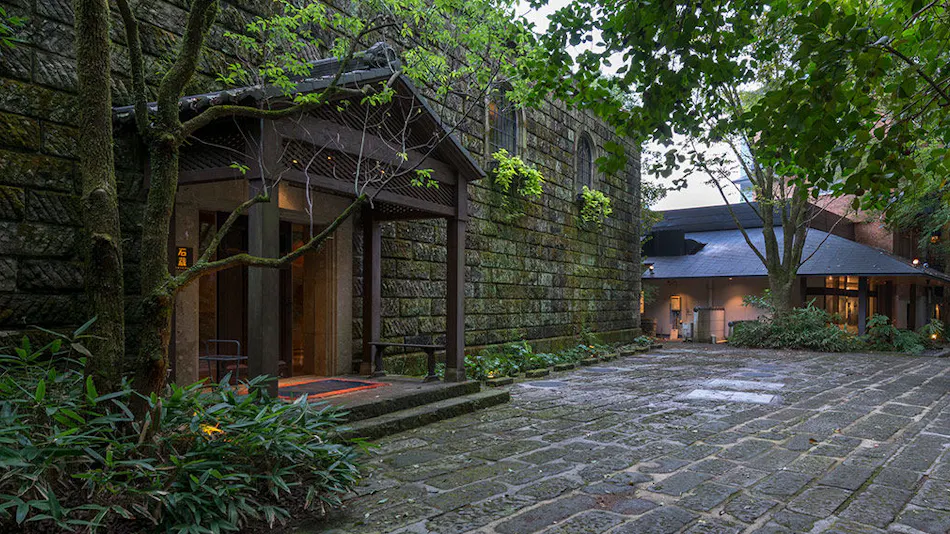
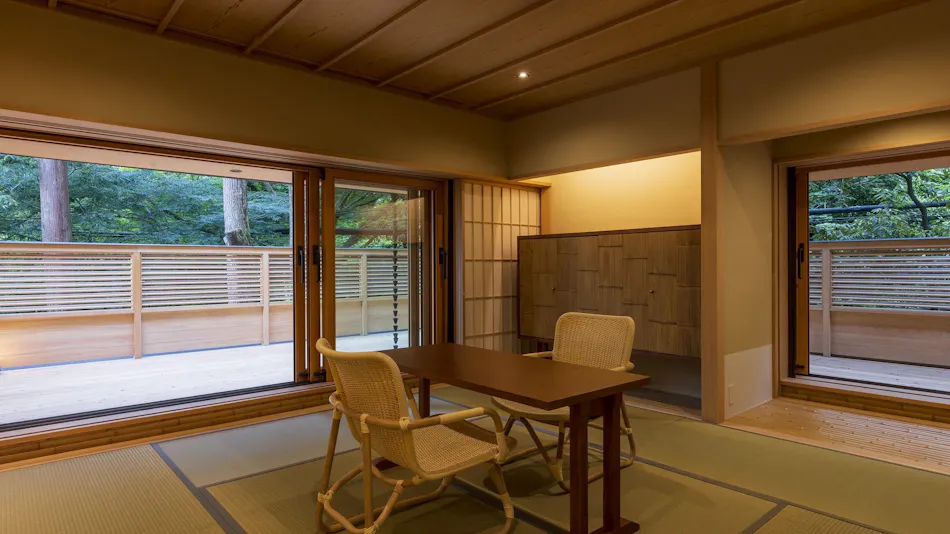

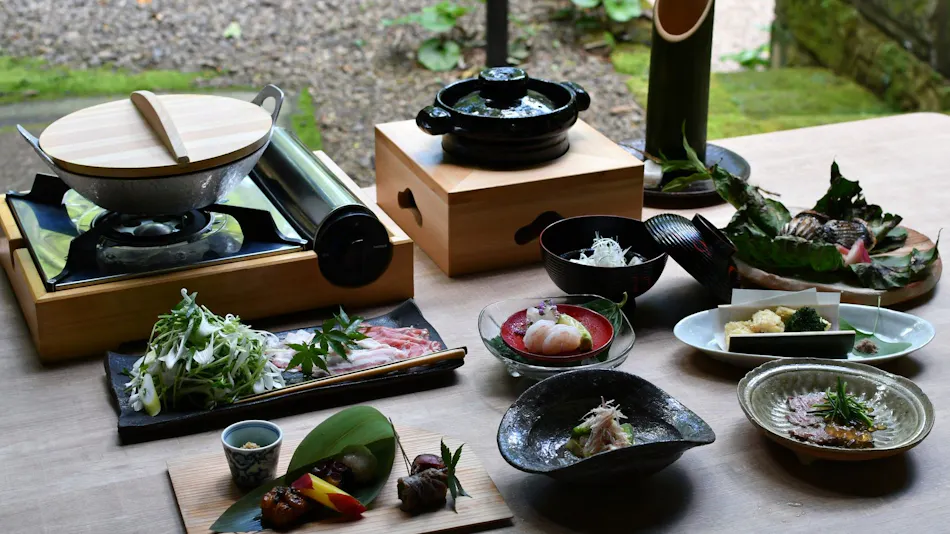
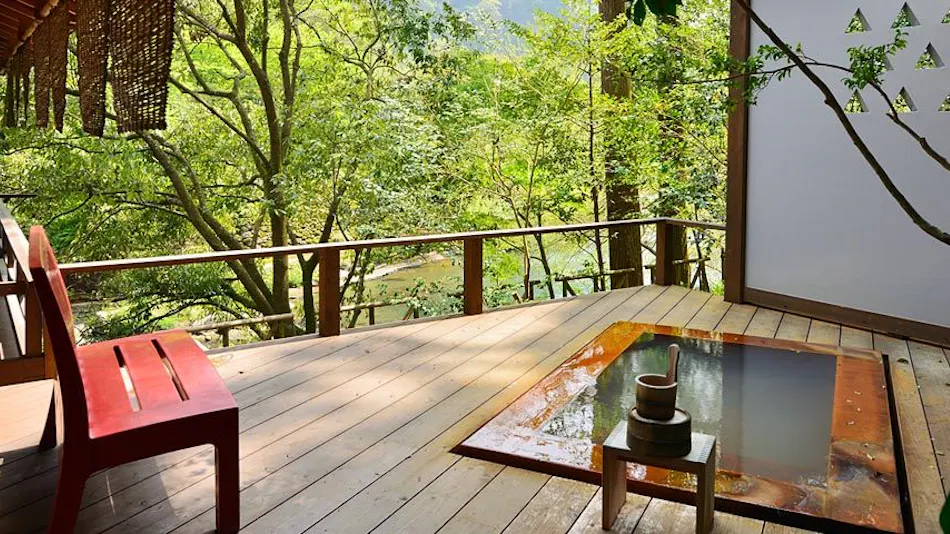
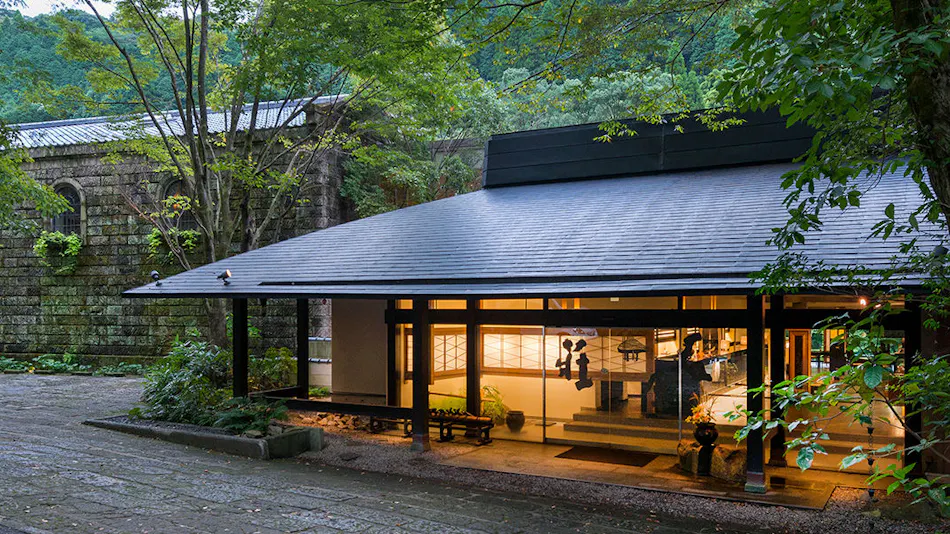
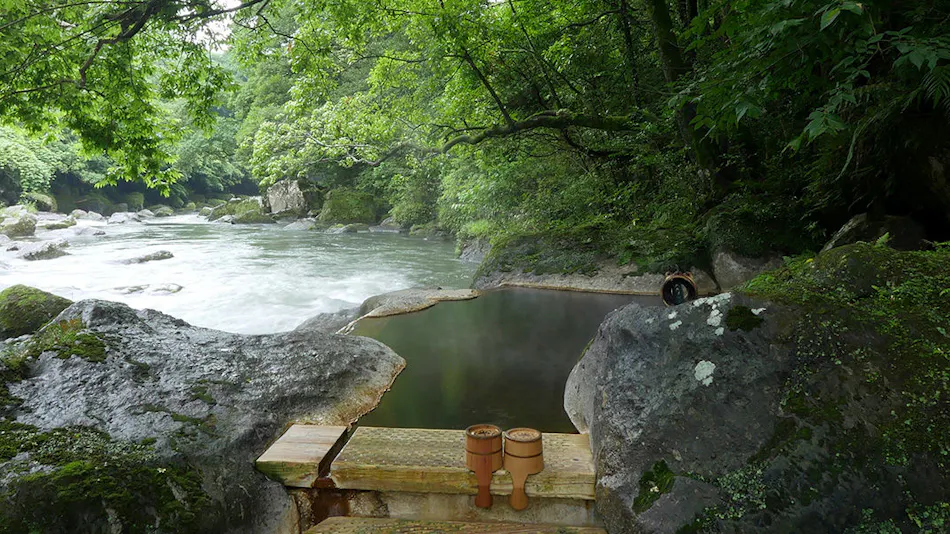
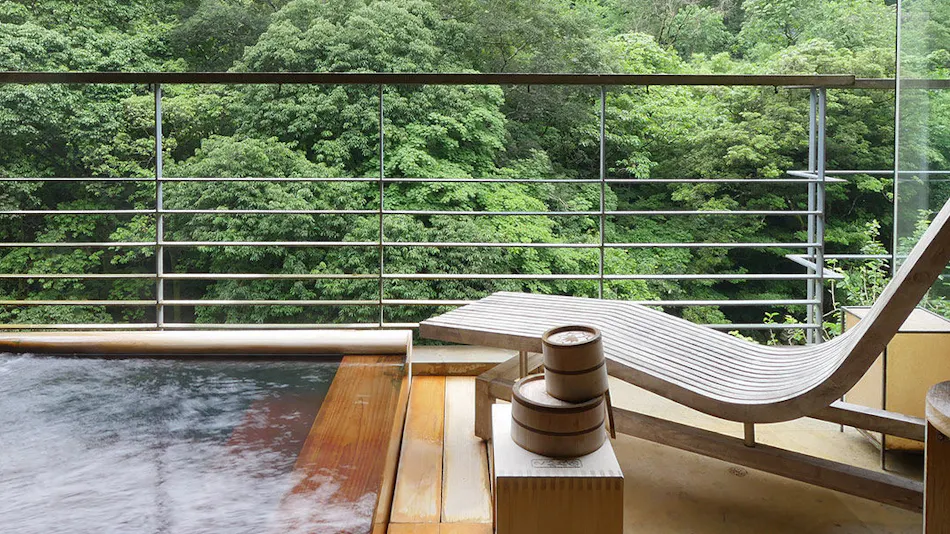
The land of Tenson Korin, where the divine nature of Kirishima flows through the Amori River. Nestled along its gorge is Myoken Ishiharaso. Within the spacious grounds surrounded by mixed trees, there are 18 guest rooms, each with its own unique charm. A luxurious space that blends modern taste with traditional Japanese style, offering an unparalleled flow of exquisite time. Natural hot spring water that flows directly from the source without any added water or storage. With seven hot spring sources on the premises, enjoy a journey that melts both body and soul with the most fitting use of Onsen for this land.
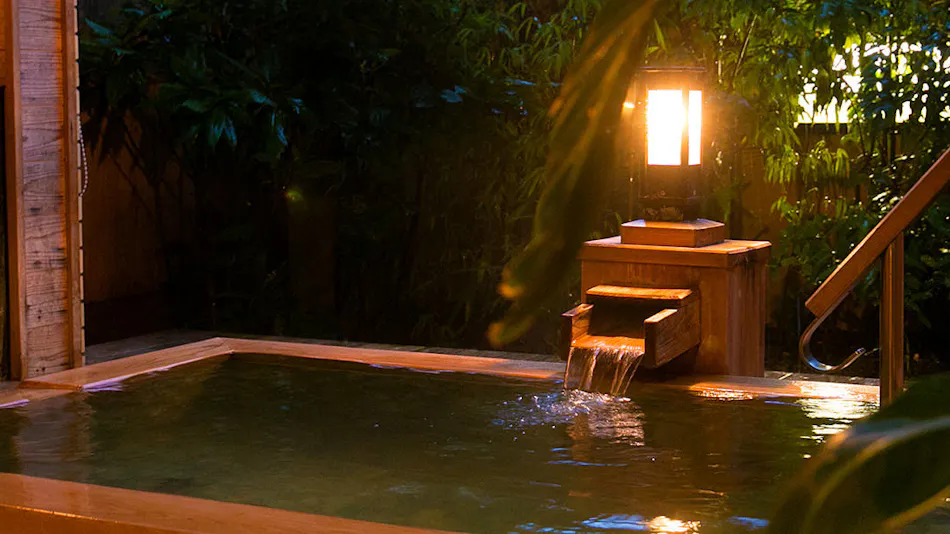
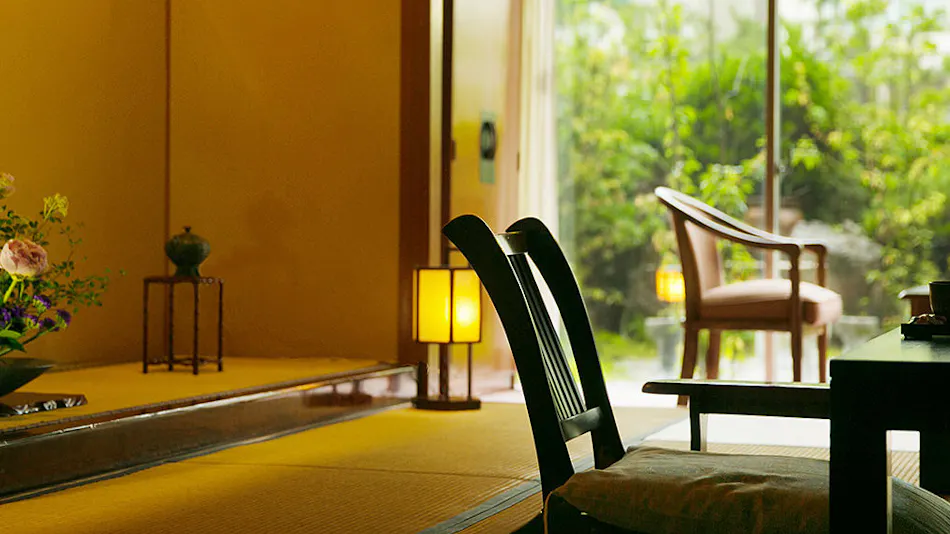
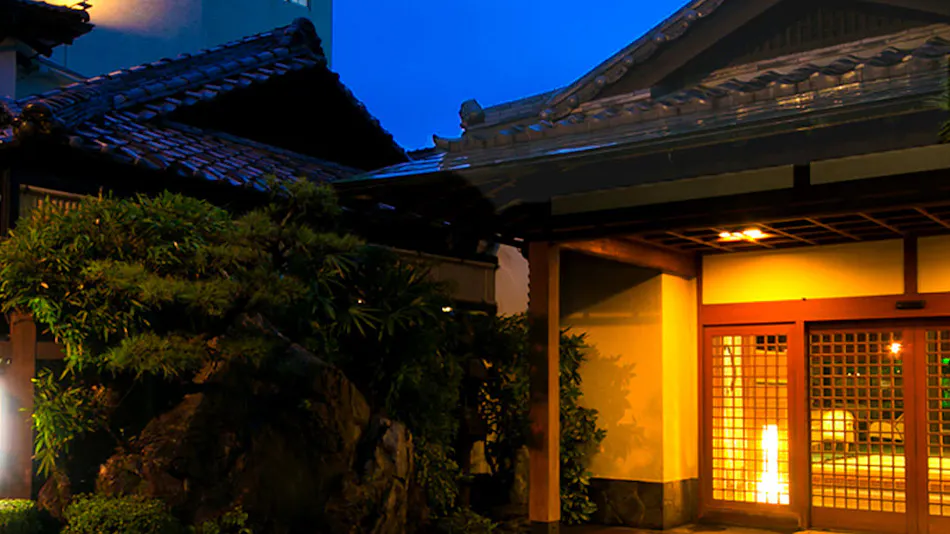
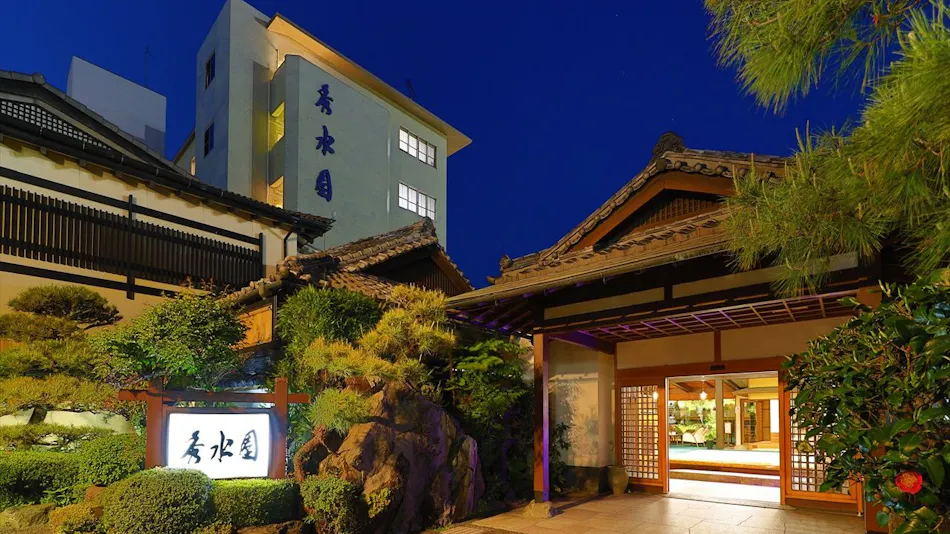
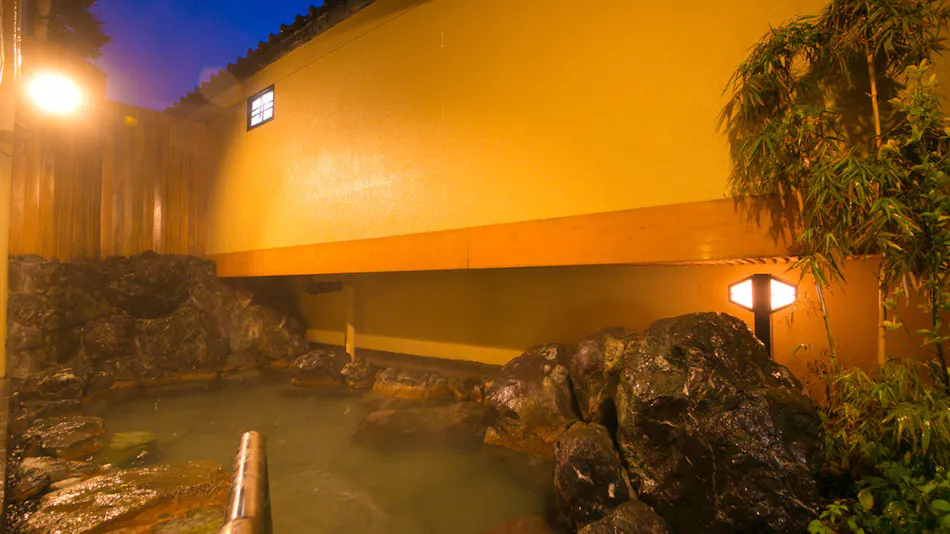
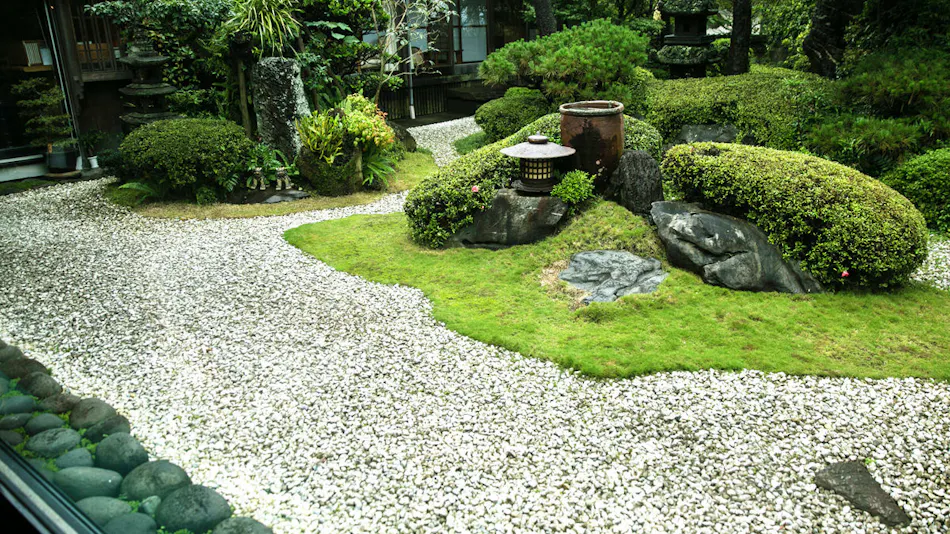
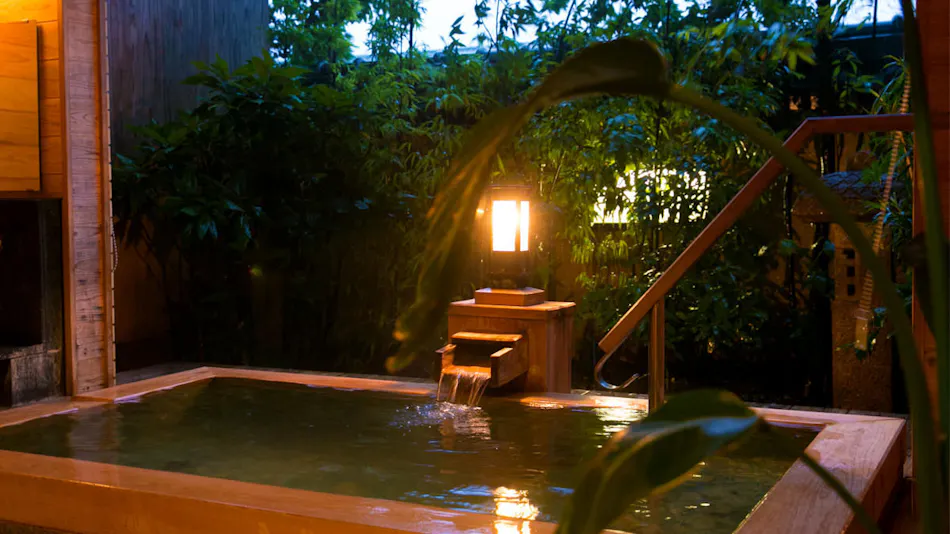
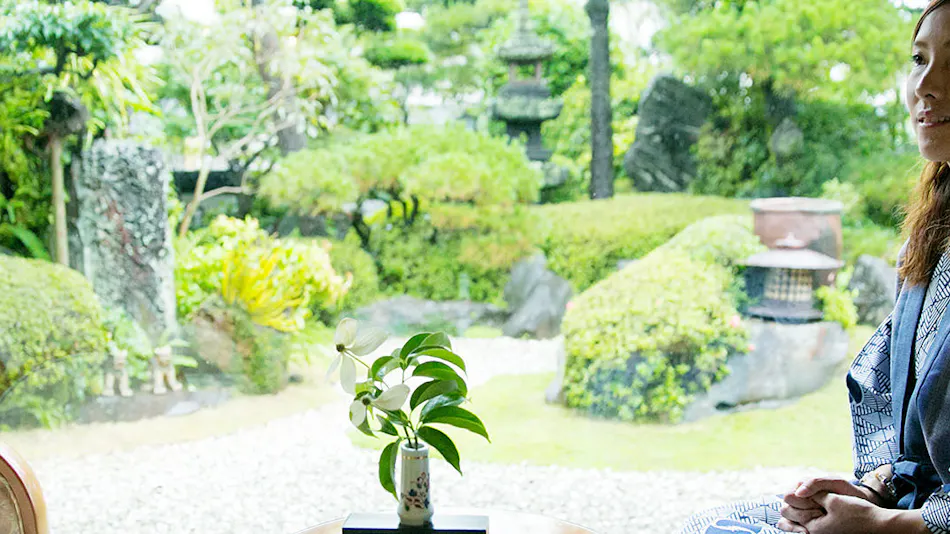
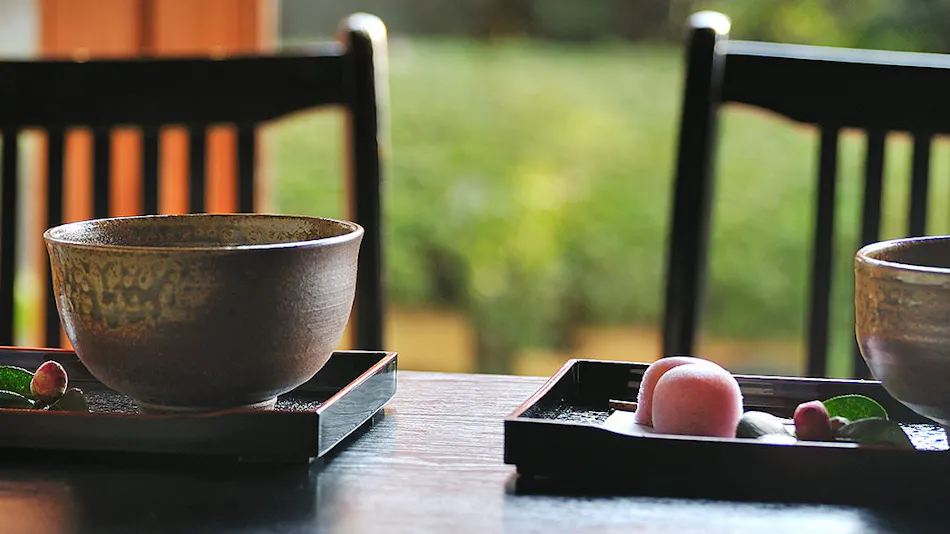
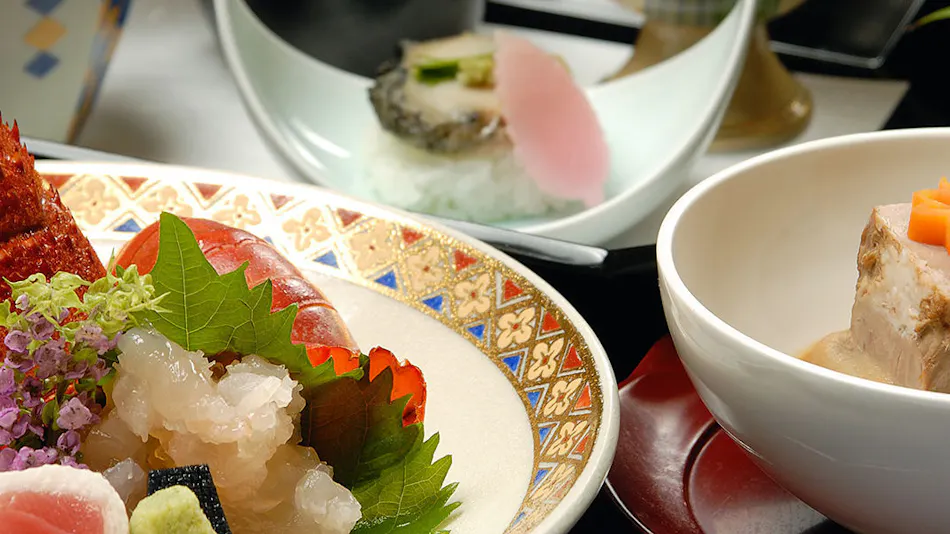
Just a 5-minute walk to the Ibusuki Natural Sand Onsen. It has maintained the number one position in the culinary category of "Ryokan Hyakusen" for about a quarter of a century. Please enjoy the hospitality imbued with Japanese spirit and the unique flavors of Hotel Shusuien.

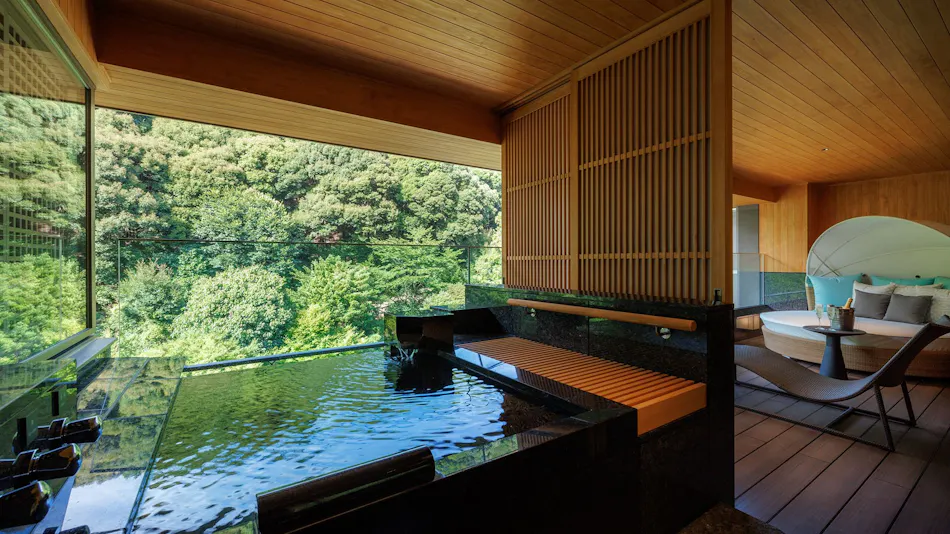
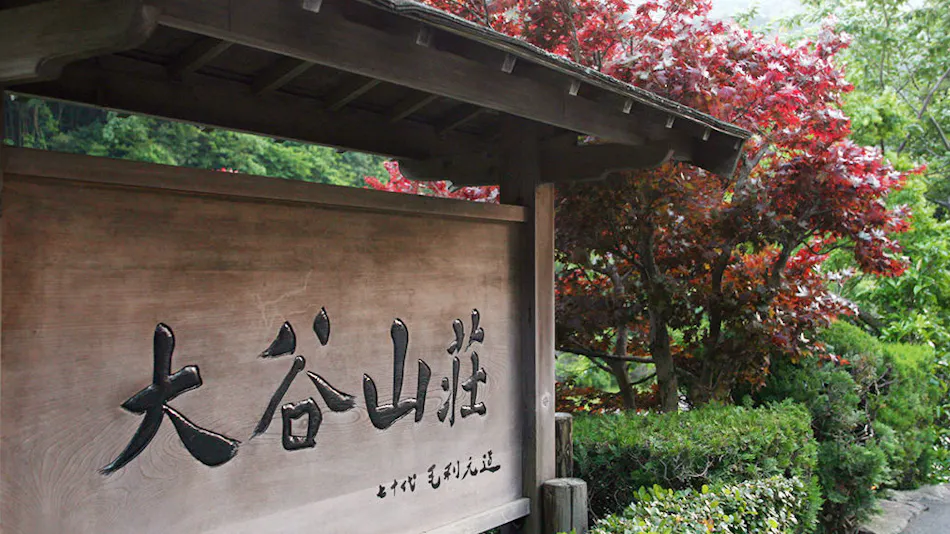
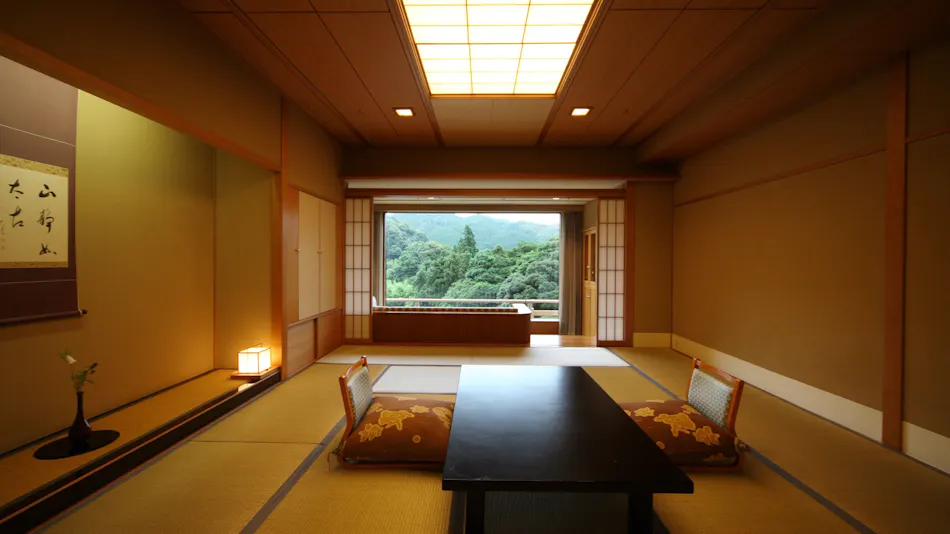
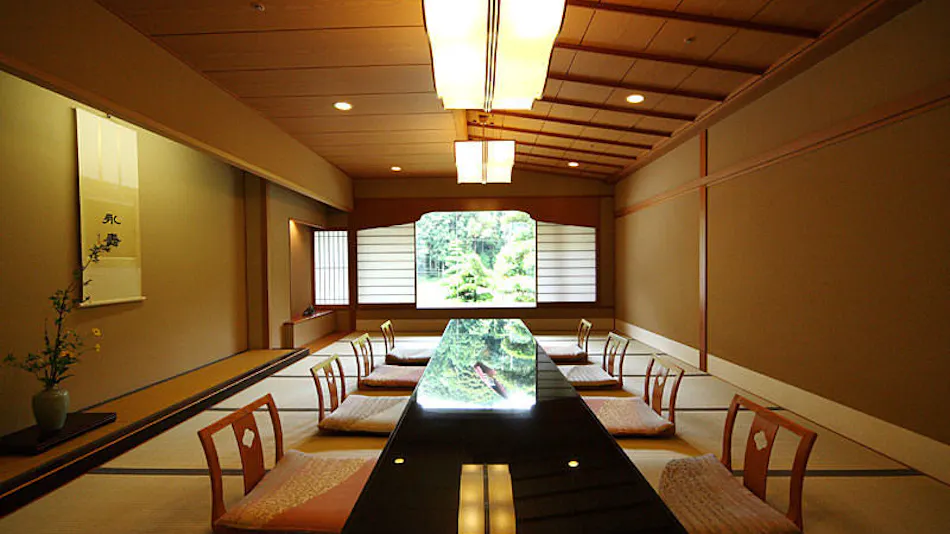
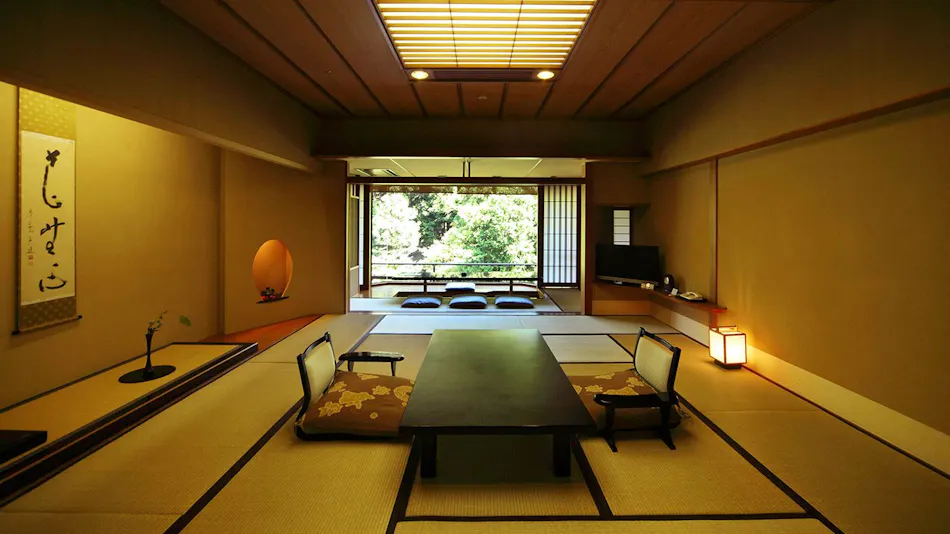
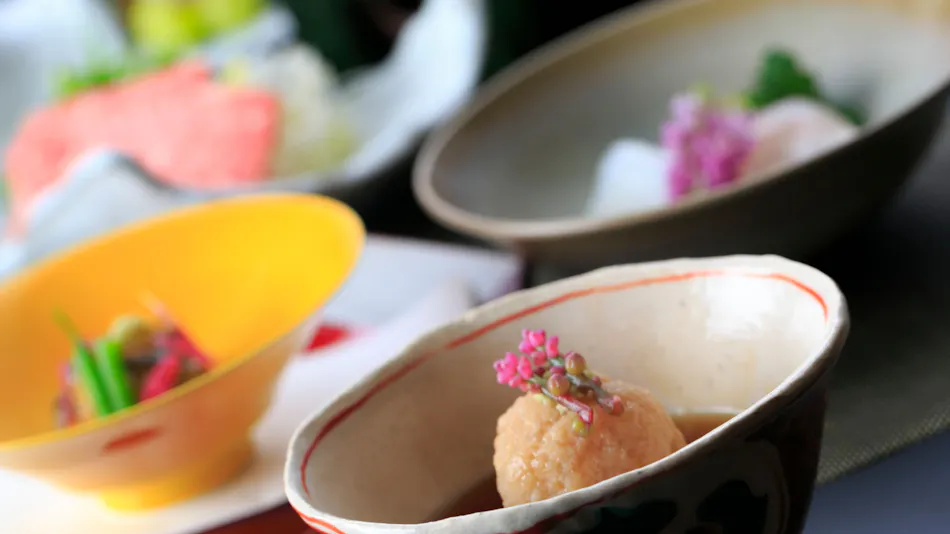
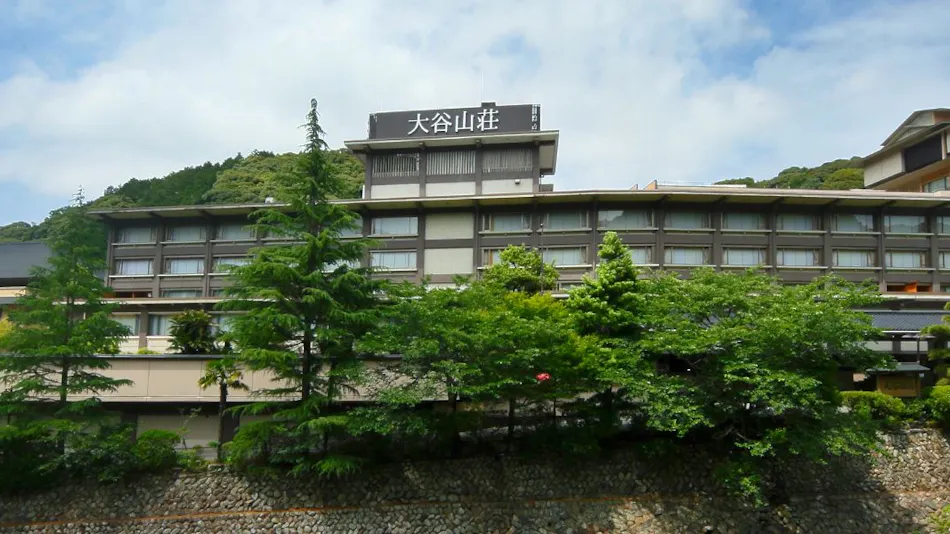

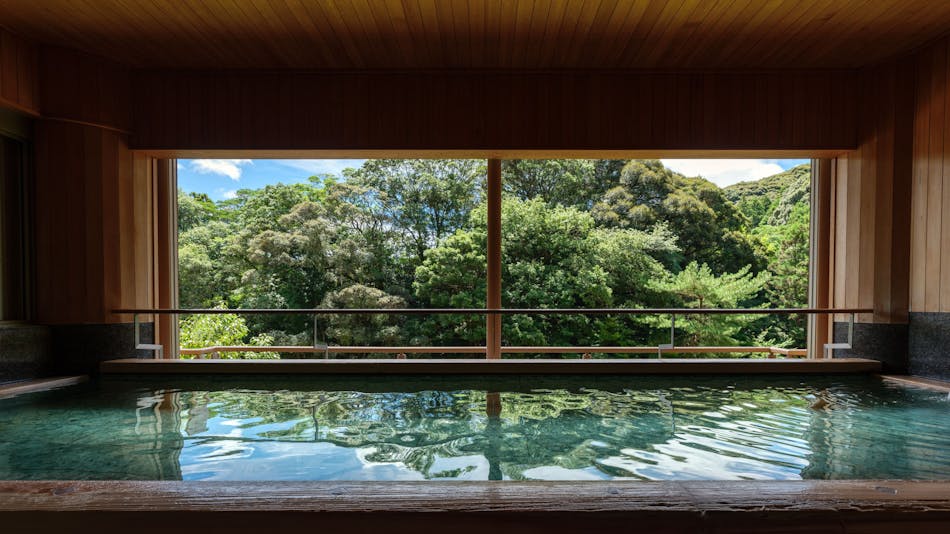
Nestled by the tranquil Otozure River in Nagato, Yamaguchi Prefecture, the Nagato Yumoto Onsen "Otanisanso" welcomes guests with decor and hospitality that cherish the rich natural beauty of the four seasons. Enjoy moments of relaxation and tranquility away from daily life.
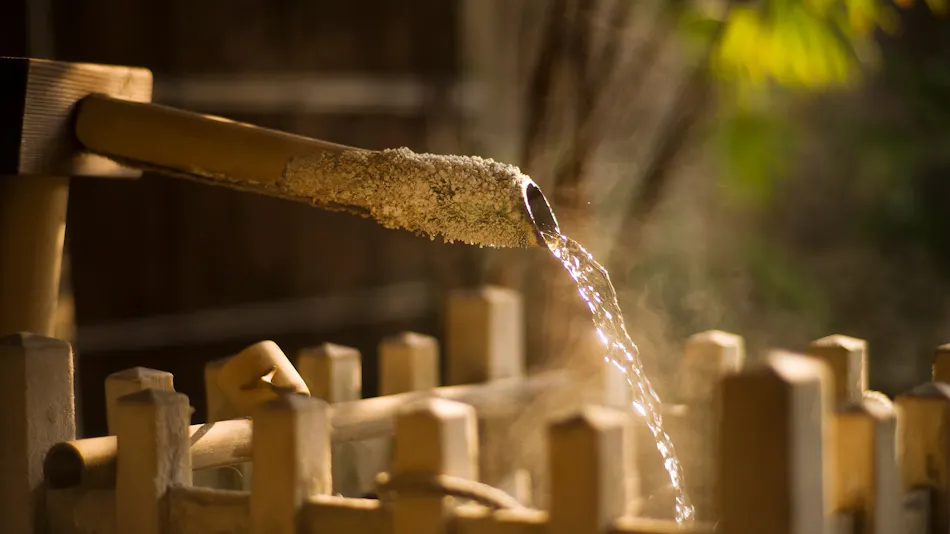
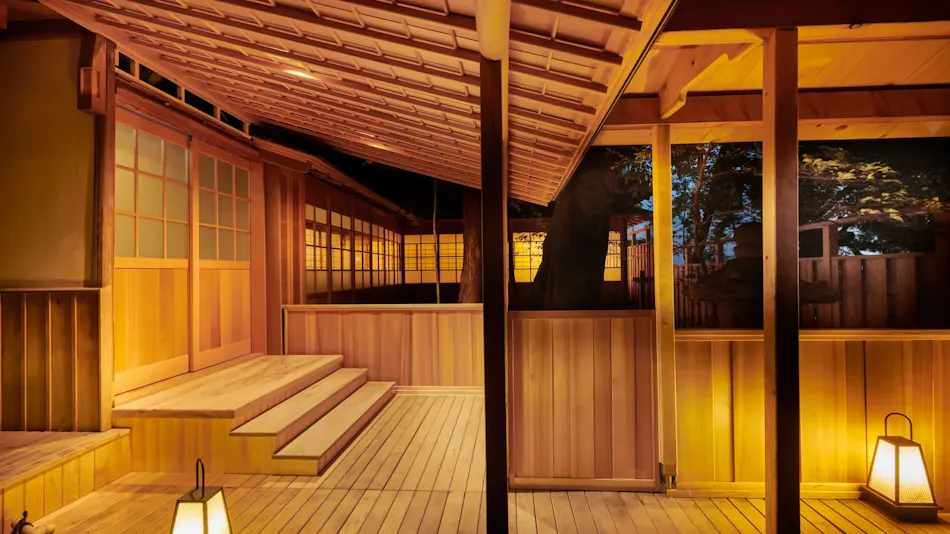
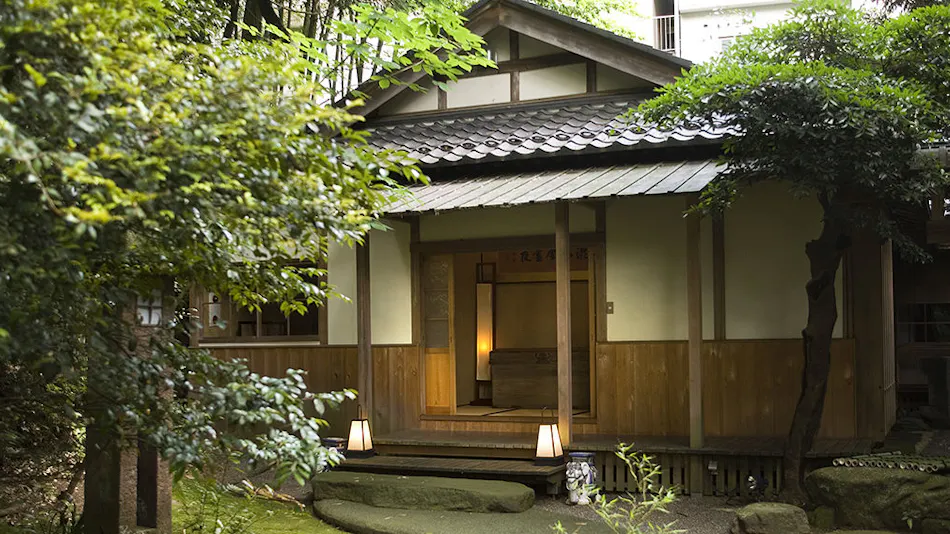
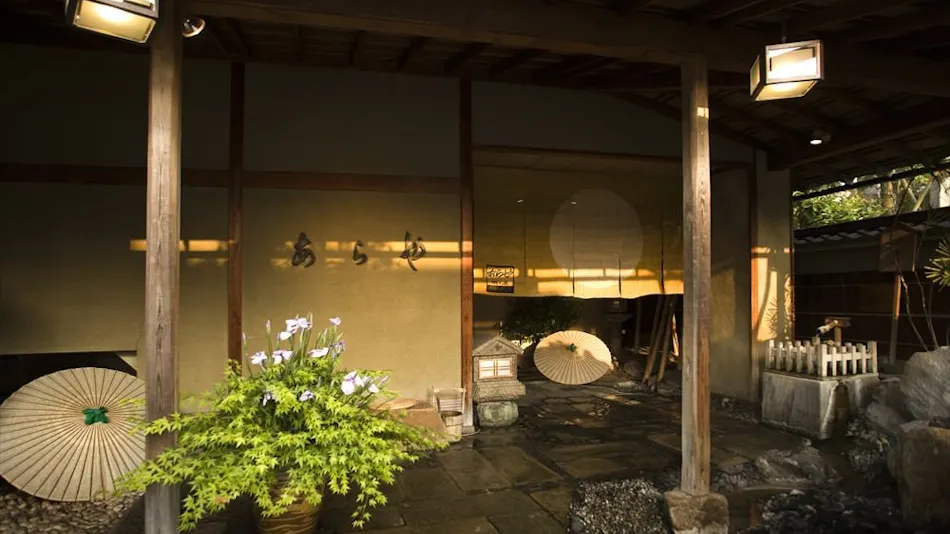
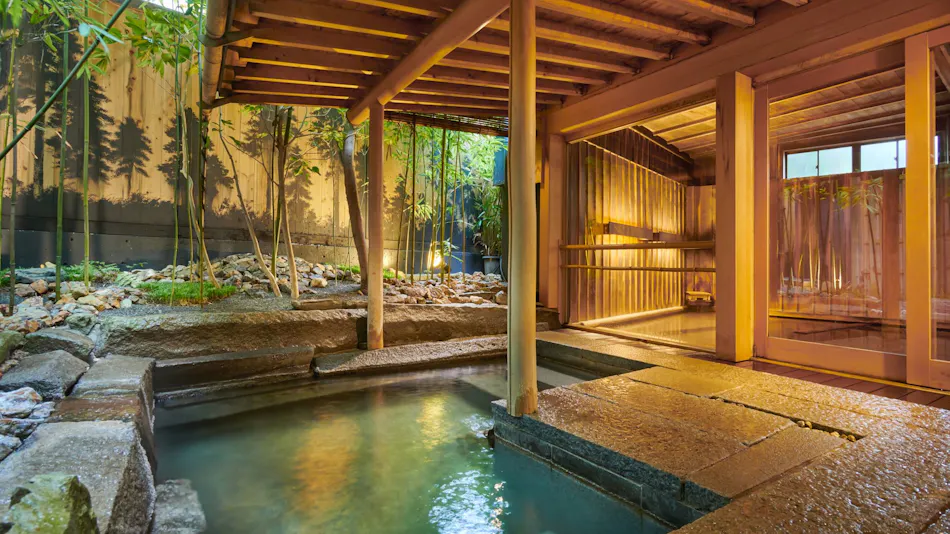
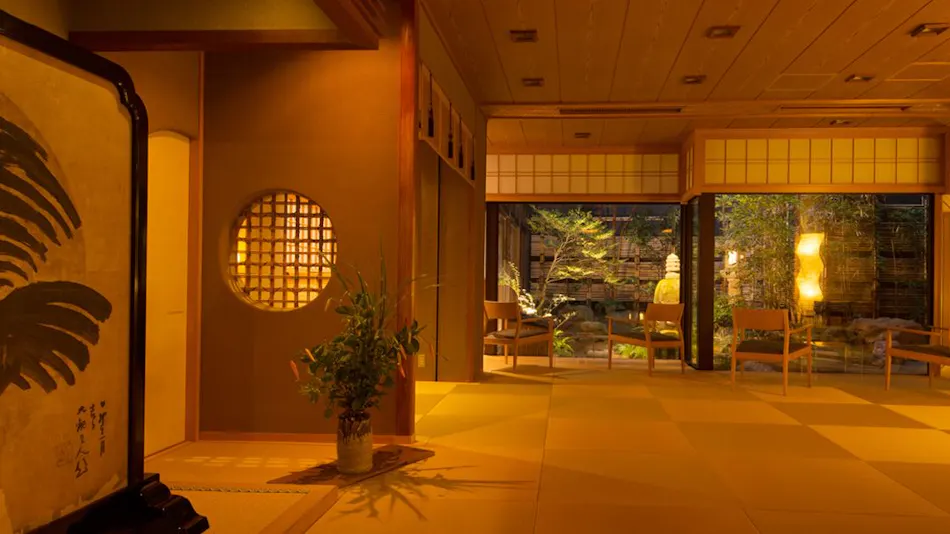
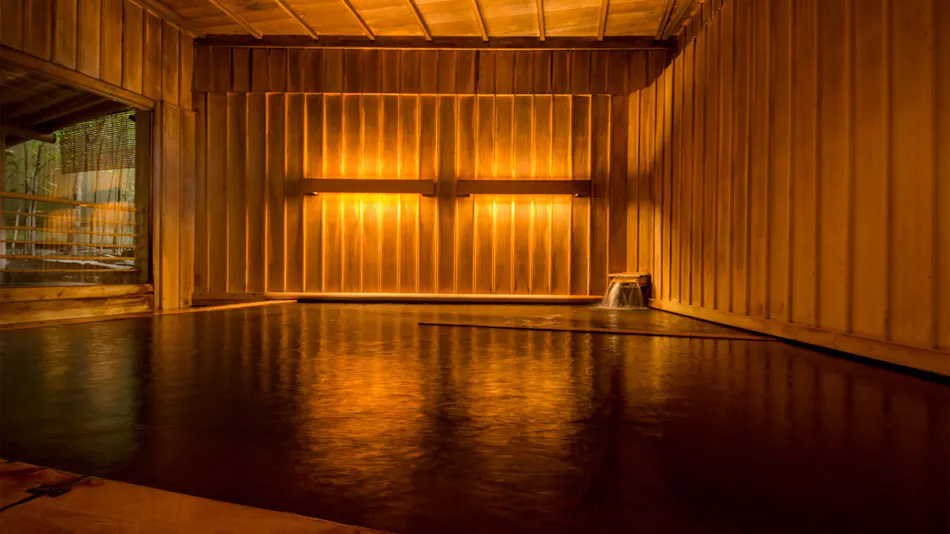
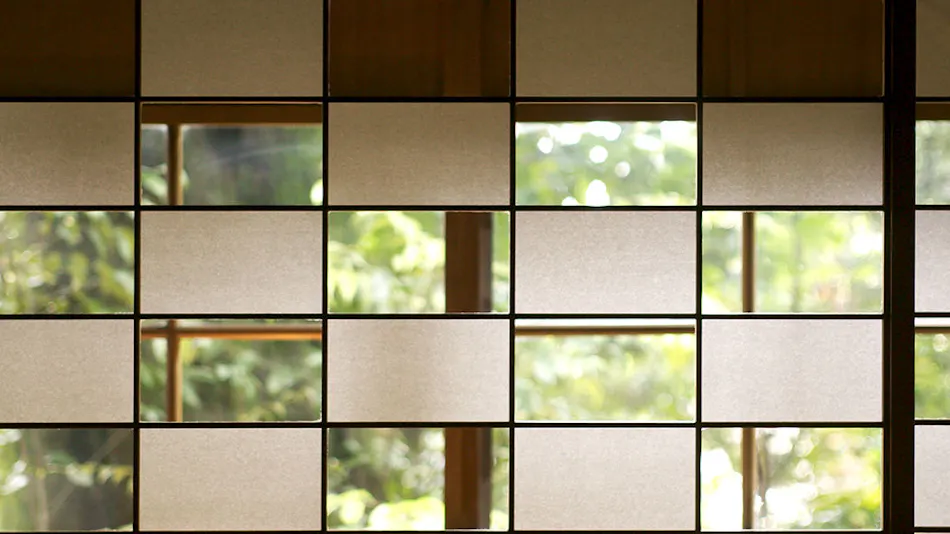
Though the surface of the water changes from moment to moment, the hot spring continues to flow abundantly beyond time. Its presence recalls Basho’s teaching of “Fueki Ryuko”—that the unchanging and the ever-changing share the same source. Since receiving our charge from Gen’emon Araya, head steward of the hot spring under the Maeda family of the former Daishoji Domain in Kaga, we have carried forward—day by day in our work—the essence of what must remain unchanged and what should evolve. This is the spirit of hospitality our Accommodation hopes to nurture for generations to come.
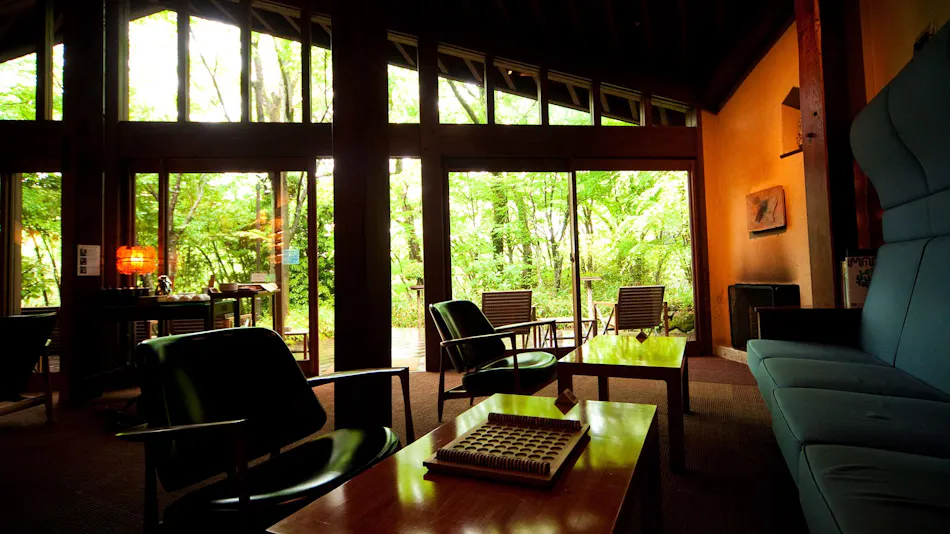
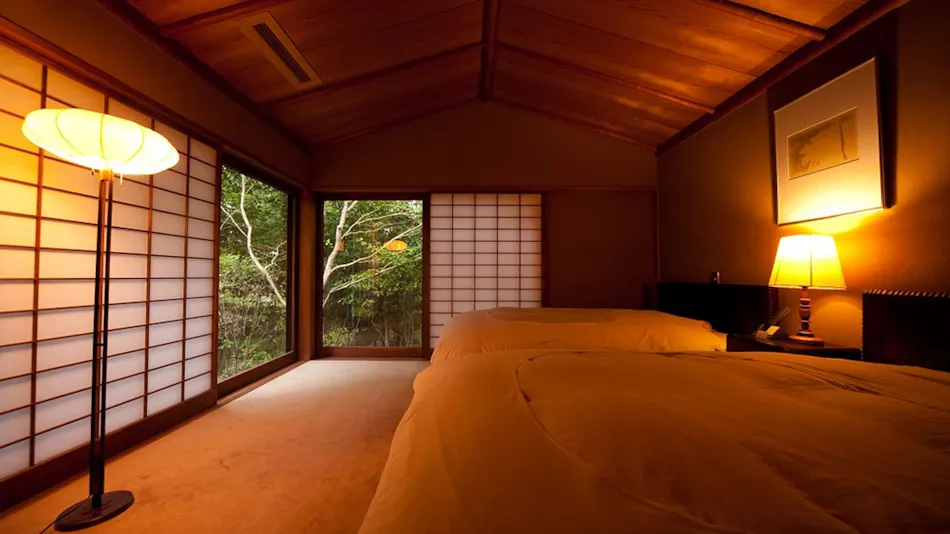
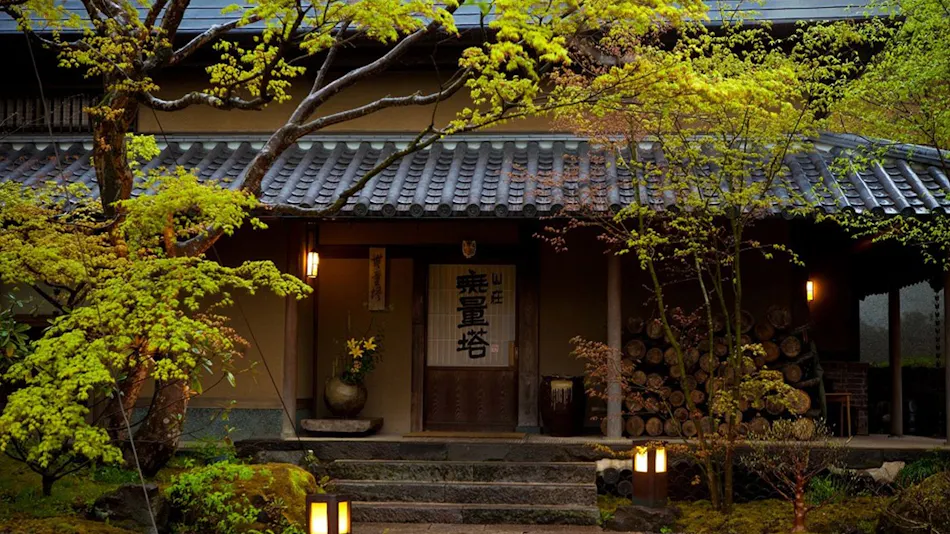
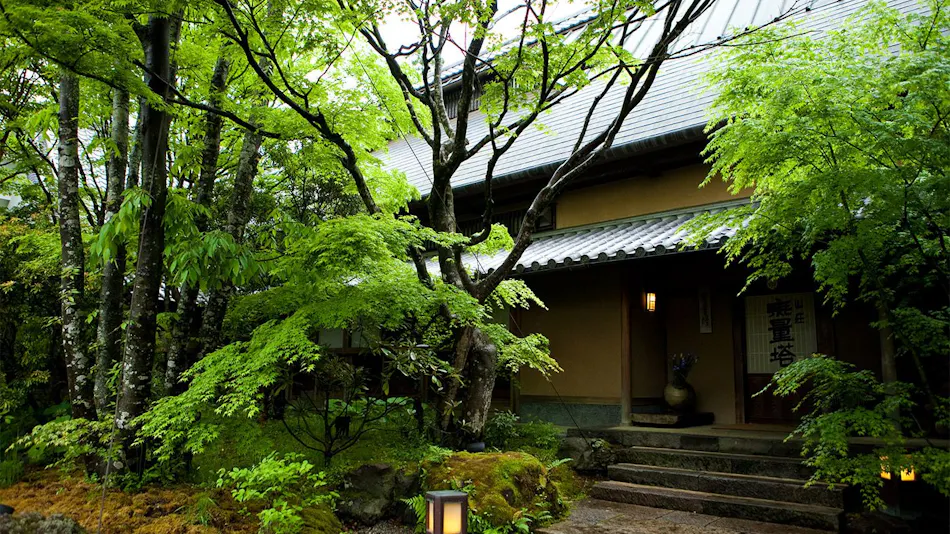
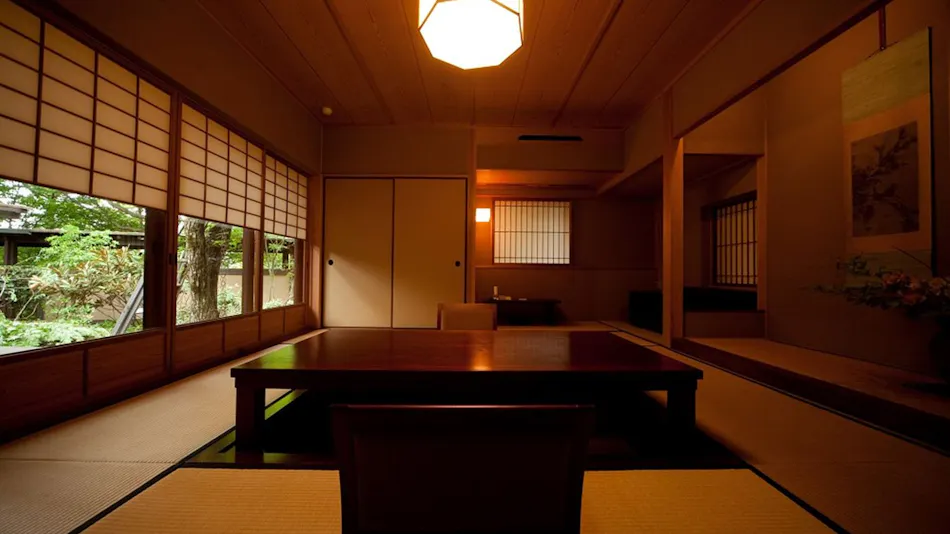
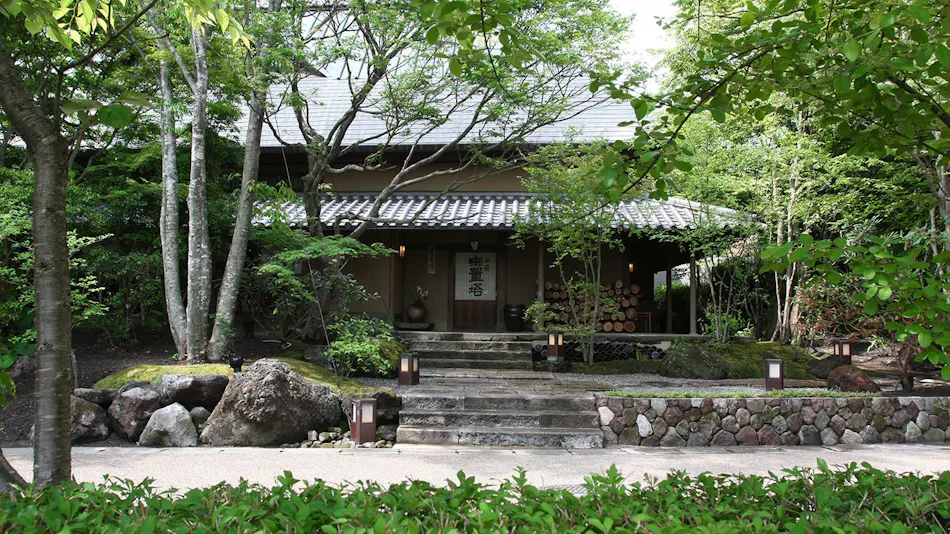
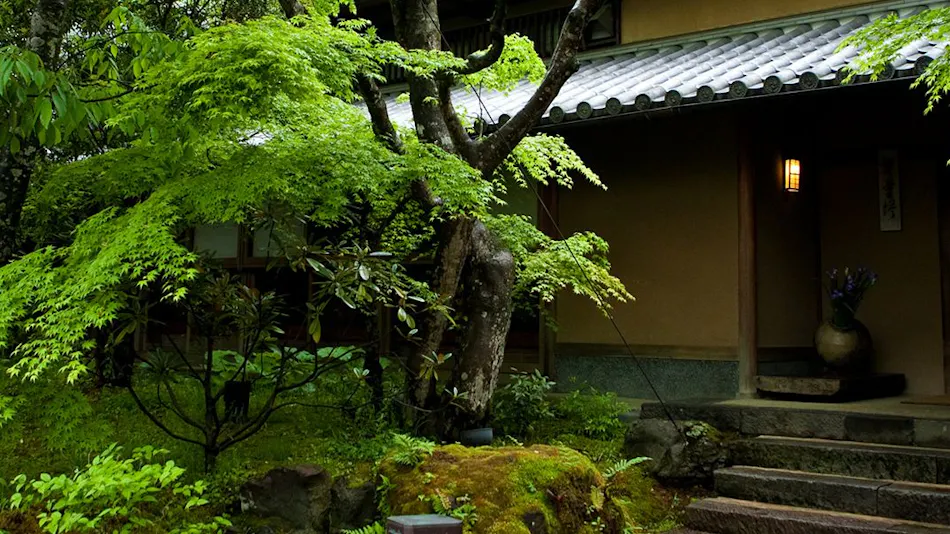
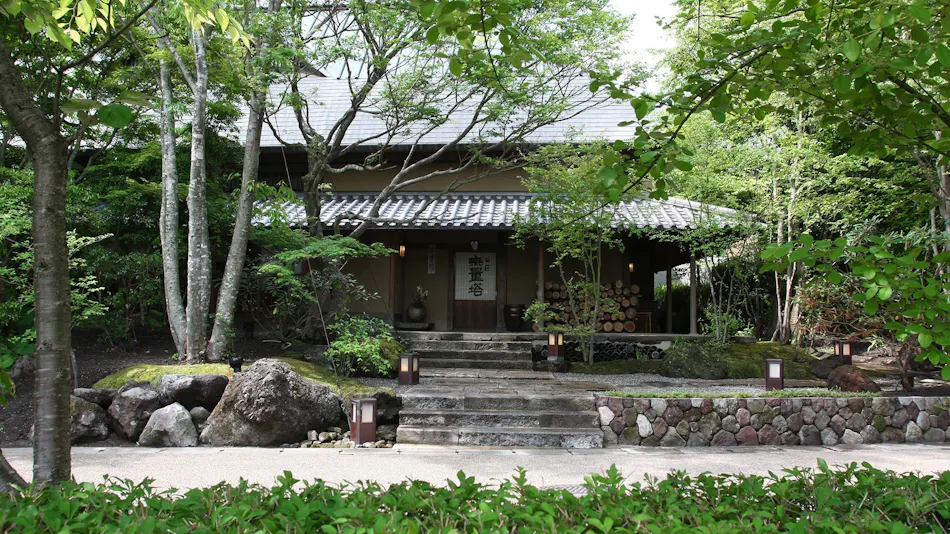
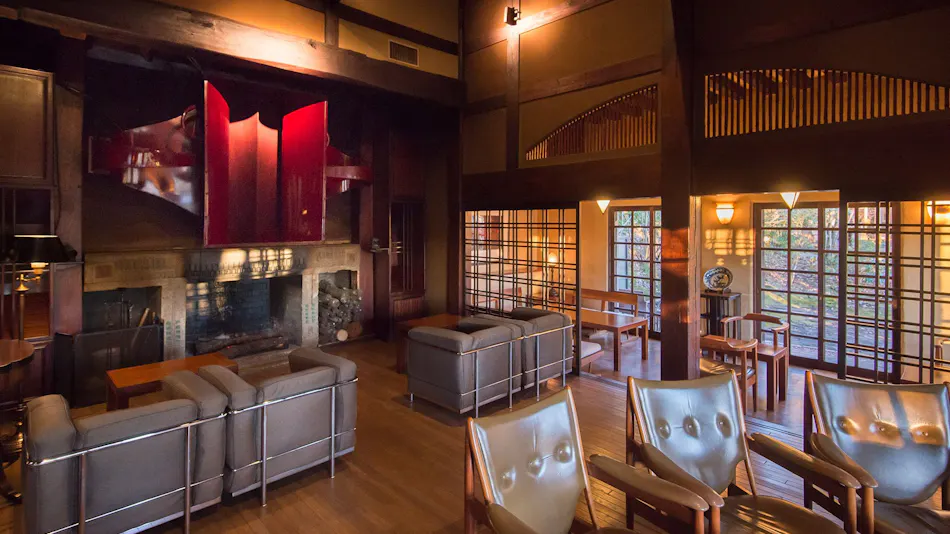
Whether it’s a wedding anniversary, birthday, school entrance or graduation celebration, retirement, or a milestone longevity celebration such as Kanreki (60th) or Kiju (77th), Sanso Muryoto is here to help with any requests to make your family’s special day an unforgettable lifelong memory. The “Meiji” guest room comfortably accommodates up to 8 adults. Enjoy precious time together under one roof with your parents and adorable grandchildren. For your family’s special day of new beginnings, we would be honored if you choose Sanso Muryoto.