Nationwide × Accommodation To Enjoy The Charm Of KoedoRecommended Hotel·Ryokan
入力欄の先頭で左矢印キーを押すと、選択中の検索条件に移動できます。chip上では左右矢印で移動し、DeleteキーまたはBackspaceキーで削除できます。


While much of Edo’s charm has faded from Tokyo with the passage of time, it remains vividly preserved in Sawara, which was the first area in the Kanto region to be designated as an Important Preservation District for Groups of Traditional Buildings. As a dispersed Hotel that blends into the historic townscape of Sawara, our properties are scattered throughout the area. Across 8 buildings and 14 guest rooms, you can relax in refined spaces that retain the essence of historic architecture. We also offer experiences that immerse you in Sawara’s heritage—farm-to-table French cuisine featuring seasonal Chiba ingredients, and town walks created in collaboration with renowned local restaurants and shops. To help you enjoy an even more fulfilling trip, we can introduce nearby attractions as well. From special experiences at Katori Jingu Shrine to a visit to Naritasan Shinshoji Temple, spend enriching moments that connect you with history and leave you feeling renewed. Enjoy a luxurious stay inspired by history and culture.


The Kurashiki Bikan Historical Quarter, which became a Tenryo (directly governed land) in 1632, still vividly preserves the atmosphere of its past. The area is lined with merchant houses featuring lattice windows and walls with traditional honeycomb patterns, while the black-tiled rooftops create a striking silhouette against the sky. Its timeless charm continues to captivate visitors.Kurashiki Inn is located in the heart of the Kurashiki Bikan Historical Quarter. This culinary inn offers a serene retreat with its traditional architecture and tranquil garden views. The guest rooms, limited to just 8, are renovated from historical buildings such as an Edo-period storage house.
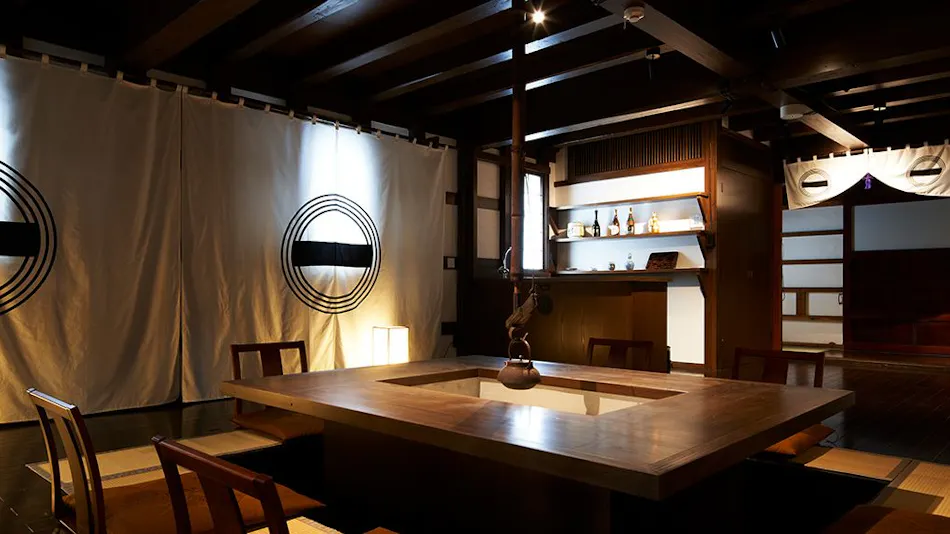
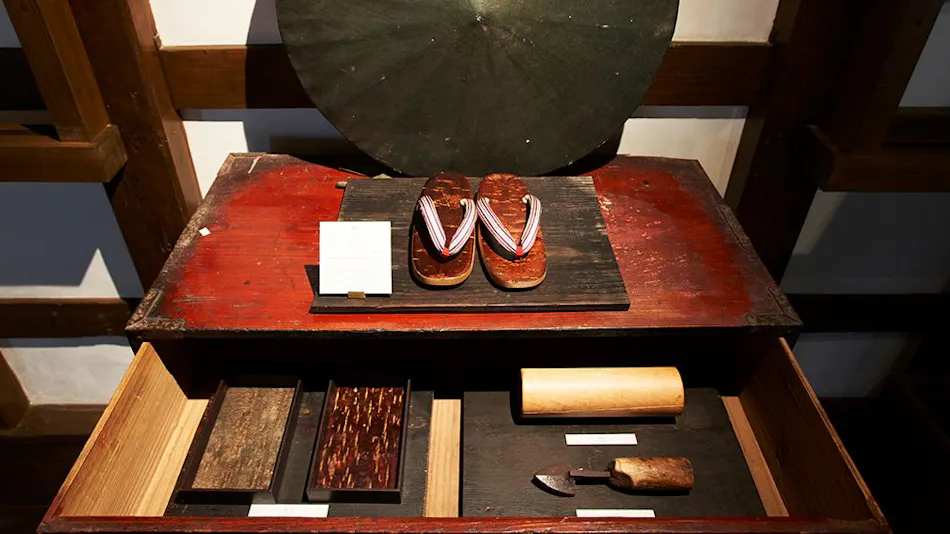
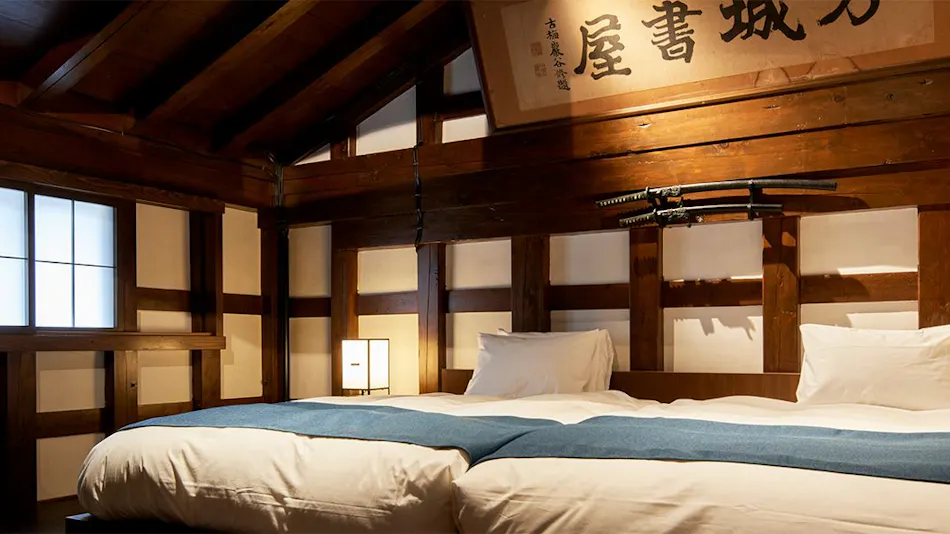
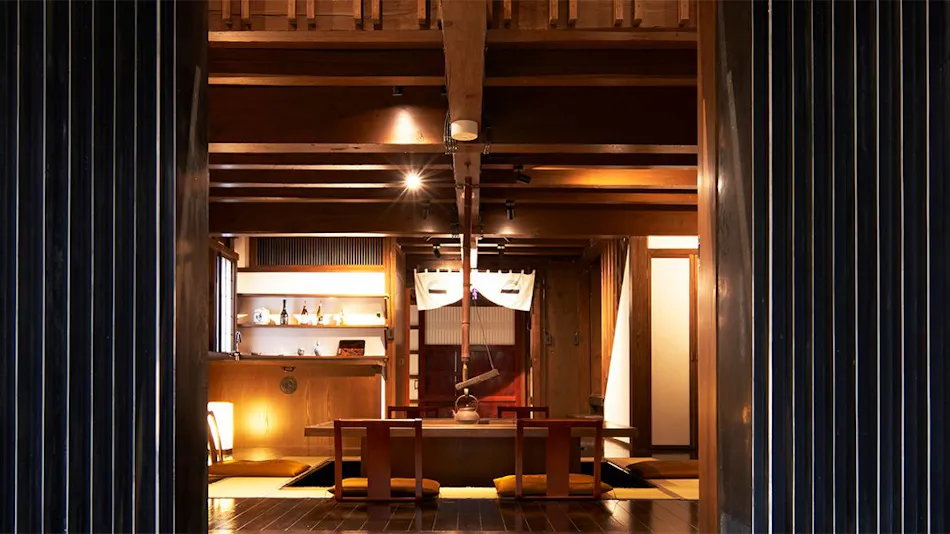
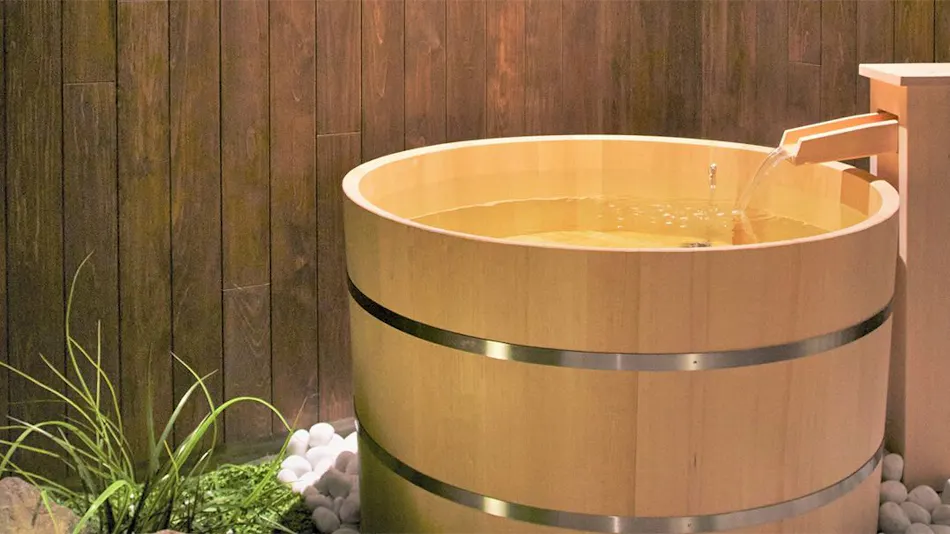
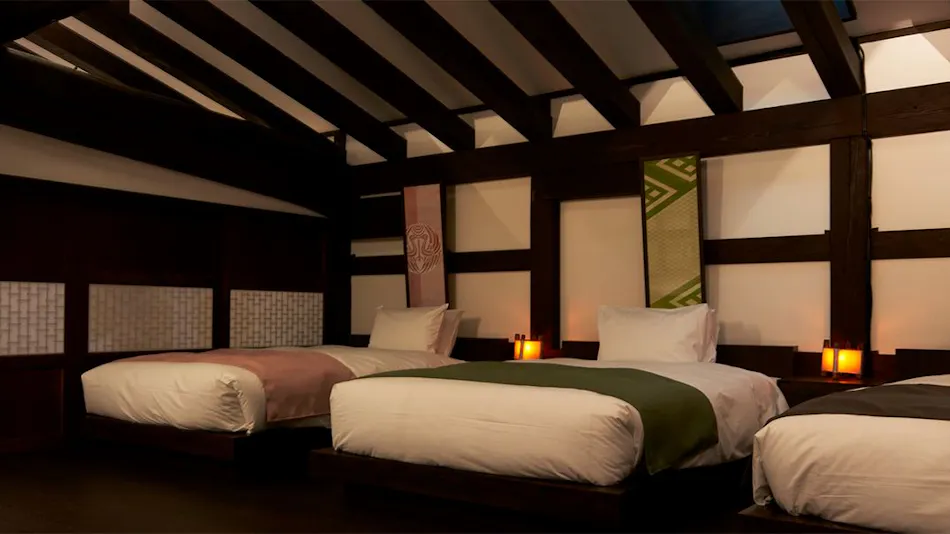
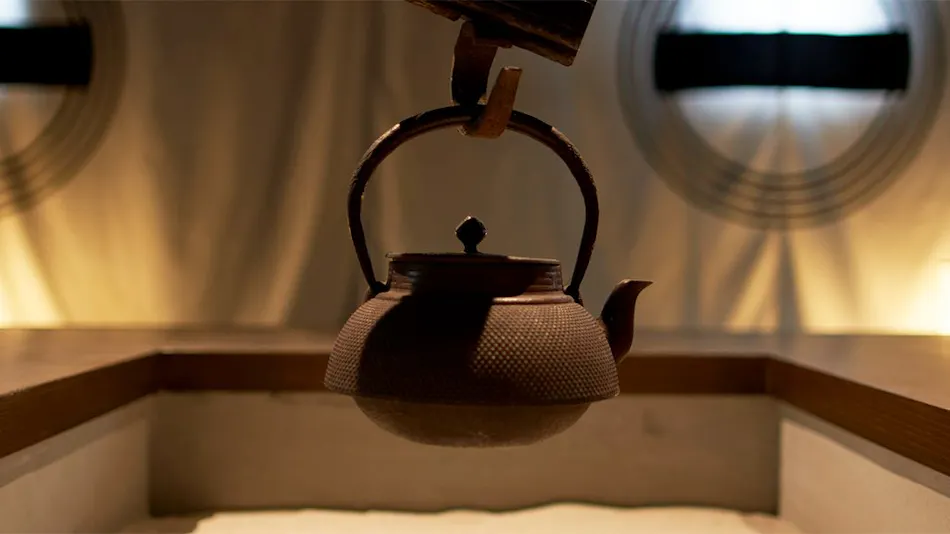
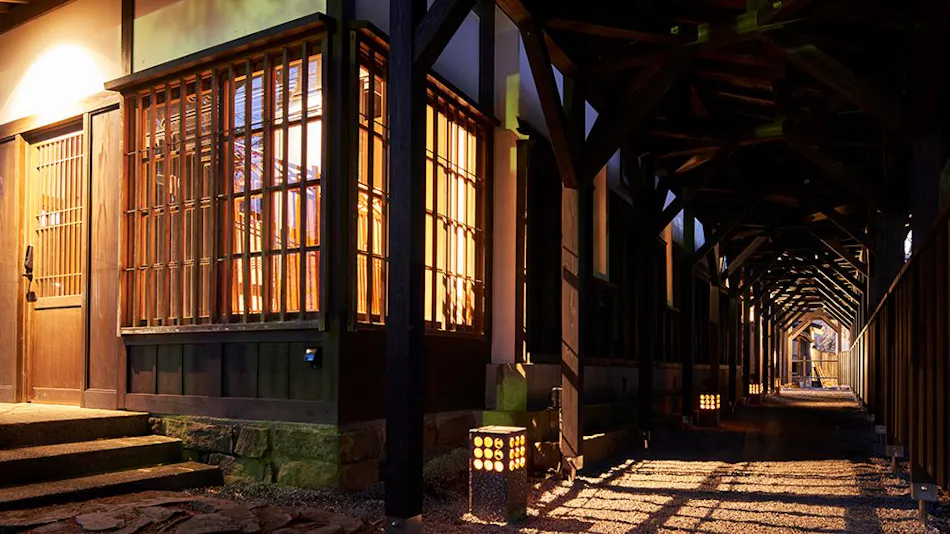
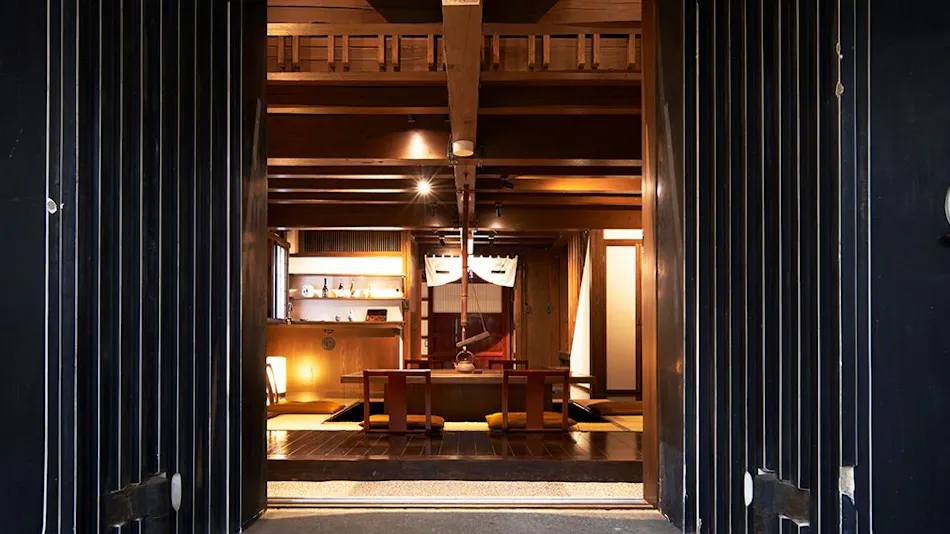
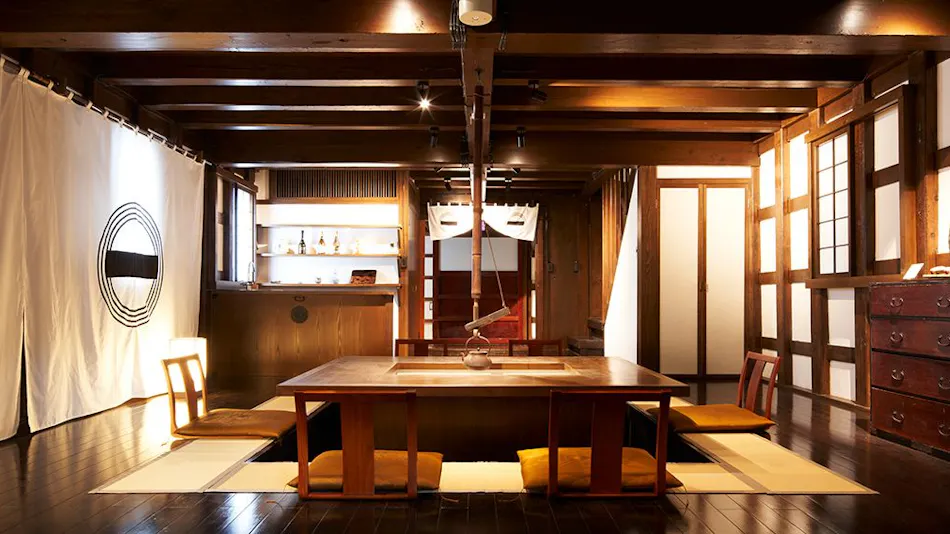
"Wa no I Kakunodate" is a Hotel created by renovating historical storehouses scattered throughout the small Kyoto-like town of Kakunodate, famous for its samurai residences. These "preserved lifestyle storehouses," reflecting their original use, allow guests to experience life as it was in the past. Step inside and feel as though you've traveled back in time to enjoy the living scenes of that era.
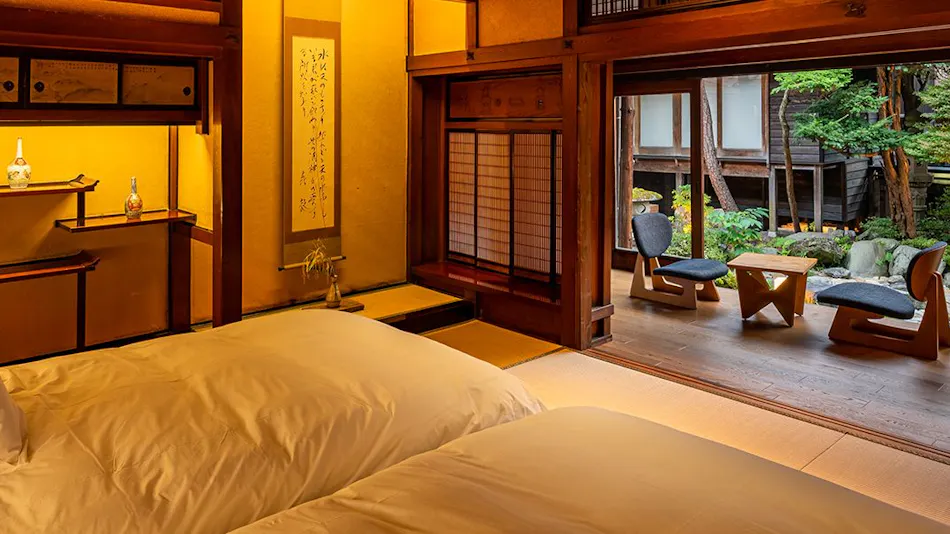
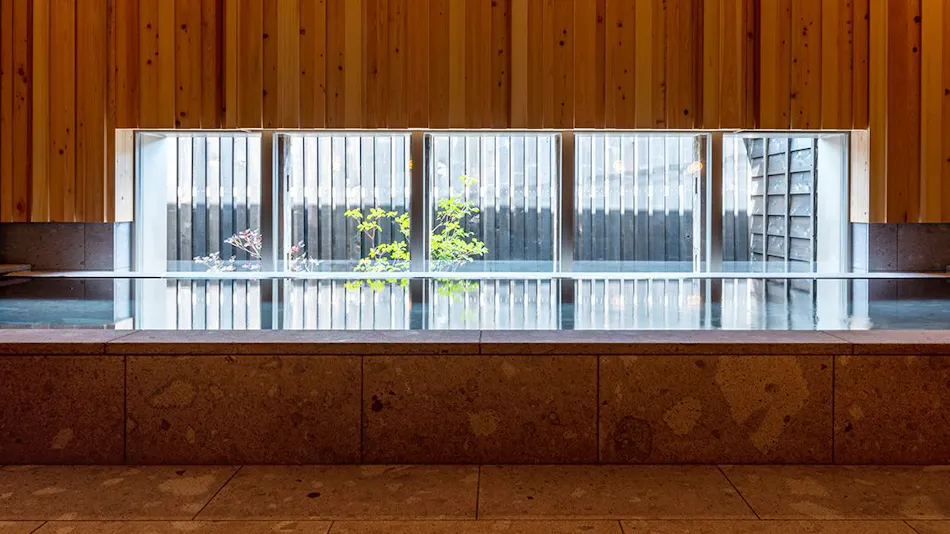
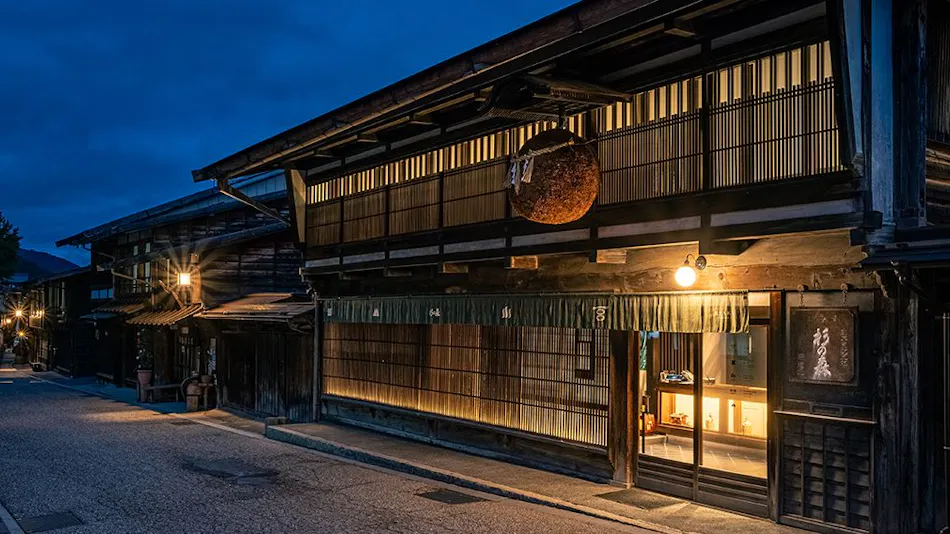
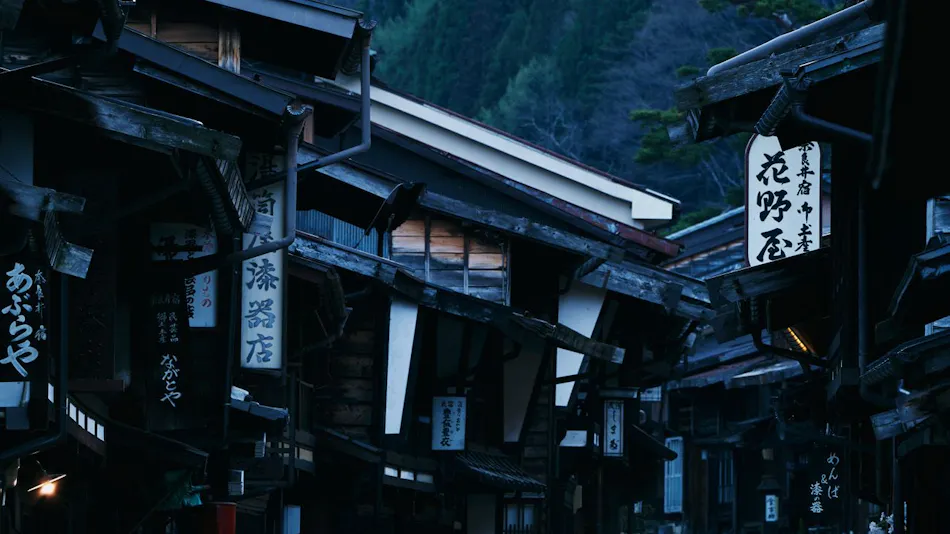
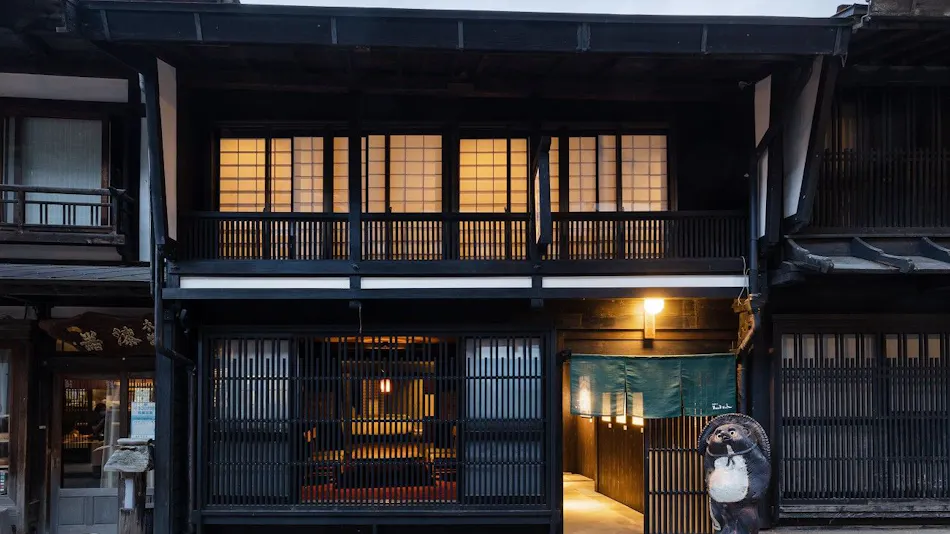
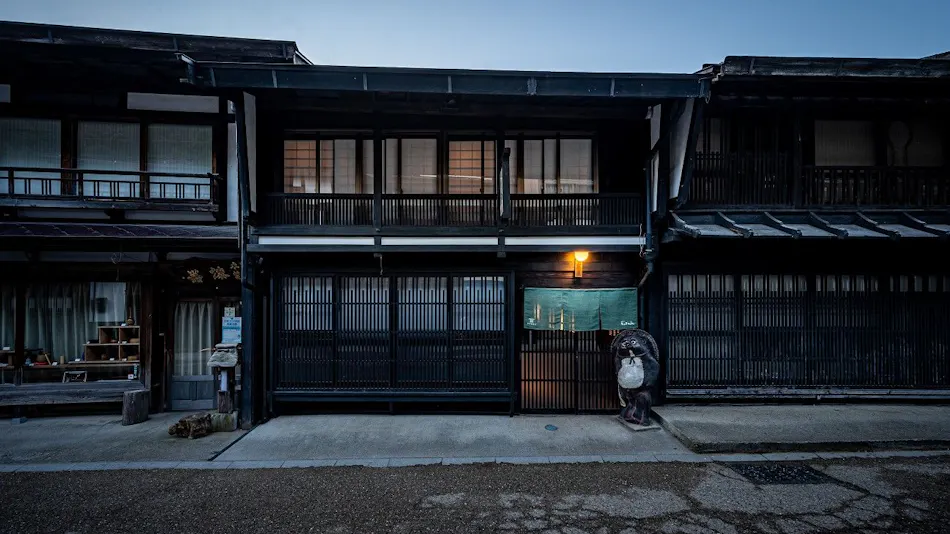
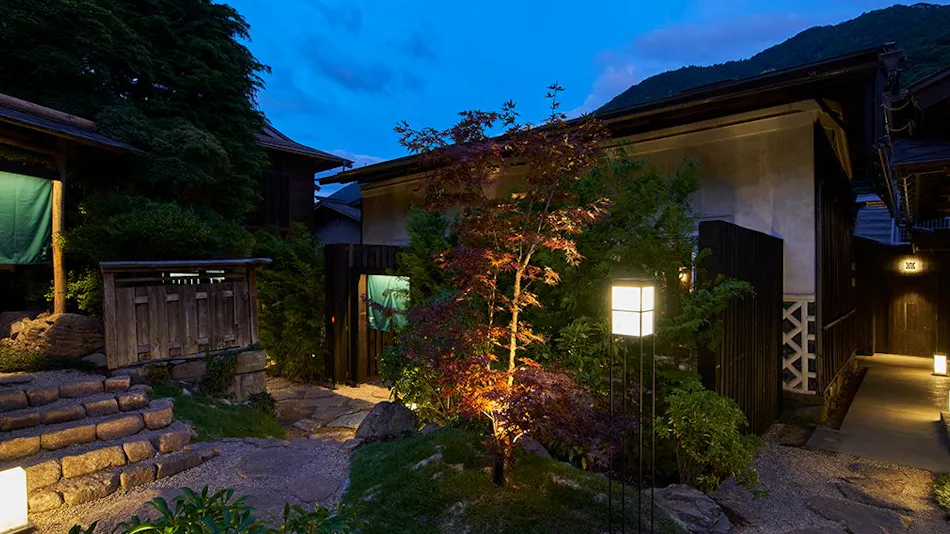
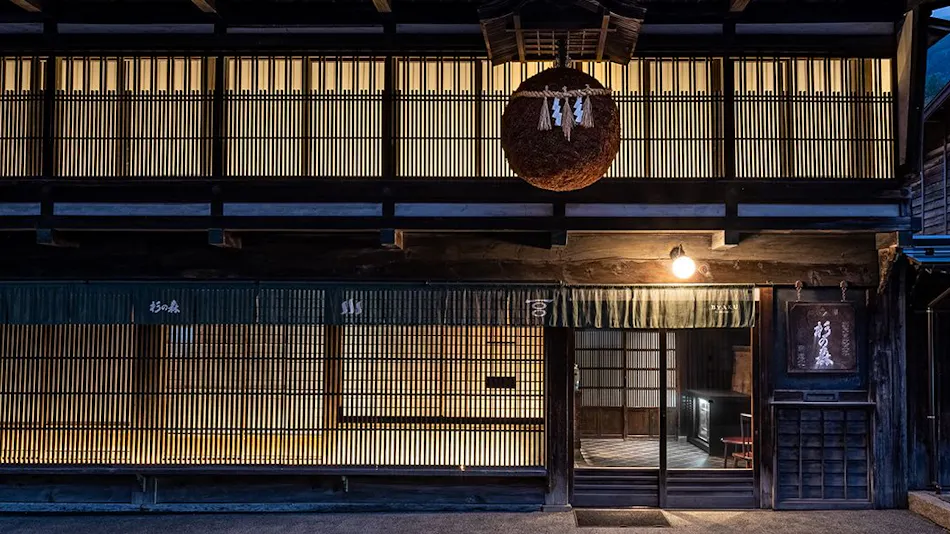
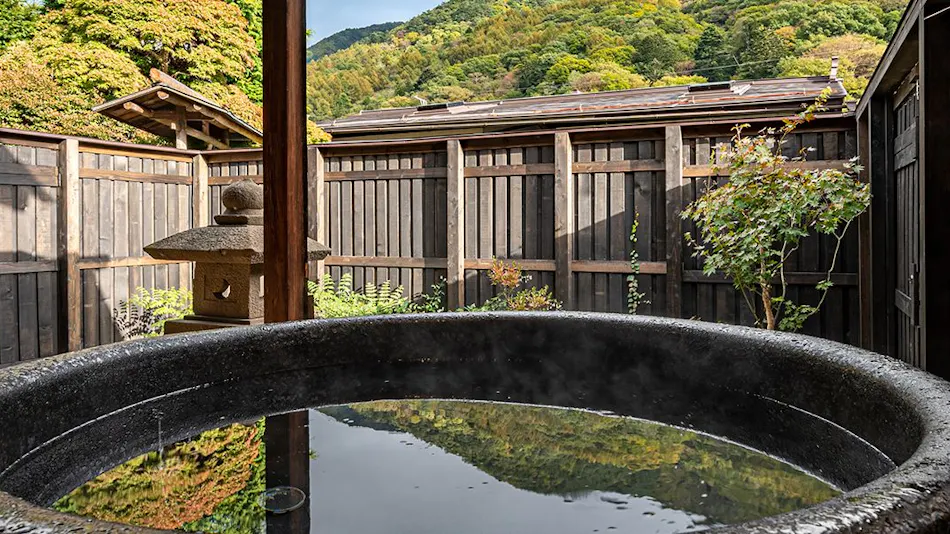
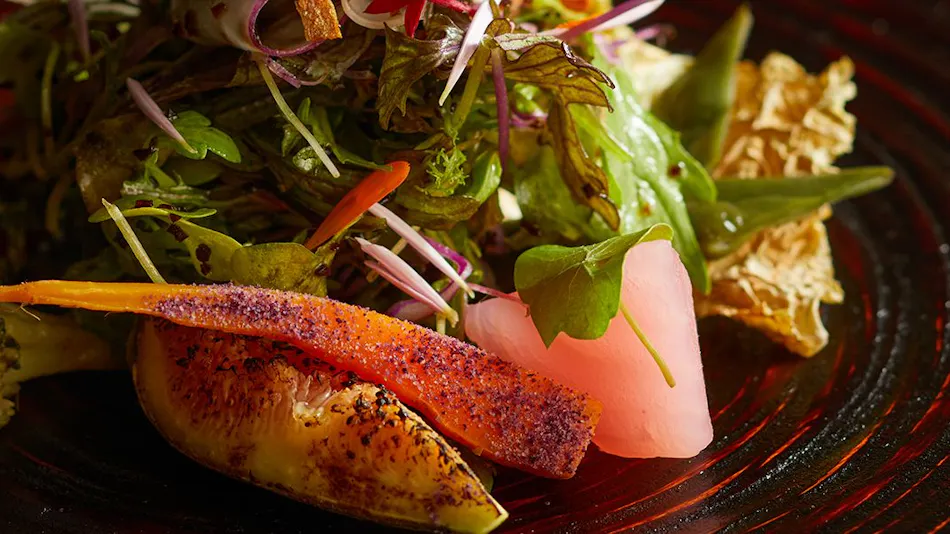
Narai-juku, with a 400-year history on the Nakasendo, remains as Japan's longest post town, preserving much of its original charm. Located at the midpoint of the 69 stations of the Nakasendo, this post town flourished with many travelers and was affectionately known as "Narai Senken." As we inherit four historical buildings as the Property BYAKU Narai, we have chosen not to give each building a new name. Instead, we decided to return to the "yago" (traditional house names) passed down from the Edo period, such as calling the sake brewery "Suginomori Shuzo," established in 1793 and a symbol of the town, "Toshiyoshiya." The 16 Rooms are unique and diverse, utilizing the structures of the four historical buildings, each with different layouts and purposes. Immerse yourself in spaces that embrace the historical architecture, and experience the history and countless stories these buildings have witnessed over time. We offer a unique stay experience in these traditional houses, distinct from typical Hotel Rooms, where you can feel the essence of a place that has supported various lives and activities for generations.
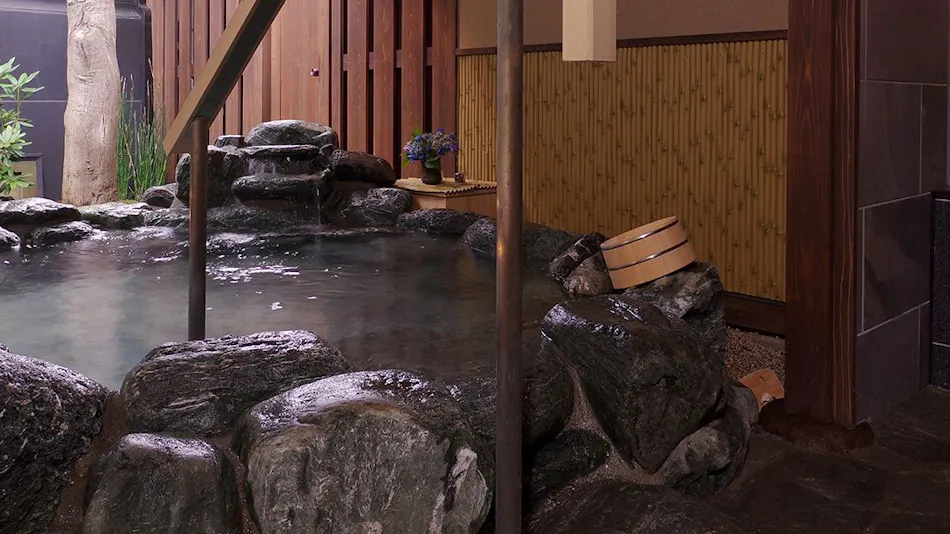
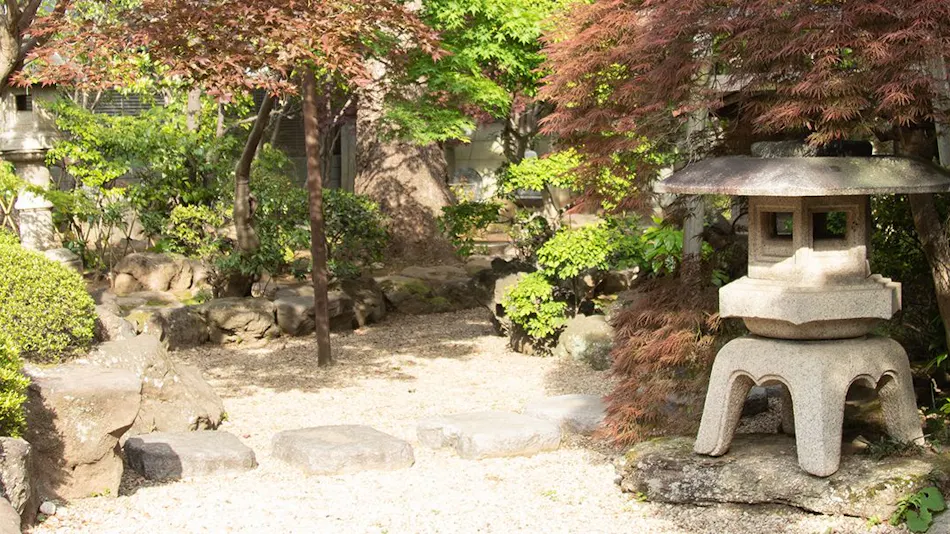
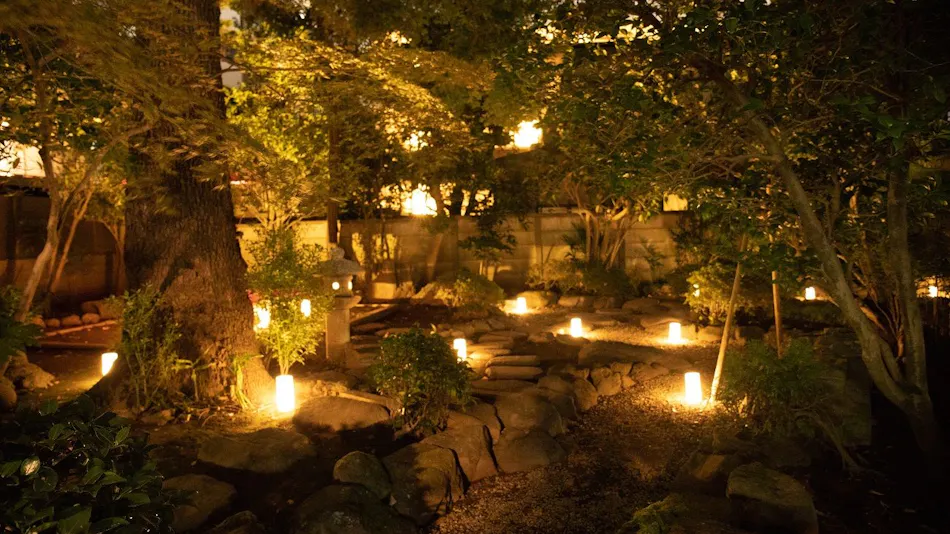
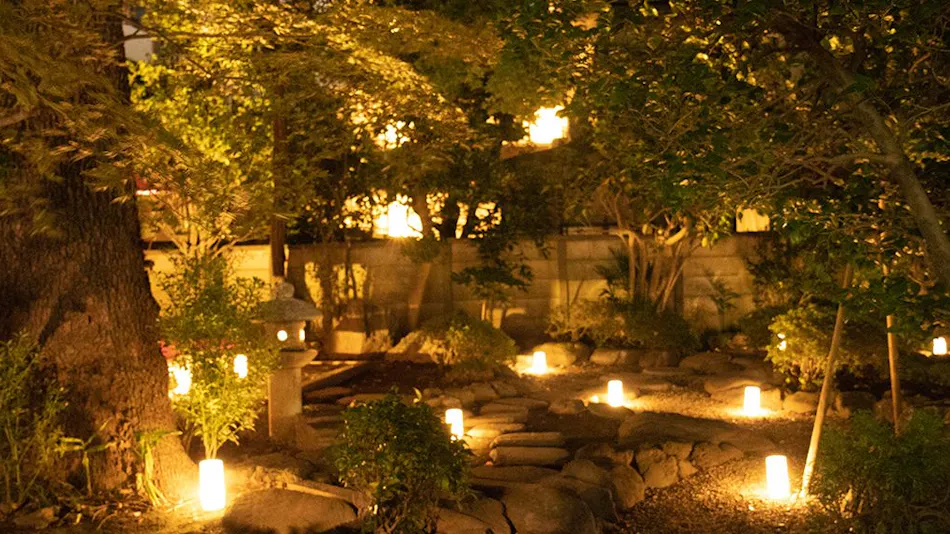
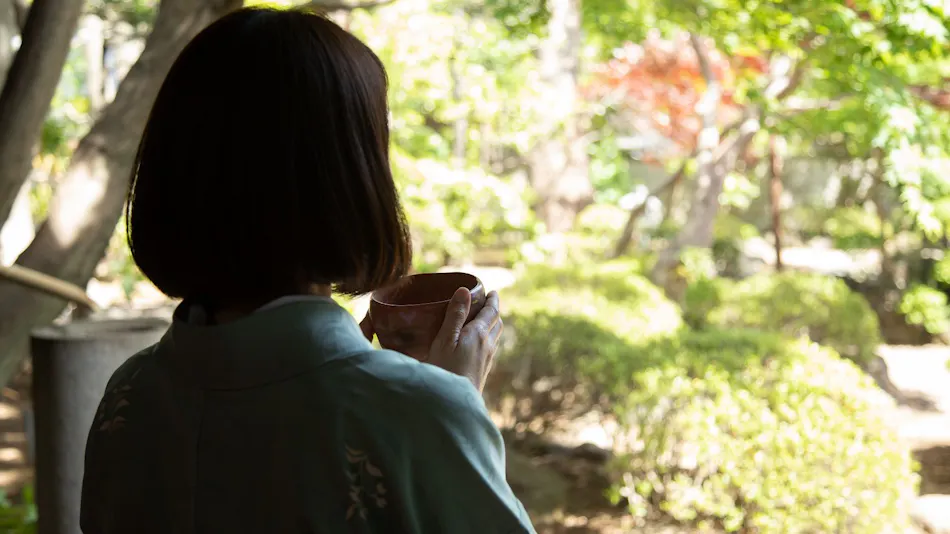
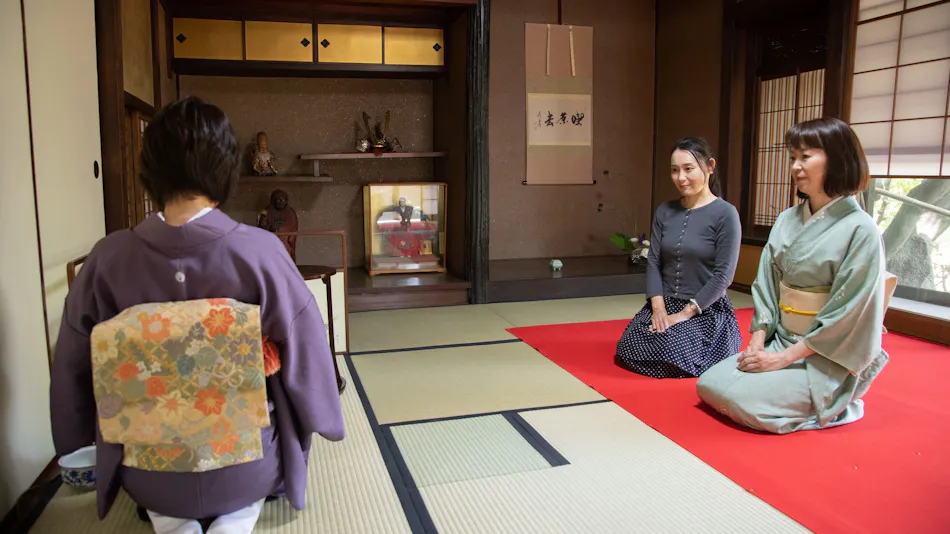
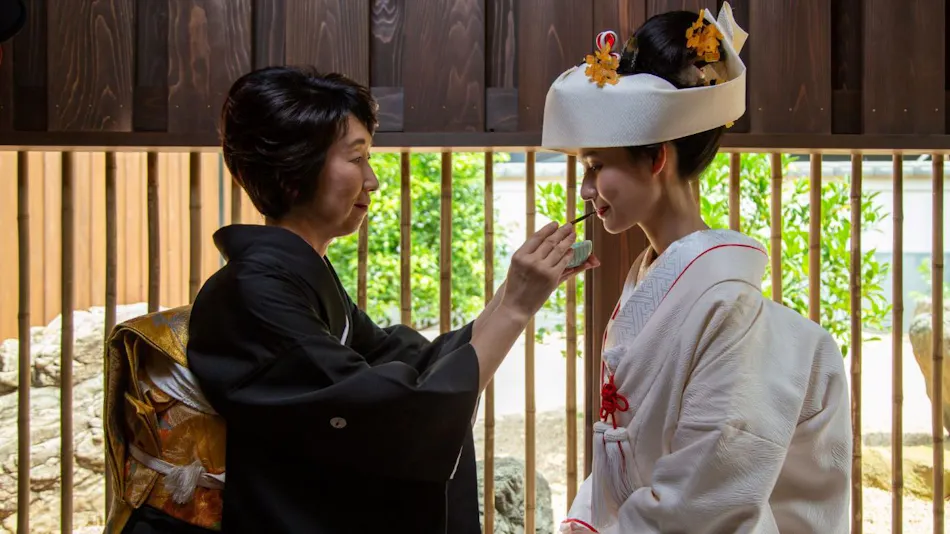
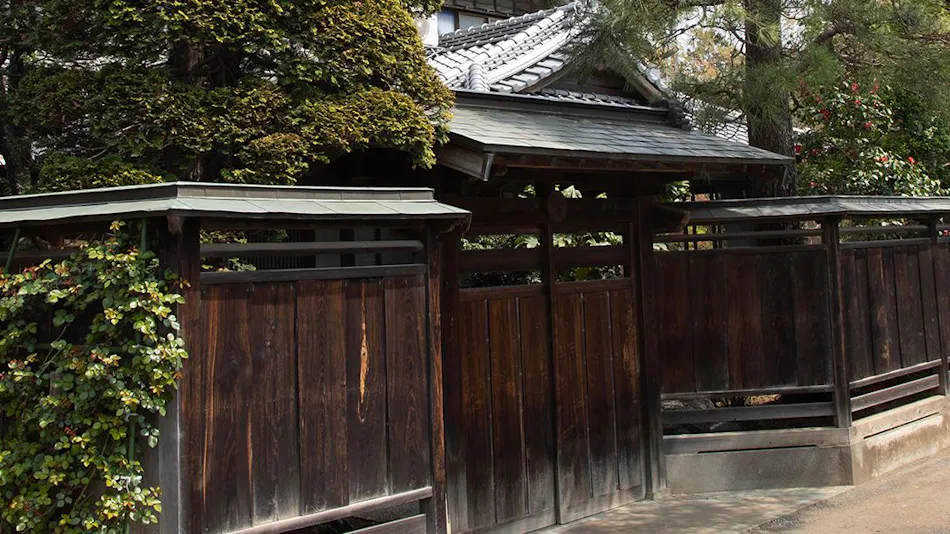
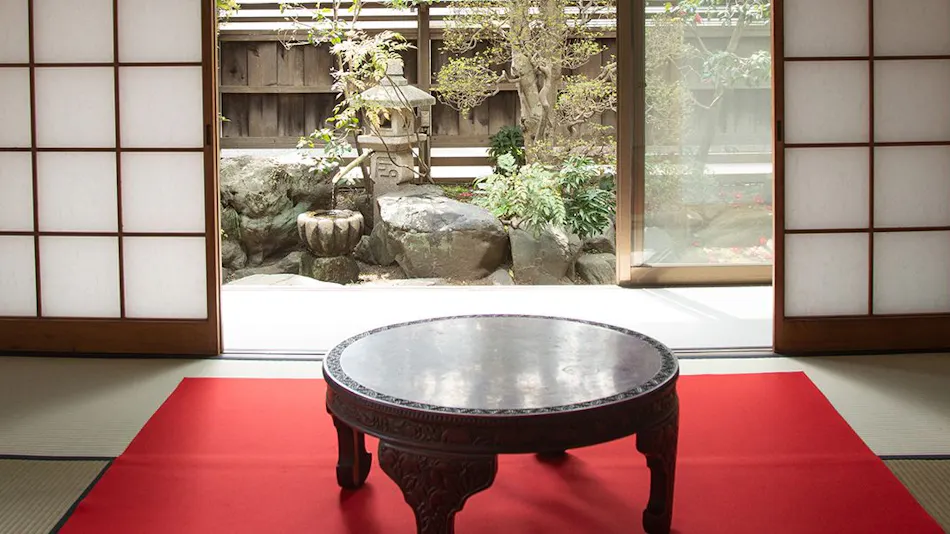
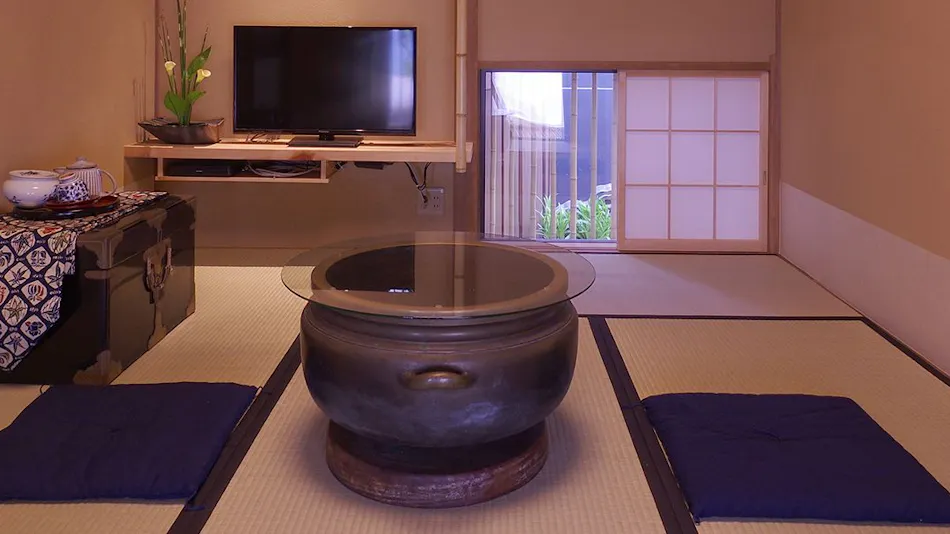
Since the Meiji era, our family has been running a timber business in Kawagoe. Enjoy a relaxing stay in this historic location, featuring a Meiji-era building made with quality timber and a 200-tsubo traditional Japanese garden, preserving the charm of olden times.


Machiya Hotel Kakunodate is a Japanese-style yet modern Hotel that perfectly matches the atmosphere of "Little Kyoto" Kakunodate. Its convenient location, just a 2-minute walk from the famous Bukeyashiki Street, makes it an attractive choice for both sightseeing and business use. The guest rooms are 12 square meters (approximately 8 tatami mats) and are equipped with a single bed, free Wi-Fi, a 40-inch TV, air conditioning, a small refrigerator, an electric kettle, an air purifier with a humidifying function, a safe, a washlet toilet, and a unit bath. Additionally, breakfast is served at the adjacent restaurant "Kakunodatei."
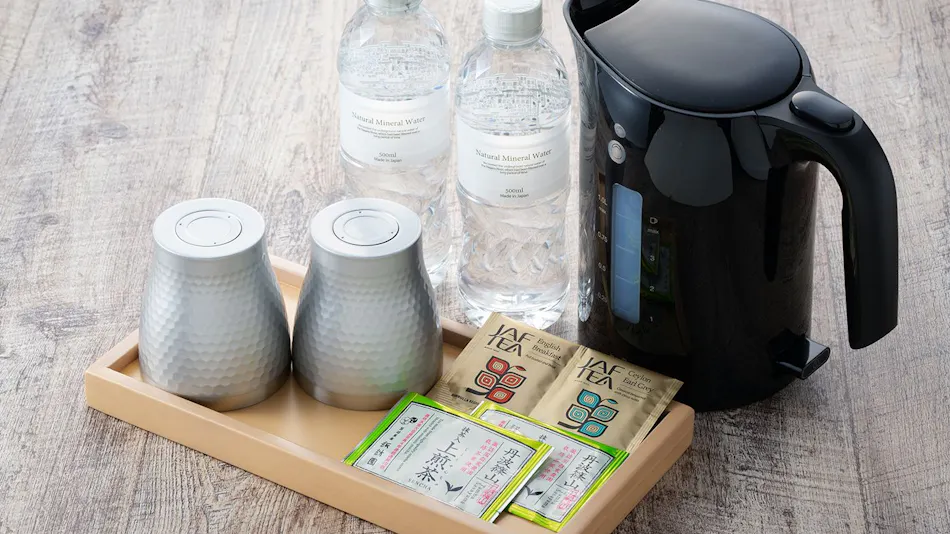
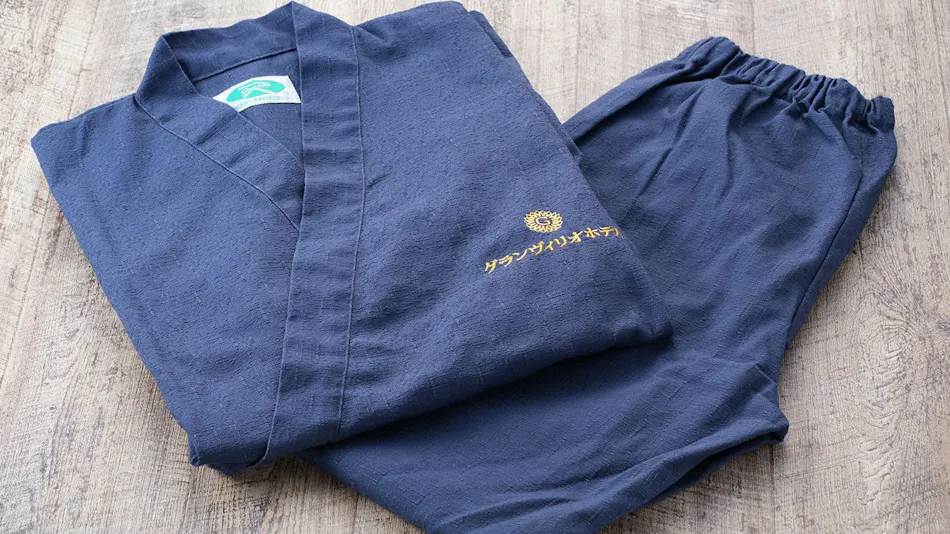
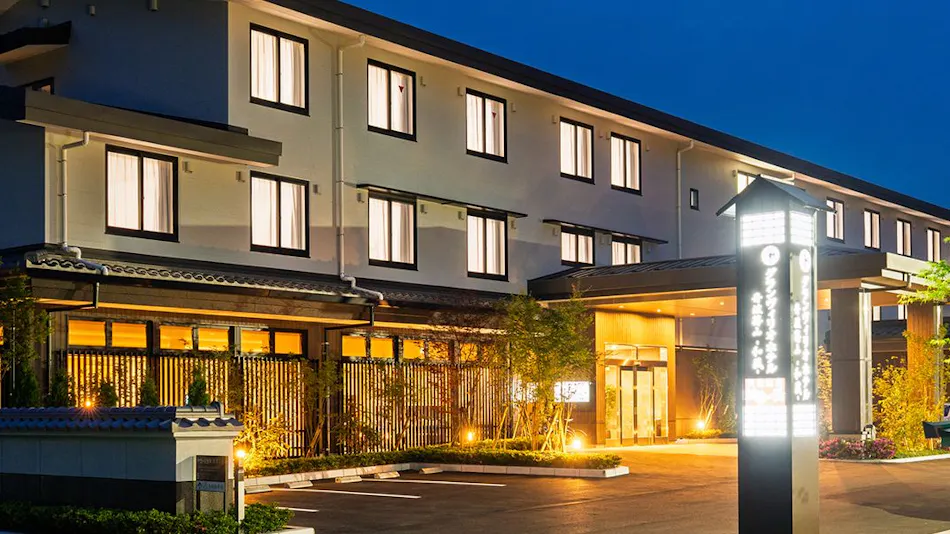
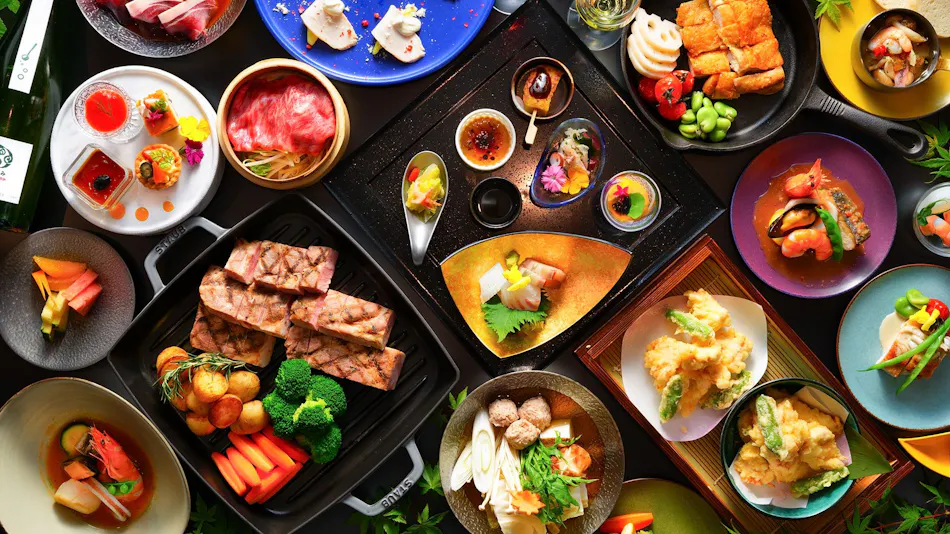
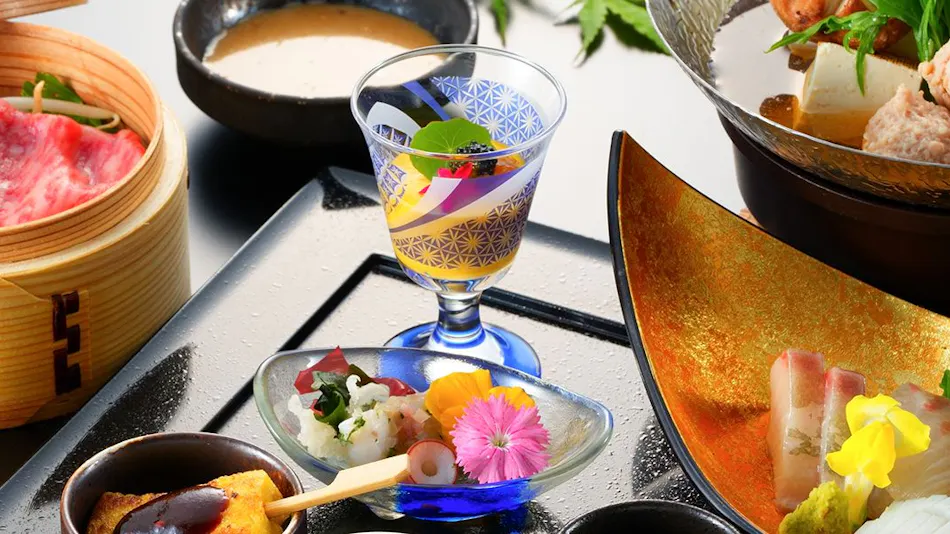
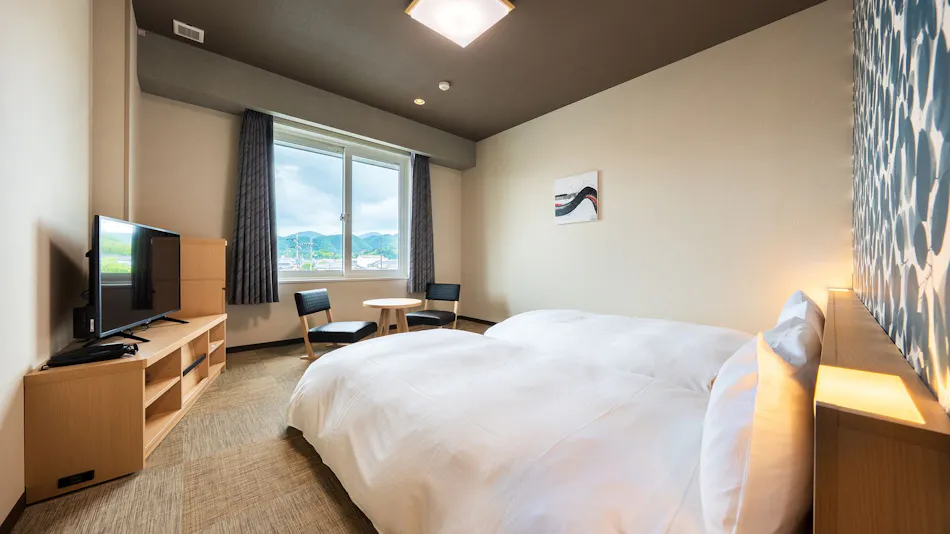
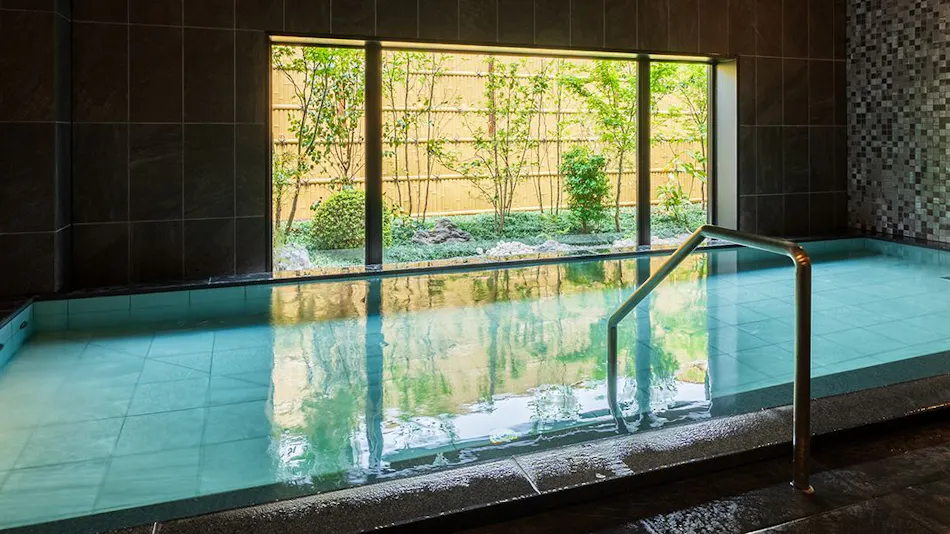
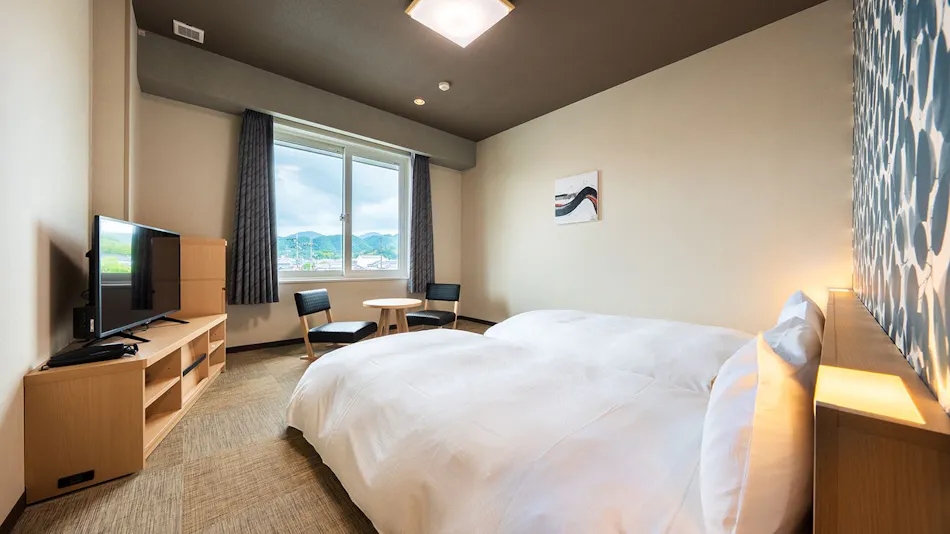
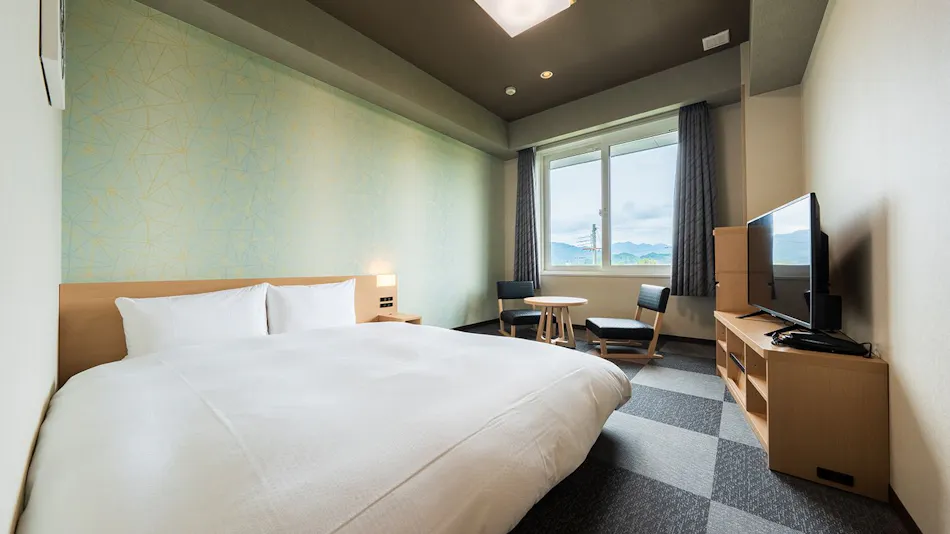
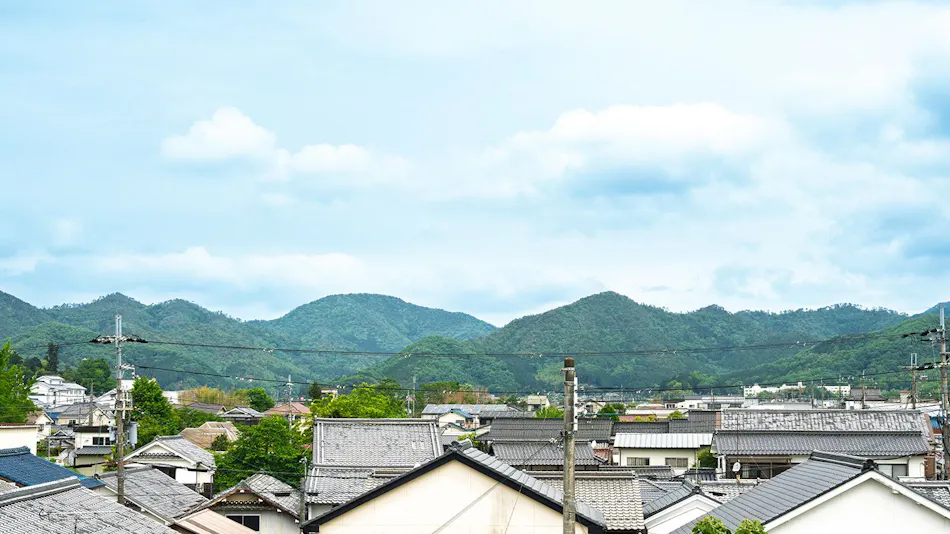
On April 25, 2025 (Friday), Granviero Hotel Tamba Sasayama Wakura will open in Tamba Sasayama, Hyogo Prefecture. Tamba Sasayama is a place where beautiful streetscapes, history, and nature coexist. We welcome each guest with heartfelt hospitality that captures the charm of the town and embodies Route Inn Hotels' timeless spirit of "Japanese heart."The guest rooms feature a serene tatami-style design with low beds, combining traditional Japanese ambiance with modern comfort. Enjoy the cozy atmosphere where you can relax barefoot and experience restful sleep on beds at an ideal height.Our natural Onsen "Asagiri no Yu" is characterized by its high heat-retention effect that warms your body from within despite being colorless, transparent, and tasteless. Immerse yourself in this soothing bath to unwind and relieve daily fatigue.For dining, we offer exquisite dishes for both breakfast and dinner made with seasonal ingredients. Savor the fresh local produce during your stay.


A different world just an hour's drive from Keihanshin, Tamba Sasayama is a castle town centered around the nationally designated historic site of Sasayama Castle Ruins. The rural landscapes with traditional farming villages, rice fields, and mountain ranges, along with local agricultural products like Tamba Sasayama black adzuki beans and Tamba chestnuts, offer visitors a sense of peace and comfort. In 2017, the Dekansho Festival of Tamba Sasayama was selected as Japan's first "Japan Heritage" by the Agency for Cultural Affairs.Tamba Sasayama is blessed with abundant nature that nurtures renowned specialties known throughout the whole country. From rice praised for its stickiness and sweetness to black soybeans, matsutake mushrooms, chestnuts, premium Sanda beef, and wild game such as boar and deer raised in the surrounding mountains—this area truly is a treasure trove of branded ingredients.Sasayama Castle Town Hotel NIPPONIA reimagines the entire historic castle town as a hotel by restoring scattered historical buildings into accommodations. The guest rooms retain their original design while offering modern comfort in an elegant setting. For dinner, guests can enjoy authentic French cuisine featuring seasonal ingredients from Tamba Sasayama.From guest houses scattered across the castle town within walking distance to attractions like the grand hall of Sasayama Castle Ruins or samurai residences to long-established shops and trendy new spots—the harmony between old and new defines this unique destination. Experience "staying as if blending into" this charming town while enjoying a journey filled with relaxation and gourmet delights.


A culinary Ryokan located beside Hachiman-bori Canal in Omihachiman, Shiga—designated an Important Cultural Landscape—renovated from a sukiya-style building constructed in the late Edo period. Choose between the exclusive-use Main Building (one whole house) and a secluded annex limited to two parties per day.At “Japanese Cuisine Tamaru,” a renovated storehouse, enjoy Omi kaiseki featuring abundant ingredients from the Saba Kaido route and the Omi region.*Check-in times vary by Room. Please refer to each Room page for details.


- Experience a special journey in the historic castle town of Ozu, nurtured by the Hijikawa River. Encounter history, culture, and stunning landscapes amidst historical architecture that embodies Japanese aesthetics. Immerse yourself in the charm of this unique town. -Our accommodation is one of Japan's largest decentralized hotels, where the entire castle town is envisioned as a single hotel. Guest rooms, reception areas, and restaurants are scattered throughout the town. During your stay, explore each building while naturally touring the castle town to meet locals and discover its history, culture, and breathtaking scenery.Ozu City in Ehime Prefecture was selected as one of "The Top 100 Sustainable Destinations 2022" by Green Destinations and won first place globally in the Story Awards "Culture & Tradition" category.
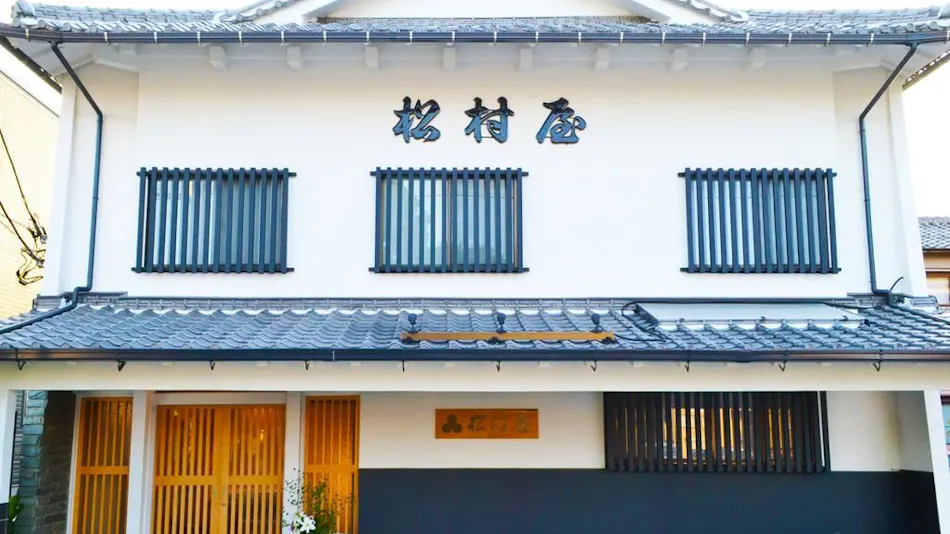
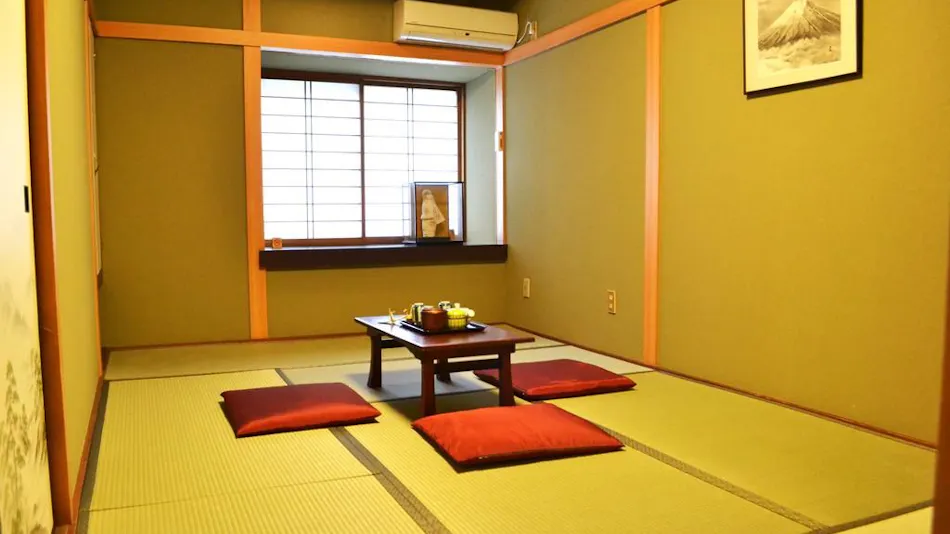
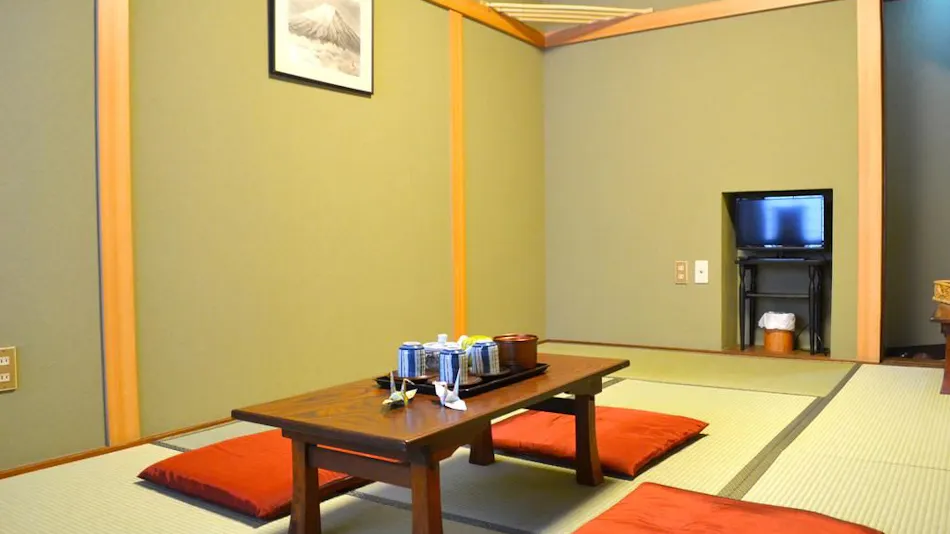
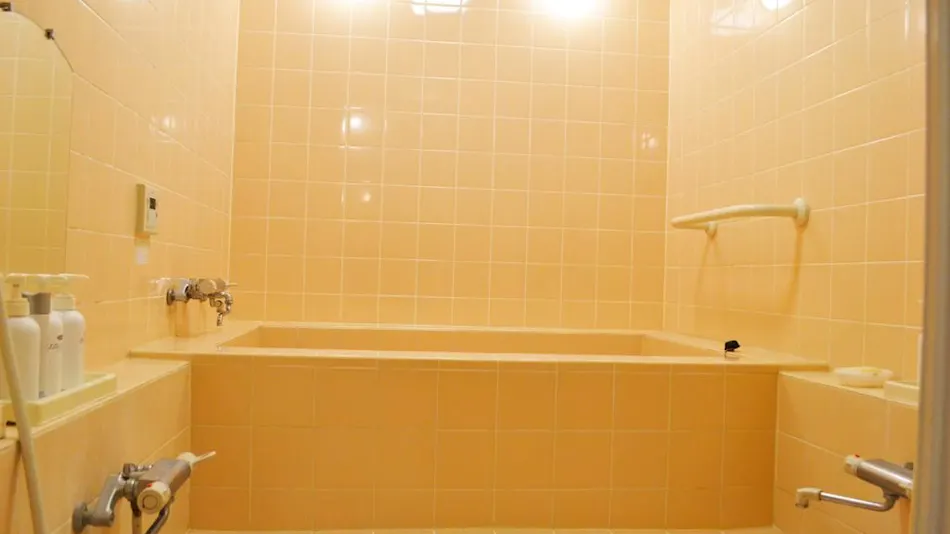
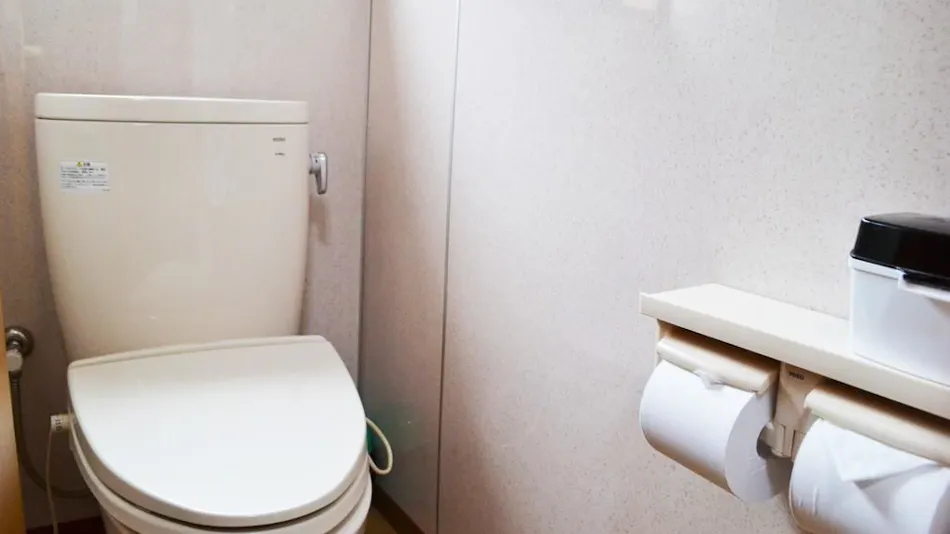
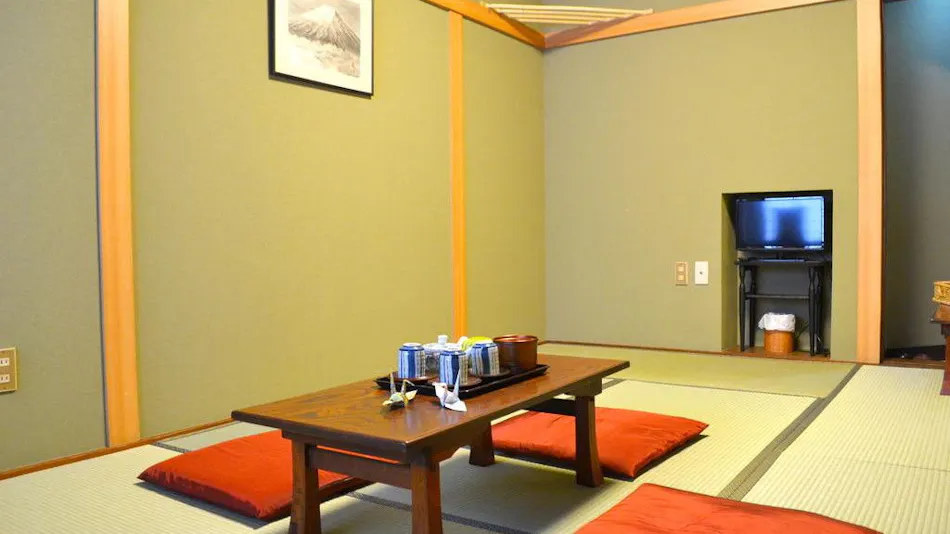
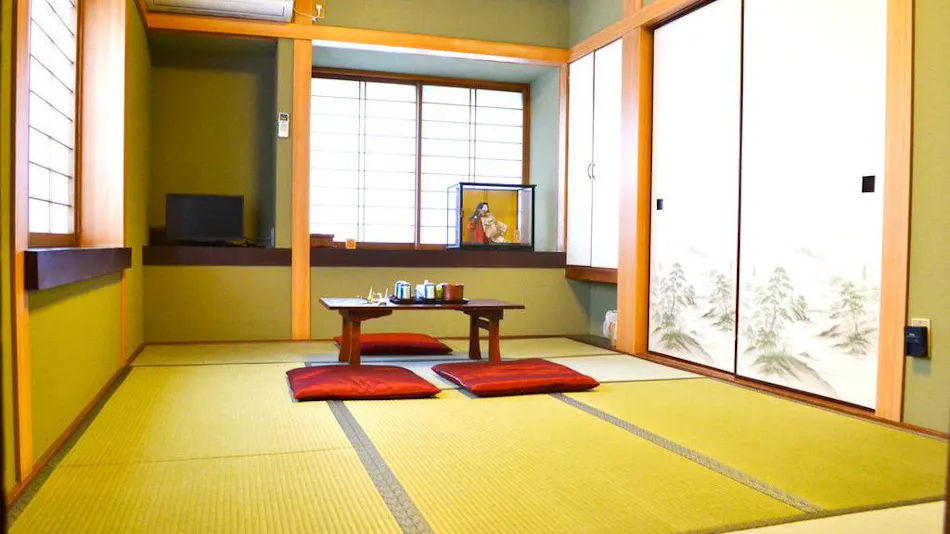
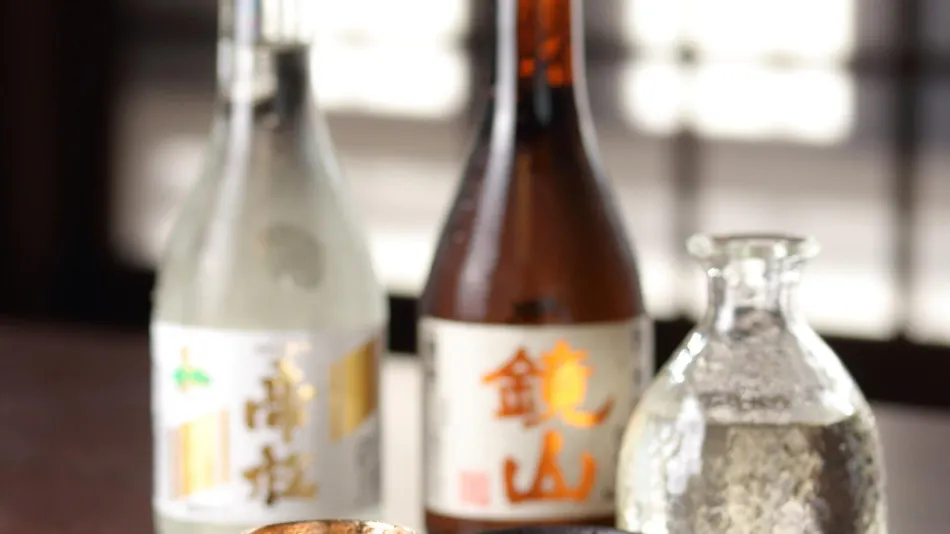
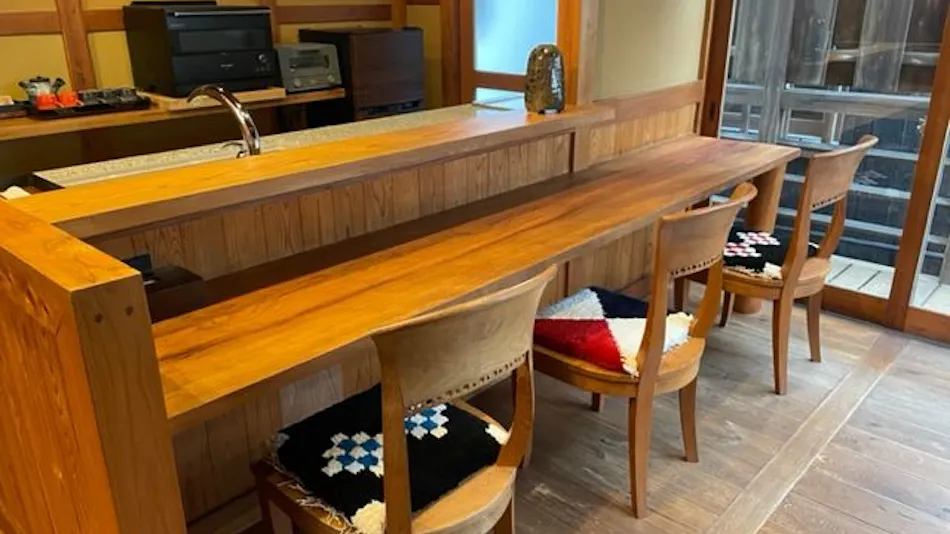
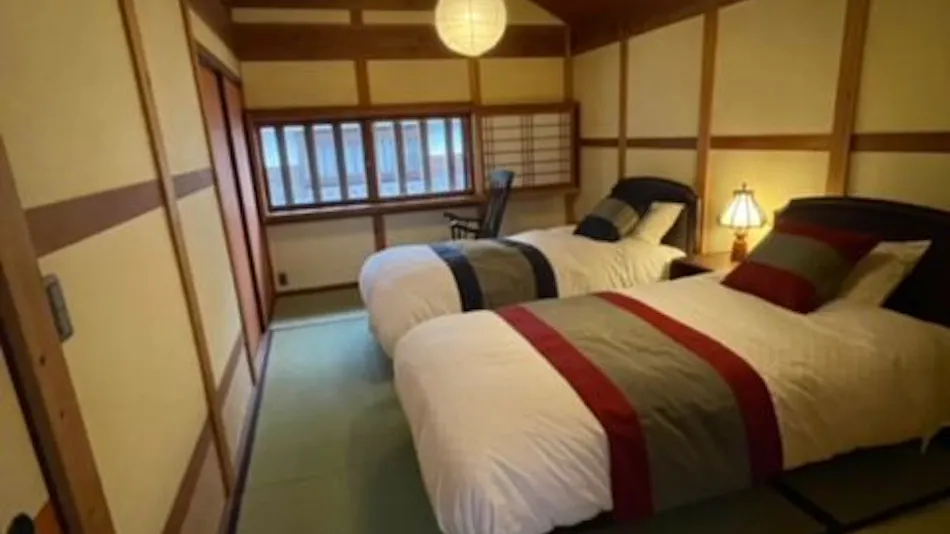
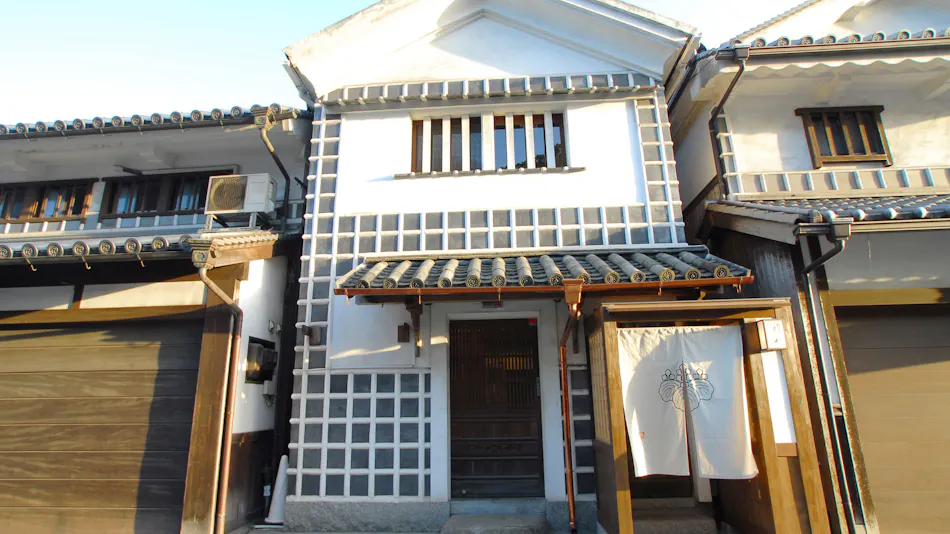
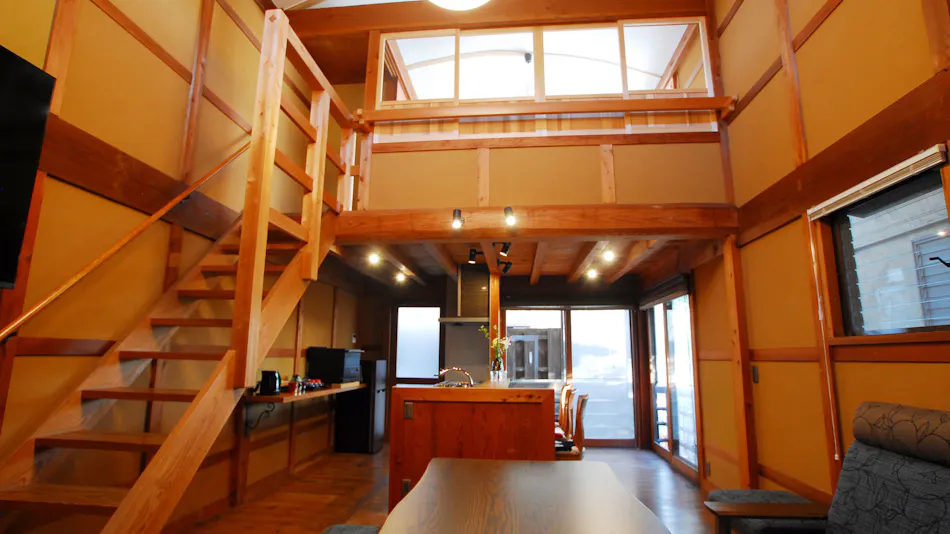
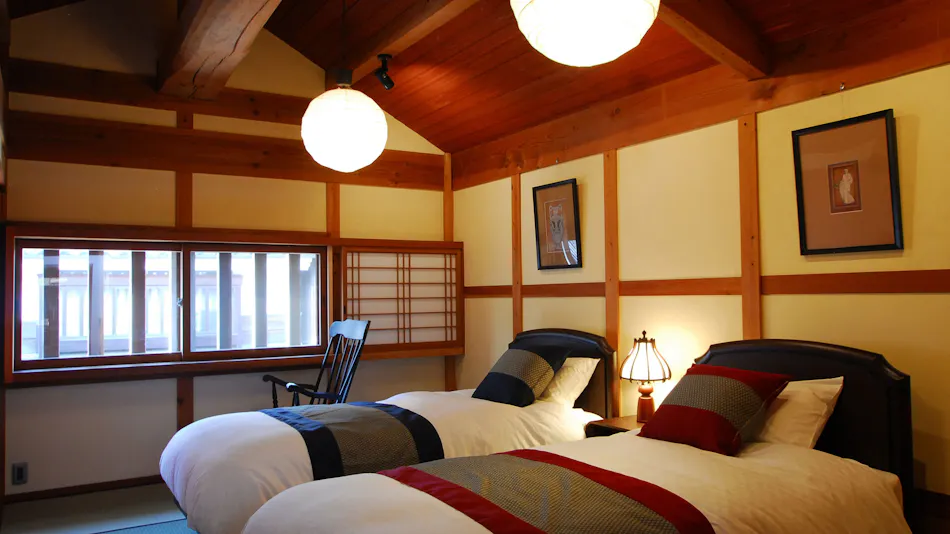
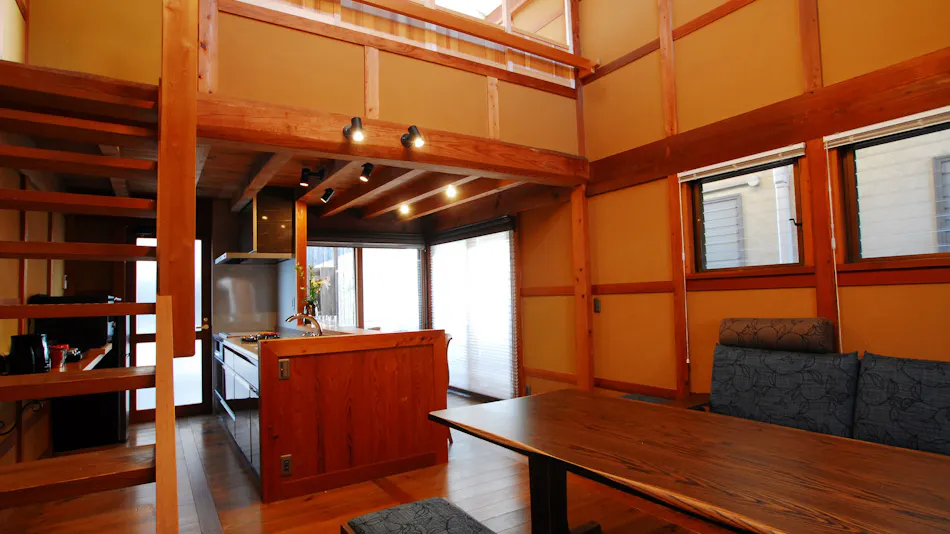
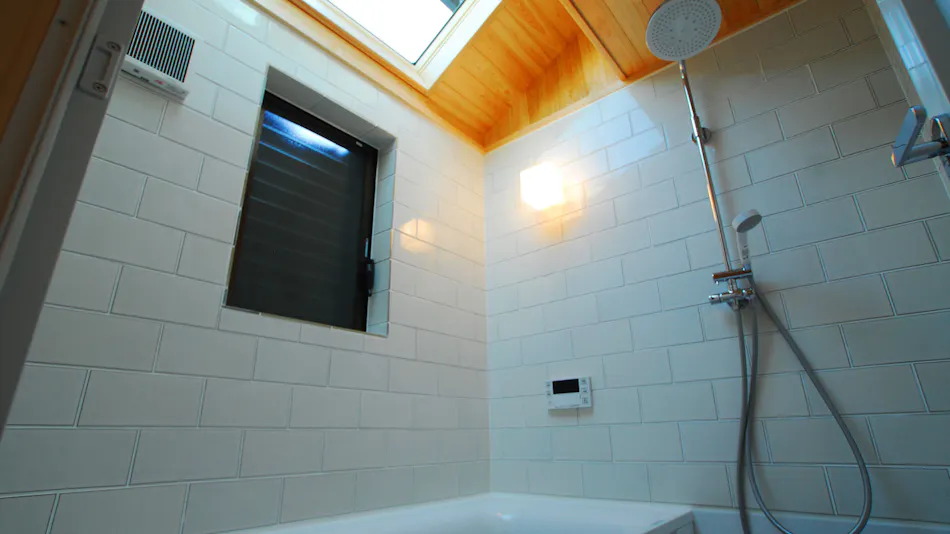
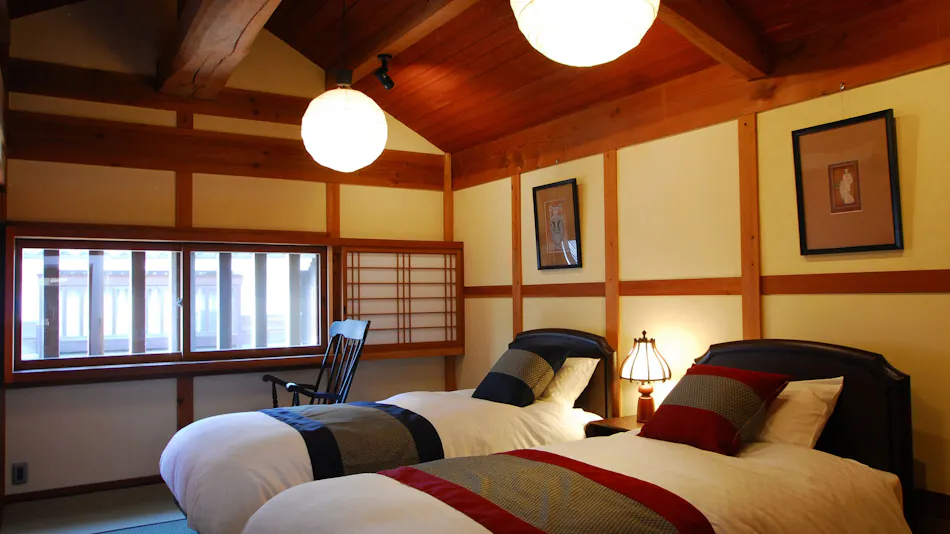
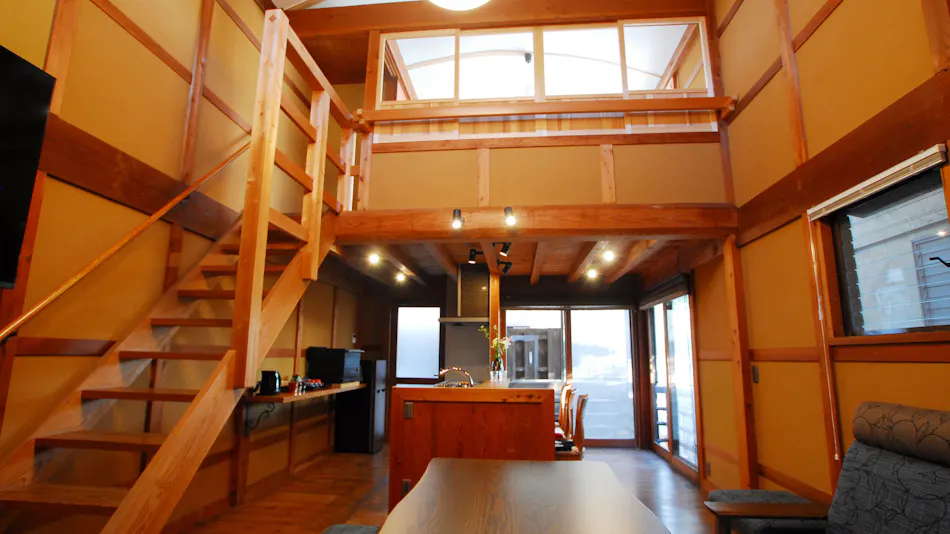
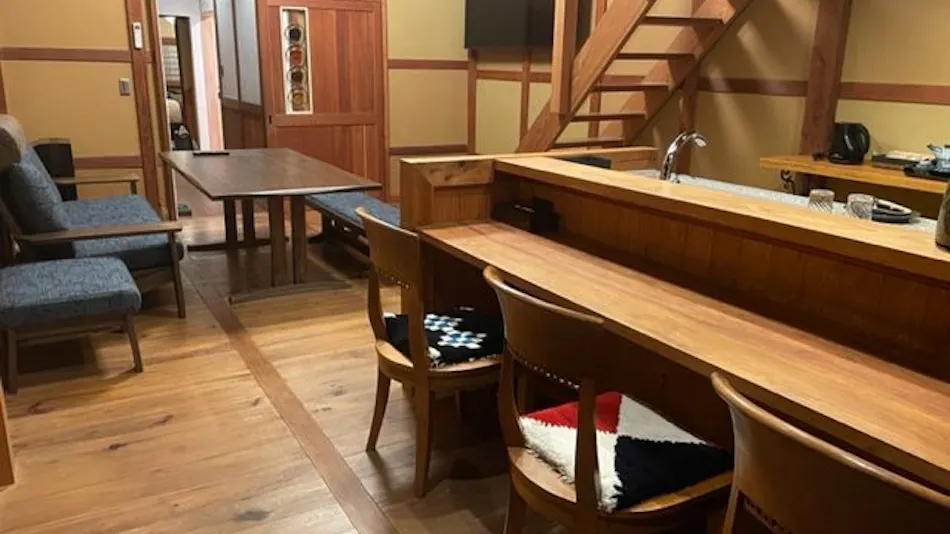
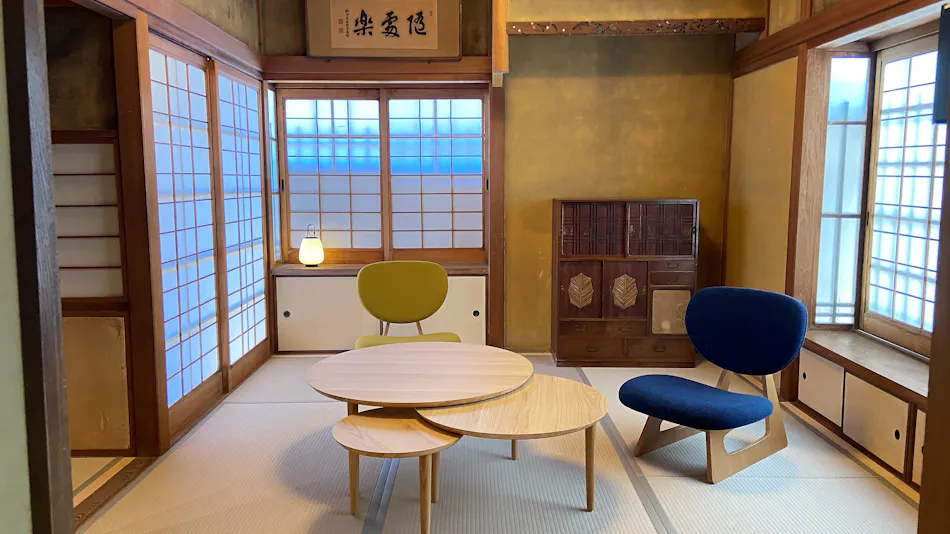
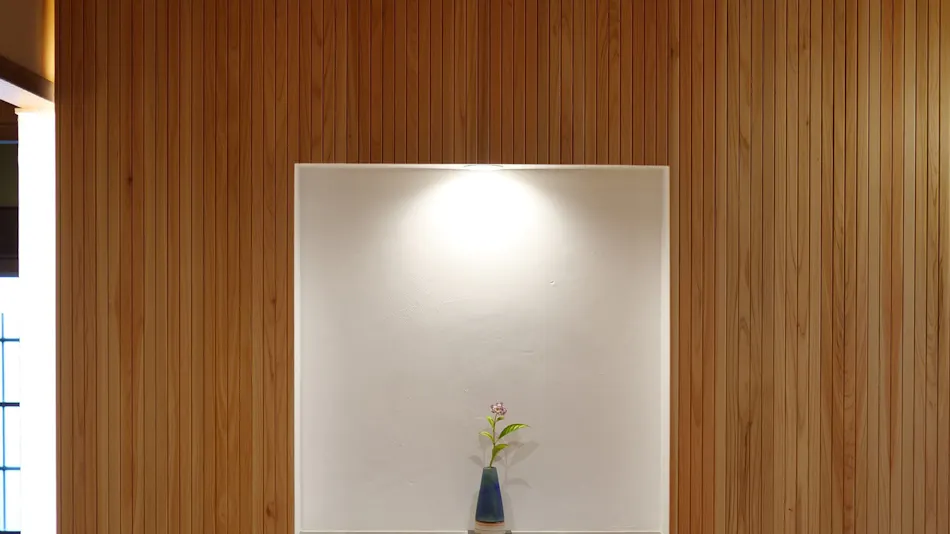
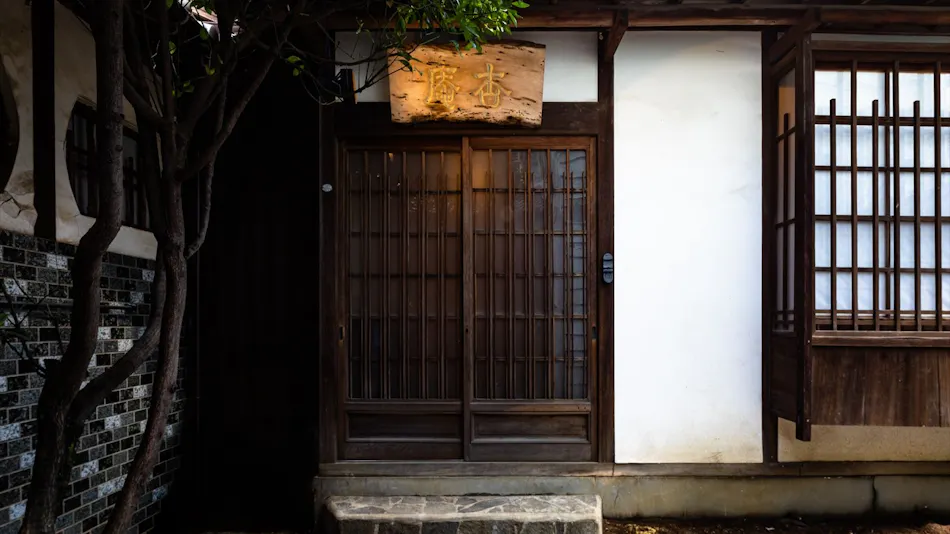
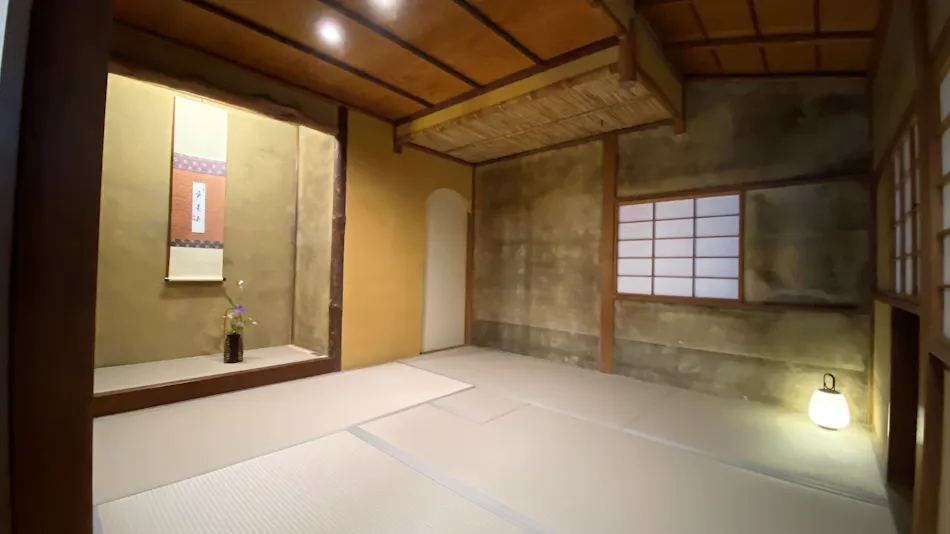


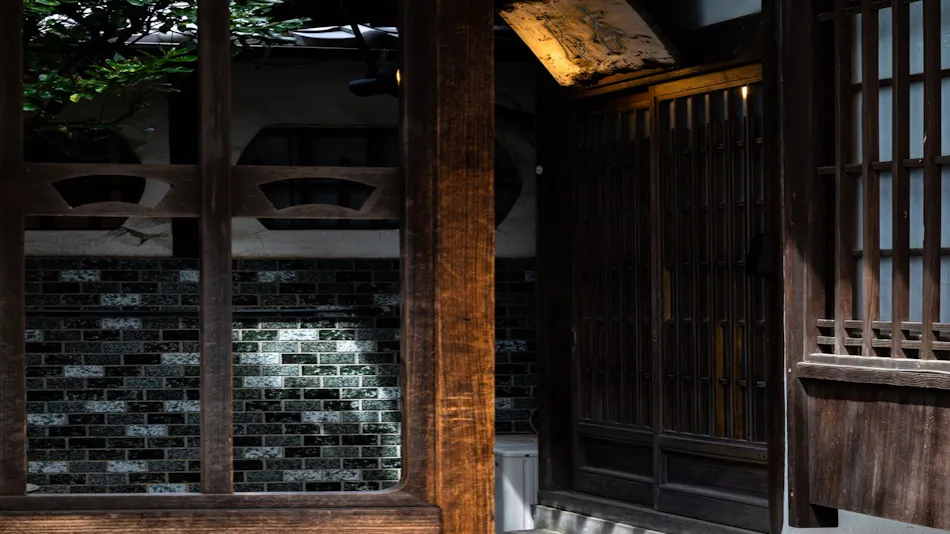
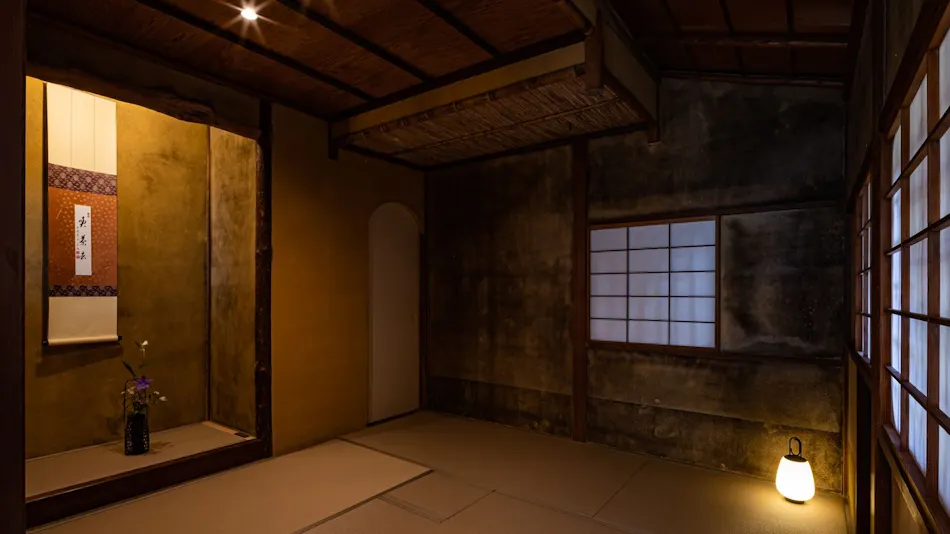
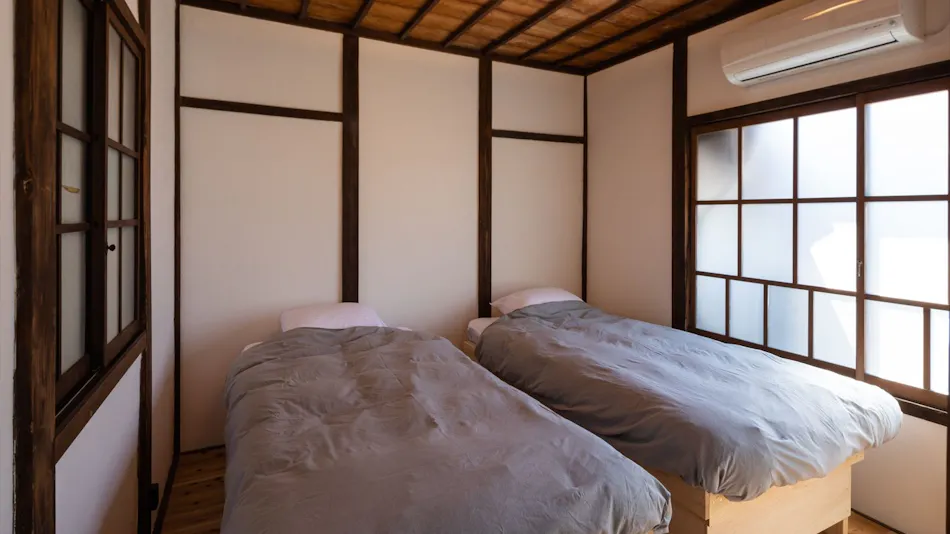
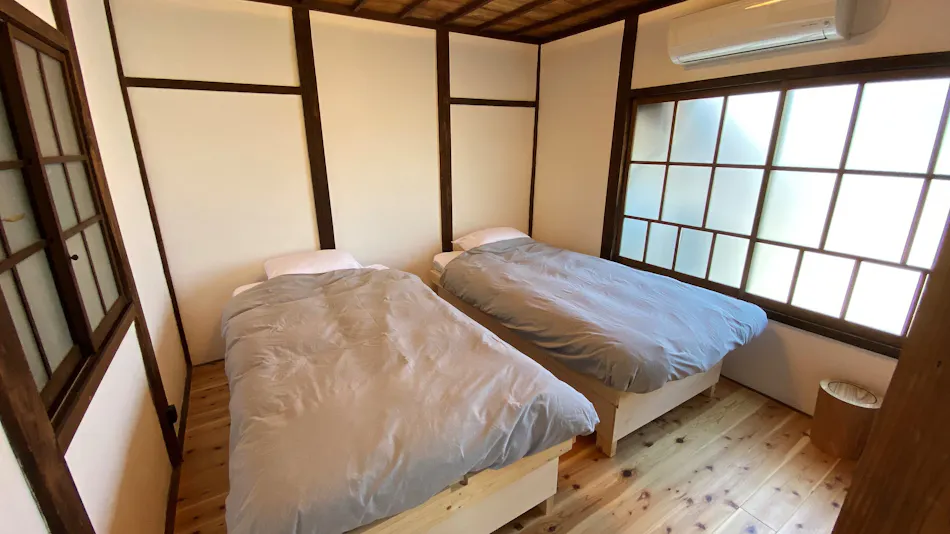
"An-an," a private rental Property limited to one group per day, is nestled in the Mitarai district of Kure City, Hiroshima Prefecture. Located in the heart of Mitarai, a district designated as an Important Preservation District for Groups of Traditional Buildings, this special place allows you to experience the charm of a historic port town that has served as a tide-waiting harbor since the Edo period. An-an is a detached Property renovated from a traditional Japanese house built during the Taisho era. The building, which includes a tea room and was reconstructed about 80 years ago, retains its historical value while offering modern comfort. Accommodations are limited to one group per day, granting you exclusive use of the entire space, including Japanese-style rooms, the tea room, and the second-floor bedroom. Enjoy a private and tranquil stay while appreciating the beauty of traditional Japanese architecture. In the Mitarai district, we recommend strolling along the scenic paths of the port town and exploring the historical buildings. Take a leisurely walk through the nostalgic streets and immerse yourself in the serene landscapes of the Seto Inland Sea. Don't miss the local gourmet cuisine made with fresh ingredients and souvenirs featuring the region's specialty citrus fruits. Use An-an as your base to fully enjoy the charm of the Mitarai district. After check-in, you can relax with tea in the tea room or spend quiet moments in the Taisho-era-inspired building. We promise you a time of relaxation for both body and mind. A stay at An-an offers a luxurious escape from the hustle and bustle of daily life, providing a soothing retreat for your soul. We invite you to enjoy your own special moment of tranquility in this unique and extraordinary place.


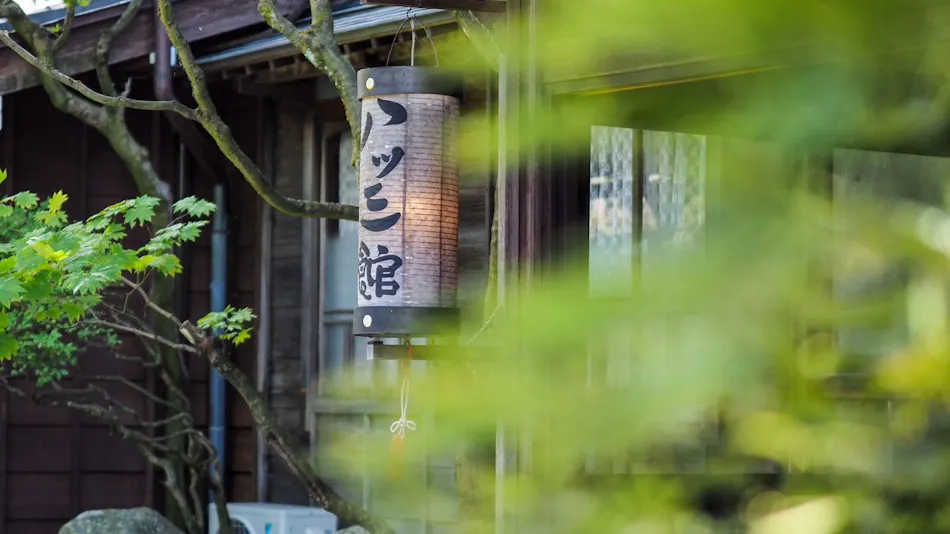
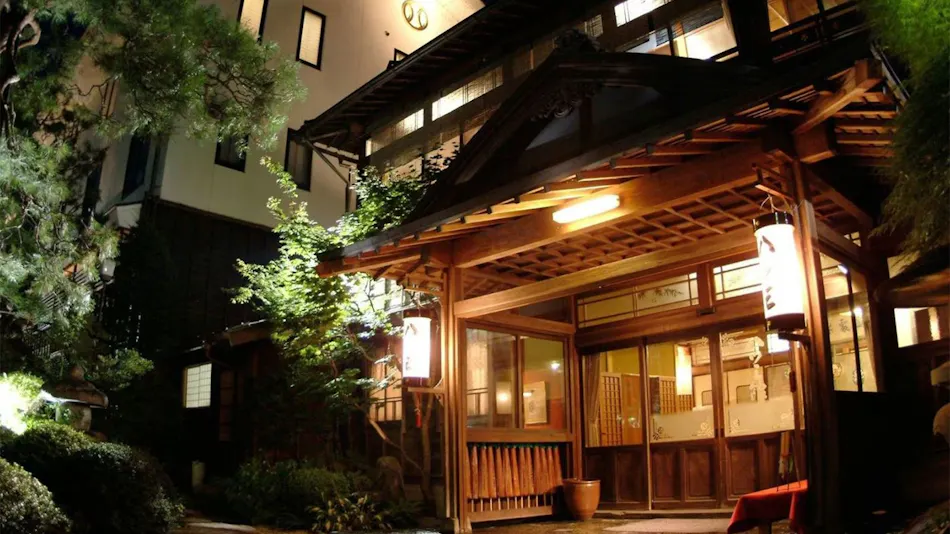
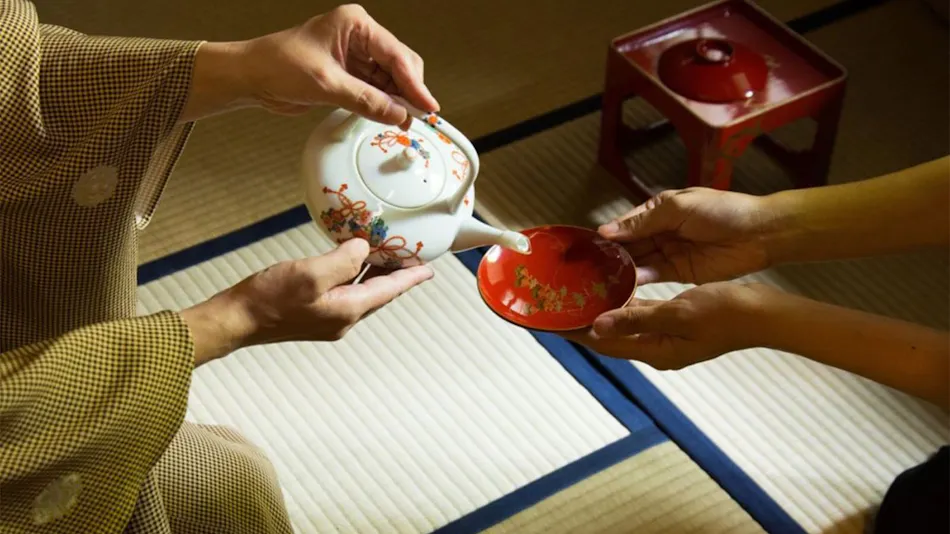
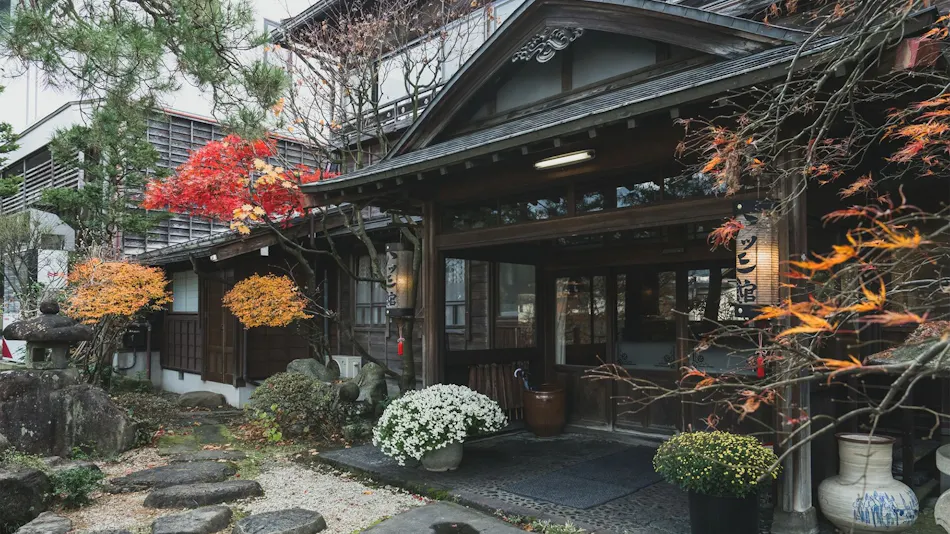
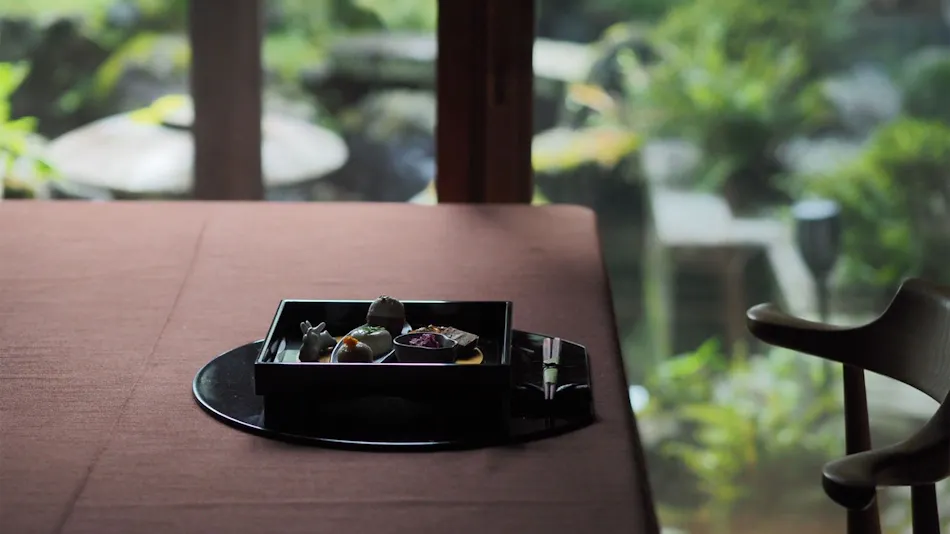
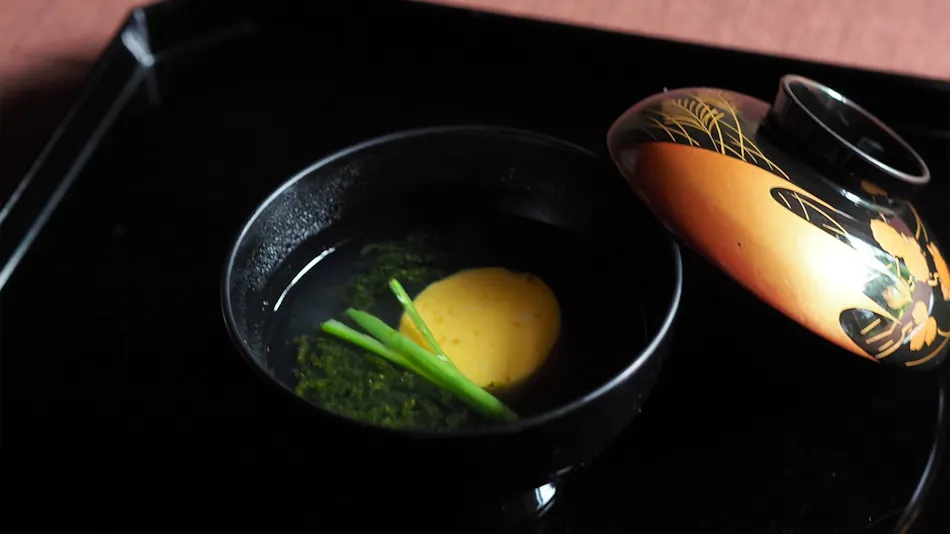
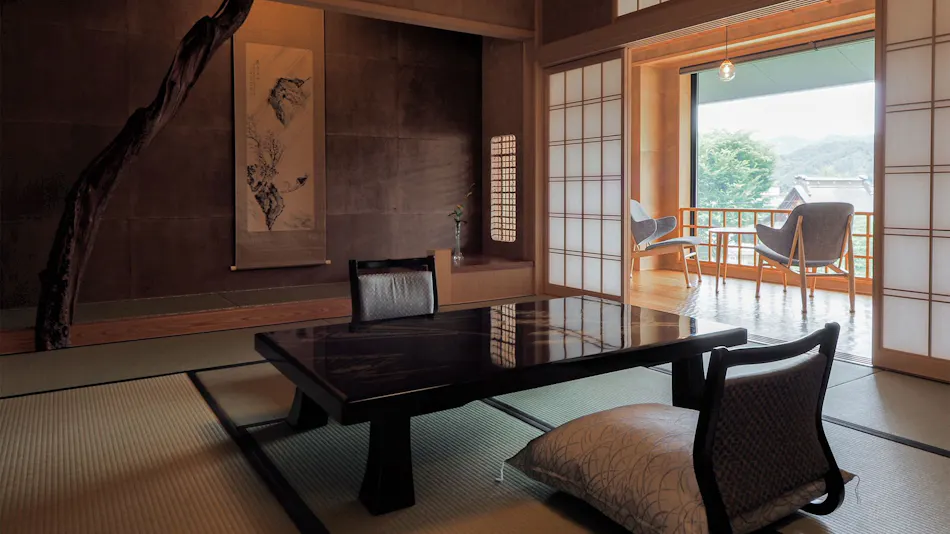
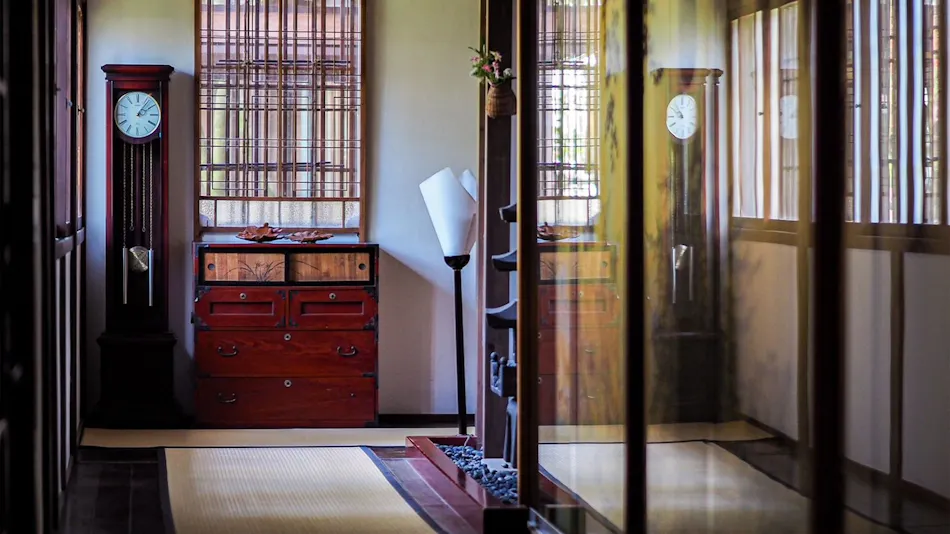
Hida-Furukawa, known as “Takayama’s inner retreat,” is a charming town lined with traditional townhouses, white-walled storehouses, and the Setogawa River where carp swim. We have been operating this Accommodation for over 180 years. Our Meiji-era building, showcasing the craftsmanship of Hida artisans, is designated as a Registered Tangible Cultural Property of Japan. Our 18 guest rooms are spread across three buildings: Shogetsuro (a merchant-style building built in 1905), Kogetsuro (a sukiya-style building built in the early Showa period), and Kangetsuro (built in the Heisei era) overlooking Honkoji Temple and the Araki River. Each offers its own distinct atmosphere. Enjoy a sense of closeness between people unlike in the city, and take time to reconnect with yourself.


In the land of Nishi-Awa, in Mima City, Tokushima Prefecture, lies a beautiful townscape of "Udatsu" that has been passed down since the Edo period. A Hotel with only 5 rooms, renovated from a private residence, Moriguchi Residence, built in 1881 (Meiji 14). "Udatsu" refers to the small gabled tile roofs and plastered structures raised on both ends of the second floor of the town's houses. Majestic, dignified, mysterious, and a little charming. A small art Hotel, PAYSAGE MORIGUCHI. Combining "Paysage = Landscape" and "Fudo = Local customs and people," this petite Hotel offers the atmosphere of the land and a new form of luxury.


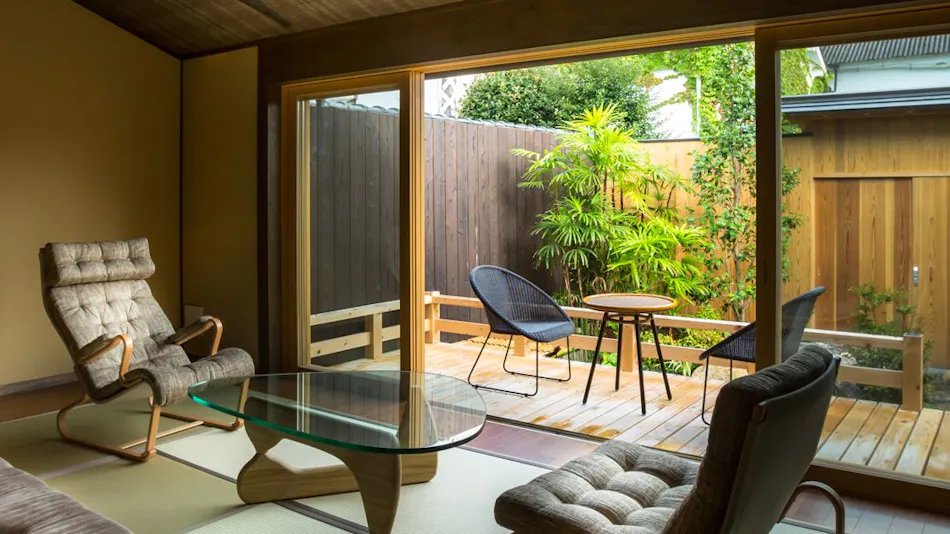
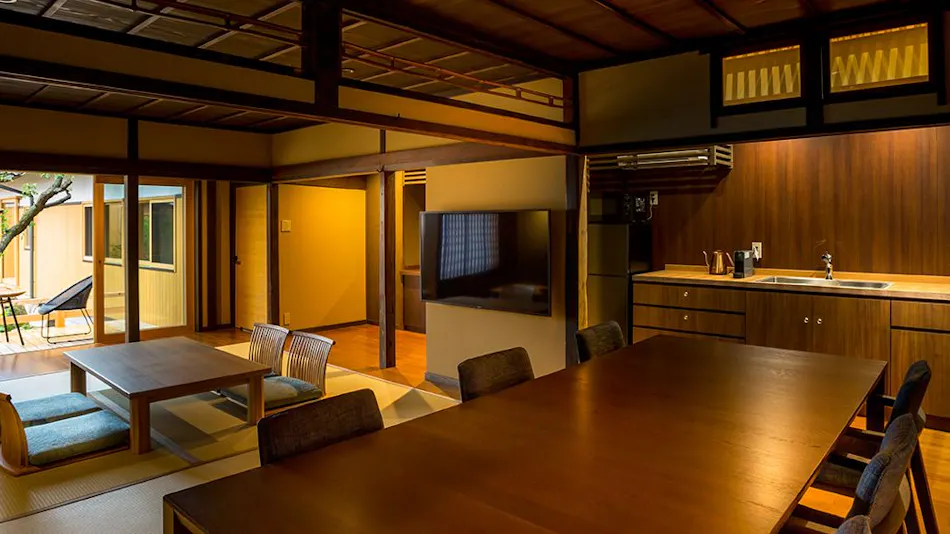
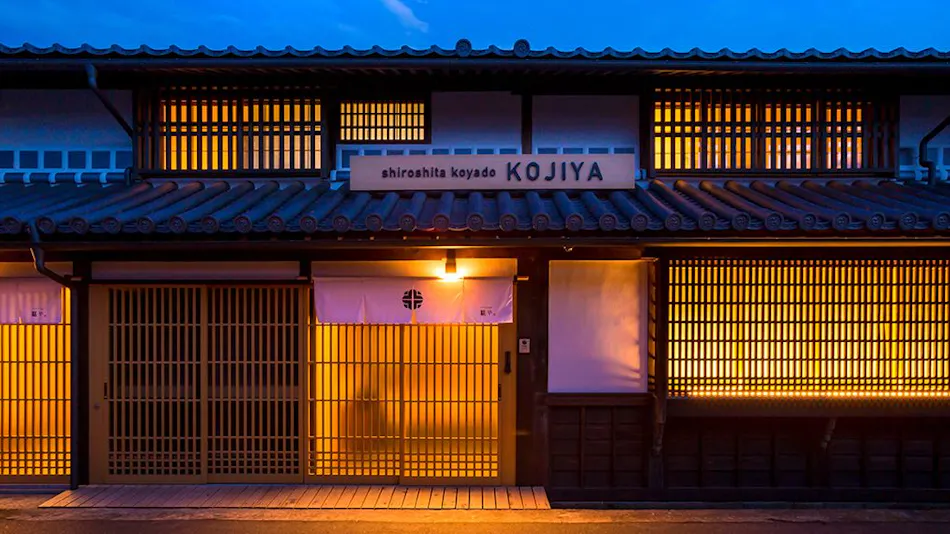
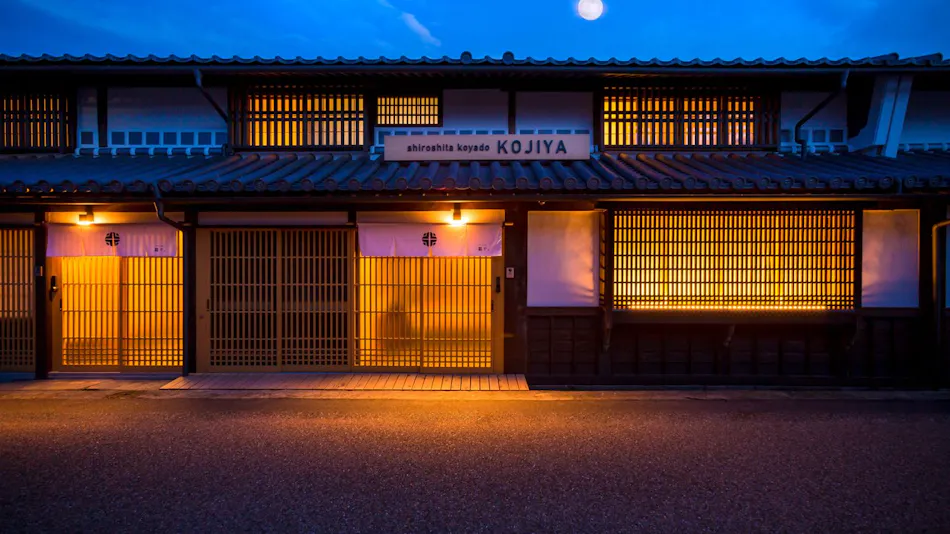
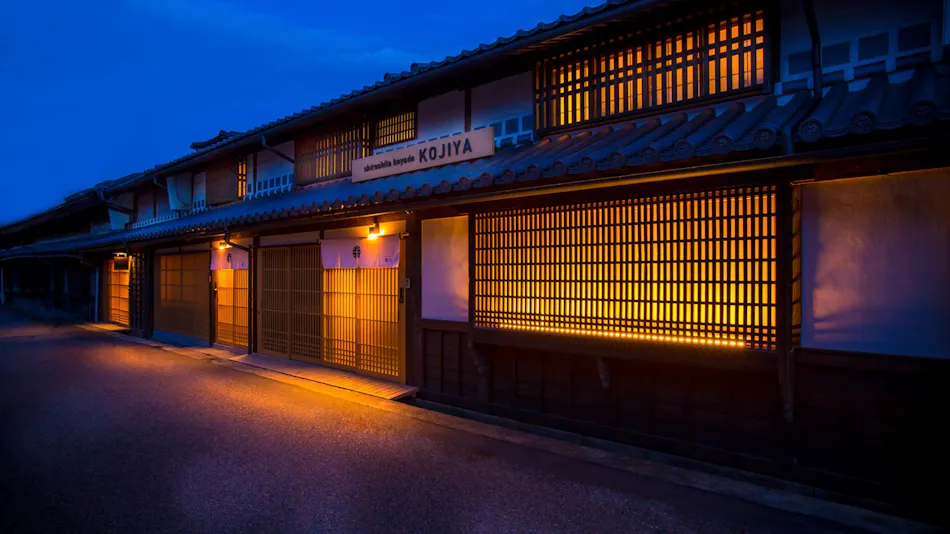
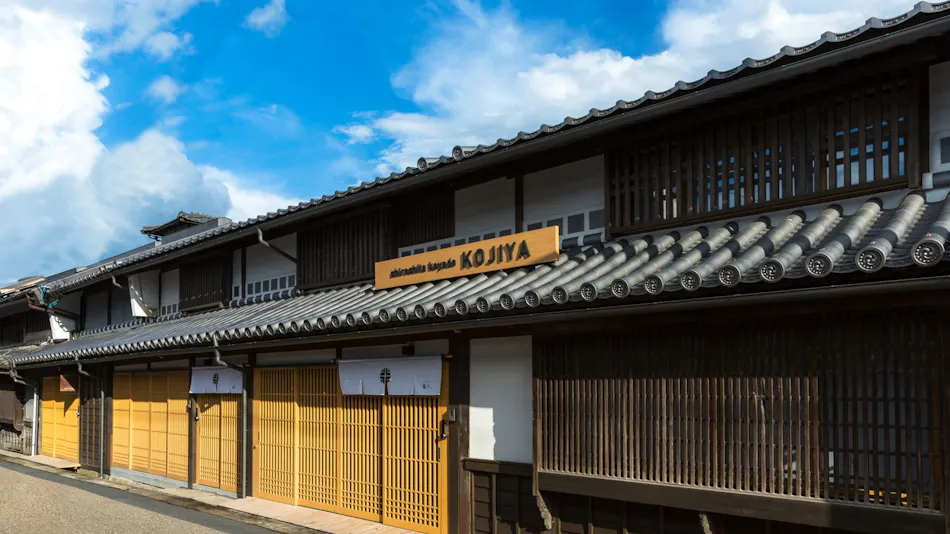
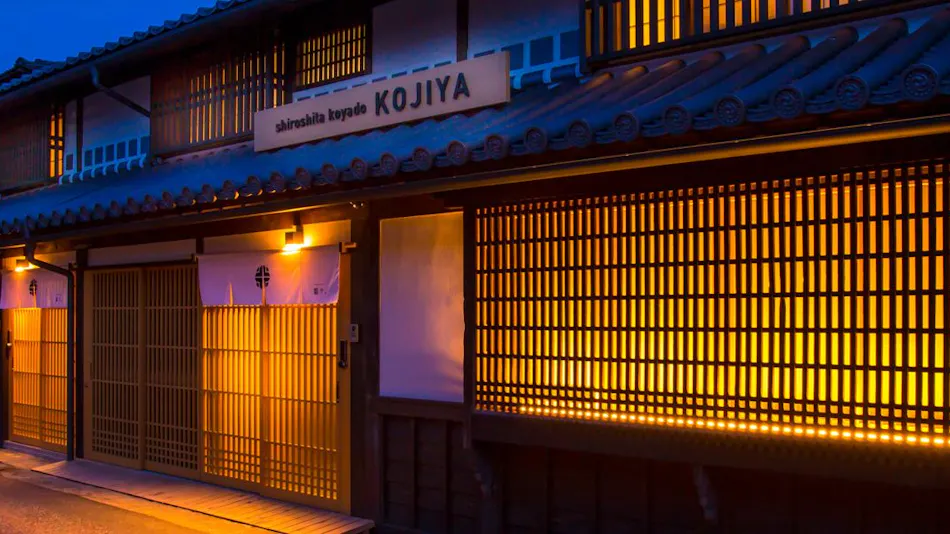
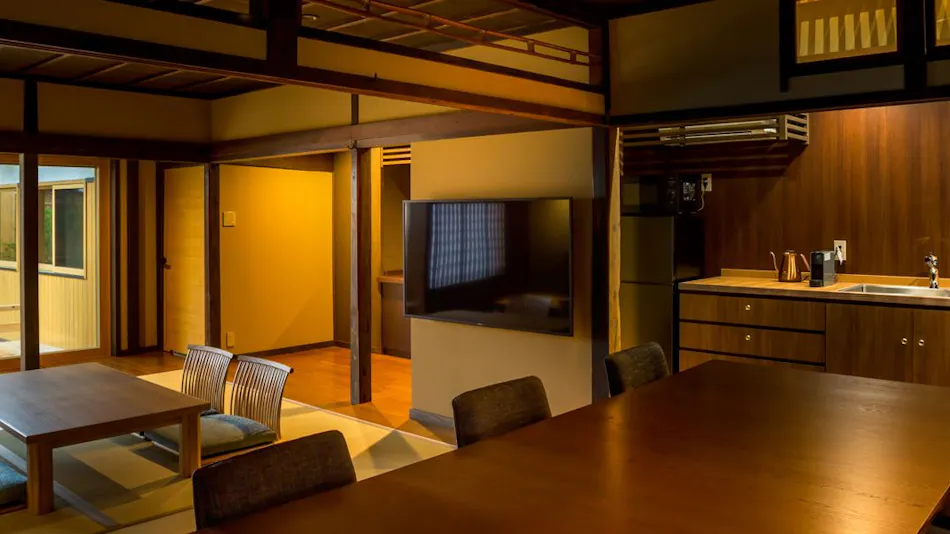
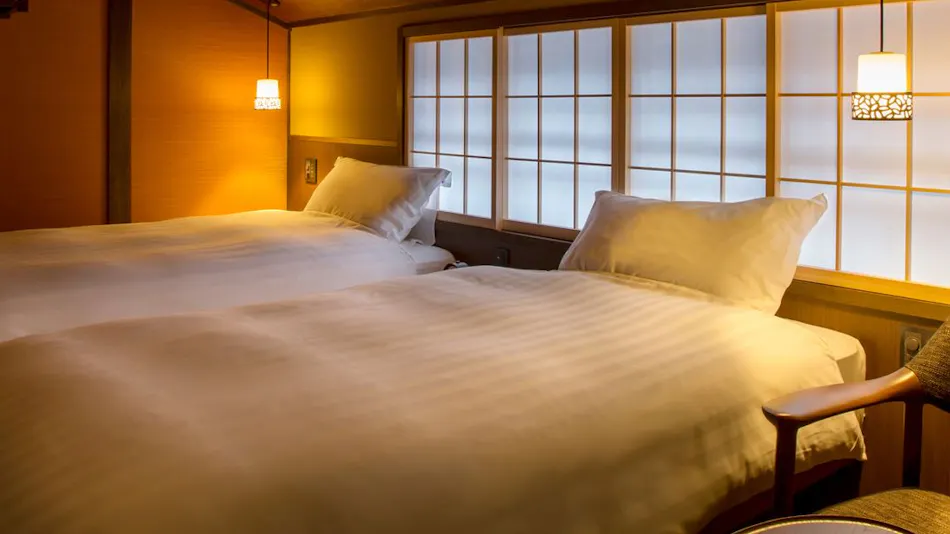
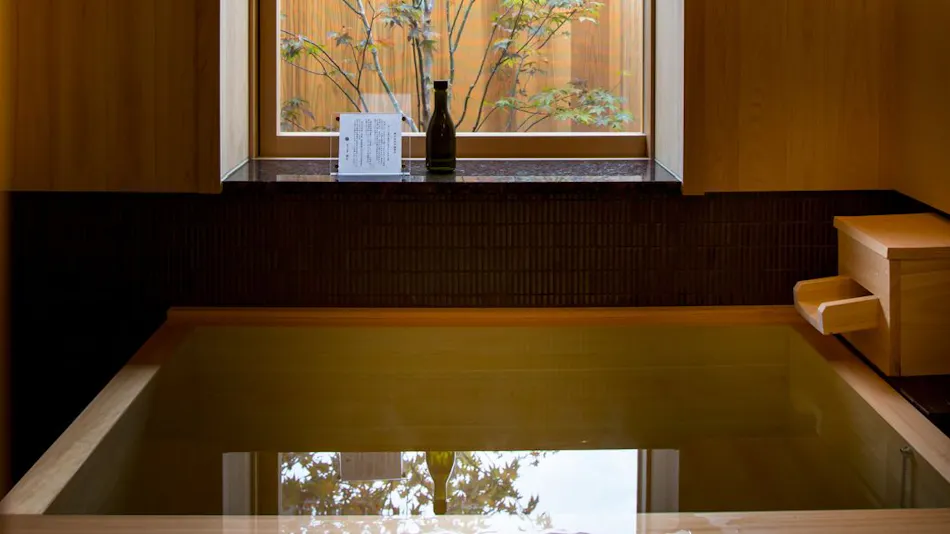
Located in the Joto district, a castle town known for its impressive streetscape with long, continuous eaves, stands the former Karita Sake Brewery, established in the Edo period and designated as an Important Cultural Property of Japan. Four townhouses attached to this historic building have been renovated into a Property while preserving their traditional charm.The guesthouse buildings, limited to three groups per day, are all two-story townhouses. Accommodating up to 6 to 11 guests, they are ideal for three-generation family stays or group trips. As a unique service of Shiroshita Koyado Kojiya, which has its roots in a sake brewery, you can experience a sake bath. Additionally, each townhouse features a private garden with a terrace designed in the style of a traditional engawa. Whether enjoying a cool evening breeze after a bath or savoring a morning coffee, these simple moments may become cherished memories.


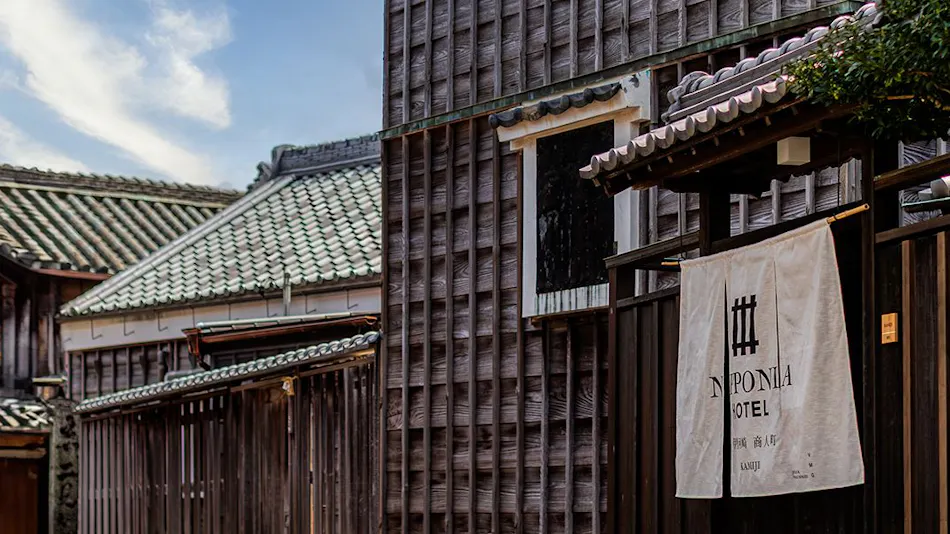
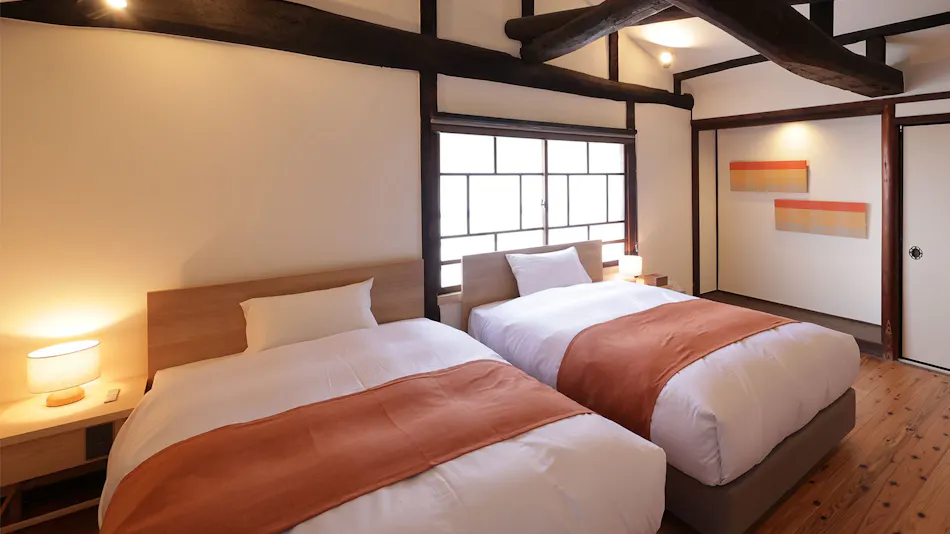


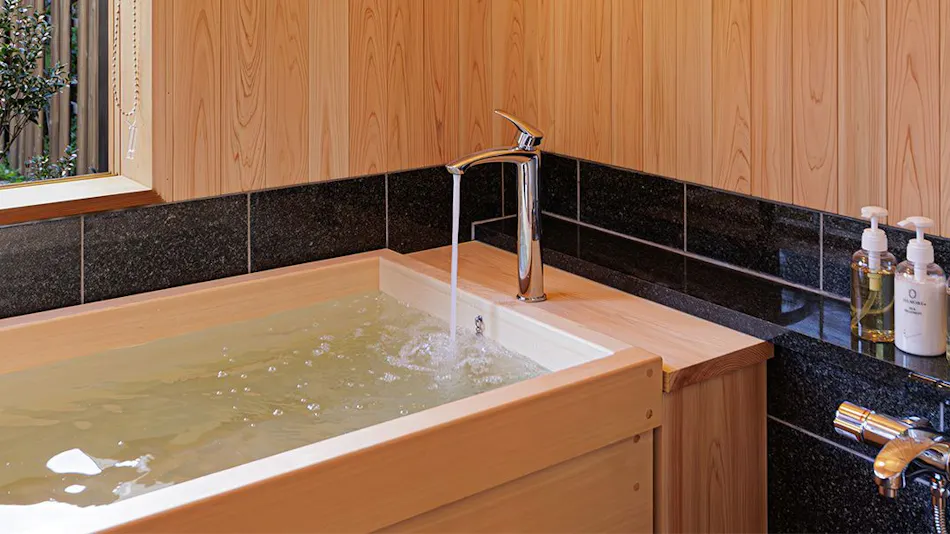


Once known as “Ise’s kitchen,” Ise Kawasaki has long supported pilgrims on their journeys to Ise. In our six buildings with eight guest rooms, set within a charming and beautifully preserved streetscape, you can experience original architectural styles and traditional Ise crafts, and discover the culture of “beauty that deepens with age.”Like the “Oshi” of the Edo period who cared for visitors to Ise Grand Shrine, we support each traveler’s pilgrimage in a personal way.Enjoy a pilgrim’s journey that deepens your understanding of Ise and its shrines while cleansing both body and mind through firsthand experience.


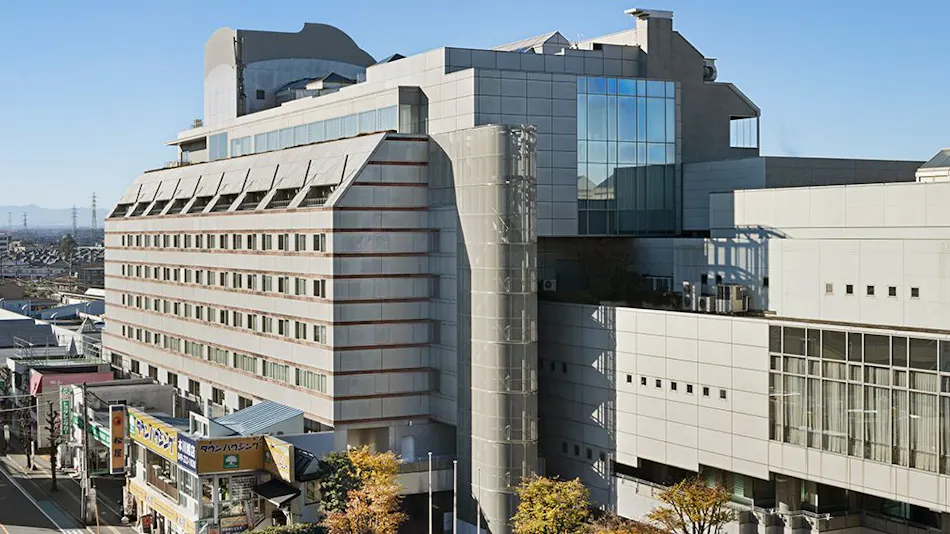
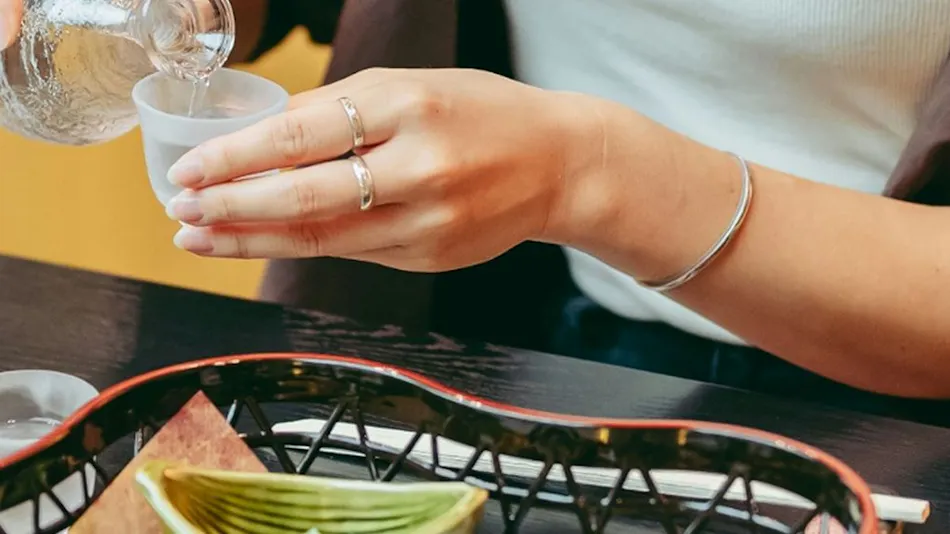
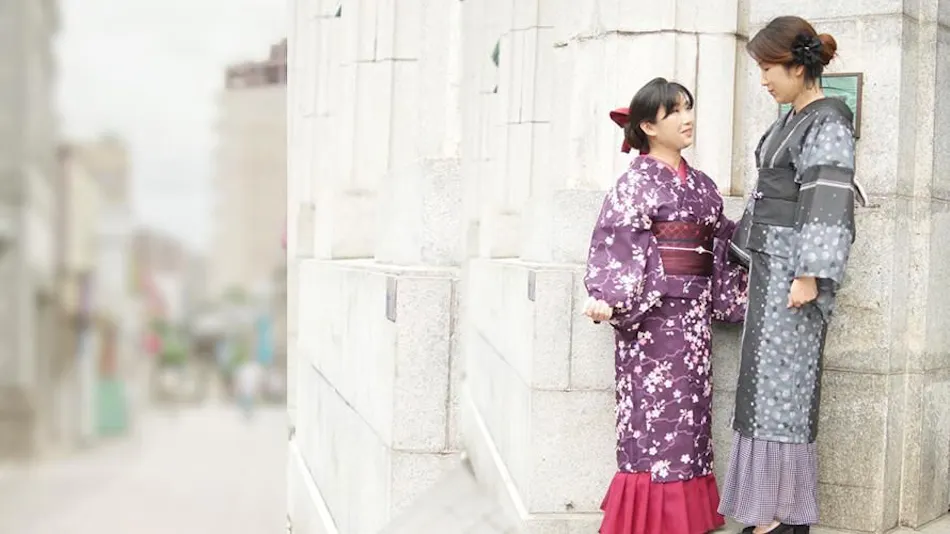


Kawagoe, a city of history and culture, was once a castle town of the Matsudaira clan with a 170,000-koku fief and was known as “Koedo” (Little Edo). Even today, amid the modernized cityscape, Edo- and Meiji-era kura-style merchant buildings, machiya townhouses with lattice facades, and the Honmaru Goten of Kawagoe Castle have been preserved.Kawagoe Prince Hotel offers a full range of services for stays, weddings, banquets, and seminars. Facilities include seven banquet rooms—highlighted by the Prince Hall accommodating up to 1,200 guests—Shinto- and Christian-style wedding venues; eight diverse restaurants and bars; four traditional Japanese-style rooms; and 110 guest rooms where you can relax in comfort.
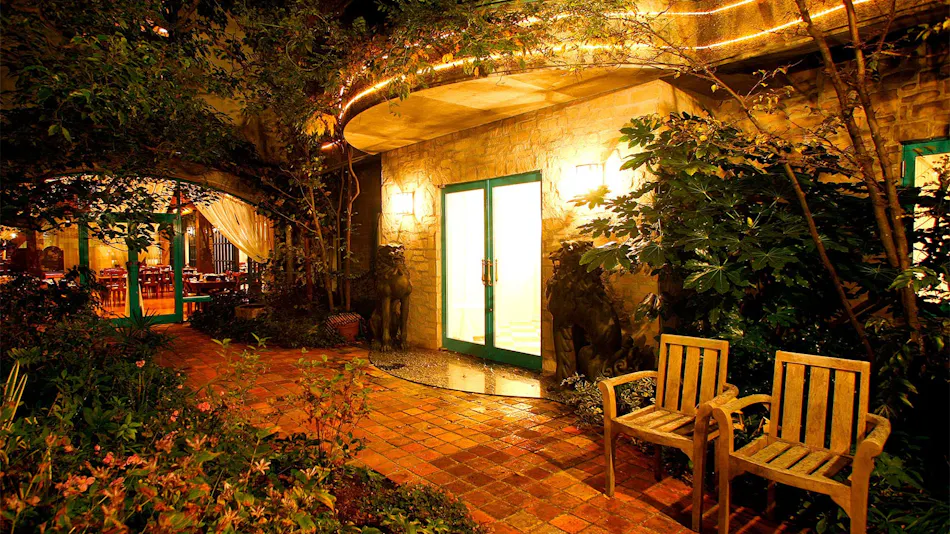
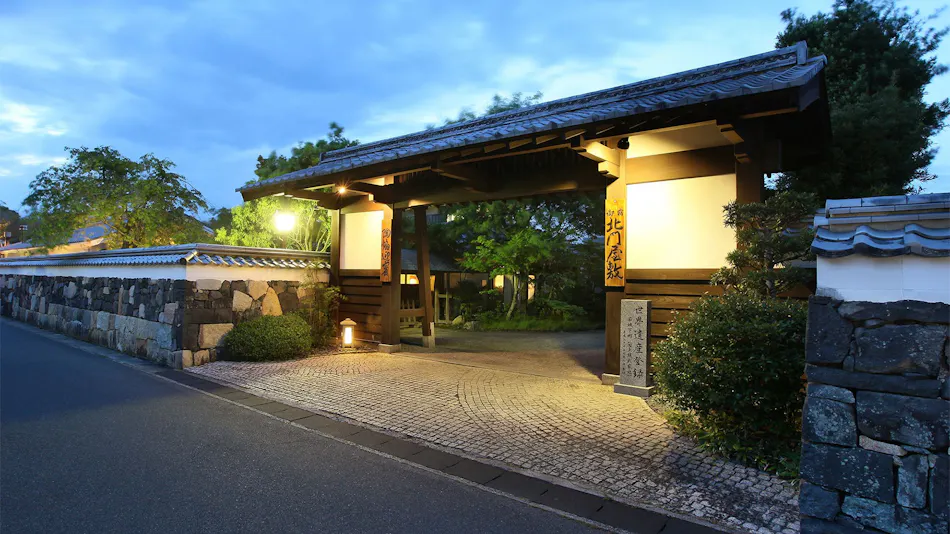
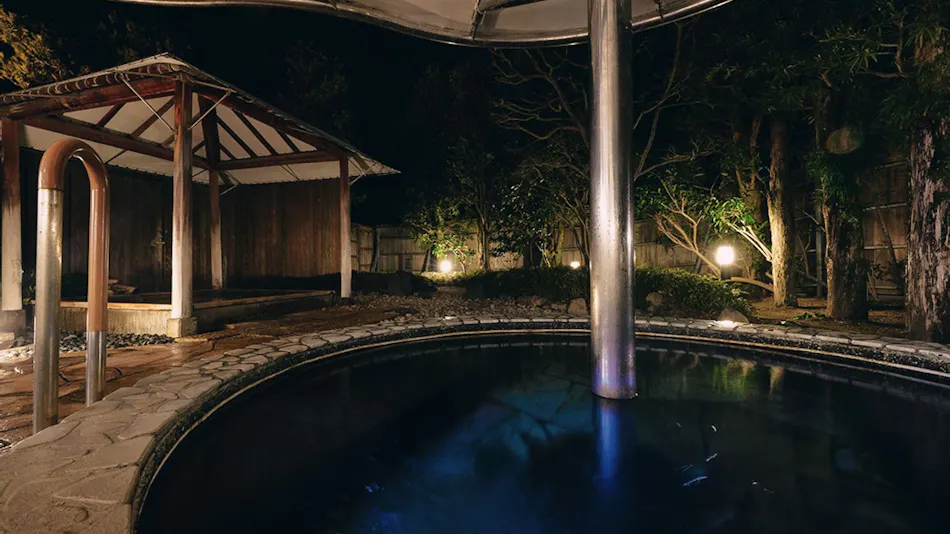
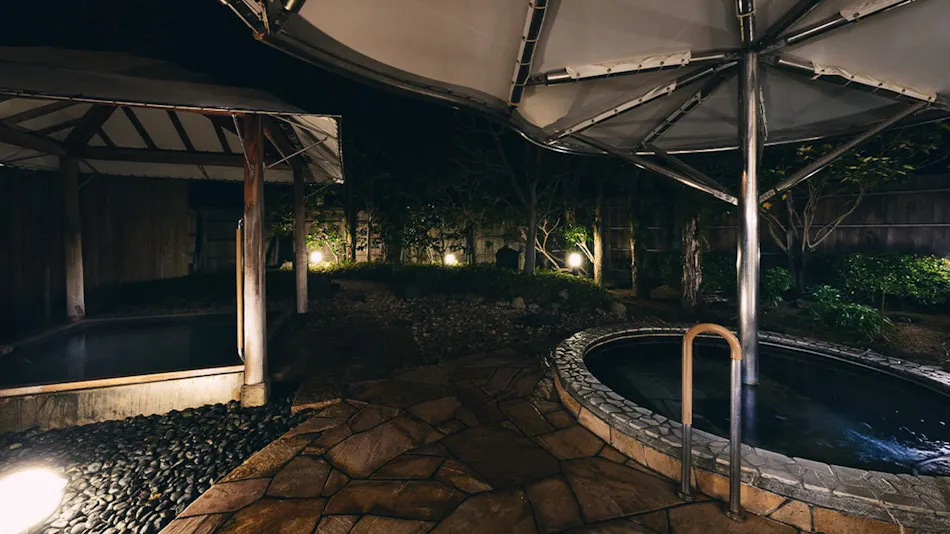
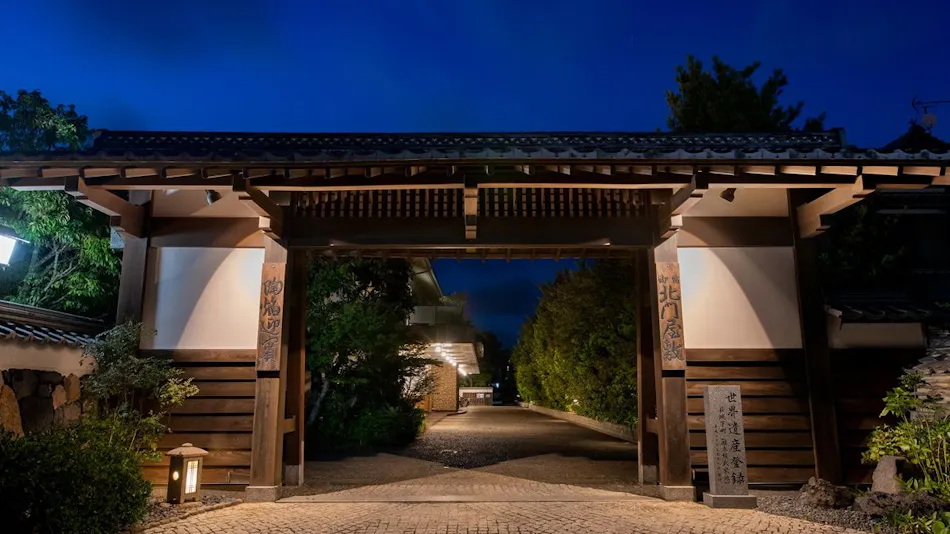
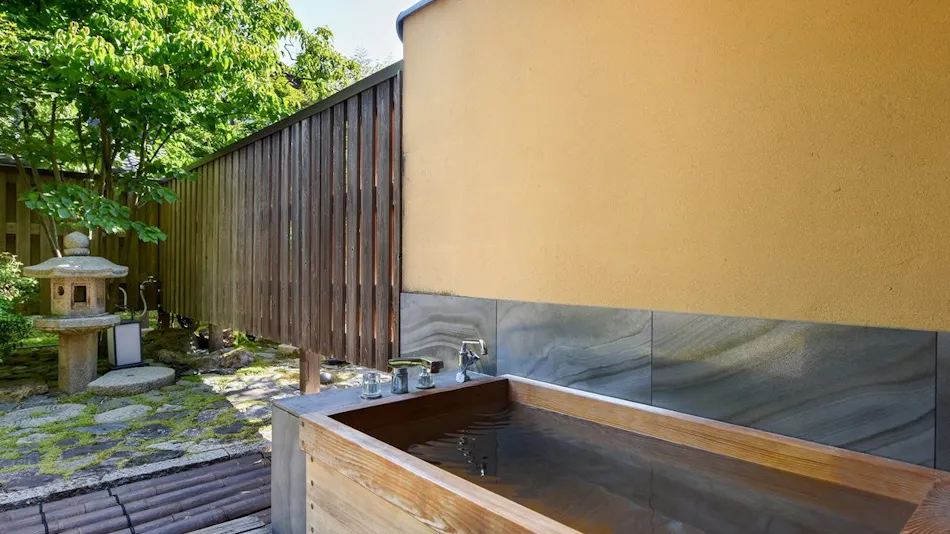
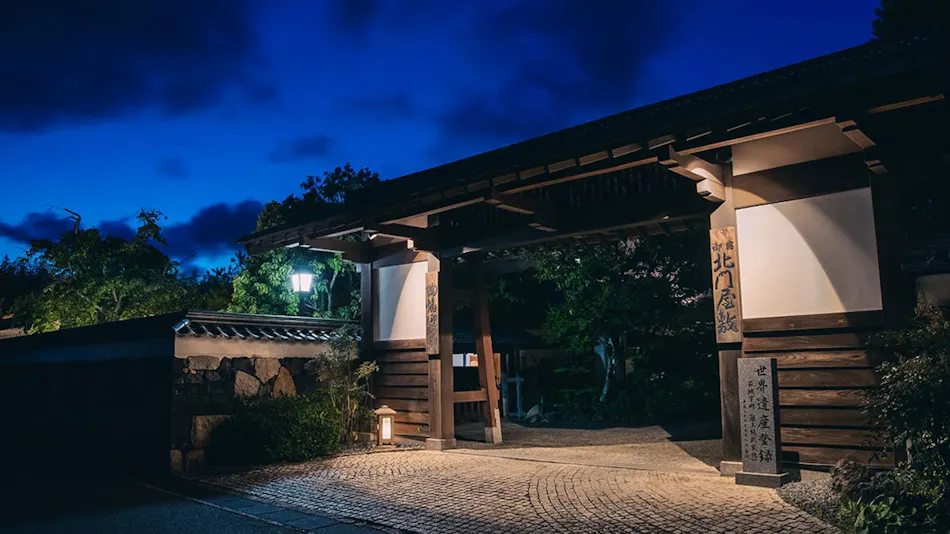
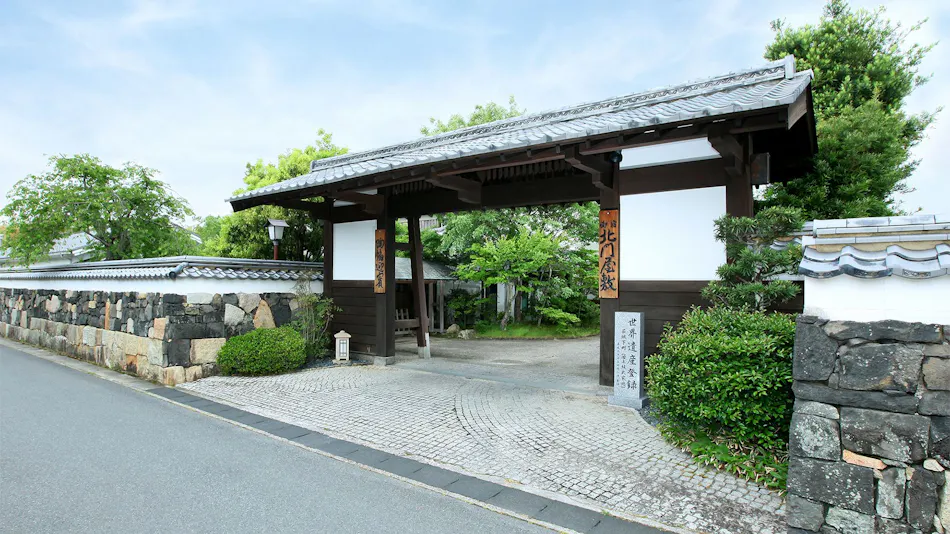
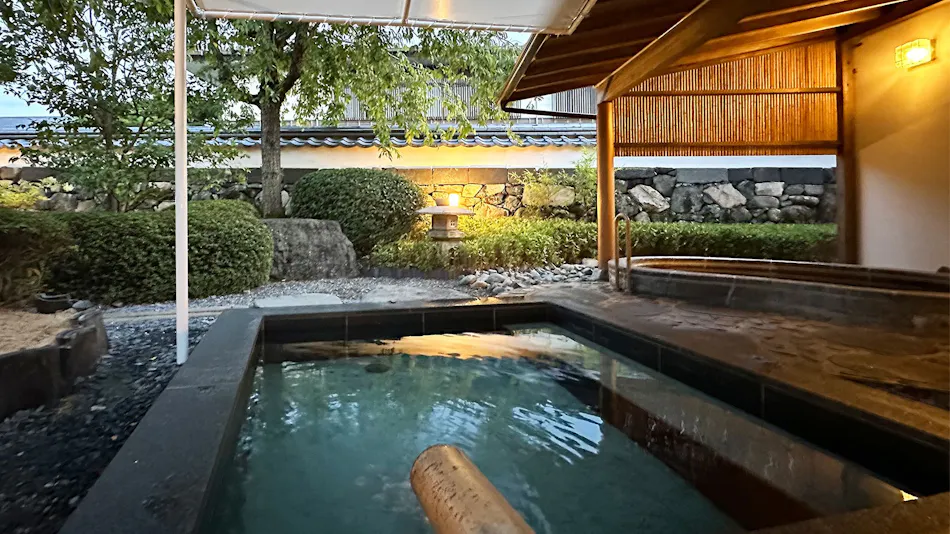
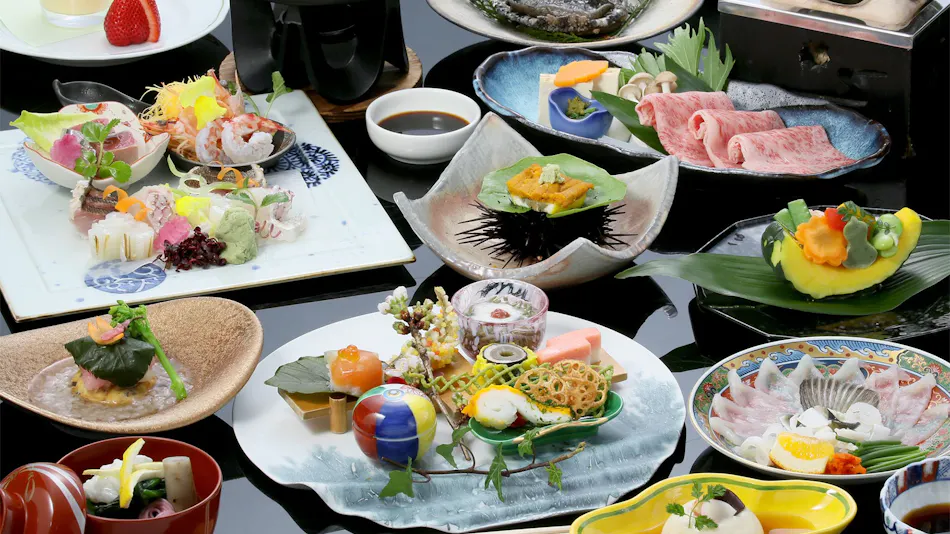
Built in 1604 by Terumoto Mori after the Battle of Sekigahara in 1600, Hagi flourished as a castle town. Walking through streets that still retain the atmosphere of those times, you can feel the presence of history in the stone walls, white plastered walls, and even in a passing breeze. Turning around, it feels as if over 400 years of history quietly lingers here. At its heart lies "Hagijo Sannomaru Hokumon Yashiki," the only Ryokan within the UNESCO World Heritage Site "Hagi Castle Town." Located on the site of the Yoshiki Mori Clan's Hagi Domain residence, it conveys to this day a harmony of Japanese elegance and Western sophistication.