ทั่วประเทศ × ที่พักบรรยากาศเซนโรงแรม·เรียวกัง ที่มีการประเมินน้ำพุร้อนและอ่างอาบน้ำในระดับสูง - 26หน้า

入力欄の先頭で左矢印キーを押すと、選択中の検索条件に移動できます。chip上では左右矢印で移動し、DeleteキーまたはBackspaceキーで削除できます。

ผู้ใหญ่2คนเด็ก0คน1 ห้อง
1,048  สิ่งอำนวยความสะดวก
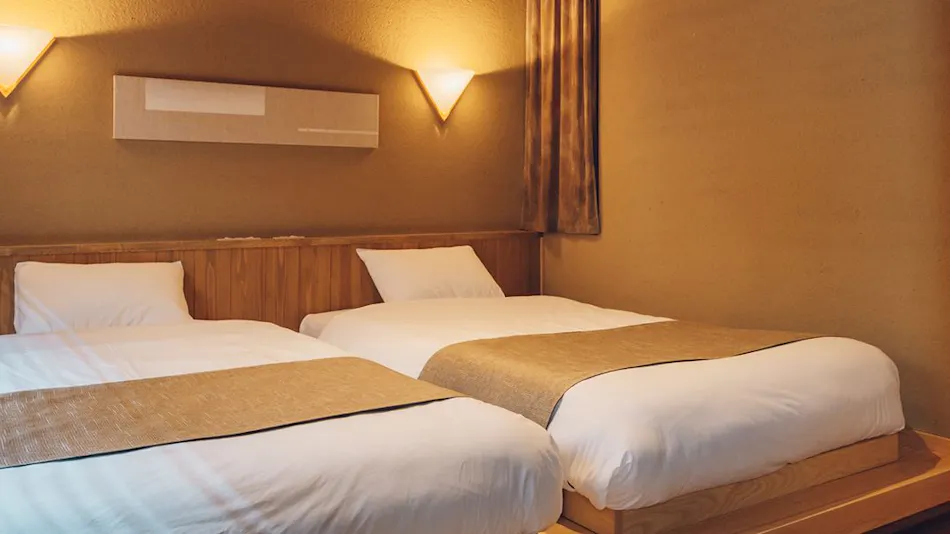
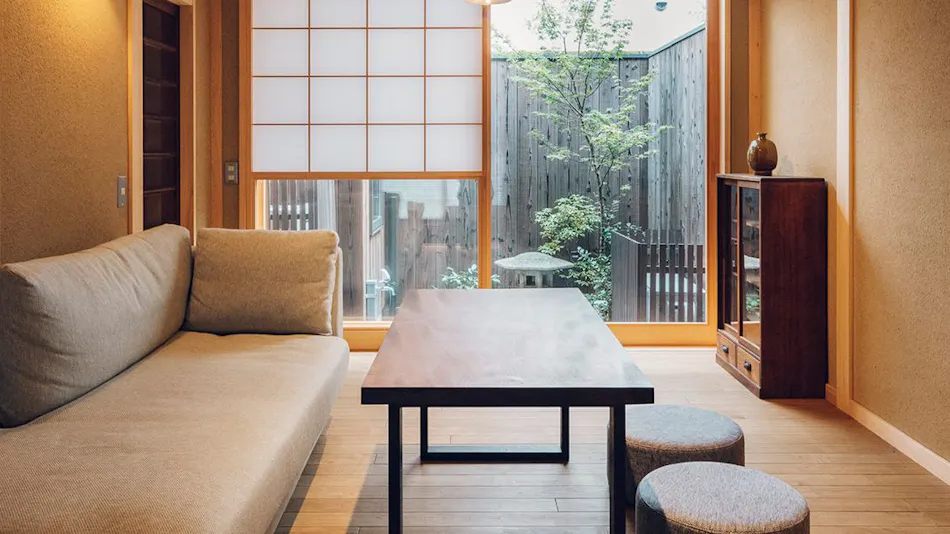
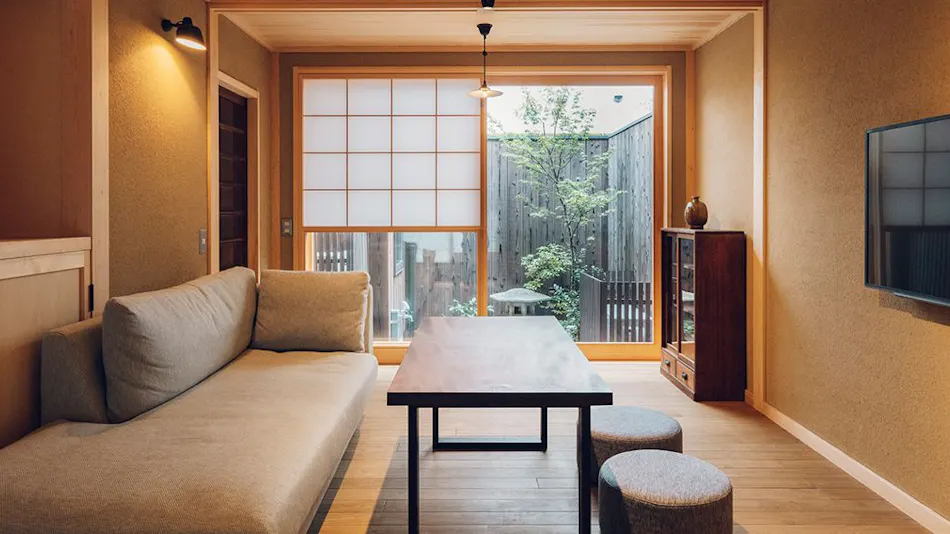
บ้านมาจิยะให้เช่าทั้งหลังใจกลางย่านฮิงาชิชายะ ที่คุณจะได้ดื่มด่ำกับงานหัตถกรรมและพิธีชงชาอย่างเต็มที่

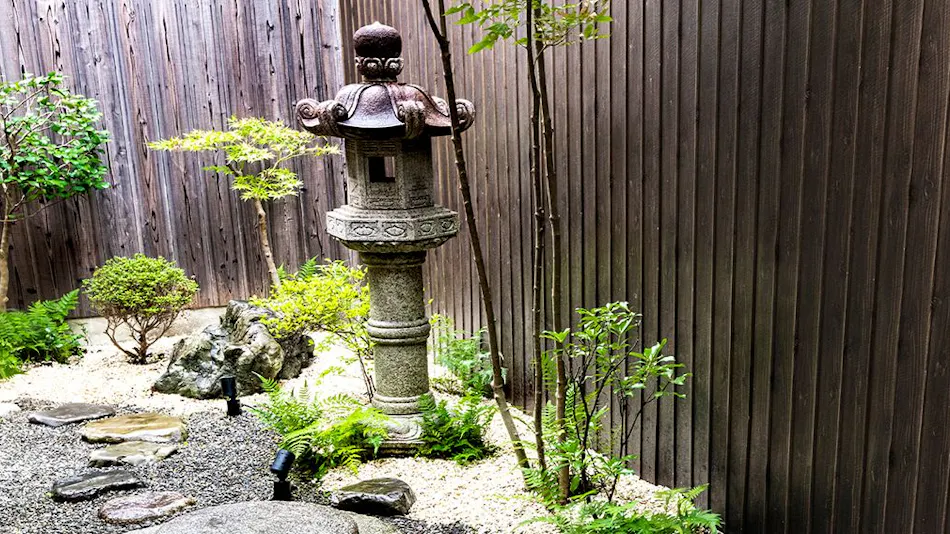
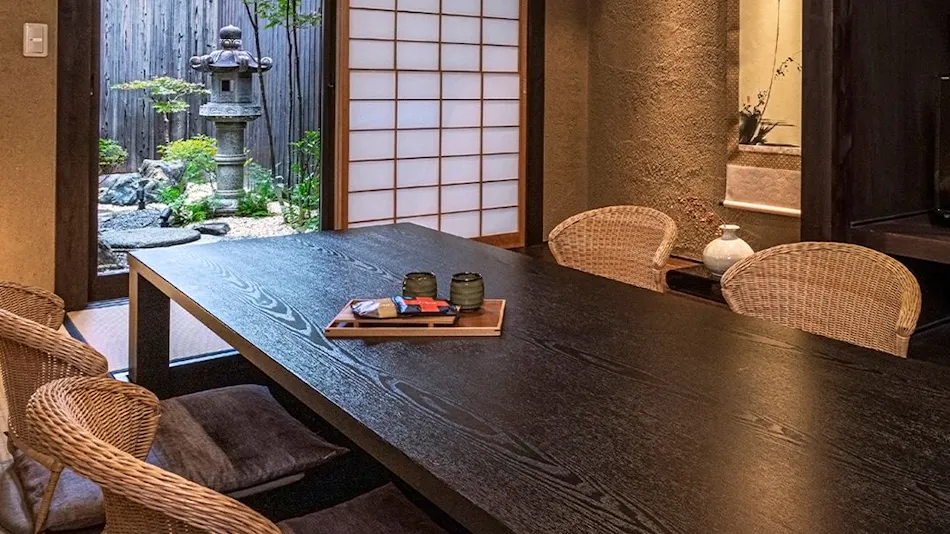
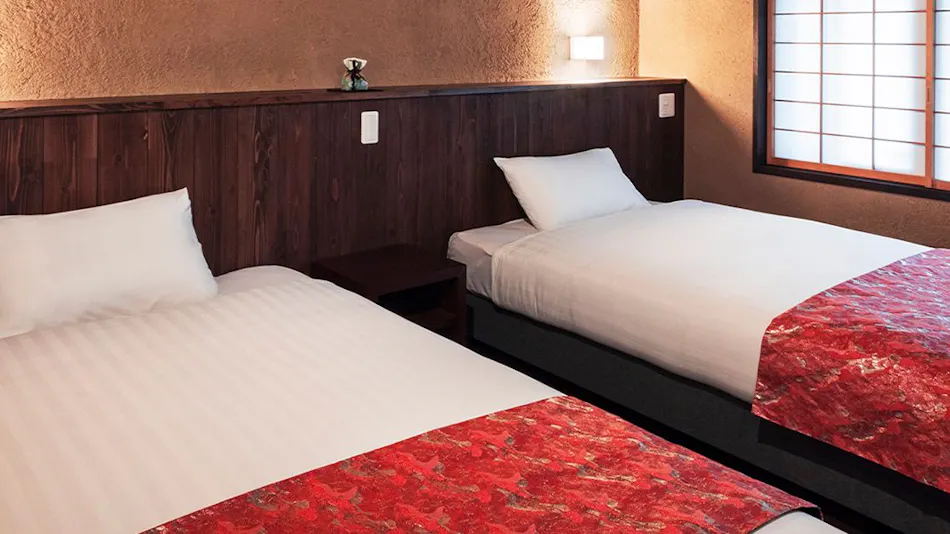
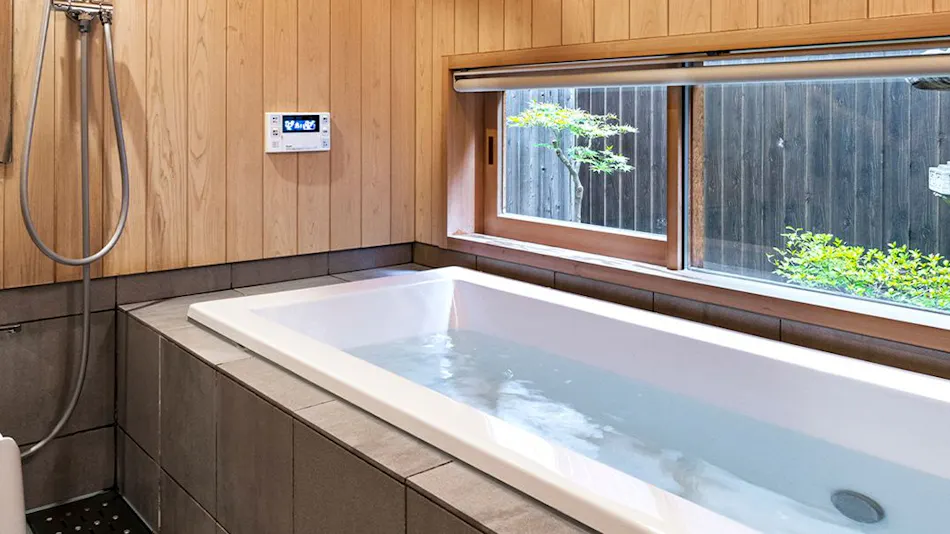
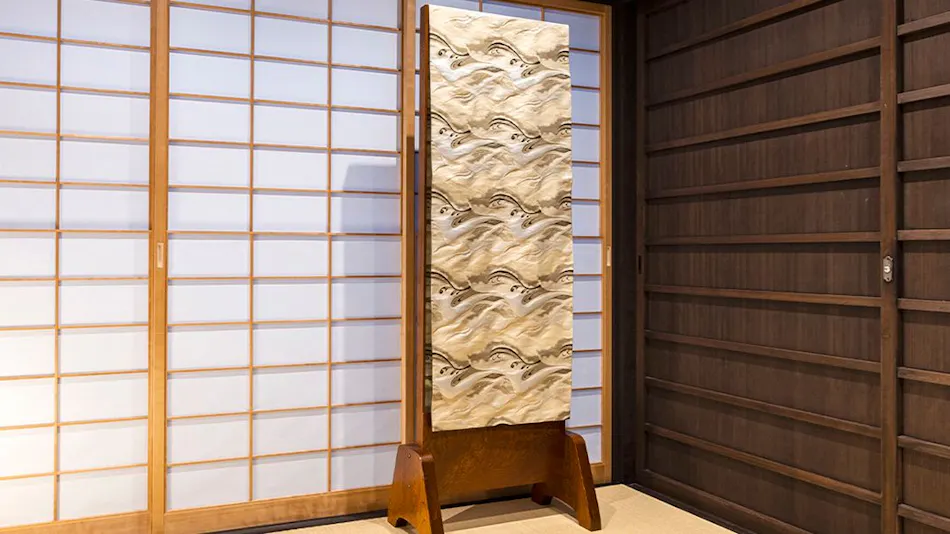
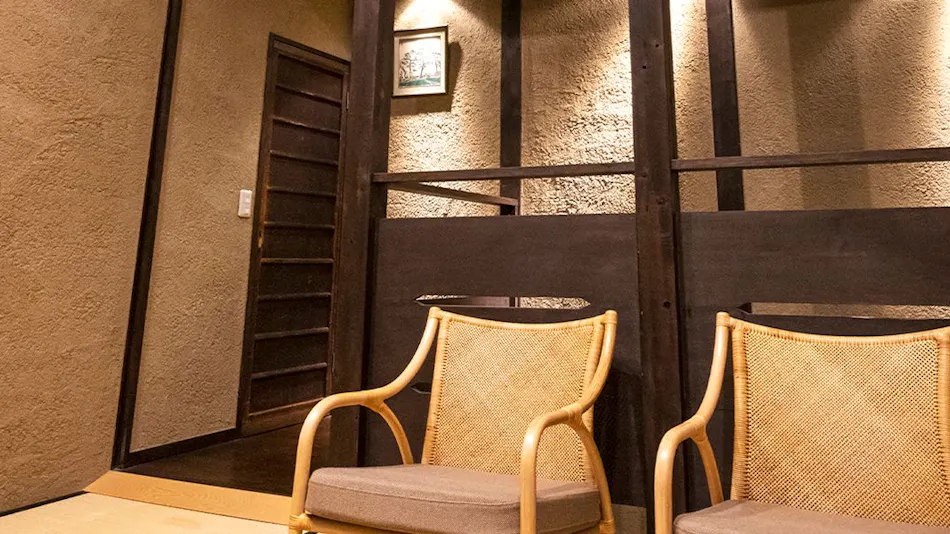
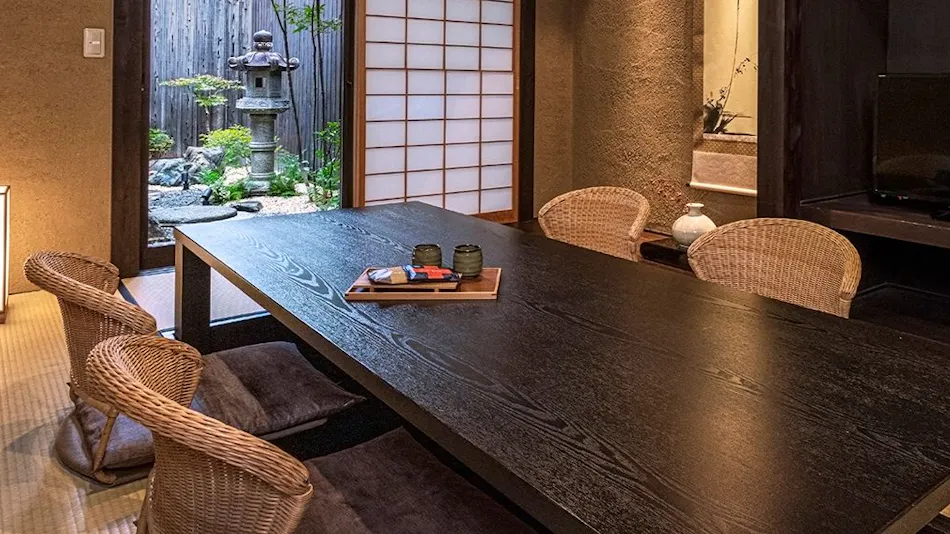
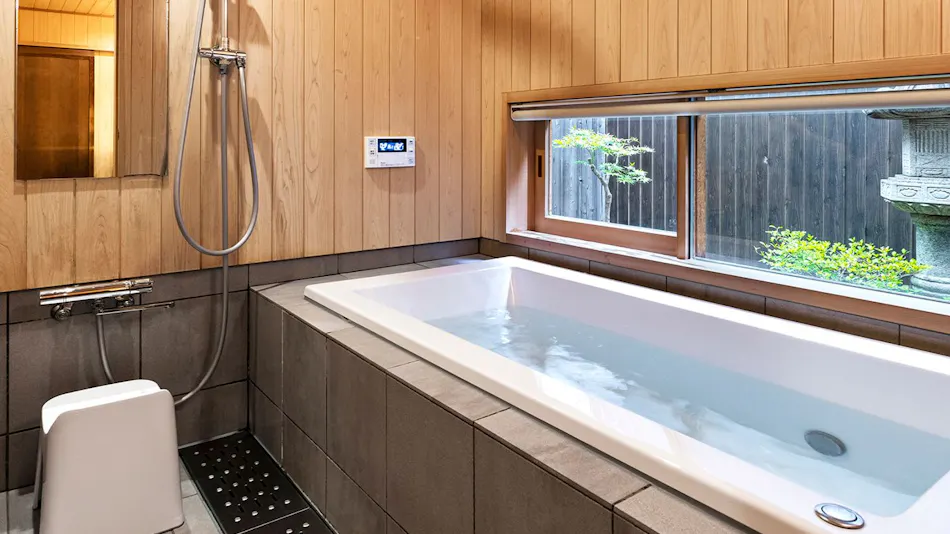
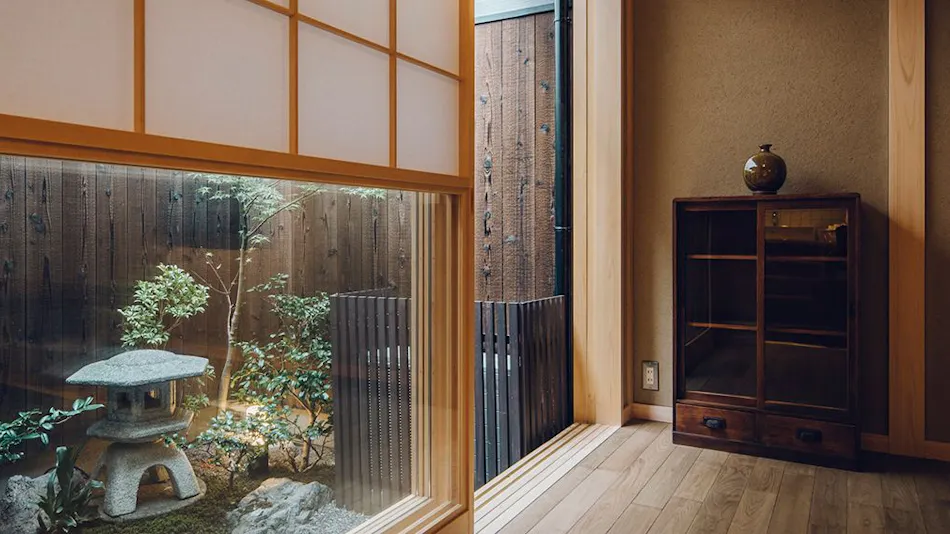
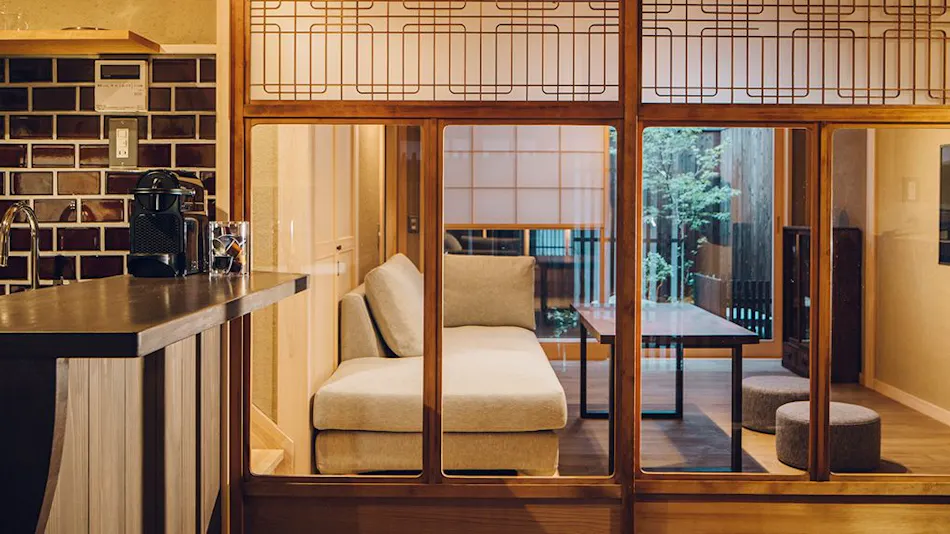
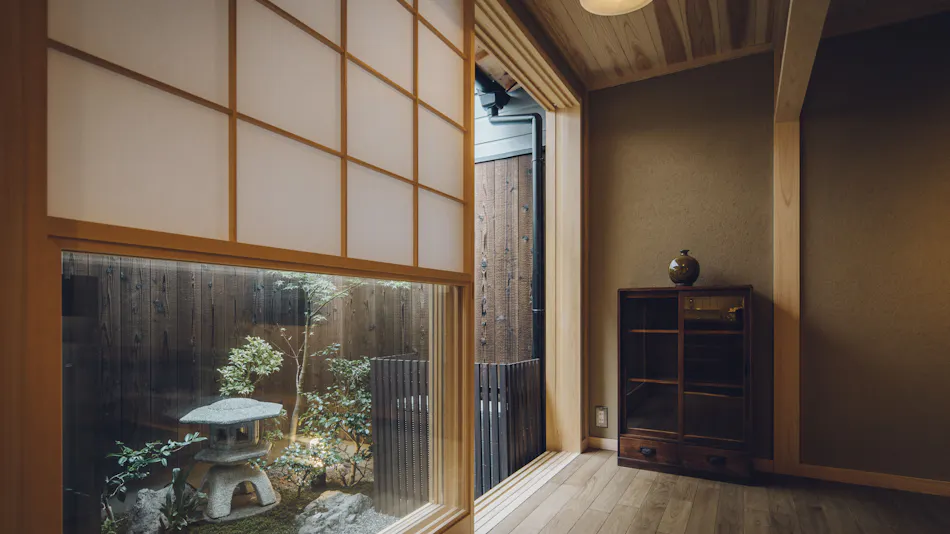
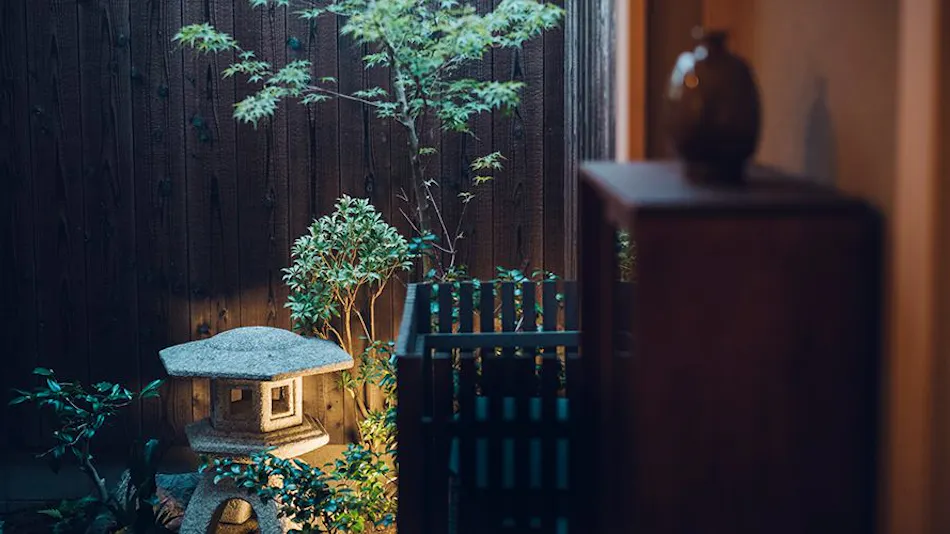
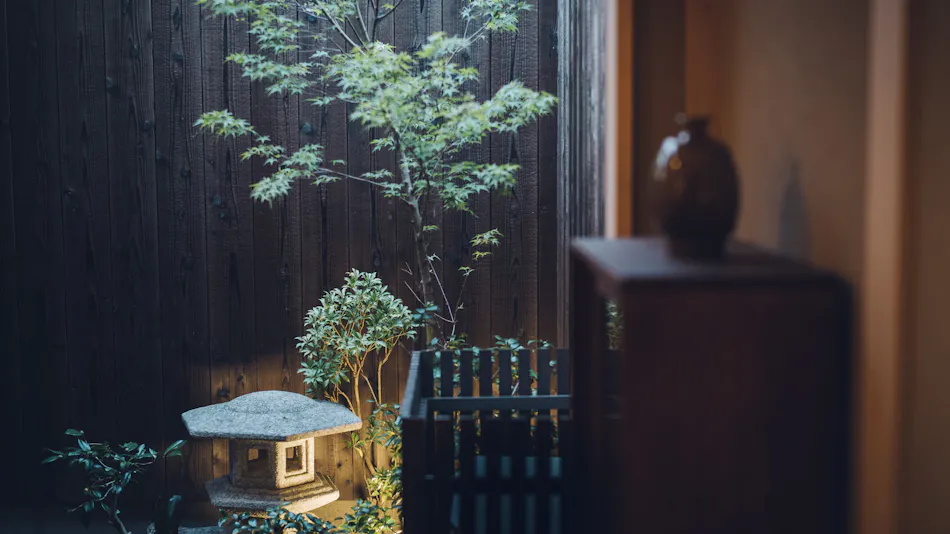
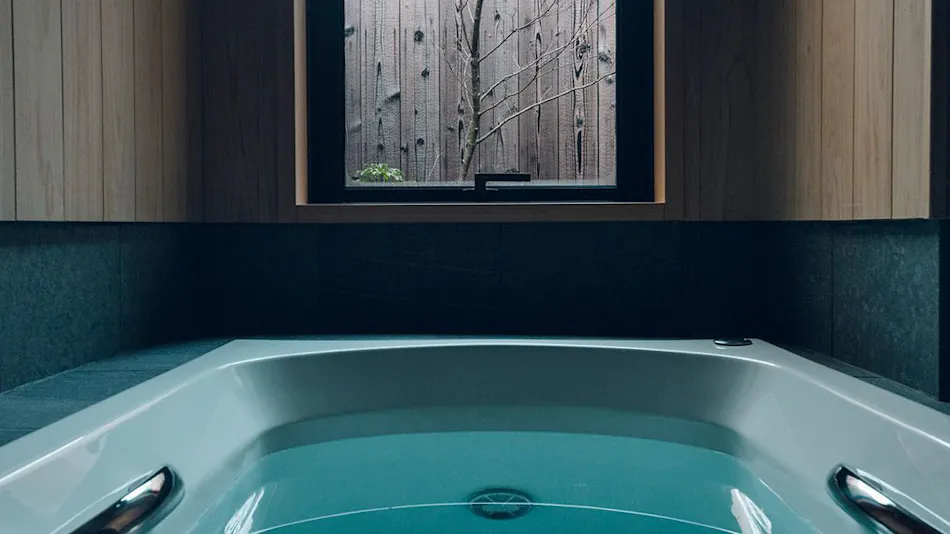
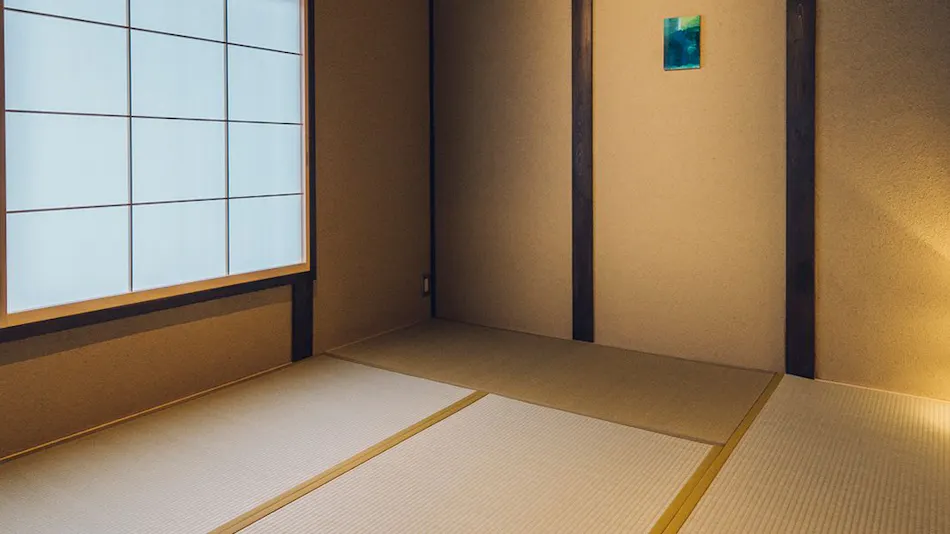
In the heart of Higashi Chaya District, this Accommodation lets you stay as if living in a Kanazawa machiya townhouse, and it remains one of the most memorable Hotels I have ever stayed in. As soon as you step inside, the gentle scent of wood fills the air and naturally calms you. While preserving the charm of an old machiya, the interior has been refined into a modern, sophisticated space, and my stay was comfortable from start to finish. The passage garden leading from the entrance to the living room reinterprets a traditional machiya layout as a contemporary art gallery, creating a distinctive atmosphere from the moment you arrive. With part of one living-room wall opened up, it retains that classic machiya serenity while adding just the right sense of openness. On the first floor, warmth from natural wood is balanced beautifully with a palette of brown, white, cream, and black. Everything—from pendant lights to furniture and small details—has been carefully chosen for a cohesive look that shows great taste down to every corner. The table in particular stood out: its texture evoked Noto washi paper and kurikawa-zome (chestnut husk dyeing), and it felt like local culture and craftsmanship were seamlessly woven into the space. The bath and wash area are modern and spotless in crisp black-and-white tones, and even the scent of Aesop hand soap and bath amenities was wonderfully soothing. Upstairs retains even more of the original wooden character of a machiya, offering a different kind of quiet calm. The bedroom lighting—soft like moonlight—was especially memorable and perfectly suited to the mood. Another unique highlight is being able to whisk matcha in your room. The tea kettle, bowls, and other tools are thoughtfully selected; using vessels that reflect Kanazawa- and Noto-area traditional crafts made preparing matcha yourself feel truly special. With clear instructions provided, it’s easy to enjoy even for first-timers. Unlike having tea at a tourist spot, making matcha in this quiet machiya setting felt deeply relaxing. Open the windows and you can sense both the stillness of this teahouse district and hints of local daily life beyond it. Rather than simply visiting as a tourist, being able to blend into the neighborhood is an experience that’s hard to find at an ordinary Hotel. Breakfast was at Miso Soup Club just a short walk away; I enjoyed a nourishing Japanese breakfast with hearty miso soup packed with ingredients along with egg over rice (tamago kake gohan) and small side dishes. This is an Accommodation I would highly recommend for anyone who wants to savor Kanazawa’s culture, craftsmanship—and unhurried quiet time—with care.

MelMel 14/6/2026
ดูห้องพัก・แผน
ดูห้องพัก・แผน
ดูห้องพัก・แผน
ดูห้องพัก・แผน
พื้นที่ที่ไม่เหมือนใครที่สร้างขึ้นจากประวัติศาสตร์และประเพณีตั้งแต่ปีที่ 6 ของยุคเมจิ

"Kama Jin Villa" is a long-established restaurant, but the accommodation just opened last year. The room we stayed in was built using materials exclusively from Fukui Prefecture. Starting with the entrance's paving stones made of rare blue-green Shakudani stone, the floor frame crafted from fine wood, a simple yet elegant tokobashira (alcove post) that incorporates natural knots, and beautifully grained wood used throughout, you can feel the beauty of traditional Japanese architecture. The wallpaper, sliding doors, and light shades appear to be made of Echizen Washi paper. If you're knowledgeable about Japanese architecture, you'll likely notice craftsmanship details everywhere. On the other hand, the living room with wooden flooring features antique furniture and Echizen-yaki cups for a mix of Japanese and Western styles that surprisingly harmonize to create a cozy space. The bathroom area combines elements of traditional Japanese design with a stylish modern atmosphere. Meals were served in "Kiku-no-Ma," which is also used as part of their restaurant facilities. Dinner included luxurious dishes such as beautifully presented appetizers (hassun), hamo fish soup with grilled eggplant, sashimi platters, Wakasa beef steak, steamed kinmedai fish wrapped in yuba skin, steamed eel and sticky rice wrapped in magnolia leaves—each dish deliciously prepared using premium ingredients. Breakfast featured historical and traditional items like pickled red taro stems (Suko), simmered herring once transported by Kitamaebune ships during Edo times, and local specialty takuan pickles cooked luxuriously—a menu rich in history and tradition. Suko is one item recreated under Kama Jin Villa’s supervision as part of "Murasaki Kibu Gozen," an ancient Heian aristocratic meal displayed at Murasaki Yukari no Yakata Museum. While meals were delightful overall—flavors tended to be slightly strong with generous portions—which might raise concerns about total salt intake for some guests; offering lighter-flavored or smaller portion options could appeal more to seniors or women (though I did finish everything). There are no onsen facilities here nor particularly scenic views due to its location within town; however nearby attractions include Tansu-machi Street lined with Echizen chest furniture shops; Soja Daijingu Shrine enshrining all deities from across Echizen Province; retro-styled Takefu Public Hall Memorial Museum; further afield lies Murasaki Shikibu Park featuring Heian-style gardens overlooking Mt.Hino along nostalgic Furusato walking paths—all offering opportunities for exploring Takefu’s rich history while strolling around leisurely. Despite hot weather during our stay—we appreciated thoughtful hospitality extended by staff members who provided attentive yet friendly service making us feel comfortable throughout our visit at this historic establishment turned accommodation facility. Understanding its unique characteristics allows guests seeking serene relaxation amidst exquisite Japanese architectural spaces paired alongside indulgent culinary experiences truly enjoy their time spent here!

クミン・オレガノ 10/7/2025
ดูห้องพัก・แผน
ช่วงเวลาพิเศษที่ทำให้ใจ ร่างกาย และสมองมีความสุข ด้วยการใช้เวลาไปมาระหว่างอาคารสองหลัง

A beautiful Hotel comprising a former Russian Consulate built over 100 years ago and, behind it, a newly constructed wellness wing designed by Makoto Nakayama. The staff kindly explained the building’s history and the vision behind its renovation into a Hotel, which made my stay even more meaningful. The Japanese elm towering in the garden that connects the old and new wings truly felt like a sacred tree, drawing the grounds into a serene world completely separate from everyday life. At the beautifully designed bar, I enjoyed Akkeshi oysters and a vodka cocktail. In the evening, I had sushi at Sushi-dokoro Funami inside the Hotel. The sushi and appetizers prepared by the head chef—who trained at Hakodate’s renowned Kihara—were outstanding; everything was fresh, high-quality, and delicious. Conversation with the chef and staff was also enjoyable, making for an unforgettable time. This time I stayed in a Room in the wellness wing. The view of Hakodate Port was wonderful, and even glimpses of blue sky from the courtyard were soothing. The Room also had a jacuzzi and sauna, allowing me to spend truly fulfilling time there. Breakfast featuring plenty of local ingredients was delicious as well. A book-shaped bread was served, and since I had been told in advance that this Hotel was produced by author Shiho Tanimura, it all made perfect sense. Every member of staff was exceptionally kind and attentive, with outstanding hospitality throughout. It felt like staying here could be the main purpose of a trip to Hakodate itself. I would love to visit again in another season.

KURITABI 23/8/2026
ดูห้องพัก・แผน
ชงใจ เปิดใจ—

[From Check-in to the Room] We arrived by car and were warmly welcomed. After check-in, we were escorted to our Room while enjoying tea and sweets. [Attractions] We chose one of the two activities and whisked matcha ourselves, then enjoyed tea on the Sky Corridor for a perfect digital detox. There was also a surprise arranged by my wife and the staff for me, which truly moved me—thank you so much. [Dinner] As the title suggests, the meal featured carefully selected ingredients gathered along the Tokaido route and a strong focus on water quality. We’ve enjoyed excellent cuisine at many places (Sekaie, Miwa, Karaku, Mayufutahari, Honbako, Hoshino Resorts, etc.), but this surpassed them all. From the dashi to rice served multiple ways with different textures and aromas, everything delighted all five senses—and our conversation with the staff made time fly by. Personally, I especially loved the rare bonito cutlet and Tajima-Gen beef shabu-shabu with chilled chawanmushi. [Breakfast] It began with wake-up tea. We had two kinds of dried fish (including horse mackerel), both outstanding. As with dinner, rice cooked in a clay pot was excellent—not only as white rice but also as crispy scorched rice enjoyed in hot water (“kogashi-yu”), which was a new discovery for us. Personally, I especially enjoyed the dried fish and simmered vegetables. [Room] A functional Room with thoughtful touches such as aroma oil for stone warming and three types of tea. Since it’s designed for digital detoxing there is no TV. We relaxed slowly in the semi-open-air bath in our Room. [Service] Everyone provided exceptional service—from those who helped arrange our surprise from Reservation through arrival day, to those who whisked matcha together with us as beginners; from dinner service by someone who shared my wife’s name to breakfast staff who kindly accommodated an unexpected request. Each moment became a lasting memory. [Overall] We will definitely return—next time in autumn or spring would be ideal. With such comfortable hospitality from everyone here, this Accommodation is deeply soothing and easy to recommend. Since it has only recently opened up: personally speaking it would be nice to have insect screens on the outer windows by the semi-open-air bath; also given how much care goes into tea and ingredients it might be great to have a small space where guests can buy souvenirs such as tea leaves teaware or dried fish as keepsakes.

なないか 30/8/2026
ดูห้องพัก・แผน
ดูห้องพัก・แผน

คนอื่นๆ ก็ค้นหาสิ่งนี้เช่นกัน

อาหาร

ดูทั้งหมด

ประเภทสถานที่

ความต้องการห้องพัก

ดูทั้งหมด

ห้องน้ำส่วนตัว

ดูทั้งหมด

อ่างอาบน้ำและน้ำพุร้อน

ดูทั้งหมด

ประเภทเตียง

ดูทั้งหมด

สิ่งอำนวยความสะดวกและบริการ

ดูทั้งหมด

งบประมาณที่พัก
(ต่อห้องต่อคืน) (THB)

0
ไม่จำกัด
-

การประเมินรีวิว

ทัศนียภาพ

สถานที่รับประทานอาหาร

สิทธิพิเศษ

เช็คเอาท์ล่าช้า