Kitayama Station (Ehime Prefecture) × Recommended Hotel·Ryokan
入力欄の先頭で左矢印キーを押すと、選択中の検索条件に移動できます。chip上では左右矢印で移動し、DeleteキーまたはBackspaceキーで削除できます。


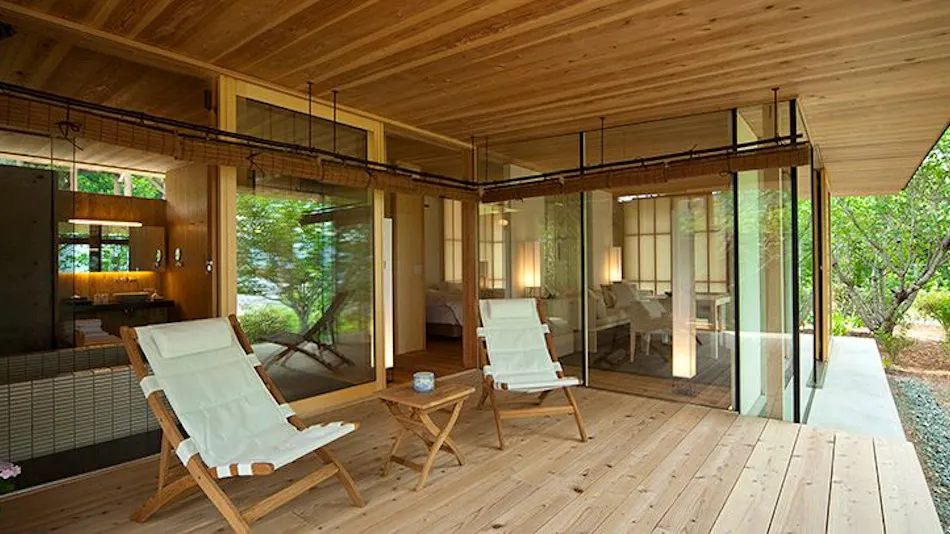


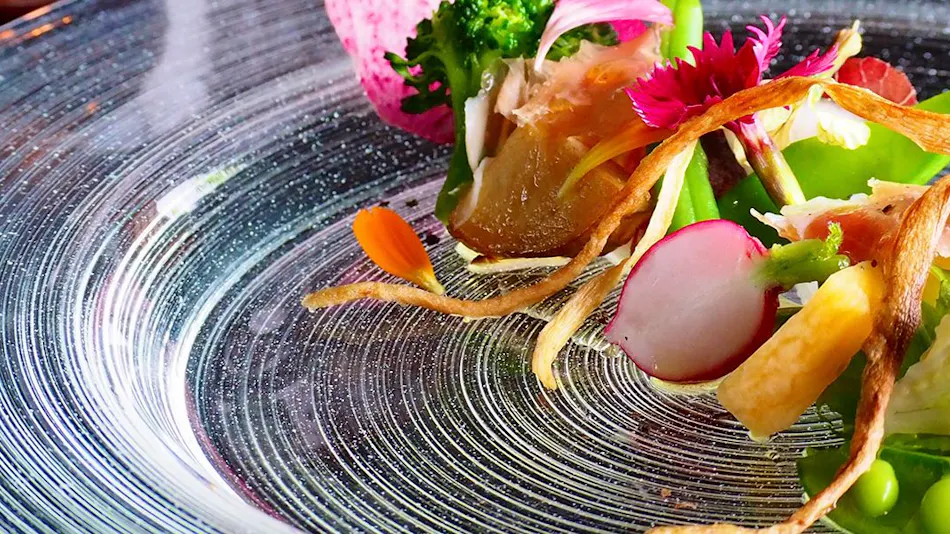
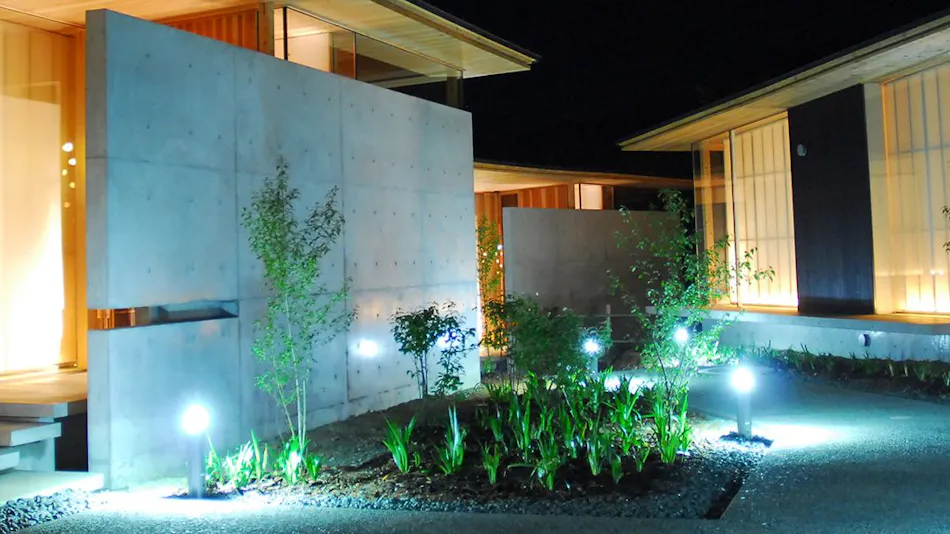
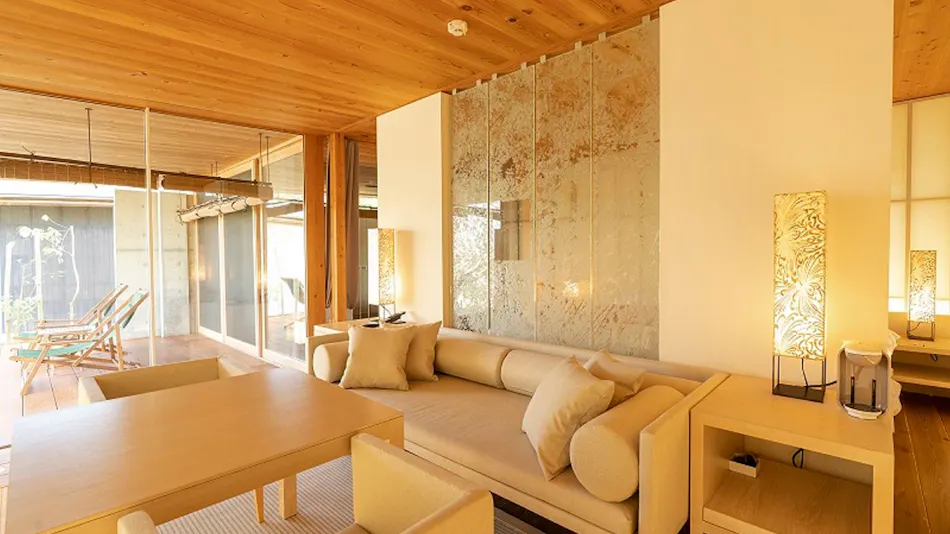


An auberge located on a hill overlooking the townscape that inherits the history and culture of Uchiko, a town that flourished with washi paper and Japanese candles. You can enjoy ingredients from Uchiko and Ehime Prefecture with all five senses, through innovative cooking methods, accompanied by the flickering of flames and the crackling sound of firewood.
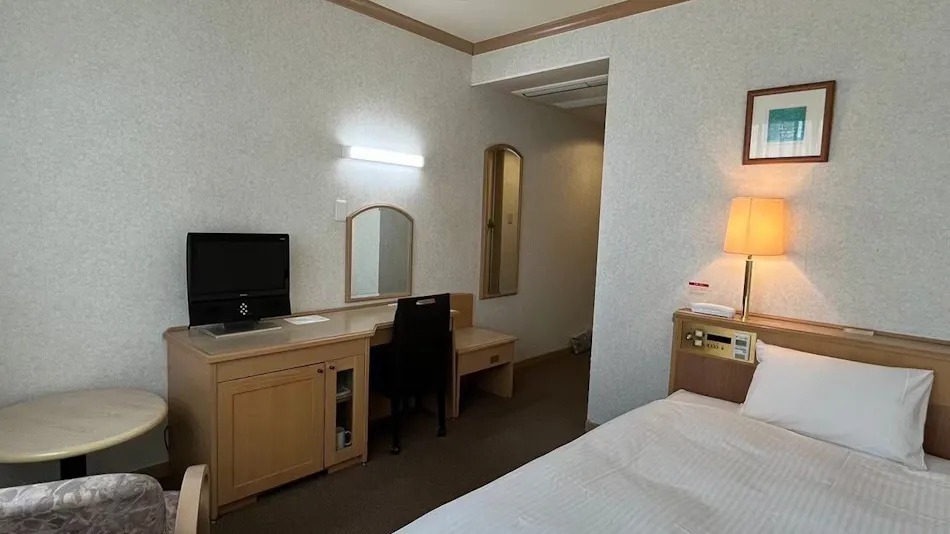



Uchiko is a town that prospered from the late Edo period through the Meiji era through the production of wood wax. With every step, it feels as if time rewinds. A nostalgic streetscape unfolds, as though you have slipped back in time.A storehouse that has watched over Uchiko’s changing seasons since the Meiji era has been reborn as an earthen-walled storehouse Accommodation, standing quietly behind its gate.We offer a refined and private maisonette-style space. Limited to one group per day—enjoy a relaxing and tranquil stay in Uchiko.
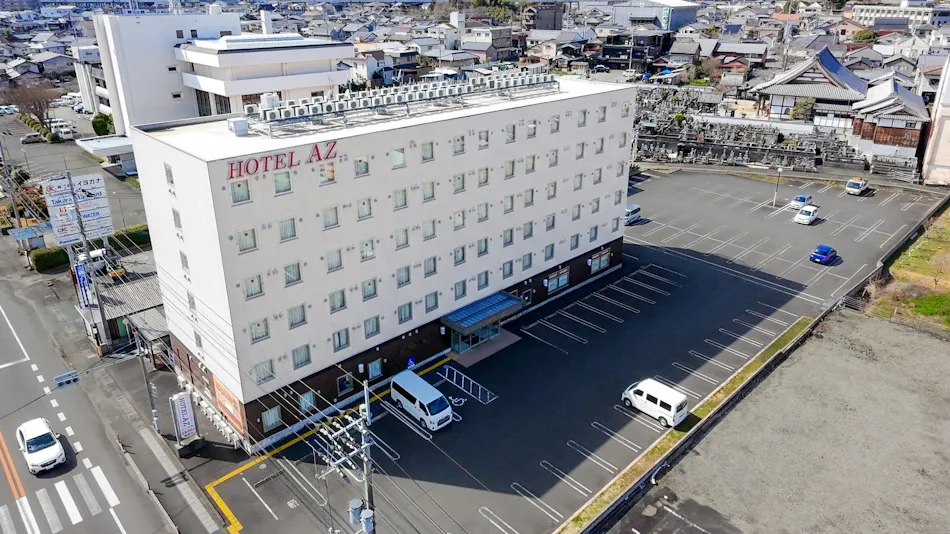
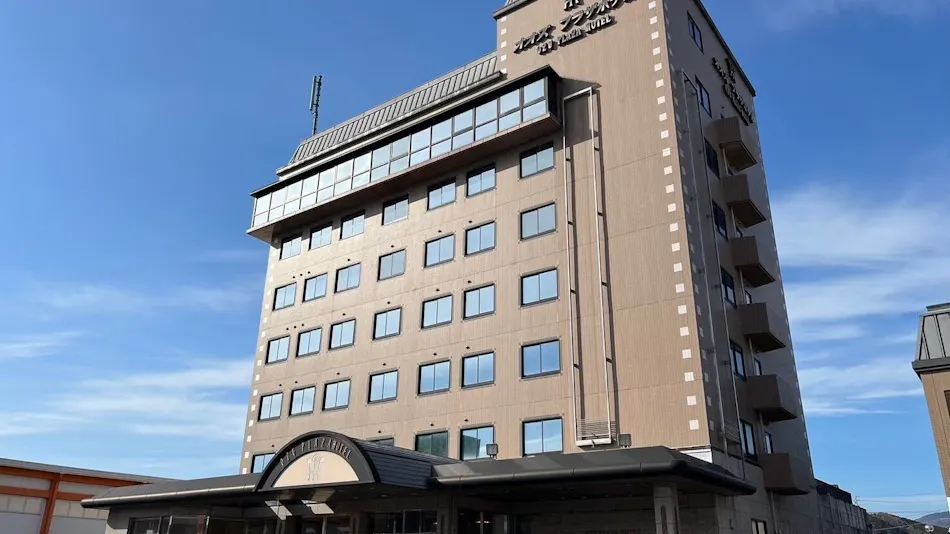
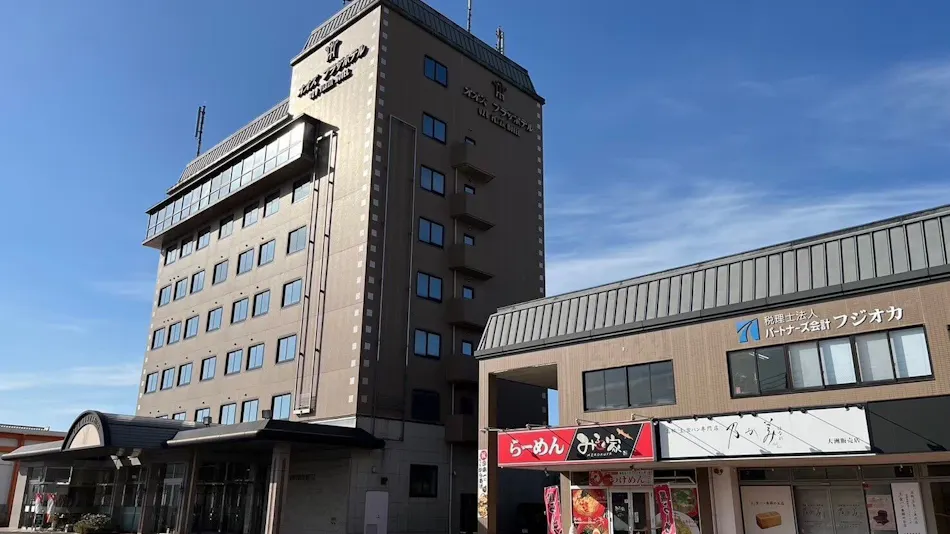
Just 2 minutes from the Ozu Interchange exit on the Matsuyama Expressway! Equipped with a free flat parking lot for about 80 vehicles. The natural Onsen (separate for men and women) is soft to the touch, odorless, and non-irritating, known as the "beauty skin bath." Includes a free healthy breakfast and is conveniently usable for leisure!
The historic family villa, inherited since the late Taisho era, now serves a new role as a property in the village.
Uchiko Town flourished through the production of wood wax from the late Edo period to the Meiji era. Buildings and townhouses related to the wood wax industry, which peaked around 1897, line the streets. "Uchiko no Yado Kyuu" is a traditional townhouse-style property located in Uchiko's "Important Preservation District for Groups of Traditional Buildings." Enjoy a fully renovated and comfortable space available for exclusive rental.
Uchiko Town thrived through the production of wooden wax from the late Edo period to the Meiji era. Buildings and townhouses related to the wooden wax industry, which reached its peak around Meiji 30, line the streets.