Nationwide × Accommodation With The Charm Of Wooden ArchitectureRecommended Hotel·Ryokan
入力欄の先頭で左矢印キーを押すと、選択中の検索条件に移動できます。chip上では左右矢印で移動し、DeleteキーまたはBackspaceキーで削除できます。
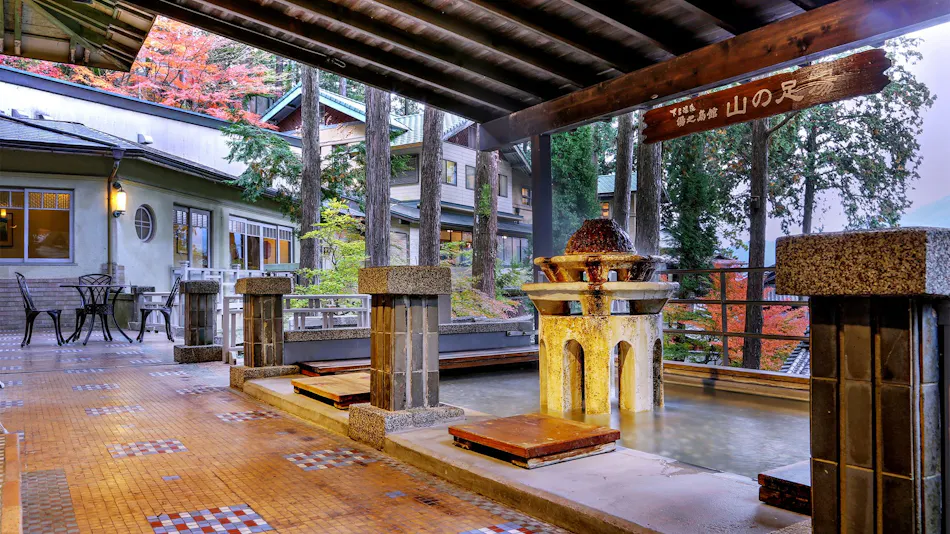
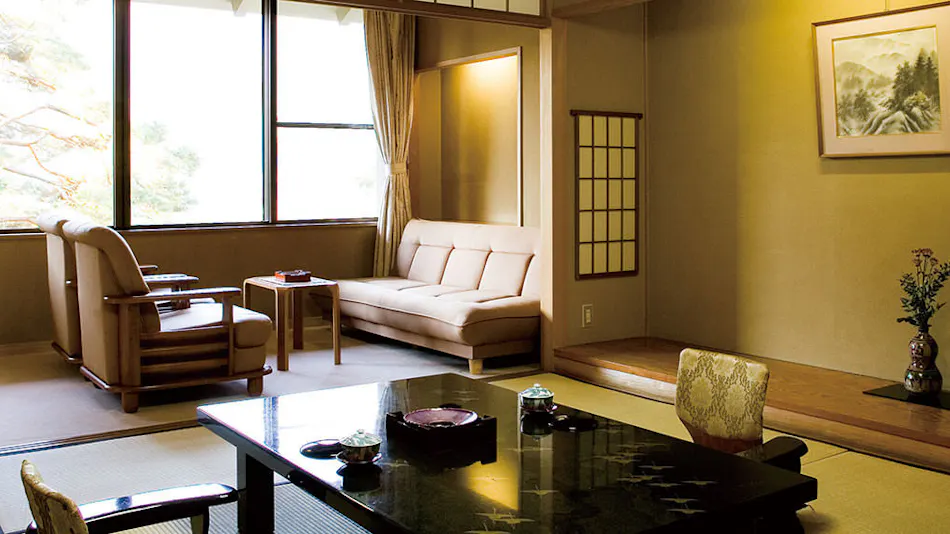
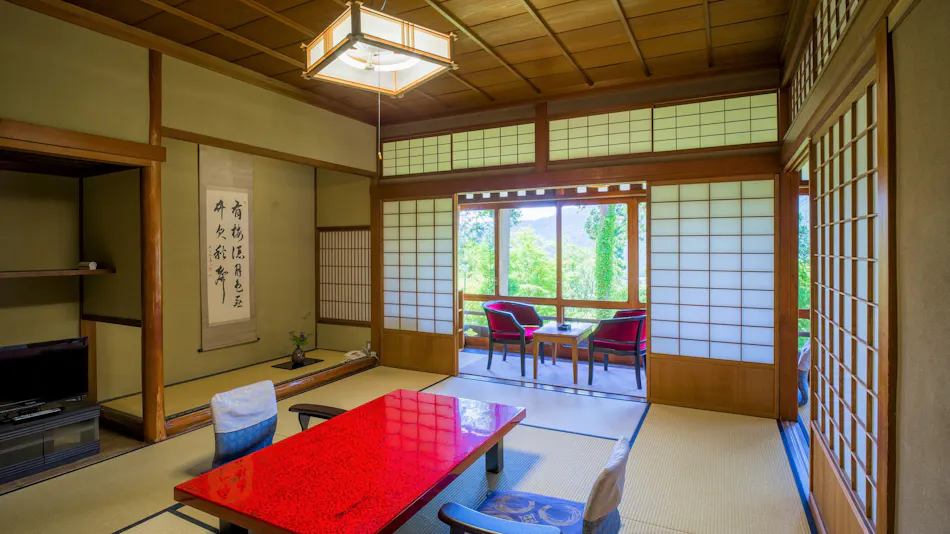
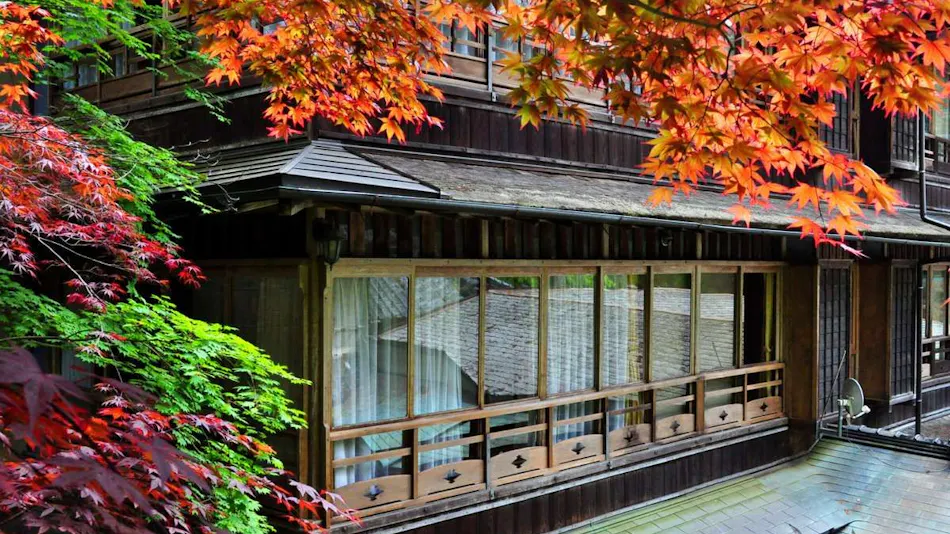
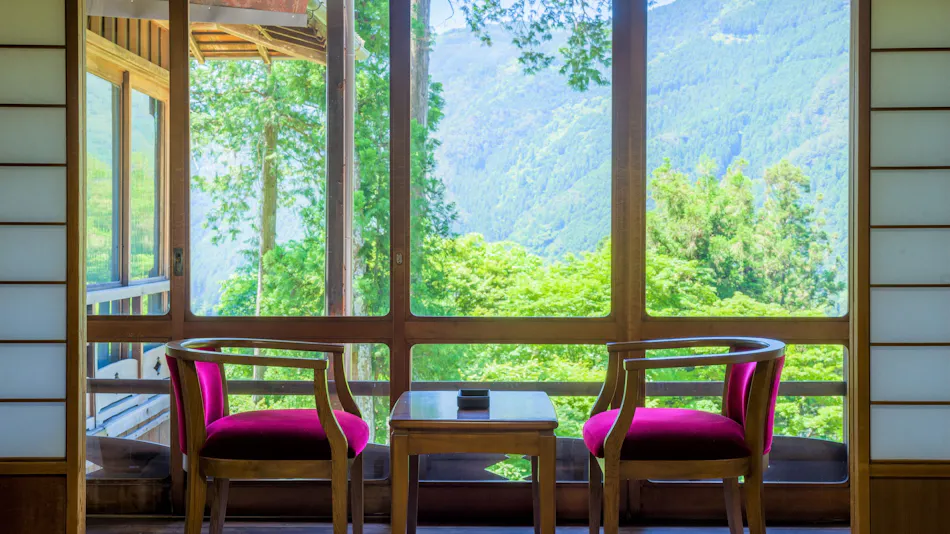
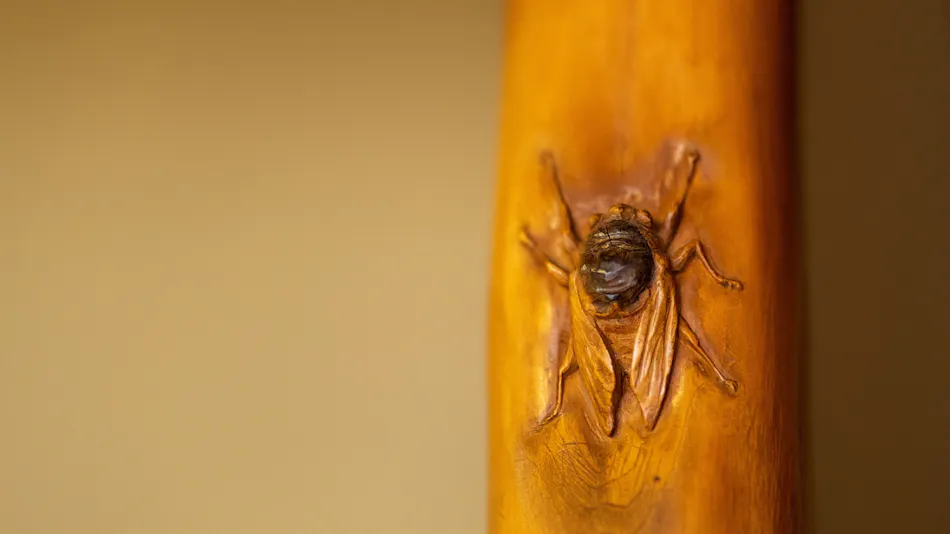
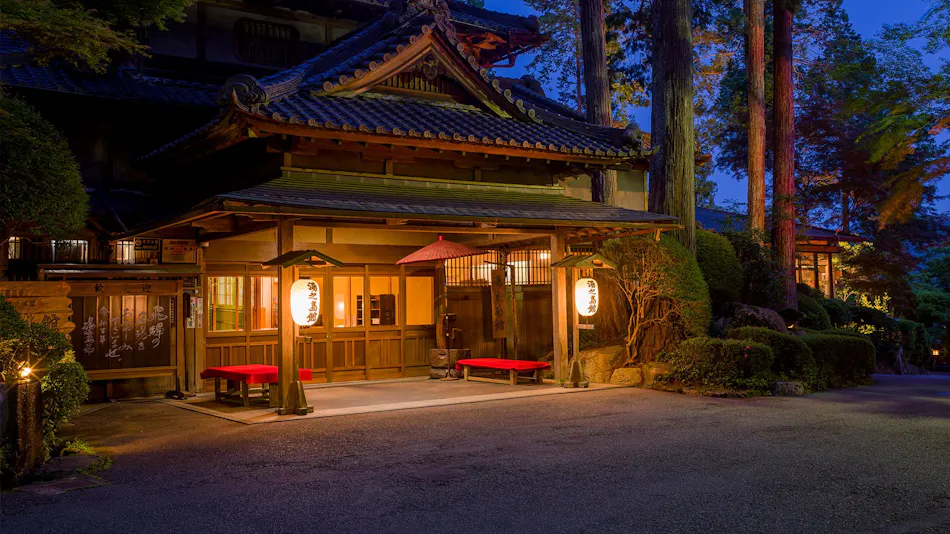
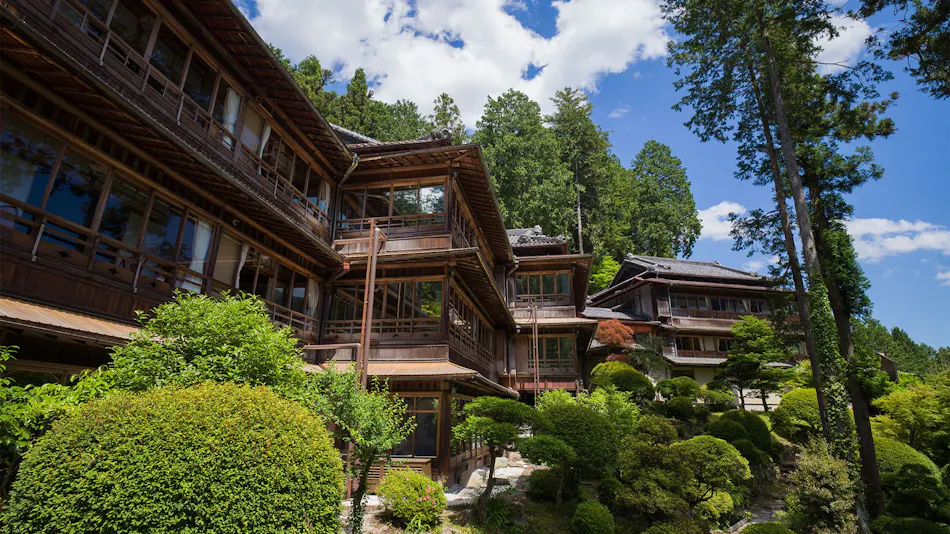
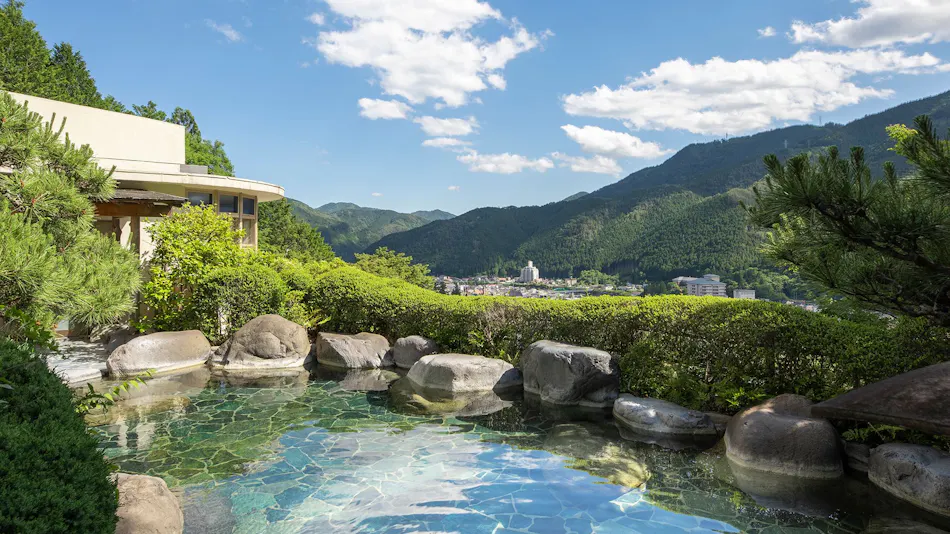
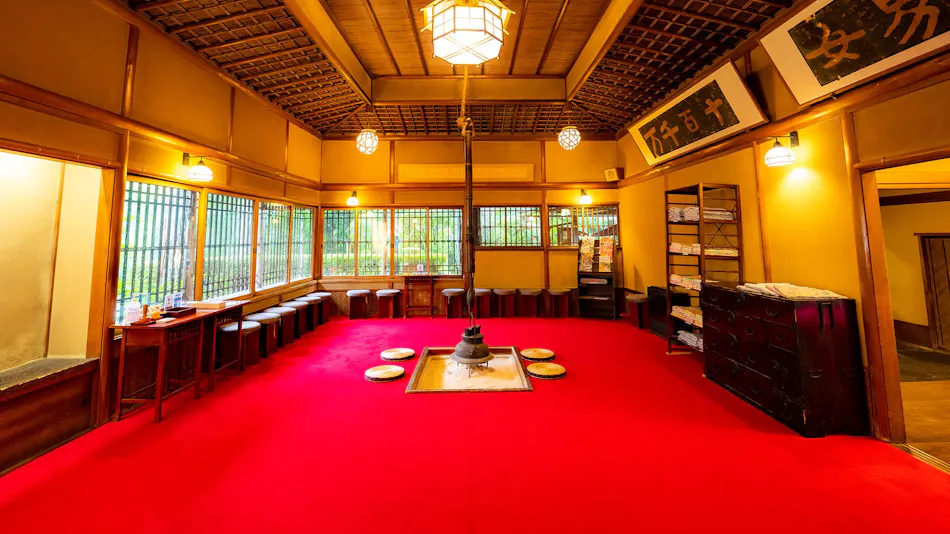
Set against the backdrop of Nakane Mountain, also known as Gero Fuji, "Gero Onsen Yunoshimakan" exudes a serene and tranquil atmosphere. Built in 1931 on an expansive site of over 50,000 tsubo (approximately 165,000 square meters), this elegant Sukiya-style structure showcases refined craftsmanship throughout. Even today, it retains the romantic charm of the early Showa era. Immerse yourself in the nostalgic ambiance and enjoy a relaxing stay.

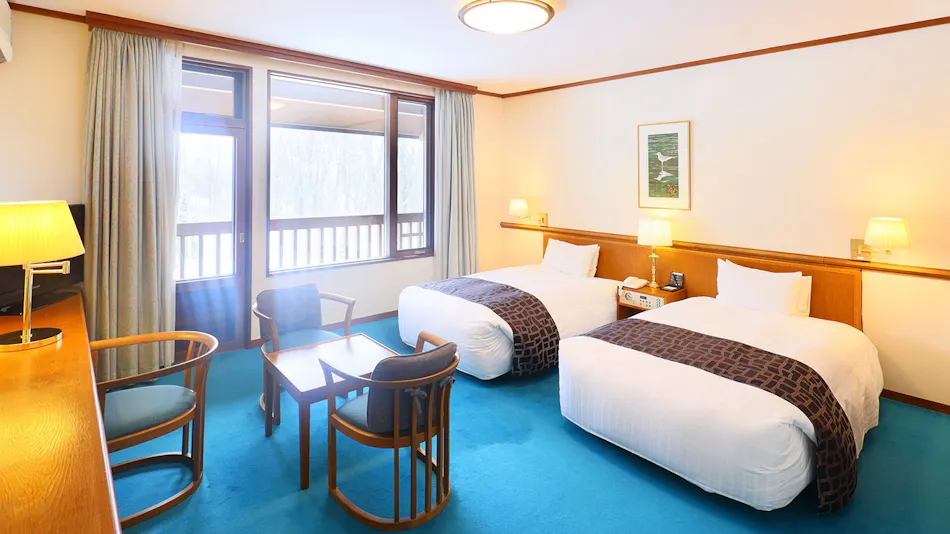


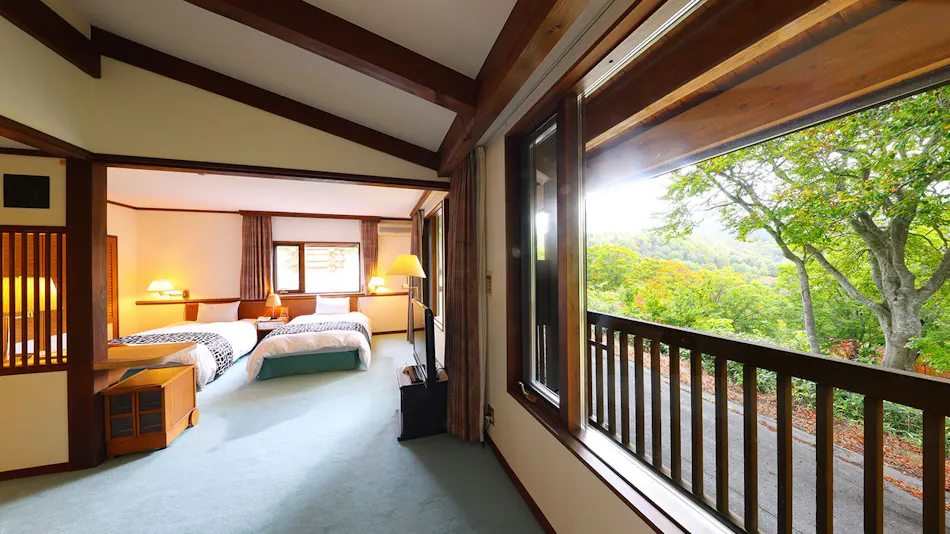
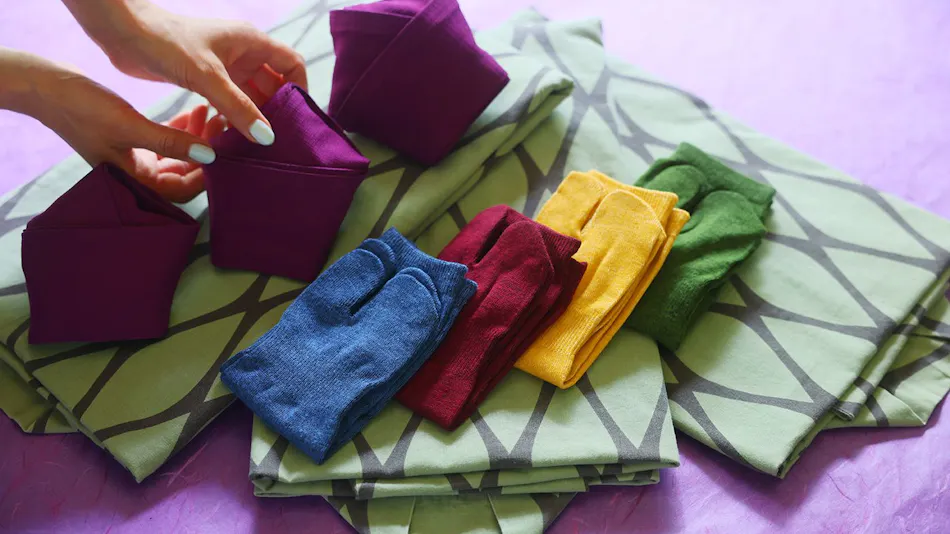
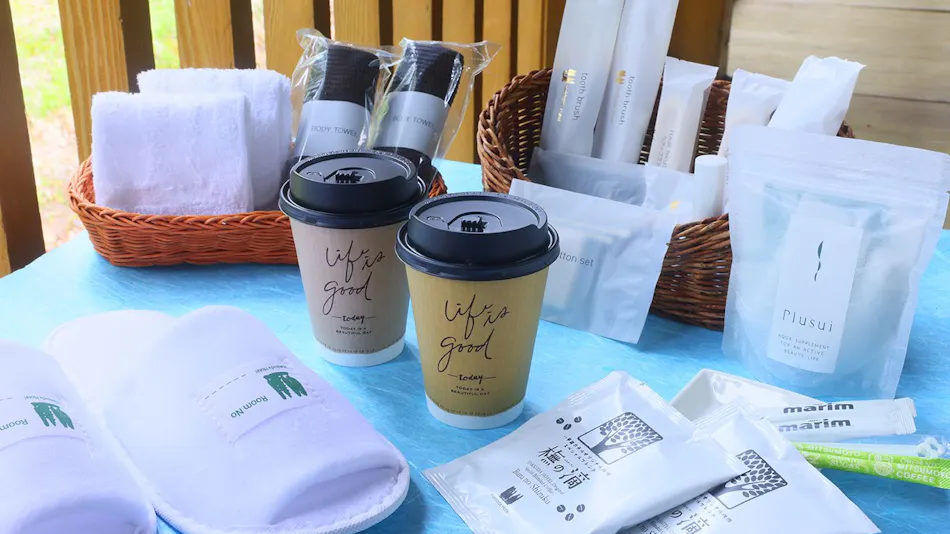
One of Japan’s largest log Hotels, nestled in the majestic nature of Hakkoda. Surrounded by the warmth of carefully selected timber—comforting even to the touch—and a refined, relaxing atmosphere, we promise you an exceptional stay. The breathtaking seasonal views from our large windows feel like a work of art framed before your eyes. Fresh spring greenery, crisp summer forests, vibrant autumn foliage, and a shimmering winter wonderland—Hakkoda’s ever-changing scenery will enrich your time here. A gentle natural-wood fragrance fills the Hotel, while our staff’s heartfelt hospitality and the chef’s exquisite cuisine create a warm and luxurious experience. Escape the bustle of the city and spend a special holiday with someone dear—one that will surely become an unforgettable memory.
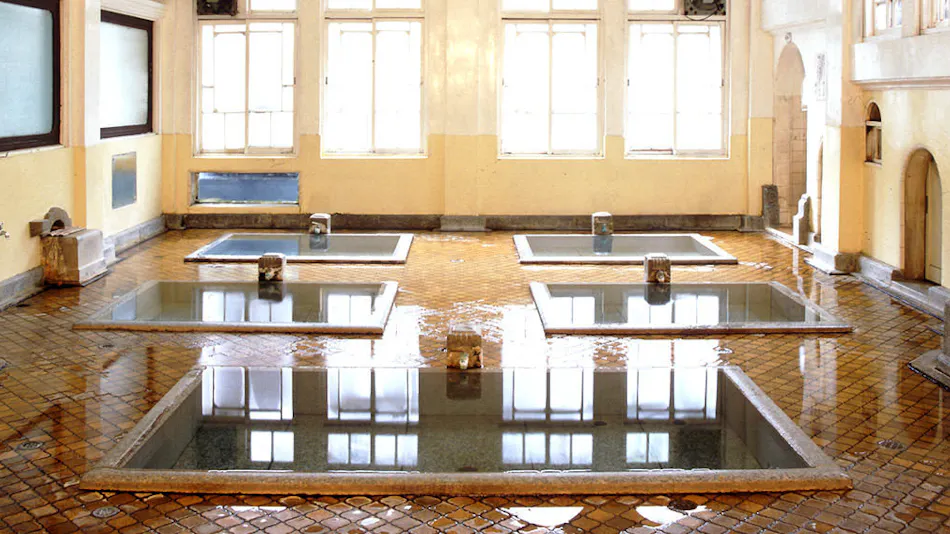
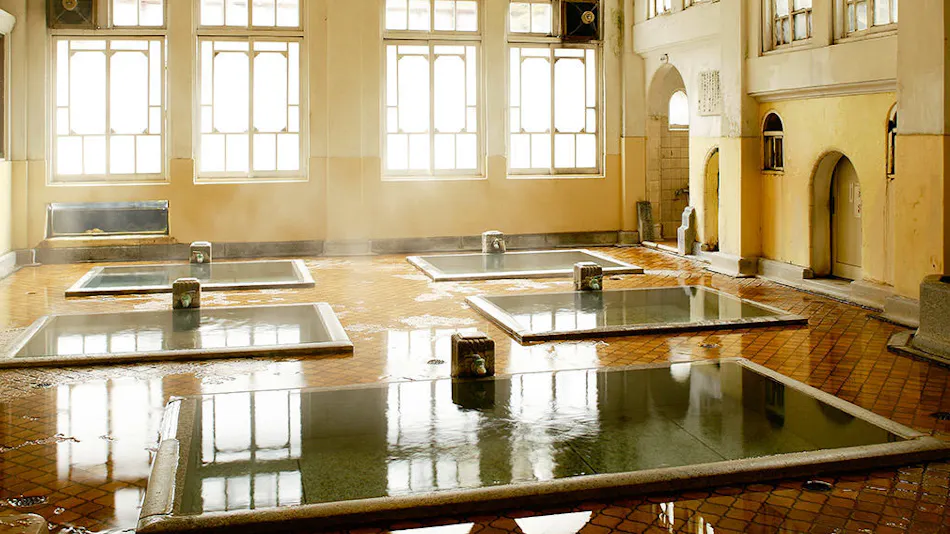
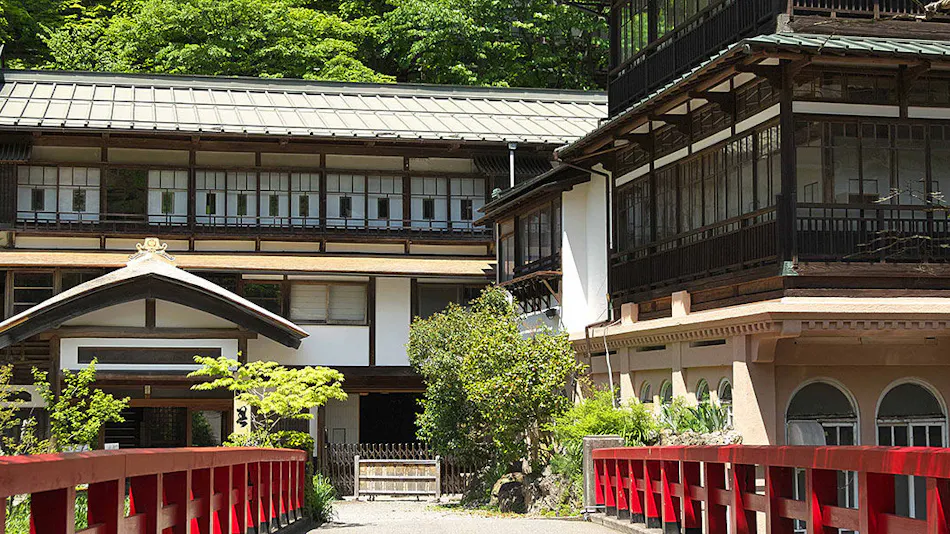
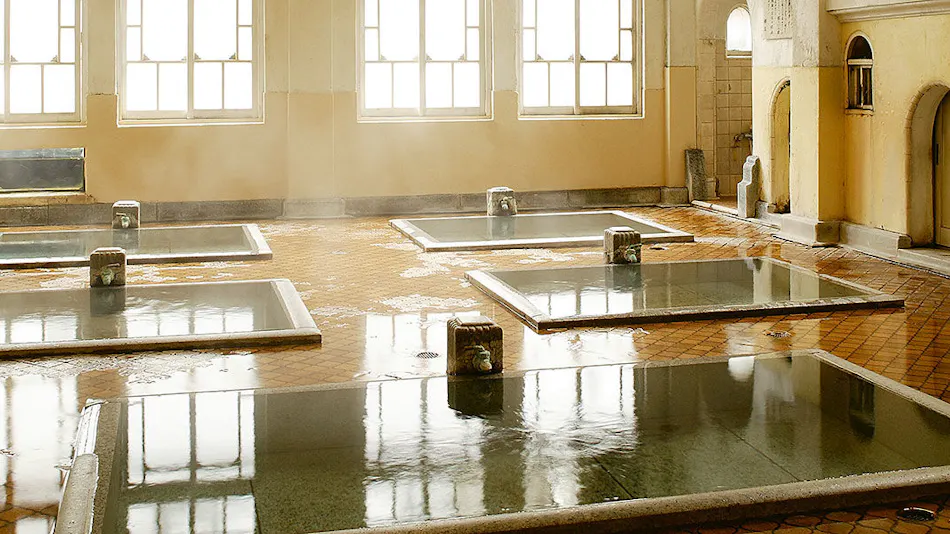
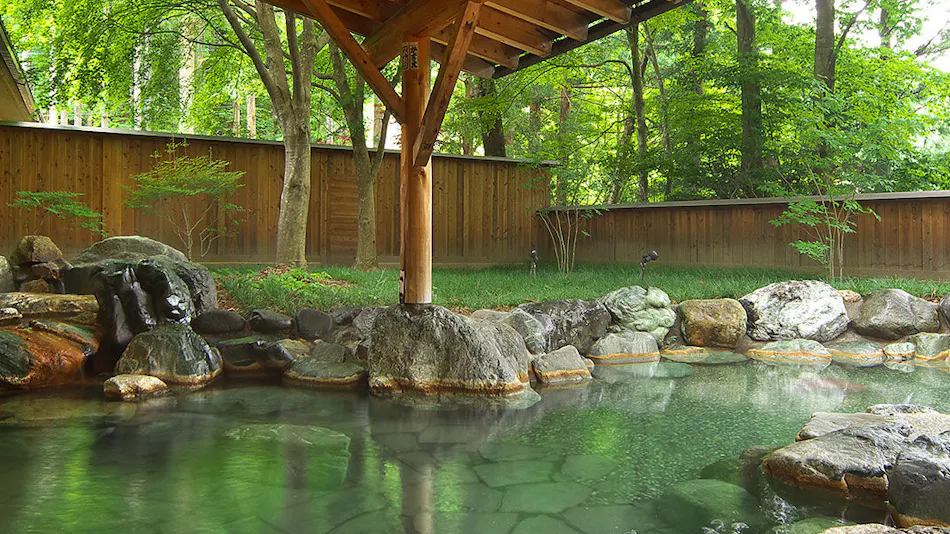
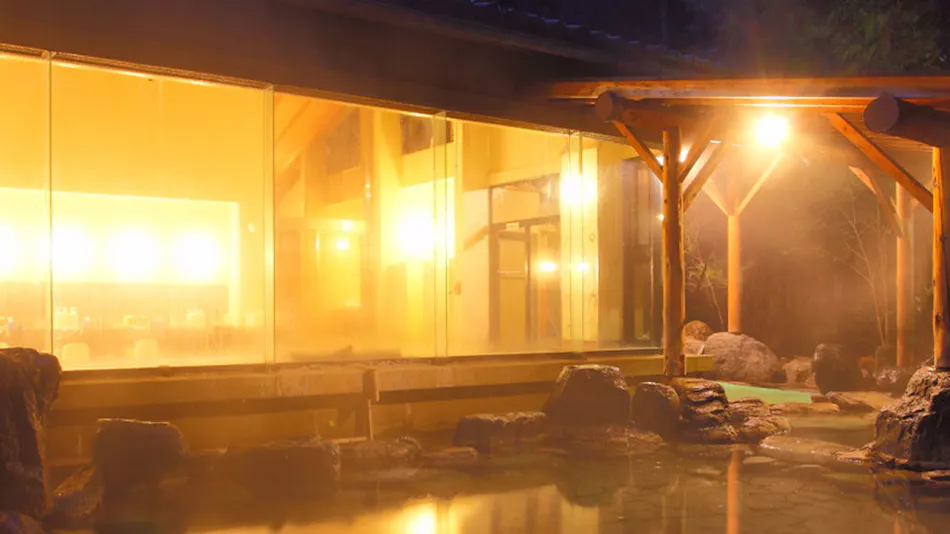
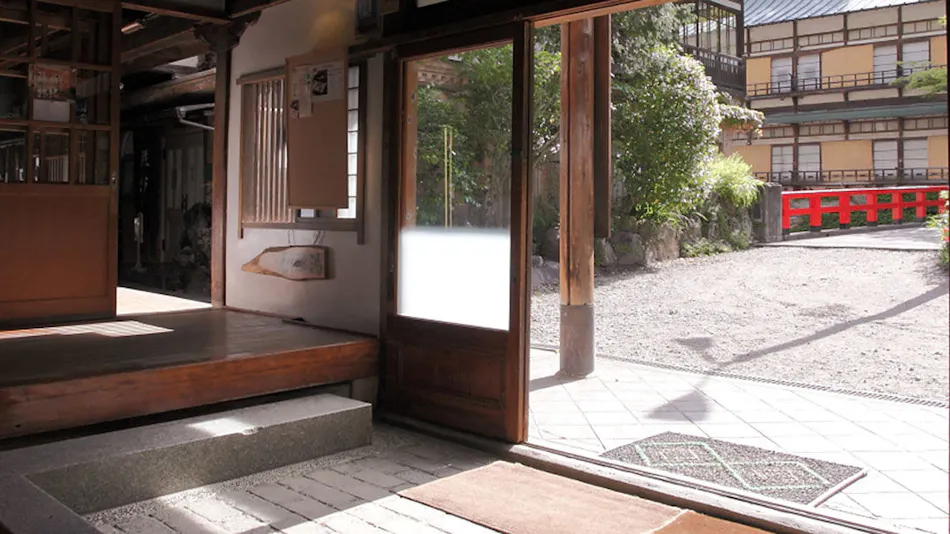
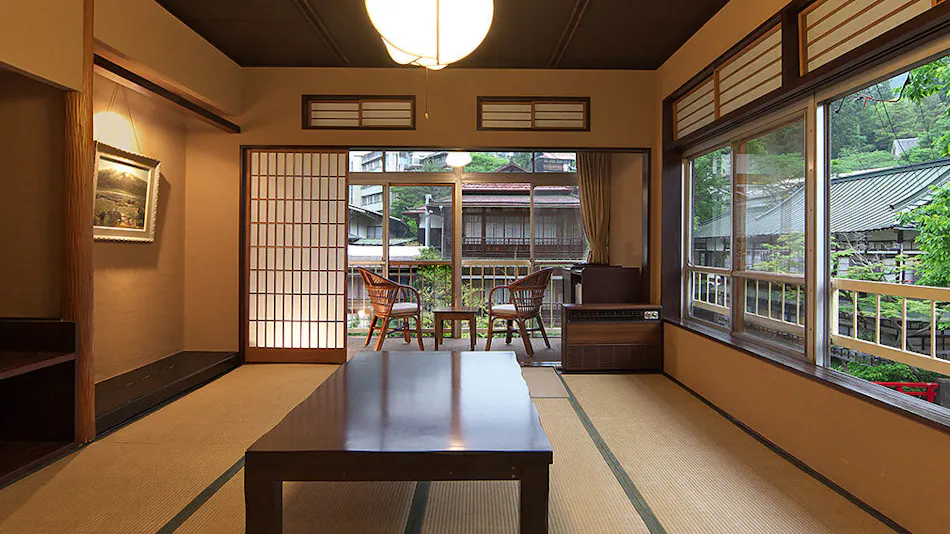
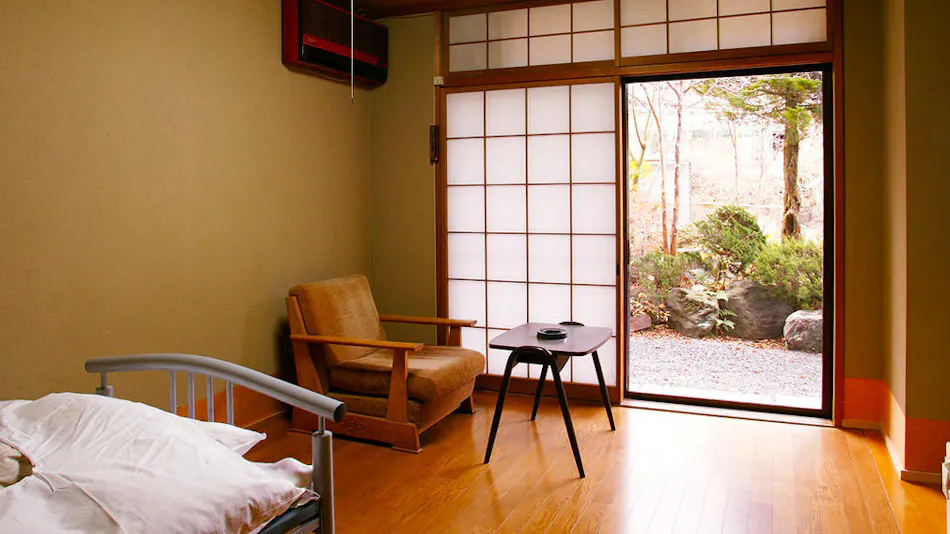
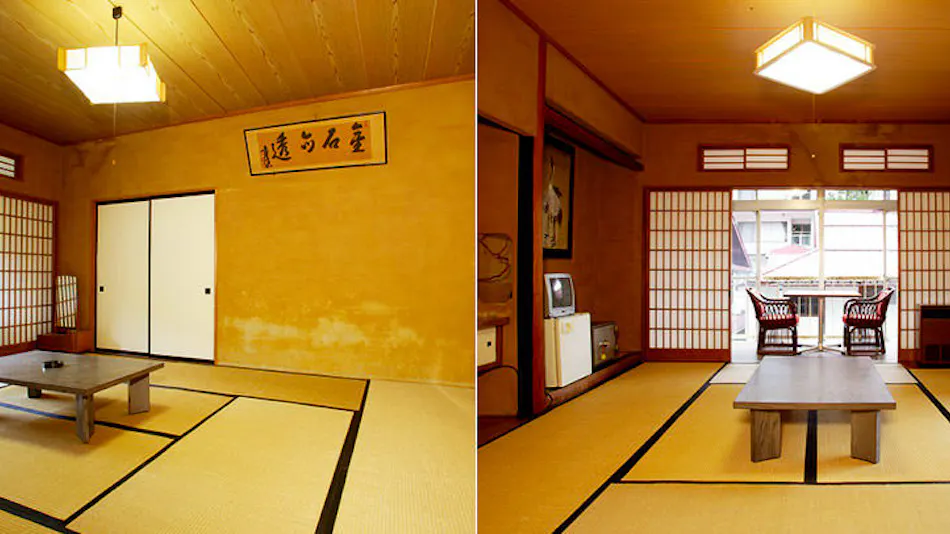
Established in the 7th year of Genroku. This is Japan's oldest property architecture designated as an important cultural property, also famous as the model for the movie "Spirited Away." Enjoy four diverse onsen, including the retro-modern "Genroku Onsen" and the "Mori Onsen" that reflects the changing seasons.
With a proud history and tradition spanning more than 100 years, Nara Hotel is perched on a scenic hill in Nara Park and adjoins the former Daijoin Garden, a designated cultural property. The main building features a tiled roof and Momoyama palace-style cypress construction. Its interior blends Japanese and Western design, evoking the atmosphere of a royal residence.
Stay in a historic building registered as a tangible cultural property, where all meals and Onsen experiences can be enjoyed entirely in your Room from check-in to check-out. Experience a private space that feels both nostalgic and fresh, harmonized with nature, and enjoy a deeply relaxing moment.
In the 10th year of the Showa era, the year following Unzen's designation as Japan's first national park, the Unzen Resort Hotel was established for foreign vacationers.
Since its establishment in Genroku 7 (1694), "Sekizenkan" has welcomed guests for over 300 years, with a constant flow of visitors seeking Onsen therapy. The Property features three distinct buildings: the "Main Building," known as the oldest Onsen inn architecture in Japan, where the culture of Onsen therapy still thrives; the "Sansou," designated as a Registered Tangible Cultural Property of Japan for its excellent design and architectural techniques in the Momoyama style; and the "Kashoutei," located at the highest point in Shima Onsen, surrounded by the tranquility of ancient pine trees. At Sansou and Kashoutei, guests can savor exquisite kaiseki cuisine prepared by the head chef. Enjoy a variety of Onsen experiences, including the retro-modern "Genroku no Yu" and the seasonal "Mori no Yu."
This building was originally a village headman's house where ancestors lived since 1842 (Tenpo 13). Within the premises, there is a nagaya-mon gate, main house, rice storehouse, and garden that have been preserved for 200 years. The rice storehouse, designated as a Registered Tangible Cultural Property, was renovated in 2005 to start a French restaurant. The owner is the 8th generation here. With the desire to preserve it unchanged for the next 200 years and to offer a complete hospitality experience to our guests, we have built a property on the mountain behind. Old things and newly created ones. Cross the stone bridge in the middle, and please enjoy here and there.
Long cherished as a Ryokan that welcomed distinguished guests, this residence has long been held in high regard. The Horiuchi family once flourished as coastal shipping merchants who traveled by boat throughout Japan. Today, Azumi Setoda has inherited their former home, the “Former Horiuchi Residence,” and reimagined it as a Ryokan.A Seto Inland Sea journey in a 140-year-old merchant mansion Azumi Setoda was born from the legacy of the Horiuchi family, prominent merchants who prospered in Setoda through salt production and maritime trade. While preserving 140 years of precious architectural details, the guest rooms have been redesigned as modern spaces for relaxation. Centered on seasonal ingredients from the sea and mountains of Setouchi, we offer a course menu that draws out their character through a variety of techniques. Unbound by any single genre, this approach carries on the history of Setoda—a port town where ships once came and went and diverse cultures and knowledge naturally converged. Enjoy cuisine found nowhere else, served with vessels passed down from the Horiuchi family.
"The renowned hot spring "Yugawara Onsen," celebrated since the ancient Manyoshu era. Located in the heart of this area, "Fujitaya" boasts a history of 135 years. The warmth of the abundant spring water, the comfort of the open-air bath with a gentle breeze. The unique flavors of Sagami, crafted from seasonal ingredients. As Yugawara's oldest property, we sincerely welcome our guests with heartfelt hospitality."
[80 minutes by car from Osaka] Iga-Ueno is a historic castle town and former post town, rich in culture and tradition, home to nationally designated crafts such as Iga ware pottery and Iga kumihimo braiding. It is also known as the birthplace of Iga-style ninja and the haiku master Matsuo Basho. NIPPONIA HOTEL Iga Ueno Castle Town is a decentralized Hotel with just 16 rooms, created by renovating historic buildings scattered throughout the town, including Registered Tangible Cultural Properties dating back around 150 years—reimagining the entire town as one Hotel.In April 2026, a new wing will open featuring a “Kura Sauna,” revitalized from a Meiji-era storehouse. We invite you to enjoy a private retreat moment of deep relaxation amid architecture shaped by time.Dining—one of travel’s greatest pleasures—offers an exceptional gastronomic experience that delights all five senses: legendary Iga beef, renowned for its quality alongside Matsusaka beef yet rarely found outside the area; premium Iga rice ranked at the highest “Special A” level in The whole country’s rice taste rankings; and world-class Iga sake served as the toast at the G7 Ise-Shima Summit. Savor ingredients lovingly raised by local producers.Recommended for families and couples celebrating anniversaries or birthdays. Enjoy refined time with IGAMONO—the cuisine, history, and culture that make Iga proud.
The Yugawara Onsen area, celebrated even in the ancient Manyoshu anthology, is renowned as a place where high-quality Onsen waters flow. Surrounded by famous hot springs, scenic views of the sea and mountains, and abundant local ingredients, it has long been cherished as a destination for leisure and relaxation. In particular, from the mid-Meiji period, many literary figures such as Doppo Kunikida, Natsume Soseki, Akiko Yosano, and Junichiro Tanizaki visited, fostering its development as a place for creativity and camaraderie. The history of Fujiya Ryokan is long-standing, with records indicating that its predecessor, an Onsen inn, existed as far back as the late Edo period. In fact, buildings from the end of the Edo era remained until 1968. According to the "Yugawara Guide" published in 1918, Fujiya Ryokan began as an Onsen Ryokan in 1876, and at the time, it was poetically named "Shuhoen." Crossing the Nagahashi Bridge over the Fujiki River, visitors would find a spacious property with pavilions and annexes, where flowers bloomed year-round. During the Meiji era, Fujiya Ryokan, Itoya Ryokan, Nakanishi Ryokan, and Amanoya were said to have formed a beautiful landscape with their main buildings, annexes, and other structures nestled amidst rich natural surroundings and gardens.
"Kinokawa Onsen Registered Tangible Cultural Property Inn Mikiyama" is a Japanese Ryokan with a 300-year history, located in the heart of the nostalgic Japanese Onsen town, Kinokawa Onsen. Renowned author Naoya Shiga made this Property his regular stay, where his famous short story "At Kinosaki" was born. The wooden architecture, built in 1927 and recognized as a Registered Tangible Cultural Property of Japan, along with a 300-tsubo Japanese garden, retains its charm. In November 2013, the Property underwent a major renovation of its lobby, dining area, and large public bath, transforming into a modern Japanese Ryokan that blends history with contemporary design.From the Room's veranda, guests can enjoy the changing seasons in the garden, or lose themselves in a book in the library. After changing into a yukata, take a leisurely stroll to explore the local Onsen baths, and then savor the delights of the Sea of Japan paired with local sake in the modern dining area. This is where the true pleasures of an Onsen Ryokan, fulfilling your intellectual curiosity, await.
A hidden wooden accommodation located deep in Yunishigawa Onsen offers natural flowing hot spring open-air baths and private open-air baths. The "Bokyotei," a relocated traditional house over 80 years old, is perfect for group stays and features its own private open-air bath. Additionally, guests can enjoy a large open-air bath showcasing the changing seasons, as well as a dining area serving irori-style cuisine and local sake.
Nestled in Izu’s abundant nature, Ochiairo has been cherished by many renowned writers and cultural figures since the Meiji era. An open-air bath overlooking the ever-changing mountains and the gentle murmur of the Kano River, an atmospheric cave bath, and serene indoor baths offer guests the ultimate relaxation. In two distinct saunas—both recipients of a Sauna Schwitz award—enjoy a one-of-a-kind “totonoi” experience with outdoor cooling as you feel the breeze of Izu. Savor seasonal cuisine made with generous use of local ingredients blessed by Izu’s rich land and sea, and enjoy the changing seasons through taste as well. Spend unhurried moments in our lounge warmed by the flicker of the fireplace, or relax in your Room as your mind unwinds. Help yourself freely to local Shizuoka craft beer, carefully selected wines, and thoughtfully chosen snacks to your heart’s content. Timeless beauty preserved in cultural heritage meets refined modern hospitality to welcome every guest. Experience a stay found only at Ochiairo—one that sets both body and mind free.
A limited accommodation for six groups per day, featuring two distinct styles: the 150-year-old residence of a local notable, affectionately called "Ooya" by villagers, and the "Cliff House" with breathtaking mountain views. A fusion of sophisticated designer furniture and traditional architecture, complemented by the local Onsen known as "Bijin no Yu." Enjoy beautifully crafted dishes made with seasonal ingredients from the village and a selection of local sake in an all-inclusive experience. Immerse yourself in village life and discover the source of true richness during your stay.
Less than a two-hour flight from Tokyo, "Wasure no Sato Gajoen" is a beautiful Property that perfectly blends into the lush, deep greenery of Kirishima's nature, offering an exceptional escape despite its outstanding accessibility. Situated along the Amori River, the Property features only eight standalone Rooms, each housed in relocated traditional thatched-roof houses. Every Room is equipped with a private Onsen bath, fed 100% by natural hot spring sources. The dishes, delicately prepared with vegetables grown in the Property's own garden, deliver flavors unique to the region and nourish deeply. The thatched roofs, irori hearths, and the river flowing beside the Property evoke a sense of peace, reminiscent of Japan's traditional rural landscapes. "Wasure no Sato Gajoen" is a place where you can forget the distractions of daily life while rediscovering the truly important things that should never be forgotten.
Established in the sixth year of the Taisho era. The craftsmanship and spirit of the palace carpenters of Bessho Onsen live on, embodying a century of history. A fusion of traditional Japanese architecture and elegant Western ambiance. Celebrate the extraordinary with the seasonal beauty of Japan across a 6,500-tsubo estate and the romantic charm of the Taisho era.
The third-generation owner of Arai Ryokan had close relationships with literary and artistic figures, leading to the creation of numerous works of Japanese painting and literature at Arai Ryokan. The artistic sensibilities are reflected in the architecture and gardens, making them a valuable cultural heritage.
Established in 1878 as Japan's first full-scale Resort Hotel in Miyanoshita, Hakone, Fujiya Hotel began with a single Western-style building constructed by its founder, Sennosuke Yamaguchi. Over time, through numerous expansions and renovations, it has become a grand architectural symbol of Hakone. Having overcome many challenges, including natural disasters, much of the building was designated as a Registered Tangible Cultural Property in 1997. After more than two years of extensive renovations, the "new" Fujiya Hotel reopened in 2020. While preserving its timeless charm and design along with its spirit of hospitality, we continue to create new history as a pioneer among classic hotels to provide an even more comfortable and relaxing experience for our guests.