Nationwide × Meiji-Style AccommodationRecommended Hotel·Ryokan
入力欄の先頭で左矢印キーを押すと、選択中の検索条件に移動できます。chip上では左右矢印で移動し、DeleteキーまたはBackspaceキーで削除できます。
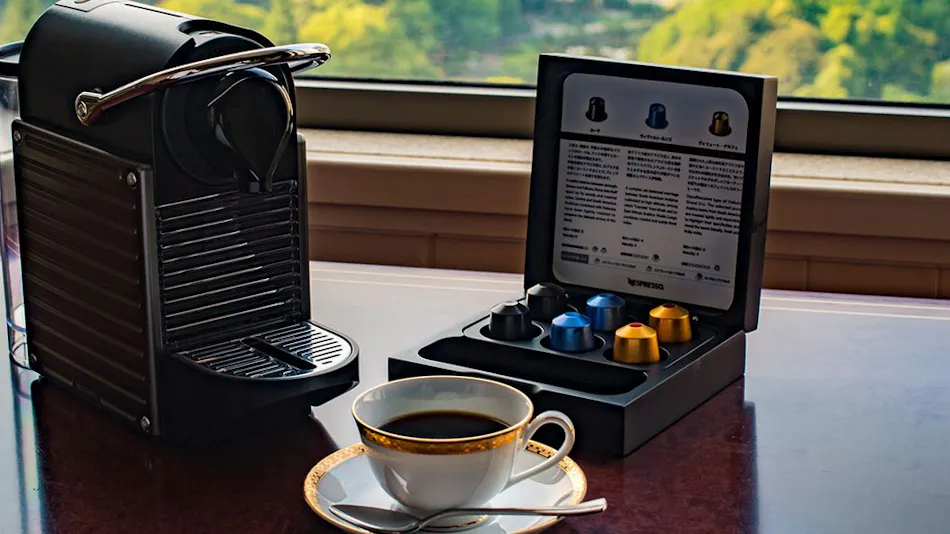
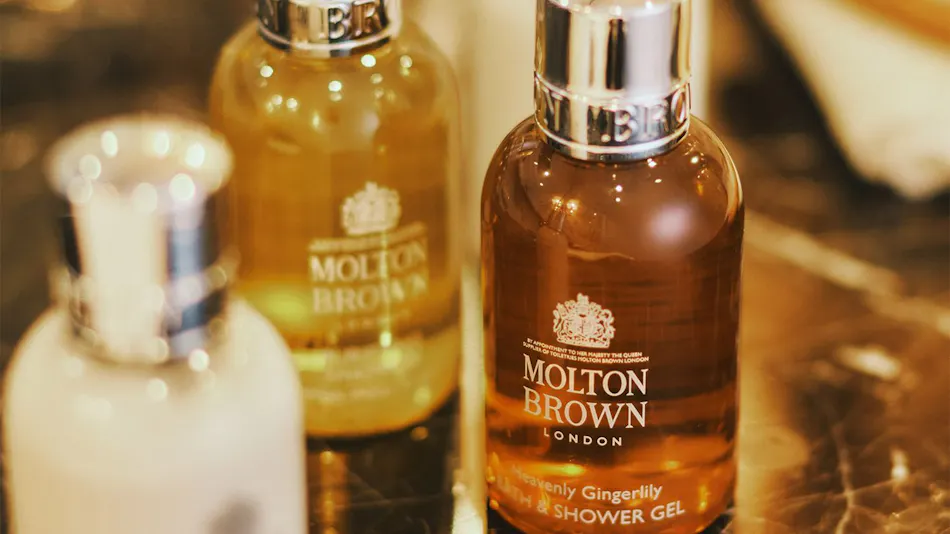
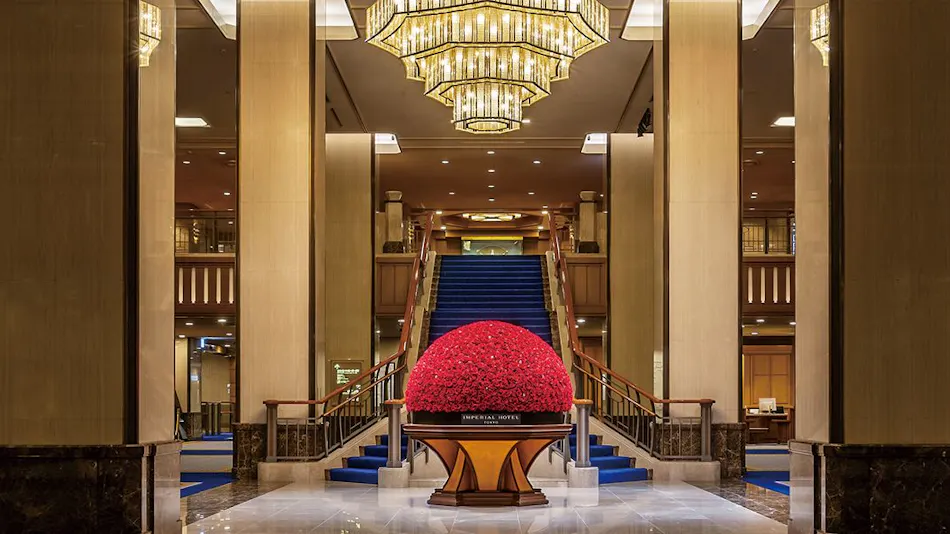
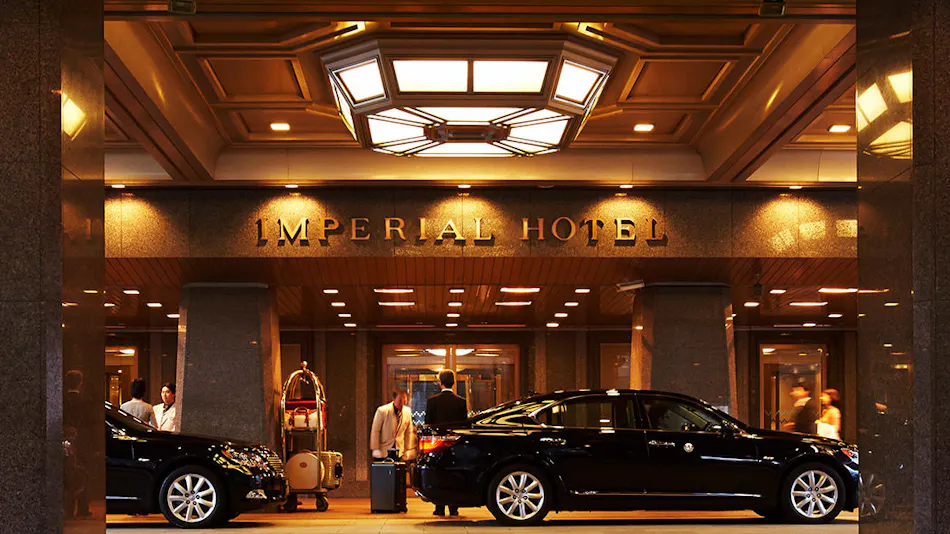
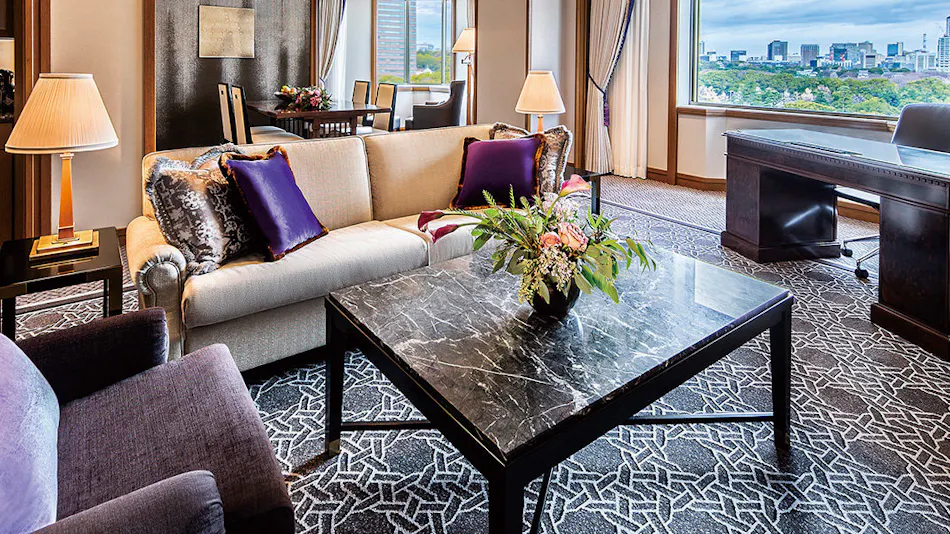
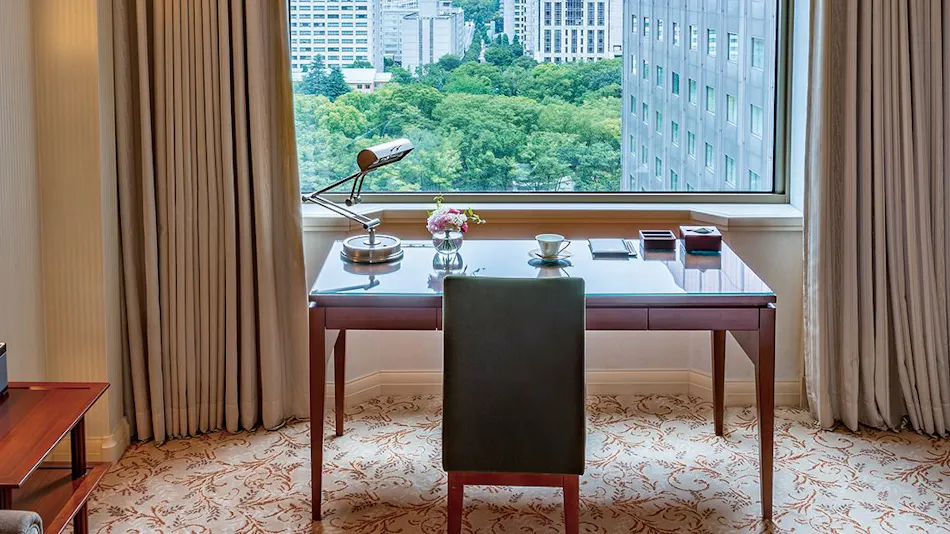
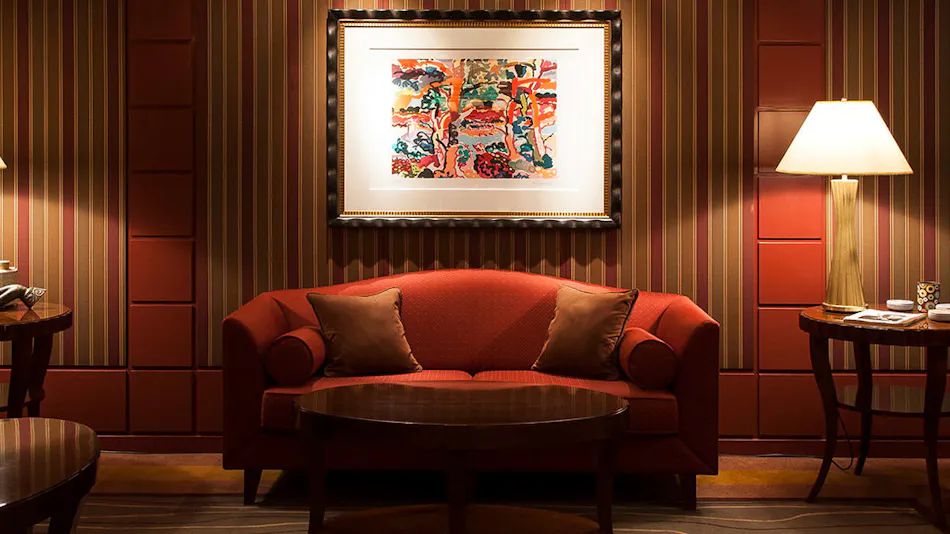
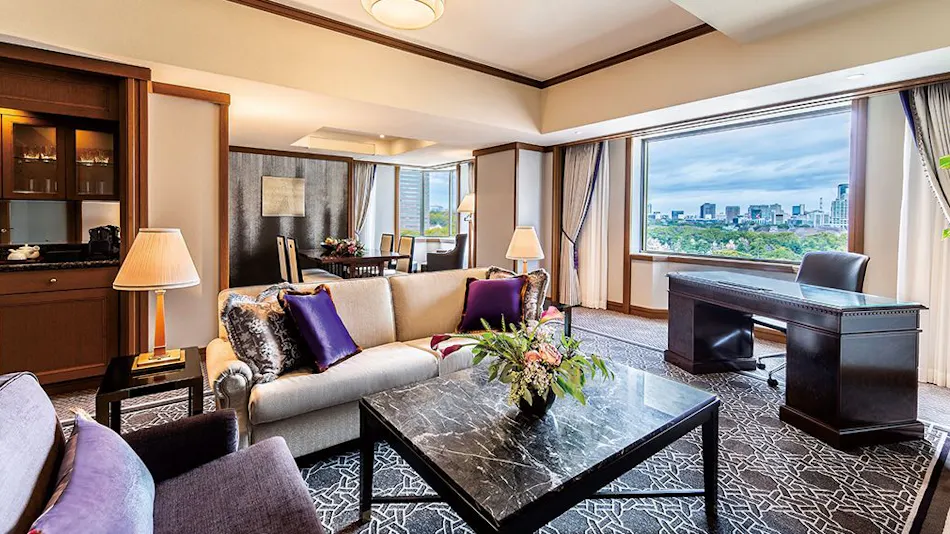
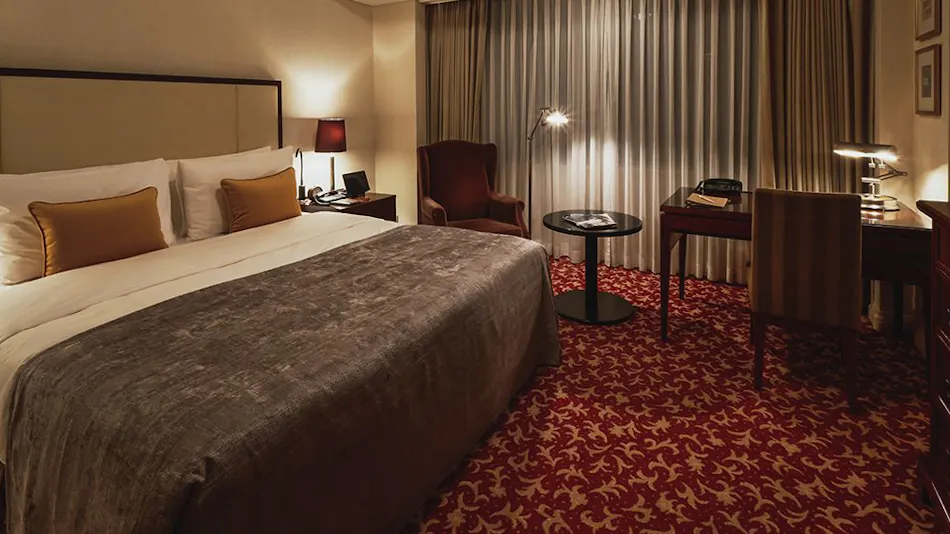
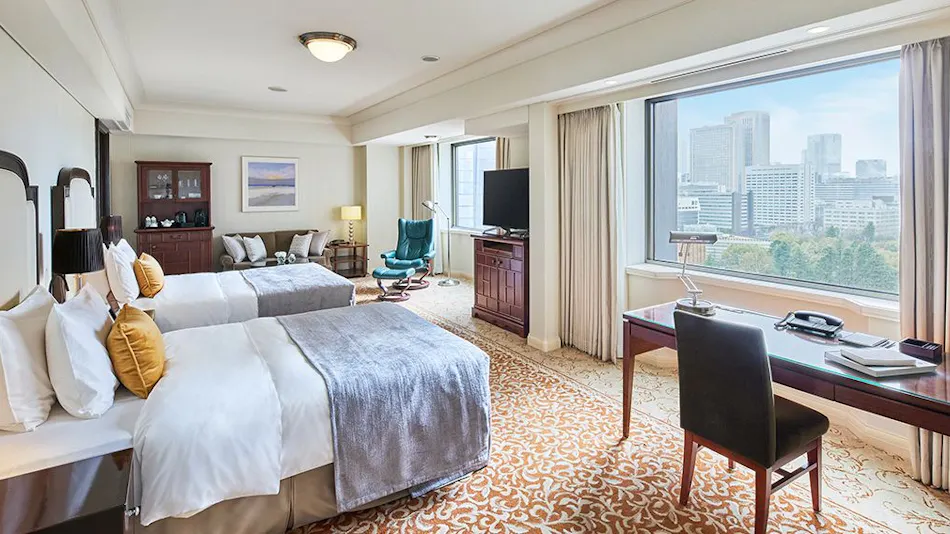
The Imperial Hotel opened in Hibiya in 1890 (Meiji 23) as Japan's state guesthouse, with the aspiration of providing the finest hospitality. With an unwavering spirit of hospitality that transcends time and a commitment to facing each guest with a fresh perspective every day, the Imperial Hotel will continue to welcome guests in the years to come. The Property features restaurants and bars, as well as exclusive Facilities for guests such as an indoor pool, sauna, fitness gym, and music room. Additionally, the Hotel is located in front of the lush greenery of Hibiya Park and the Outer Gardens of the Imperial Palace, and is adjacent to Ginza and Marunouchi, where guests can enjoy shopping, theater, and the business district.
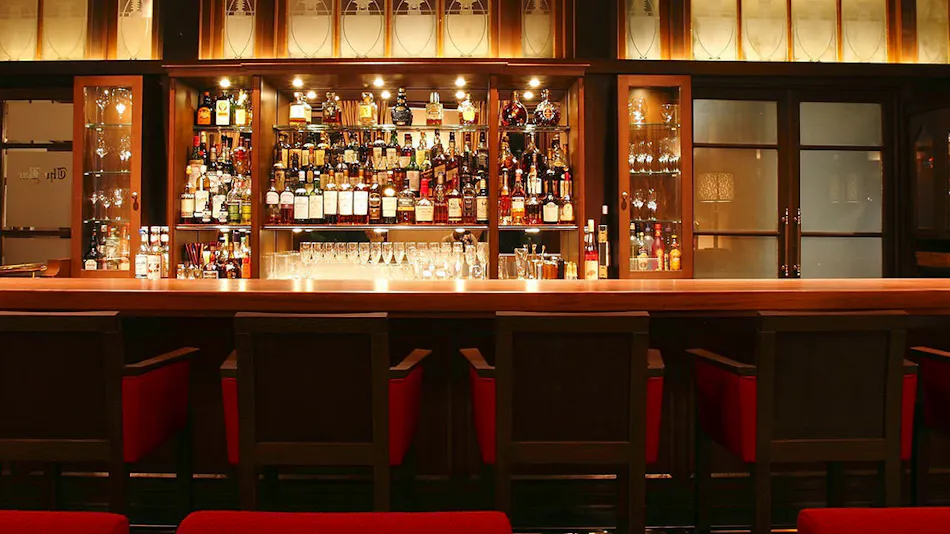

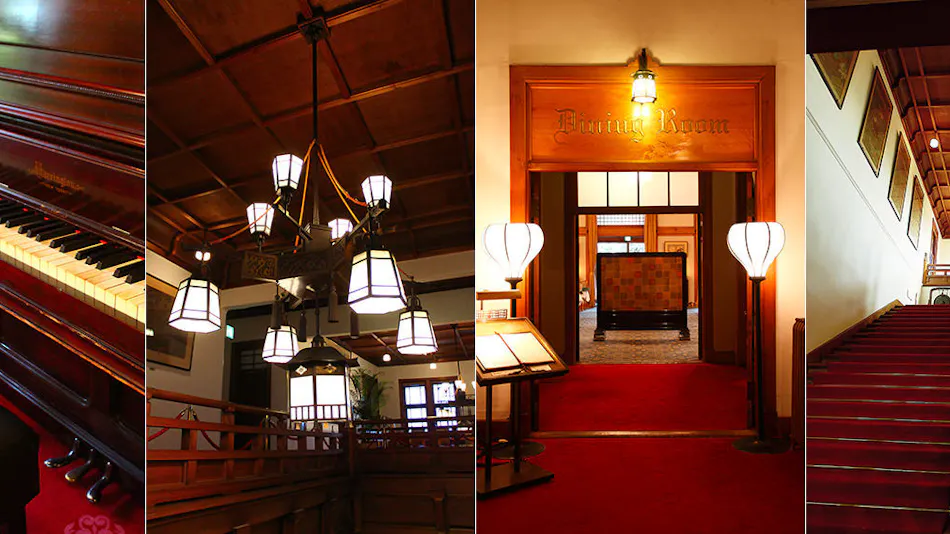

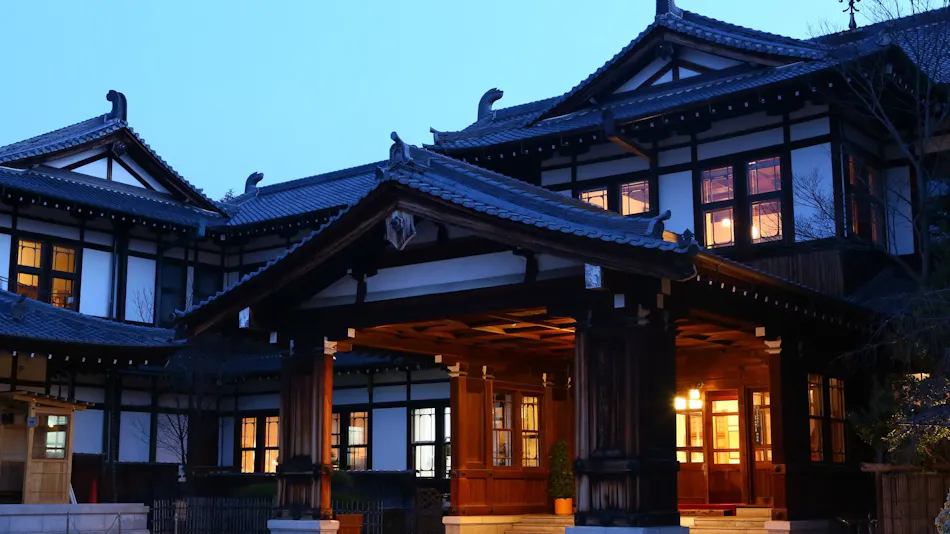
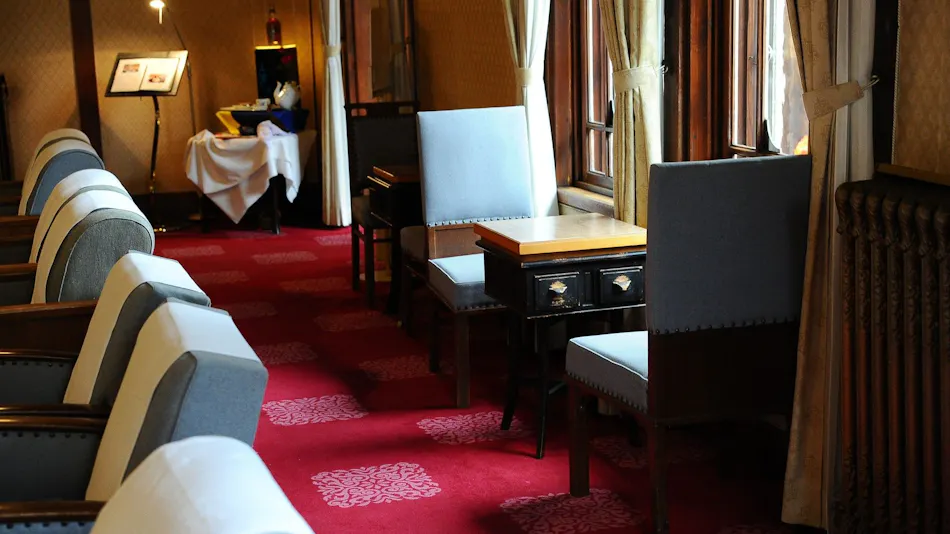
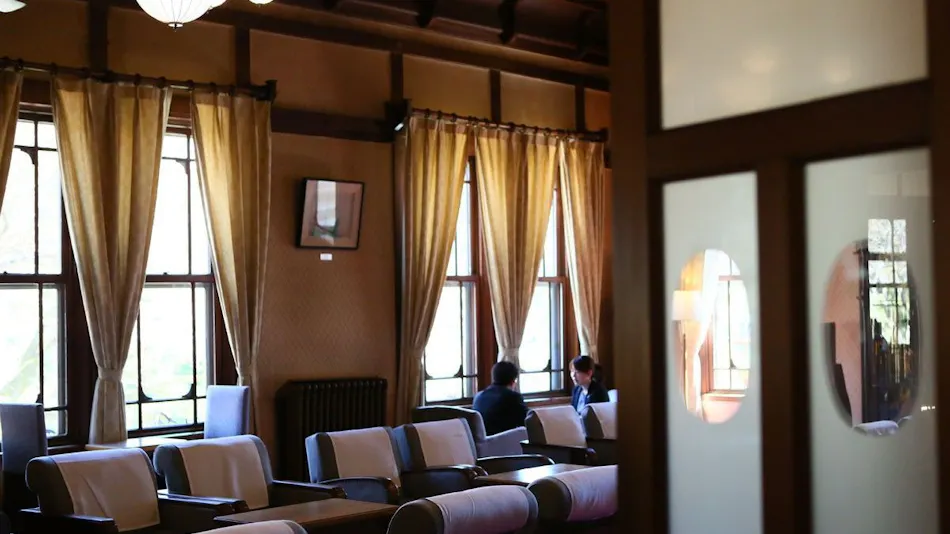


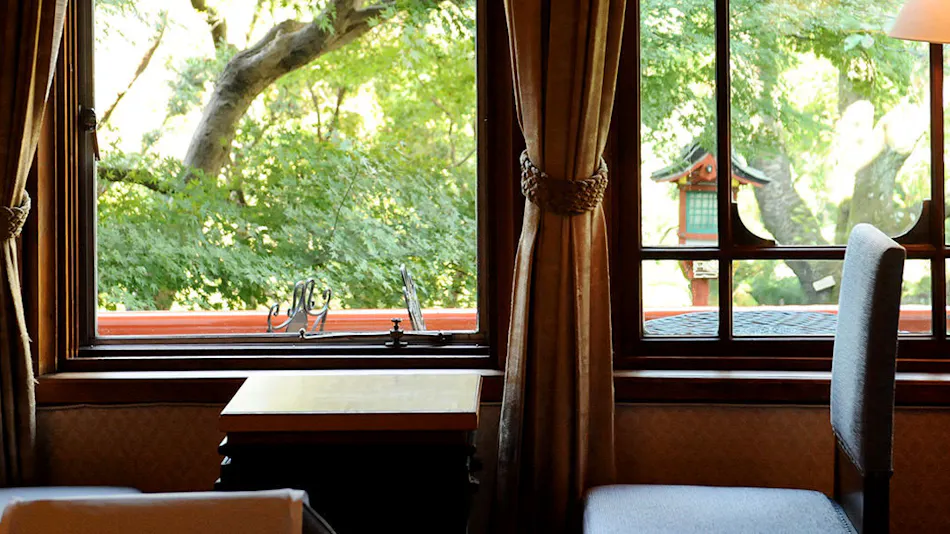
With a proud history and tradition spanning more than 100 years, Nara Hotel is perched on a scenic hill in Nara Park and adjoins the former Daijoin Garden, a designated cultural property. The main building features a tiled roof and Momoyama palace-style cypress construction. Its interior blends Japanese and Western design, evoking the atmosphere of a royal residence.
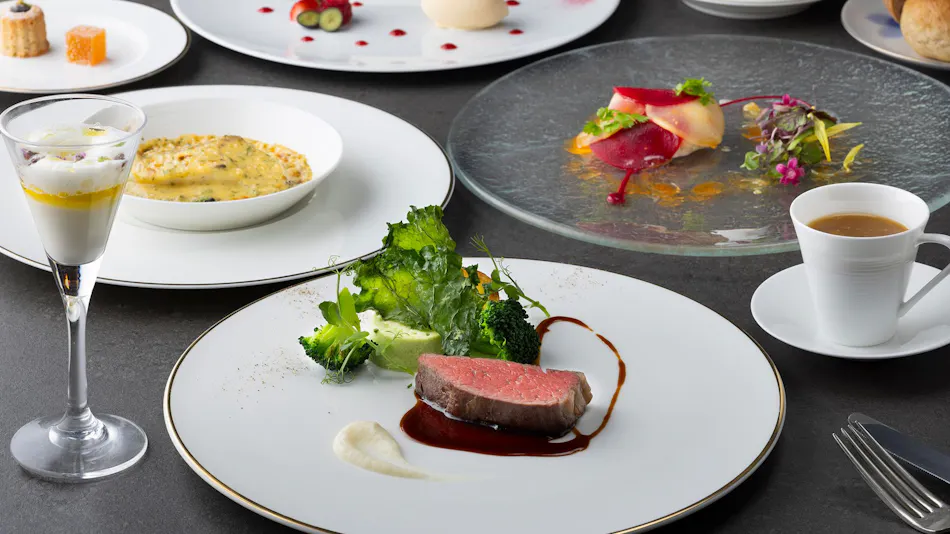
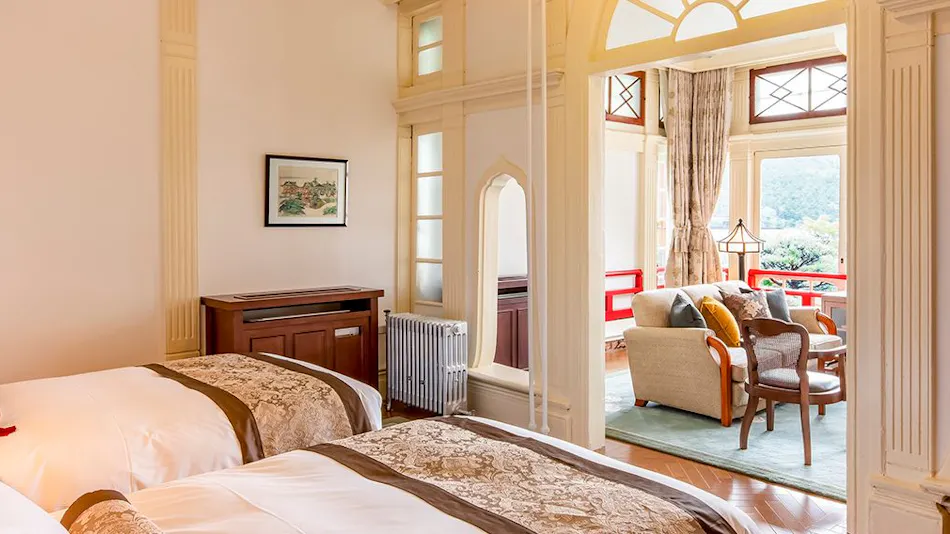
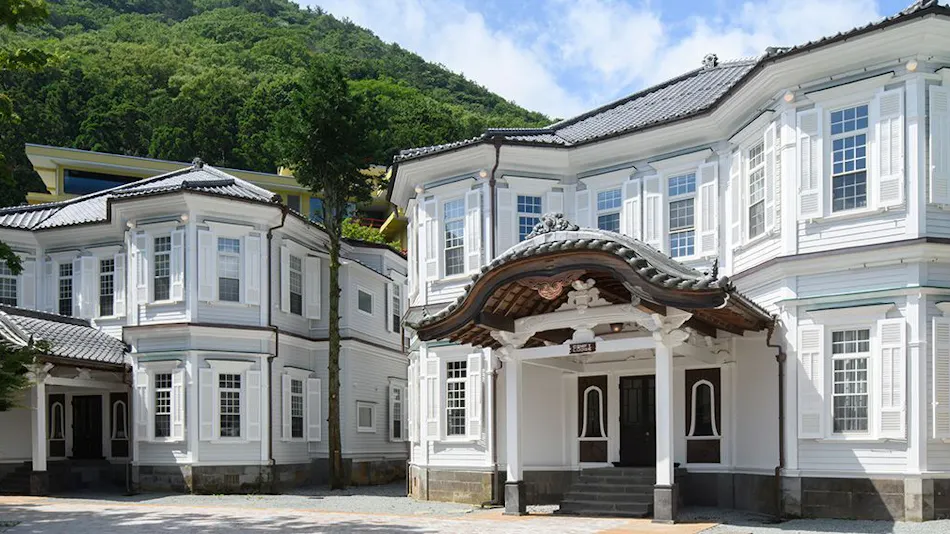
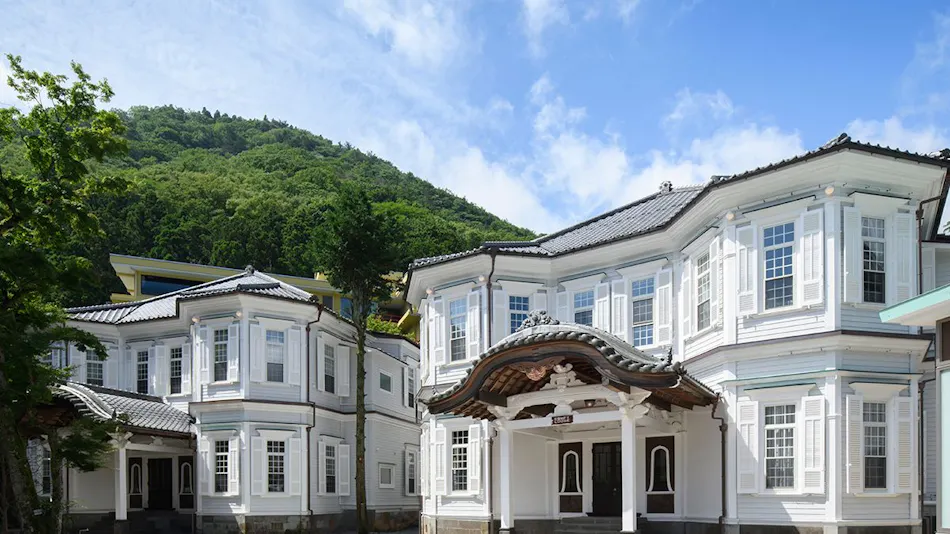
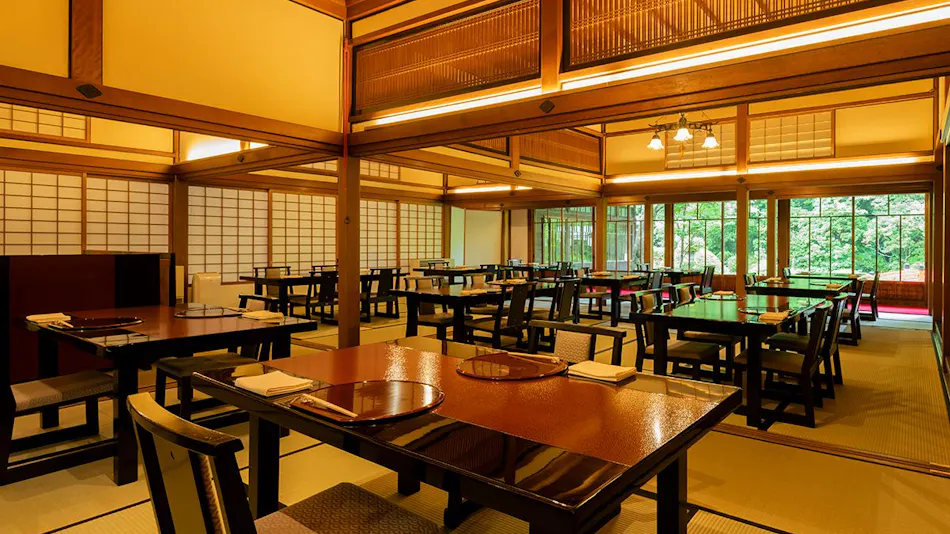
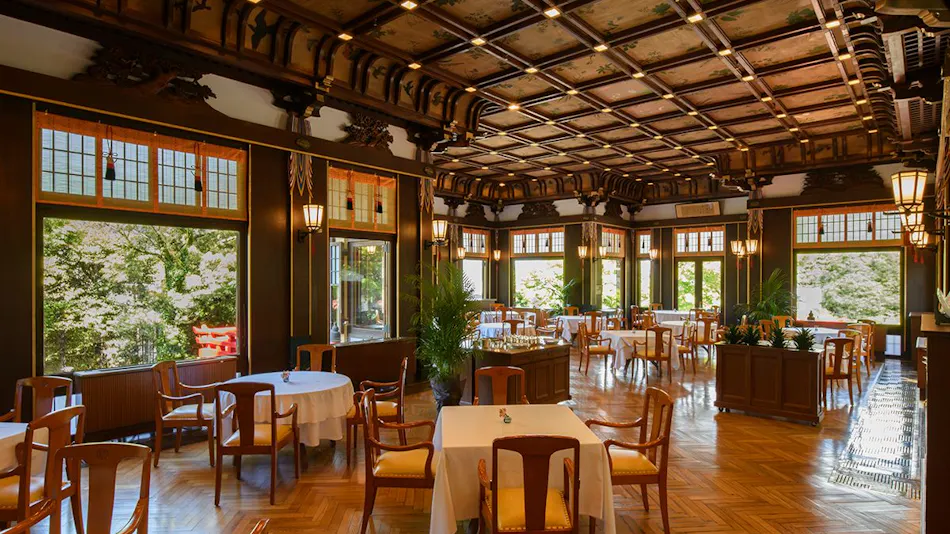
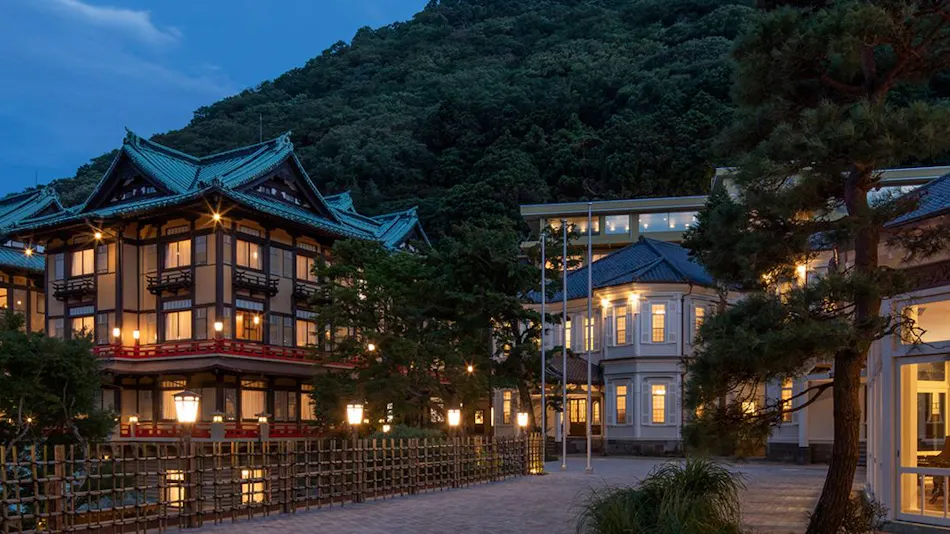
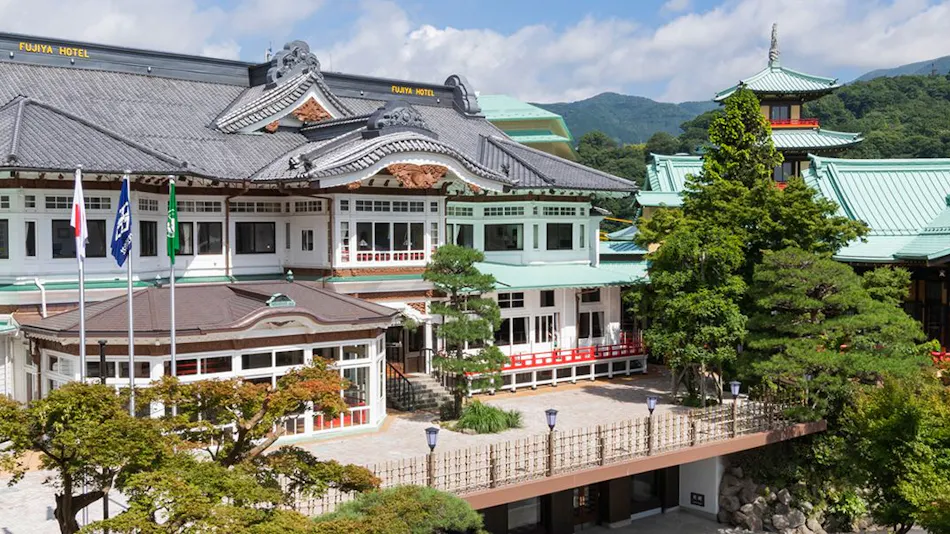
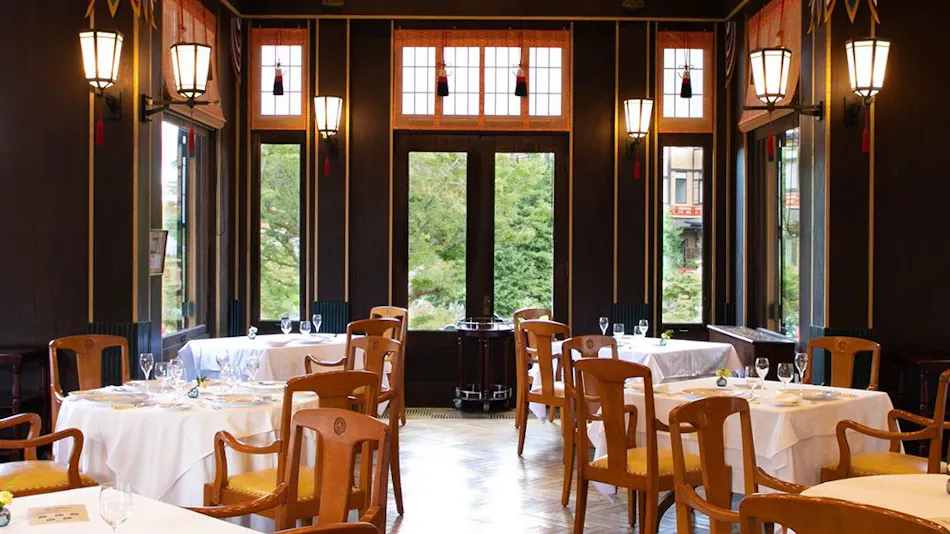

Established in 1878 as Japan's first full-scale Resort Hotel in Miyanoshita, Hakone, Fujiya Hotel began with a single Western-style building constructed by its founder, Sennosuke Yamaguchi. Over time, through numerous expansions and renovations, it has become a grand architectural symbol of Hakone. Having overcome many challenges, including natural disasters, much of the building was designated as a Registered Tangible Cultural Property in 1997. After more than two years of extensive renovations, the "new" Fujiya Hotel reopened in 2020. While preserving its timeless charm and design along with its spirit of hospitality, we continue to create new history as a pioneer among classic hotels to provide an even more comfortable and relaxing experience for our guests.
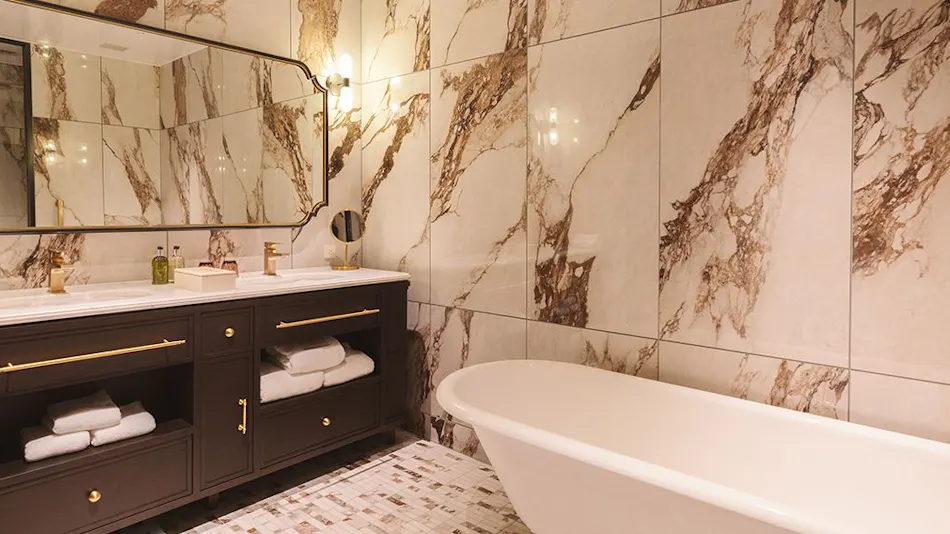
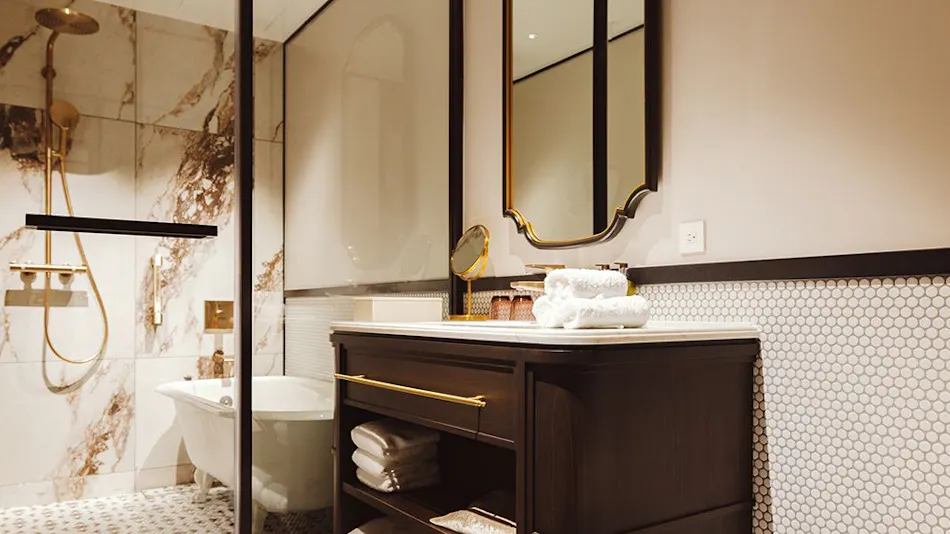
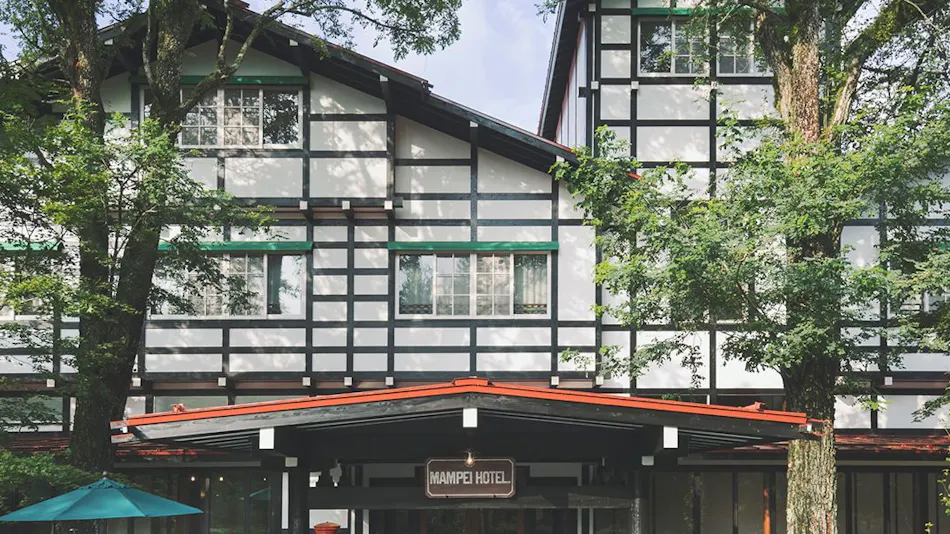
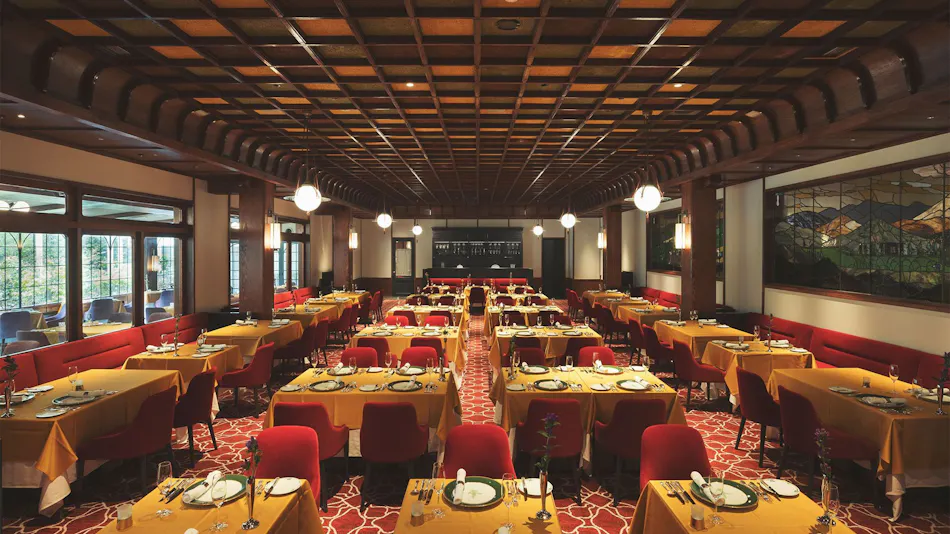
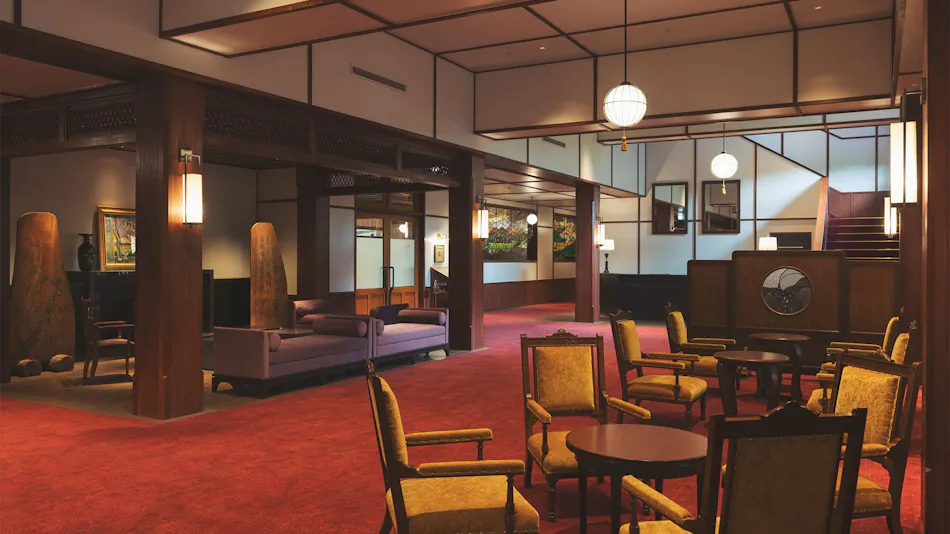


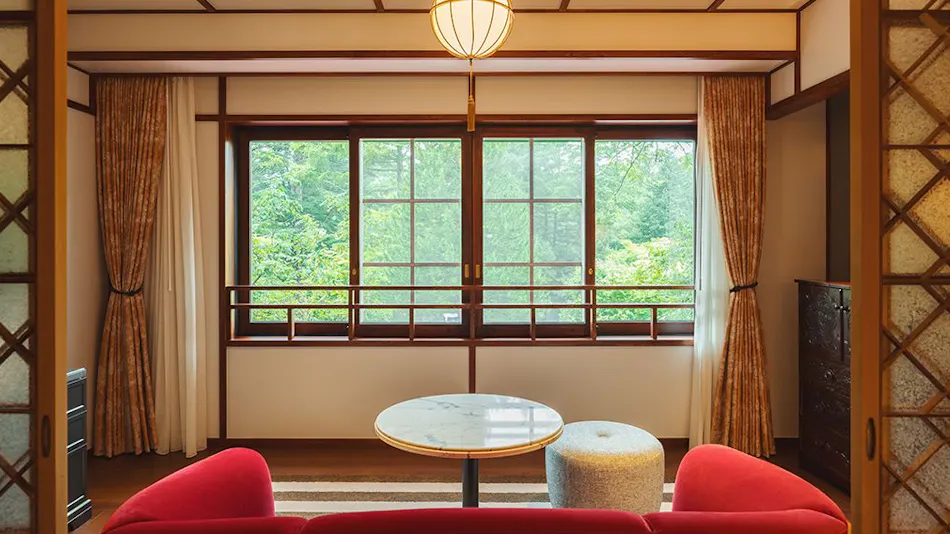
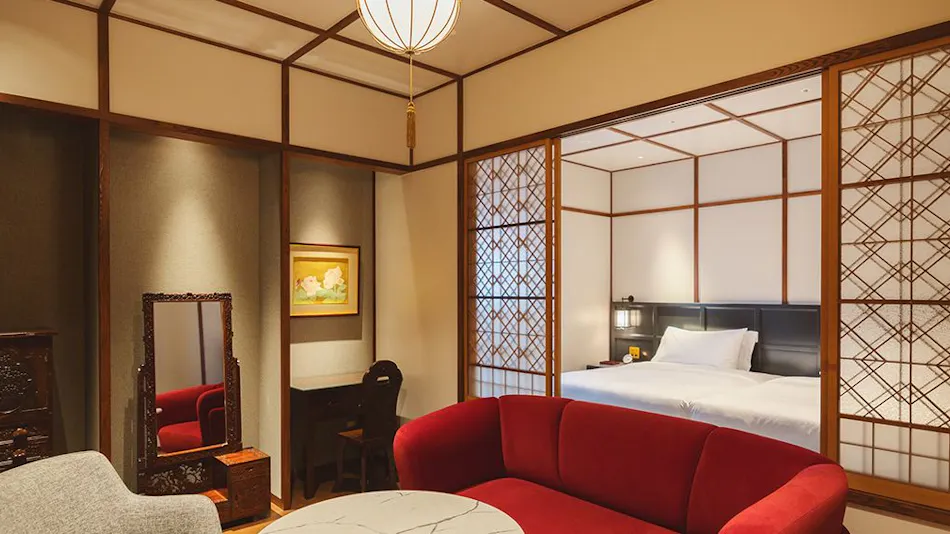
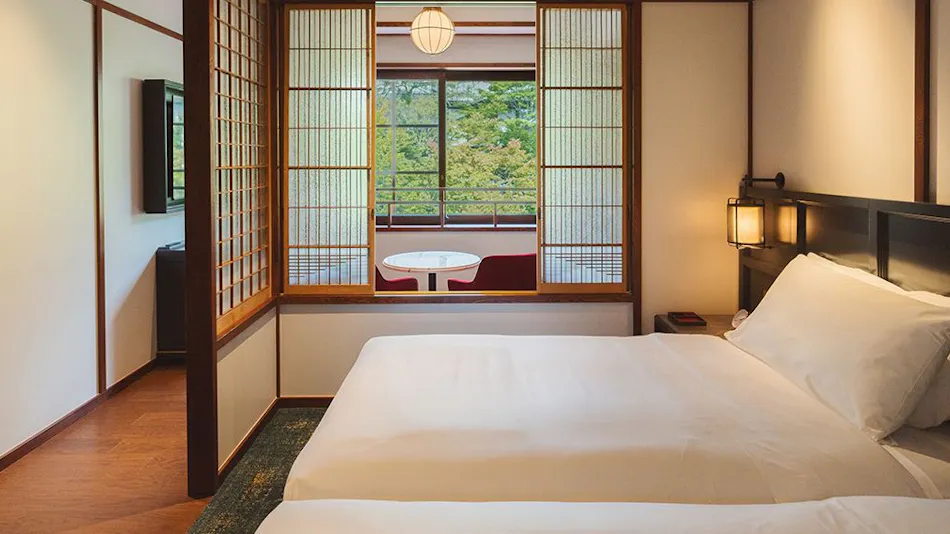
Nestled within the lush forests of Karuizawa, the property features three accommodation buildings: 'Alpskan,' 'Atagokan,' and 'Usuikan.' Relish in luxurious relaxation while reflecting on the inherited traditions and the passage of time.
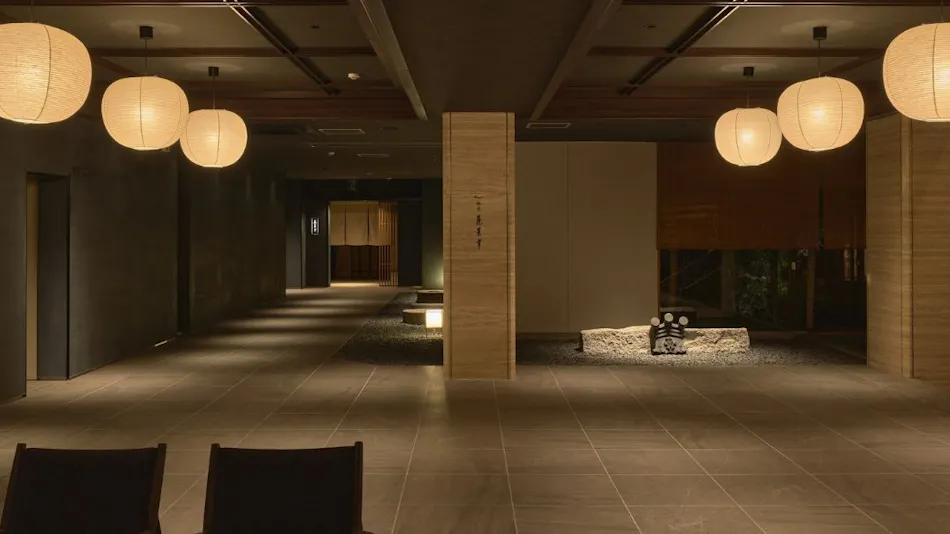
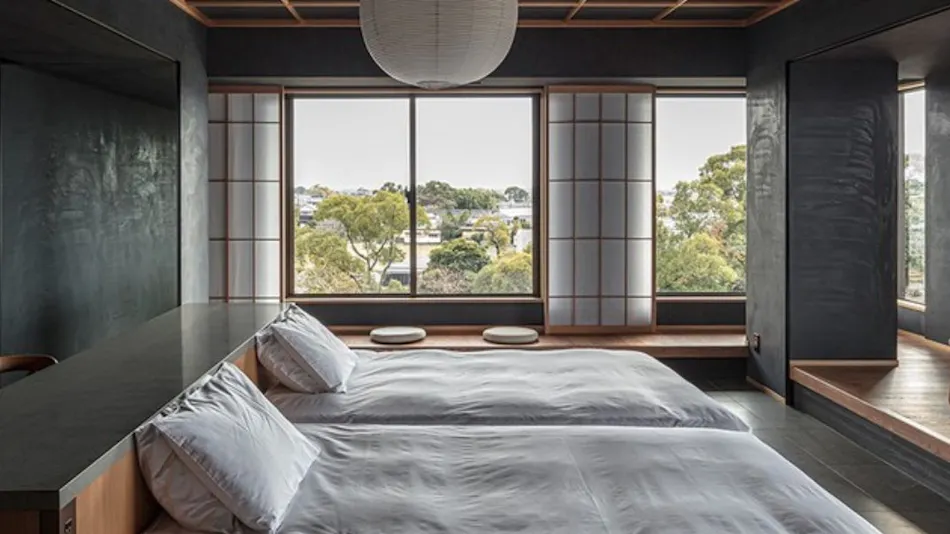
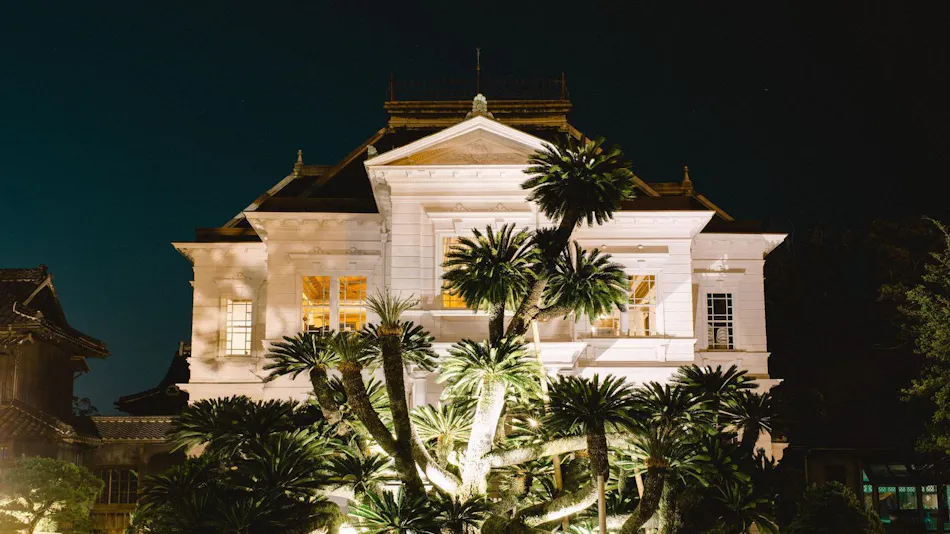
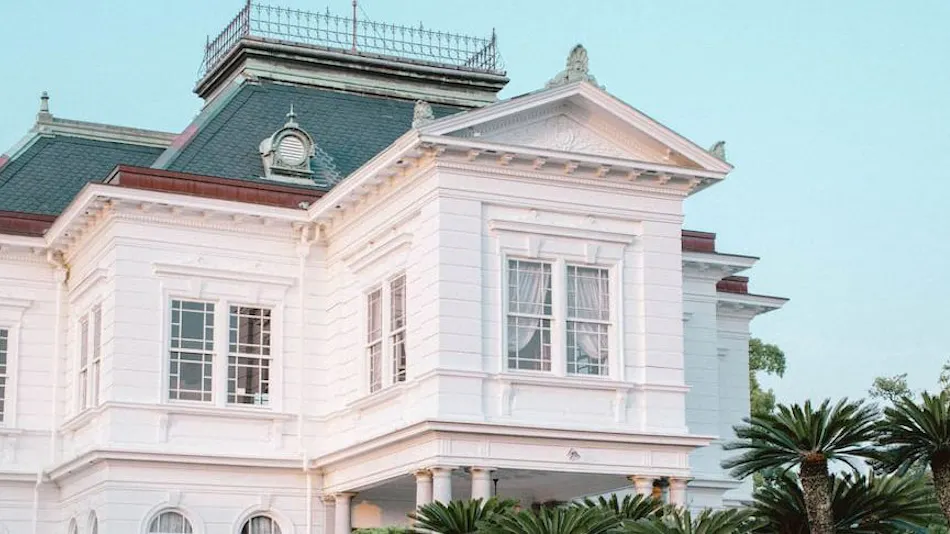
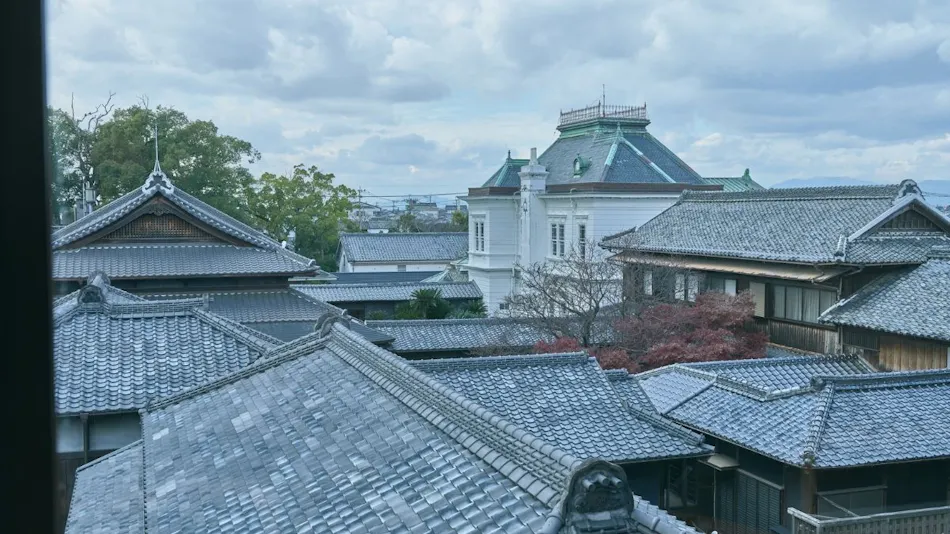
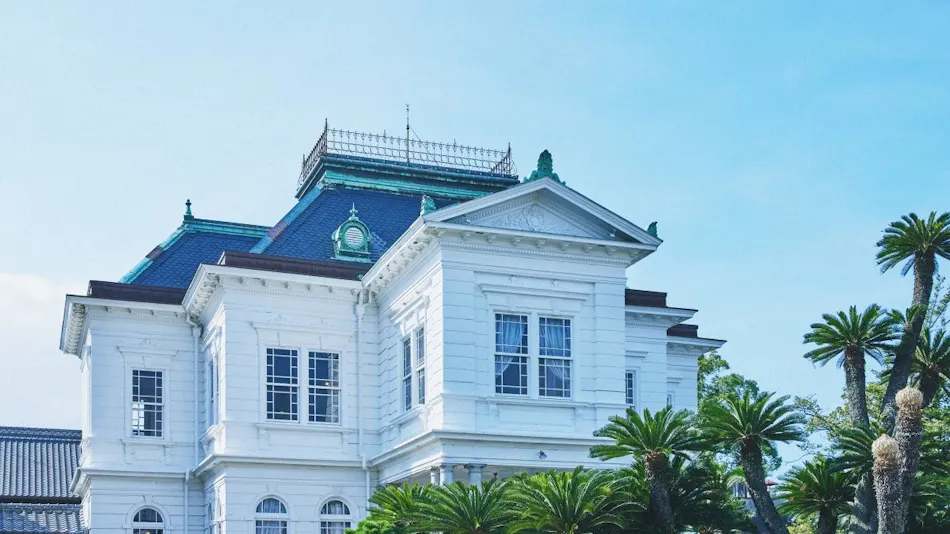
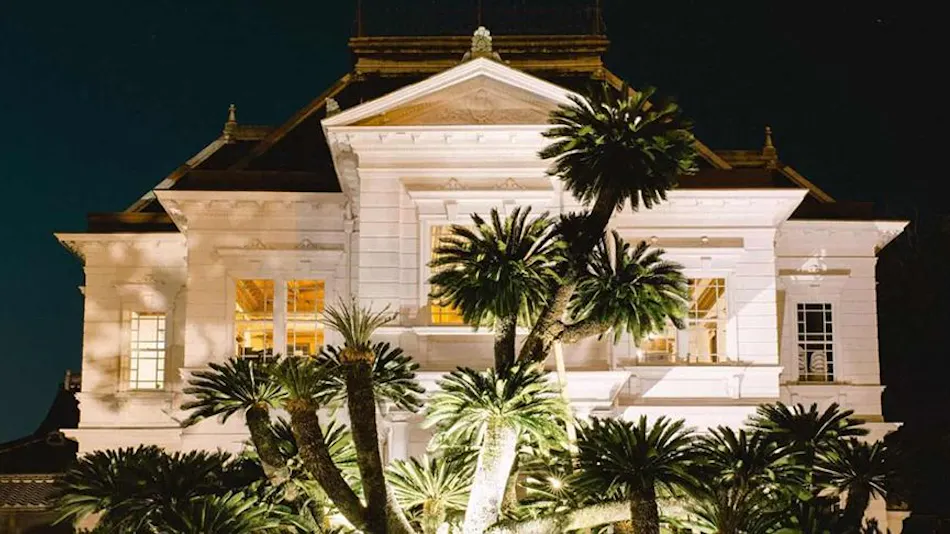
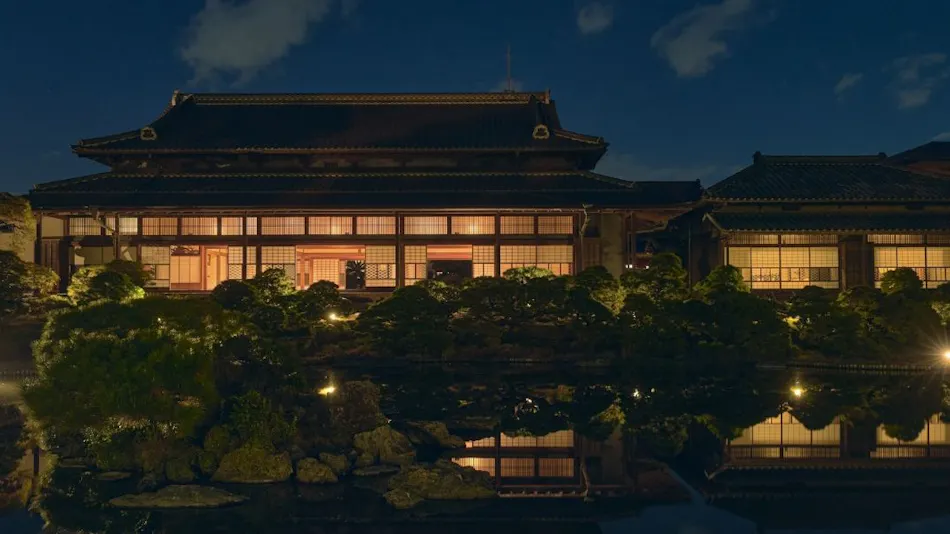
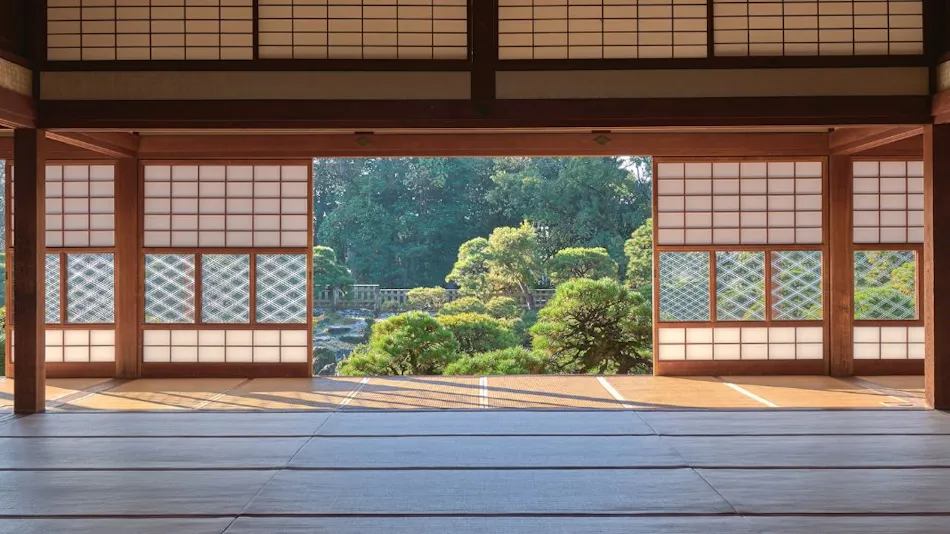
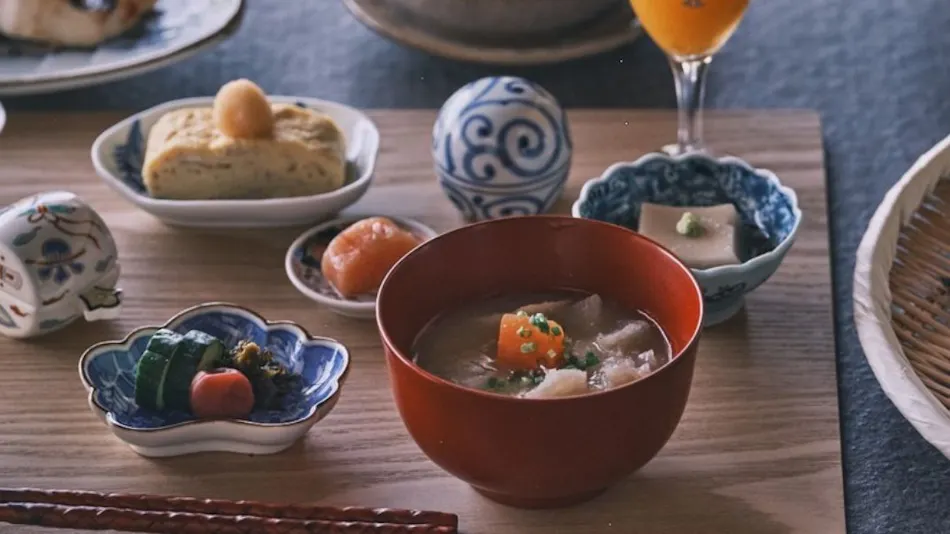
Yanagawa is a beautiful water city where 930 km of canals, unchanged since the Edo period, spread throughout the town and boats glide by. The Tachibana family has long stood alongside Yanagawa’s history. During the Edo period, Ohana began as a villa of the Tachibana family, lords of the Yanagawa Domain. From the Western-style building constructed in the Meiji era as an authentic guesthouse, you pass through to a grand 100-tatami hall—beyond which lies a magnificent garden composed solely of pine trees. With the renewal of our accommodation wing, we are being reborn as a space where you can more fully enjoy the appeal of cultural properties still preserved by descendants of this former daimyo family. Making use of our distinction as Japan’s only nationally designated Place of Scenic Beauty where you can stay—a Ryokan with dining—we offer activities and moments that let you feel the history and stories of the daimyo family (the Tachibana family).
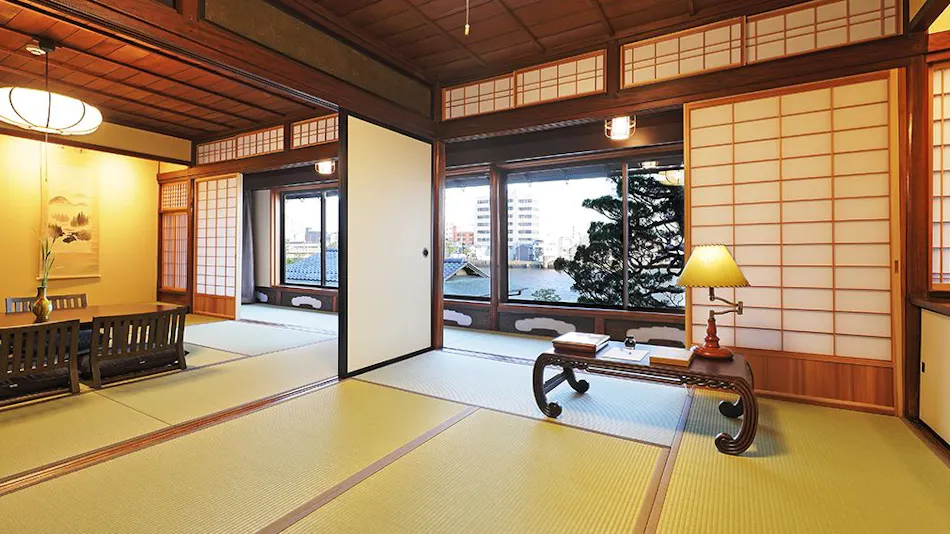
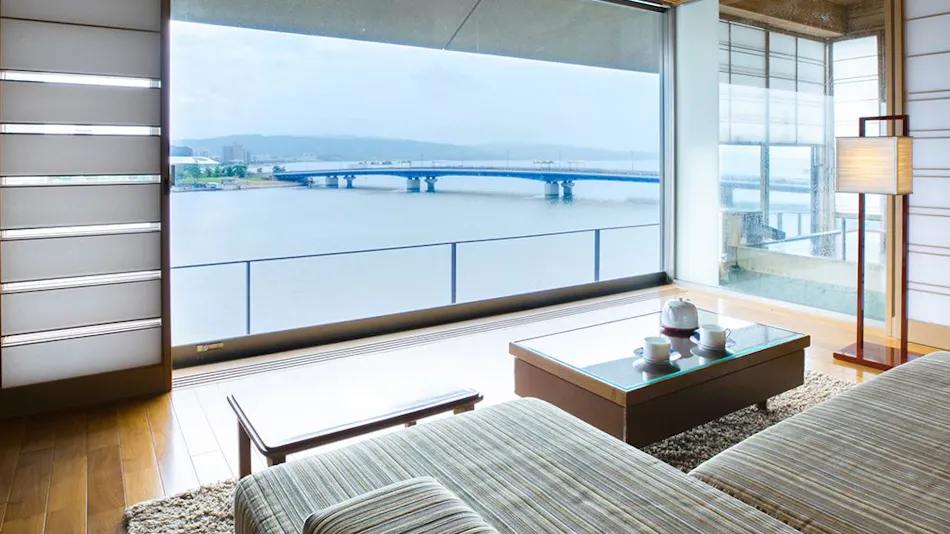
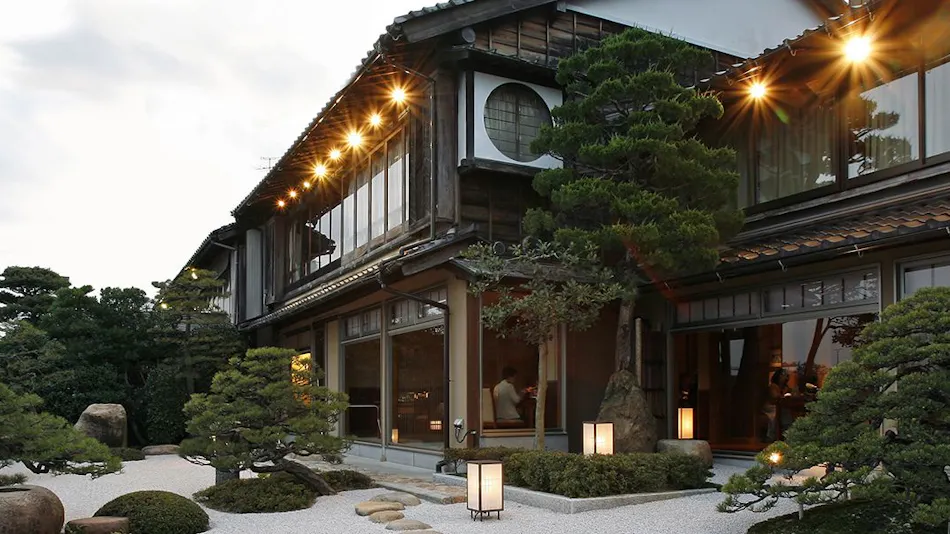
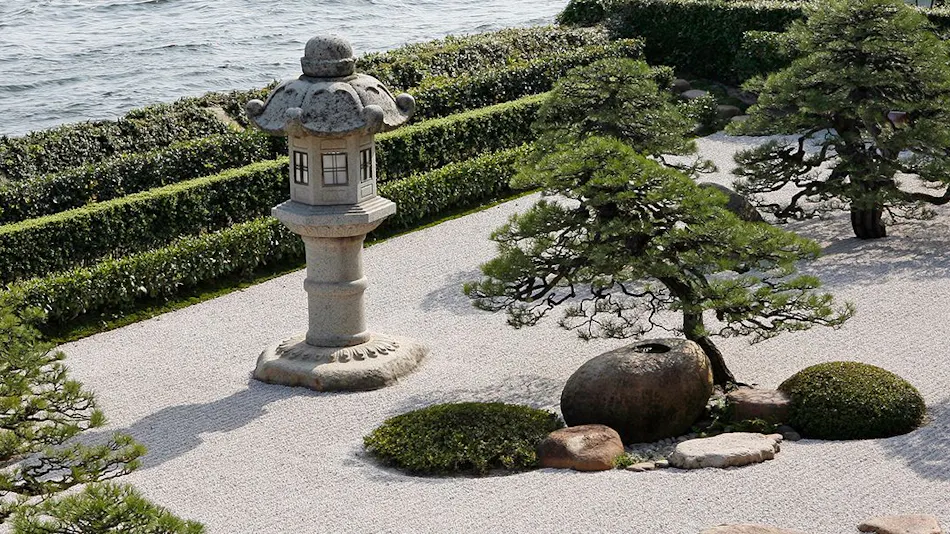
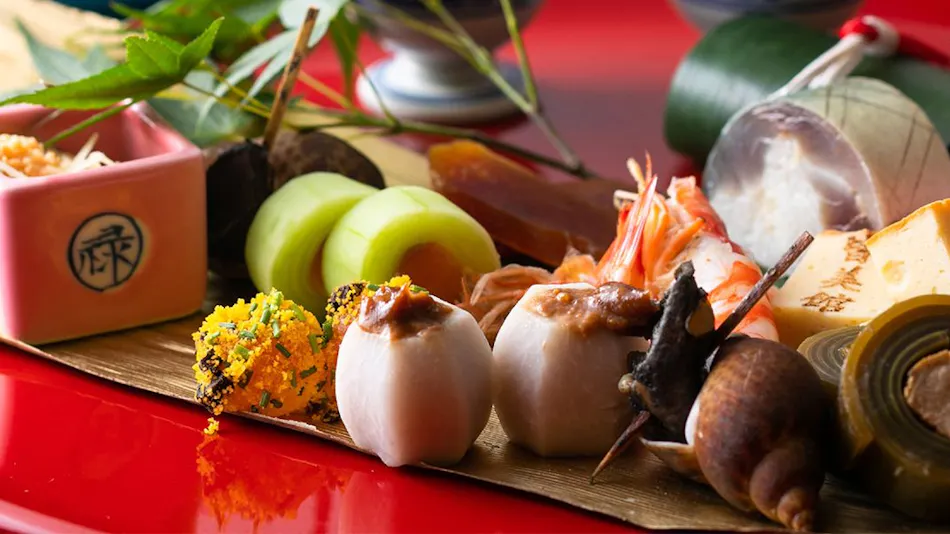
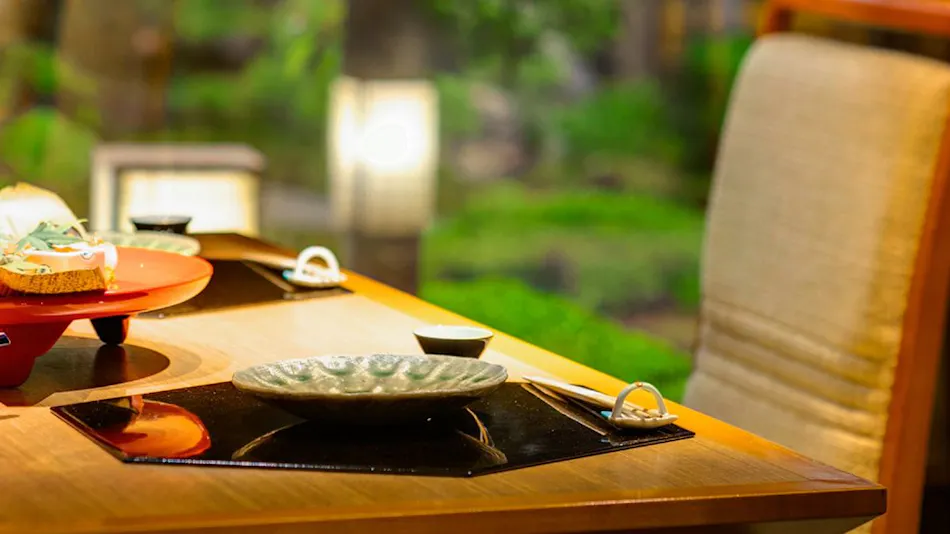
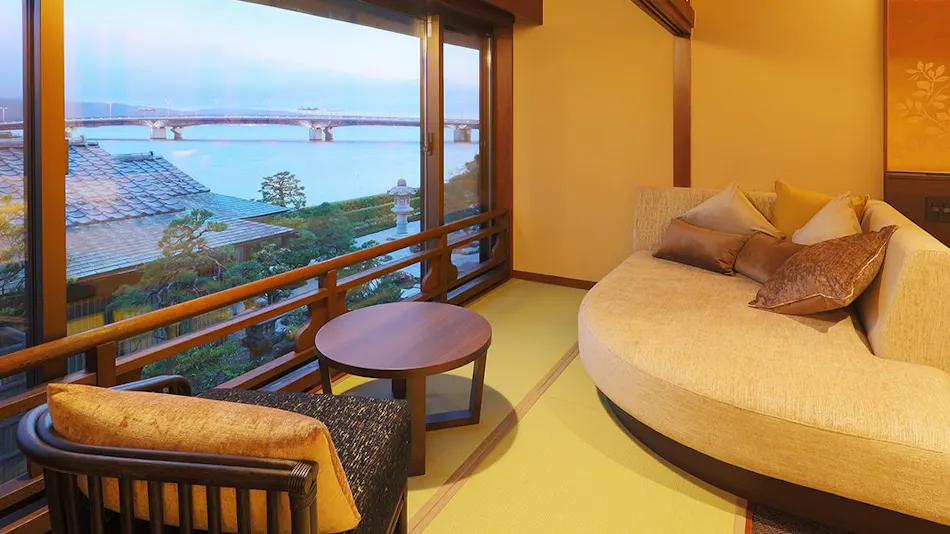
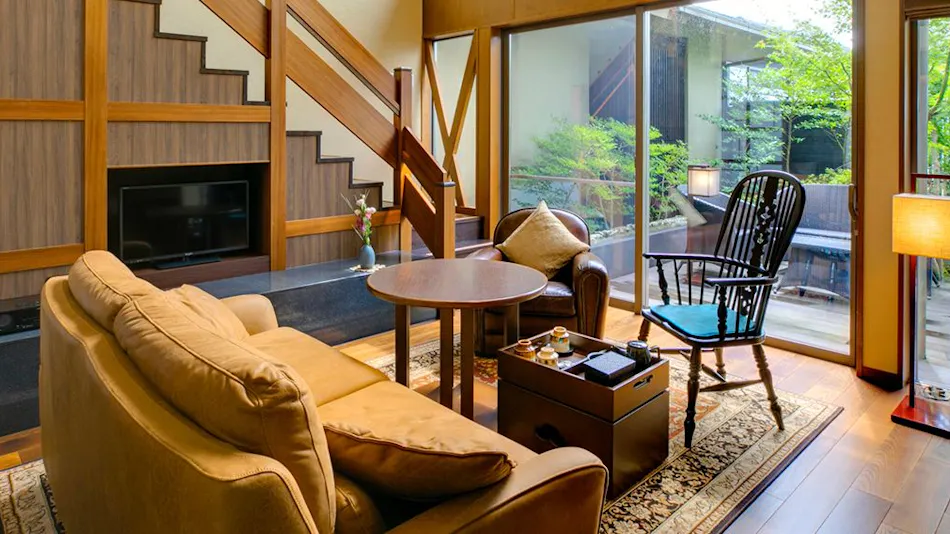
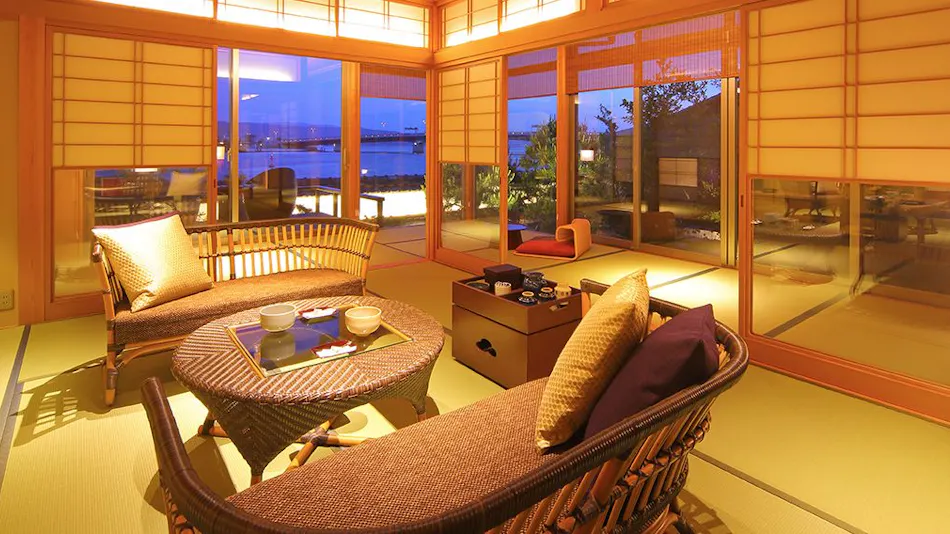
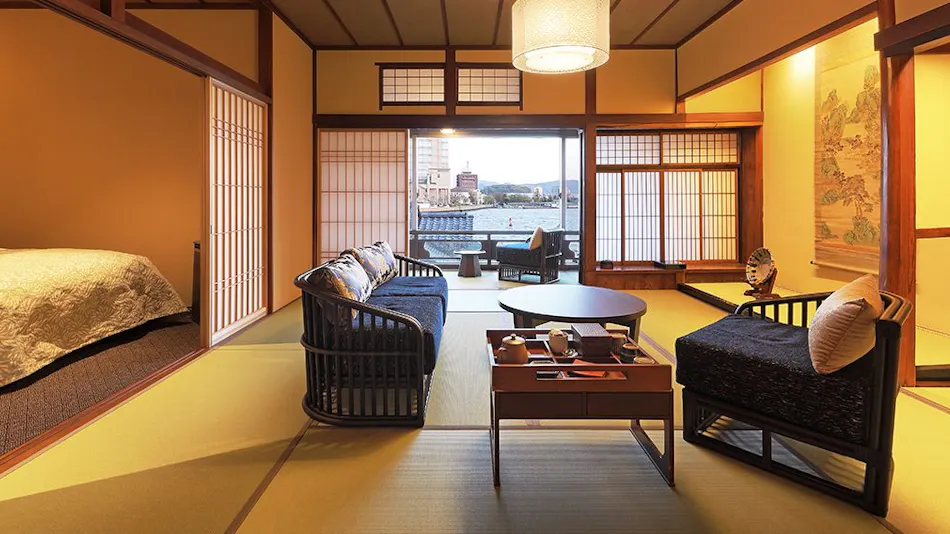
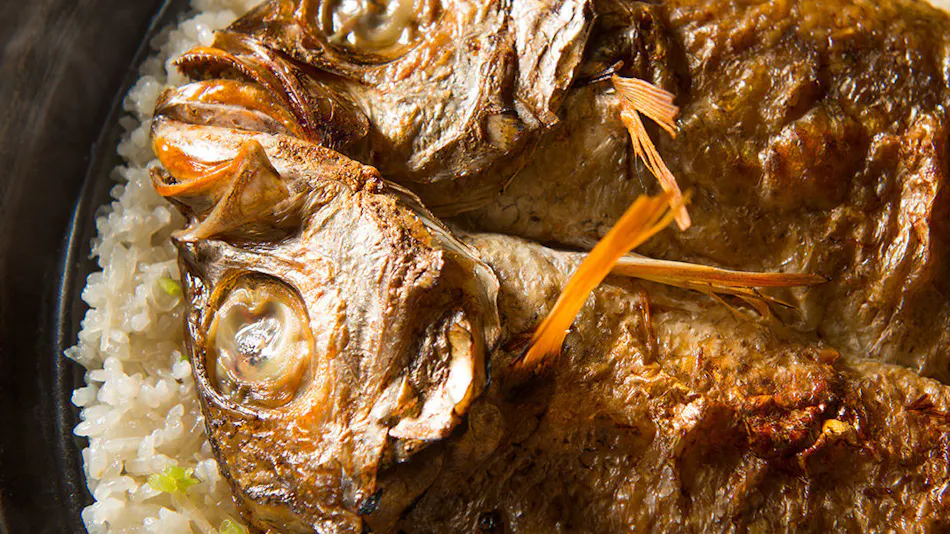
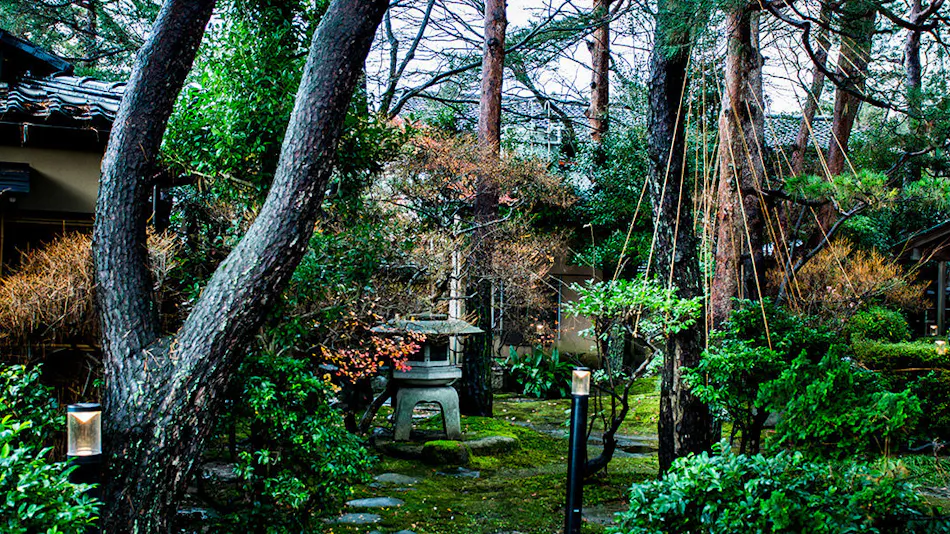
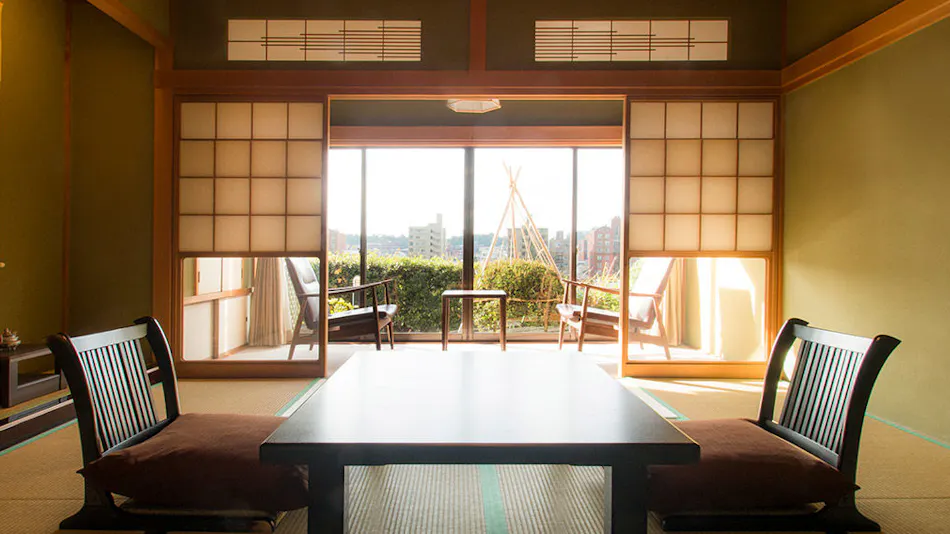
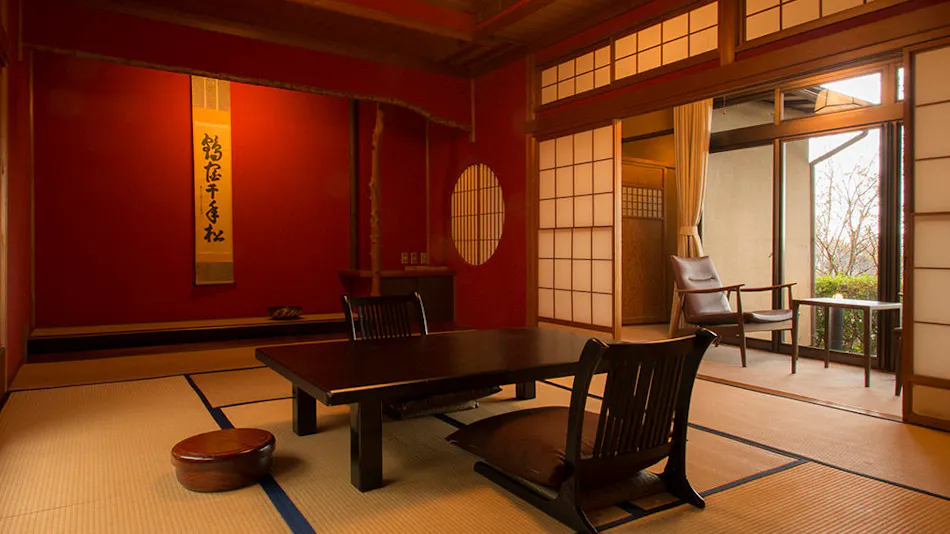
Kaimikan, with a history of more than 130 years and visited by many writers and artists including Toson Shimazaki, held its grand opening in May 2007. Blending tradition with a fresh sensibility, every Room on the 4th floor features a private scenic-view bath. Our Japanese garden overlooking Lake Shinji is highly acclaimed each year by international magazines. While enjoying these breathtaking views, please savor our signature “Kaimi Family-Style Sea Bream Rice,” passed down only at our inn, at the new “Garden Tea House Mina-mi.” Kaimikan is also located in the heart of Matsue, making it easy to explore the historic castle town. For an exceptional stay in the San’in region, we warmly invite you to spend your time at Kaimikan.


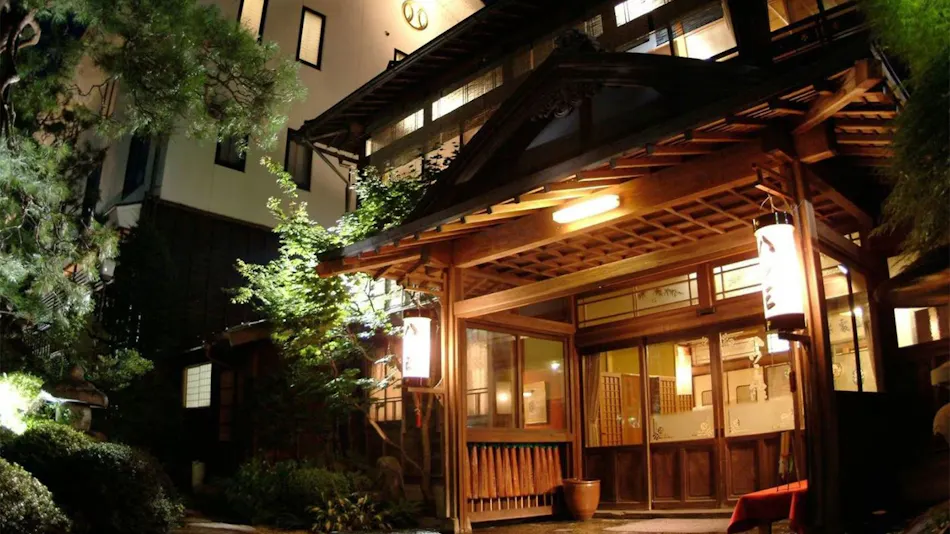
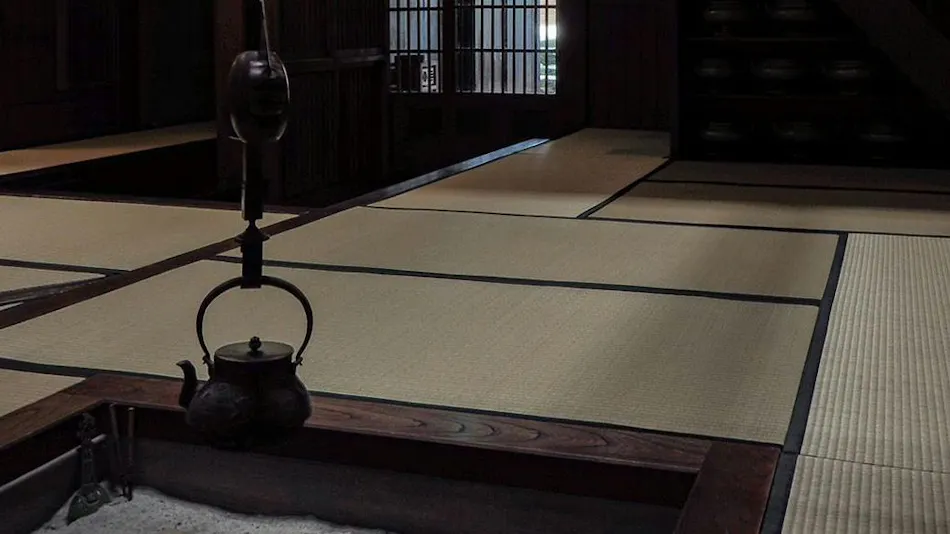
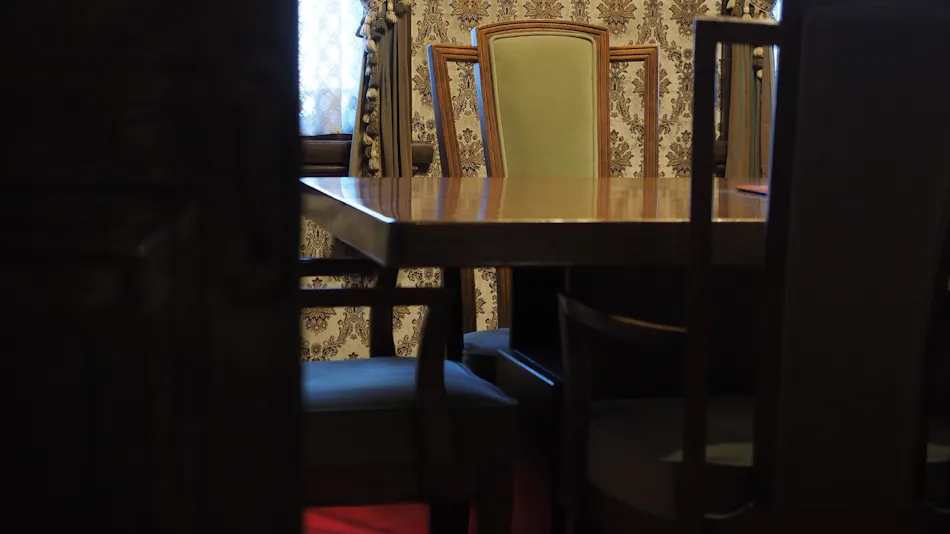
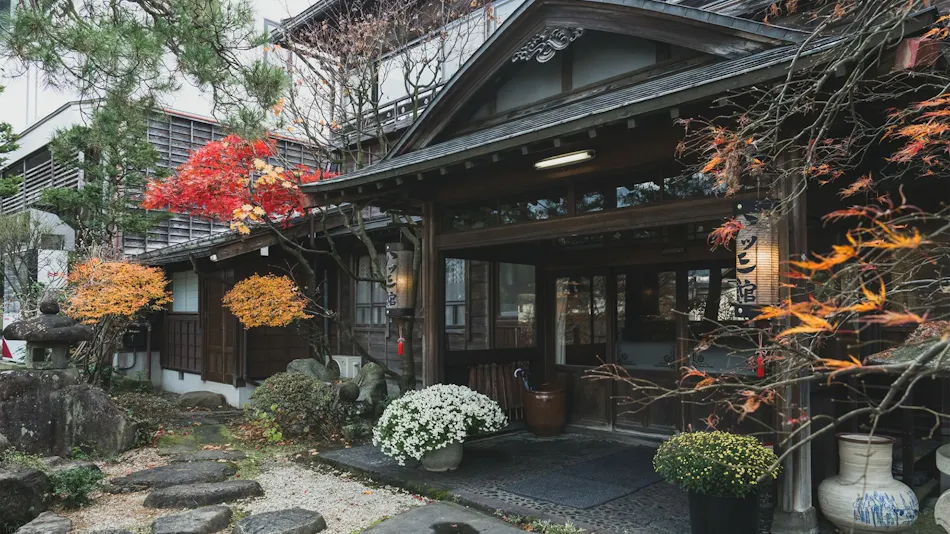
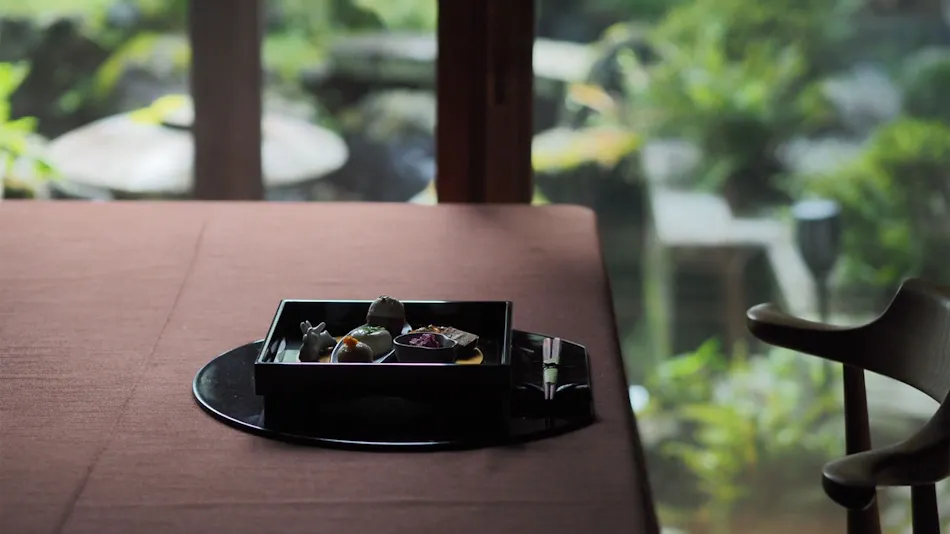
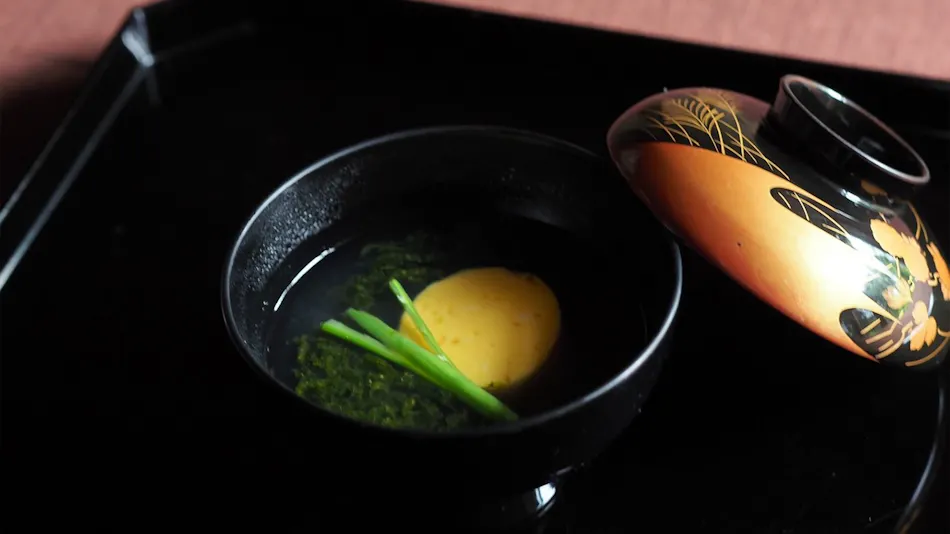
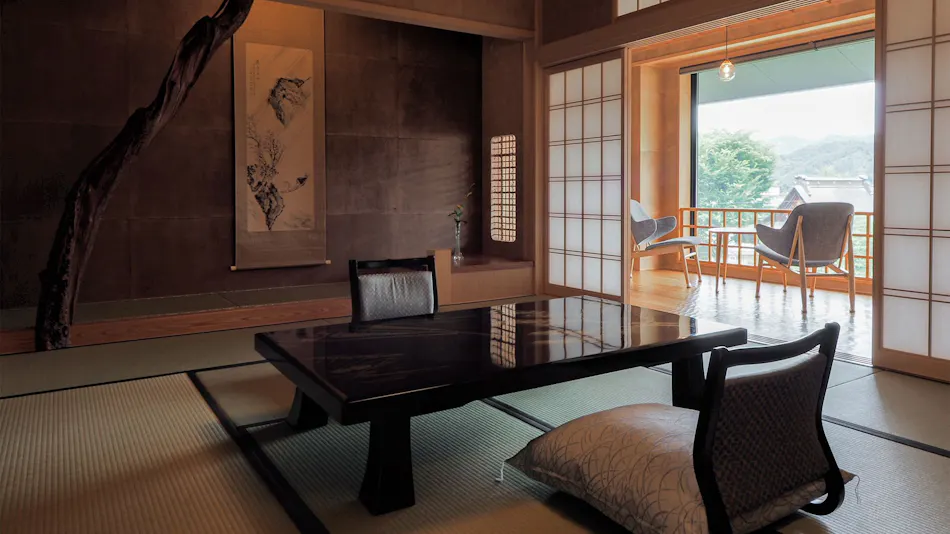
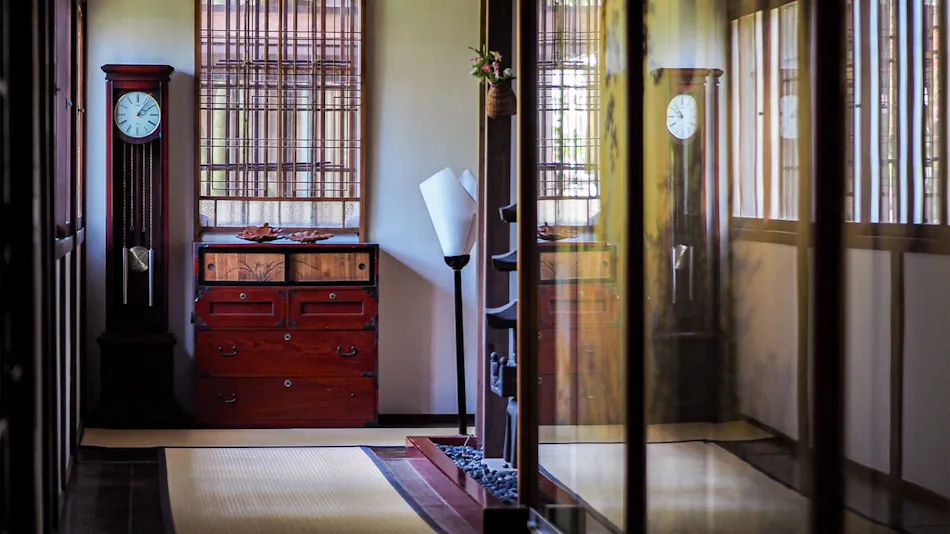
Hida-Furukawa, known as “Takayama’s inner retreat,” is a charming town lined with traditional townhouses, white-walled storehouses, and the Setogawa River where carp swim. We have been operating this Accommodation for over 180 years. Our Meiji-era building, showcasing the craftsmanship of Hida artisans, is designated as a Registered Tangible Cultural Property of Japan. Our 18 guest rooms are spread across three buildings: Shogetsuro (a merchant-style building built in 1905), Kogetsuro (a sukiya-style building built in the early Showa period), and Kangetsuro (built in the Heisei era) overlooking Honkoji Temple and the Araki River. Each offers its own distinct atmosphere. Enjoy a sense of closeness between people unlike in the city, and take time to reconnect with yourself.
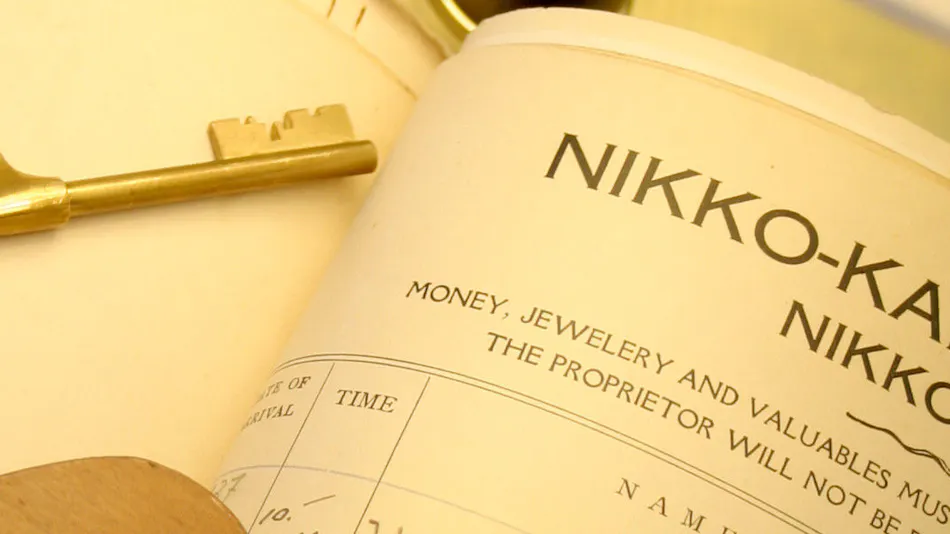
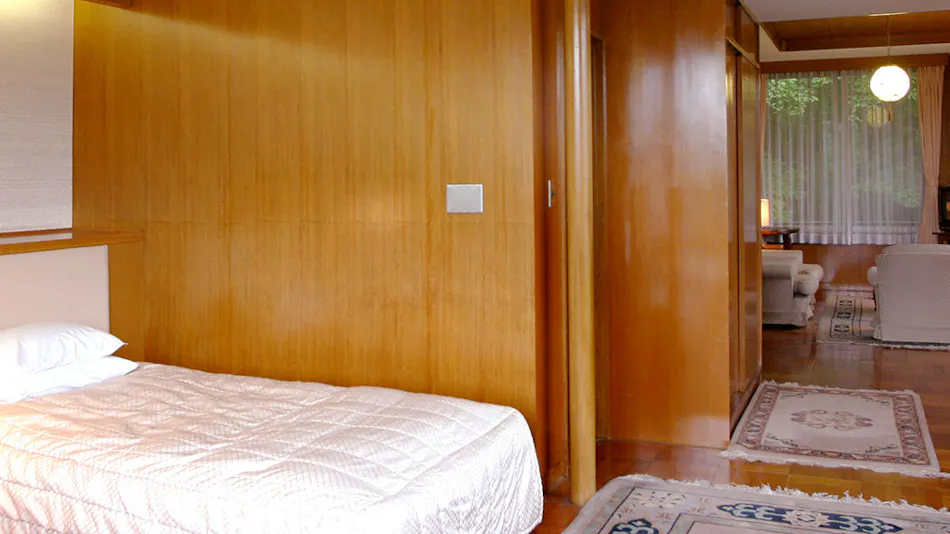
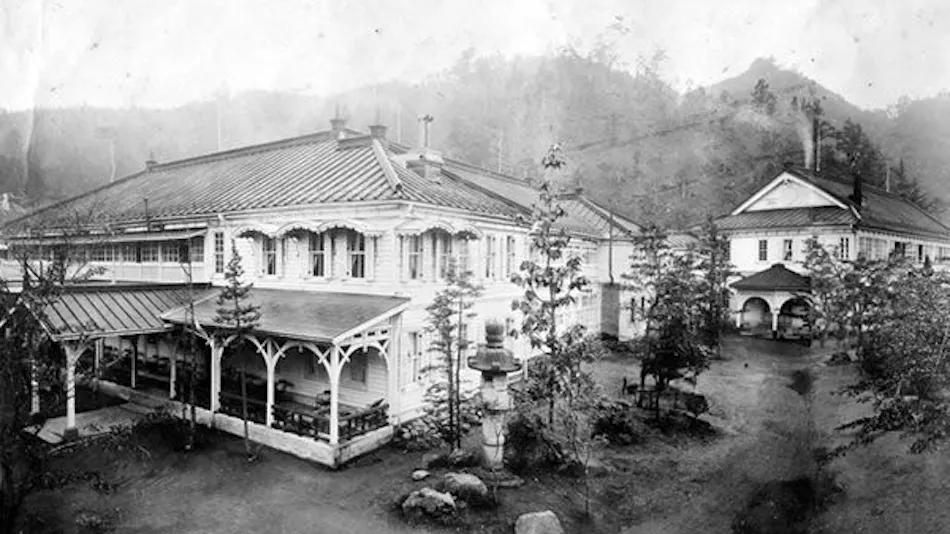
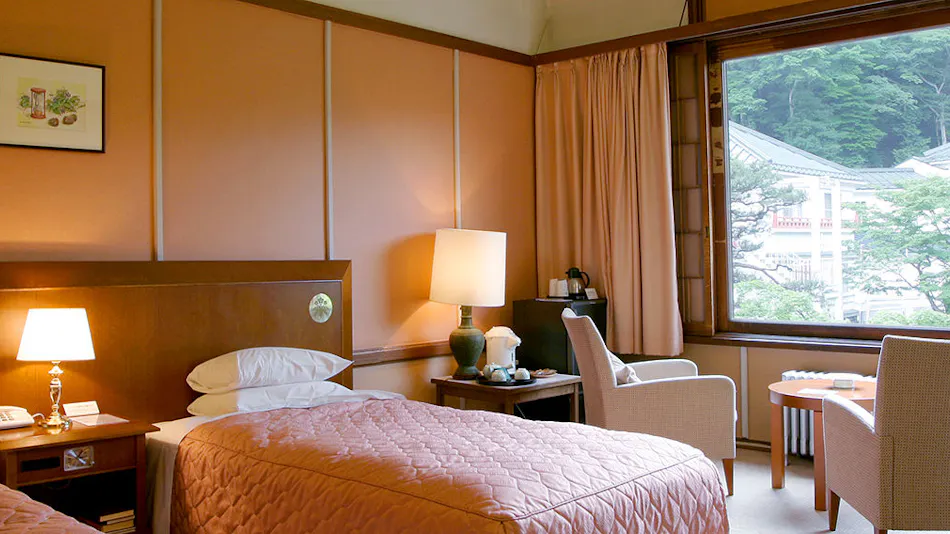
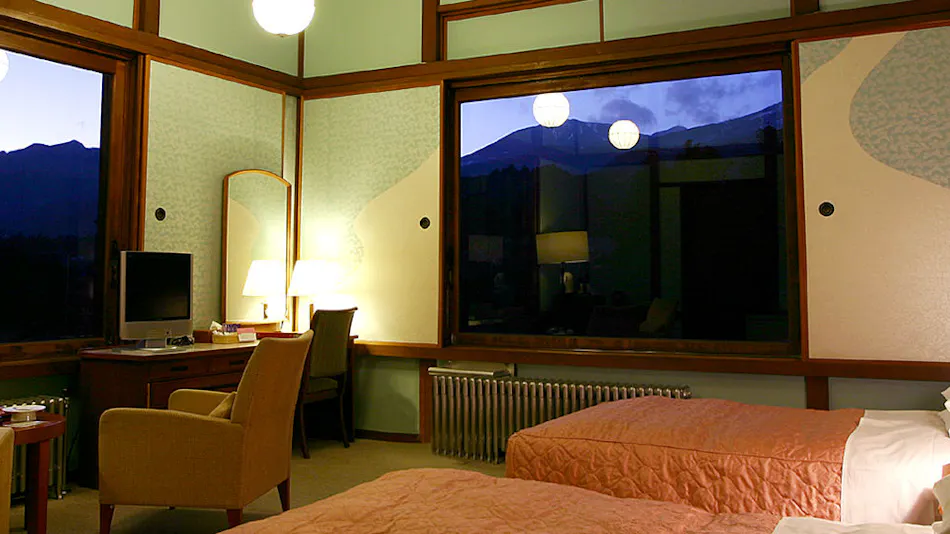
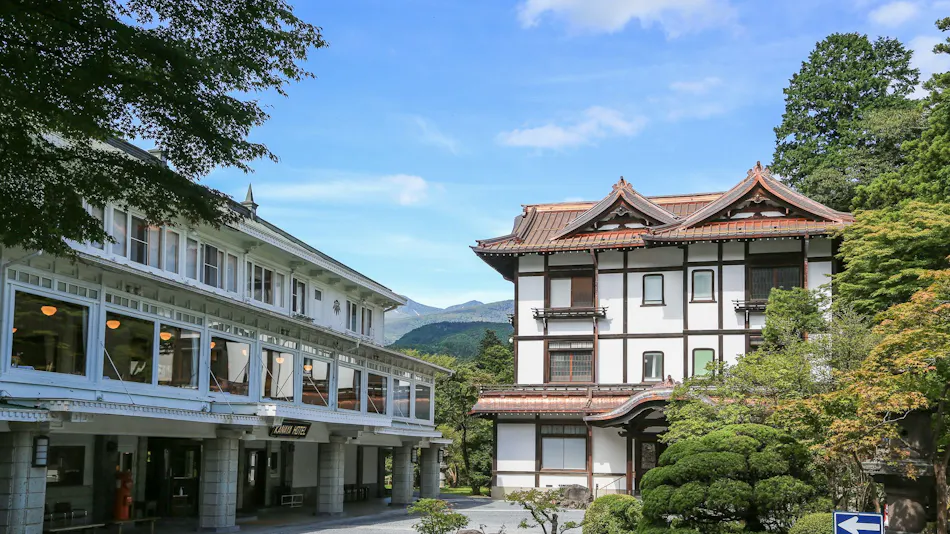
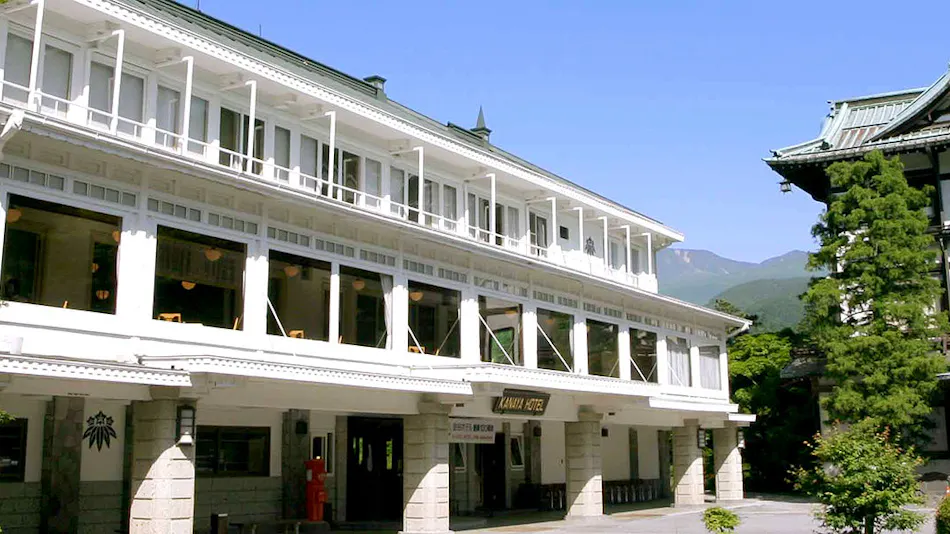
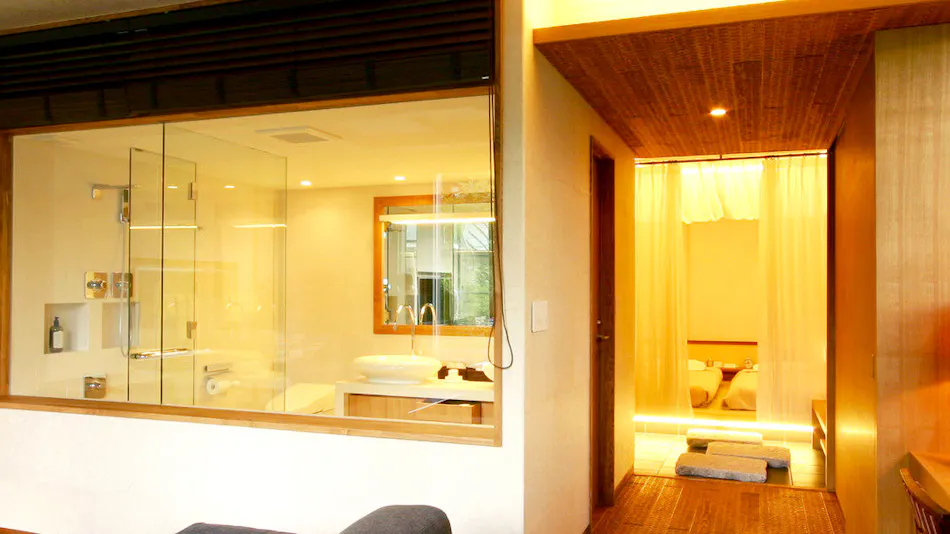
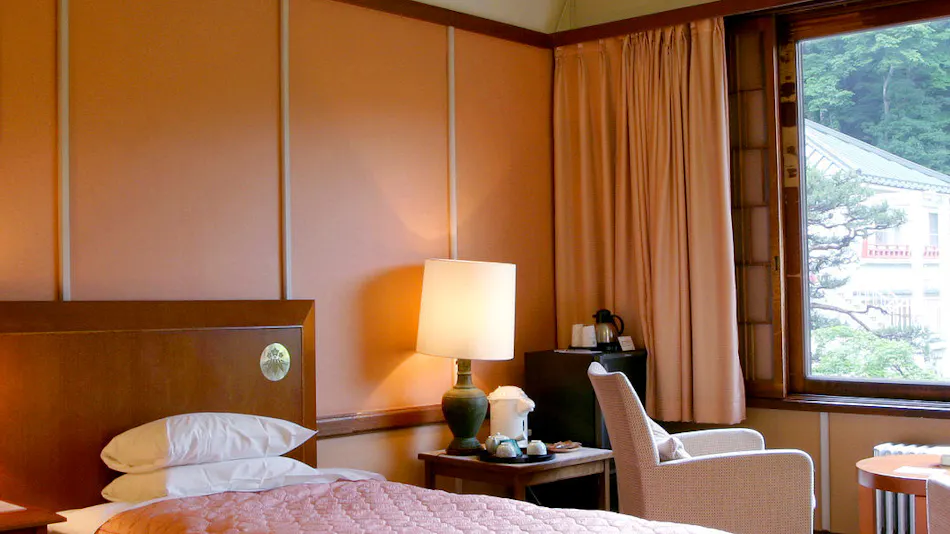
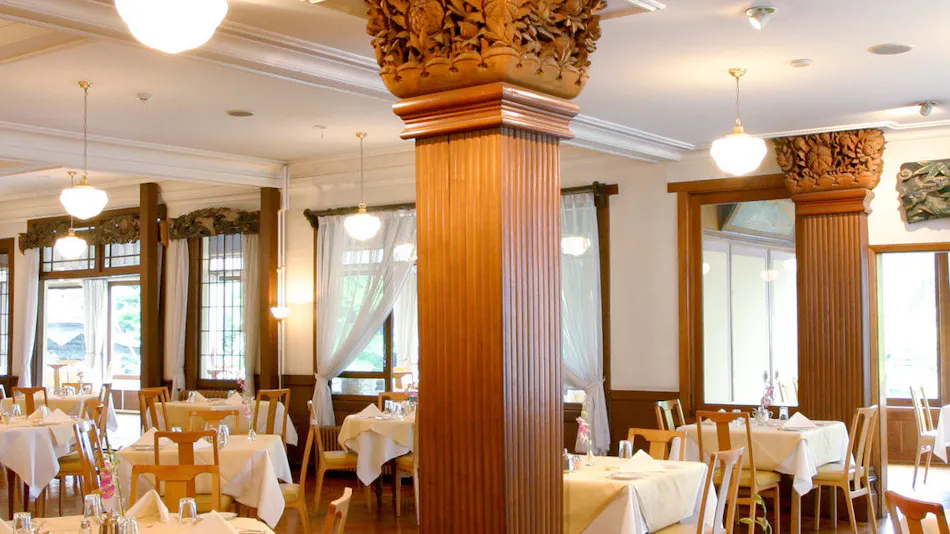
The oldest classic Resort Hotel in Japan, established in the 6th year of the Meiji era (1873). It is conveniently located about a 15-minute walk to Nikko Toshogu Shrine. The Nikko Kanaya Hotel, where Japanese architectural beauty blends with Western furniture and furnishings, exudes the unique atmosphere of a classic hotel, preserving the charm of the Meiji era and evoking a nostalgic and gentle feeling in its visitors.
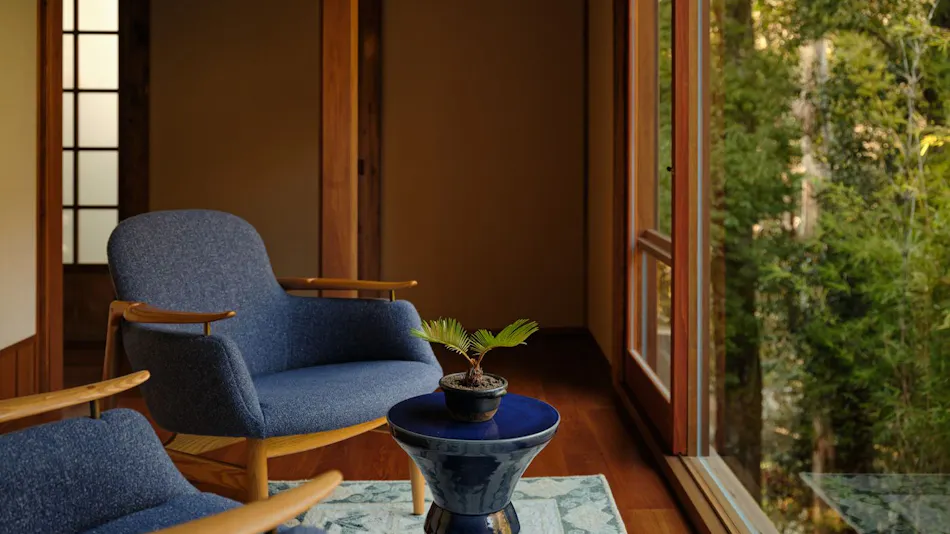
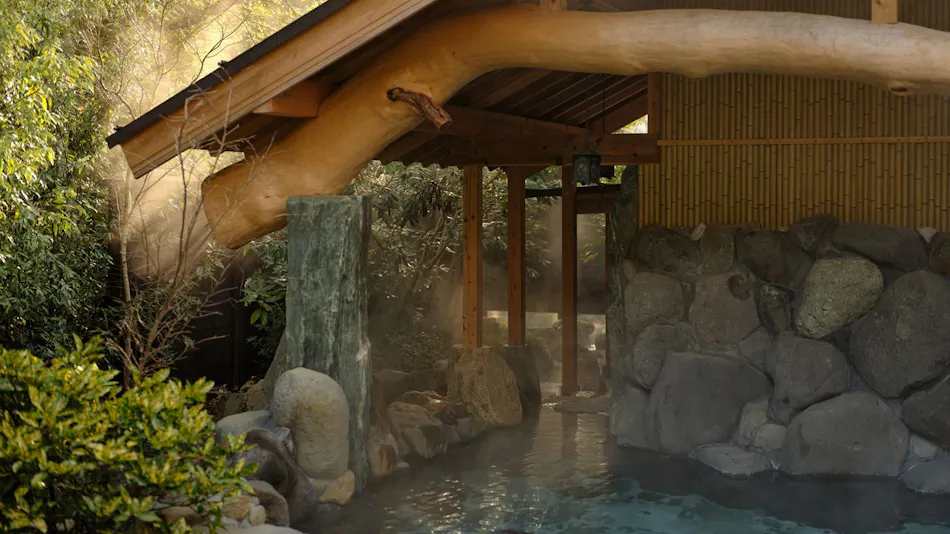
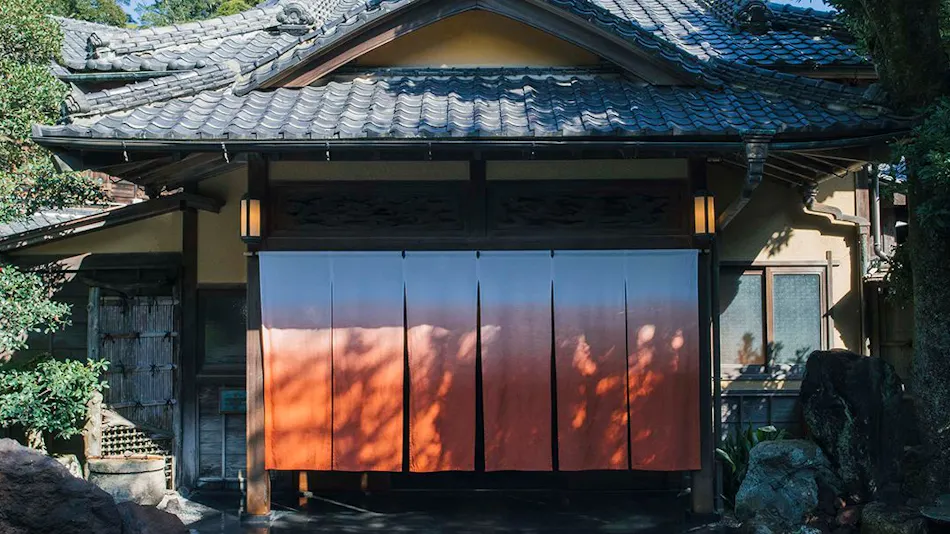
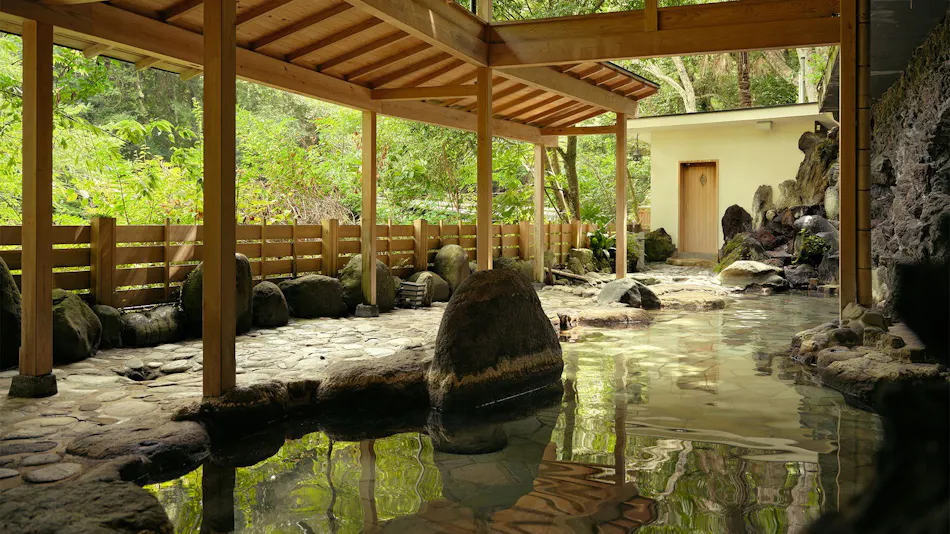
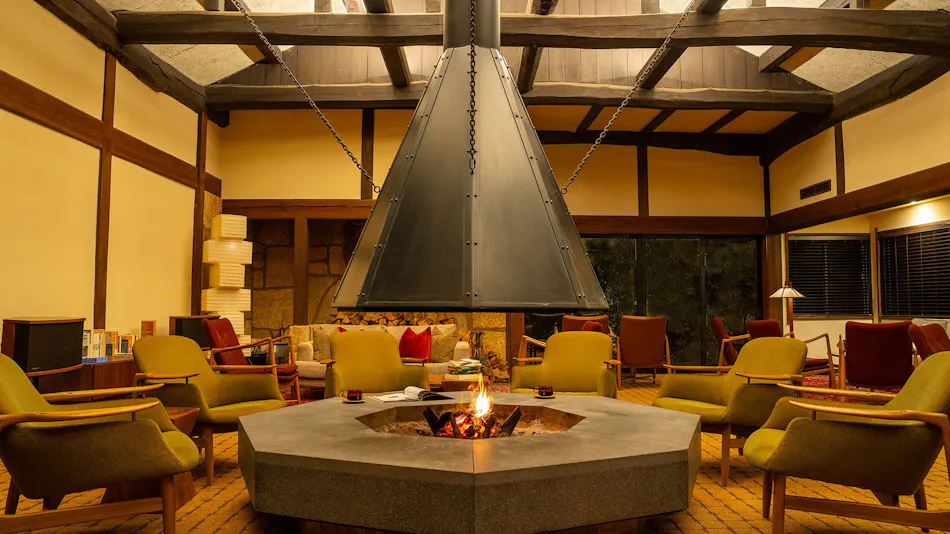
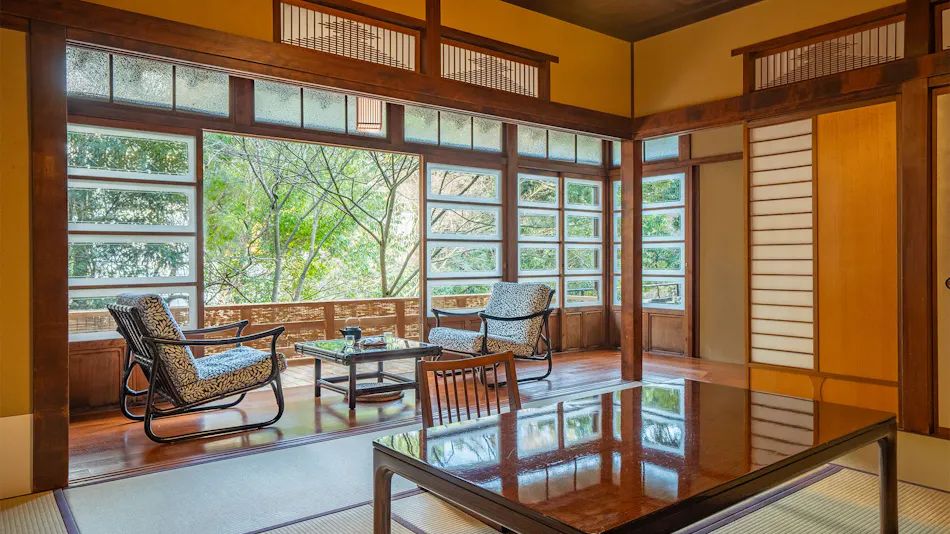
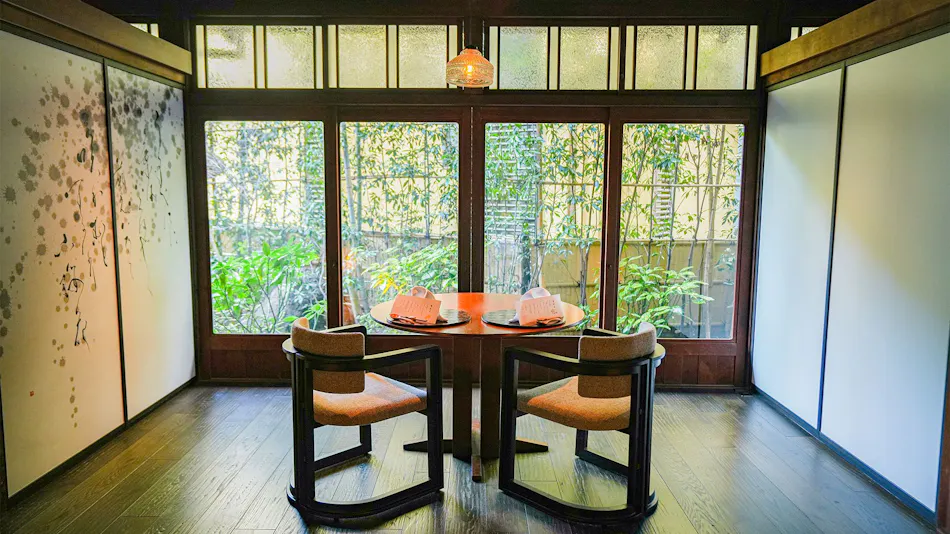
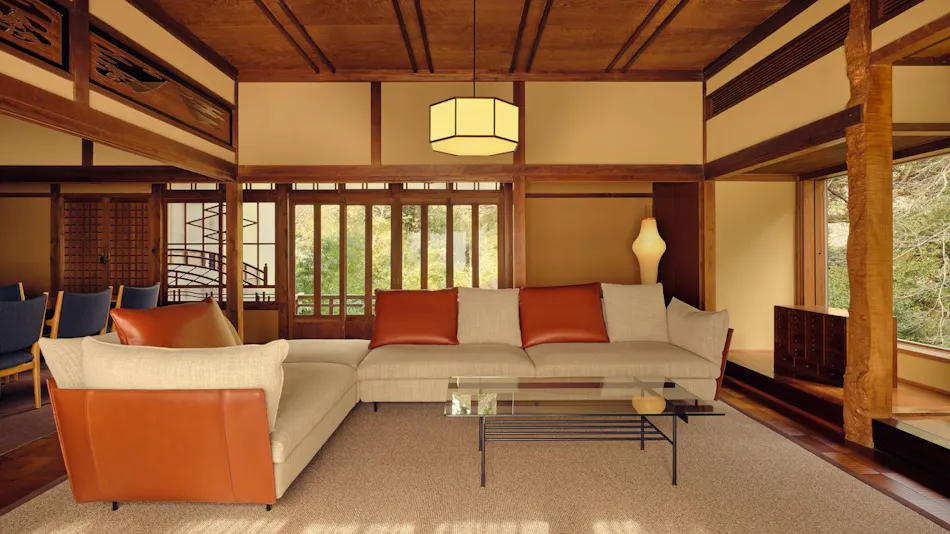
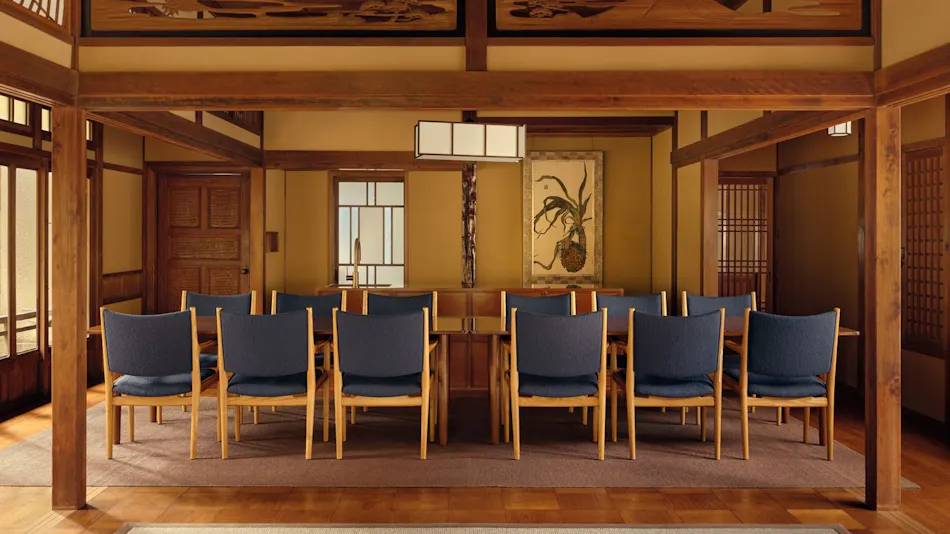
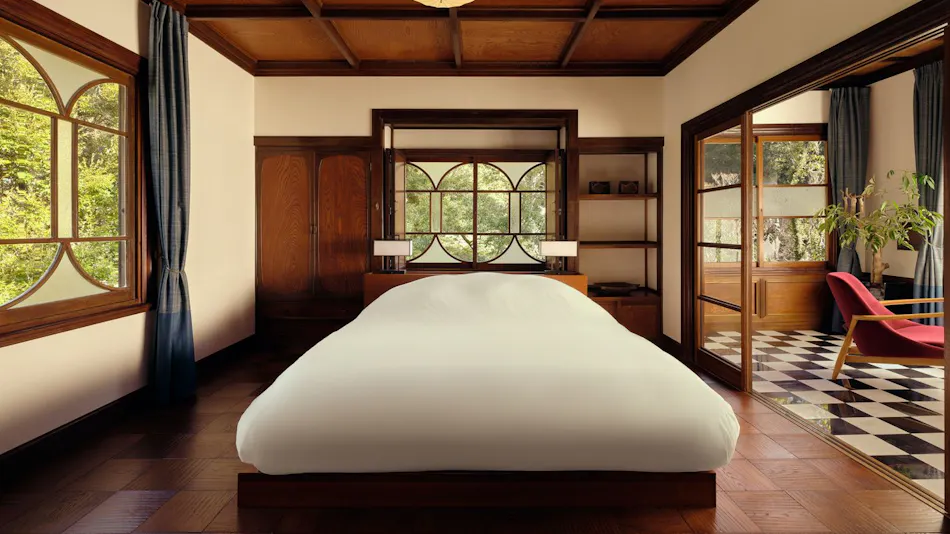
Nestled in Izu’s abundant nature, Ochiairo has been cherished by many renowned writers and cultural figures since the Meiji era. An open-air bath overlooking the ever-changing mountains and the gentle murmur of the Kano River, an atmospheric cave bath, and serene indoor baths offer guests the ultimate relaxation. In two distinct saunas—both recipients of a Sauna Schwitz award—enjoy a one-of-a-kind “totonoi” experience with outdoor cooling as you feel the breeze of Izu. Savor seasonal cuisine made with generous use of local ingredients blessed by Izu’s rich land and sea, and enjoy the changing seasons through taste as well. Spend unhurried moments in our lounge warmed by the flicker of the fireplace, or relax in your Room as your mind unwinds. Help yourself freely to local Shizuoka craft beer, carefully selected wines, and thoughtfully chosen snacks to your heart’s content. Timeless beauty preserved in cultural heritage meets refined modern hospitality to welcome every guest. Experience a stay found only at Ochiairo—one that sets both body and mind free.
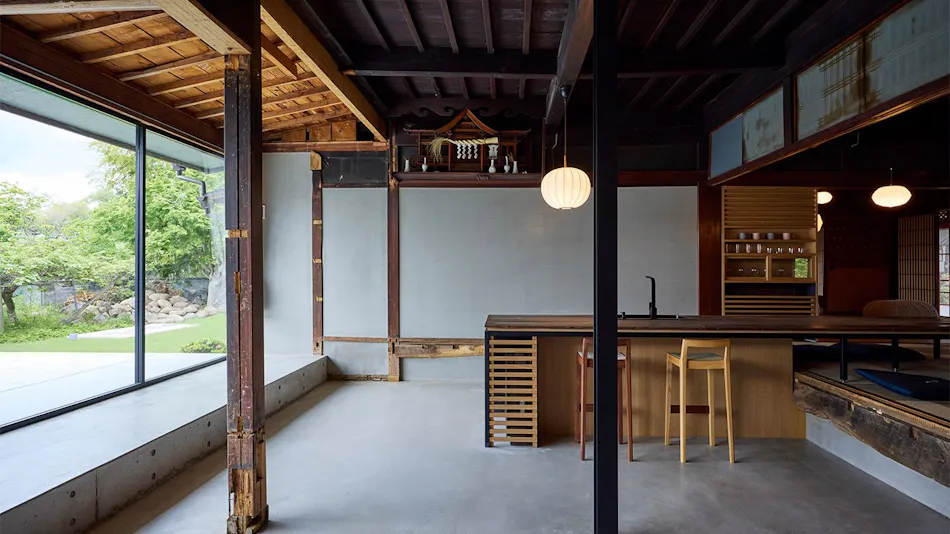
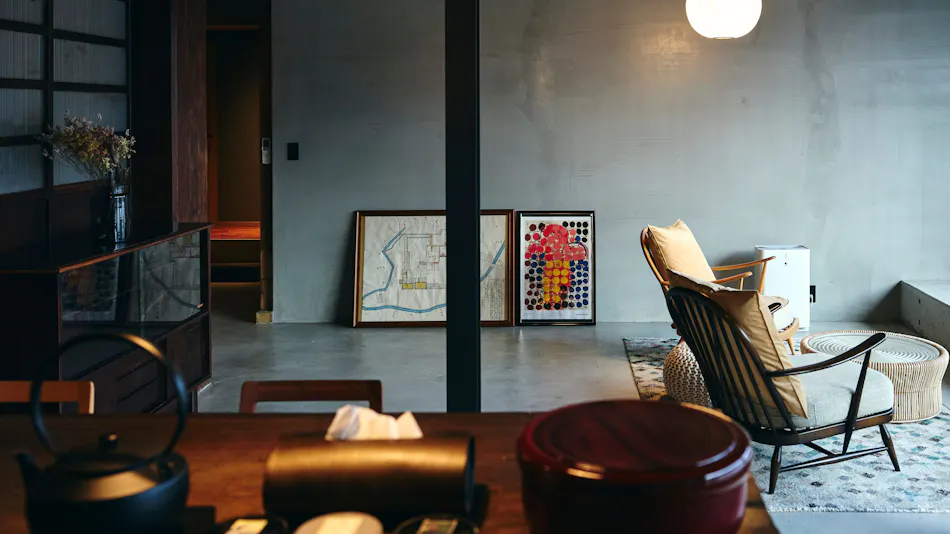
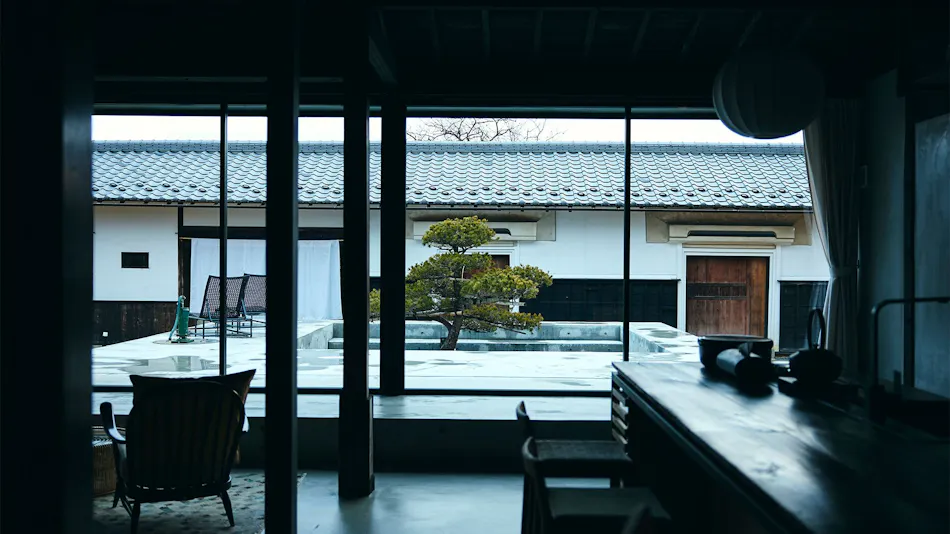
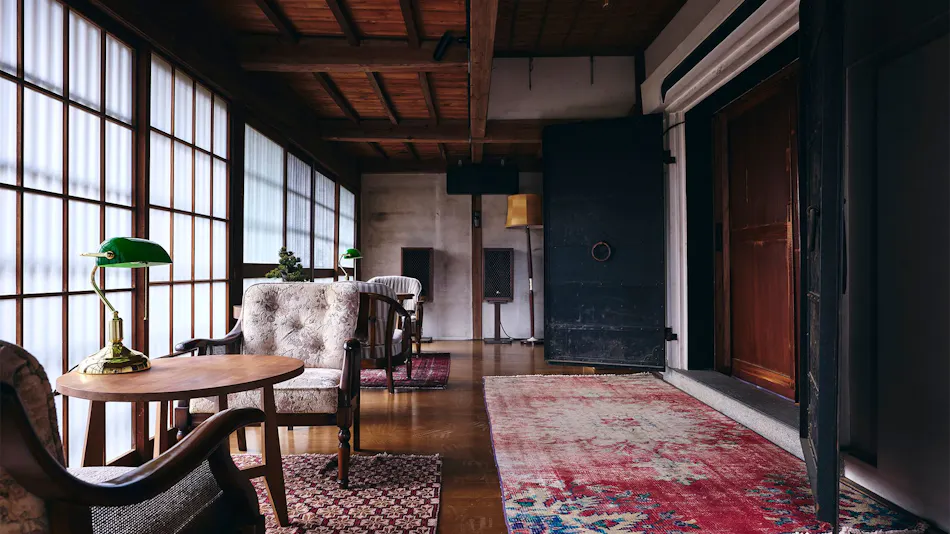
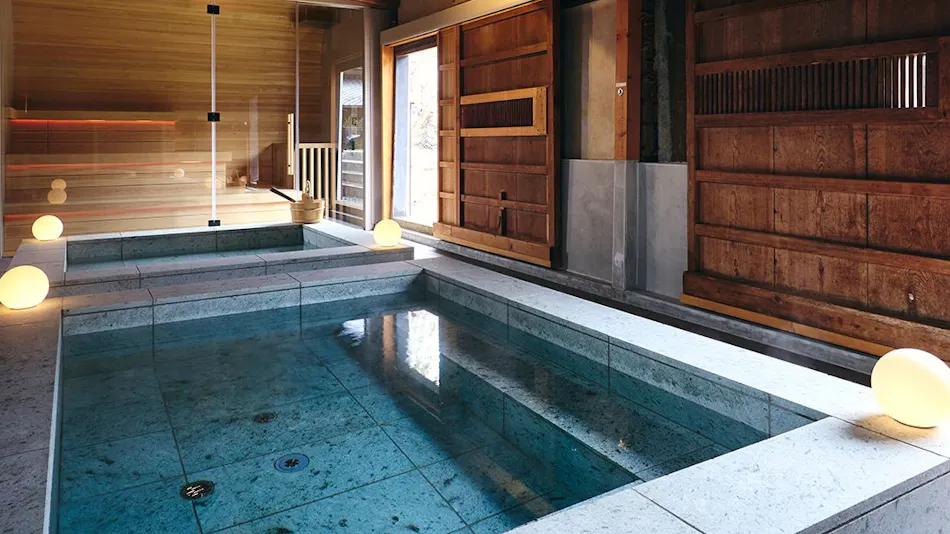
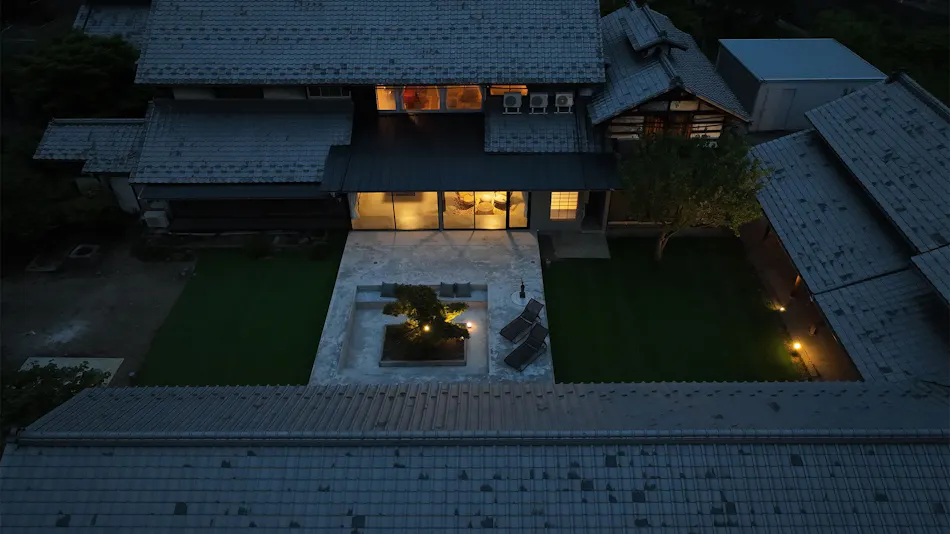
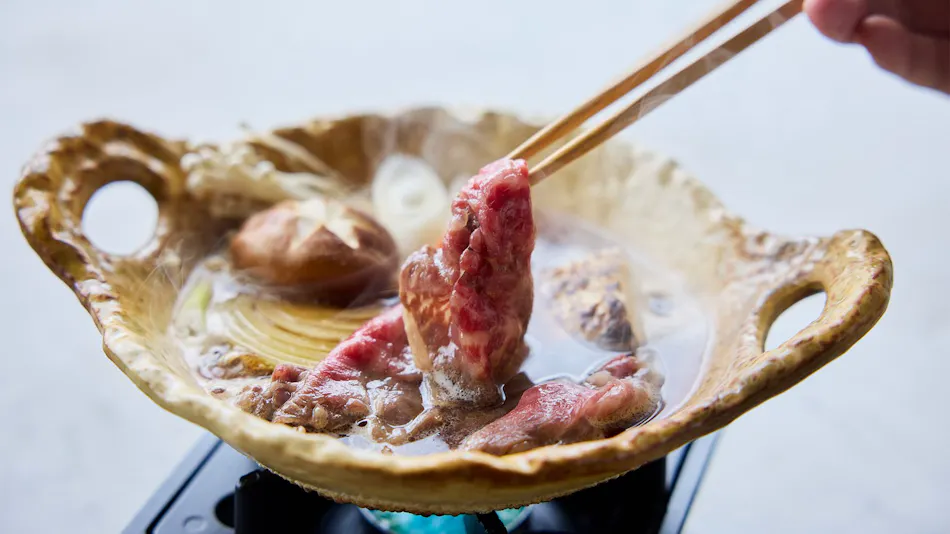
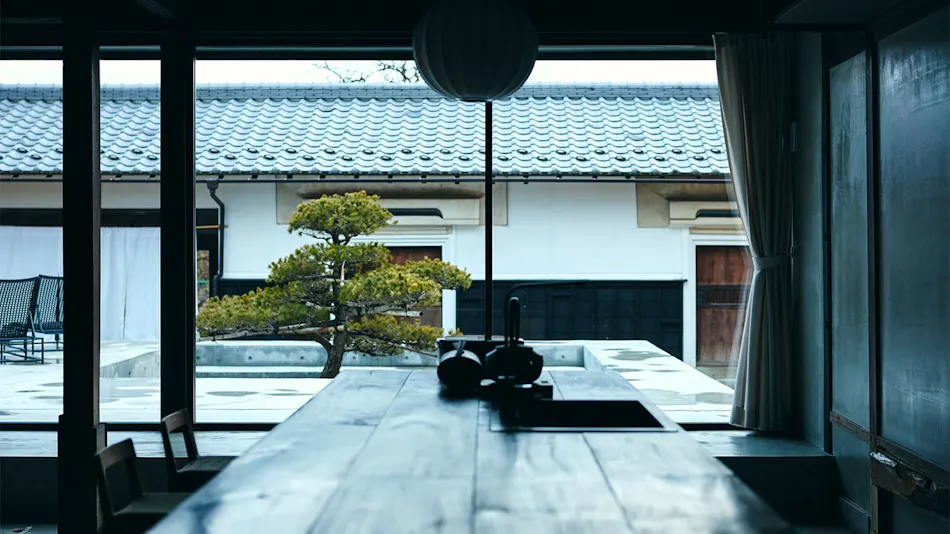
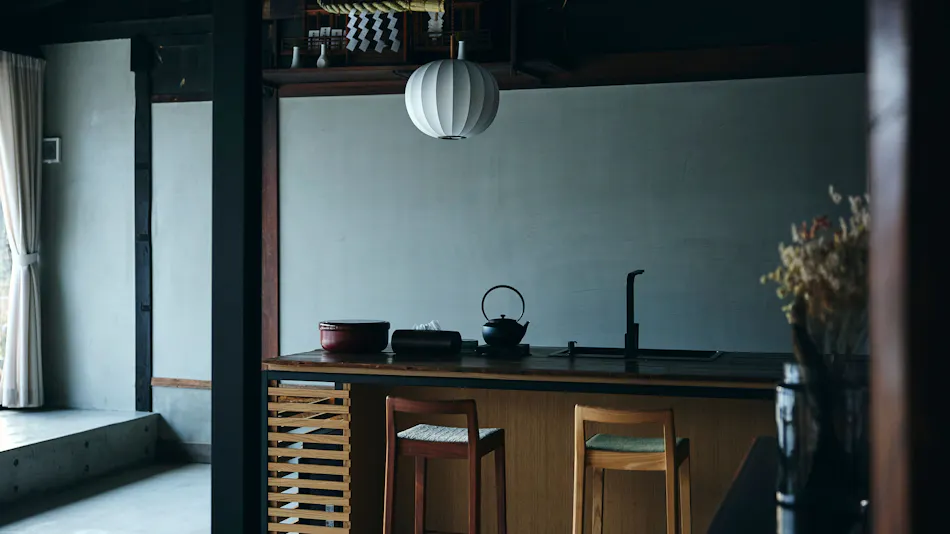
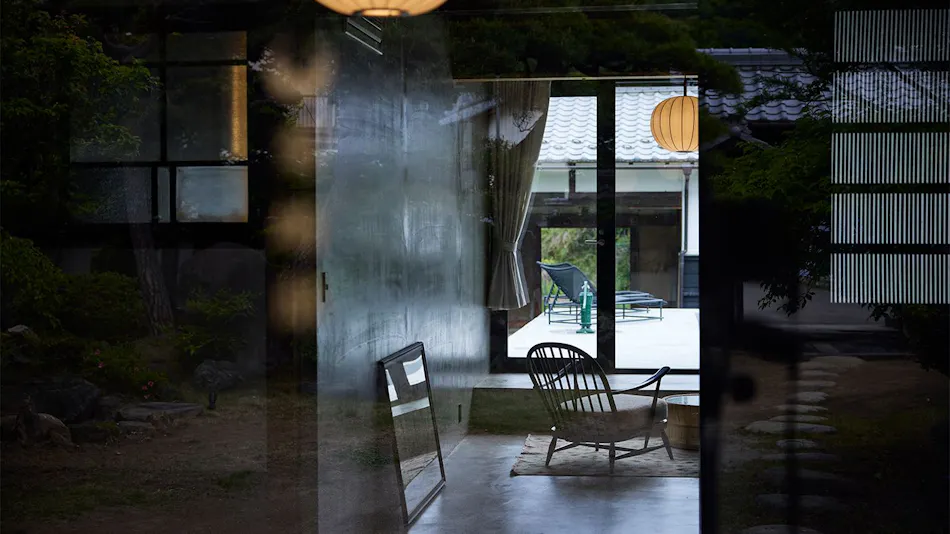
Kikushima Residence, located in the Yawata district of Yamanashi Prefecture, proudly selected as one of Japan's 100 Best Countryside Villages. This historic residence, designated as a Registered Tangible Cultural Property by the Japanese government, offers a serene space with over 150 years of history since the Meiji era. Experience rare materials and furnishings that cannot be replicated even with modern technology. These are not merely exhibits but "living history" that enhances your stay. The keyaki wood main pillar, traditional chests, and household shrines are said to be impossible to recreate today due to their unique materials and craftsmanship—truly worth seeing. The luster of wood polished by countless hands over time and the delicate textures created only through years gone by. Create unforgettable memories through genuine hospitality woven by history itself. Enjoy this extraordinary experience at Kikushima Residence!
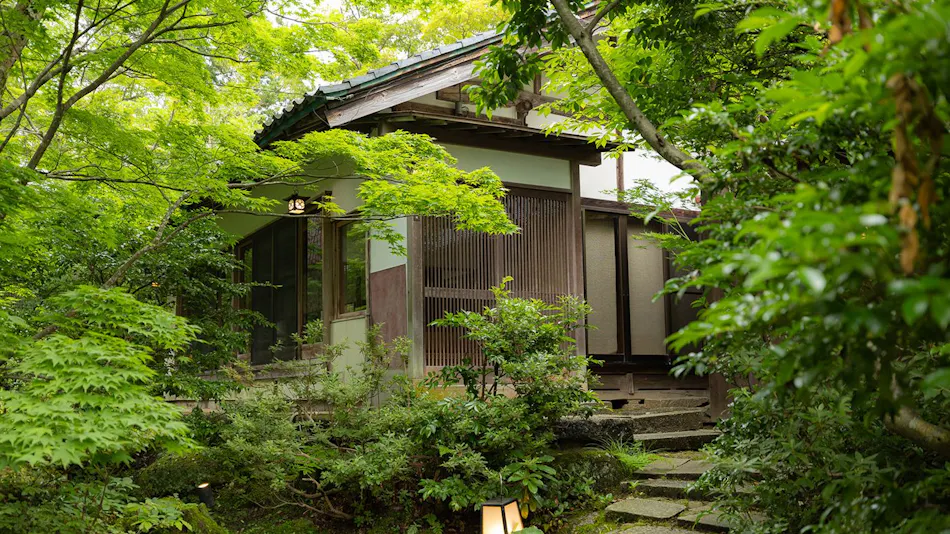
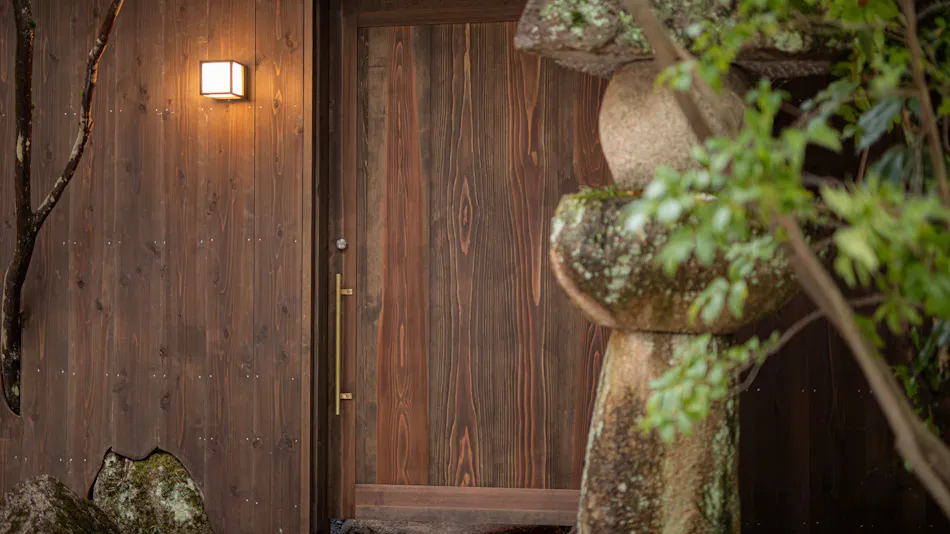
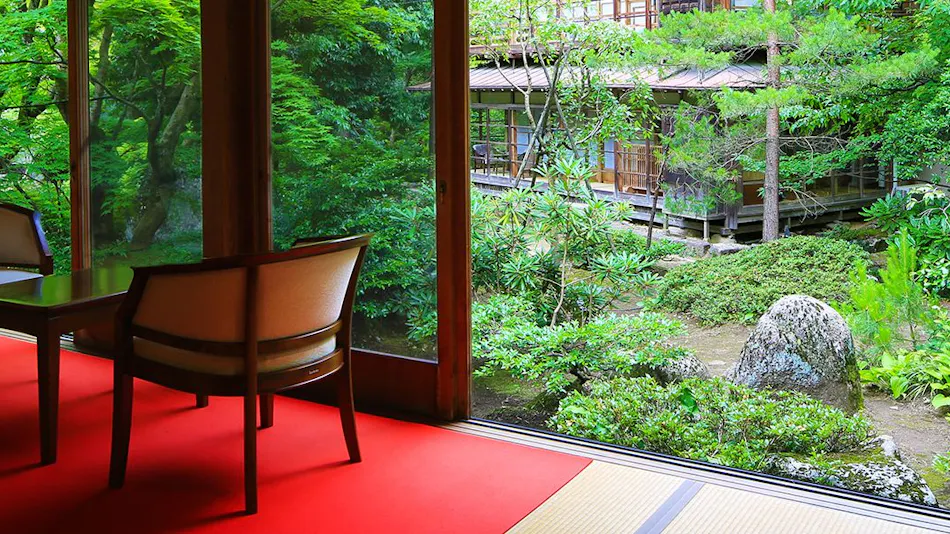
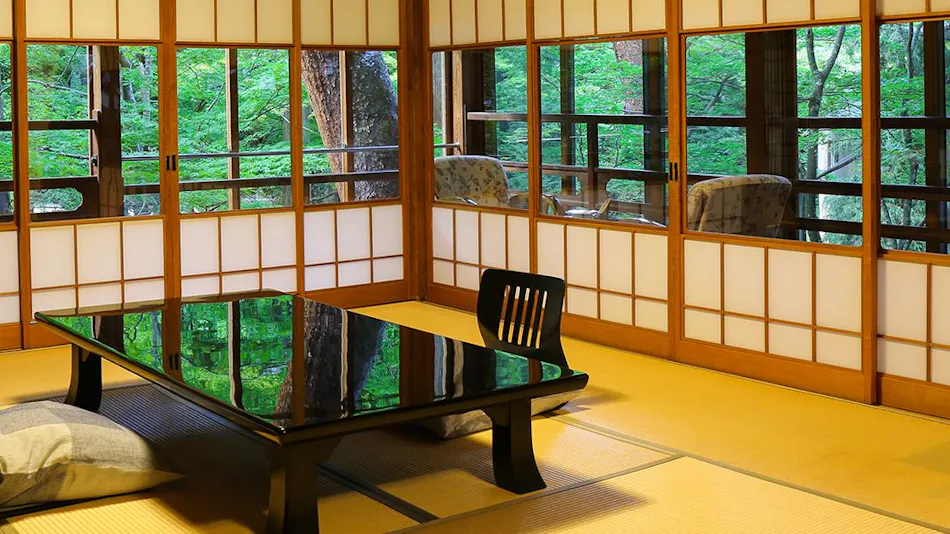
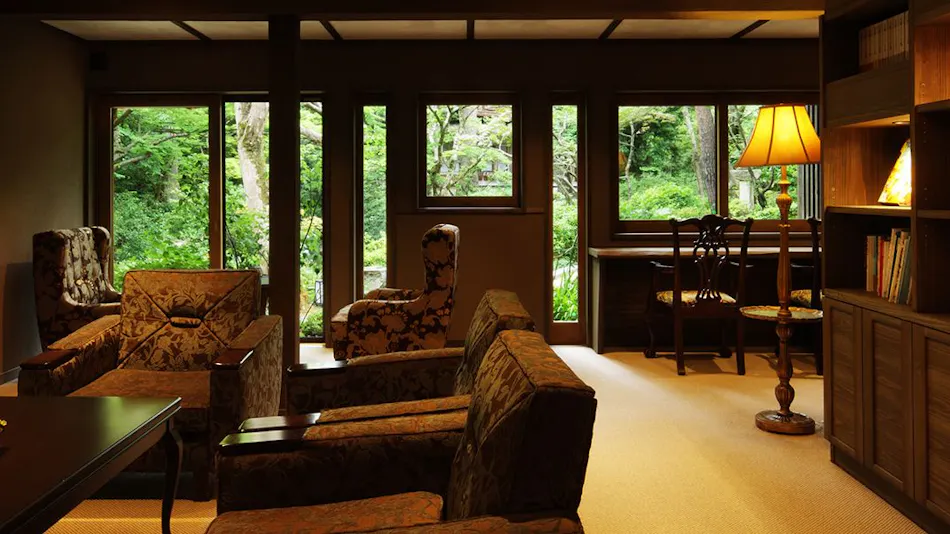
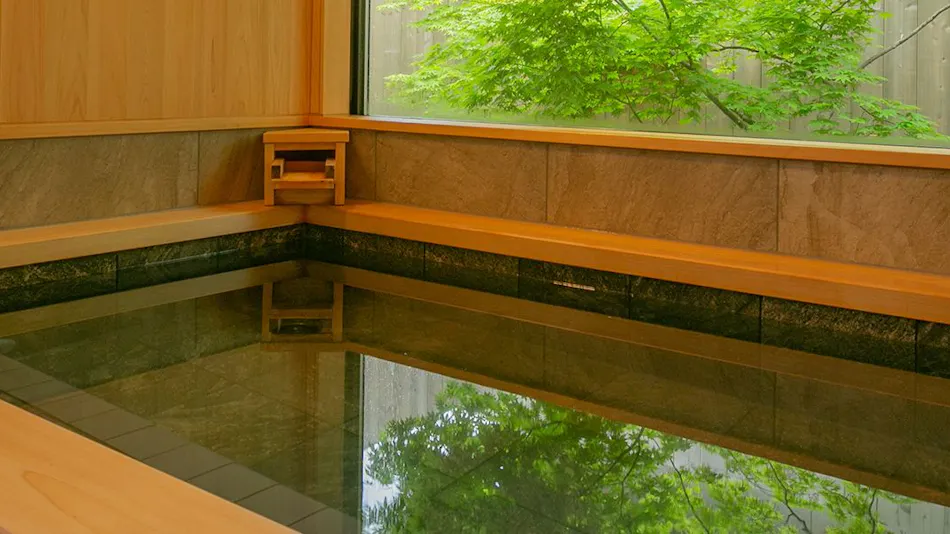
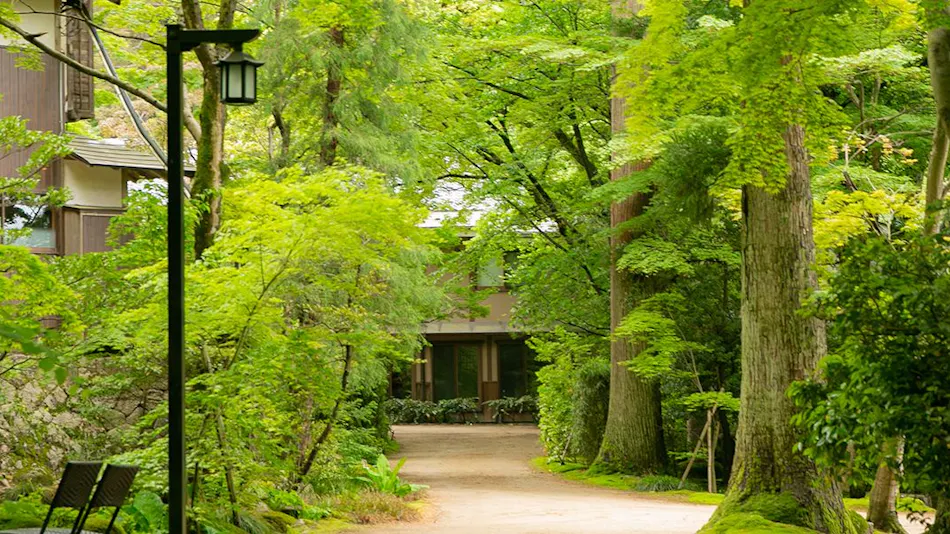
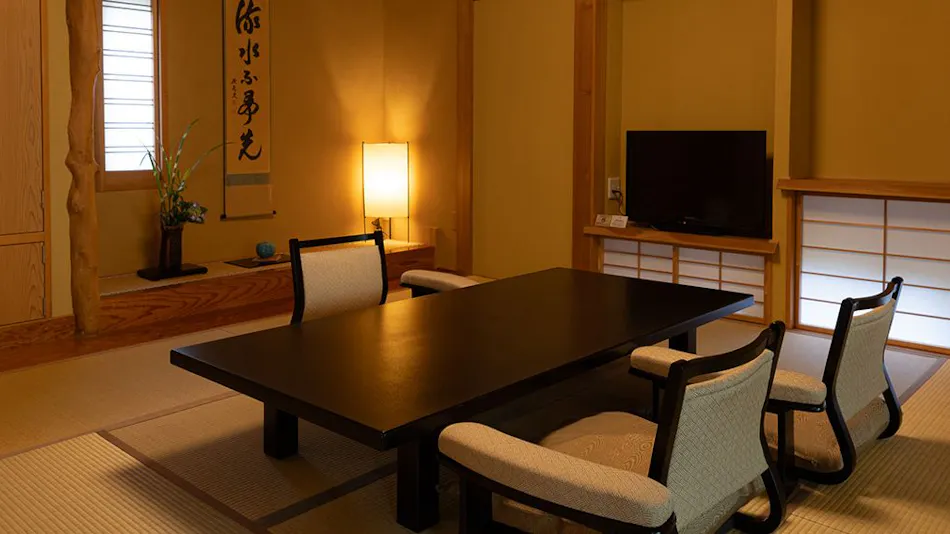
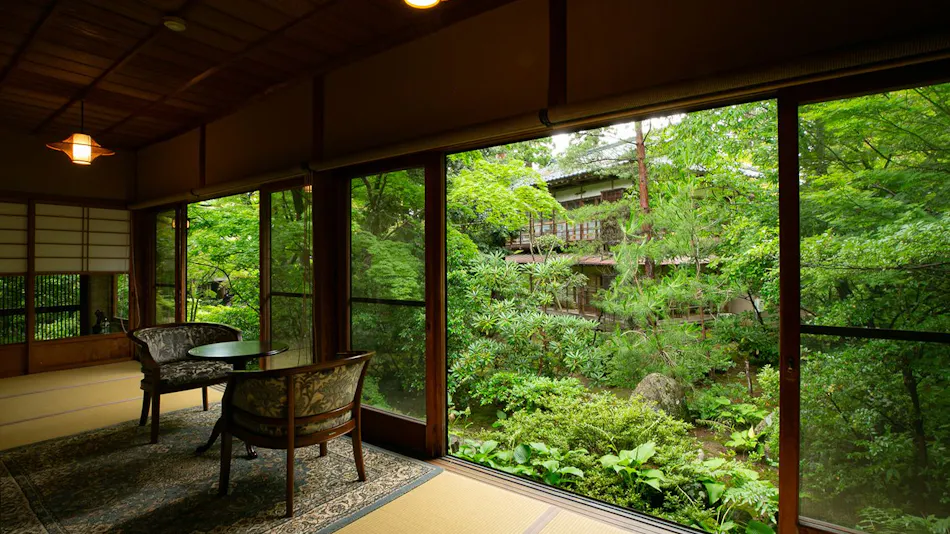
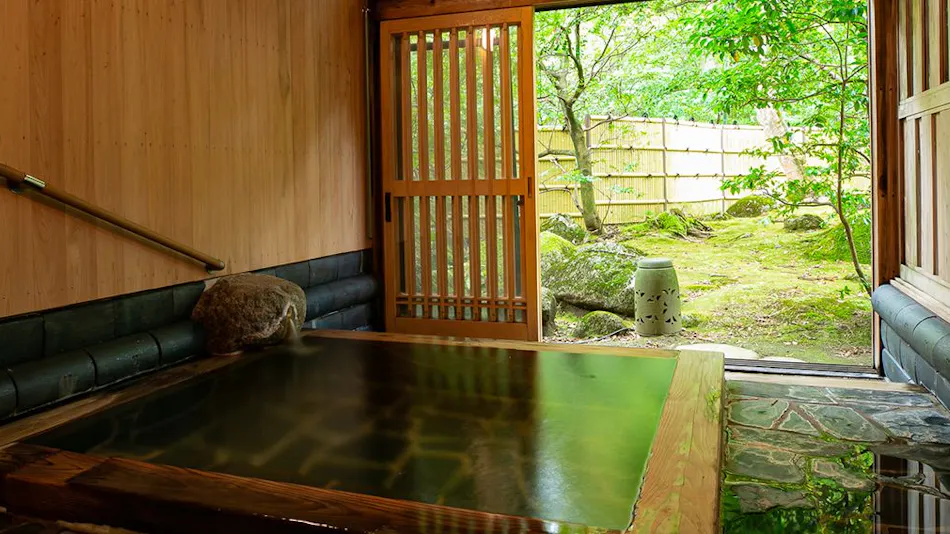
Stay in a historic building registered as a tangible cultural property, where all meals and Onsen experiences can be enjoyed entirely in your Room from check-in to check-out. Experience a private space that feels both nostalgic and fresh, harmonized with nature, and enjoy a deeply relaxing moment.
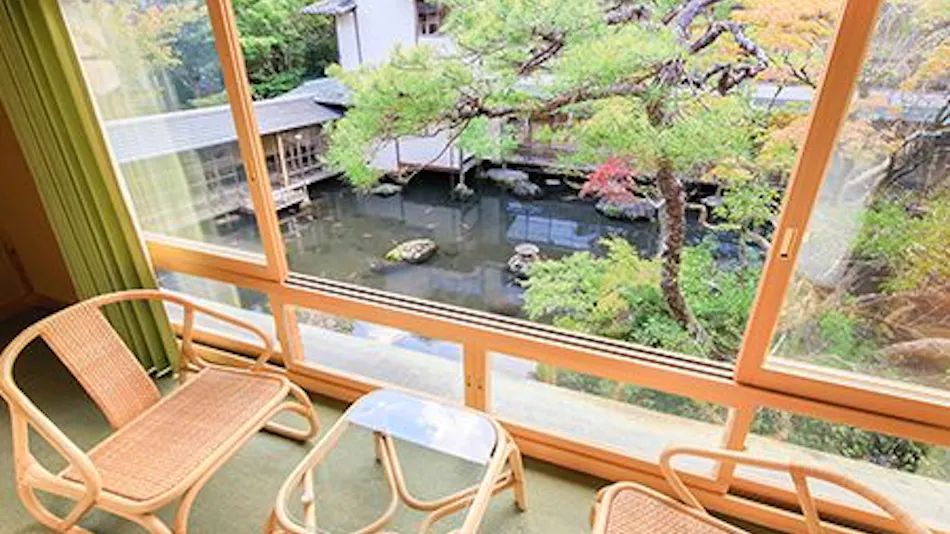
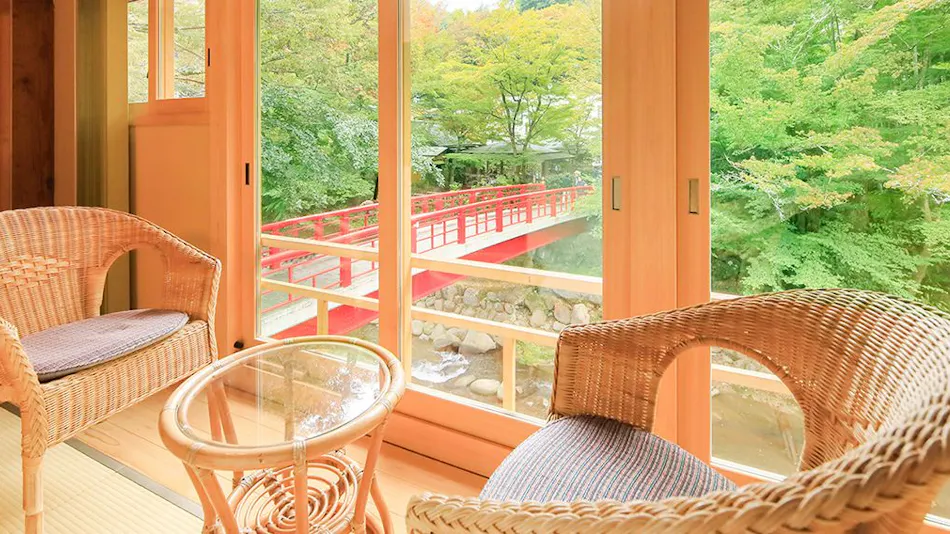
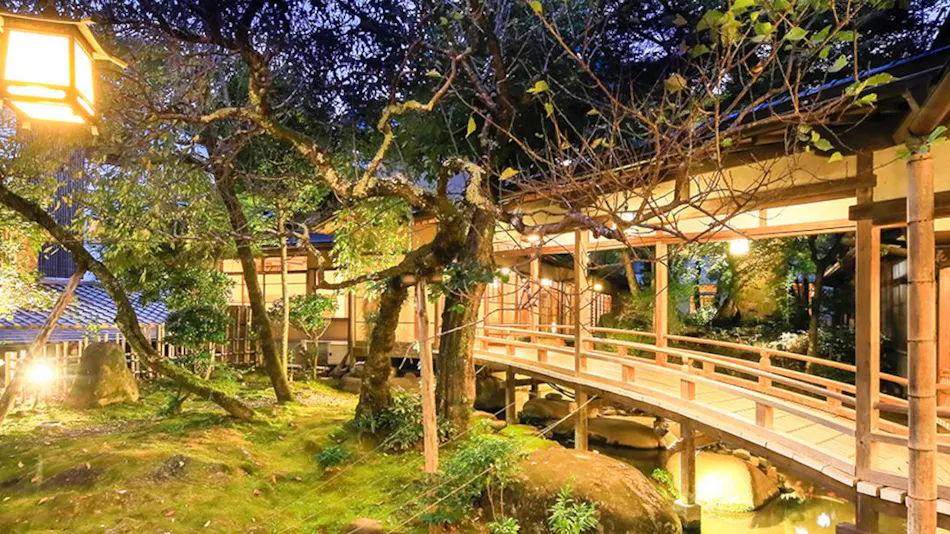
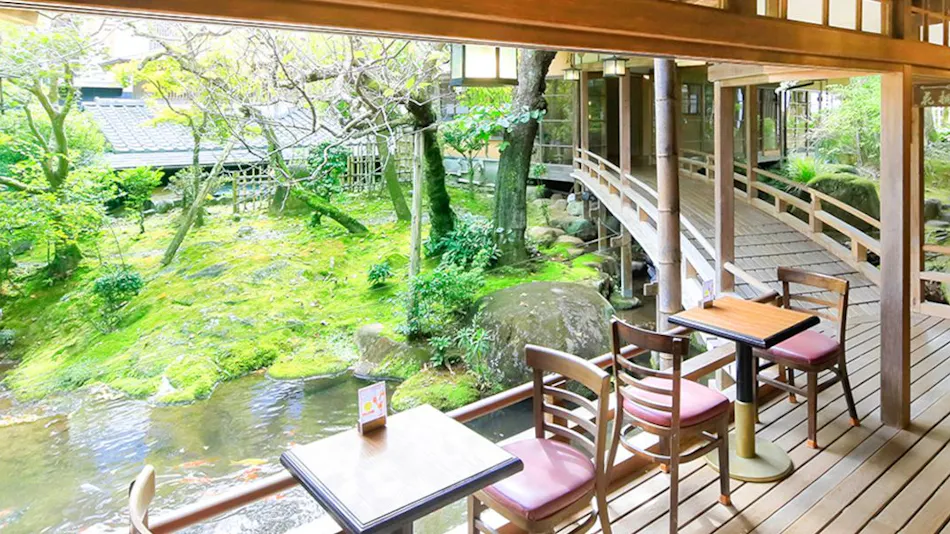
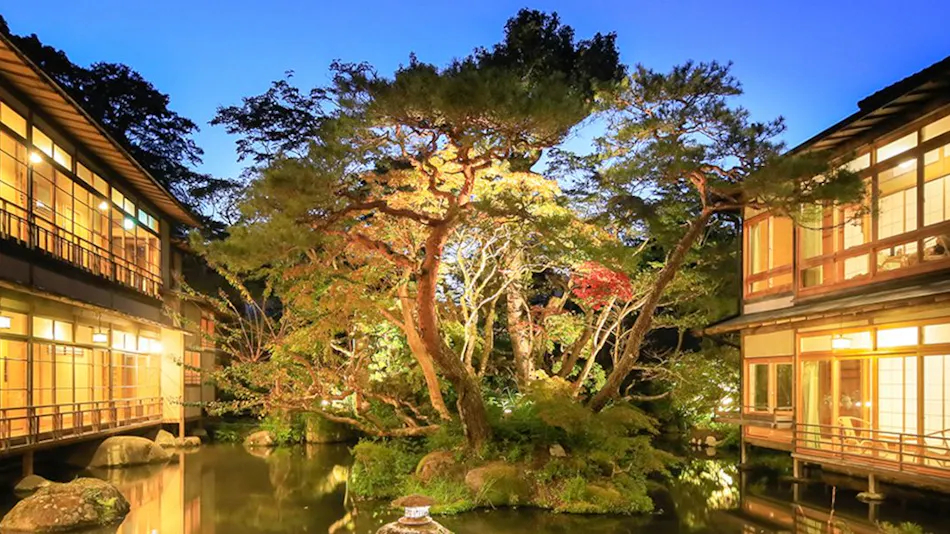
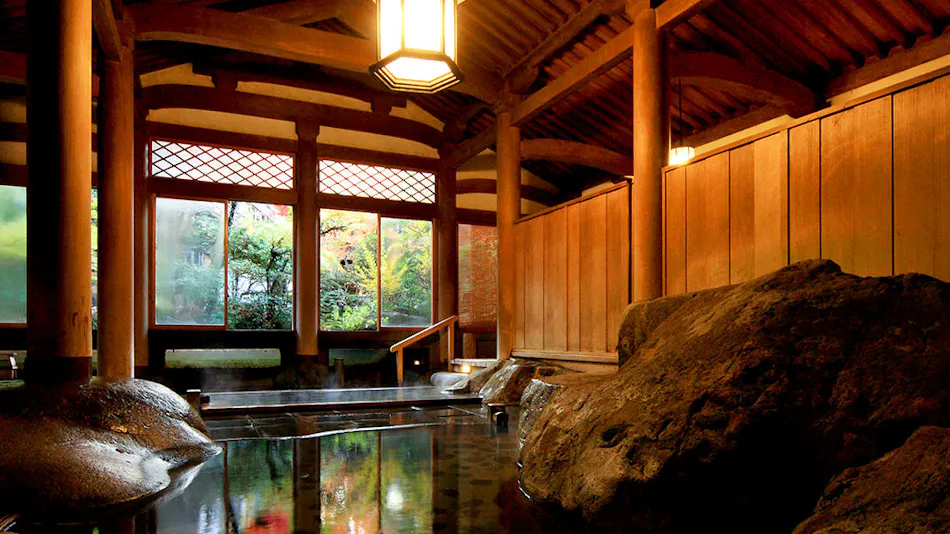

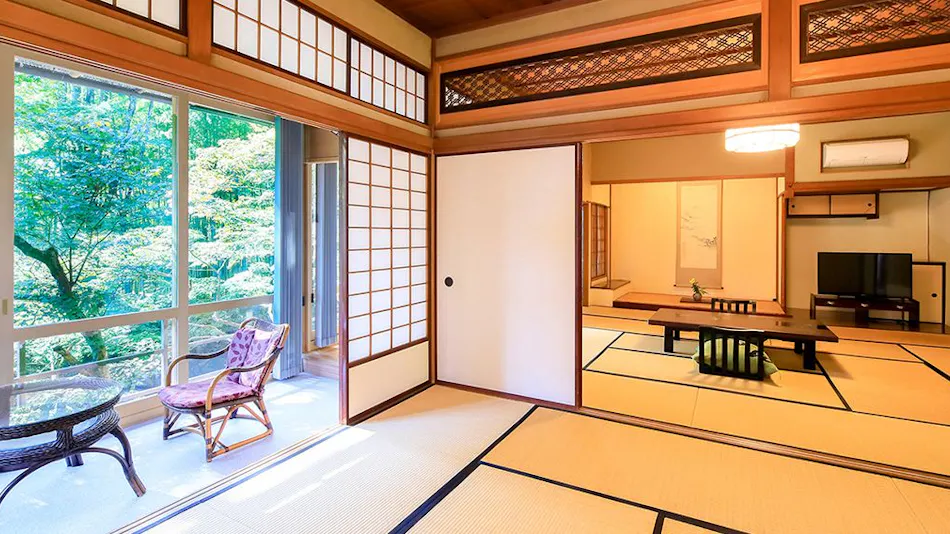
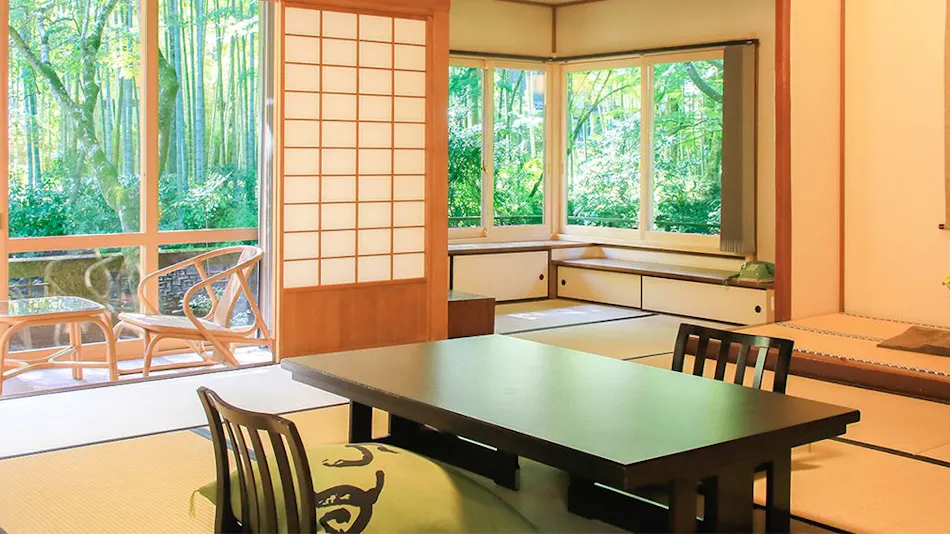
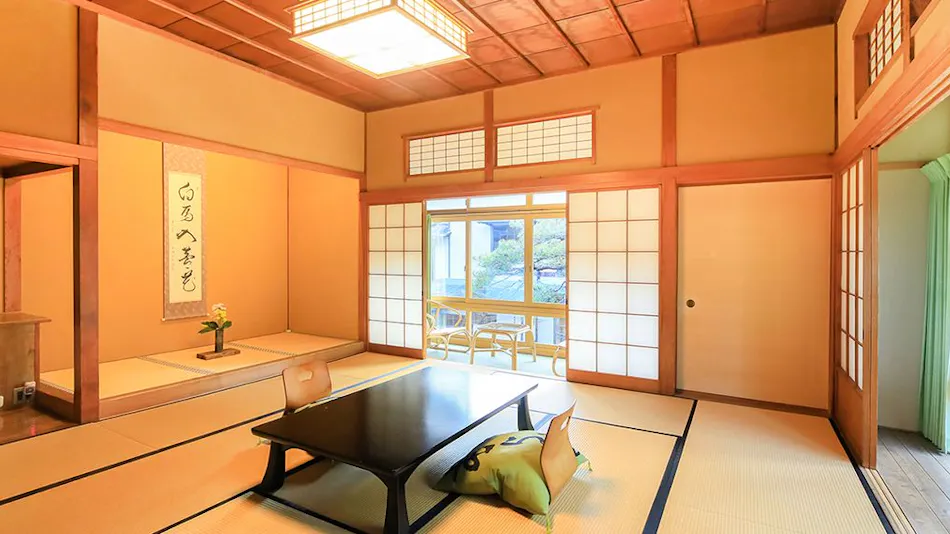
The third-generation owner of Arai Ryokan had close relationships with literary and artistic figures, leading to the creation of numerous works of Japanese painting and literature at Arai Ryokan. The artistic sensibilities are reflected in the architecture and gardens, making them a valuable cultural heritage.
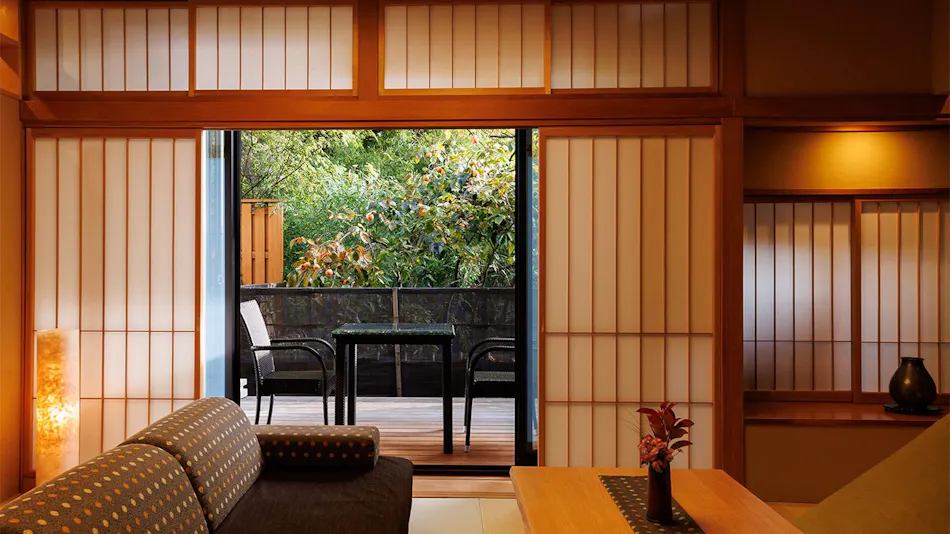
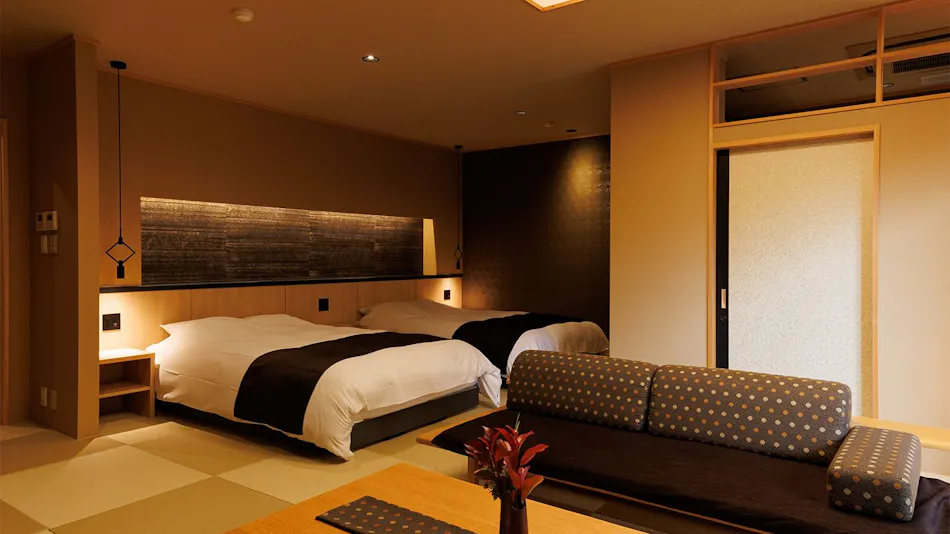
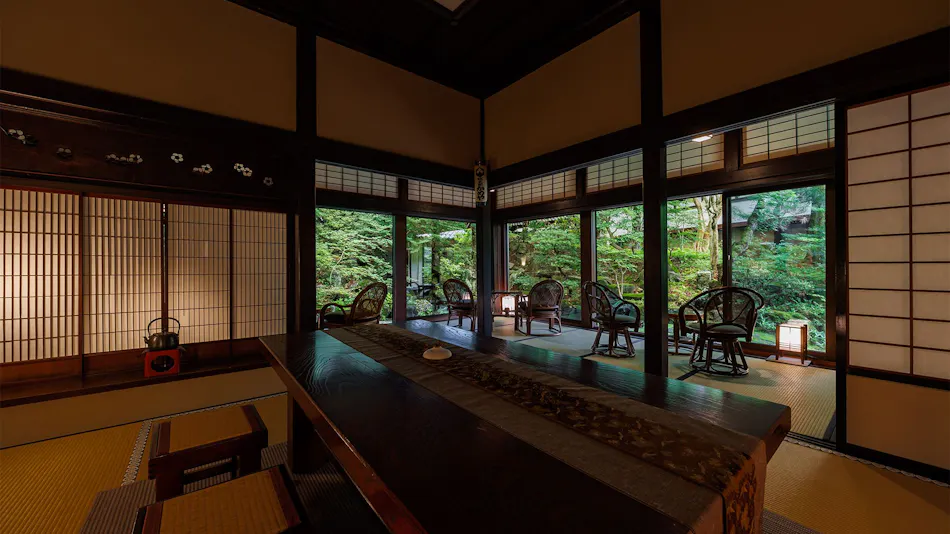
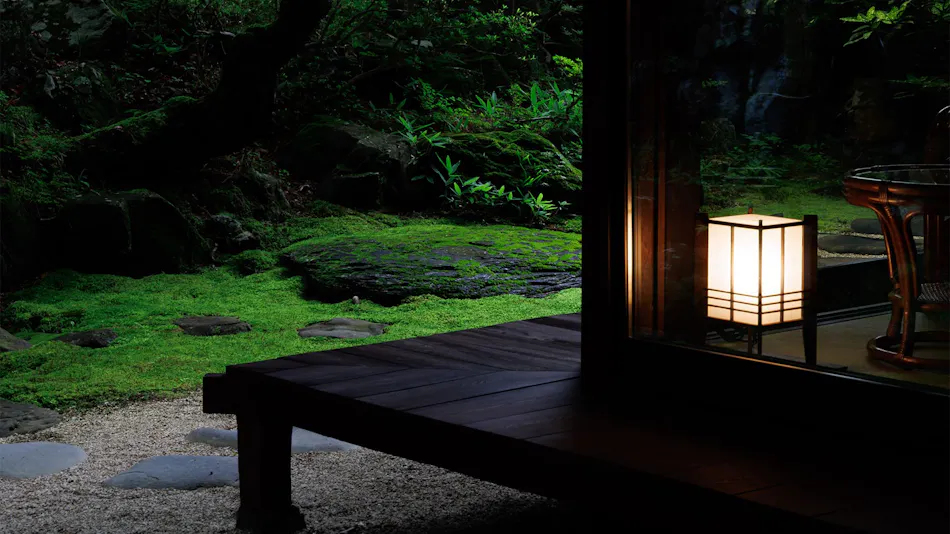
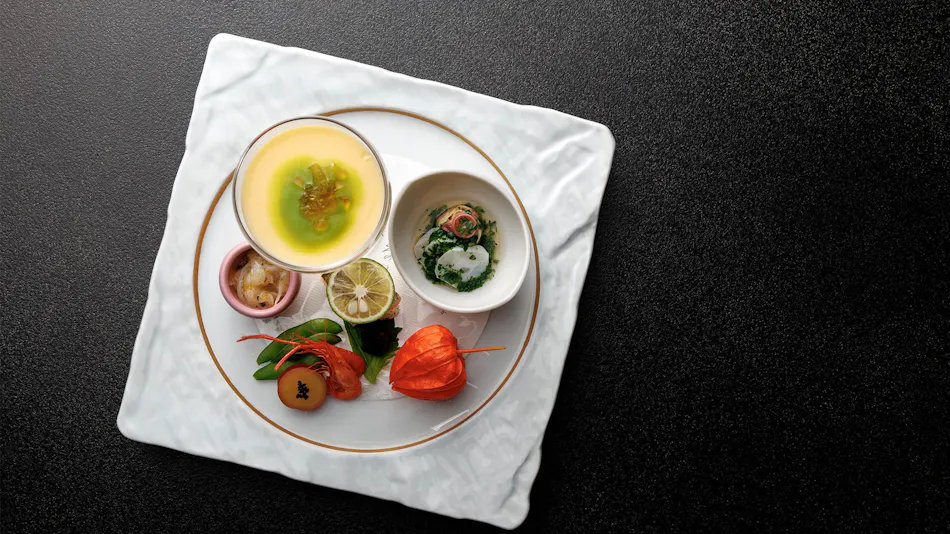
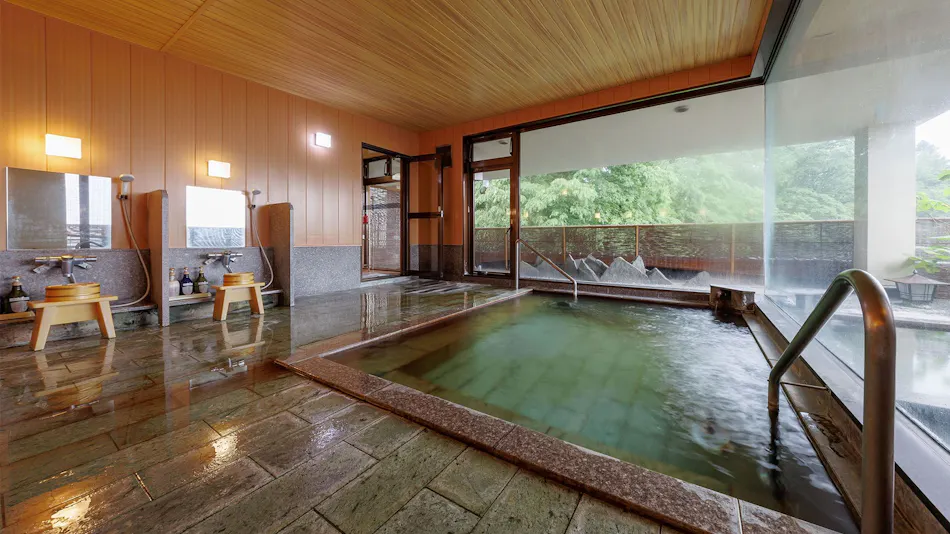
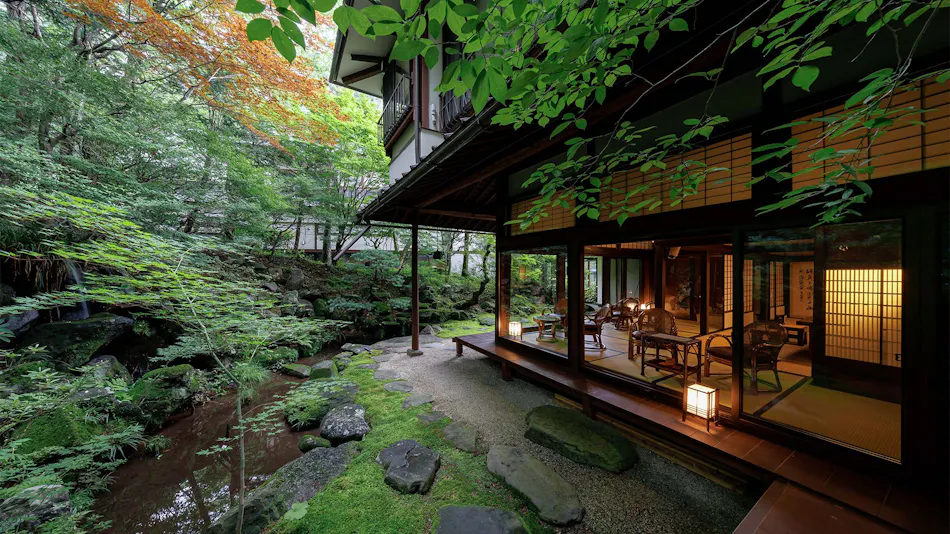
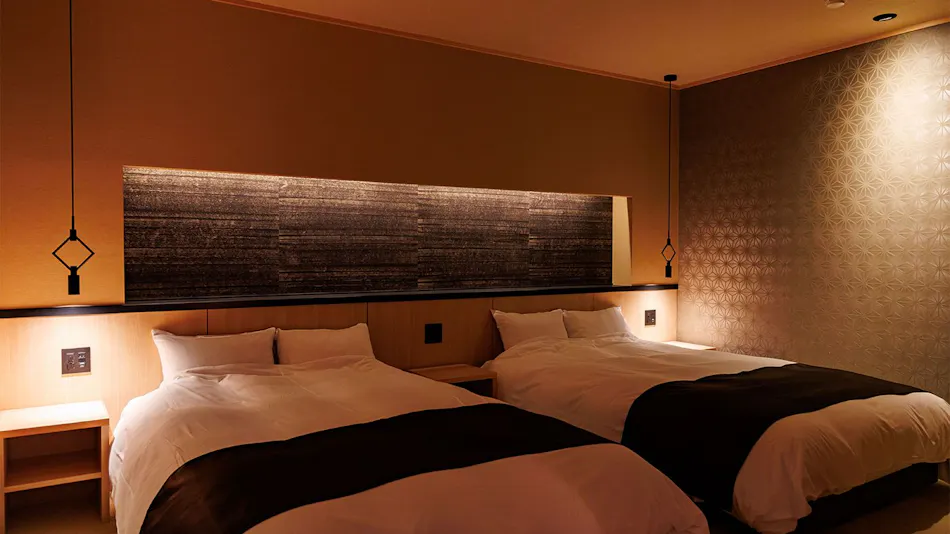
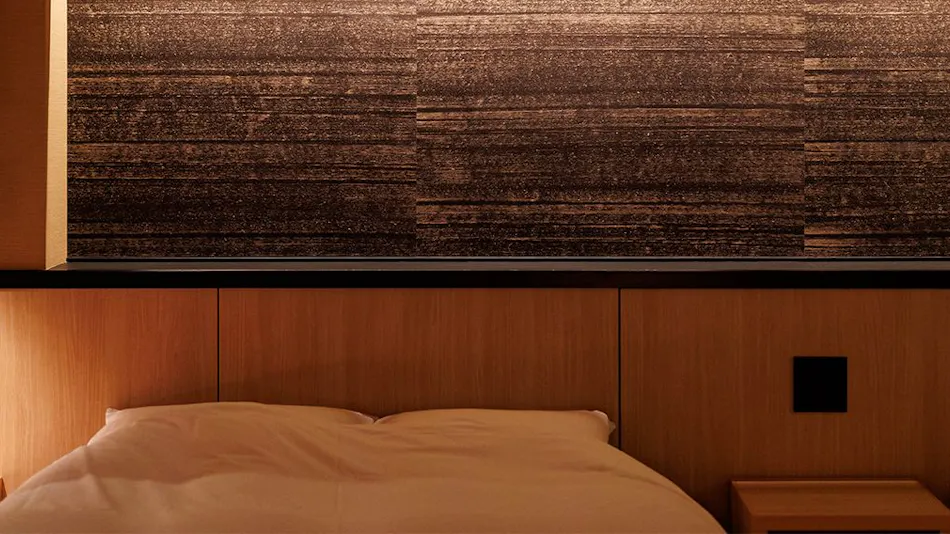
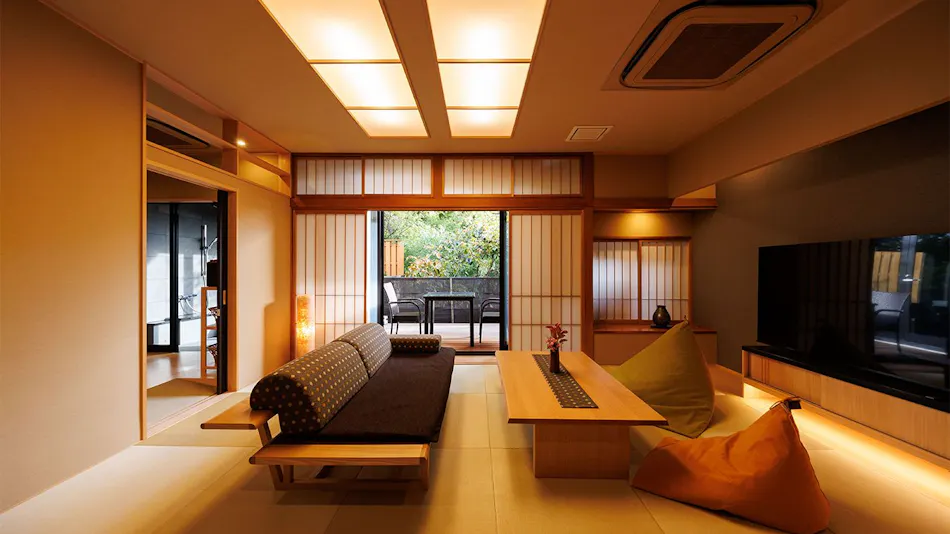
Experience the rich history of the former main Accommodation of Nakasendo Shimosuwa-juku, which has stood for centuries. Enjoy the renovated lounge "Jodan-no-Ma," originally created for Princess Kazunomiya and other dignitaries, a garden once praised as the finest along Nakasendo, and guest rooms beloved by literary masters of the Meiji era. Relish your time while feeling the solemn breeze from Suwa Taisha Shrine.
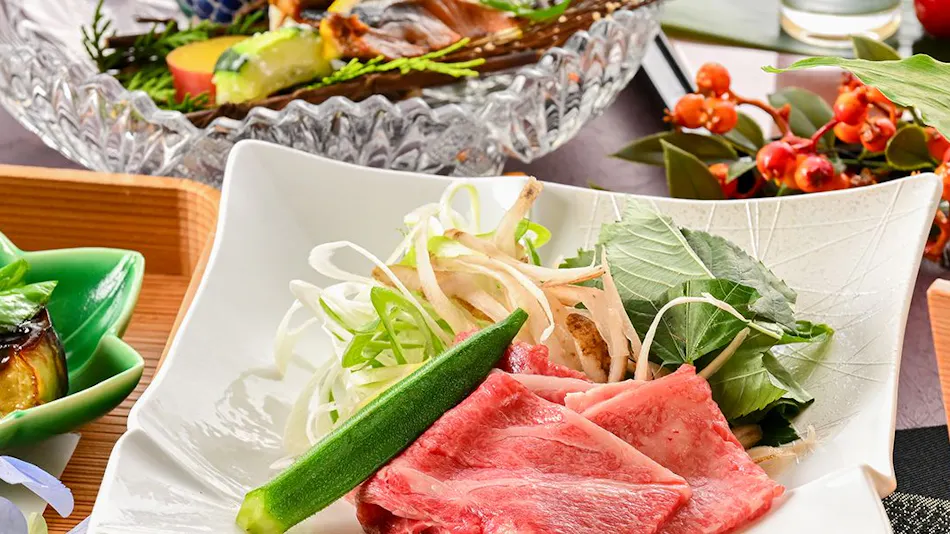
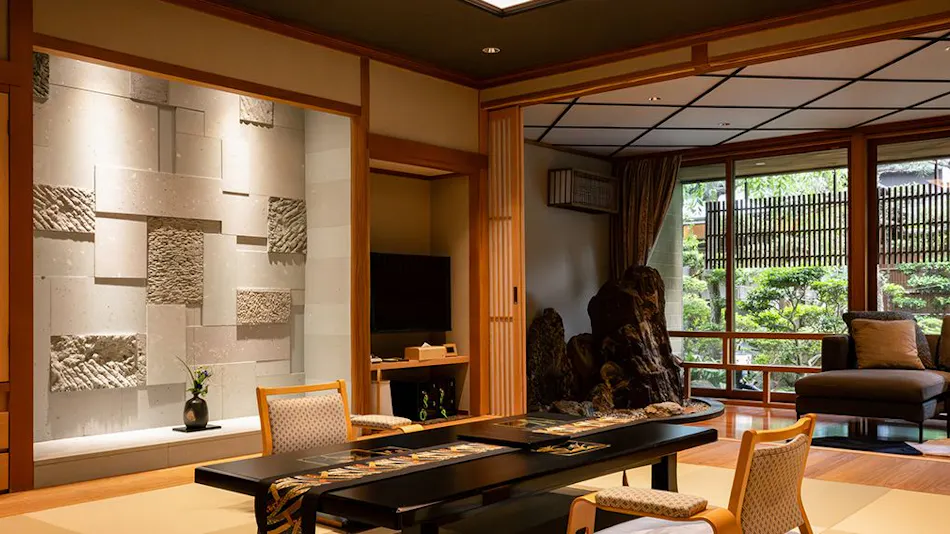
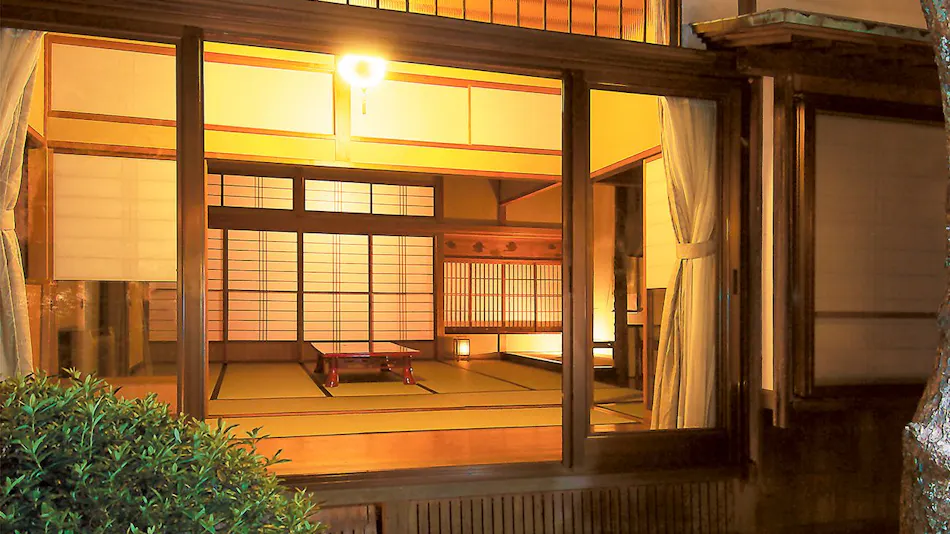
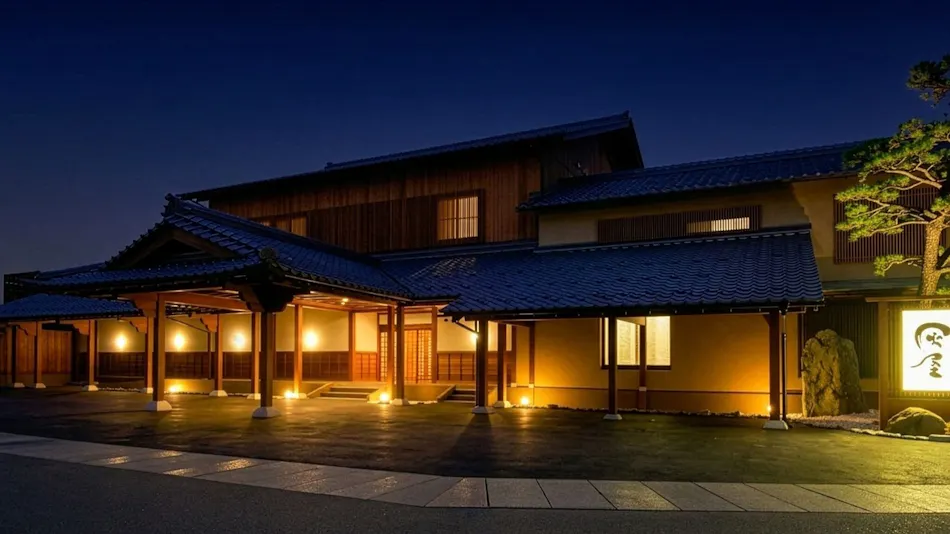
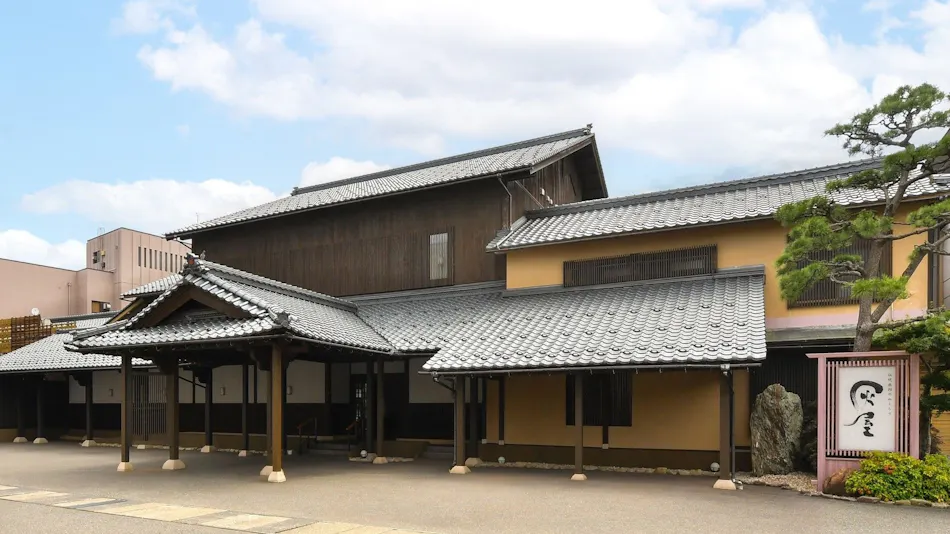
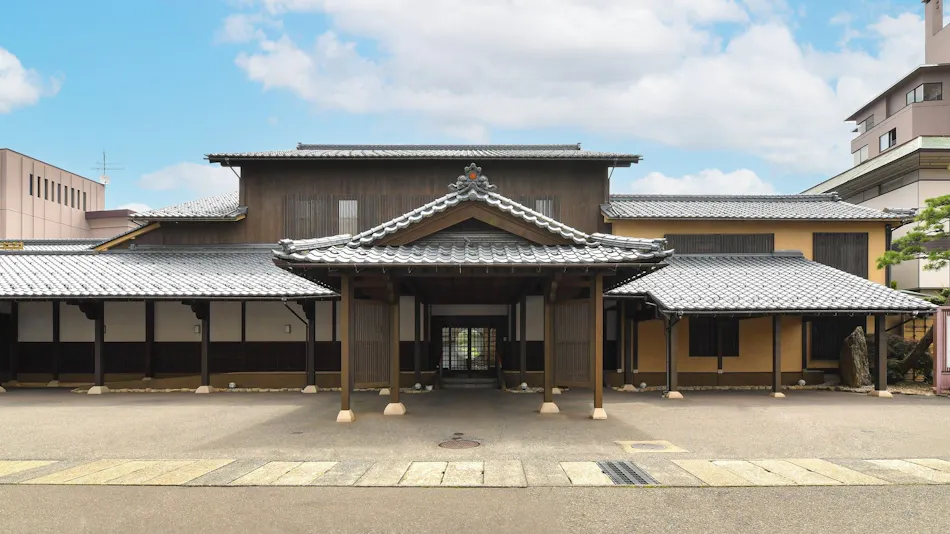
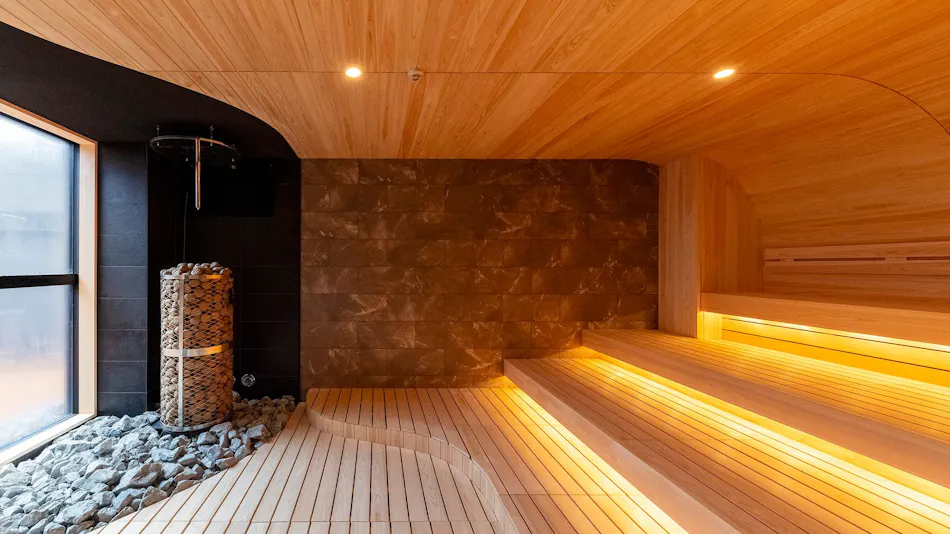
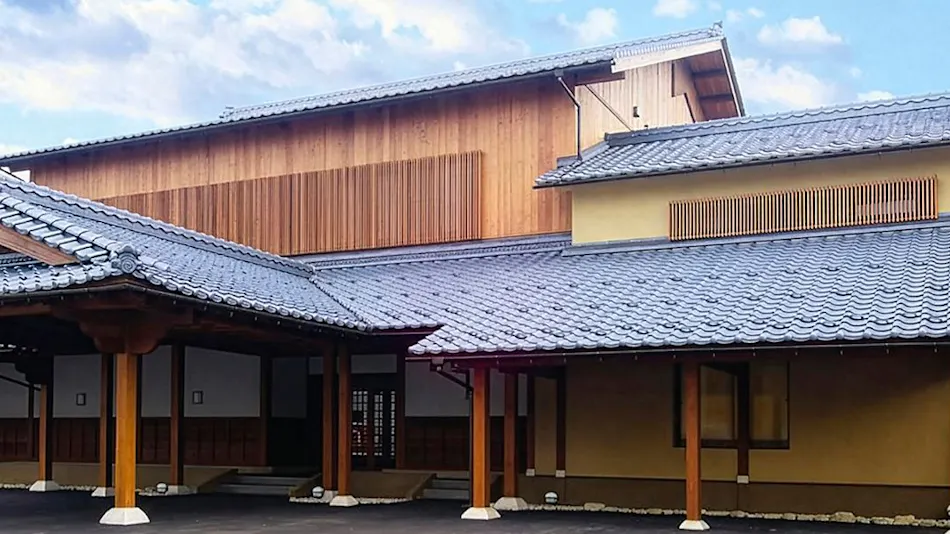
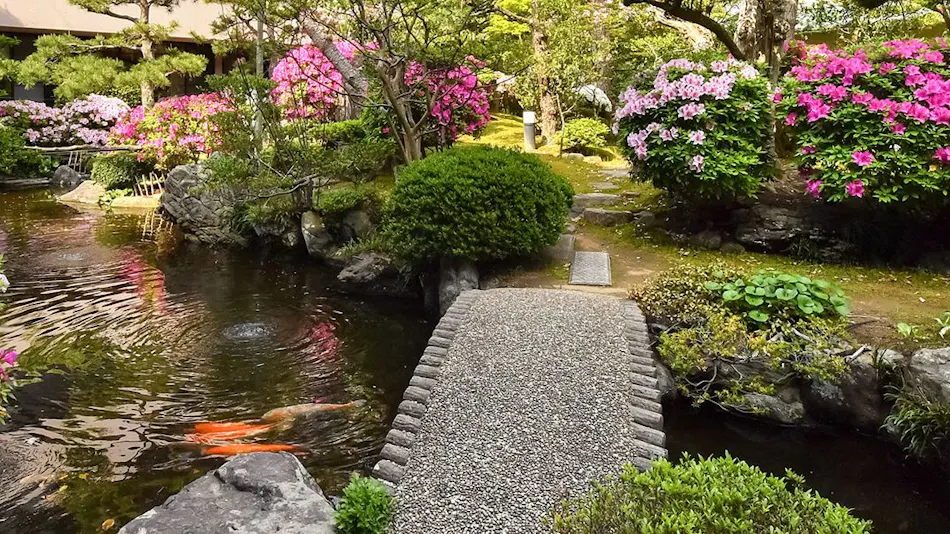
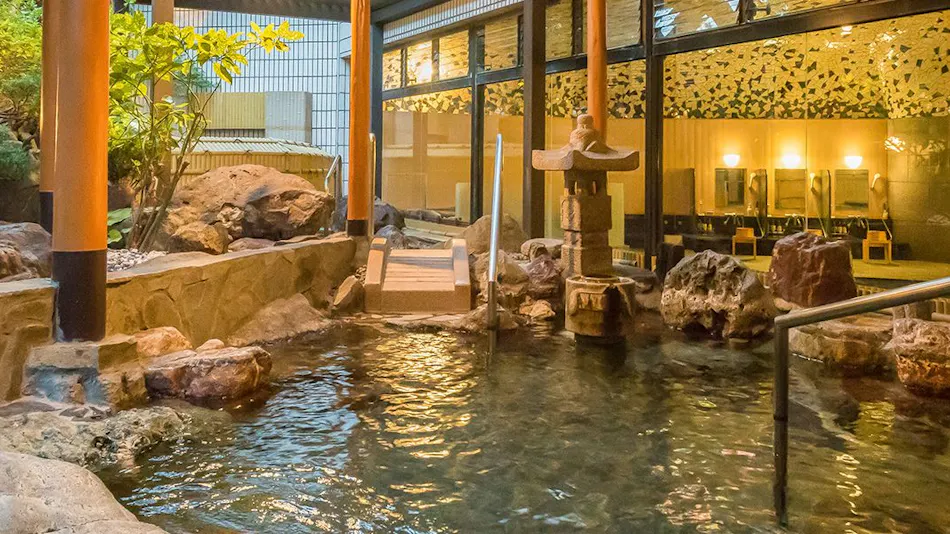
Awara Onsen “Traditional Ryokan Warmth Haiya” stays true to the essence of hospitality, featuring an entrance recreated by master temple carpenters to reflect the original doorway from its founding in 1884, a large public bath where you can enjoy free ganbanyoku (hot-stone spa)—the only one in Awara Onsen—along with a newly added garden sauna and cuisine showcasing the finest flavors of Fukui and Awara. With deep respect for history and warmth, our guiding principle is to create an Accommodation that is kind to people. In the comforting atmosphere of a traditional Ryokan that feels like coming home, enjoy a soothing time for both body and mind—experience the hospitality of Awara Onsen “Haiya.”
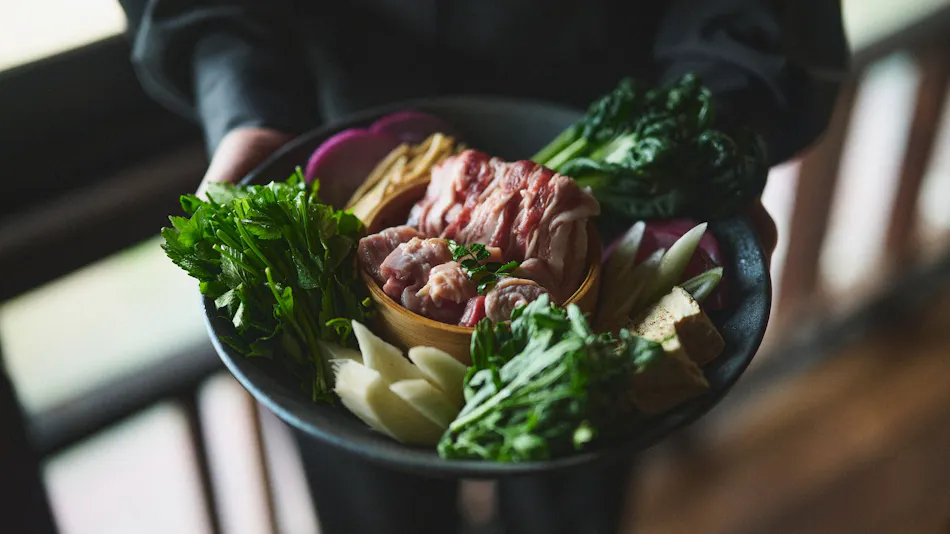
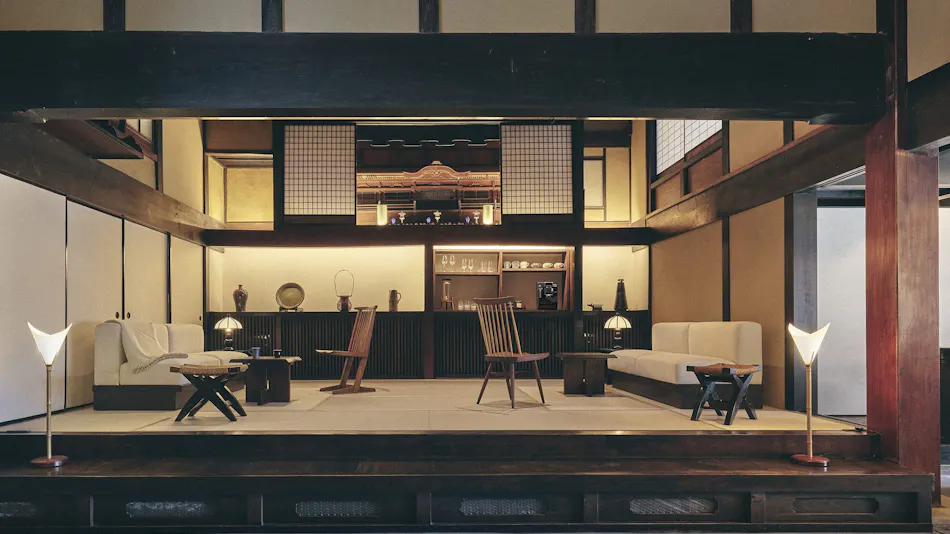
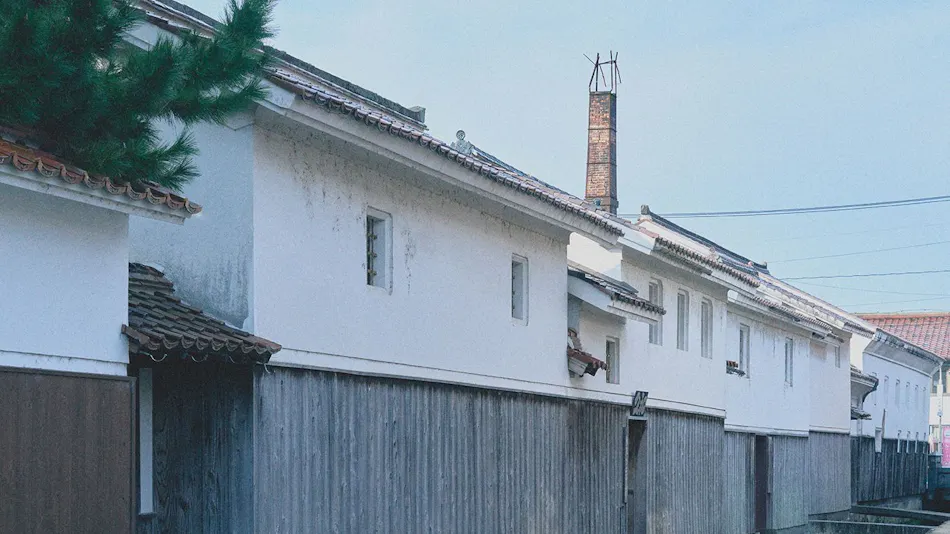
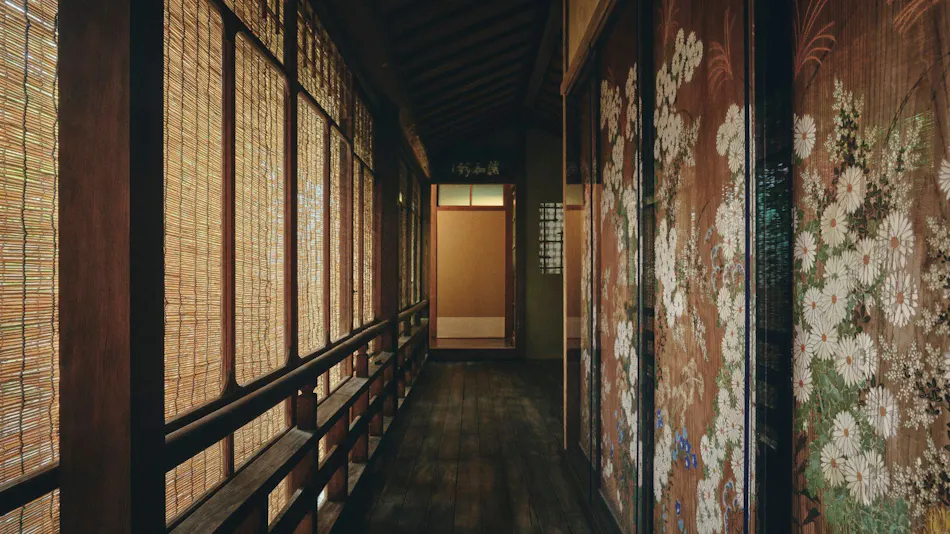
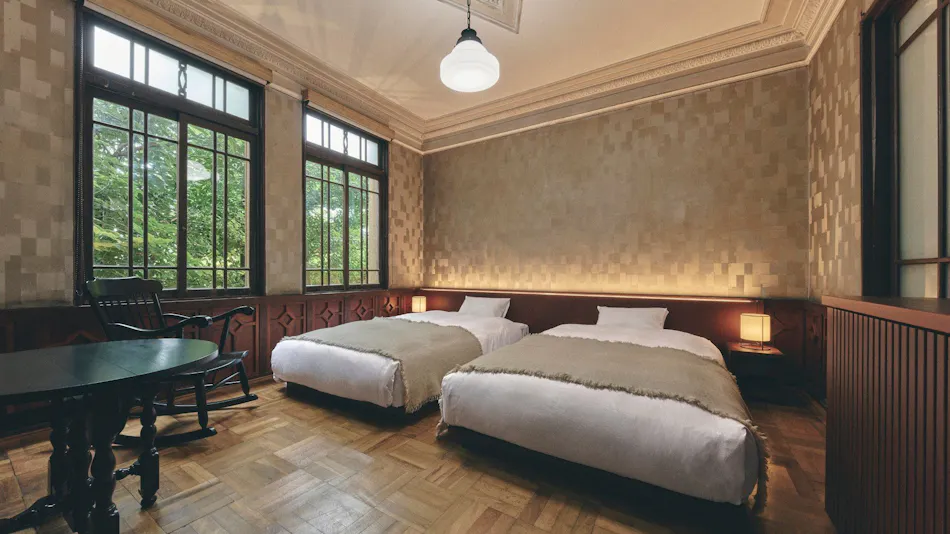
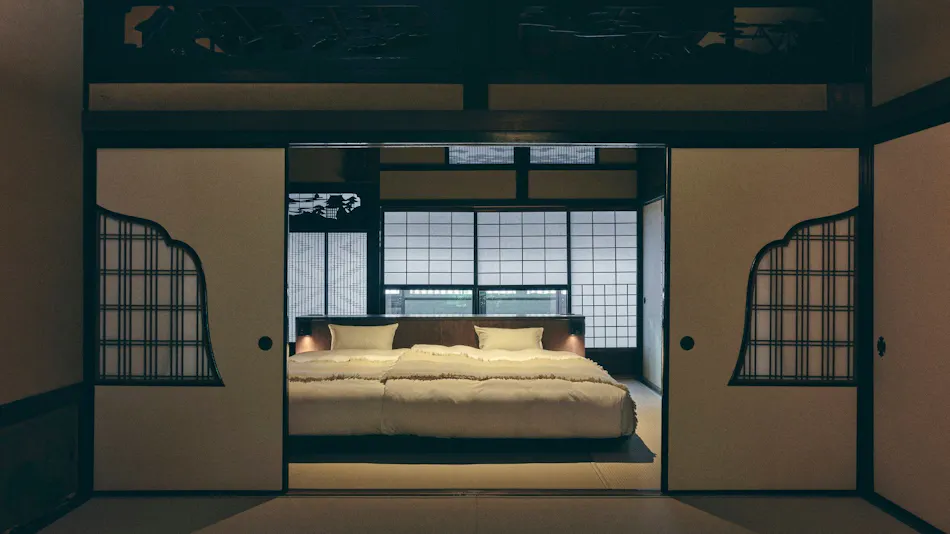
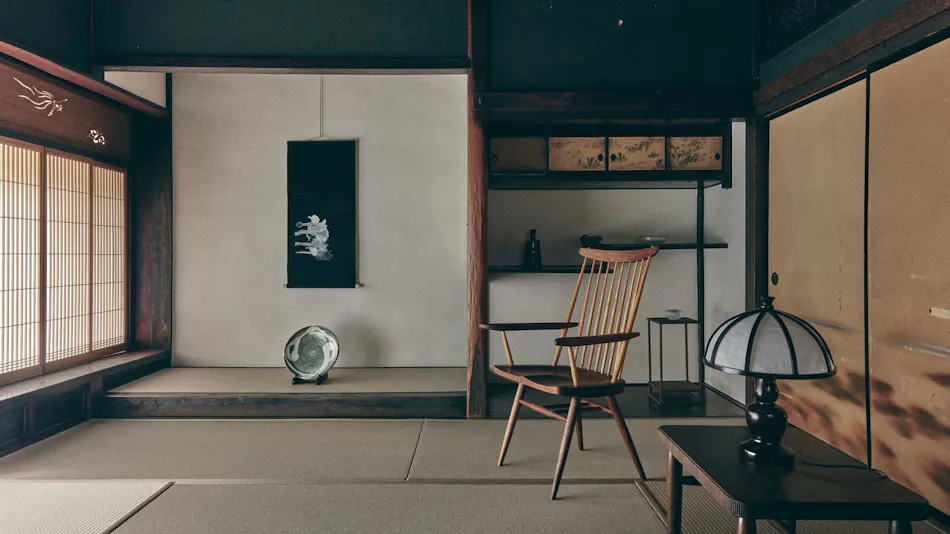
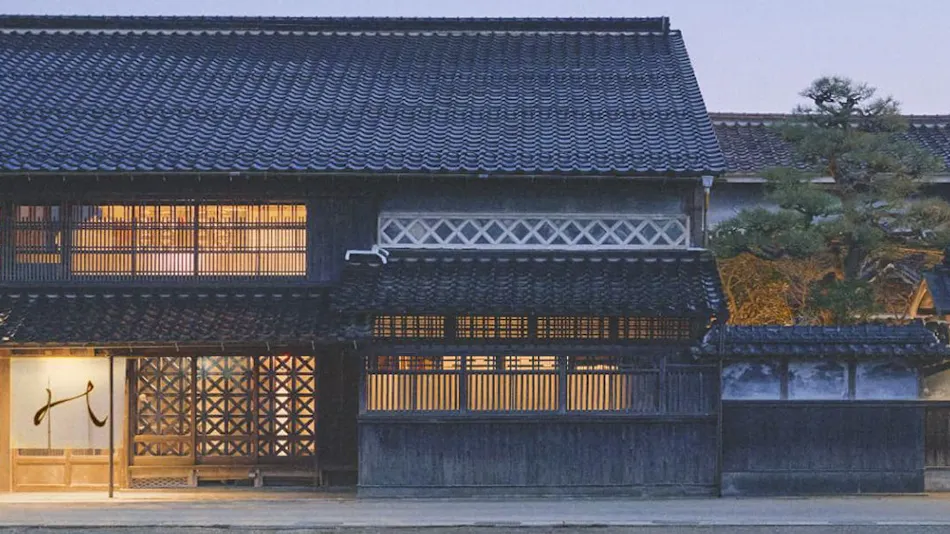
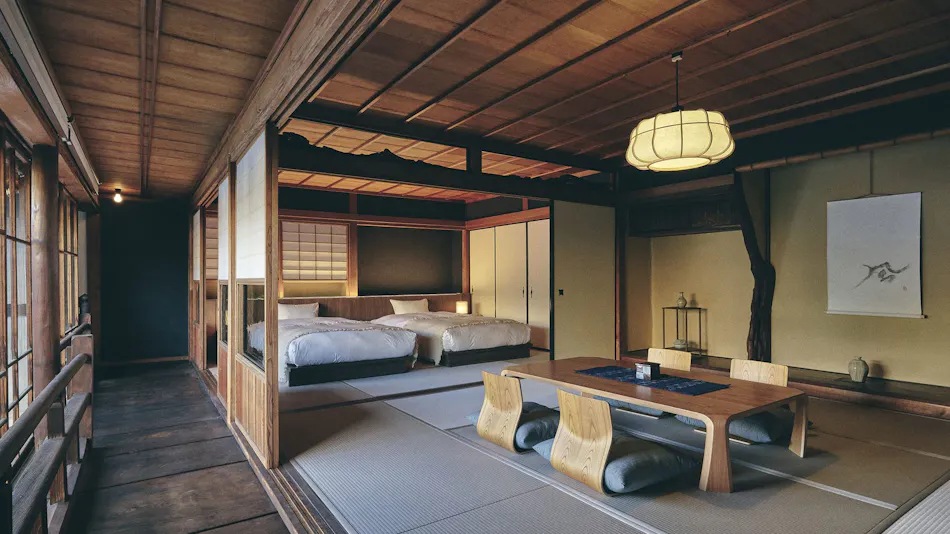
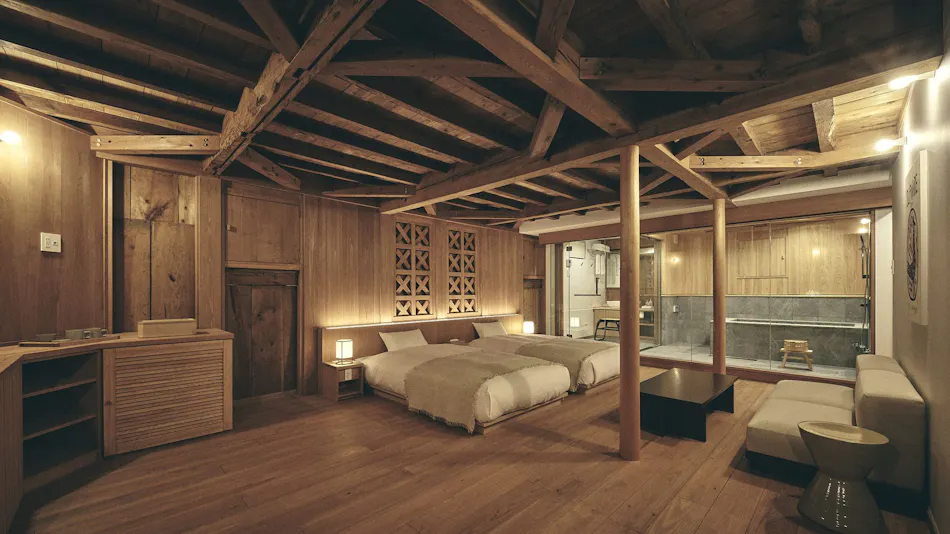
In the nationally designated Important Preservation District for Groups of Traditional Buildings, the “Shirakabe Dozo-gun,” the atmosphere of Edo to Meiji still lives on. Set in a “cultural property residence” within this historic quarter, this is a dispersed Hotel with 11 guest rooms across multiple buildings. Kurayoshi, with convenient access from Haneda, is where rich history and contemporary culture intersect—home to a prefectural art museum opening in 2025 and known as the setting of the manga *A Distant Neighborhood*, hailed overseas as a “bible.” The true pleasure of staying here is to wander the town as if guided by mountain faiths, let your mind roam, and breathe in the local “wind.” Onsen-hopping nearby—such as Shirogane-no-Yu (Sekigane) and Misasa Onsen—along with gourmet experiences featuring local ingredients, leads both body and mind into deep rest and renews your energy for tomorrow. For anniversaries with someone special or trips as a couple, for a carefree solo journey that sets you free—or for a quiet Multiple Night Stay immersed in stillness. Surrender to an extraordinary pause in this hometown of myth. A healing luxury wrapped in the rich stories of Central Tottori.


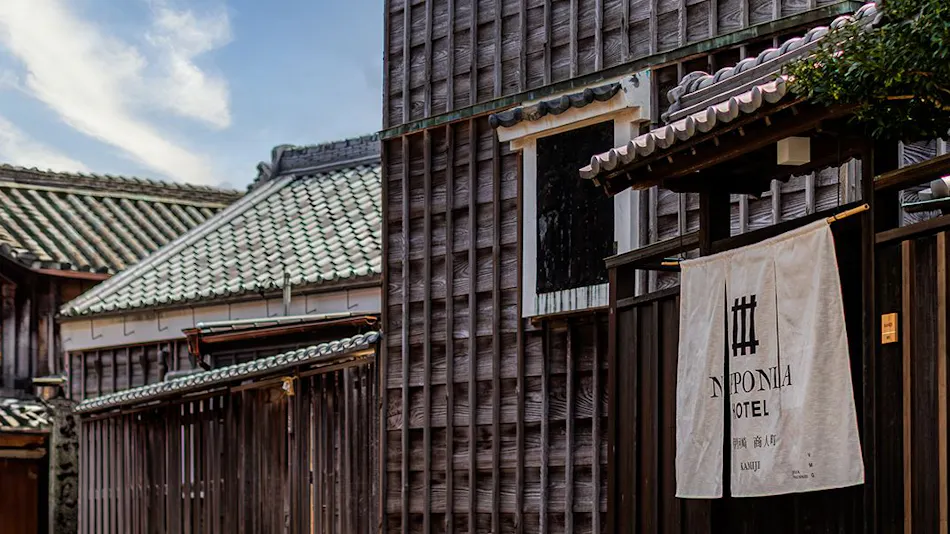
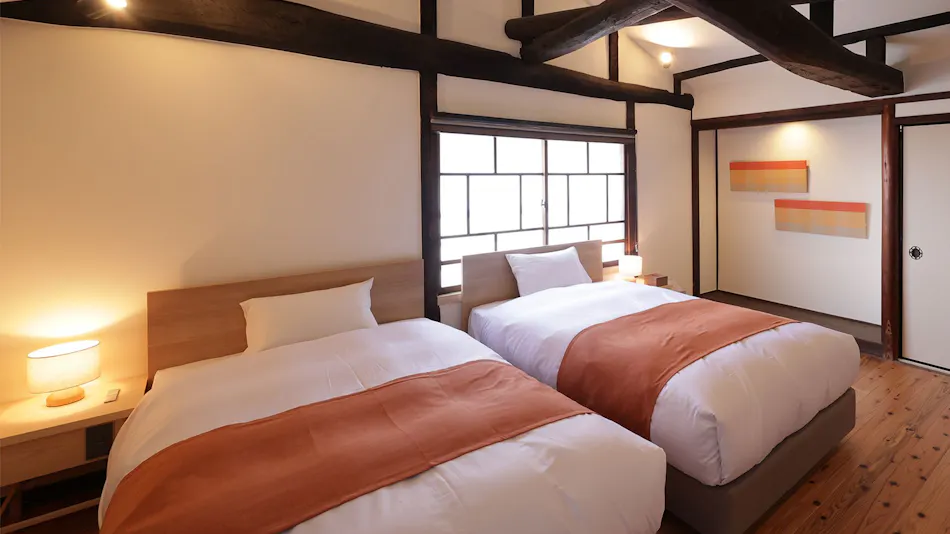


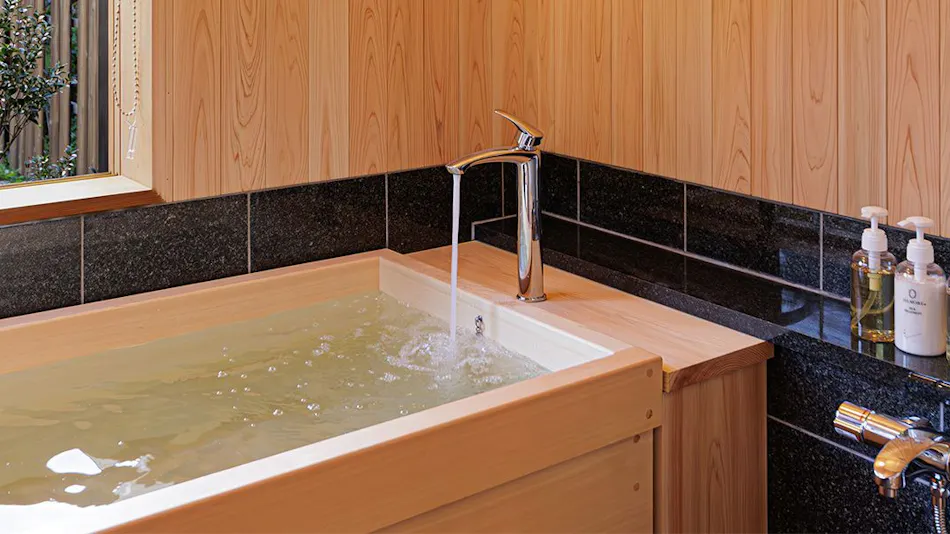


Once known as “Ise’s kitchen,” Ise Kawasaki has long supported pilgrims on their journeys to Ise. In our six buildings with eight guest rooms, set within a charming and beautifully preserved streetscape, you can experience original architectural styles and traditional Ise crafts, and discover the culture of “beauty that deepens with age.”Like the “Oshi” of the Edo period who cared for visitors to Ise Grand Shrine, we support each traveler’s pilgrimage in a personal way.Enjoy a pilgrim’s journey that deepens your understanding of Ise and its shrines while cleansing both body and mind through firsthand experience.
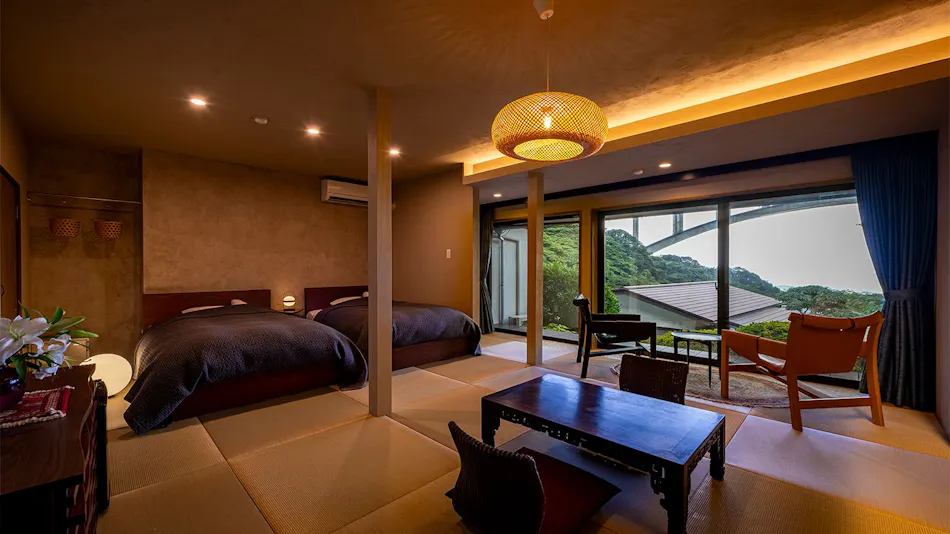
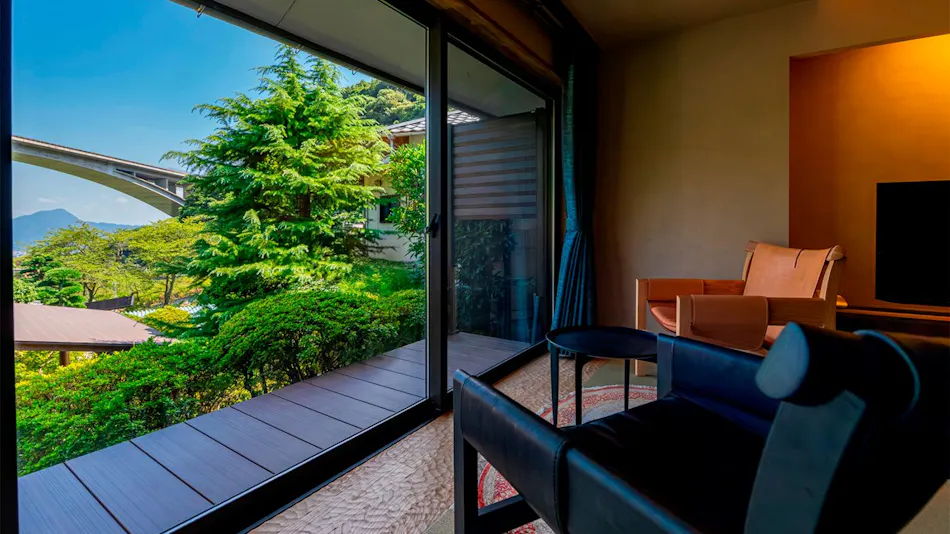
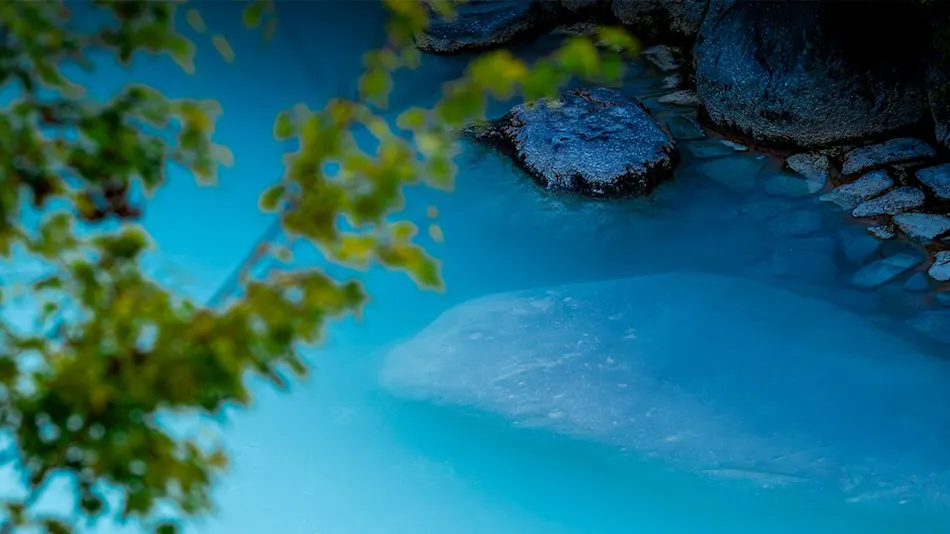
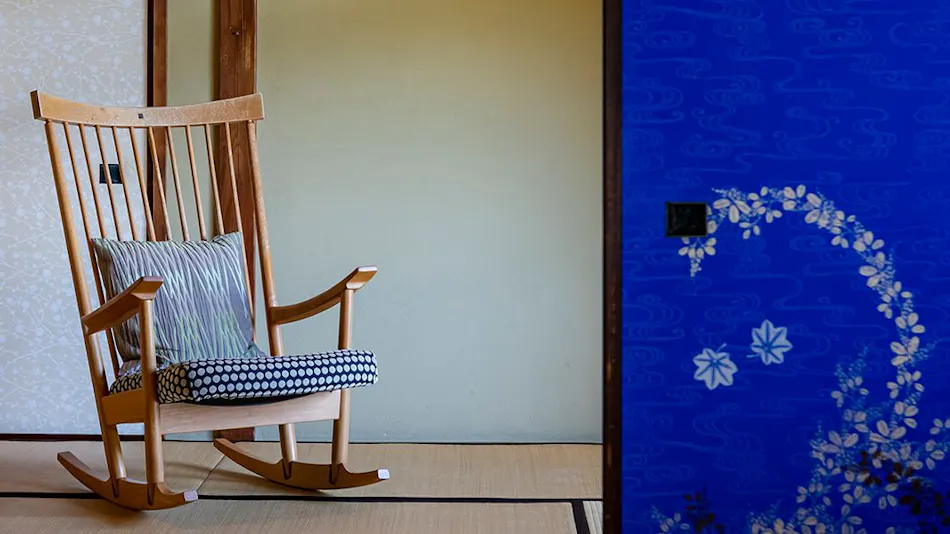
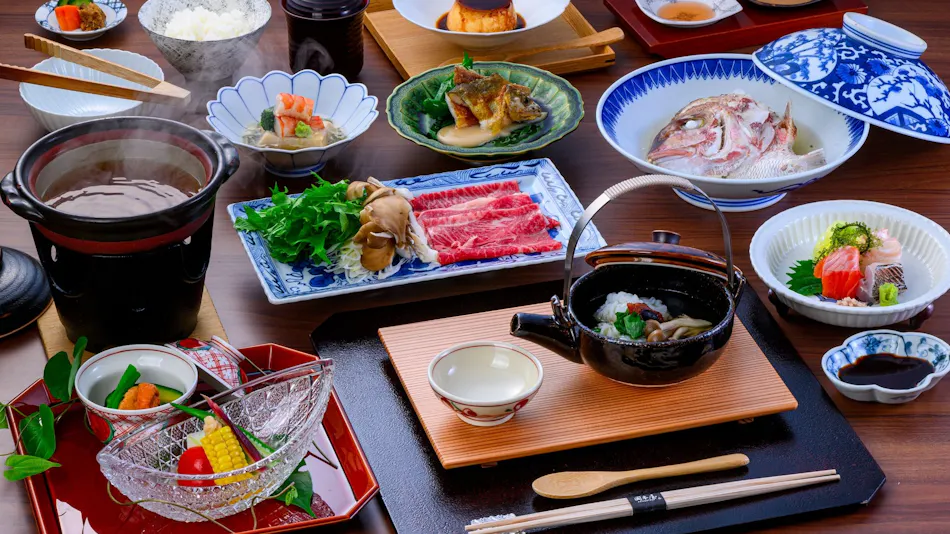
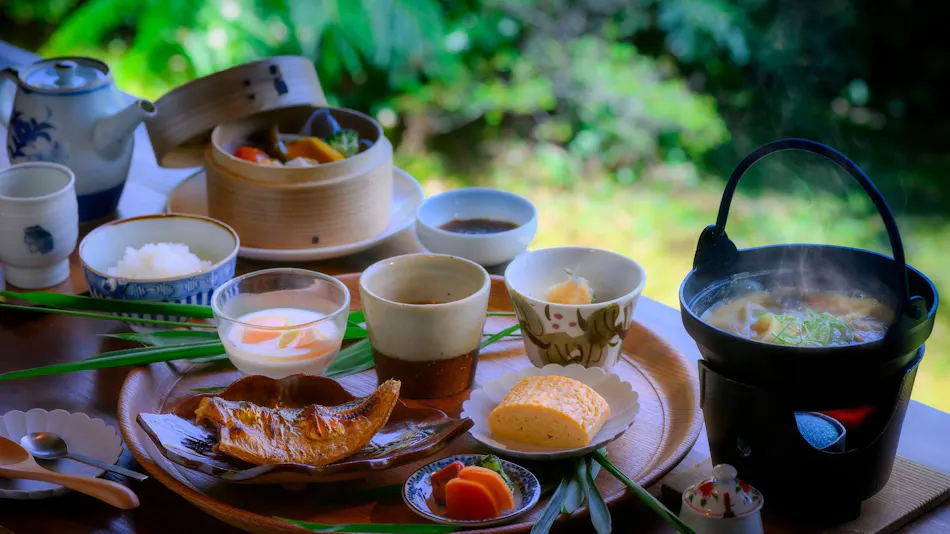
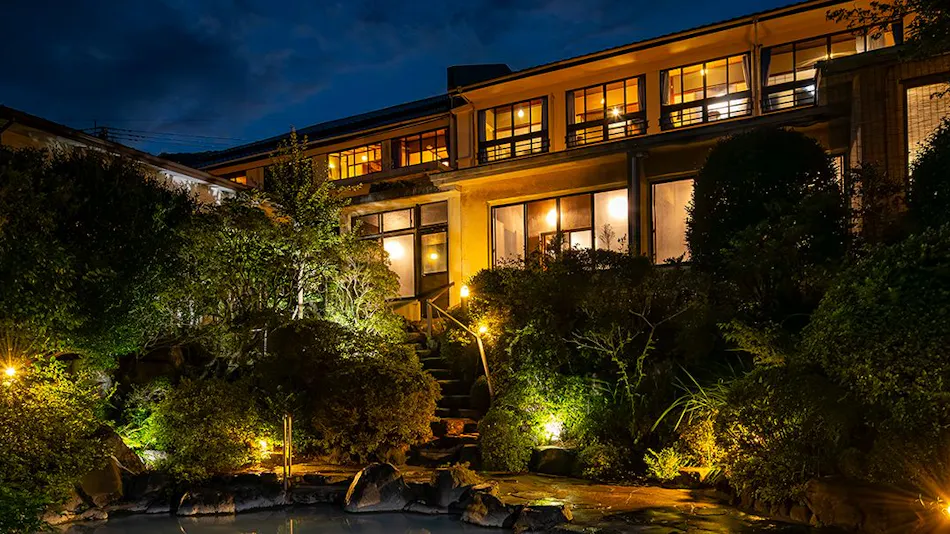
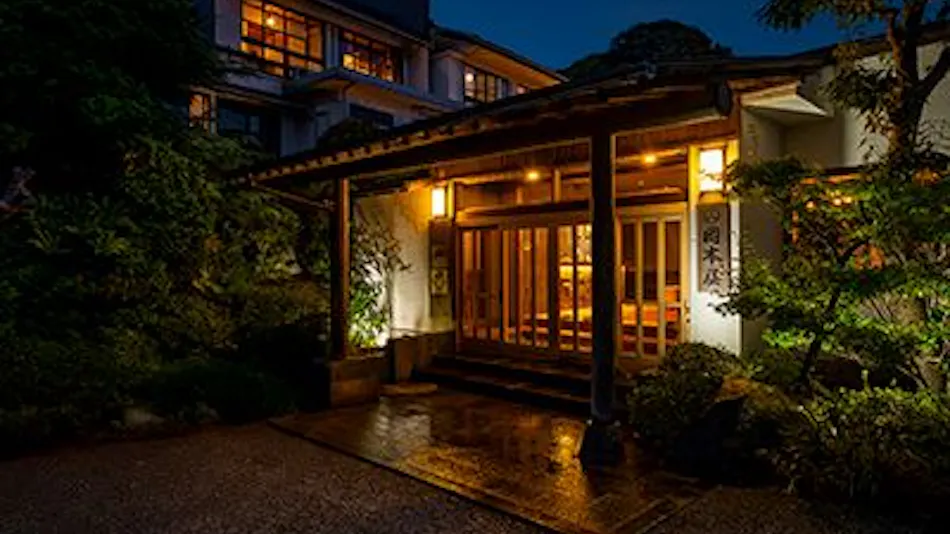
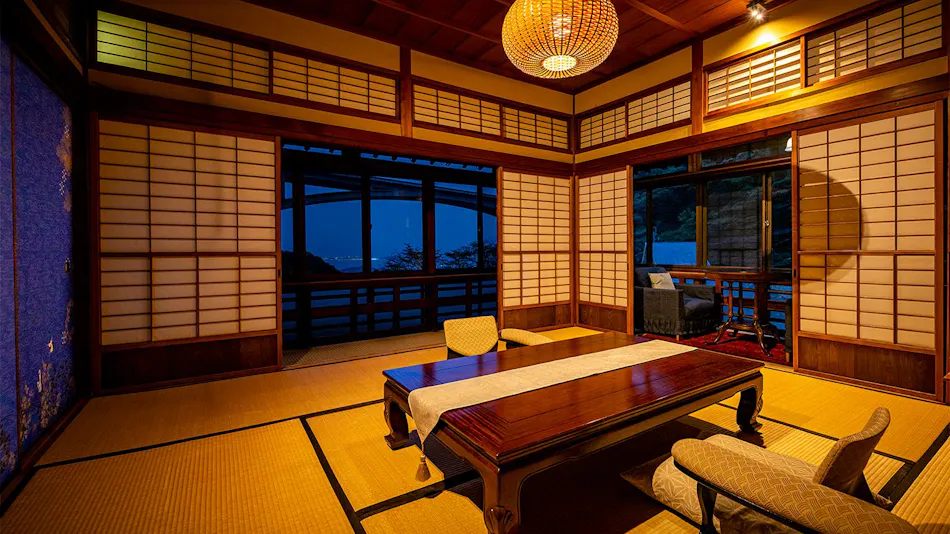
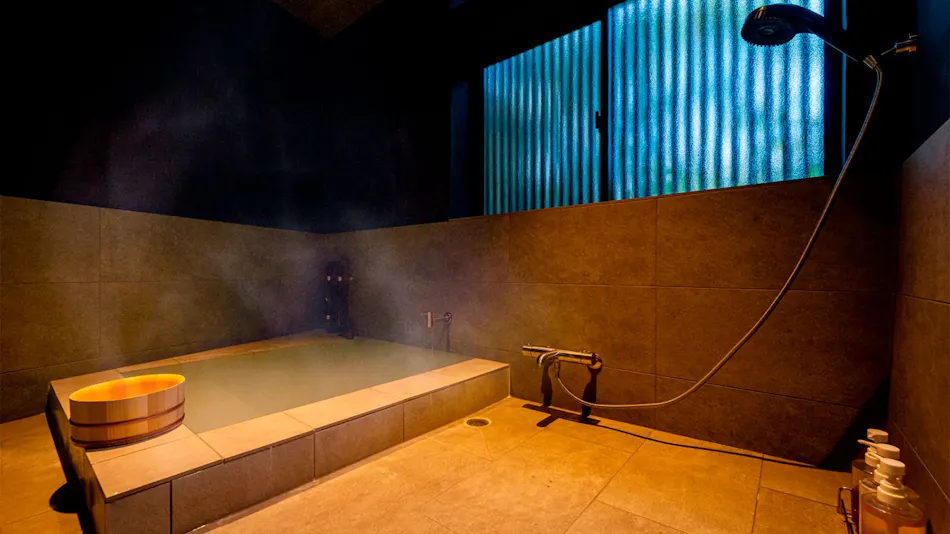
This Ryokan features an open-air garden bath and a distinctive milky-blue Onsen with a slightly bluish, creamy-white hue. In early summer, azaleas bloom, and in winter you can enjoy the fragrance of pomelo floating in the bath—another of its charms. It is also a long-established Onsen Accommodation that has continued since the Meiji era, even in Myoban.
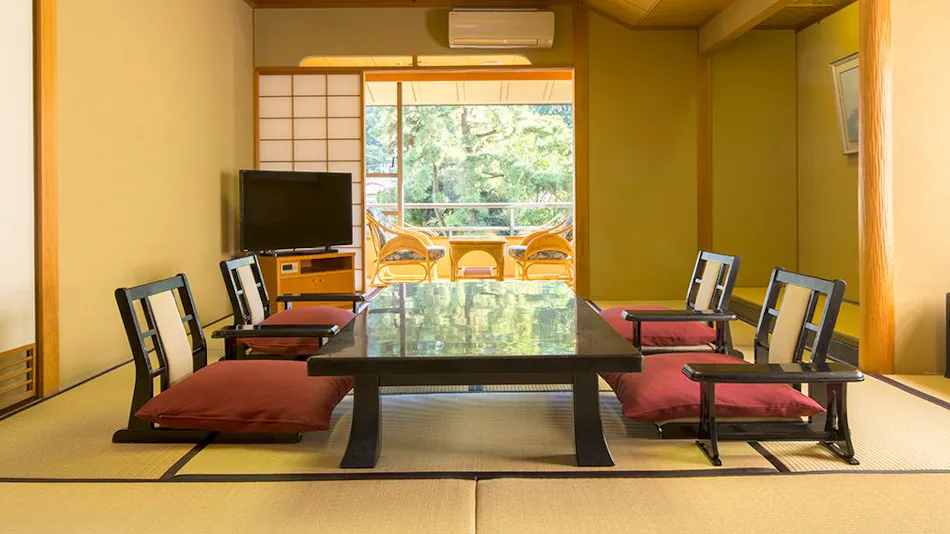
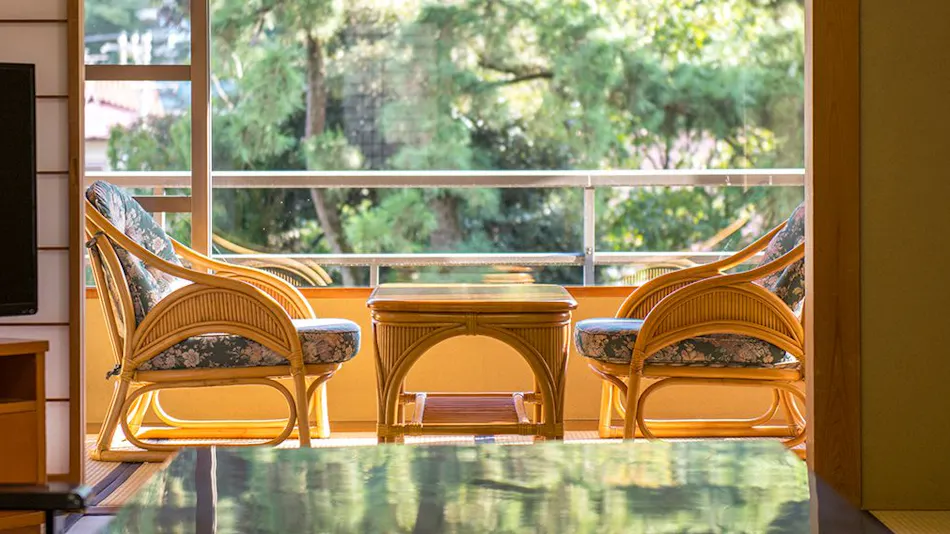
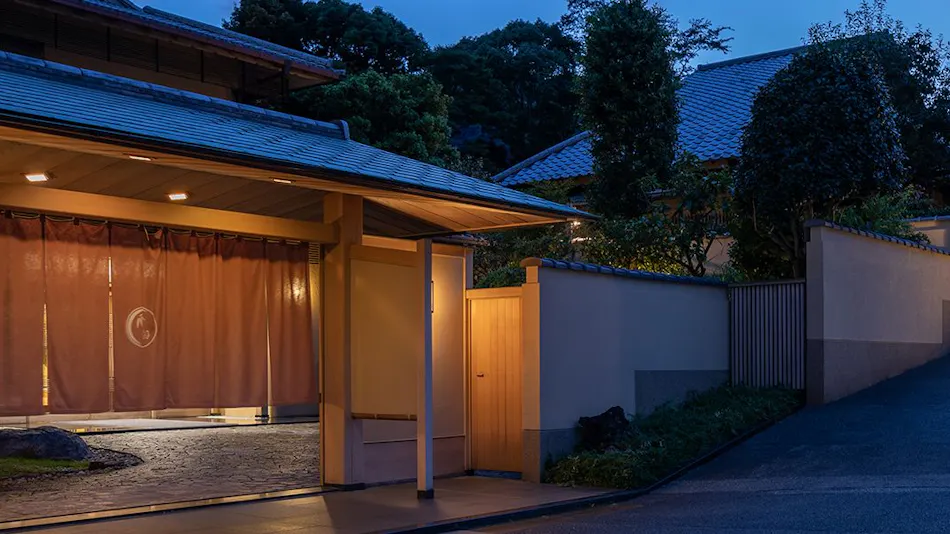
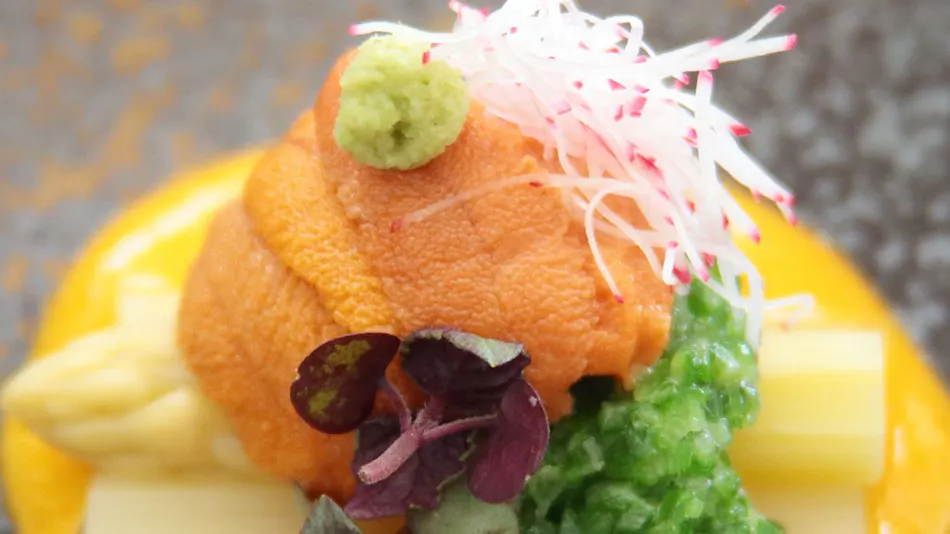
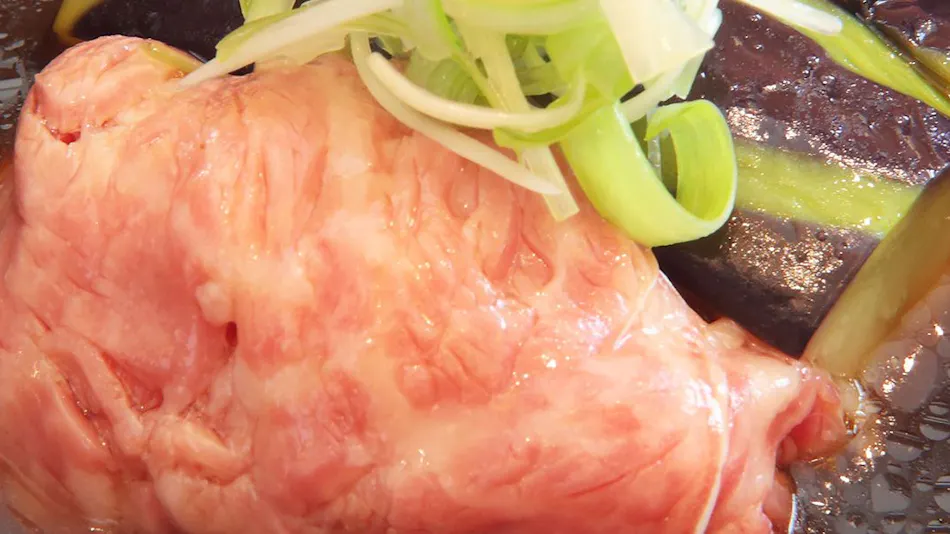
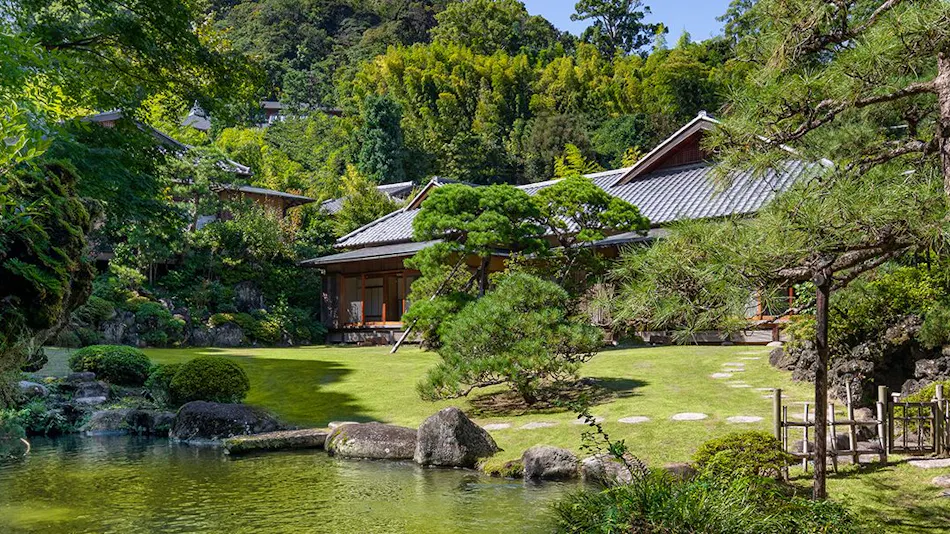
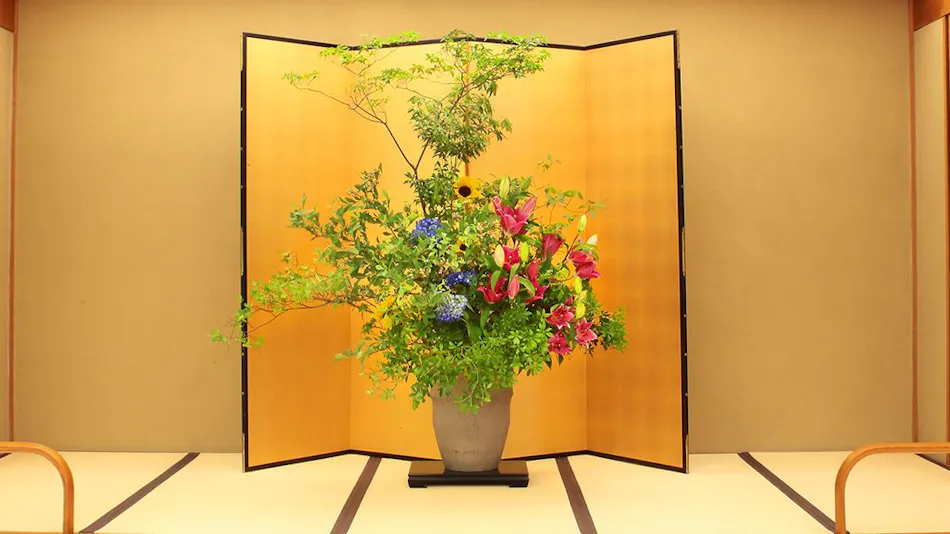
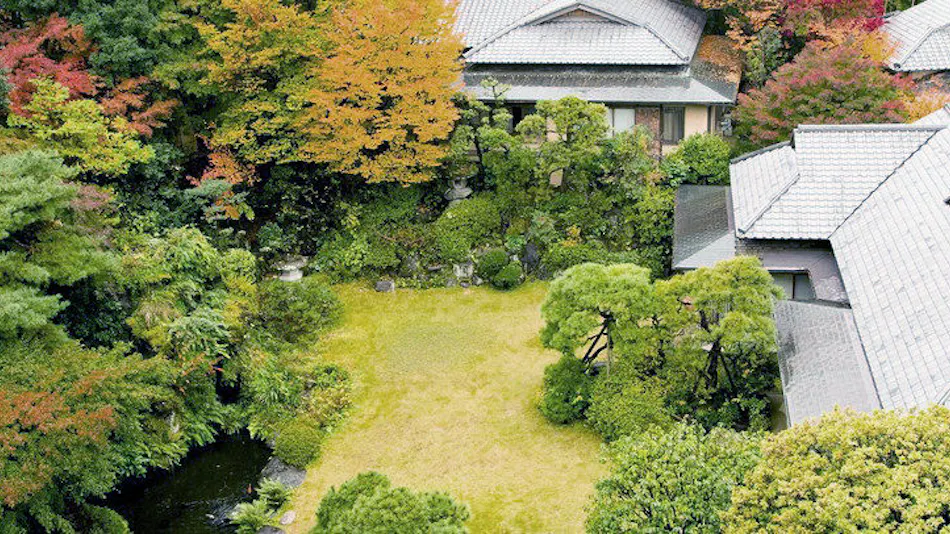
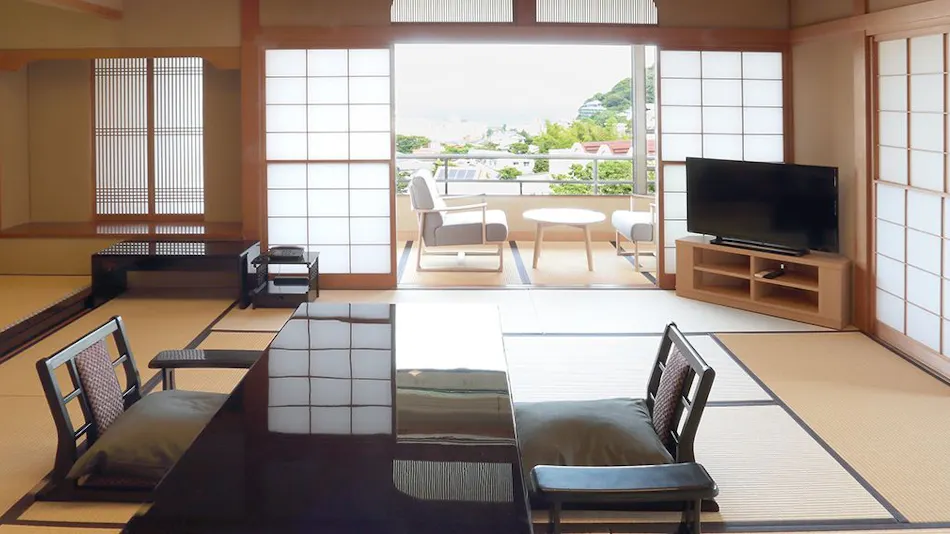
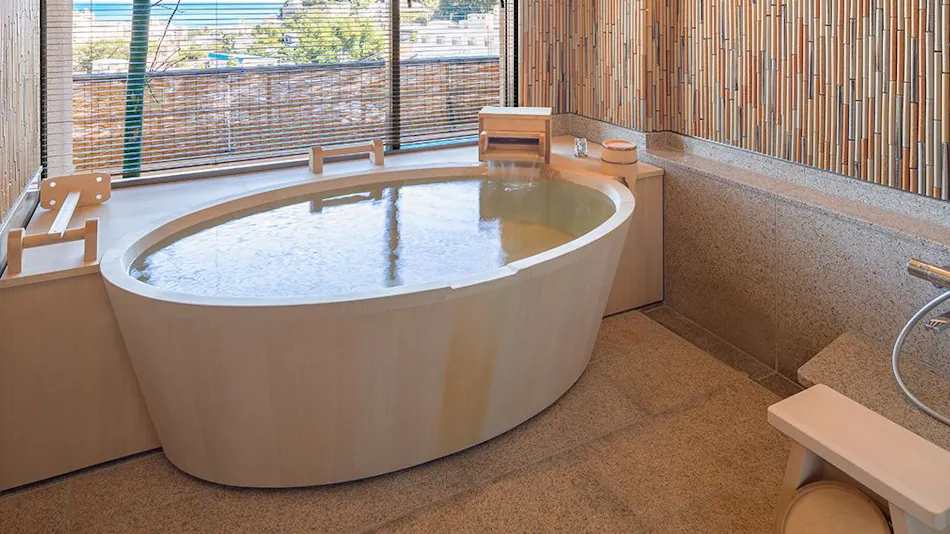
The serene hot spring town of Atami, where the waters flow abundantly. Against the backdrop of this fragrant nature and timeless history, our establishment traces its origins back to the mid-Meiji era, when it was built as the villa of Viscount Soga Yujun, who held the esteemed position of Togu Daibu. The distinguished heritage passed down from the Soga family can still be found throughout the premises. The traditional Sukiya-style architecture exudes the charm of Japanese aesthetics, complemented by the soothing warmth of nature. With heartfelt hospitality, we welcome you to Geihinkan Atami Koarashitei. A retreat filled with vibrant seasonal beauty, offering relaxation and tranquility.
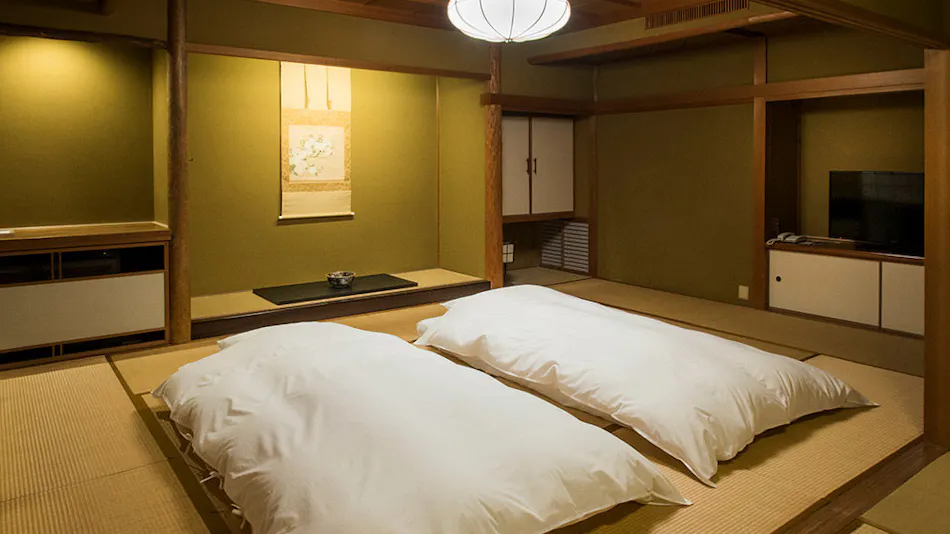
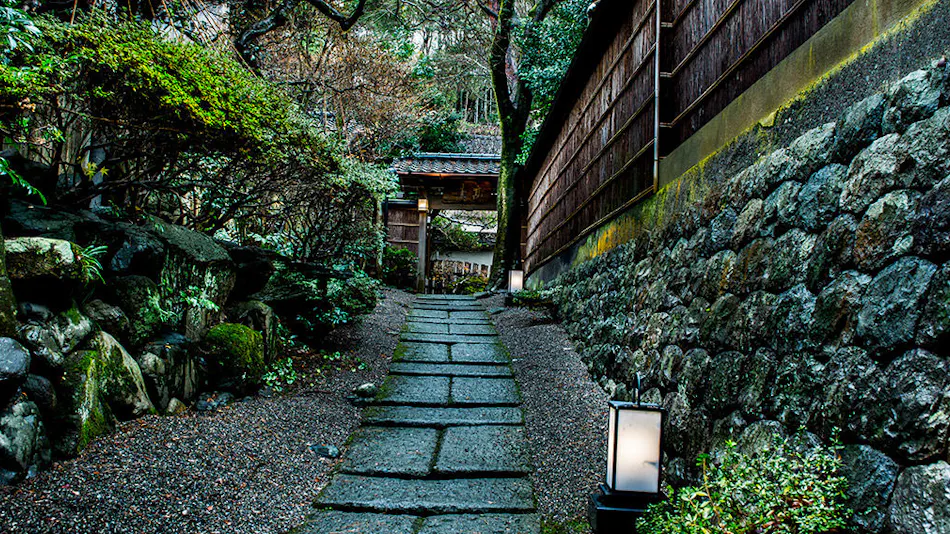
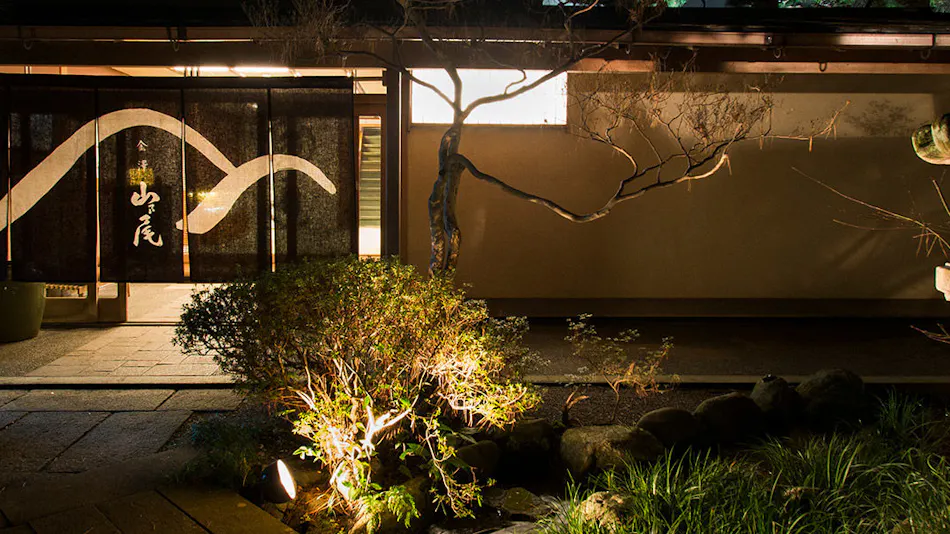
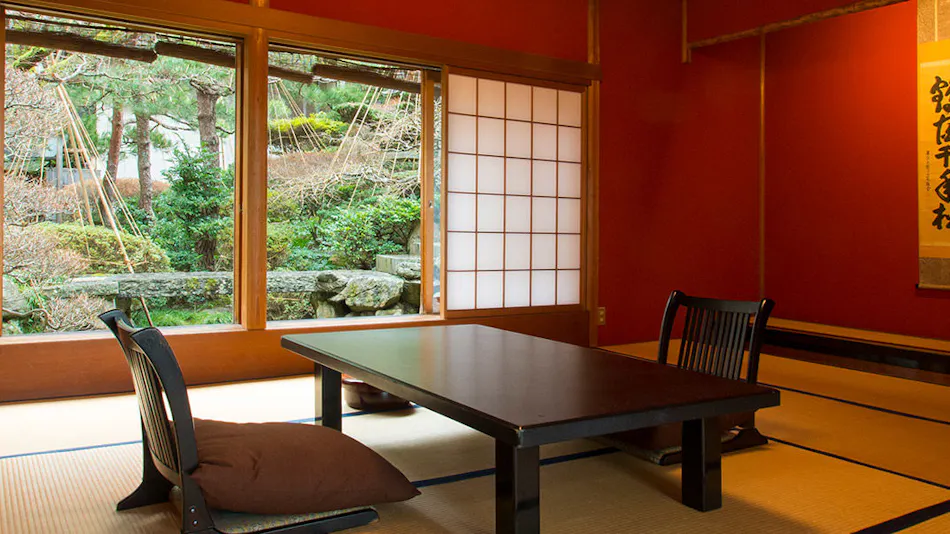
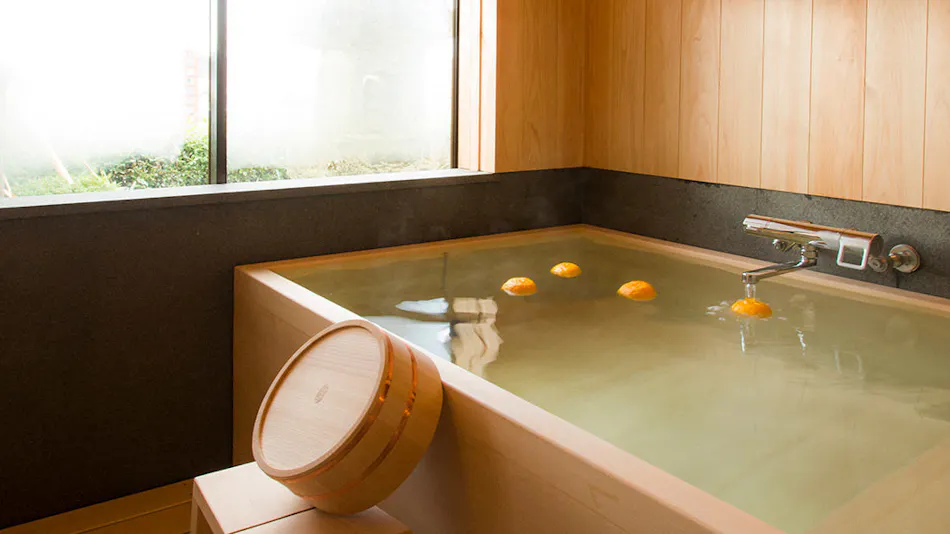
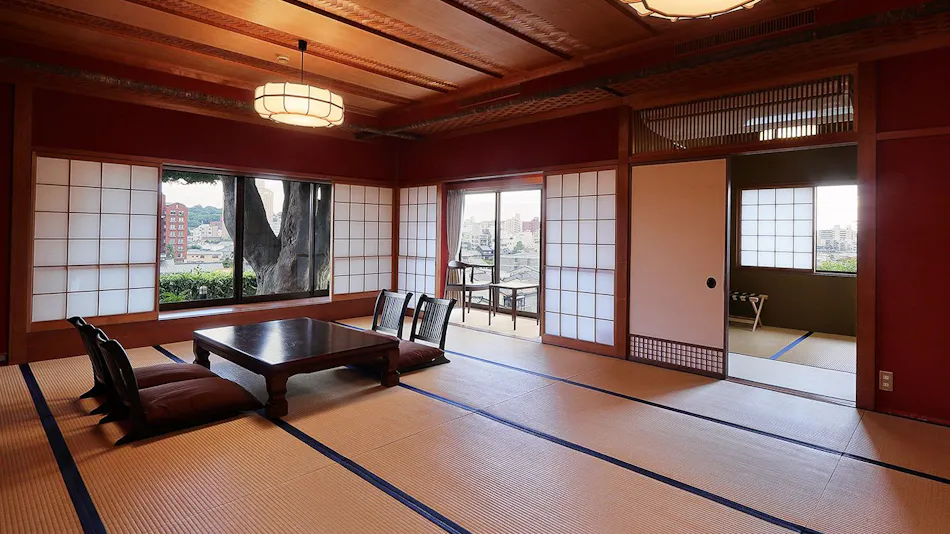
The first-generation owner, Tadayoshi Ota, was a connoisseur so esteemed that Rosanjin described him as "the most notable man in Hokuriku, a national guest of Kanazawa, and a great figure in tea gatherings." It is said that tea masters, connoisseurs, and gourmets, including Dono Masuda, frequently visited from Tokyo, Kyoto, and Osaka, drawn by Tadayoshi's hospitality. His attention to ingredients and dedication to tableware were so exceptional that they were even passed down to "Hoshioka Saryo." As Rosanjin remarked, "He did not use tea as an ornament for himself nor as a business," reflecting the heartfelt and unpretentious hospitality that was the philosophy of Yamanoo. After the war, adapting to changes in lifestyle, "Yamanoo" was reborn as "Kanazawa Yamanoo." The current owner, Tatsuya Motoya, is the fifth generation since Tadayoshi. While time has passed and the name has changed, the spirit of hospitality, "one guest, one pavilion," has been faithfully carried on since its founding.
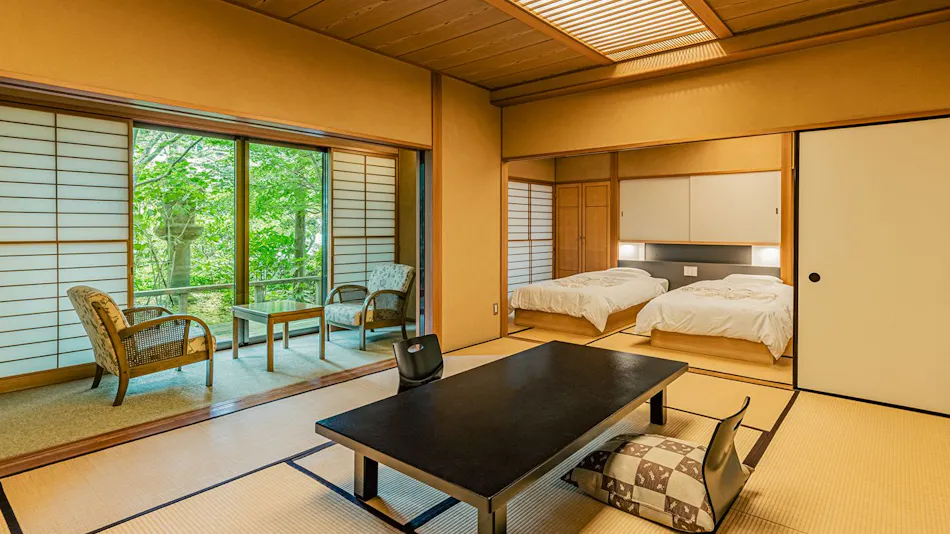
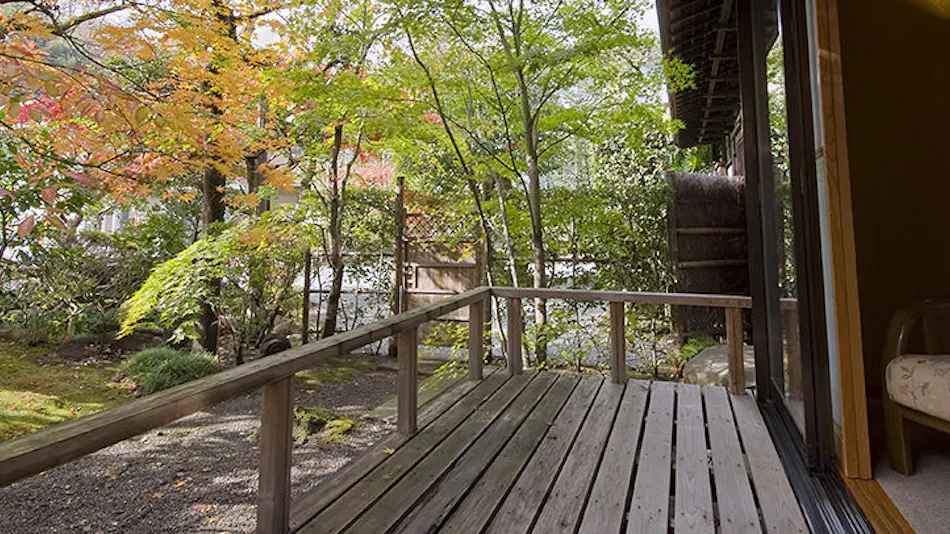
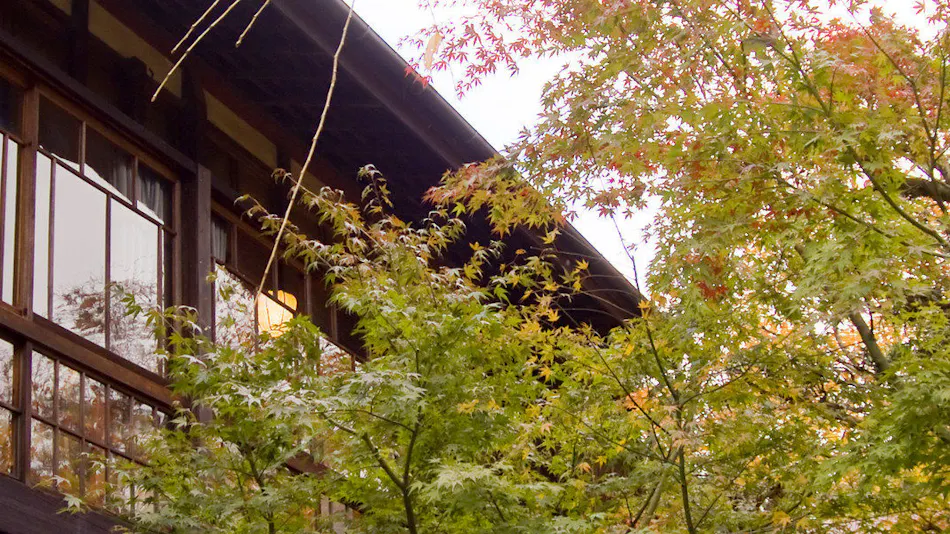
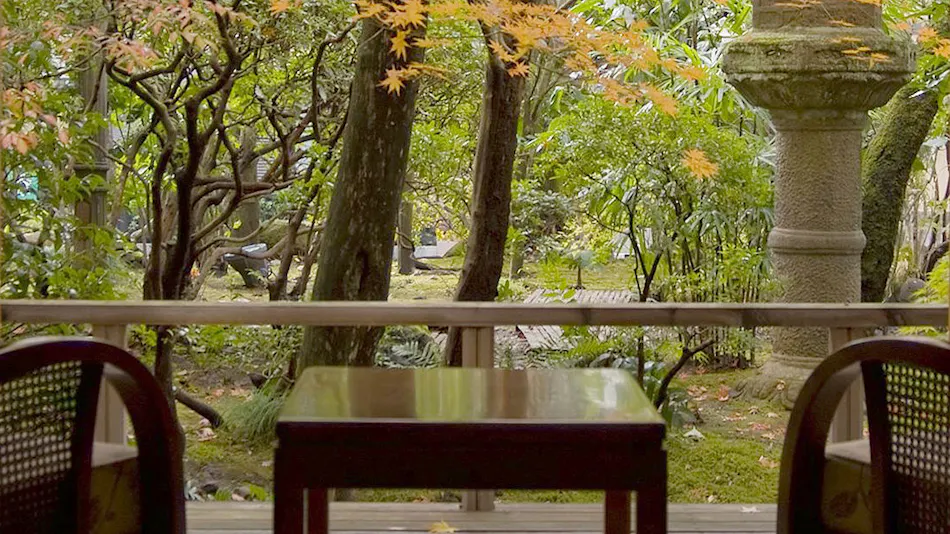
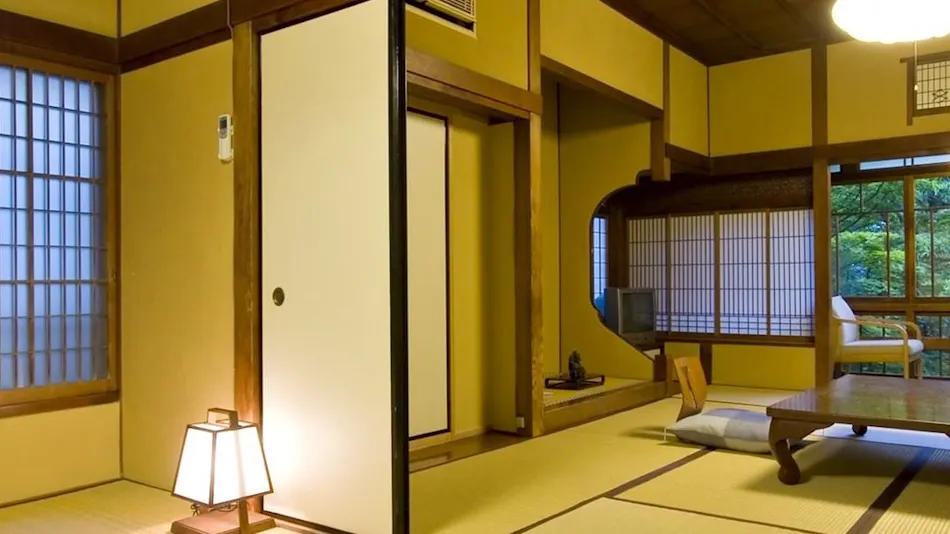
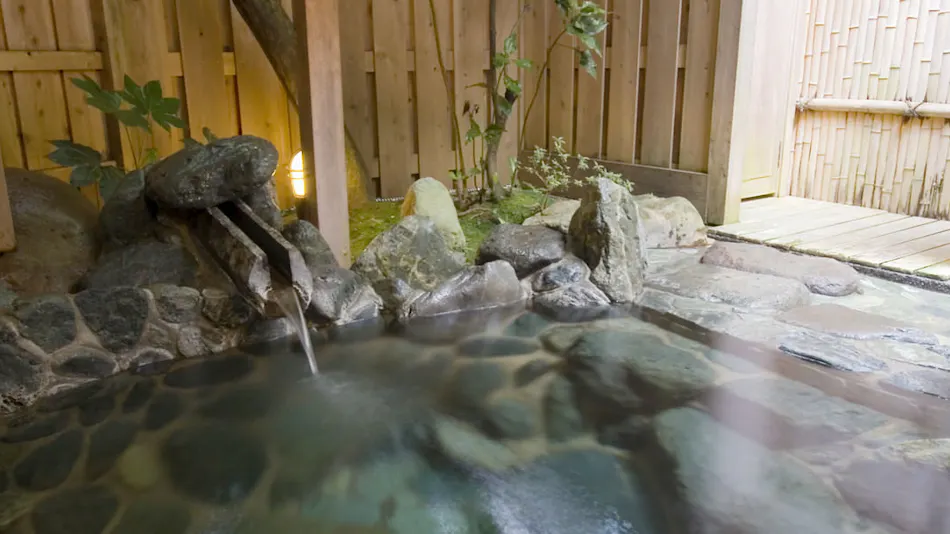
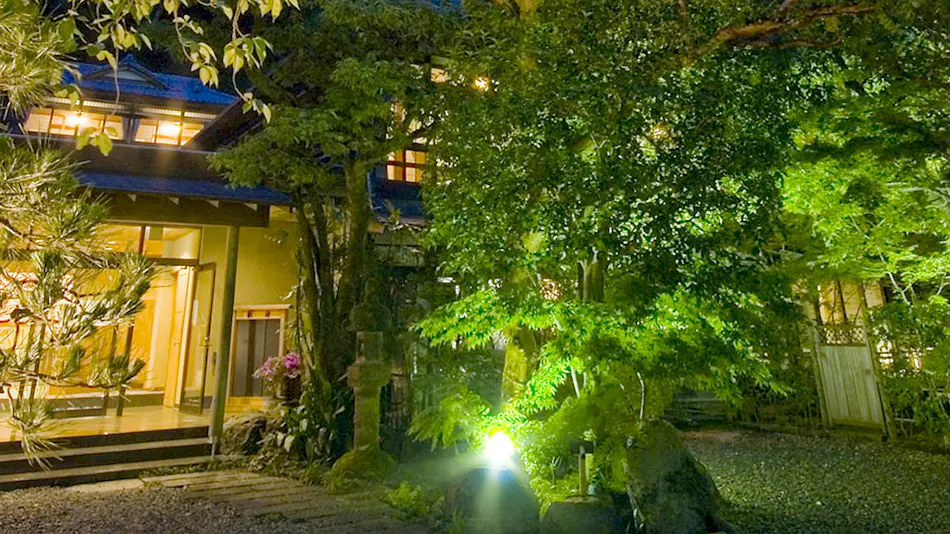
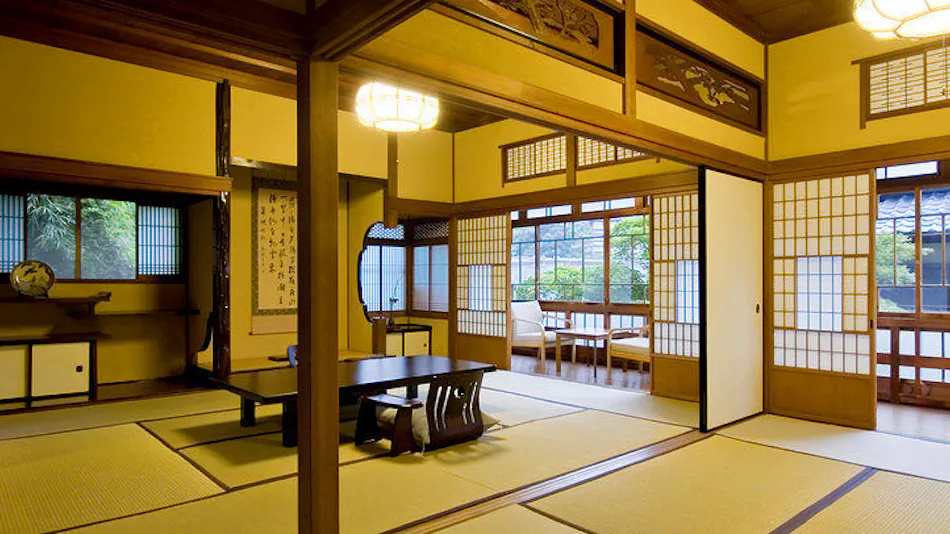
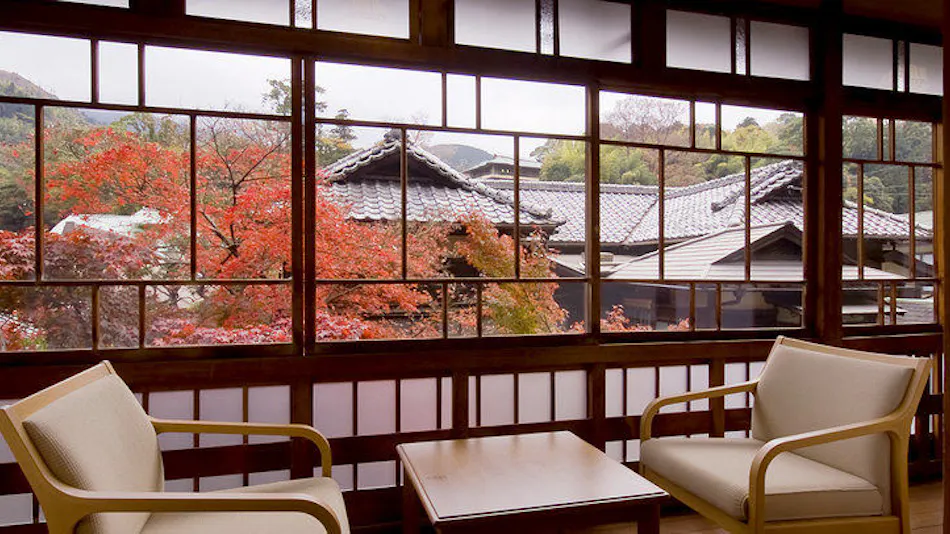
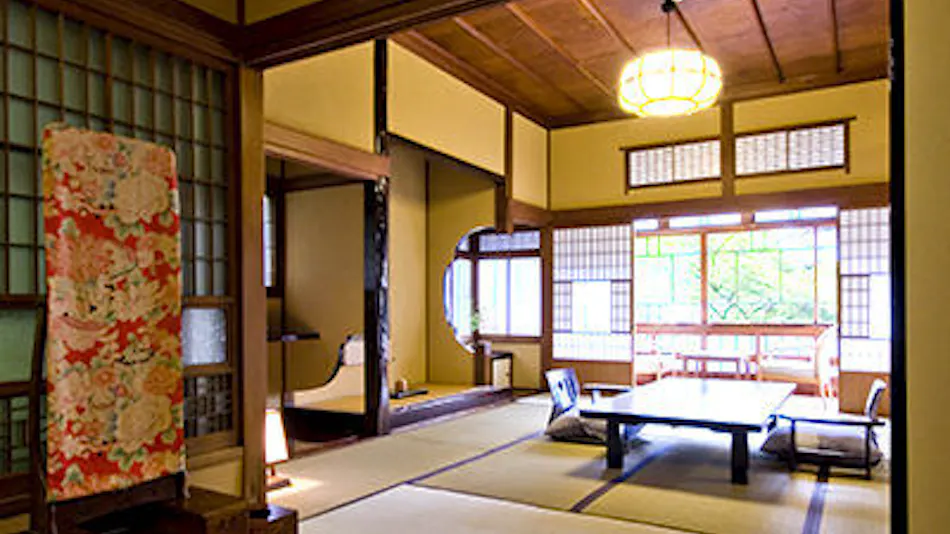
"Shimazaki Toson Yukari no Yado Itoya" is a Ryokan established in 1888, located at the entrance of Manyo Park in the center of Yugawara Onsen. It was at this Property where Shimazaki Toson developed the concept for his masterpiece "Before the Dawn," and even today, his manuscripts and personal belongings remain preserved. Since ancient times, the Ryokan has been beloved as a regular stay for literary and artistic figures such as Duke Tokudaiji, Seiki Kuroda, Encho, and Takeo Arishima. Additionally, the February 26 Incident of 1936, where soldiers of the Azabu First Regiment under Captain Kono attacked Baron Nobuaki Makino, who was staying at the Property, remains a significant historical event.
Others also searched for
- Historic Stays
- Convenient Accommodation For Exploring Matsue Connected To The Morning Drama "Bakebake" And Koizumi Yakumo
- Top-Selling Stays in the Last 24 Hours
- Accommodation With High Review Ratings For Solo Travelers
- Accommodation with Tatami Japanese-Style Room
- Accommodation With Sauna And Open-Air Bathing Area With Scenic Views
- Accommodation With Courteous Staff And Peace Of Mind
- Accommodation With Authentic Sauna For Women