Nationwide × Accommodation For Experiencing Crafts And Traditional HandworkRecommended Hotel·Ryokan - 2Page Number
入力欄の先頭で左矢印キーを押すと、選択中の検索条件に移動できます。chip上では左右矢印で移動し、DeleteキーまたはBackspaceキーで削除できます。


In the tranquil rural landscape of Kawaba Village, supported by its rich history and culture, you can gaze upon the expansive thatched roofs and encounter the nostalgic original scenery of Japan... Kawaba Onsen, the thatched-roof hot spring property Yuyuri-an, is a hot spring property that evokes a sense of time nurtured by nature and history.

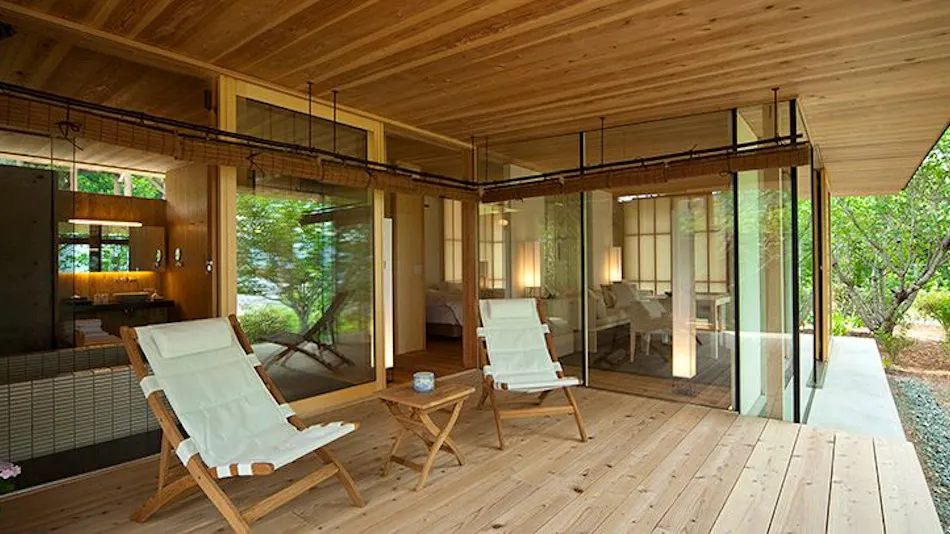


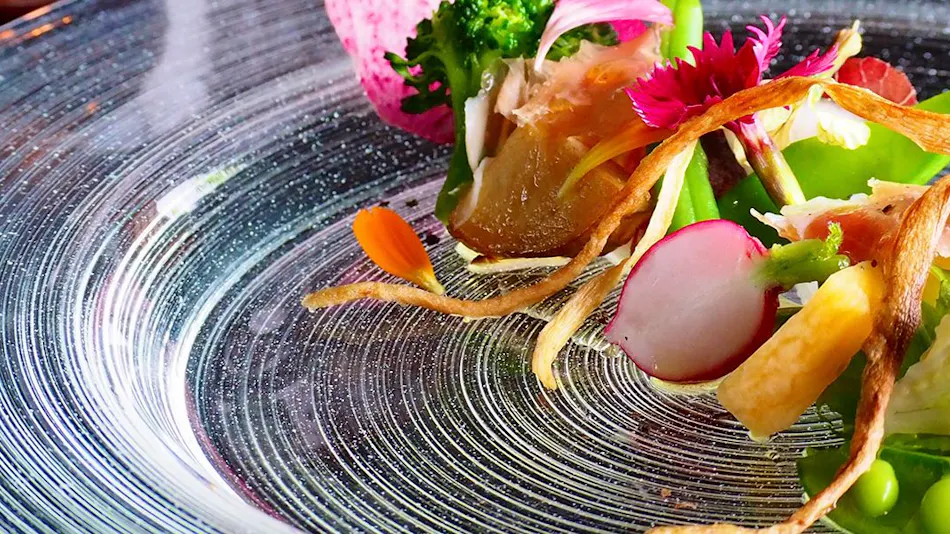
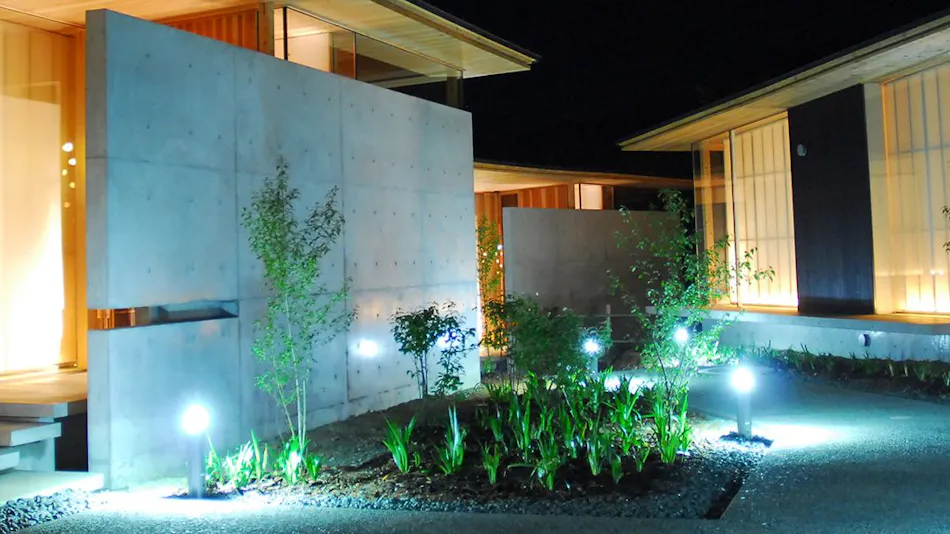
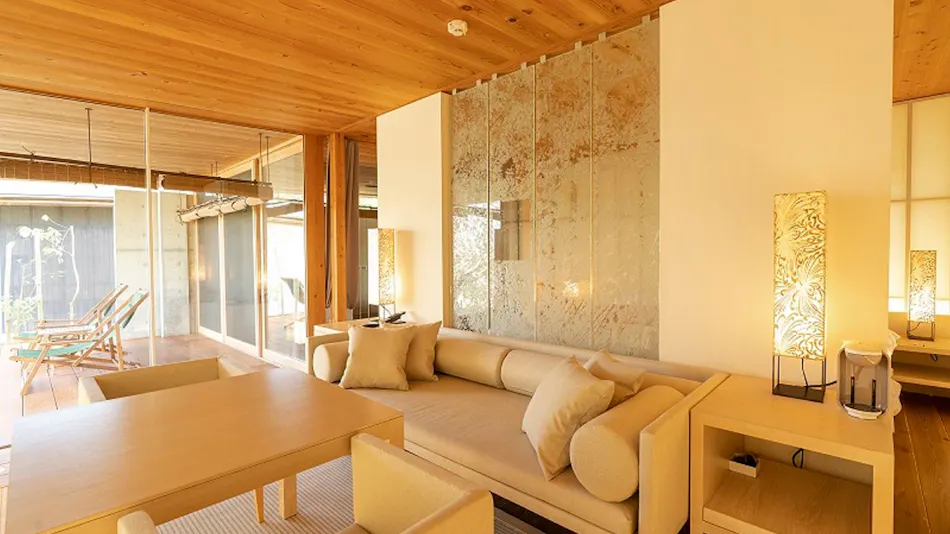


An auberge located on a hill overlooking the townscape that inherits the history and culture of Uchiko, a town that flourished with washi paper and Japanese candles. You can enjoy ingredients from Uchiko and Ehime Prefecture with all five senses, through innovative cooking methods, accompanied by the flickering of flames and the crackling sound of firewood.
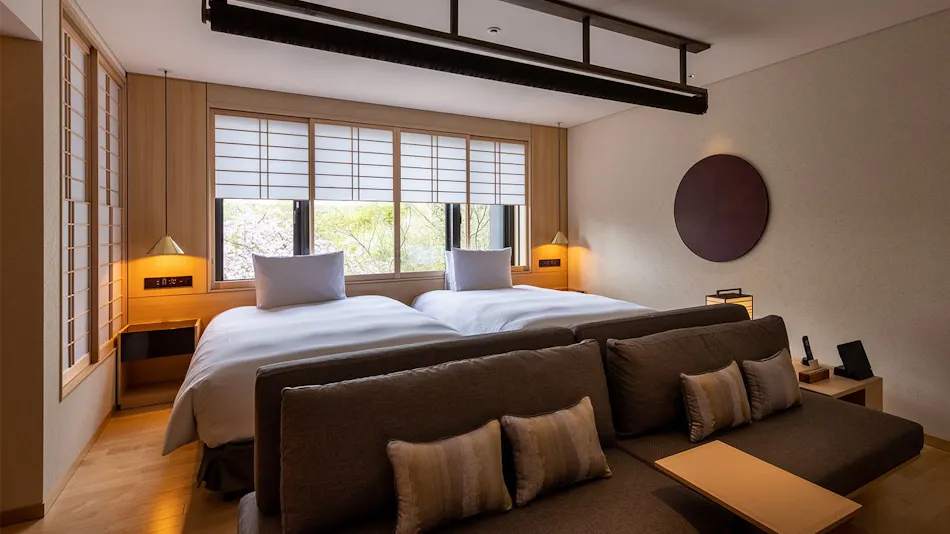
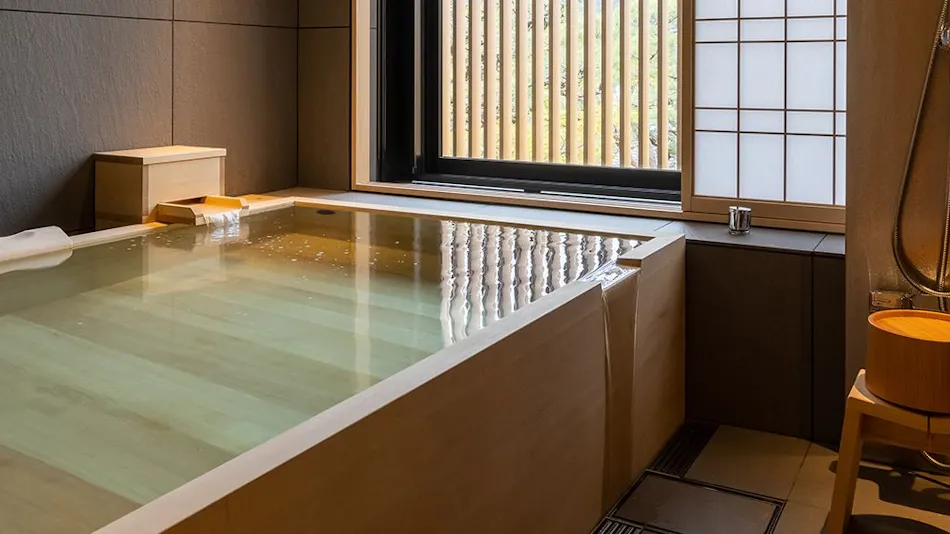
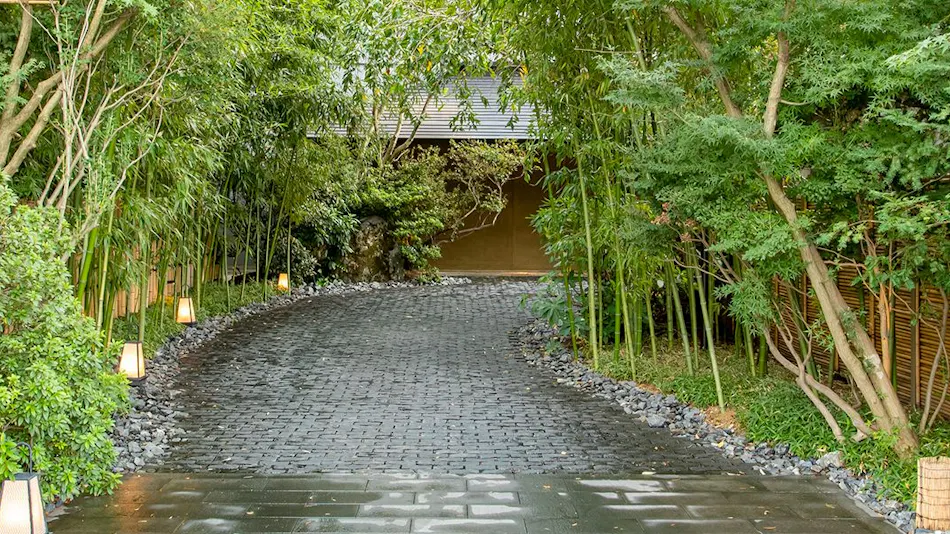
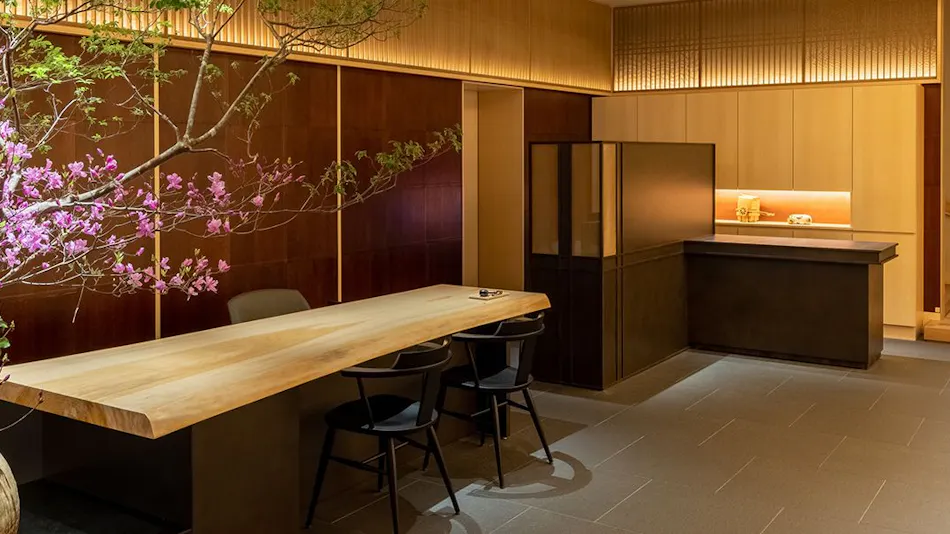
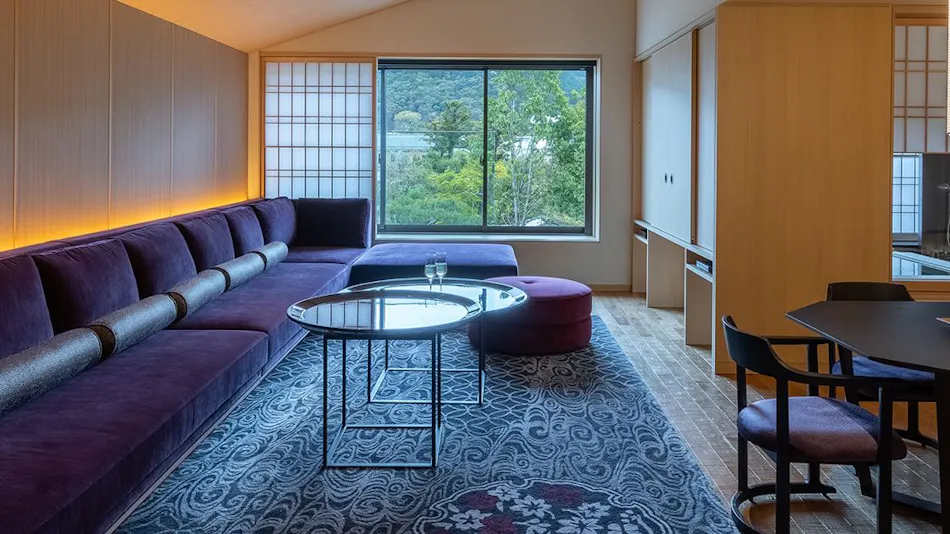
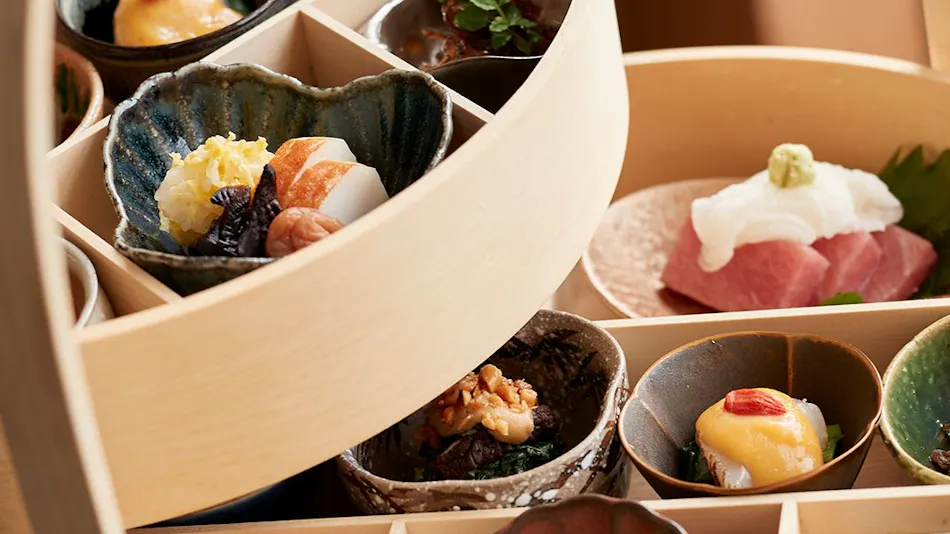
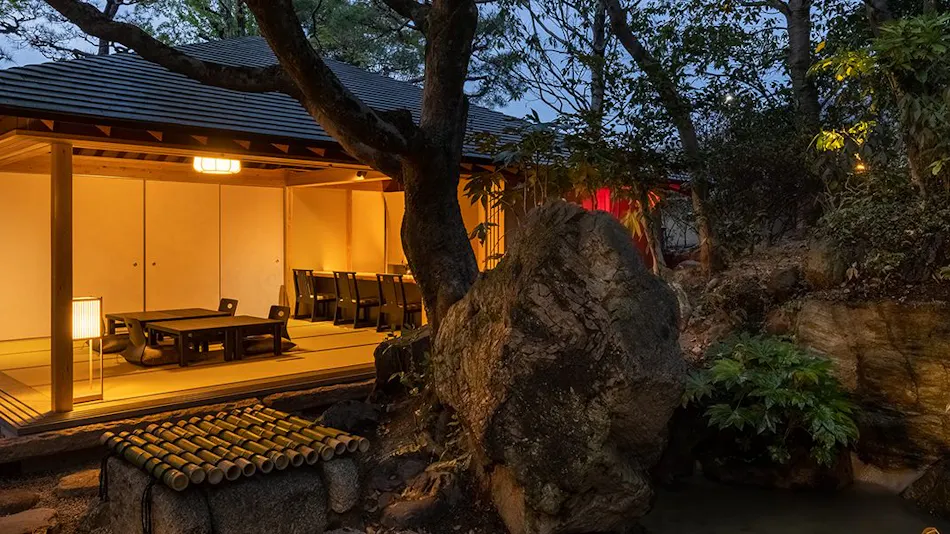
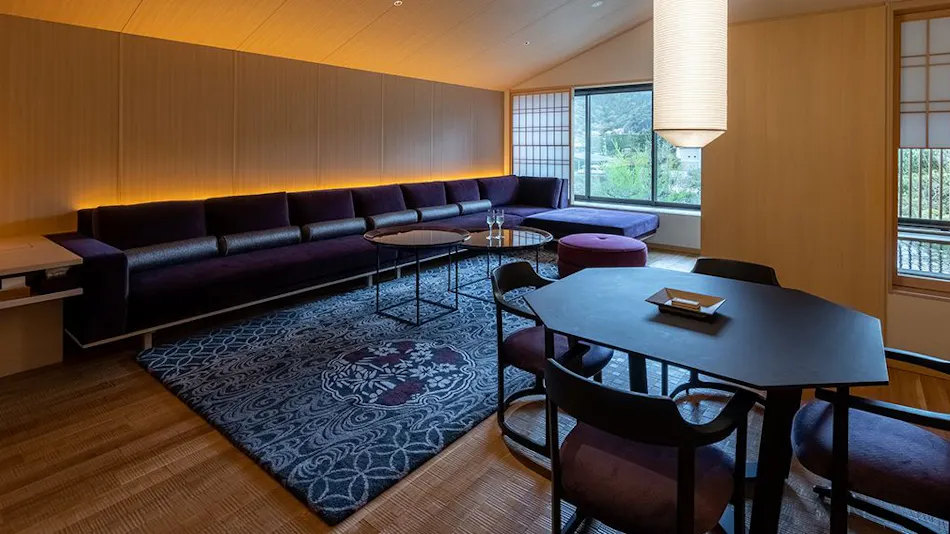
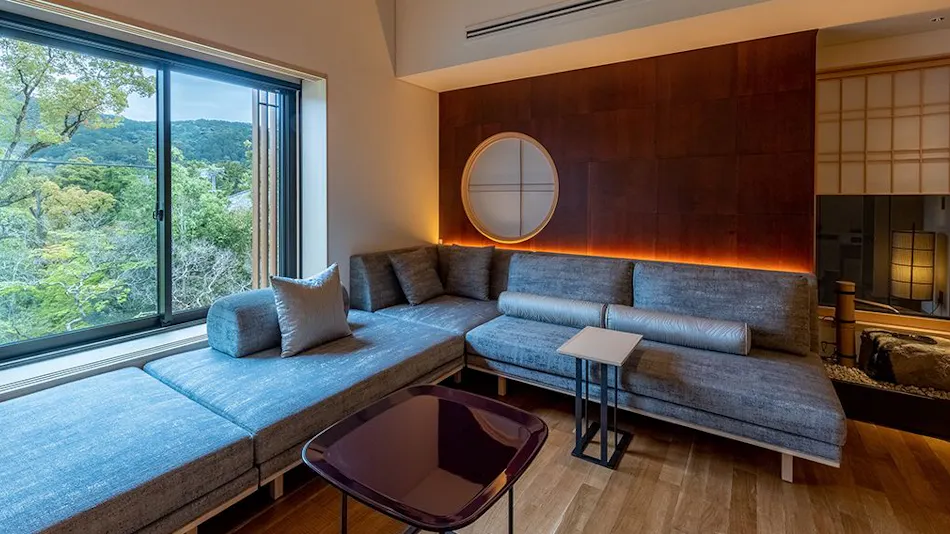
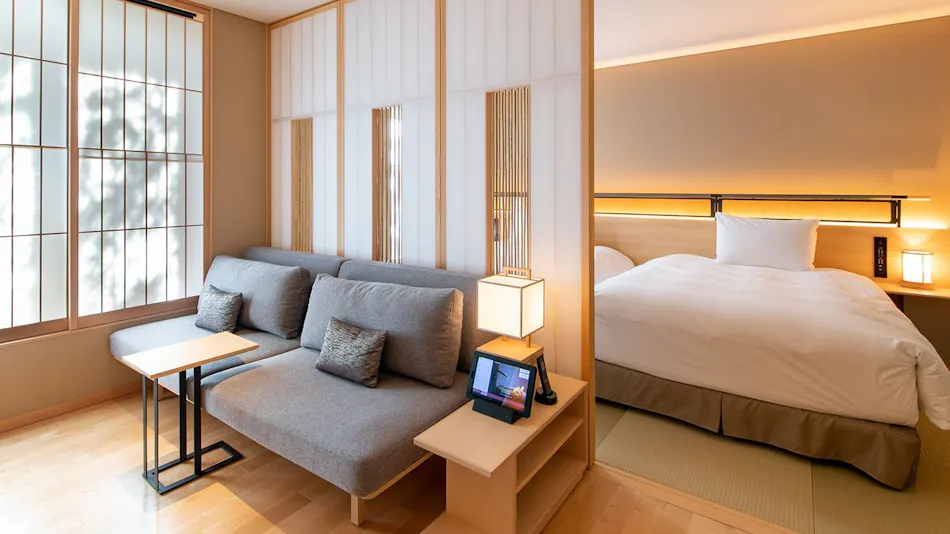
Nestled near Kyoto’s Nanzen-ji Temple, Fufu Kyoto is a small luxury resort where you can experience the richness of Kyoto culture and the charm of Japan. Soft light spills into this secluded retreat, while glossy lacquer tones, delicate latticework, and artisan-crafted objects and art adorn the interiors. Relax in an in-room Onsen bath scented with hinoki cypress, stroll through a Japanese garden that reflects the changing seasons, and surrender to a space surrounded by timeless beauty for a stay that lets you truly feel the spirit of the region.
Rakudoan is an accommodation limited to three groups per day, renovated from a traditional Toyama farmhouse called "Azumadachi," surrounded by rice fields on three sides. Using natural materials such as earth, wood, washi paper, and silk that have long been part of human life, the space seamlessly connects with the surrounding rural landscape and history while harmonizing quietly with folk crafts, traditional craftsmanship, and contemporary art. The on-site restaurant offers local cuisine from Toyama's sea, mountains, and countryside. Each dish carefully expresses not only the ingredients but also the stories and intentions behind them. By honoring the time it took for these ingredients to grow and respecting the thoughts of their producers, we weave flavors unique to this region into every plate. This accommodation allows you to experience "Toyama's spiritual richness" through its scenery, space design, art pieces, cuisine offerings, and human connections.
Though the surface of the water changes from moment to moment, the hot spring continues to flow abundantly beyond time. Its presence recalls Basho’s teaching of “Fueki Ryuko”—that the unchanging and the ever-changing share the same source. Since receiving our charge from Gen’emon Araya, head steward of the hot spring under the Maeda family of the former Daishoji Domain in Kaga, we have carried forward—day by day in our work—the essence of what must remain unchanged and what should evolve. This is the spirit of hospitality our Accommodation hopes to nurture for generations to come.
The moment you step inside, you'll feel as if you've traveled back in time to the Taisho era, surrounded by a nostalgic atmosphere. Kanazawa Hakuchoro Hotel Sanraku is located next to Kanazawa Castle, offering excellent access to major tourist attractions. Inside the hotel, you'll find furnishings that reflect the traditional essence of Kanazawa, creating an ambiance akin to an art museum. Enjoy discovering your favorite piece during your stay. Additionally, our natural Onsen sourced from 807 meters underground is gentle on the skin and known as "Bijin no Yu" (Beauty Hot Spring) for its rich benefits. After exploring the streets of Kanazawa, why not relax and rejuvenate in our Onsen?
Once known as “Ise’s kitchen,” Ise Kawasaki has long supported pilgrims on their journeys to Ise. In our six buildings with eight guest rooms, set within a charming and beautifully preserved streetscape, you can experience original architectural styles and traditional Ise crafts, and discover the culture of “beauty that deepens with age.”Like the “Oshi” of the Edo period who cared for visitors to Ise Grand Shrine, we support each traveler’s pilgrimage in a personal way.Enjoy a pilgrim’s journey that deepens your understanding of Ise and its shrines while cleansing both body and mind through firsthand experience.
Hakodate, Motomachi. Perched at the top of a Preservation District for Groups of Traditional Buildings stands the nationally designated Important Cultural Property, the Former Soma Residence.This three-room heritage Hotel reimagines a Japanese treasure preserved for over a century as a modern luxury stay.The true pleasure of staying here is experiencing the essence of Hakodate. Once public visiting hours end, it transforms into an entirely private space reserved exclusively for guests. Timeless Japanese-Western architectural beauty shaped by more than 100 years, and the shimmering view of Hakodate Bay beyond the windows—here, you can savor it all as if it were your own garden.What preserves this serene place today is the unwavering will of those who have loved tradition and protected it through generations. Here, you will meet many local cultural stewards who carry these traditions forward to the next generation. Through moving encounters with their philosophy, craftsmanship, and passion, you too may become one of those stewards—helping connect Hakodate’s charm to the future.
Inspired by the appreciation for the serene and tasteful beauty of all things, we named our property "侘桜". A 200-year-old thatched-roof house has been relocated to a tranquil mountainous area near the small Kyoto of Kakunodate. We hope you can relax and enjoy your time here.
Welcome to Iwai Onsen Iwaiya. This secluded hot-spring retreat, said to be the oldest in the San’in region, offers 100% free-flowing natural spring water throughout the property—even in the showers. In our 150-year-old, traditional three-story wooden inn, enjoy a distinctly Japanese atmosphere filled with folk-style furnishings and local wildflowers, along with the flavors of San’in cuisine for a truly relaxing stay. Tottori’s only Onsen member of “The Association to Protect Japan’s Secret Hot Springs.” Michelin Guide Kyoto-Osaka + Tottori 2019: Two Stars
A property resembling an art museum, featuring 12 villas themed around eight materials: soil, stone, plaster, wood, lacquer, Japanese paper, glass, and iron, along with natural onsen. At the foot of the Suzuka Mountain Range, in a hot spring area that has healed people since ancient times, immerse yourself in the power of nature and enjoy delicious and nutritious meals made from natural ingredients.
A property with 10 rooms exuding Japanese charm. Two types of large communal baths alternate between men and women in the morning and evening, offering different atmospheres. Enjoy a beautiful authentic kaiseki dinner featuring seasonal Kanazawa ingredients such as Nodoguro and Kaga vegetables in the comfort of your room.
Just a 5-minute walk to the National Treasure - Matsumoto Castle, Matsumoto Hotel Kagetsu, an established hotel founded in Meiji 20, was rebranded and reopened on April 5, 2016, with the concept of "Folk Art Philosophy - Memories of Matsumoto's Daily Life." The restaurant offers course meals based on the concept of "Nagano Terroir." Learning from the spirit of "beauty through reliance" rooted in the folk art city of Matsumoto, the hotel has been reborn as a simple and practical place to stay.
A property with the concept of "Wellness and Art." A remarkable fusion of history dating back to the Muromachi period and contemporary art. Enjoy the cultural arts amidst the tranquility of vast nature, along with the blessings of onsen directly from the source and wholesome, body-friendly cuisine.
"Shimazaki Toson Yukari no Yado Itoya" is a Ryokan established in 1888, located at the entrance of Manyo Park in the center of Yugawara Onsen. It was at this Property where Shimazaki Toson developed the concept for his masterpiece "Before the Dawn," and even today, his manuscripts and personal belongings remain preserved. Since ancient times, the Ryokan has been beloved as a regular stay for literary and artistic figures such as Duke Tokudaiji, Seiki Kuroda, Encho, and Takeo Arishima. Additionally, the February 26 Incident of 1936, where soldiers of the Azabu First Regiment under Captain Kono attacked Baron Nobuaki Makino, who was staying at the Property, remains a significant historical event.
In this forest, people meet, and emotions come together. A forest that connects precious things. Such a forest quietly breathes in the mountains of Hakone. In this forest, nothing sharp exists. The wind passing through the leaves, the moon shining on the treetops, all are serene here. A sense of fullness, a feeling of filling what was missing. Such a quiet, rich, and beautiful forest. We await you at Gora Hanaougi Enkanomori.
Tsumikusa no Yado Komatsu is an Onsen Property with only 6 Rooms, nestled in the embrace of the Kirishima mountain range. At this Property, we cherish the charm of traditional houses and aim to provide our guests with a satisfying and heartfelt holiday in a familial atmosphere.
Located near Horyu-ji Temple, a UNESCO World Heritage Site, “Ubusuna no Sato” is a place where you can relax and experience the timeless history and nature of Yamato with all five senses. This auberge takes “body-friendly cuisine” as its theme and is proud to offer an authentic Japanese kaiseki course featuring an abundance of carefully selected fresh local ingredients from Nara.
Since its completion in 1954, Nagoya TV Tower has been cherished as a symbol of the city for over half a century. It has been the heart of the city's growth, a gathering place for people, and a location that represents Nagoya's "origin." In 2020, Nagoya TV Tower was reborn as THE TOWER HOTEL. Now serving as a "Local Media Tower," it showcases regional traditions, culture, art & craft, and regional cuisine—a new hub for Nagoya. Experience the unique blend of historic charm from this "Important Cultural Property" and modern innovation that can only be found here. We look forward to welcoming you to this extraordinary destination.
In the first year of Ansei (1854), the founder of our Property, Iwakuniya Sobei, received permission from the magistrate's office to develop the area. He built a bridge over the Momiji River in front of the Property and established a teahouse by the stream as a resting place for travelers. This marked the beginning of "Miyajima no Yado Iwaso." Later, the bustling popularity continued, and the Property officially opened as a Ryokan in the early Meiji period. The main entrance building dates back to 1892 (Meiji 25), and the lobby was constructed during renovations in 1981 (Showa 56). Today, we draw natural Onsen, a rarity on the island, and offer accommodations in the main building, new building, and detached rooms. As a Ryokan nestled within a national park, we strive daily to ensure our guests can relax and enjoy their stay.