Nationwide × Accommodation For Experiencing Crafts And Traditional HandworkRecommended Hotel·Ryokan - 13Page Number
入力欄の先頭で左矢印キーを押すと、選択中の検索条件に移動できます。chip上では左右矢印で移動し、DeleteキーまたはBackspaceキーで削除できます。
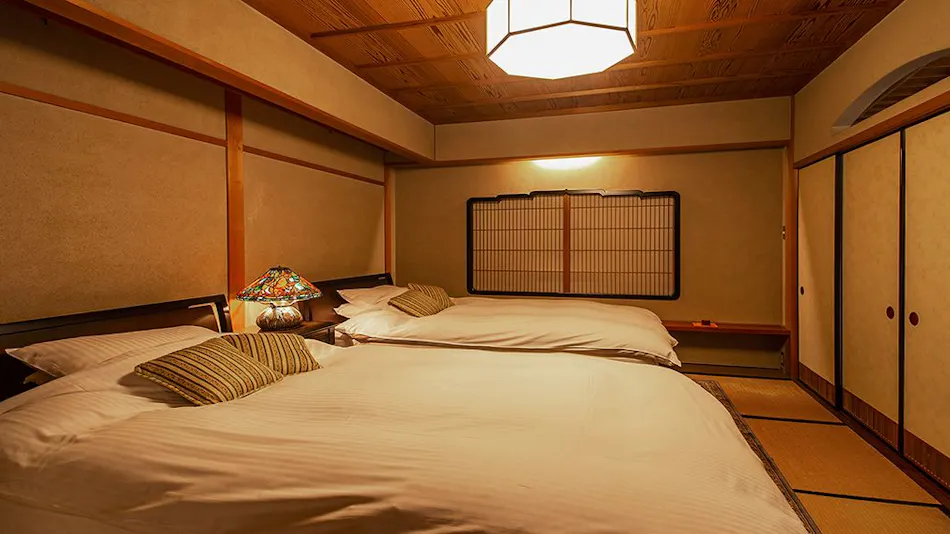
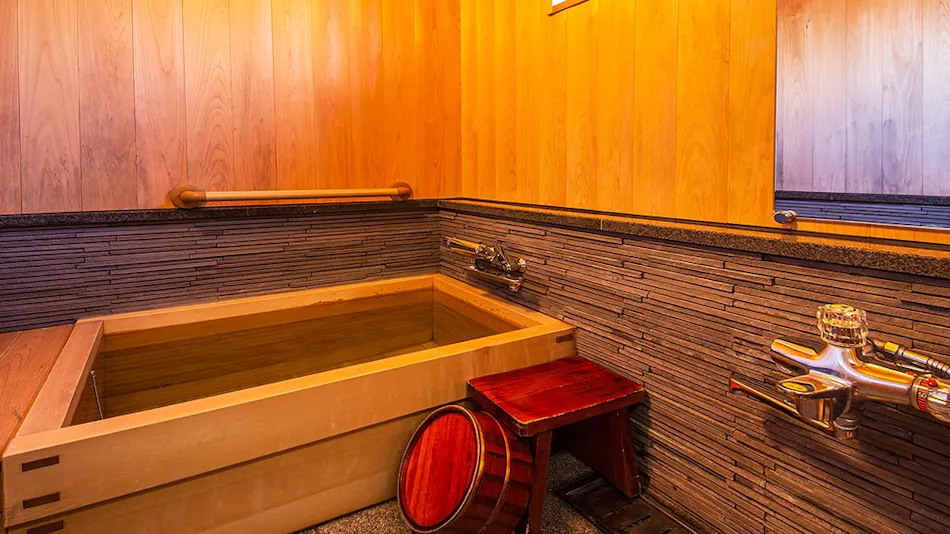
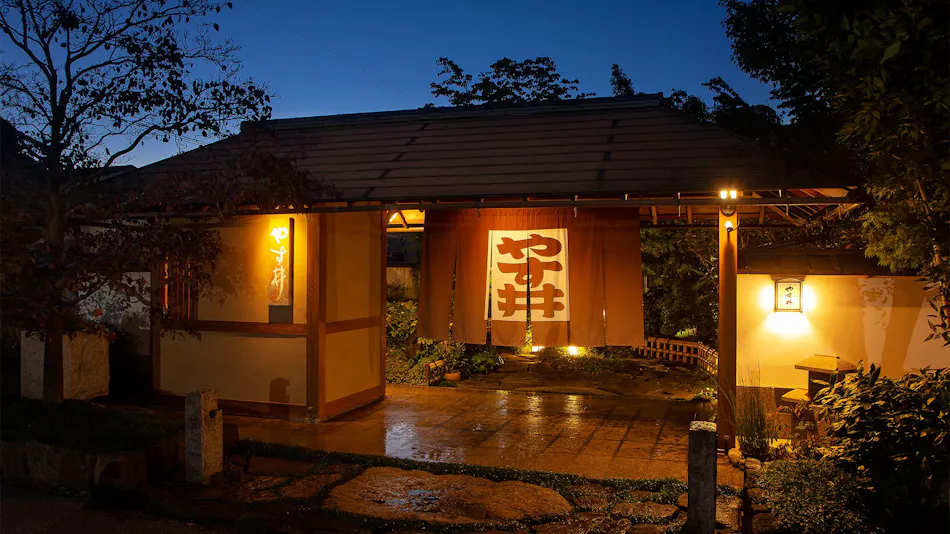
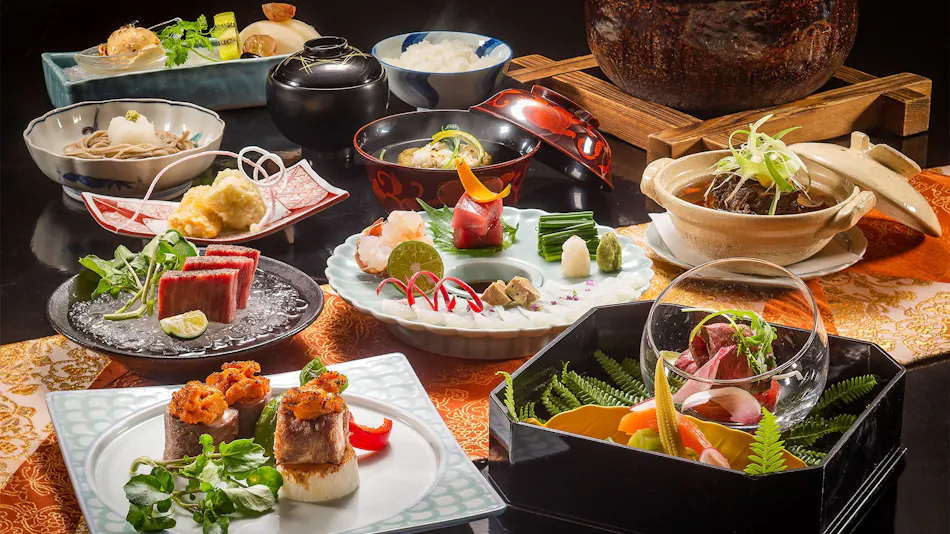
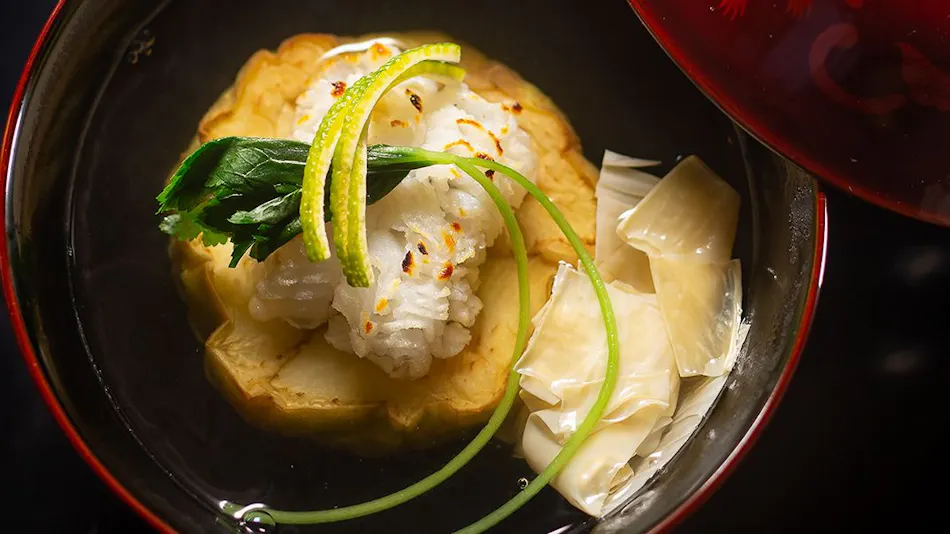
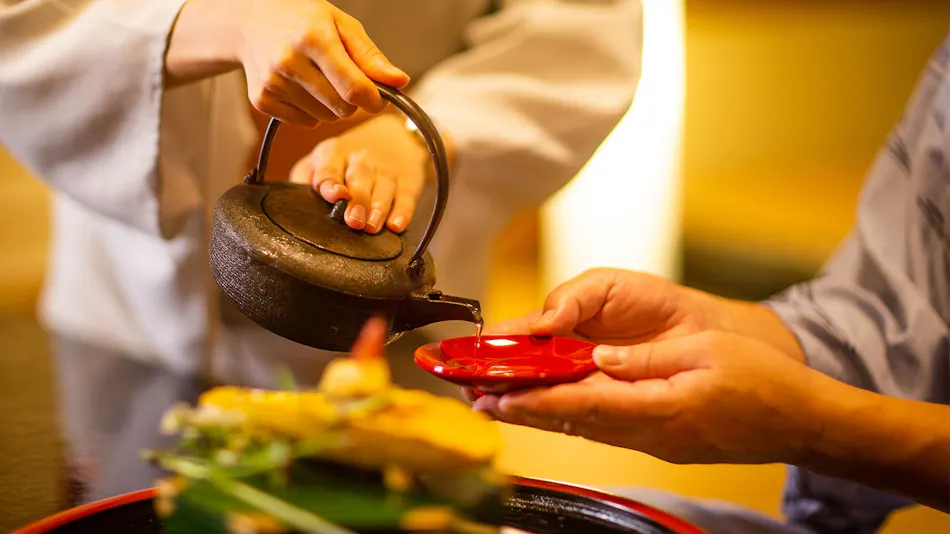
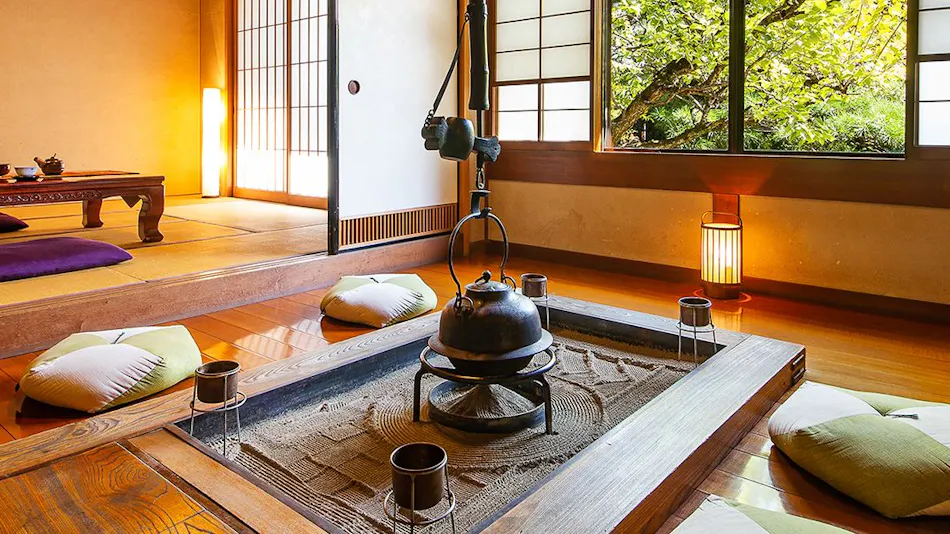
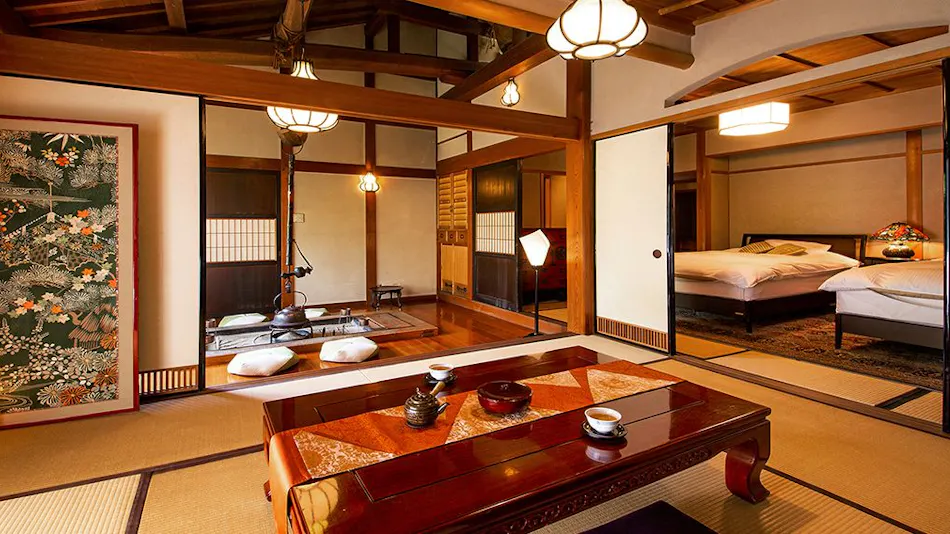
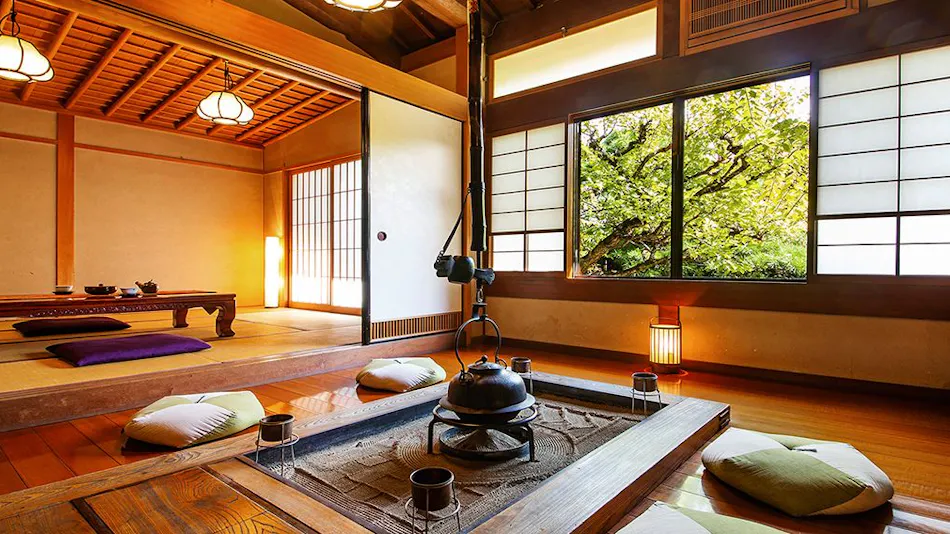
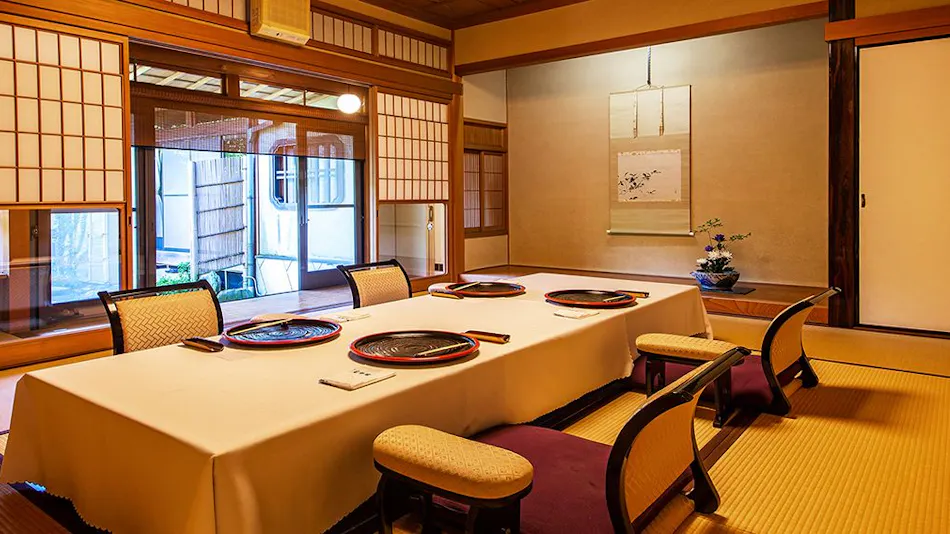
"Ryotei Ryokan Yasui" is located in Hikone City, Shiga Prefecture, home to the National Treasure Hikone Castle with 400 years of history. Experience the beauty and history of the Edo period through the castle's stunning keep while enjoying our warm hospitality that cherishes Japanese tradition and elegance. We look forward to welcoming you for a truly refreshing and memorable stay.
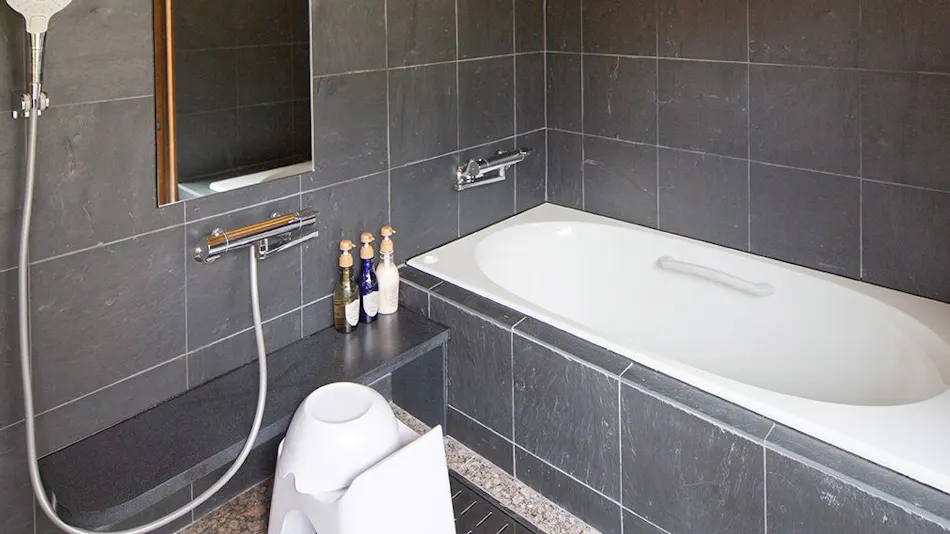
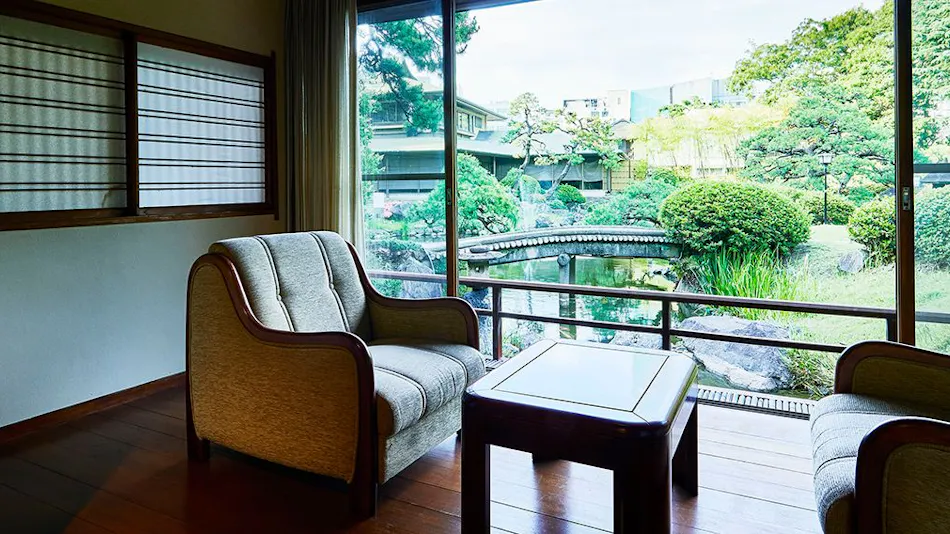
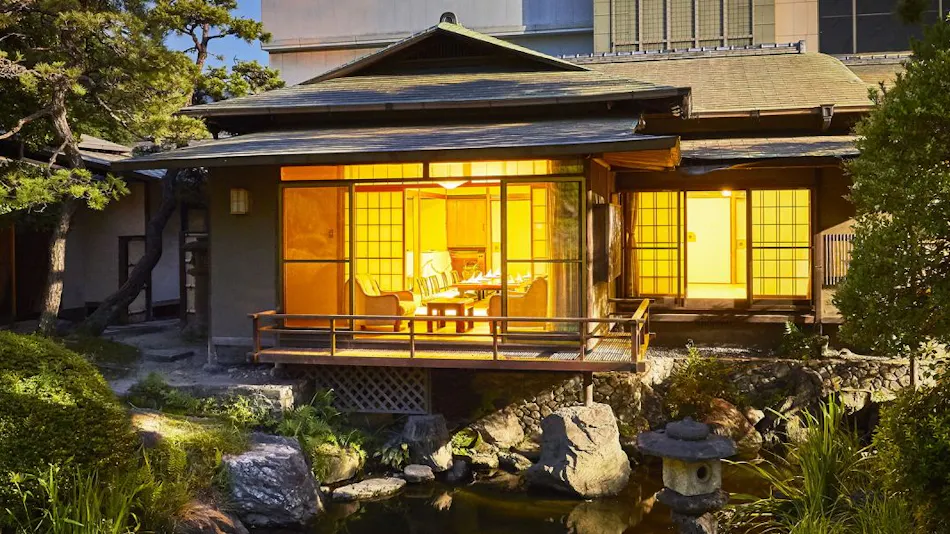
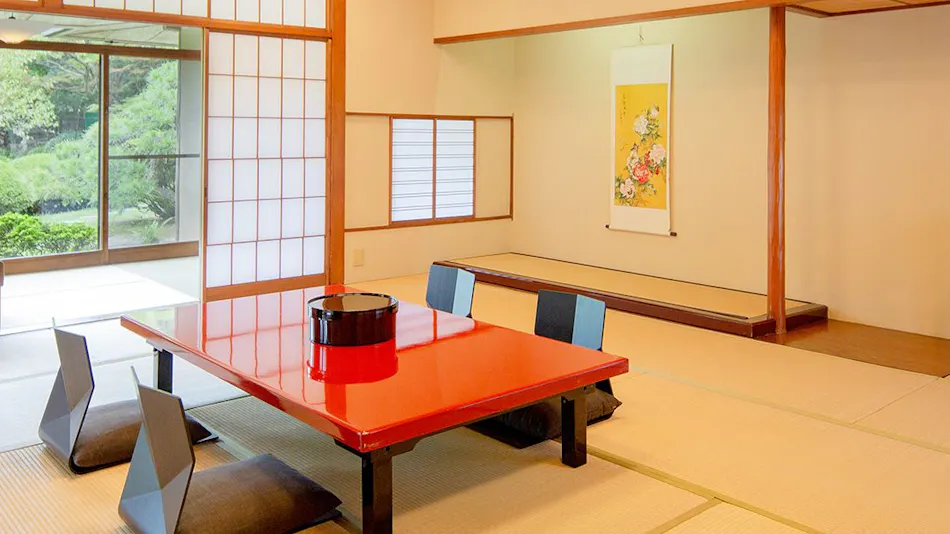
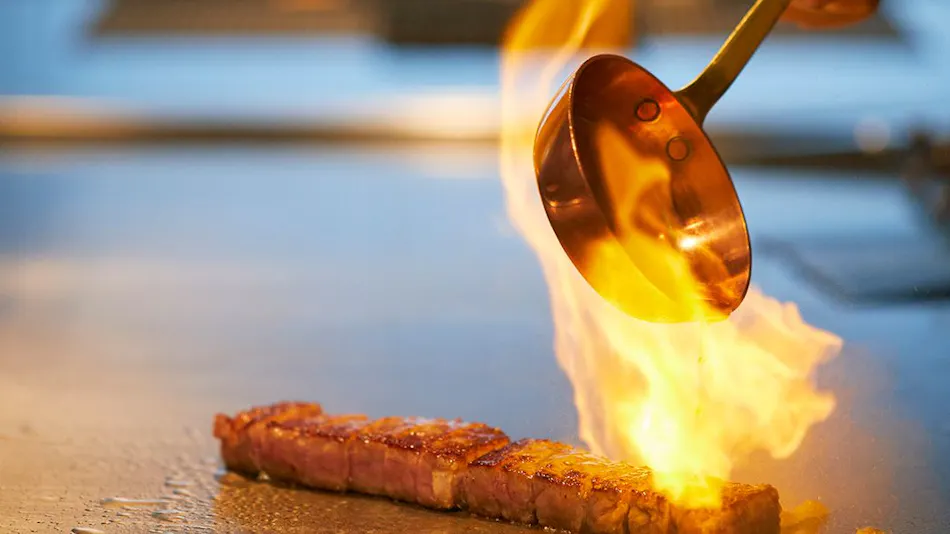
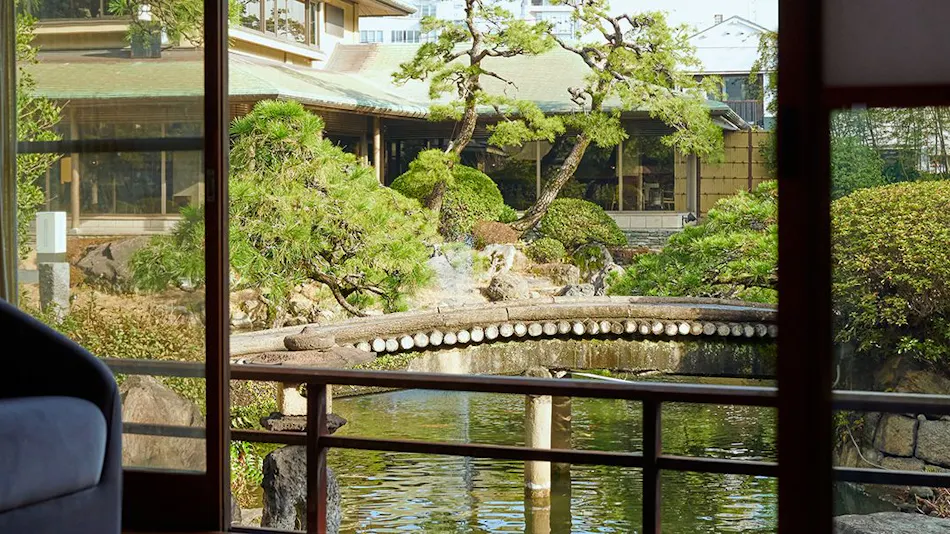
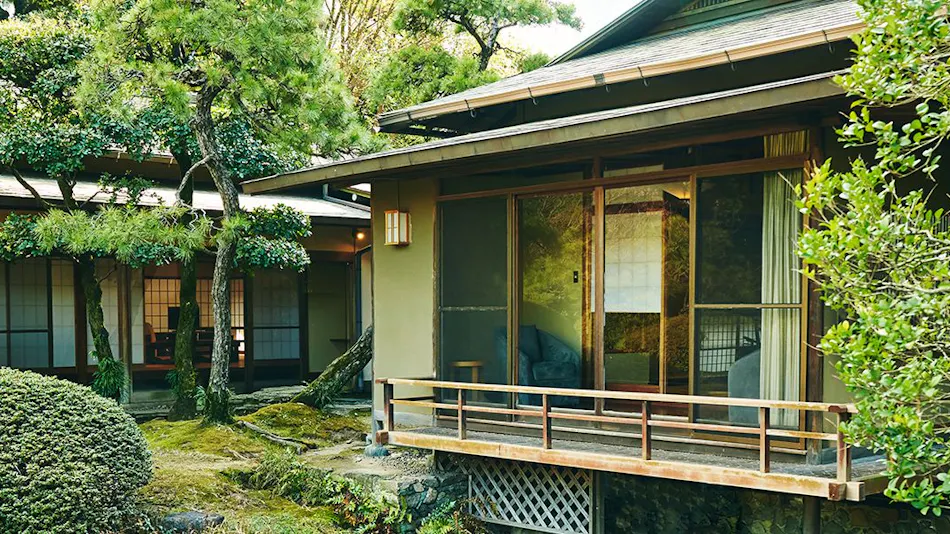
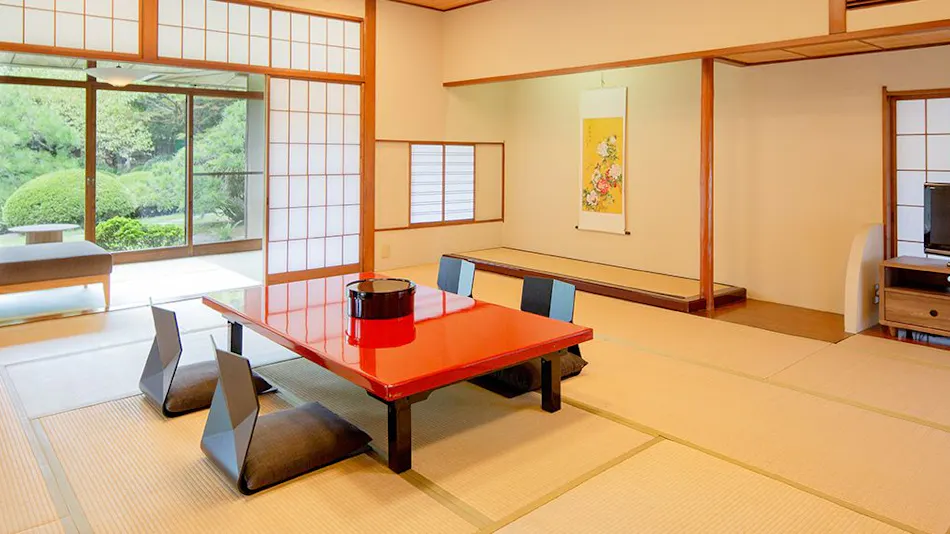
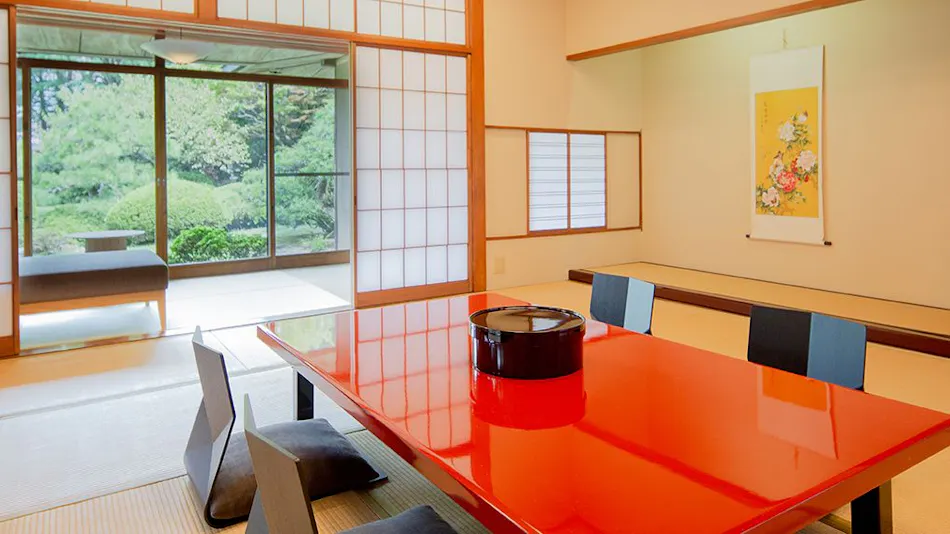
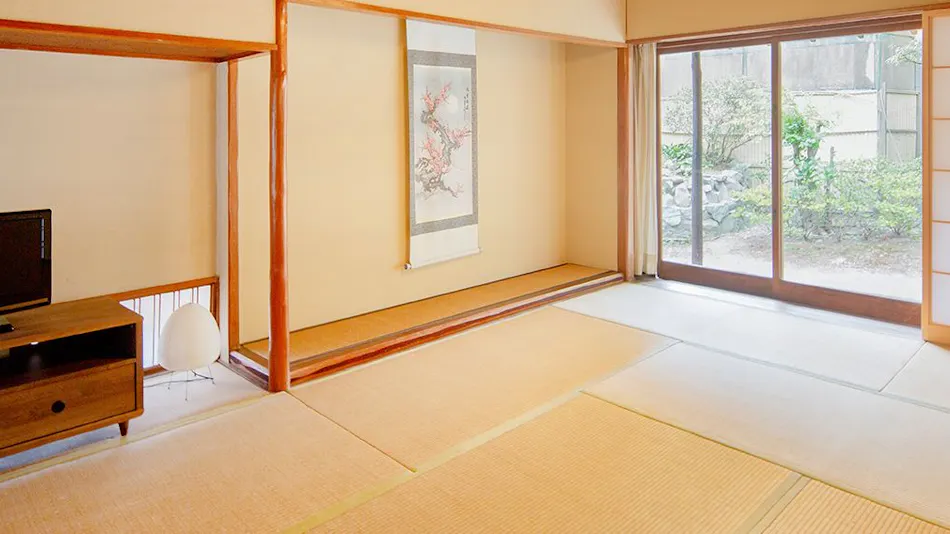
"Suisui," the Property of the Hundred-Year Garden, was designated as a Registered Tangible Cultural Property (Building) by the Japanese government on February 17, 2022. Nestled within the Japanese garden "Hundred-Year Garden" at Art Hotel Kokura, Suisui offers three rooms where guests can experience the traditional architectural beauty of Japan crafted with dedication by artisans approximately 130 years ago. With deep eaves, earthen walls, and intricate details on beams and ceilings, this elegant setting invites guests to a truly extraordinary experience.
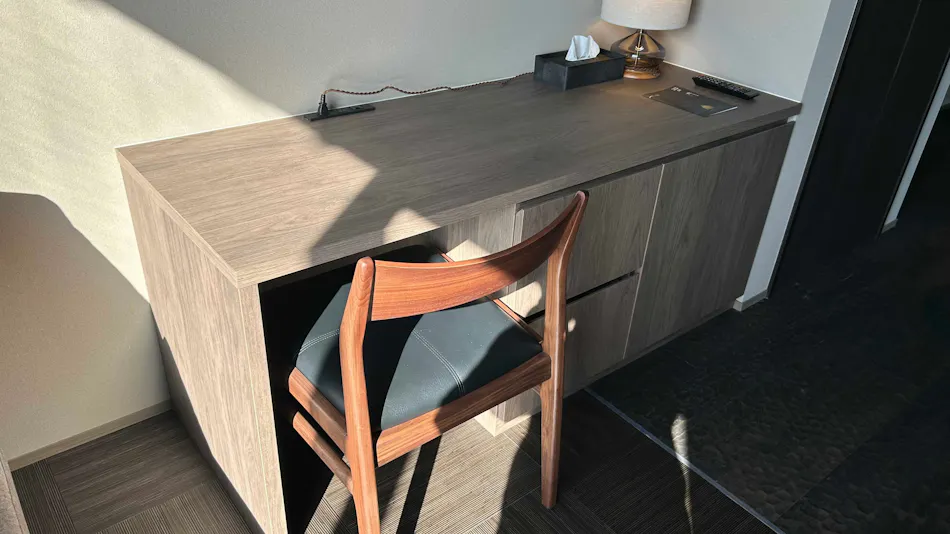
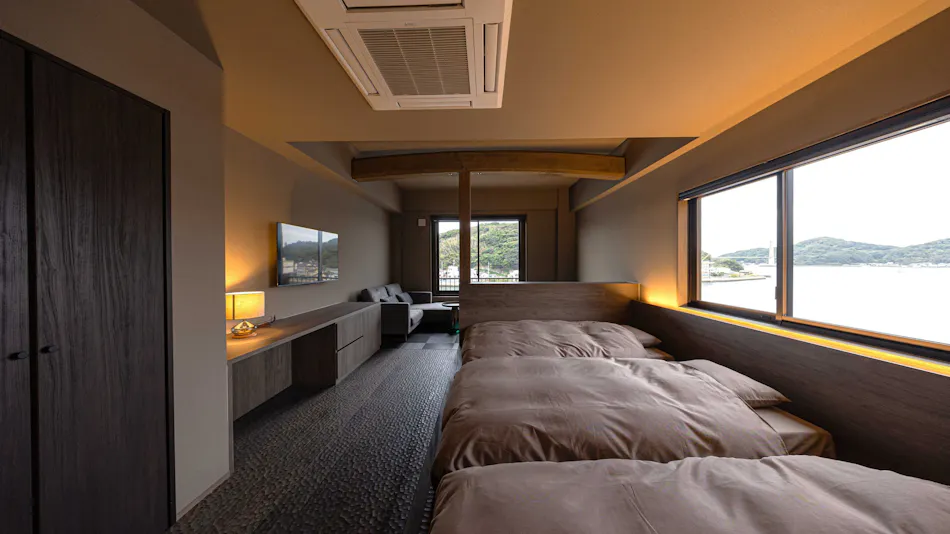
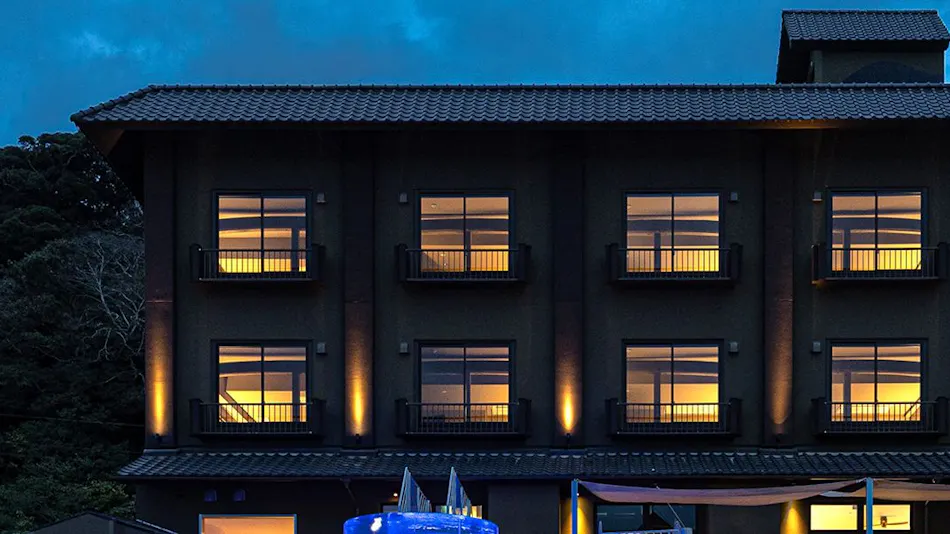
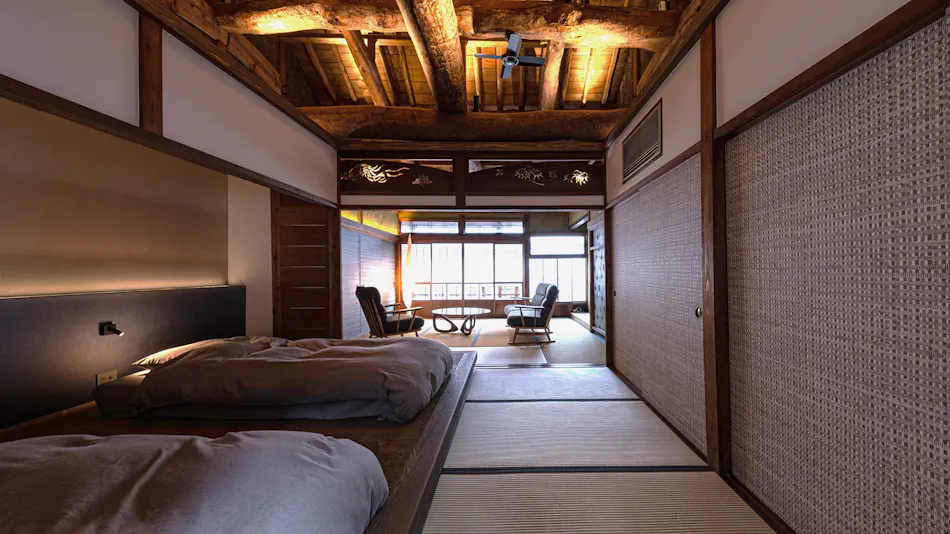
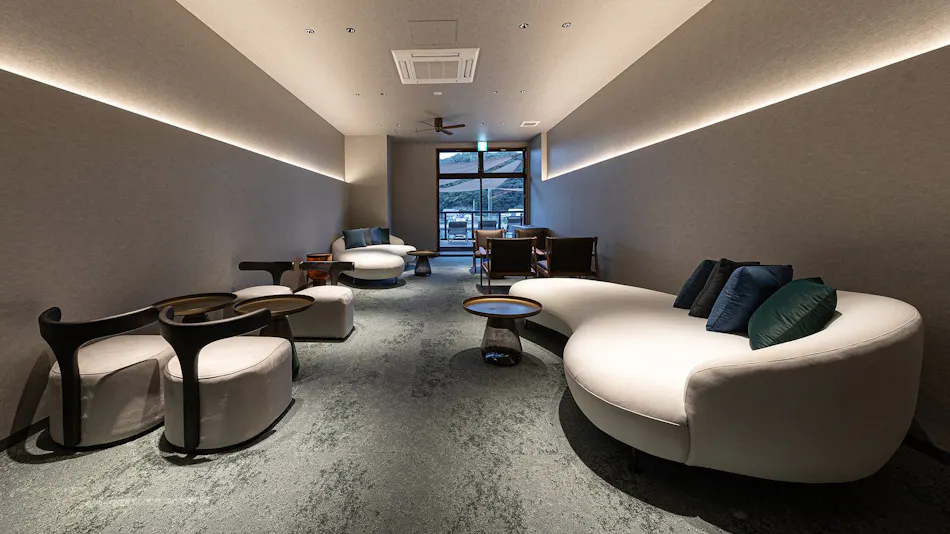
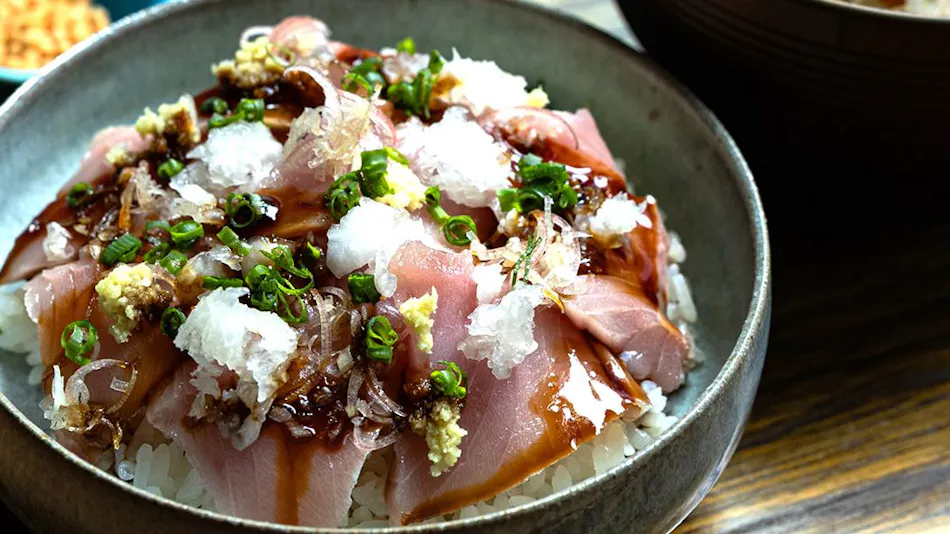
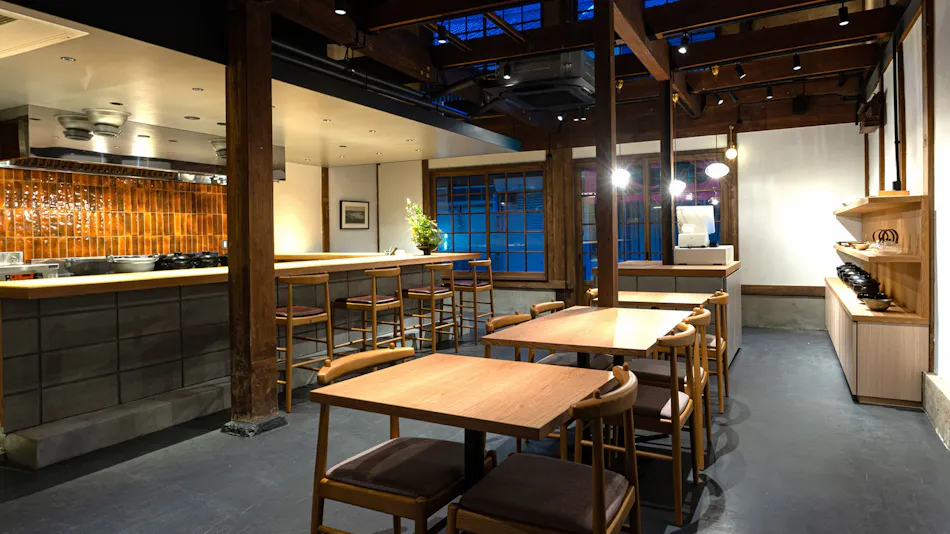
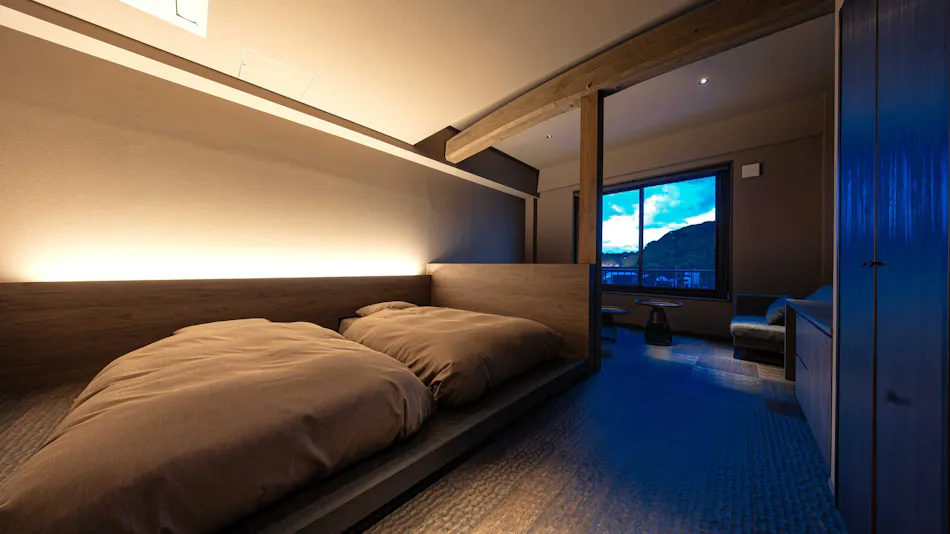
Yobuko once flourished through whaling in the Edo period. Named after Jinroku Nakao, head of the whaling guild who supported that prosperity, NAKAO JIN6 HOTEL is a decentralized Hotel created to bring back the town’s vibrancy. From the main building by the harbor, enjoy sweeping views of the fishing town’s seascape and sunset, then unwind in the on-site JIN6 Sauna. In an annex renovated from a traditional townhouse on the street of one of Japan’s three major morning markets, you’ll find Yobuko’s heritage woven into the architecture—traditional stonework and distinctive thick pine beams passed down through generations. Experience Yobuko’s culture as a whole with a stay at this decentralized Hotel, enjoying your time as you explore the town.
The Origin of Kyoto "Ryokan Motonago"・・・ The name "Motonago" is derived from a word in the Manyoshu, meaning "ancient capital." It is said to have been the name of a social gathering place where noble people once assembled and relaxed. There are various theories, such as the old word "motona," meaning "randomly" or "without purpose," or the idea that the dreams and romantic history of ancient people soothe the hearts of visitors. The name "Ryokan Motonago," displayed as the title of this Kyoto Ryokan, carries such profound meanings. We warmly invite you to visit Ryokan Motonago.
The overwhelming presence of materials aged over time.Warm light with reduced brightness highlights the beauty of fittings, earthen walls, and gardens.We offer a high-quality space to enjoy the tradition and technical beauty of Machiya."Kura ya Omiya Shimabara" is located in the Shimabara area, once a thriving entertainment district.Relax after exploring the history of Kyoto.
KYOBU Chawan-zaka is located at the entrance of Chawan-zaka, where kilns of Kiyomizu-yaki, a representative of traditional Kyo-yaki crafts, are lined up, and it faces the World Heritage Site Kiyomizu Temple. The property features works by Kiyomizu-yaki ceramic artist Yuichi Inokai, a collection of Kyo-yaki tableware, a large ceramic bathtub in the bathroom, and from the staircase window, you can view Higiri Jizo, a symbol of the local faith of the Kiyomizu area, allowing you to enjoy Kyoto through both sight and touch.
This area, where Higashiyama Roku is located, is called "Rokuhara," and nearby are Rokuharamitsu-ji Temple, Rokkaku-no-Tsuji, and Rokuhara Chinko-ji Temple. A Kyo-machiya, completed in Taisho 3 (1914), has been carefully restored by skilled craftsmen, preserving its original exterior. Inside the building, features such as fittings and transoms, which have been cherished by generations of owners, reflect over 100 years of history. We have created a serene space where guests staying at the Property can also feel a connection to the time when the building was originally constructed. The Rooms at Higashiyama Roku have been designed under the supervision of washi paper designer Eriko Horiki, who created washi light walls and lighting, offering a space where guests can enjoy the subtle shadows, the charm, and the transitions of a machiya. The lighting and Shigaraki ware round bathtubs, supervised by washi designer Eriko Horiki, as well as the noren (curtain) featuring calligraphy by Hina Aoyagi, the director of the Hokuriku Calligraphy Institute, are just some of the carefully curated details found throughout.
Major sights such as Gion and Kiyomizu-dera are within walking distance.It’s also conveniently located about a 15-minute drive from Kyoto Station.Inside, Kurotani Washi—an intangible cultural property designated by Kyoto Prefecture—quietly comes to life.Washi artist Wataru Hatano blends traditional techniques with a modern sensibility,bringing gentle light and shadow to the walls, sliding doors, and furnishings.Enjoy the city at your own pace, or unwind in a serene, restorative atmosphere.Obune no Ie weaves a truly special stay in Kyoto.
About 90 minutes by car from Tokyo, this is a traditional Japanese farmhouse over 100 years old in the Nagasa area of Kamogawa City, Chiba, renovated by MUJI.The plasterwork was crafted by Shuhei-gumi, and the sliding doors (fusuma), inspired by Kamogawa’s nature, were designed by Noda Print Studio.Kamogawa, Chiba—home to Oyama Senmaida, the terraced rice fields closest to Tokyo—offers a sweeping rural landscape often called Japan’s original scenery. Nestled between forested hills and open plains, it preserves a satoyama way of life lived alongside trees, wildflowers, birds, and many other creatures.To help you fully enjoy the everyday life of this nostalgic place, a new local hub has been created with experiences centered on food and farming.
Kyoto, a historic city representing the world. Among its many districts, Gion remains the only place where the vibrant echoes of history still linger. The "great flow of time" that can be felt just by walking through the streets reminds us of the "outline of origins." This area, which has flourished since ancient times as the temple town of Chion-in on Mt. Kacho, is home to Kyoto Gion's Shinmonzen and Furumonzen streets, lined with antique shops. Here, "Hotel Gion Bisaki" and "Hotel Gion Bisaki Furumonzen" have opened simultaneously. Come and experience the essence of "beauty beyond" that we have carefully crafted.
Auberge Hanaki is a culinary Ryokan located in Izu-Ito Onsen, exclusively accommodating two groups per day. The Japanese-modern space, blending traditional and contemporary styles, offers a soothing retreat. There are only two rooms, each featuring an ancient hinoki wood bath. This is a small auberge situated along a tranquil riverside.
Located in Hita, the Little Kyoto of Kyushu, Oita, Hita Onsen is a historic hot spring area. The Ryokan Kayausagi is situated in Hita Onsen Kotohira. Enjoy the magnificent nature of Oita and Hita and the tranquility created by Kayausagi to the fullest.
Just a 1-minute walk from Higashi-Ginza Station (Tokyo Metro/Toei Subway), with Ginza and Chuo-dori close by—an exceptionally convenient location, especially as a base for sightseeing and leisure activities. Blending a calm atmosphere with the glossy elegance and brilliance of traditional Japanese aesthetics, the design features art that modernly reinterprets traditional crafts and culture throughout the Hotel, welcoming you into a space where you can feel “Edo chic” at every turn. On the 2nd floor of the Hotel, guests can enjoy a spacious large public bath reserved exclusively for staying guests, set apart from the bustle of Ginza—perfect for soothing away the day’s fatigue and refreshing yourself.
― Opening on Thursday, July 11, 2024 "ReLabo" is a concept that combines "Re," meaning "to restore," and "Labo," which signifies "laboratory" or "research institute." We have been studying medicine and wellness for approximately 60 years. At ReLabo, we offer various tests and wellness counseling by medical professionals and public health nurses, and we Plan and provide programs tailored to the individual needs of each customer. We continue to learn about wellness Plans that combine yoga, Onsen, meditation, spa, dining, and clinic services, supporting our customers' wellness lifestyles.
KUMU is a lifestyle Hotel that connects the traditional culture of Kanazawa, such as Zen and tea ceremony, to the future. Through features like the open-to-the-community tea salon "KISSA & Co." and various crafts and artworks by artists associated with Kanazawa displayed throughout the hotel, we introduce you to contemporary Kanazawa.|THE SHARE HOTELS|THE SHARE HOTELS is a hotel brand based on the concept of "SHARING WITH LOCALS," aiming for coexistence with local communities. We operate unique renovation hotels across The whole country, utilizing each region's culture and architectural characteristics.
Soothe your soul by the sea and unwindA refined resort escape for adultsOcean Resort Hotel & Spa Uminpia isa Hotel where you can feel the sea up close through the sculptural beauty of modern architecture and its distinctive large openings,surrounded by a sense of calm and healing.
A quiet Hotel perfectly located for enjoying Nara's attractions and evening strolls in Nara Park. Just a 5-minute walk to Nara Park and Todai-ji Temple's Great Buddha Hall. From the rooftop garden and panoramic restaurant, you can enjoy breathtaking views of Wakakusa Mountain and Todai-ji Temple. The interior exudes a soft atmosphere filled with Yamato charm, featuring large communal baths, private baths with a traditional Japanese touch, and exquisite, elegant cuisine. Guest rooms with open-air baths designed by artisans and designers each have unique characteristics, offering new discoveries every time you visit. Warm hospitality enhances the experience, allowing you to fully immerse yourself in the timeless allure of ancient Nara at your own pace.