Nationwide × Accommodation With Japanese GardenRecommended Hotel·Ryokan - 7Page Number
入力欄の先頭で左矢印キーを押すと、選択中の検索条件に移動できます。chip上では左右矢印で移動し、DeleteキーまたはBackspaceキーで削除できます。


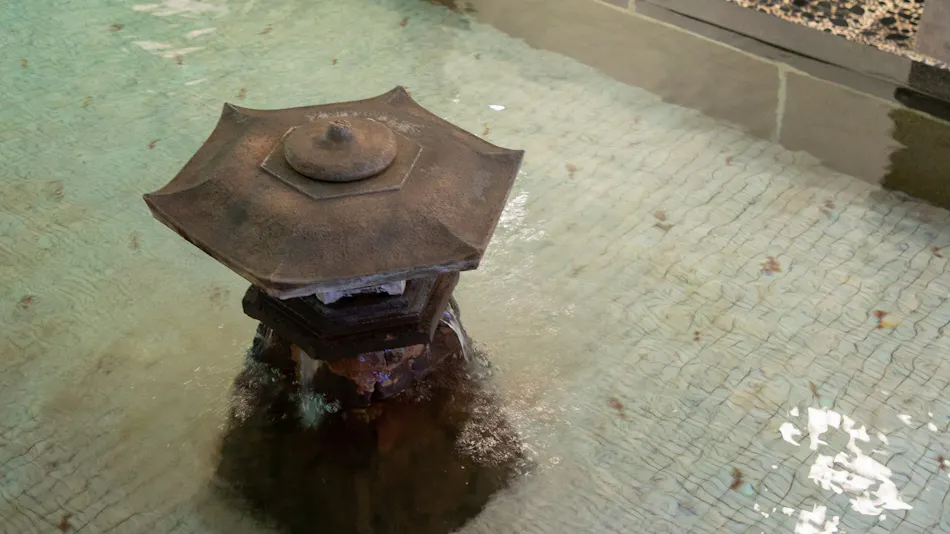
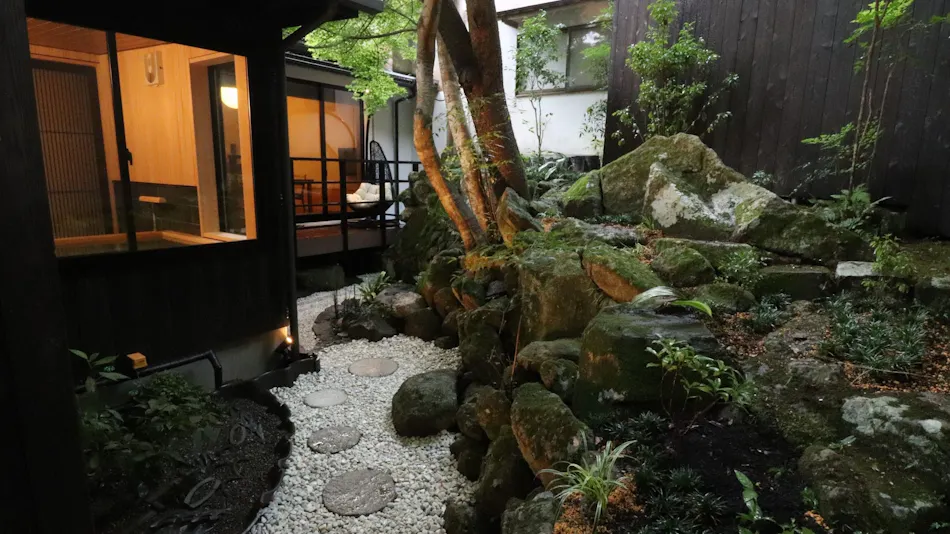
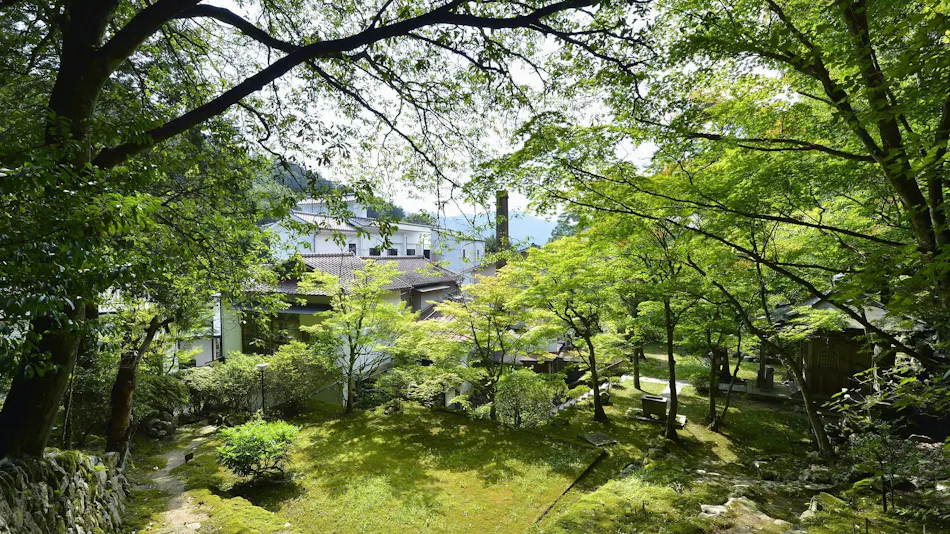
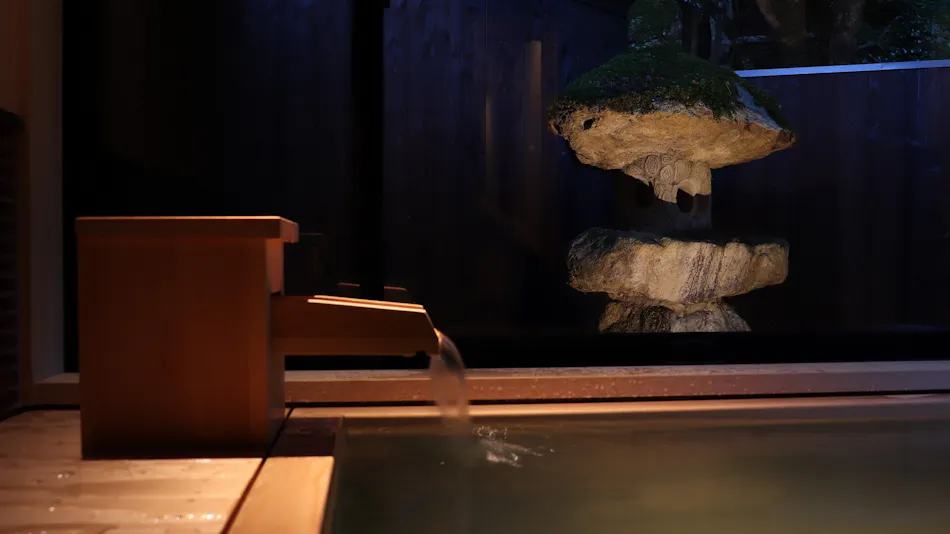
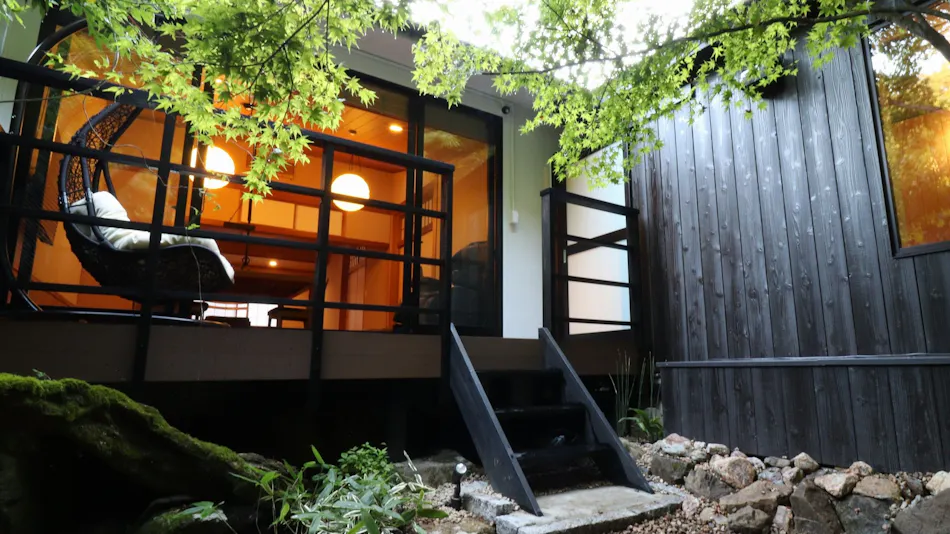


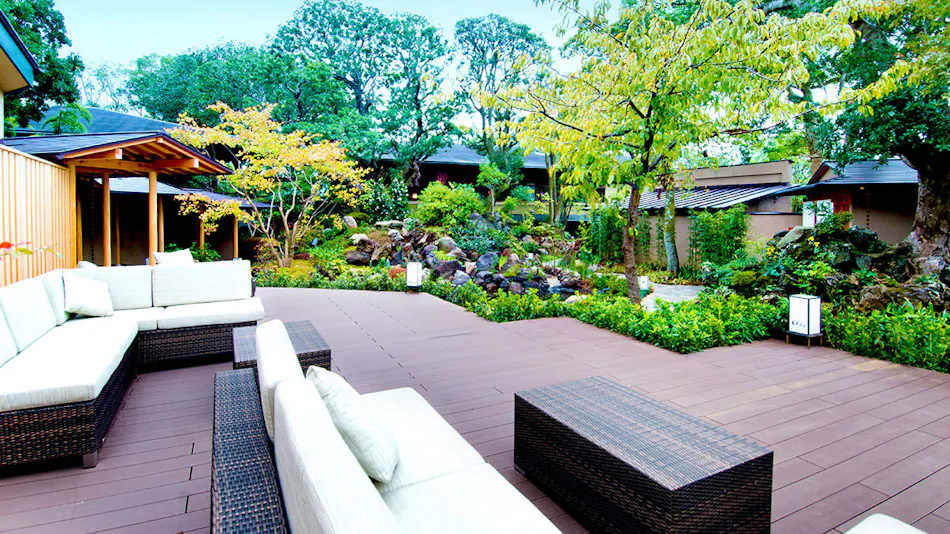
Kamiyama Ryokan, established in the 7th year of Meiji at Shiota Onsen. The natural onsen with a 300-year history features a self-sourced spring and is drinkable. Enjoy various baths such as hinoki baths, garden baths, and open-air baths. Dinner includes seasonal ingredients from Satsuma and Setouchi seafood, served as kaiseki or charcoal-grilled dishes. Breakfast features the specialty Yutsubo porridge made using the onsen water.


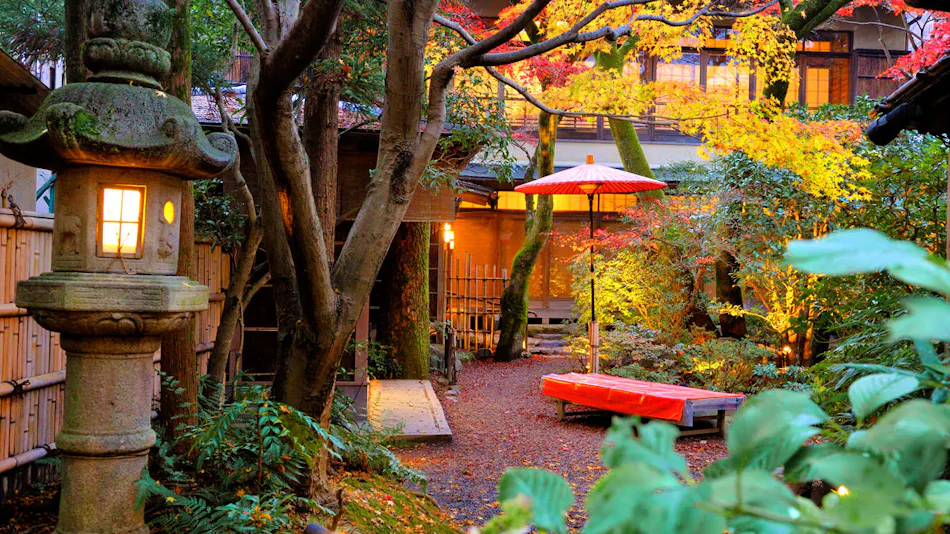
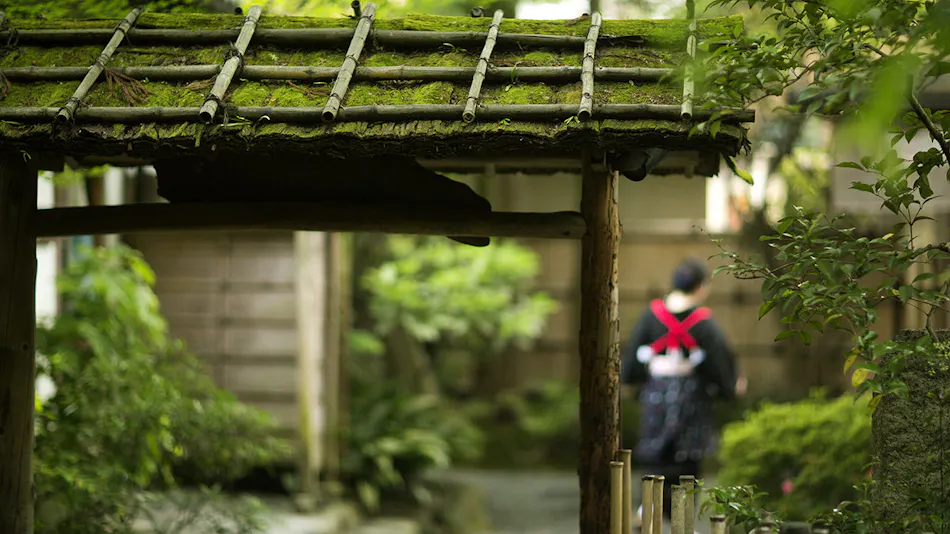
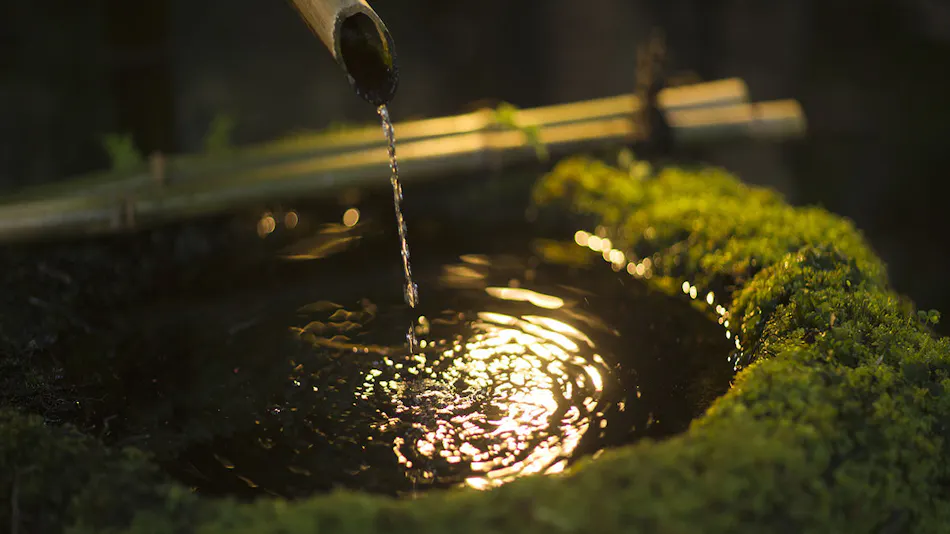


Step through the historic Kinyu Gate and enter a serene space steeped in tradition, offering comfort and tranquility for over 440 years since its founding in the Tensho era.Our kaiseki cuisine, crafted with carefully selected ingredients and traditional techniques, features specialties such as "barley rice with torojiru" and "tilefish (guji)," along with seasonal dishes made from the finest ingredients of the moment. Relax and unwind as you enjoy a peaceful escape from your daily routine.


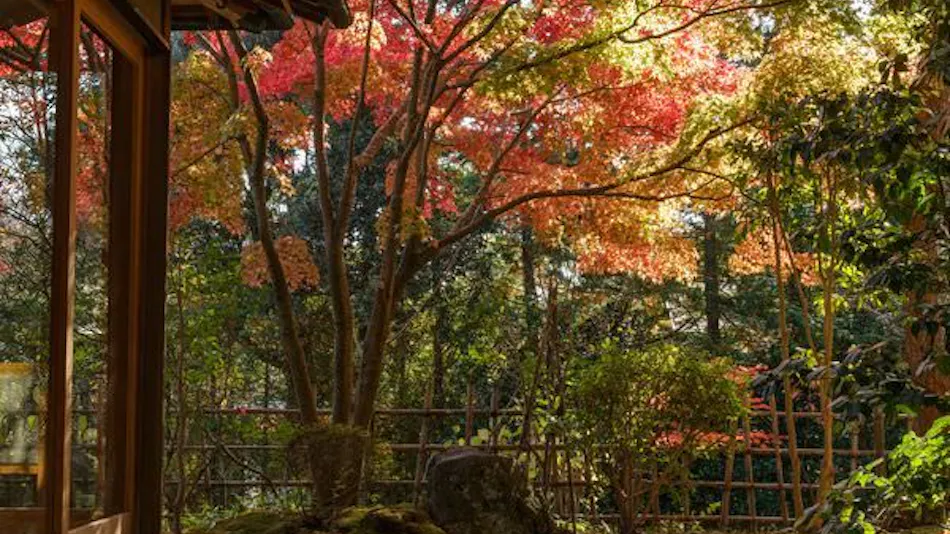

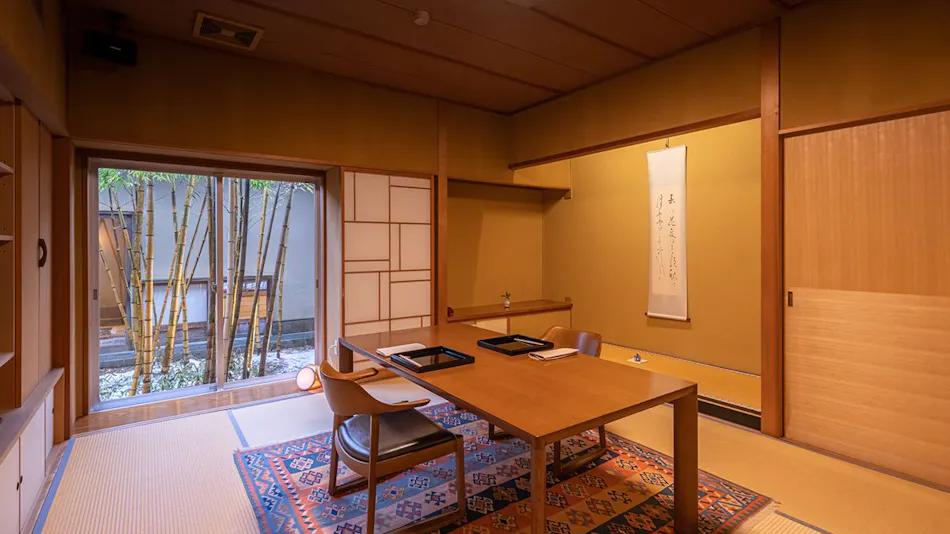
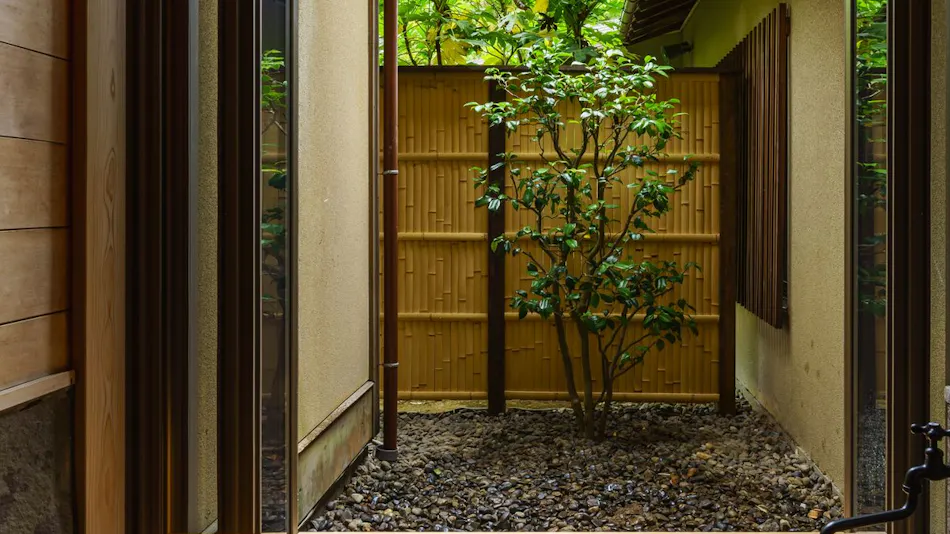
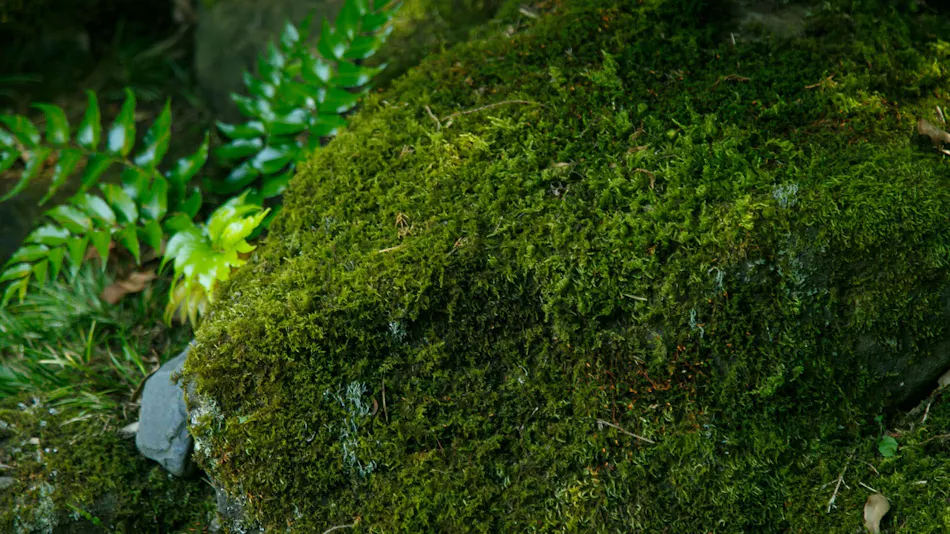


A traditional Sukiya-style inn surrounded by nature, offering the beauty of all four seasons. In spring, enjoy cherry blossoms; in summer, hibiscus and fireflies; in autumn, colorful foliage and ginkgo trees; and in winter, camellias and snowy landscapes. The garden at Shaga no Sato Yumeya blooms with seasonal flowers year-round, allowing you to fully experience nature and the changing seasons.
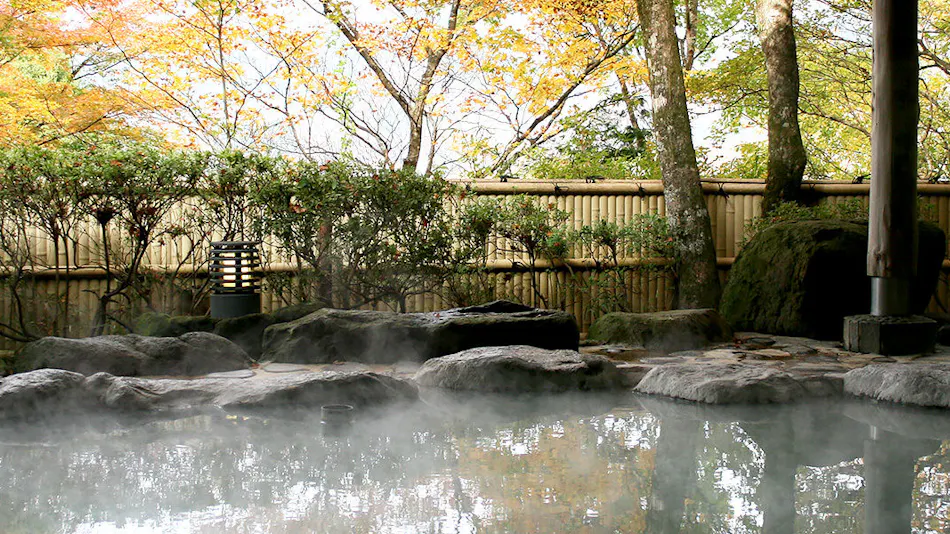
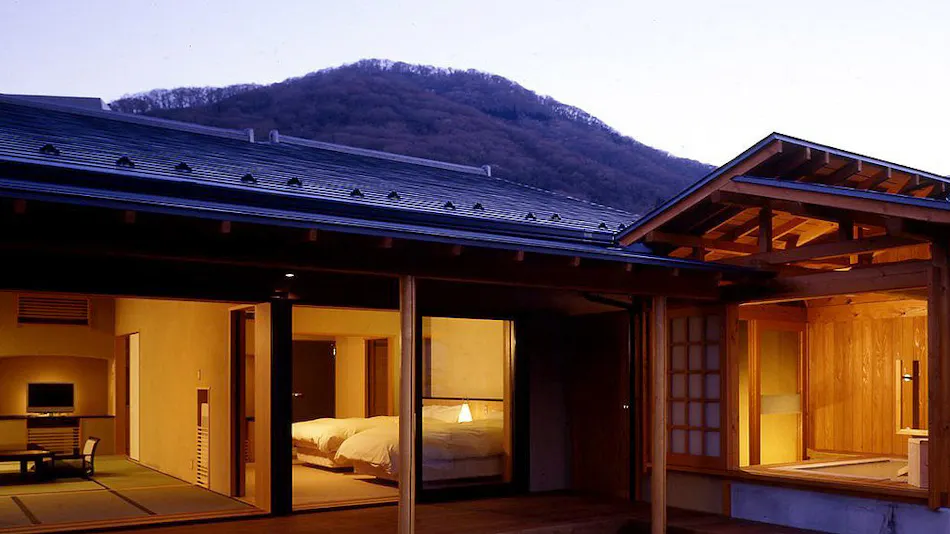
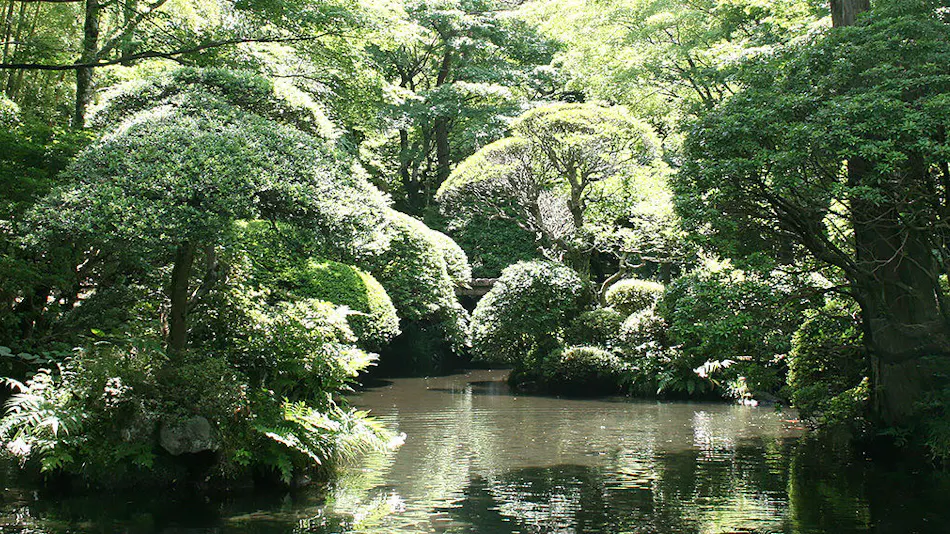
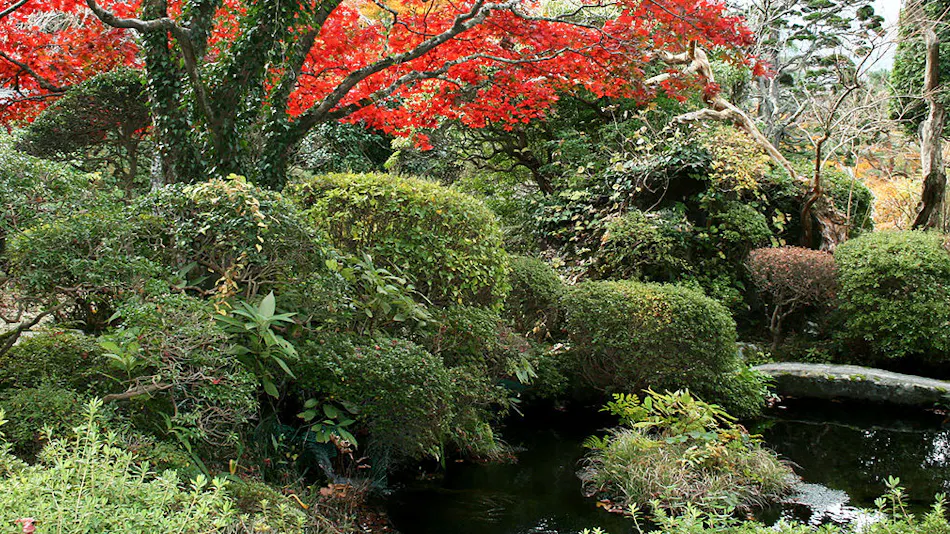
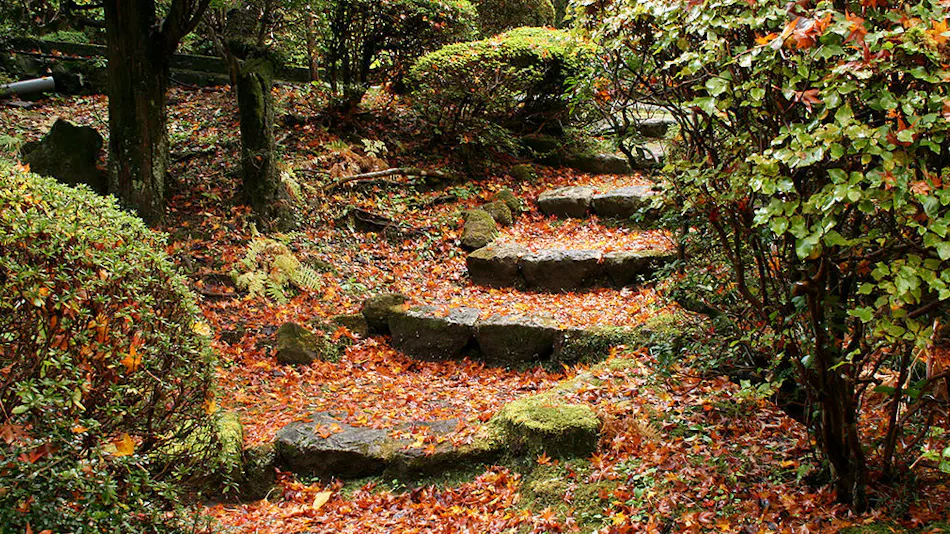
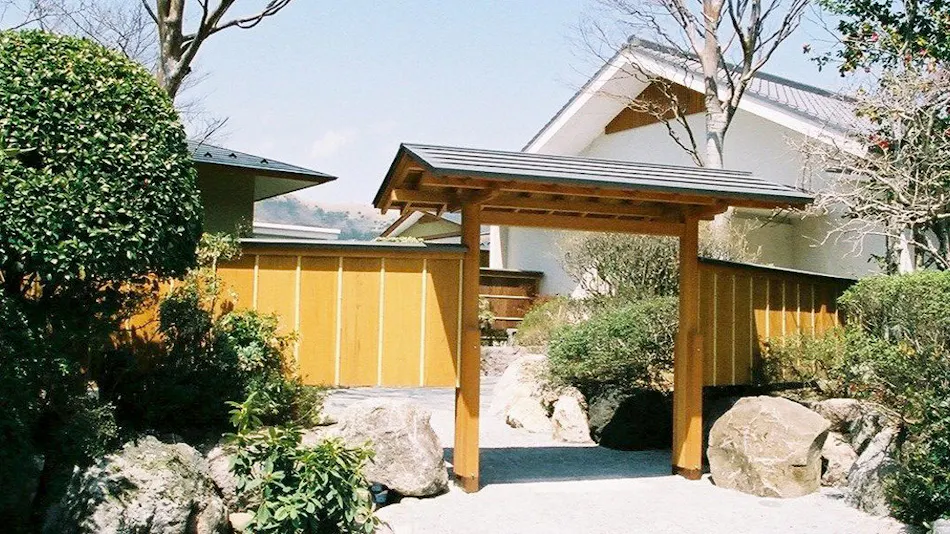
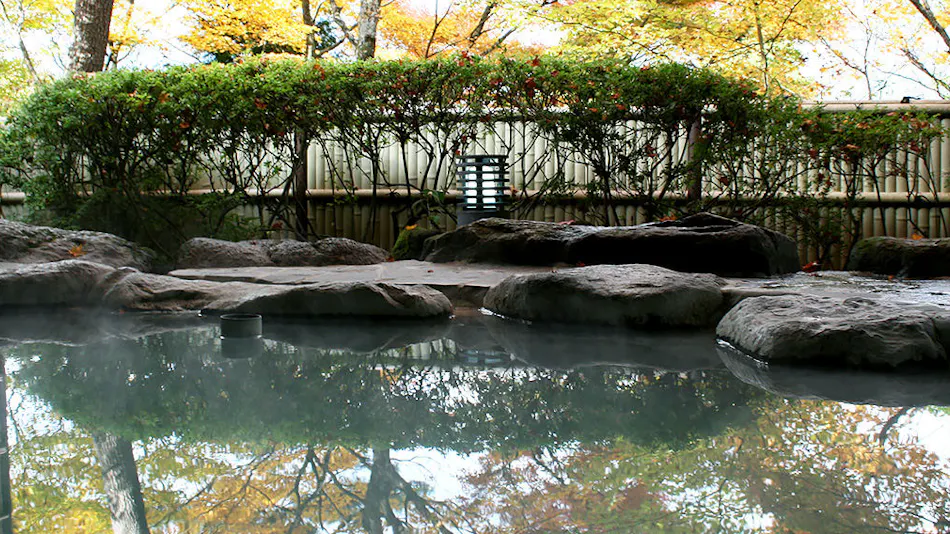
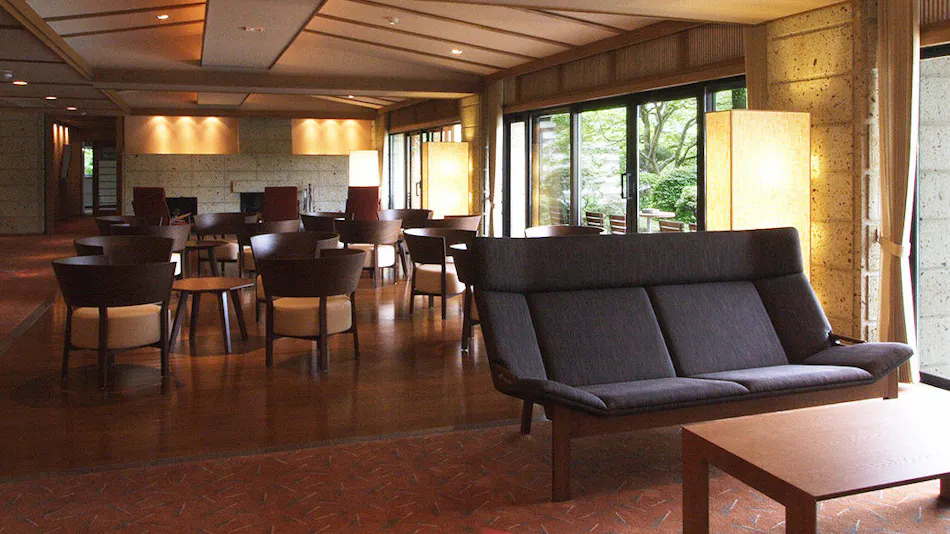
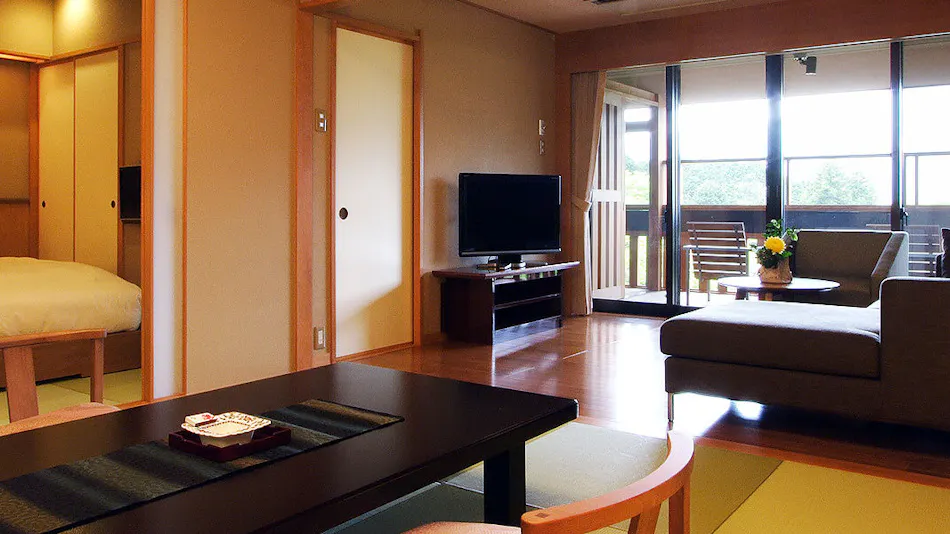
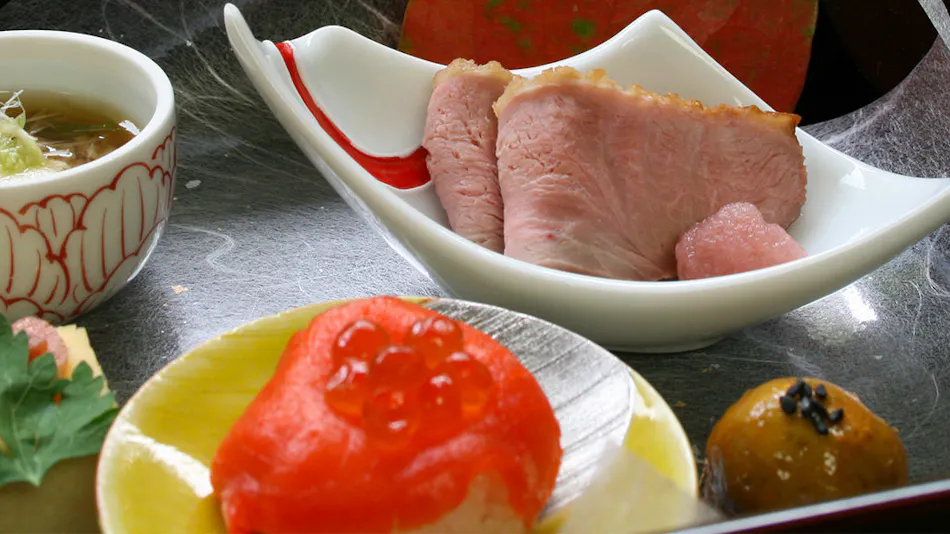
Our Ryokan was established in 1870 (Meiji 3) as Ishimura Ryokan in the Nanpoen area, slightly south of its current location. The founder, who served as a head officer at the Hakone checkpoint during the Edo period, began developing Onsen in Owakudani during the early Meiji era and started operating as a healing retreat by drawing hot spring water from there. In 1913 (Taisho 2), we relocated to this site and renamed it Senkoro. For this reason, we are known as Sengokuhara's original Onsen retreat.Before World War II, Sengokuhara was a special area frequented by prominent figures from political and financial circles. The nearby Sengoku Golf Course was even played on by Emperor Showa alongside international diplomats.Many distinguished guests have stayed at our Ryokan over the years, including notable figures such as Eiichi Shibusawa, Kihachiro Okura, Kichizaemon Sumitomo, Aritomo Yamagata, Takashi Hara, Kiichiro Hiranuma; artists like Somei Yuki and Suiun Komuro; literary figures such as Kiyokata Kaburaki and Sotaro Yasui; and writers like Sohou Tokutomi, Masao Kumei, Chogoro Kaionji, Jun Takami among others.Sengokuhara is part of Fuji-Hakone-Izu National Park's special district with strict environmental regulations. Building height limits along with restrictions on colors, decorations or signage are rigorously enforced here. In front of our property lies Hakone’s outer rim mountains covered in lush greenery that turn beautifully red during autumn foliage season. Our expansive grounds of approximately 15 acres feature seasonal blooms such as azaleas, rhododendrons, wisteria flowers or wild cherry blossoms.Nearby attractions include Hakone Glass Museum (Hakone Garasunomori), Hakone Botanical Garden of Wetlands (Shisseikaen), The Little Prince Museum (Hoshi no Ojisama Museum), Pola Museum of Art; scenic spots like Lake Ashi or Owakudani; hiking destinations such as Mount Kintoki; golf courses including Hakone Lakeside Golf Course (Kohan Golf Course), Hakone Country Club & Daihakone Country Club plus sports facilities for tennis too! This makes it an ideal destination whether you enjoy outdoor activities or art appreciation alike!


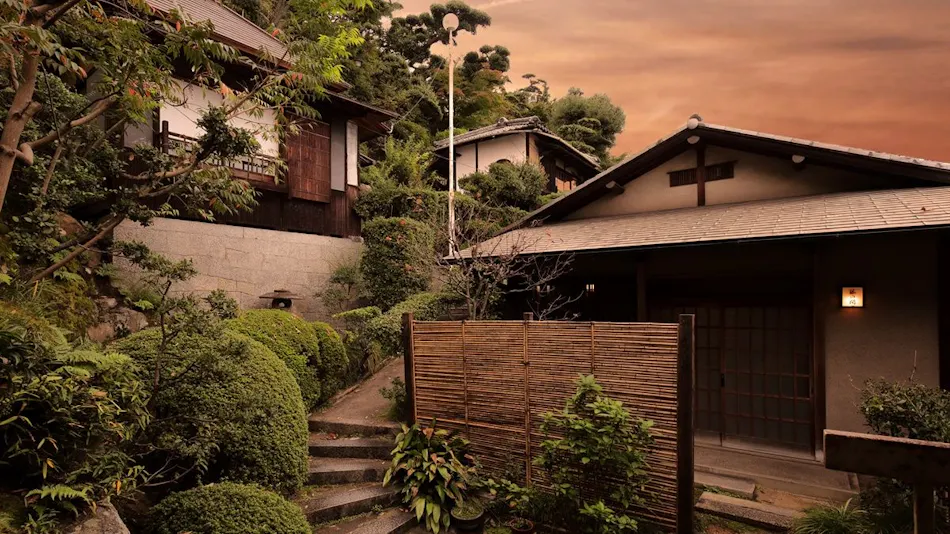
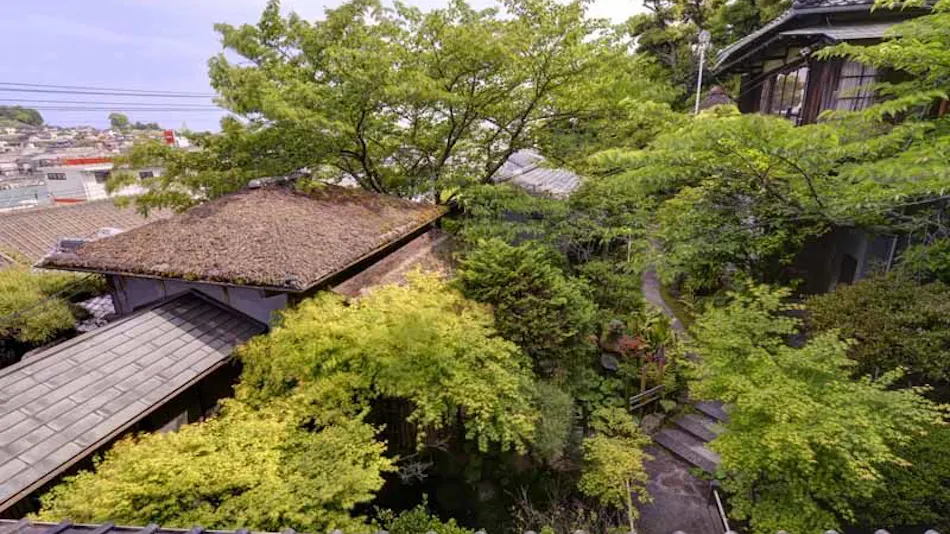


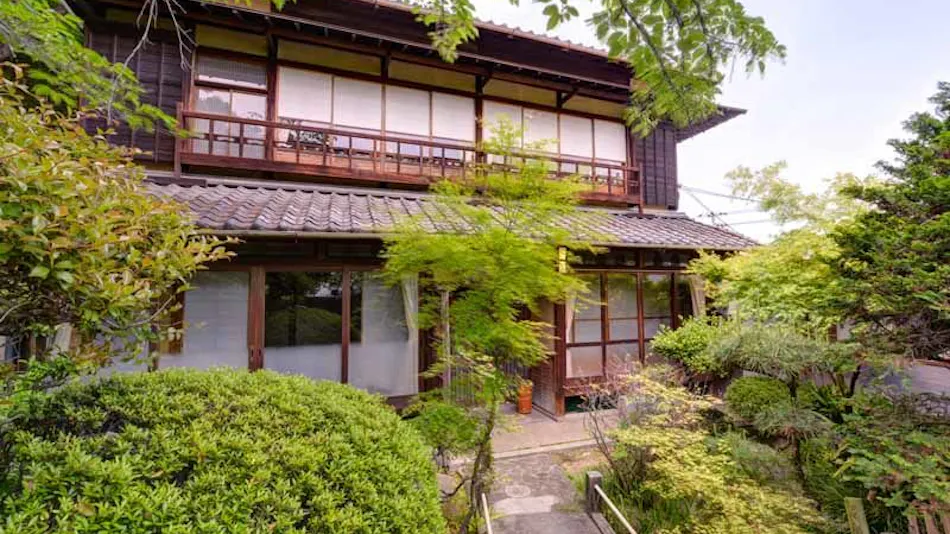


A long-established restaurant Ryokan founded in 1914, surrounded by ancient babé trees.The detached guest rooms scattered throughout our carefully designed garden each offer a distinct atmosphere.Enjoy authentic kaiseki cuisine at our restaurant Ryokan, featuring seasonal fish from the Seto Inland Sea.

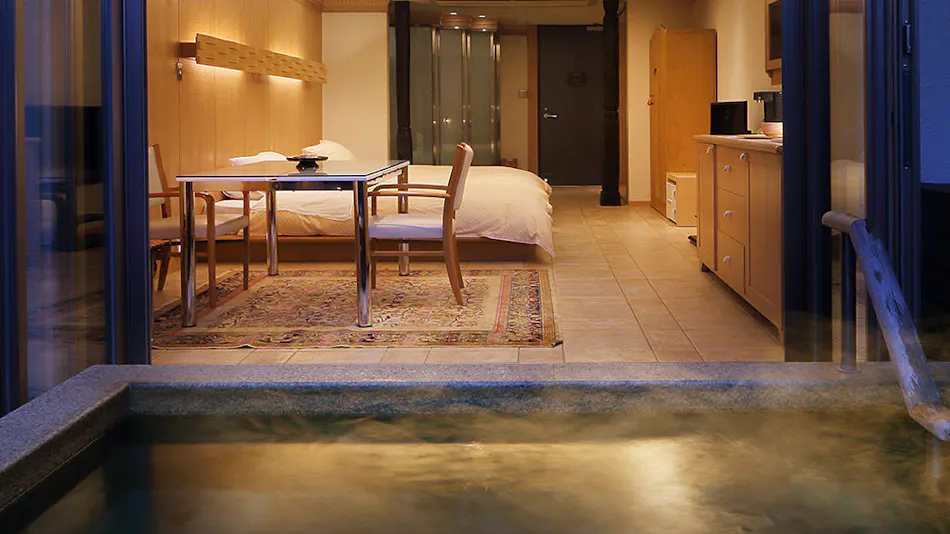
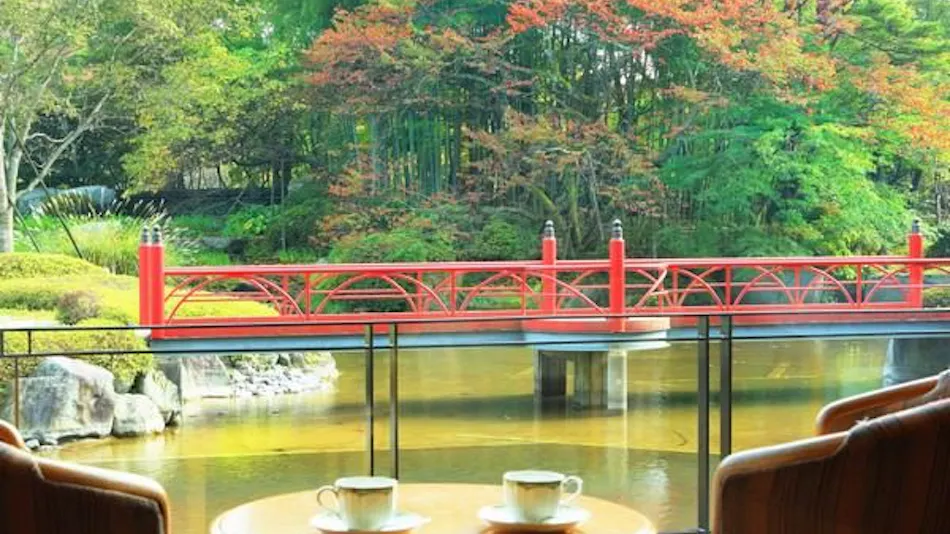
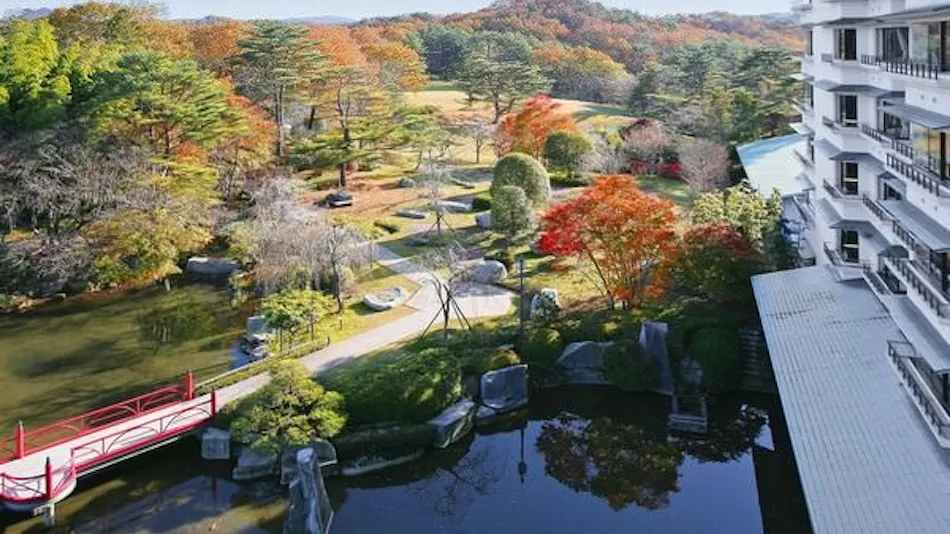
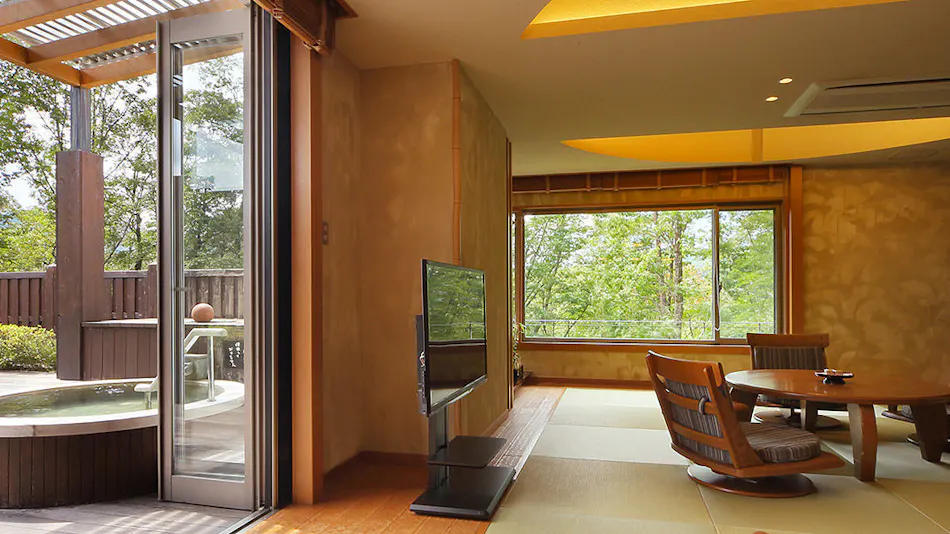
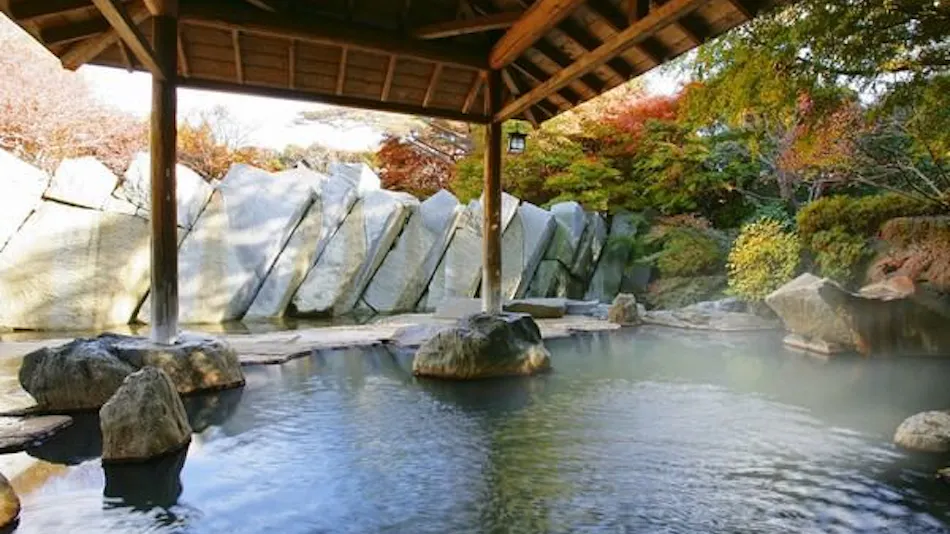
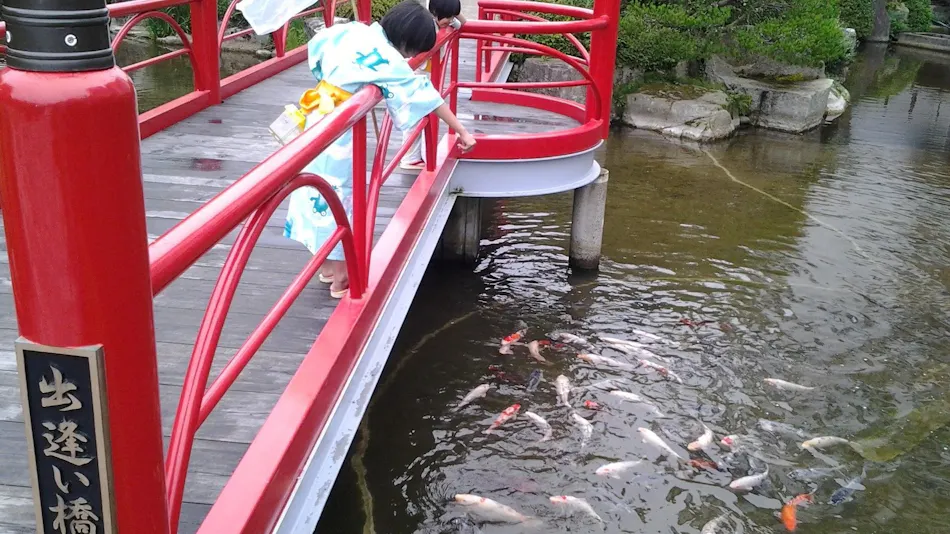
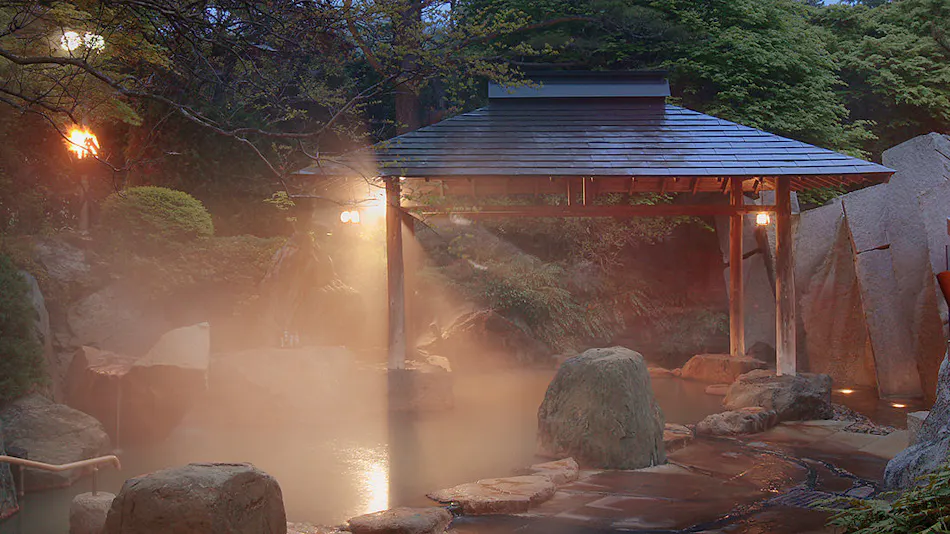
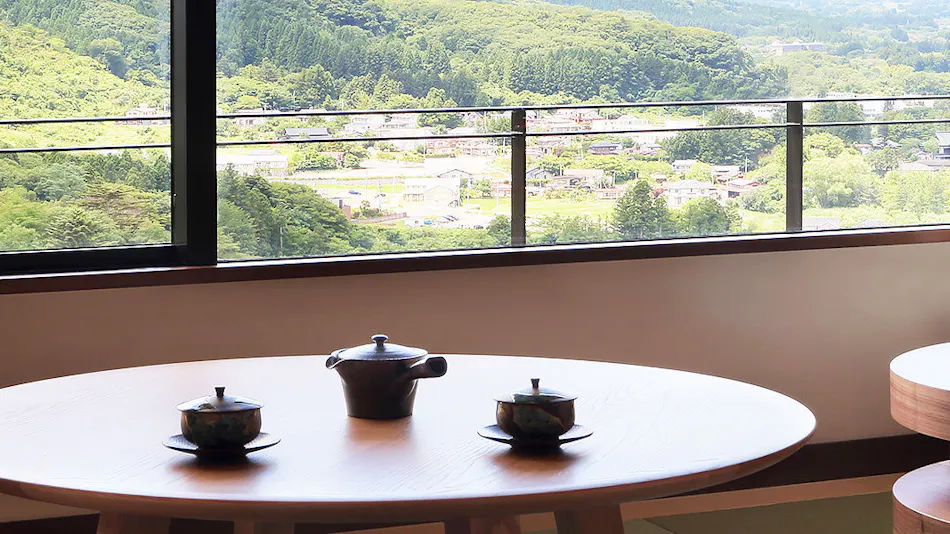
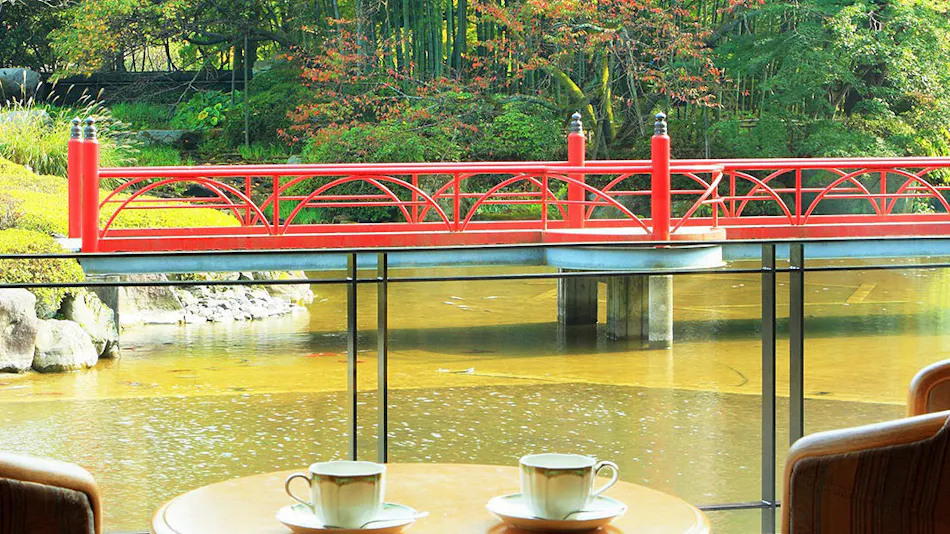
Passing through the green tunnel, you arrive at Ryokusuitei, a property offering a panoramic view of Akiu Village. Spend relaxing moments in the expansive grounds reflecting the vibrant colors of the seasons and our proud Japanese garden.


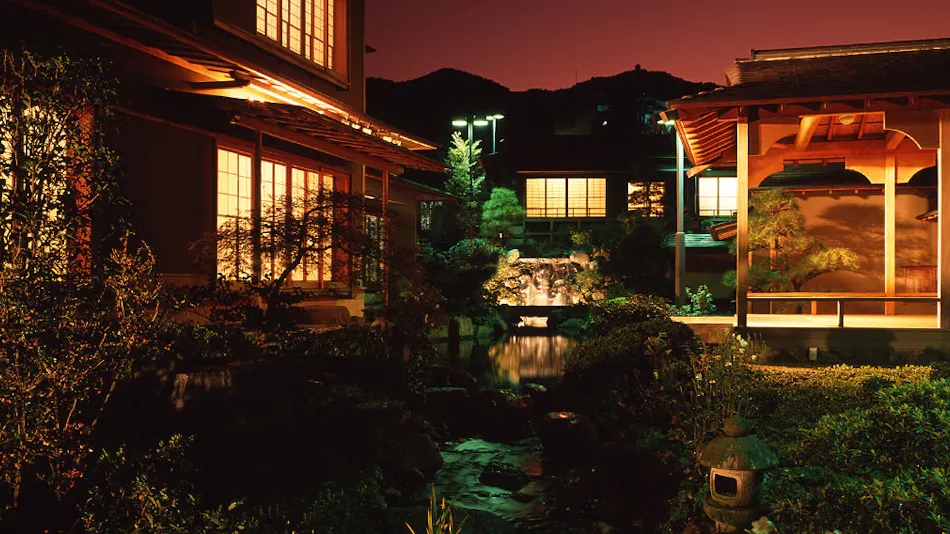


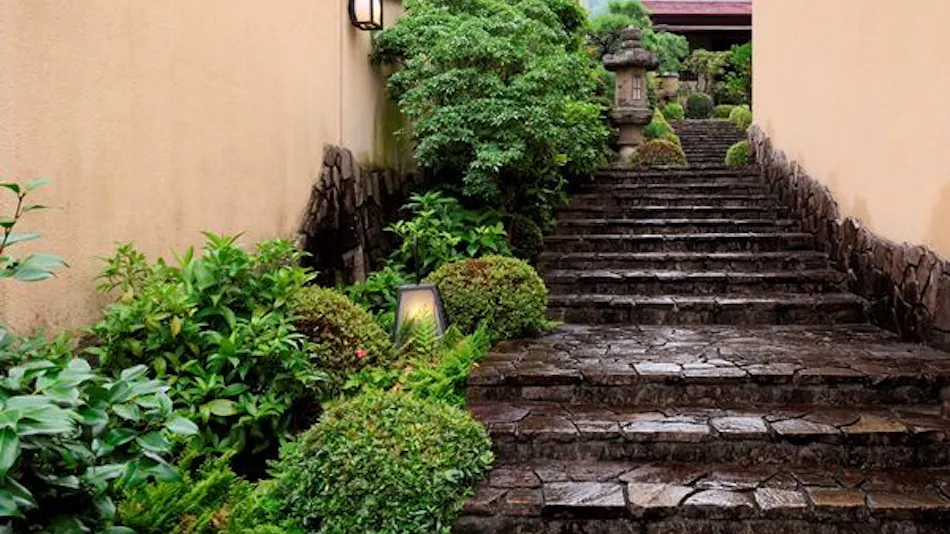
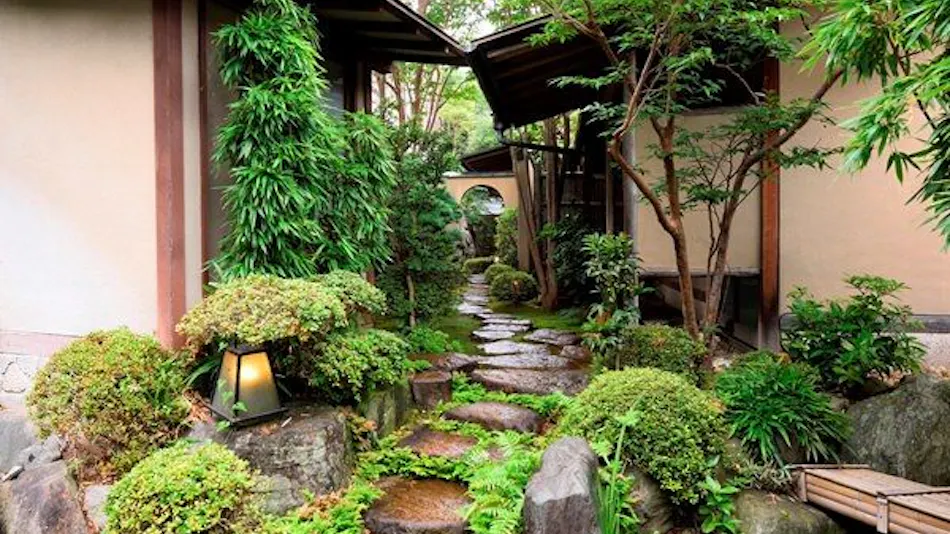


The various styles of "Atami Sekitei Bekkan Sakuraoka Saryo" are named "Sekitei Jushu" and are adorned with the spirit of "elegance and luxury" cultivated by Edo culture. We hope you can forget the daily complexities, enjoy a full-body, all-sensory relaxation, and relish the delightful dramas unfolding everywhere.


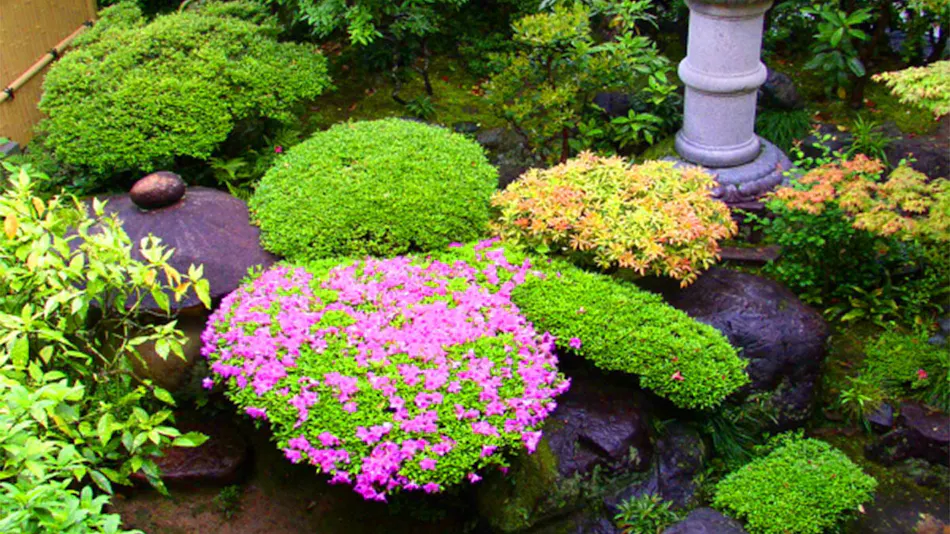
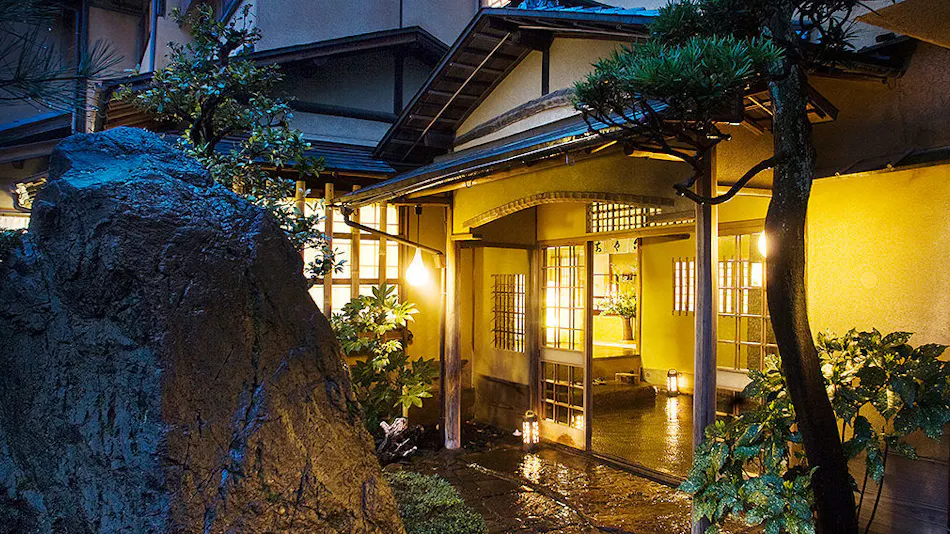
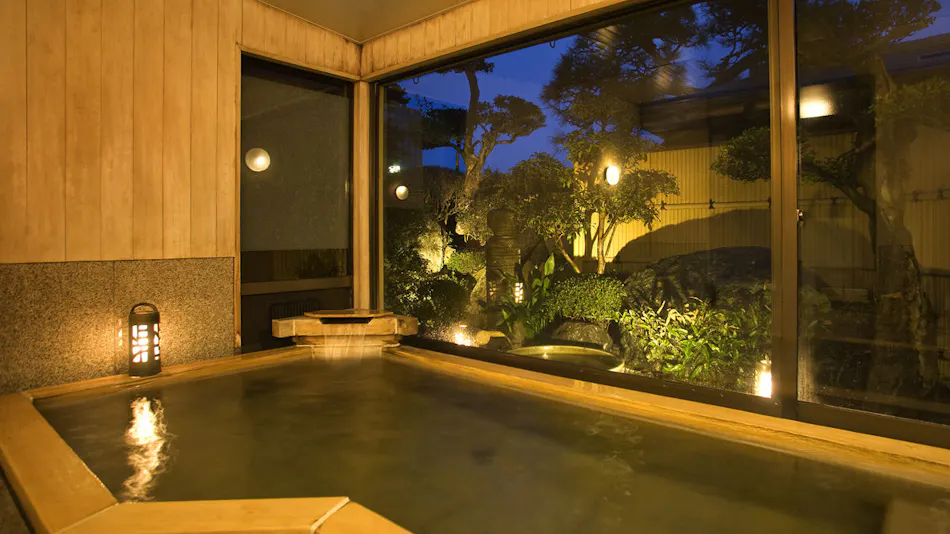
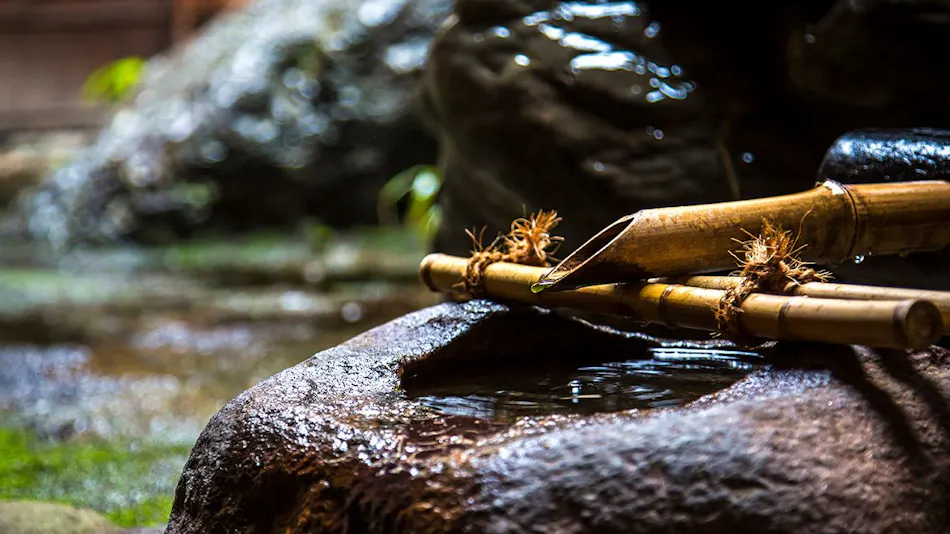
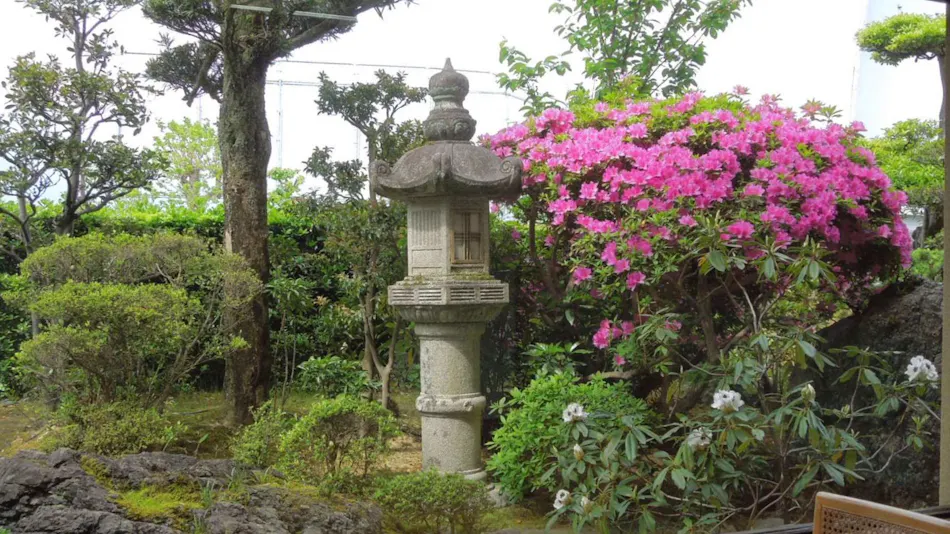

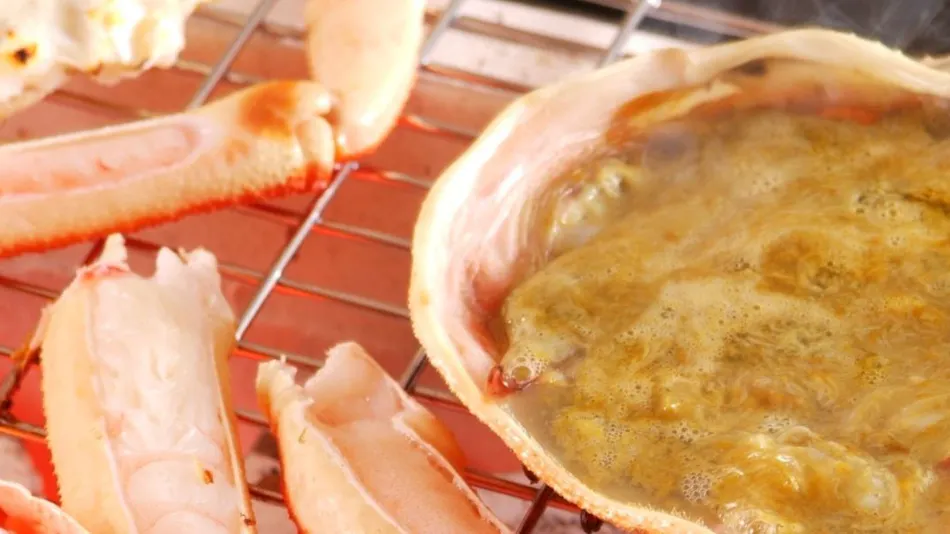
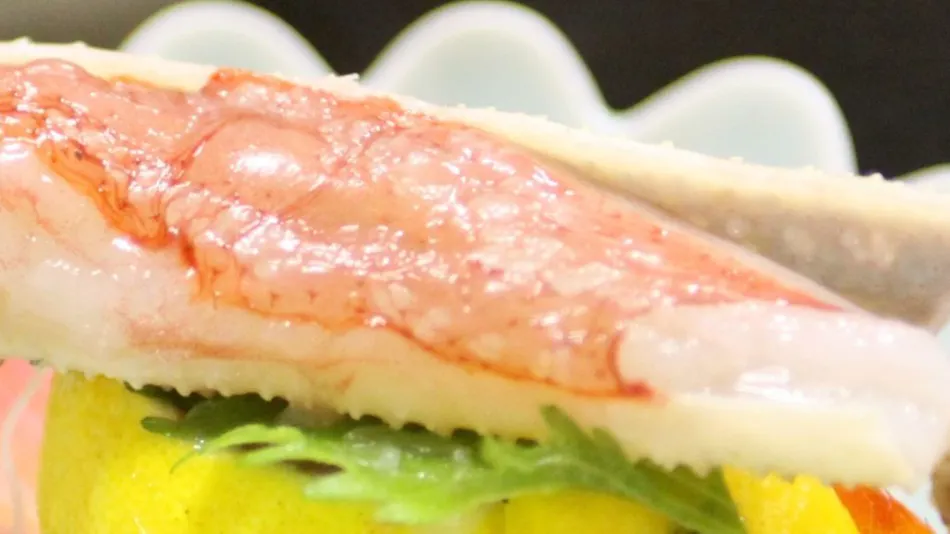
Subtle yet endlessly attentive hospitality is the true essence of Choroku Bekkan. Refined to the utmost in pure simplicity, with a gentle touch.


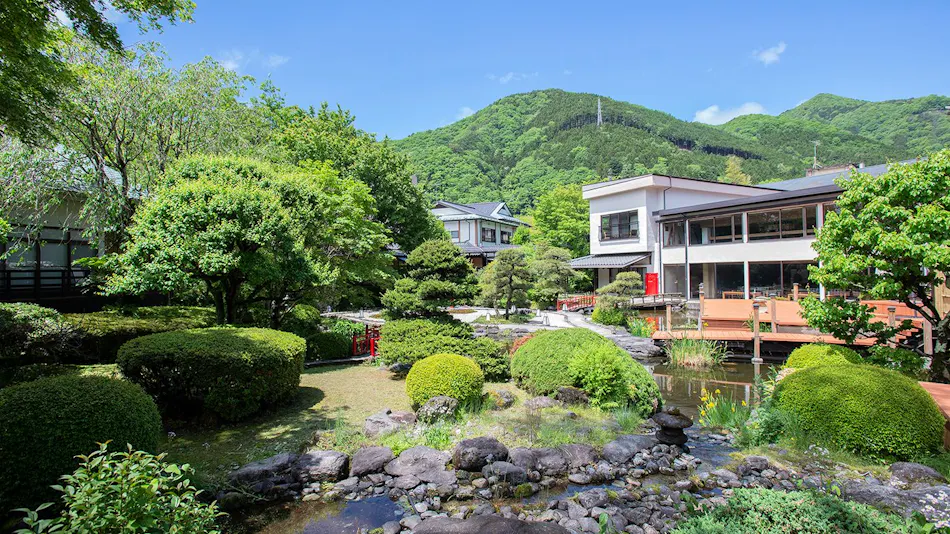
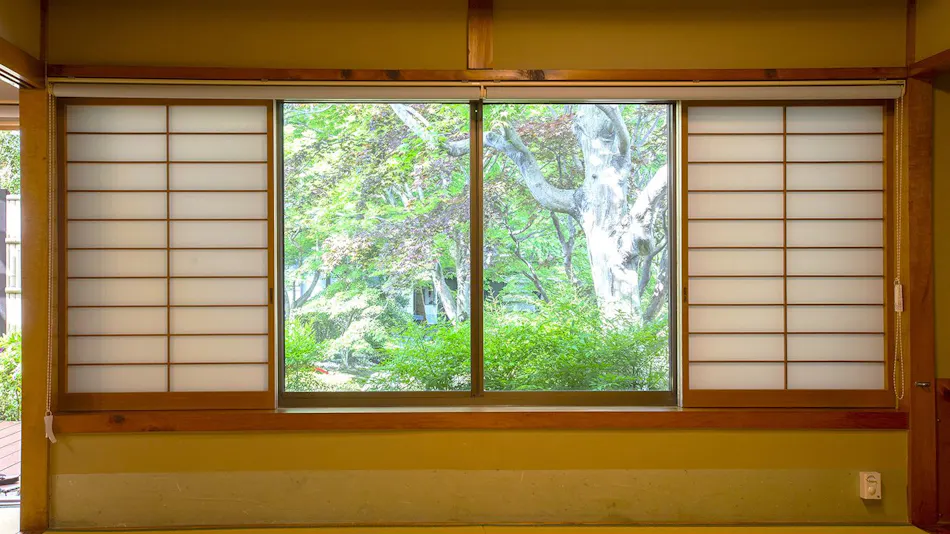

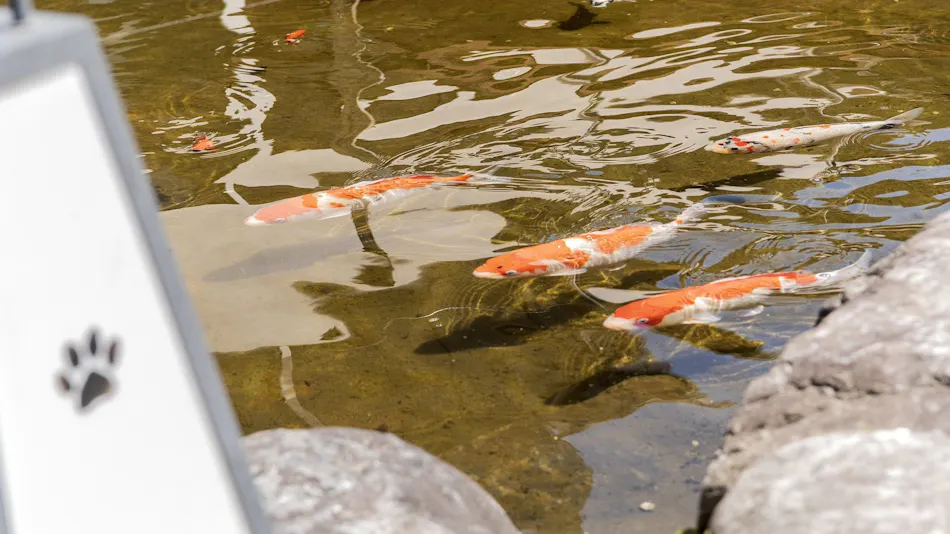
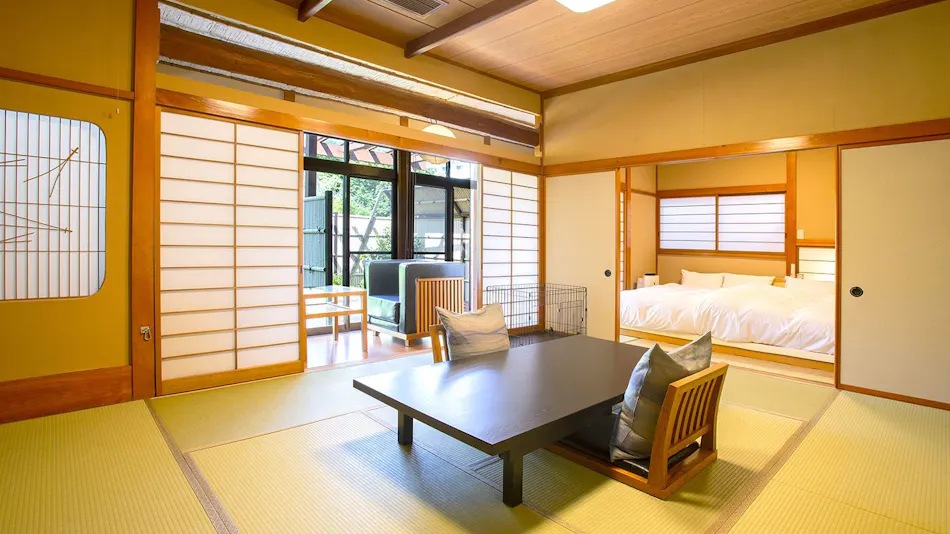


Rest assured, even for your first trip with your beloved dog. At Kinugawa Onsen, we warmly welcome your dog as a valued guest. Choose from 17 types of rooms, including private Onsen baths for dogs and indoor/outdoor dog runs. Enjoy dining with your dog at our restaurant featuring carefully selected local and nationwide ingredients.
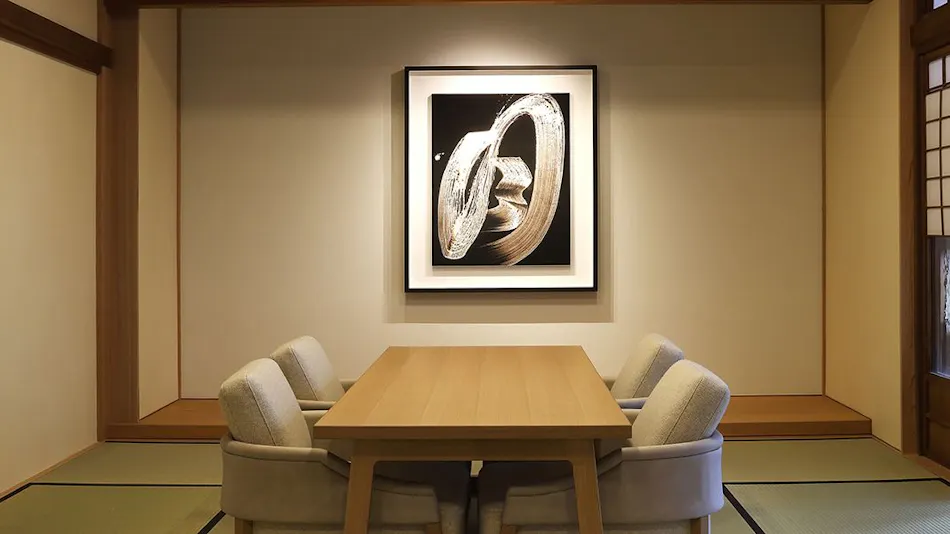
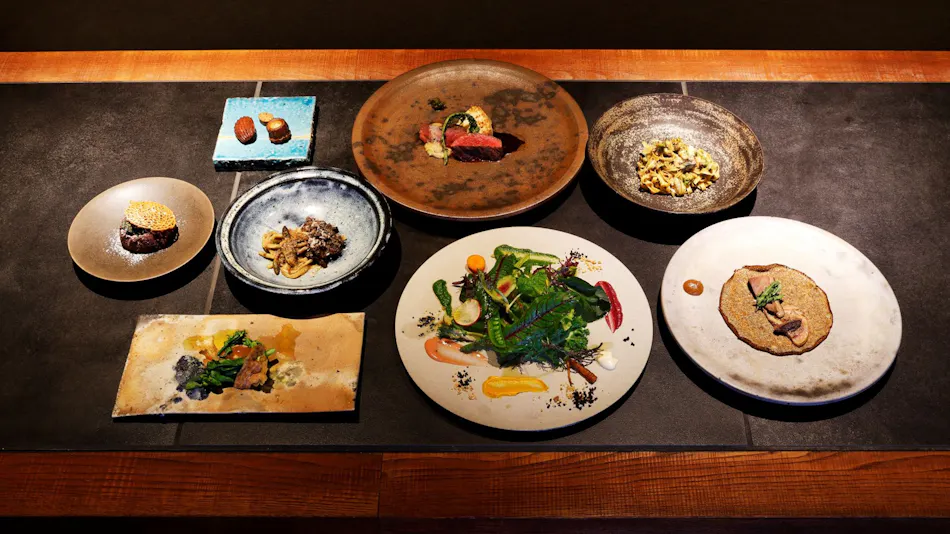
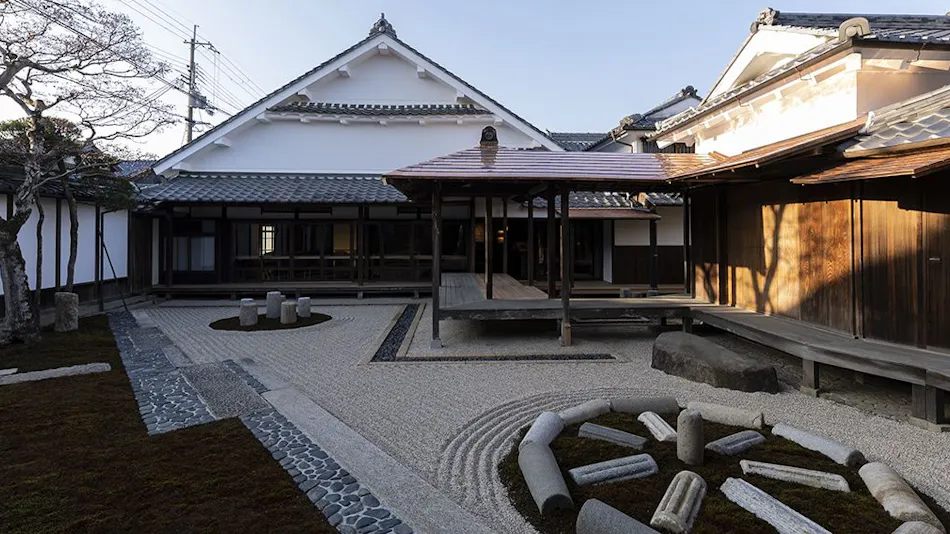
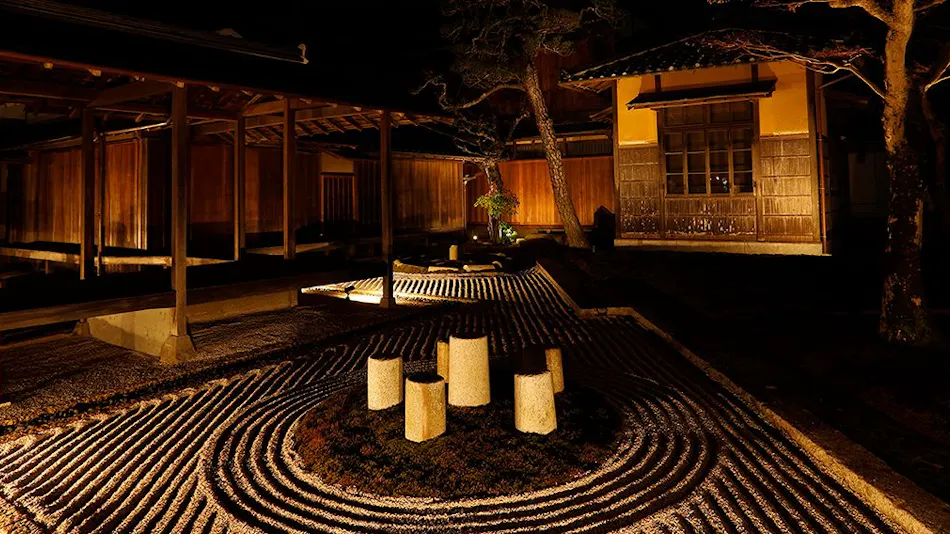
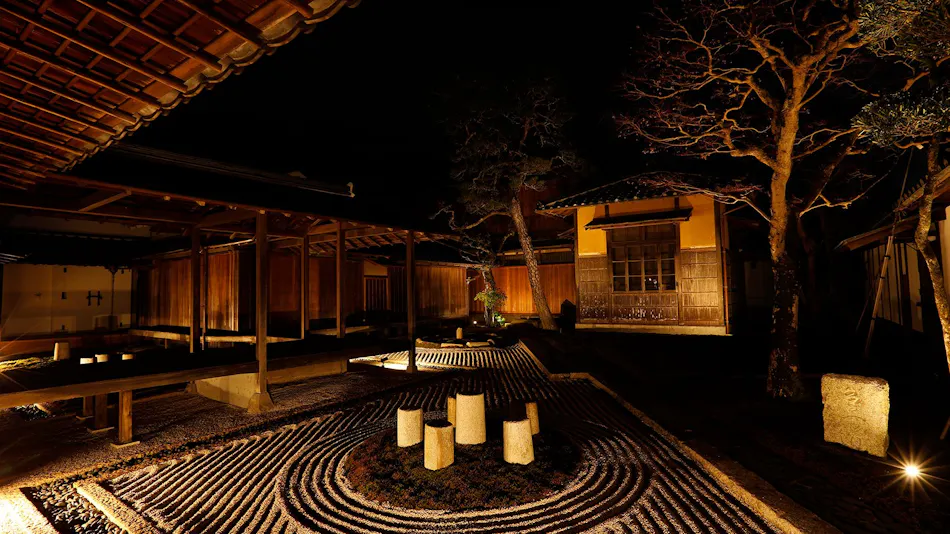
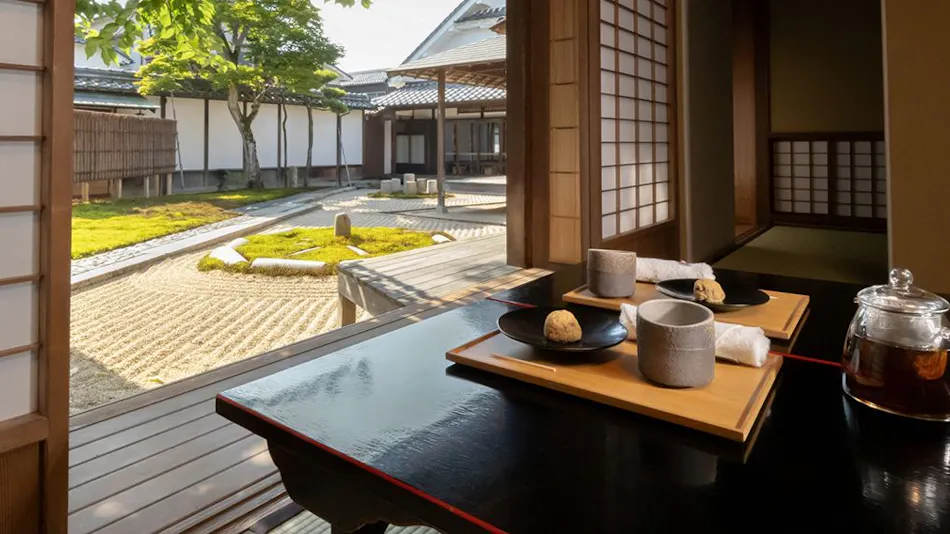
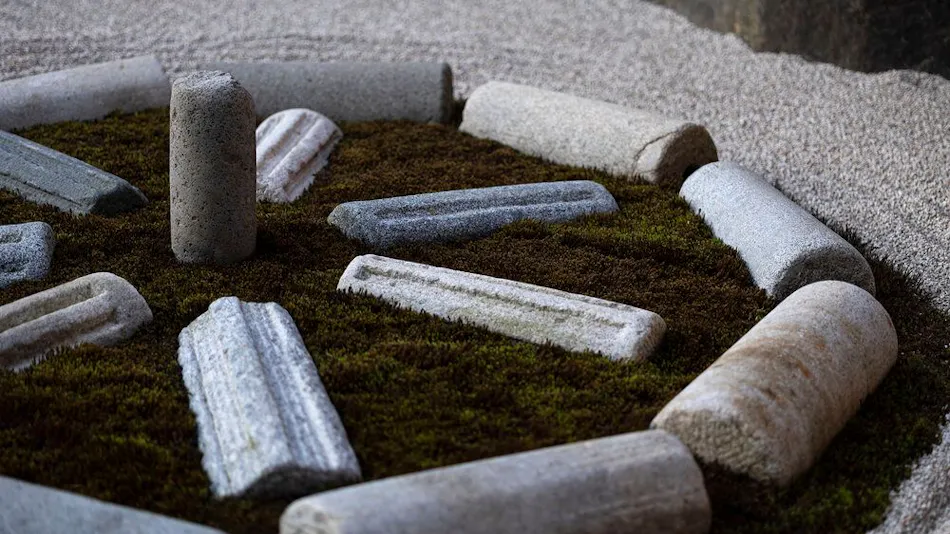
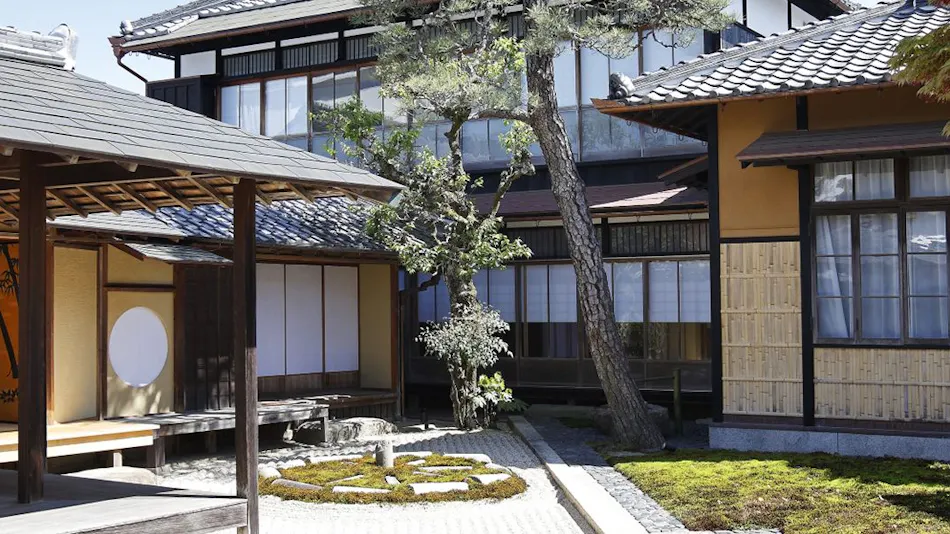
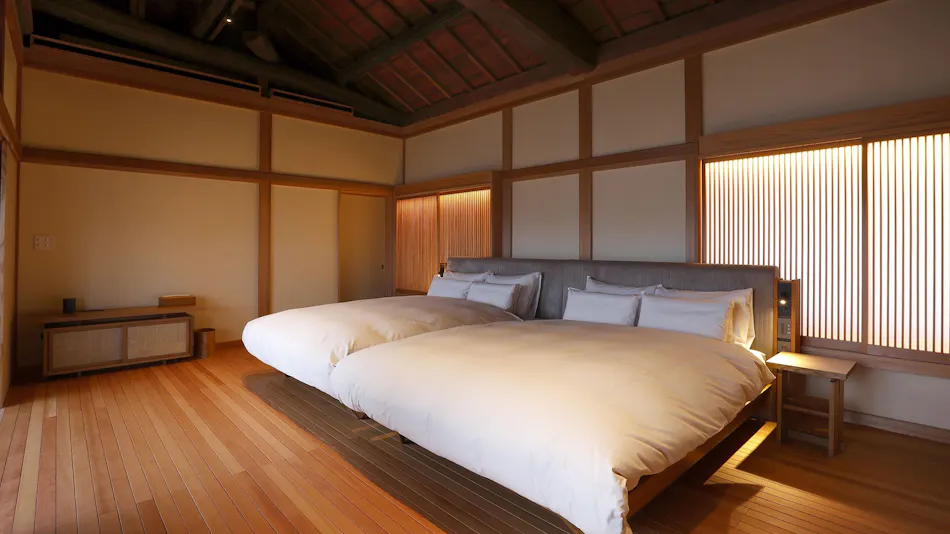
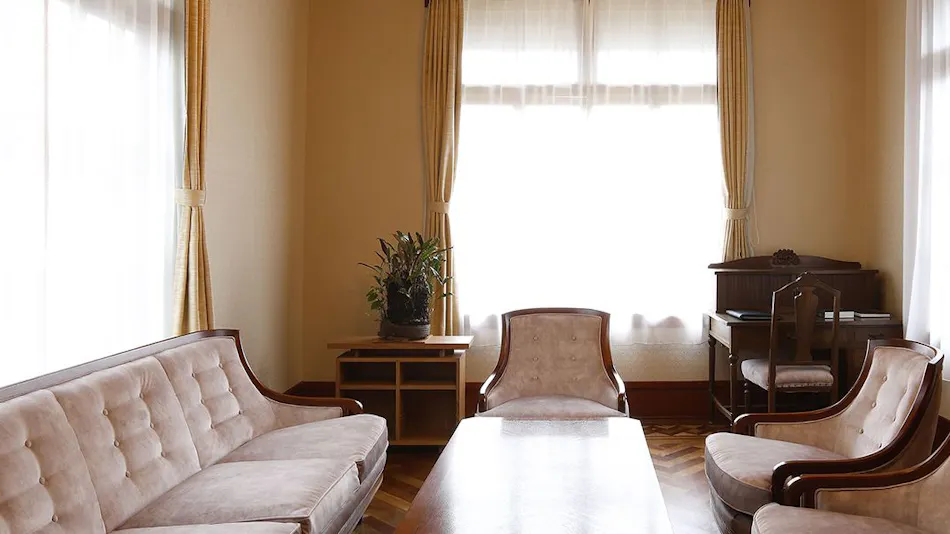
Mameya is a private rental Accommodation—an early Taisho-era nationally registered Tangible Cultural Property—renovated under the design of Shinsozai Kenkyujo. Surrounded by a landscape of stone garden and tiled roof, the space is filled with tranquility, and at night soft lights illuminate the garden. Reserve all four uniquely styled rooms and enjoy the original architectural details: a Western-style lounge that evokes the building’s early days, bedrooms with exposed beams, and views of the stone garden through yukimi shoji screens—an experience that feels like stepping back into the Taisho period. Spend a soothing moment at Mameya, a special place where Tamba-Sasayama’s history, nature, and art resonate together.
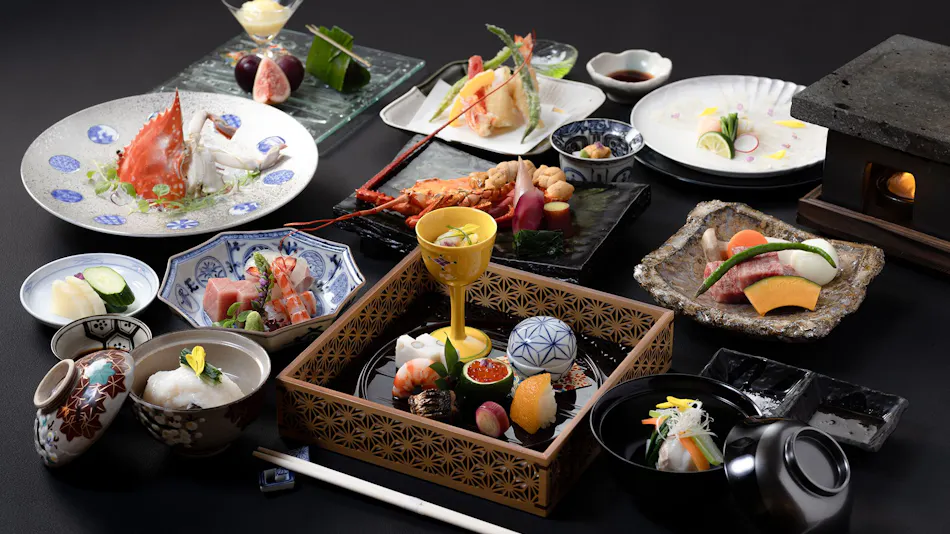
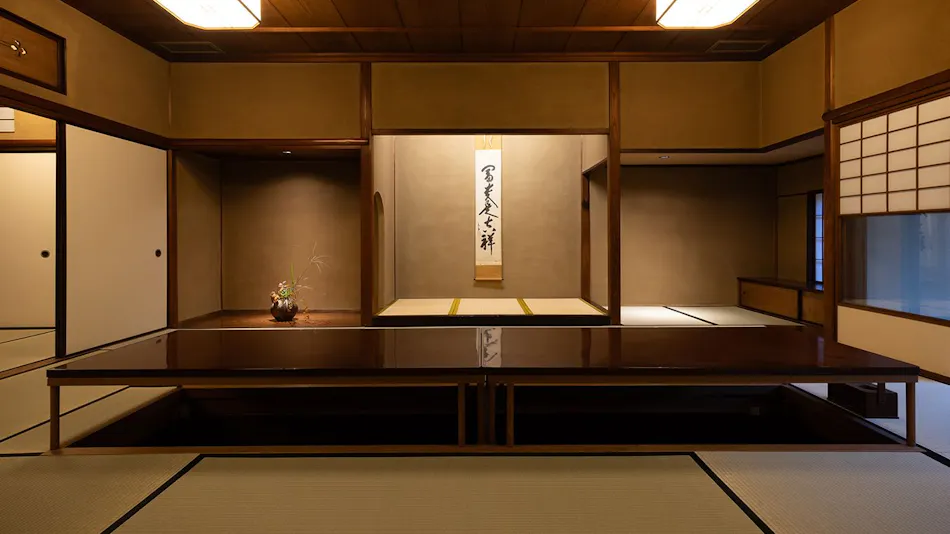
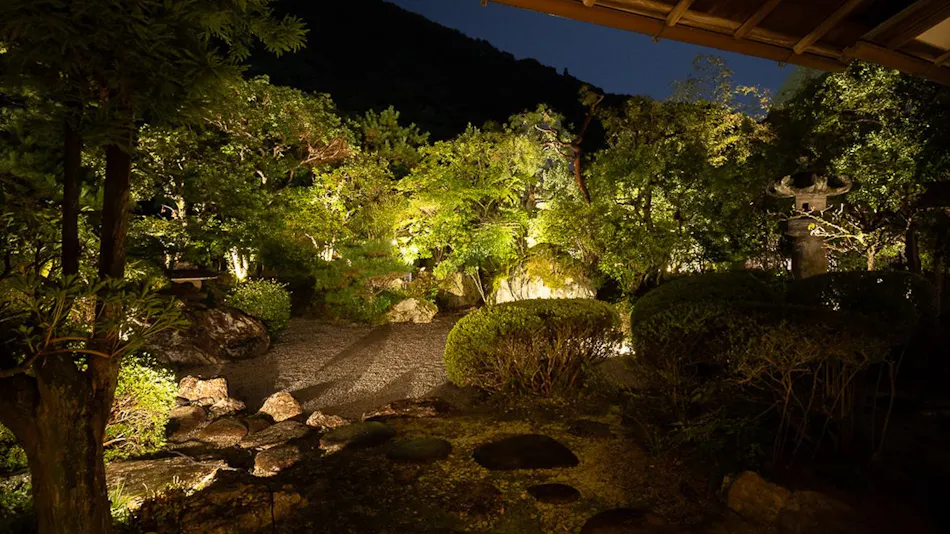
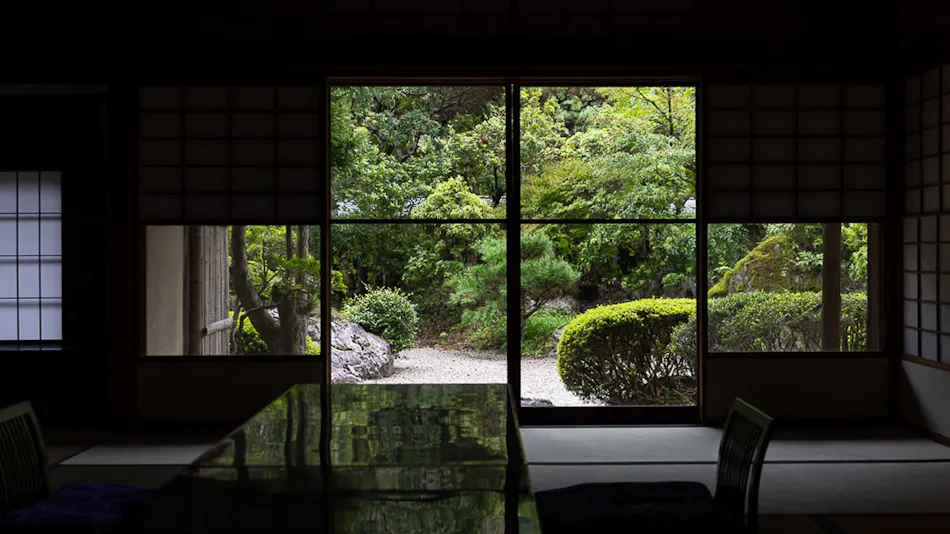
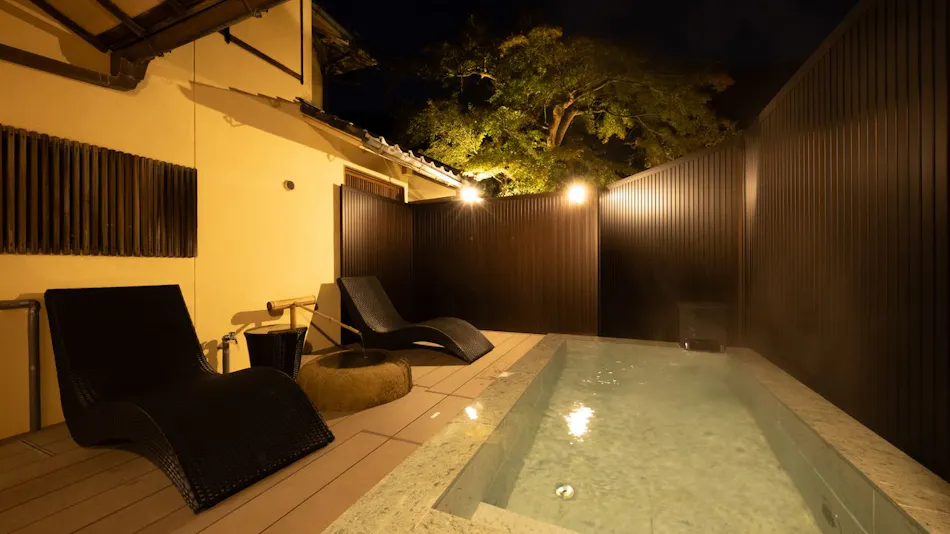
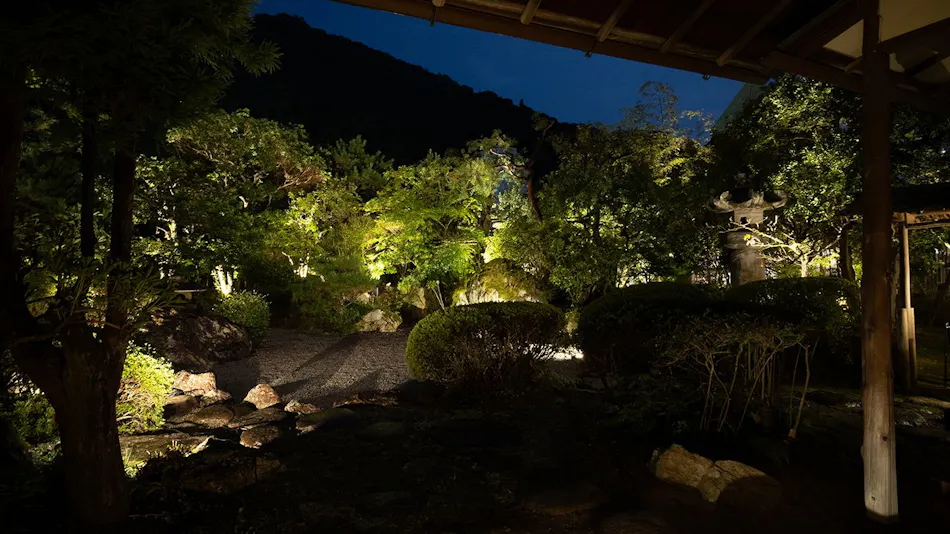
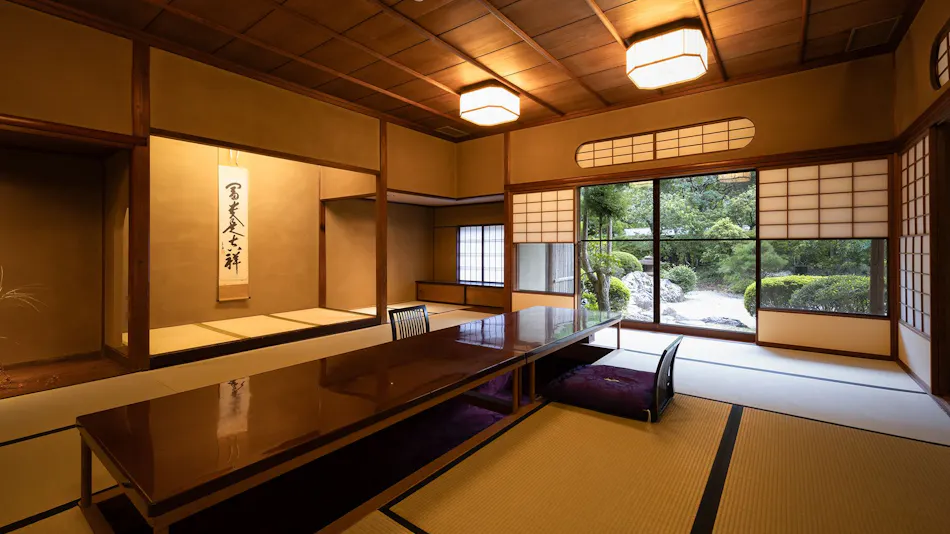
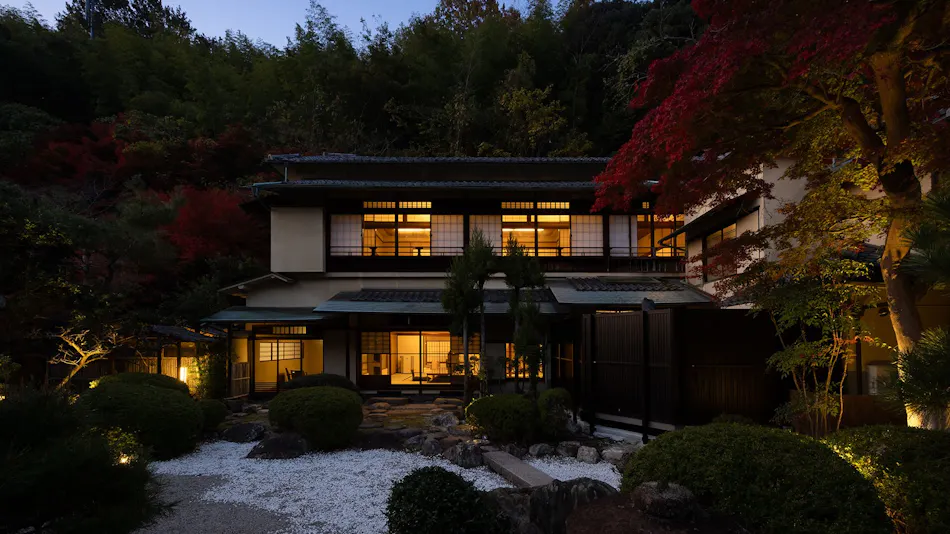
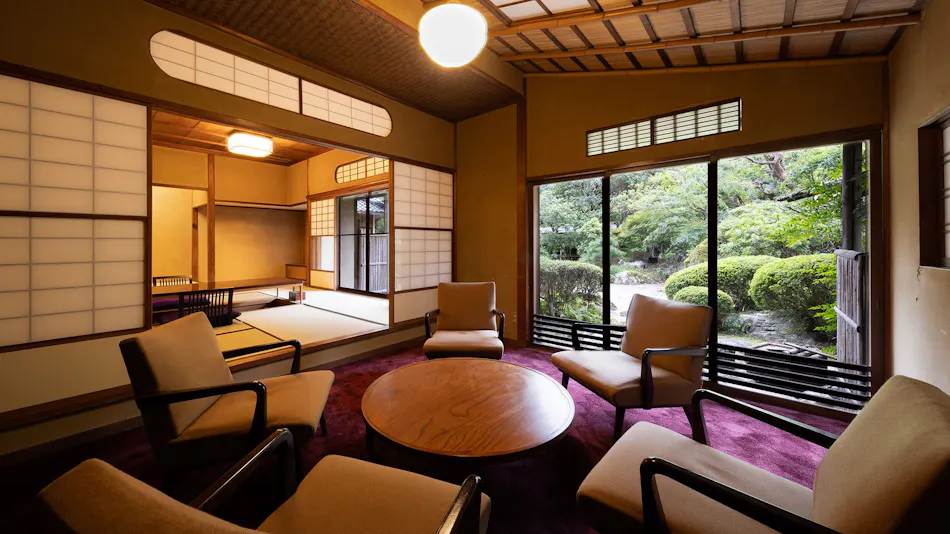
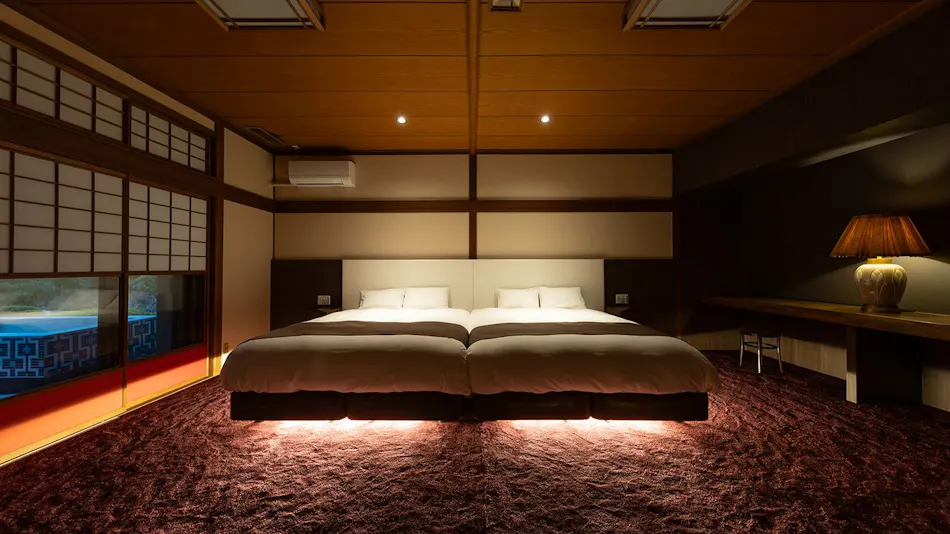
"Tsubonakagawa" is a relocated and restored traditional Japanese inn originally known as "Nakagawa," which was dismantled in 1983 from its location in Akasaka, Tokyo. The first "Nakagawa" was built in 1927 but was demolished during wartime evacuations. The current structure was rebuilt in August 1951 and served as a venue for military, financial, and political dignitaries until 1982. Preserving as much of the original authenticity as possible, we have carefully restored the building to allow guests to experience its historical essence firsthand. The front garden is the only pure Japanese garden designed by Zenko Adachi, founder of the Adachi Museum of Art. This historic estate with its unique stories is available for exclusive rental as part of Okudogo Ichiyu no Mori Royal Suite accommodations.


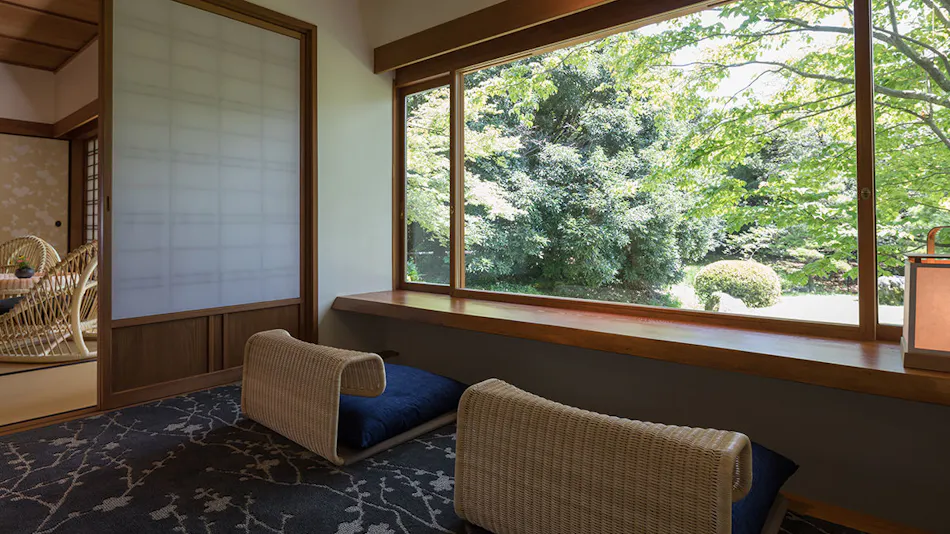

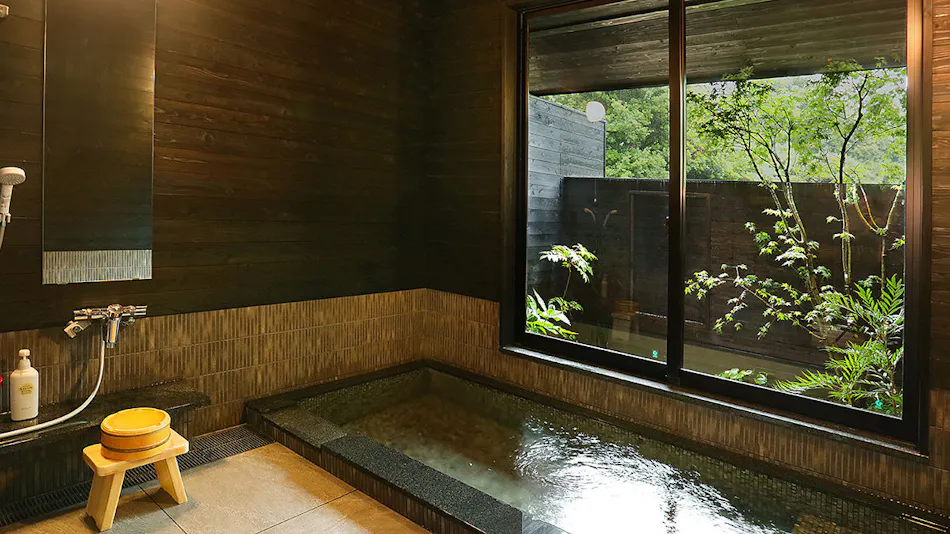
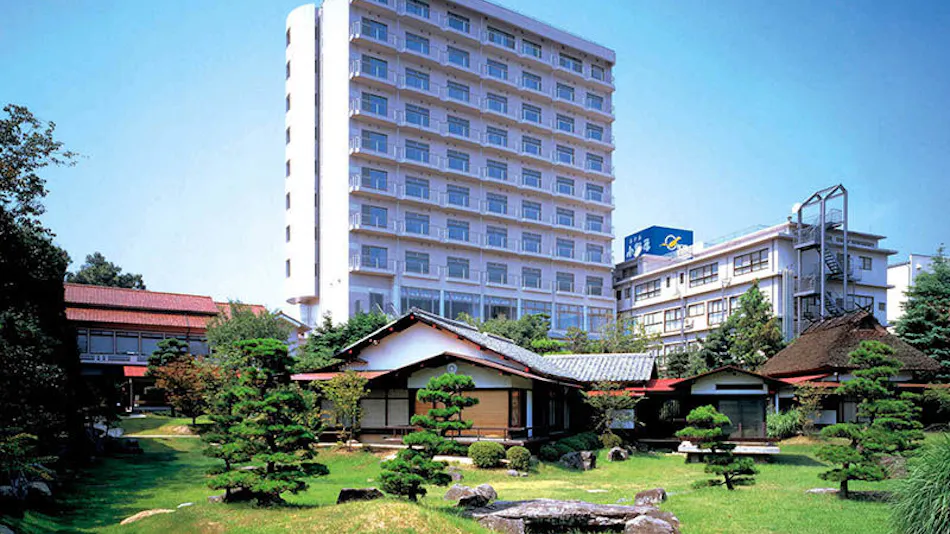


A historic Onsen property with over 130 years of tradition. Enjoy the rich, silky Onsen with two types of spring qualities in the indoor tatami bath or the enchanting garden open-air bath. The breakfast buffet featuring Kyushu cuisine, personally selected by our head chef after exploring the region, is highly praised.
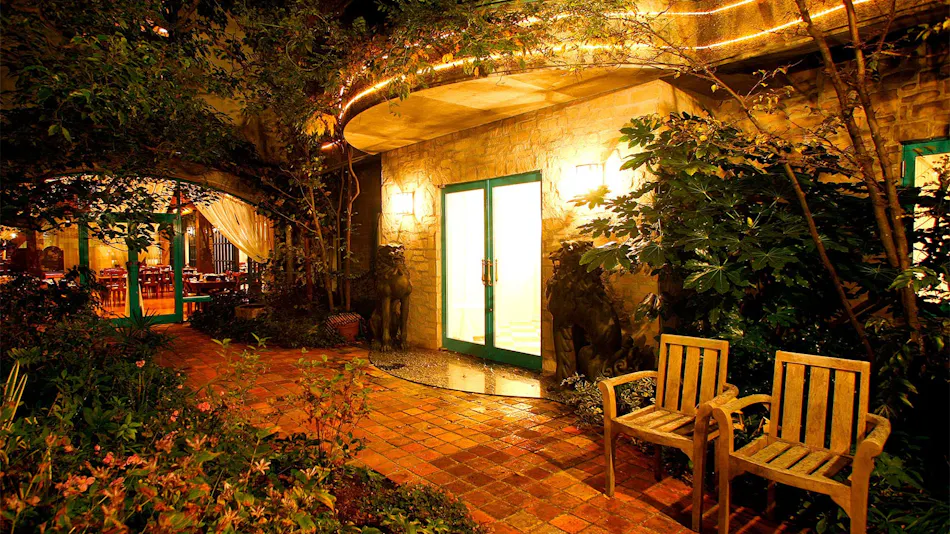
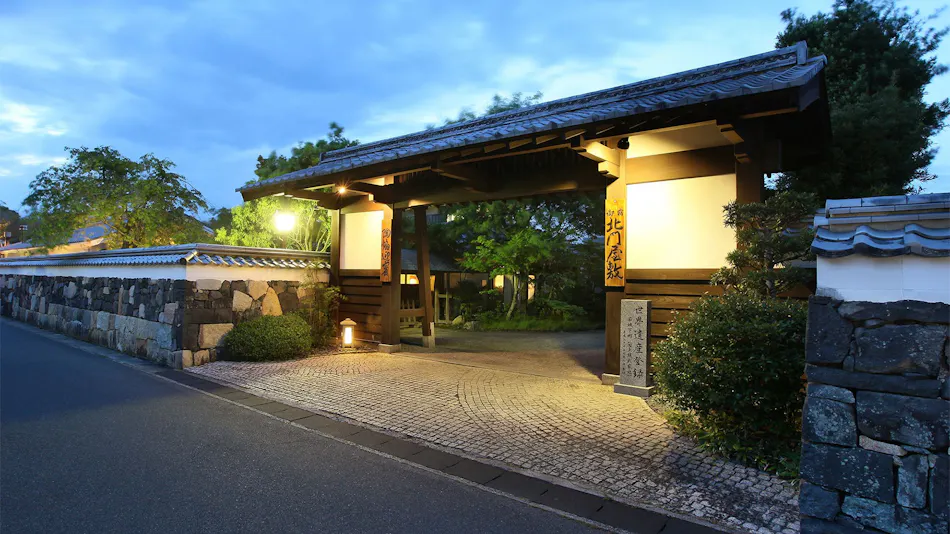
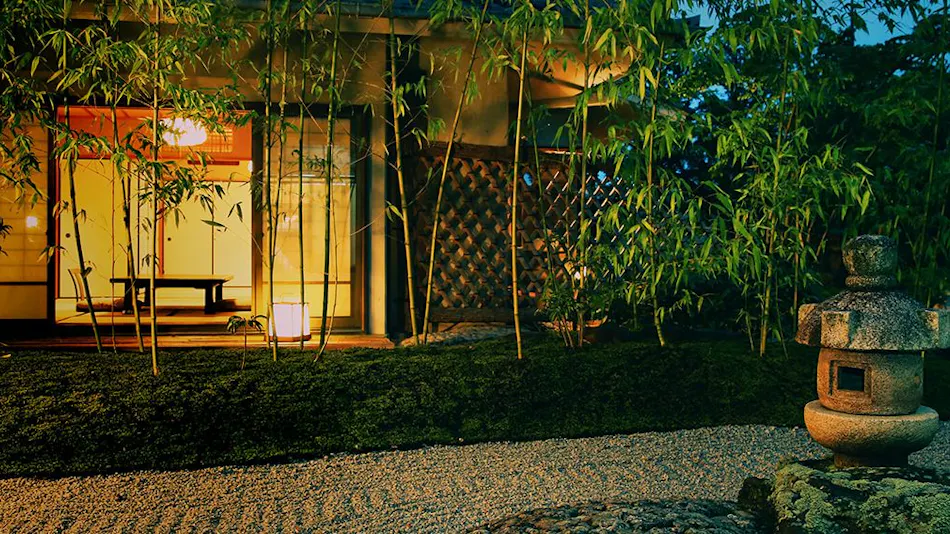
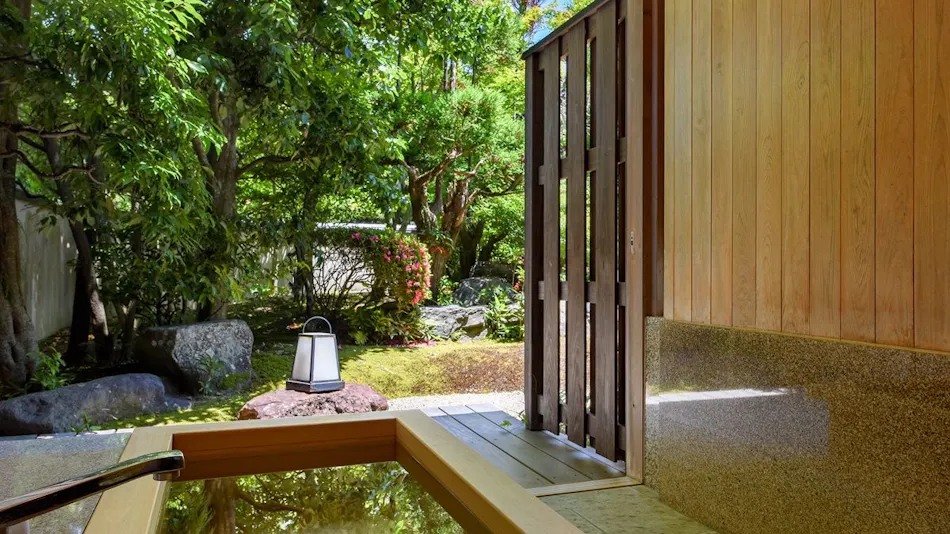
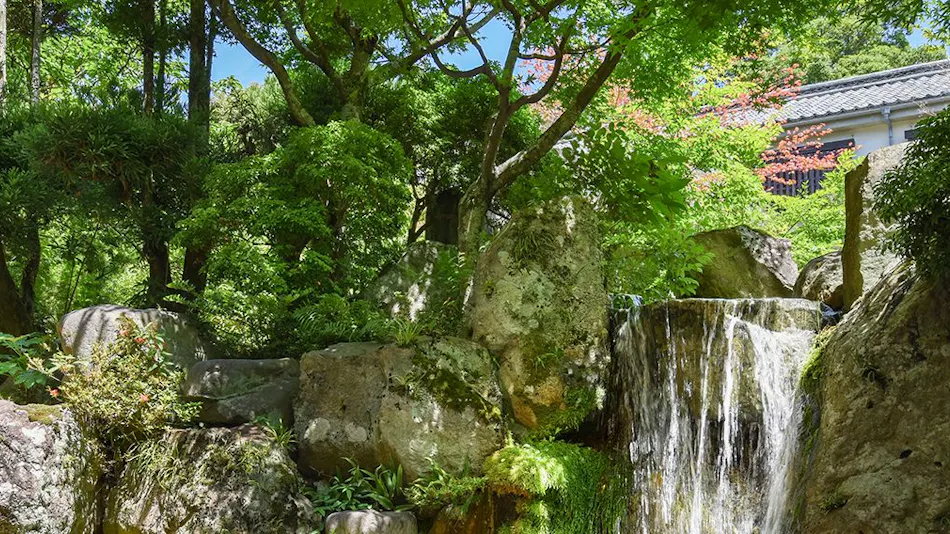
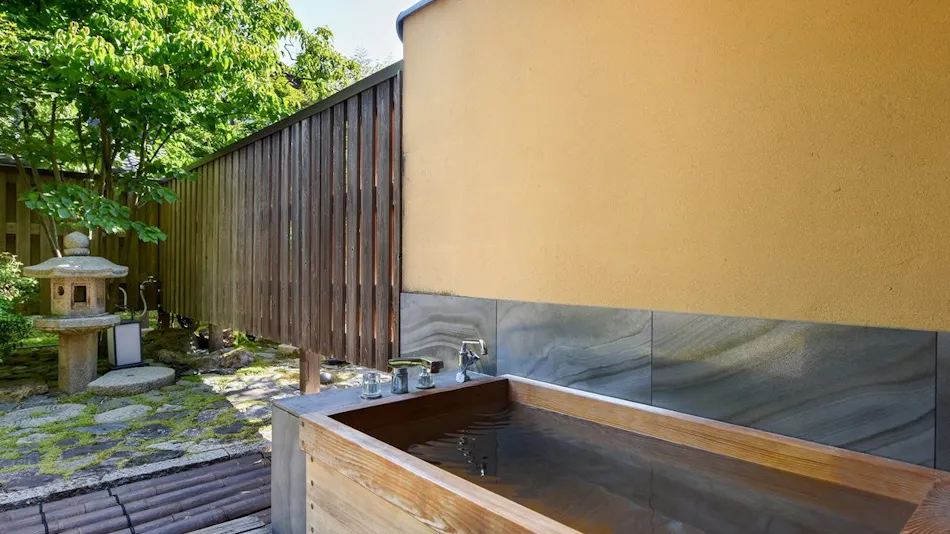
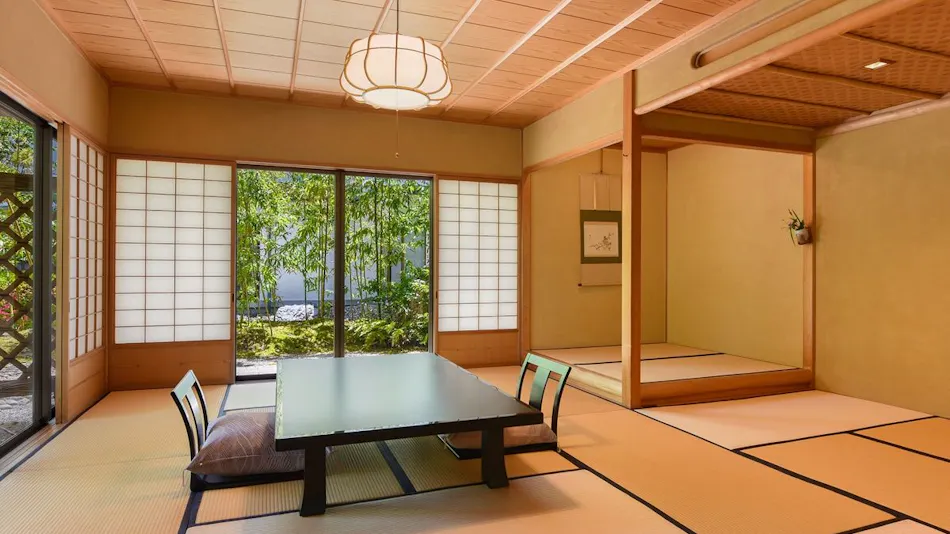
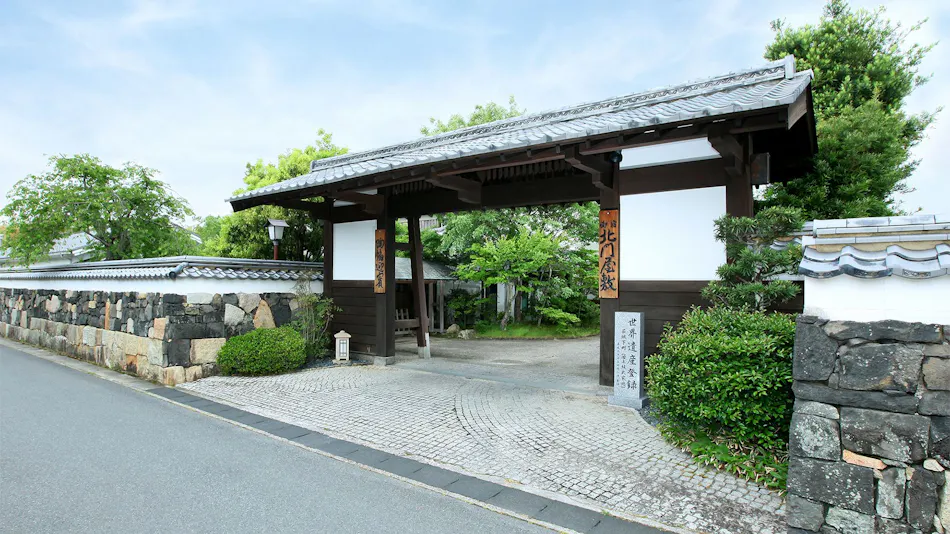
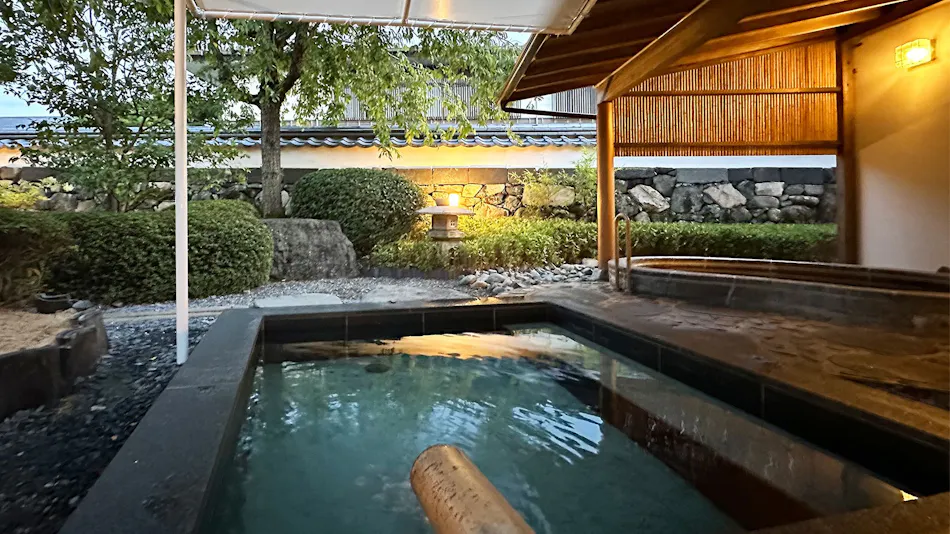
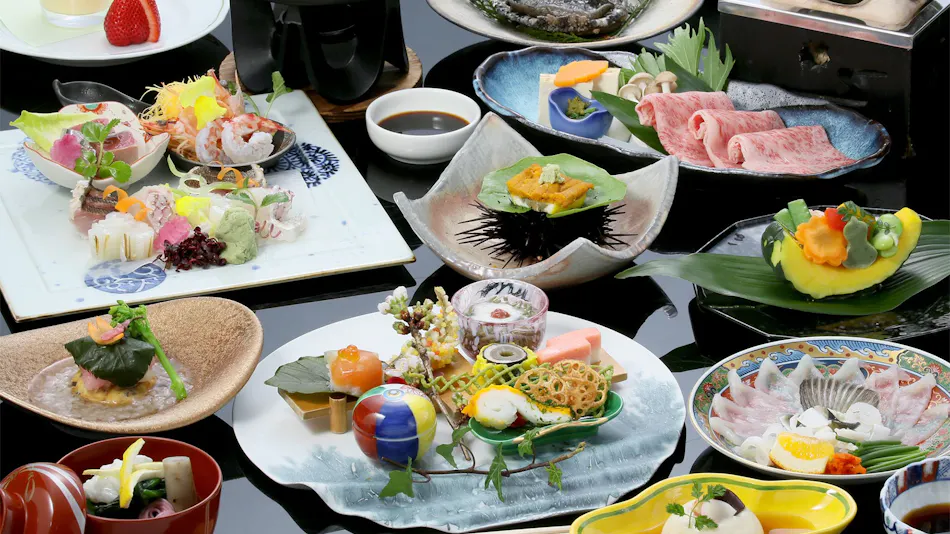
Built in 1604 by Terumoto Mori after the Battle of Sekigahara in 1600, Hagi flourished as a castle town. Walking through streets that still retain the atmosphere of those times, you can feel the presence of history in the stone walls, white plastered walls, and even in a passing breeze. Turning around, it feels as if over 400 years of history quietly lingers here. At its heart lies "Hagijo Sannomaru Hokumon Yashiki," the only Ryokan within the UNESCO World Heritage Site "Hagi Castle Town." Located on the site of the Yoshiki Mori Clan's Hagi Domain residence, it conveys to this day a harmony of Japanese elegance and Western sophistication.
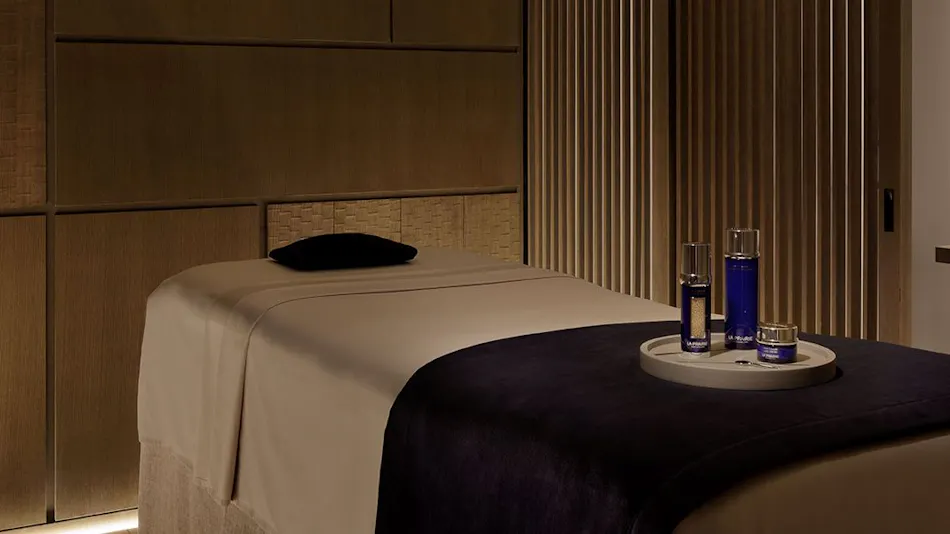
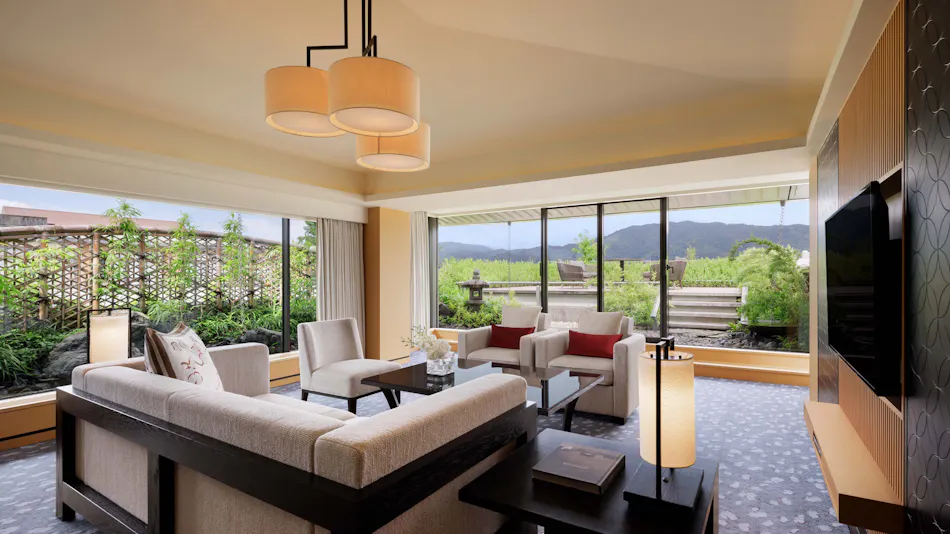
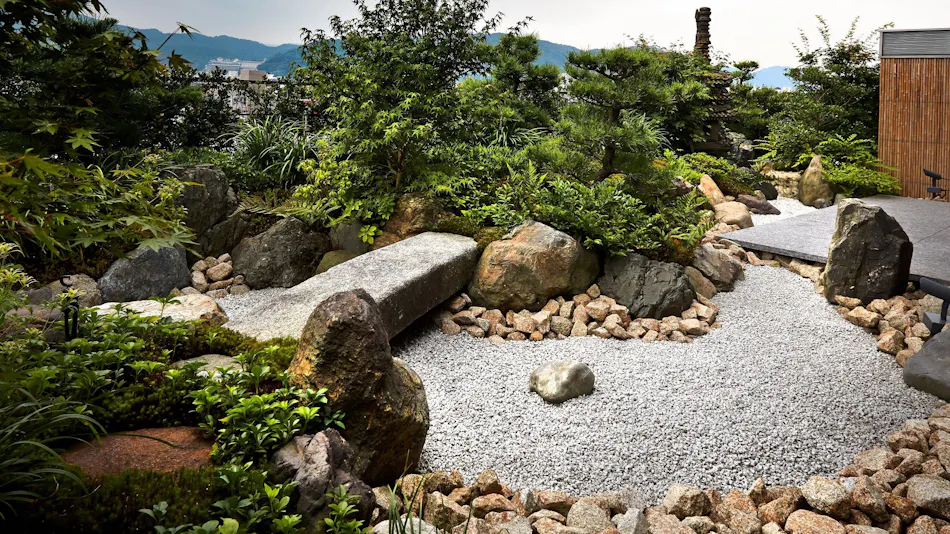
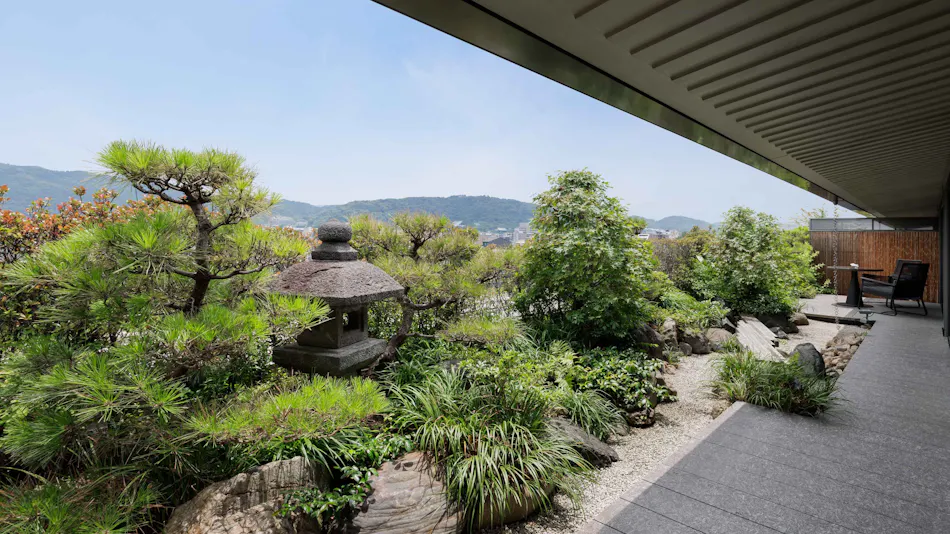
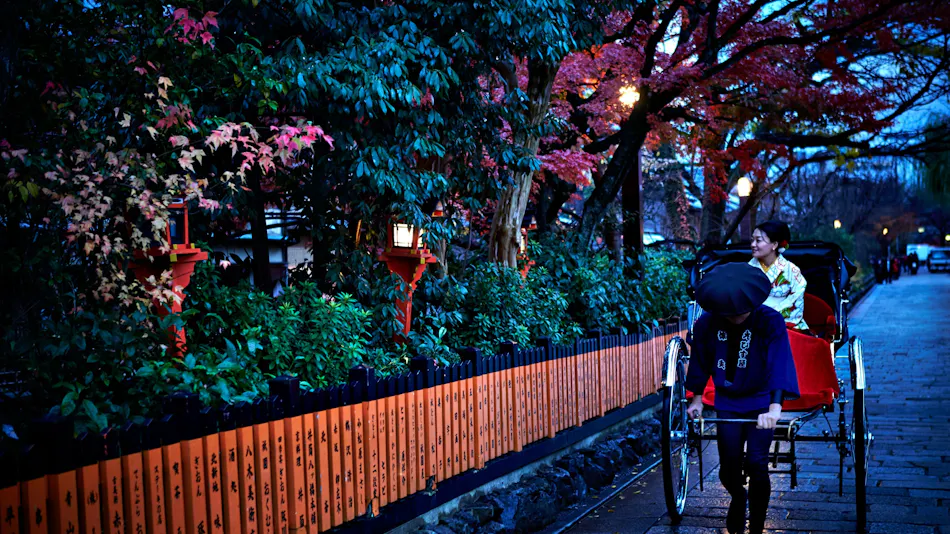
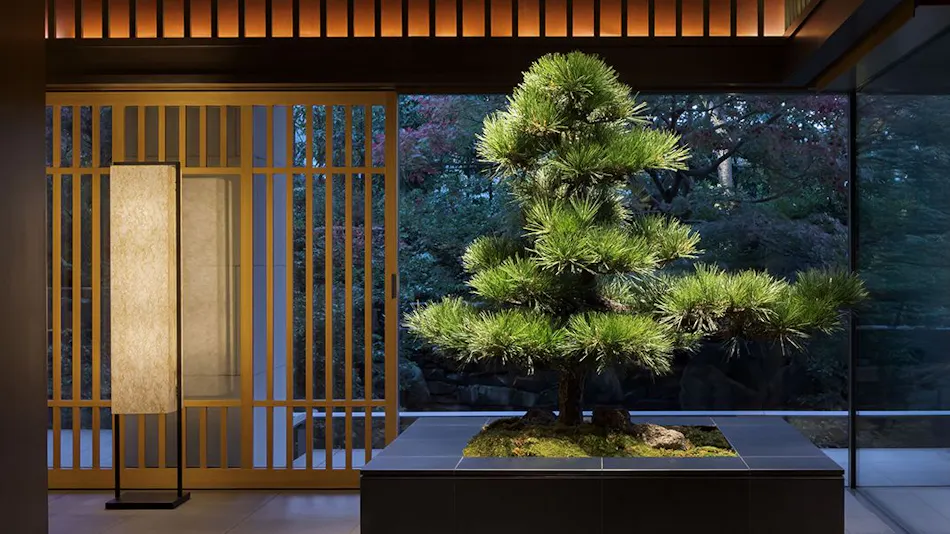
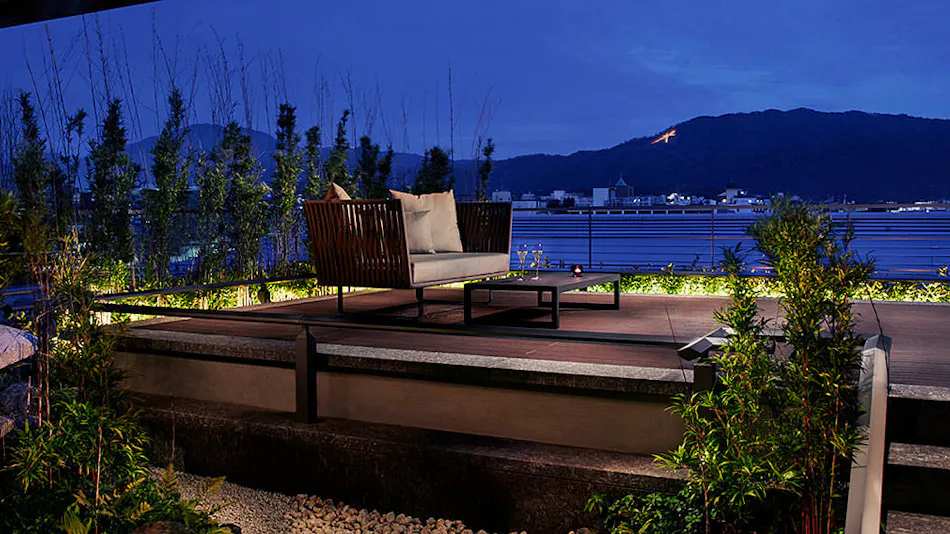
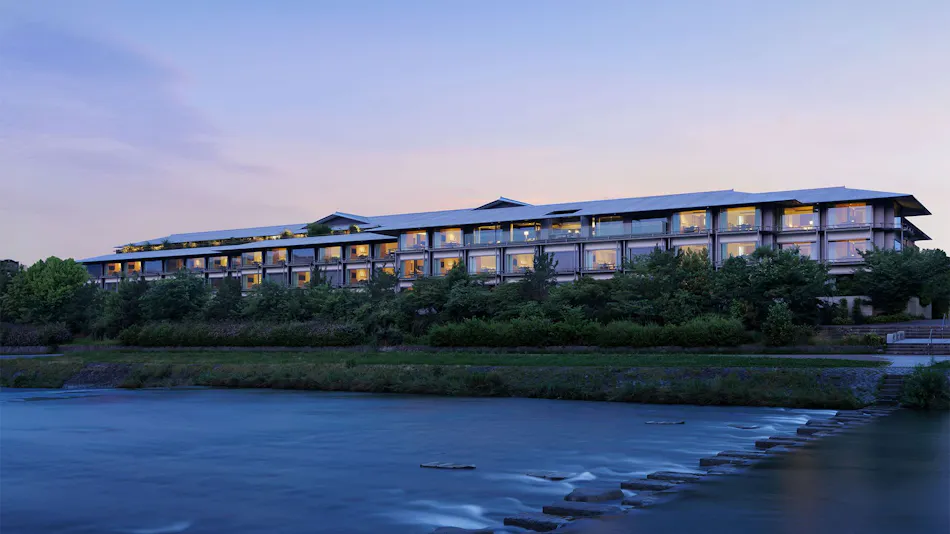
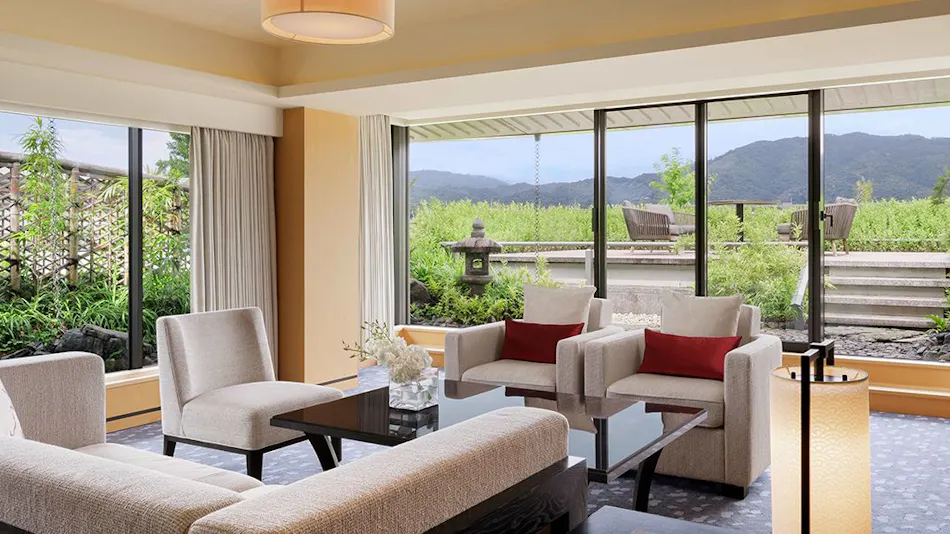
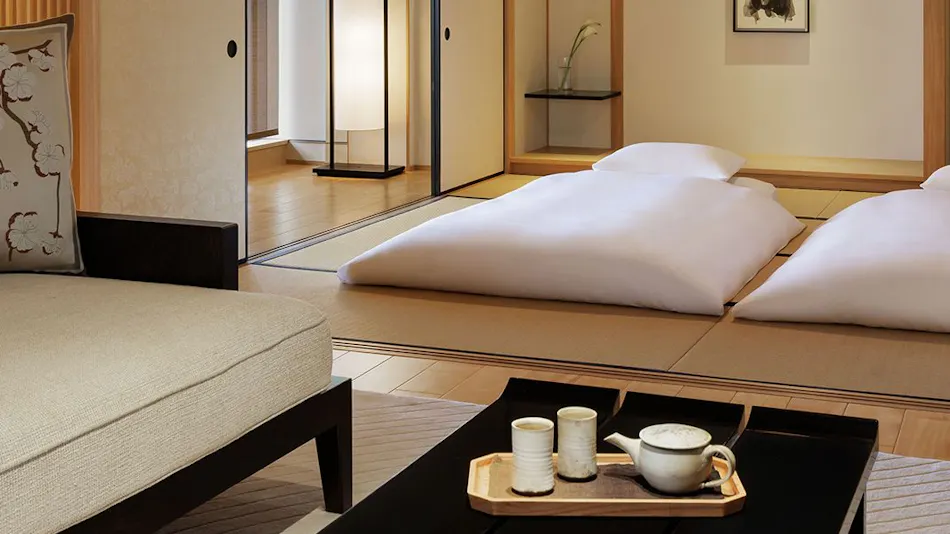
Enjoy soothing, scenic views in a tranquil setting—yet step outside and you are seamlessly connected to Kyoto’s iconic neighborhoods such as Gion, Kawaramachi, and Pontocho in this one-of-a-kind location. Experience a space where the refined aesthetics passed down through the ages since the Heian period blend with The Ritz-Carlton’s renowned hospitality, and savor a sense of relaxation found only here.
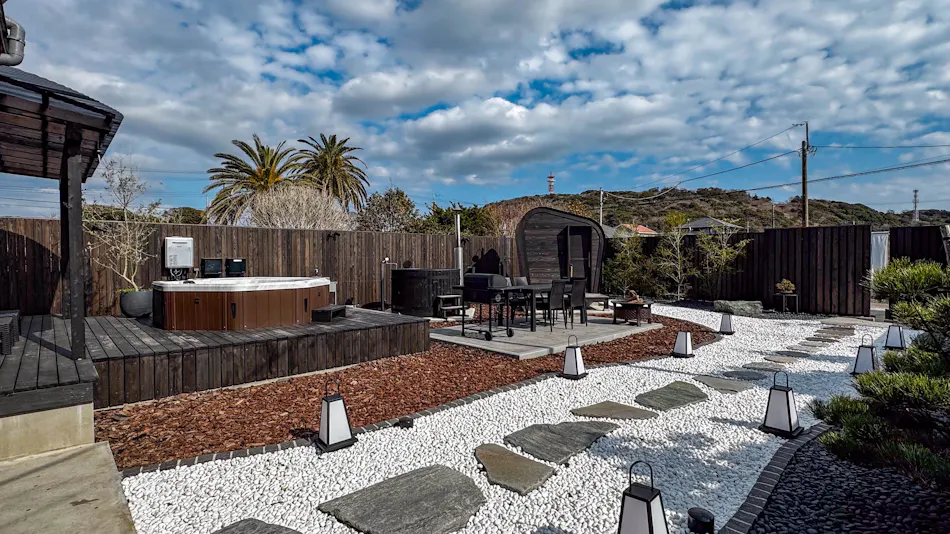
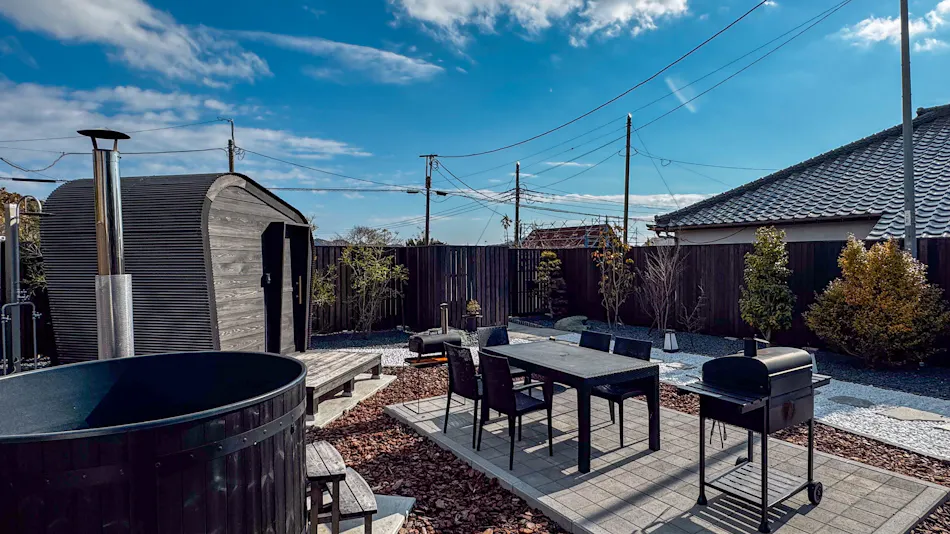
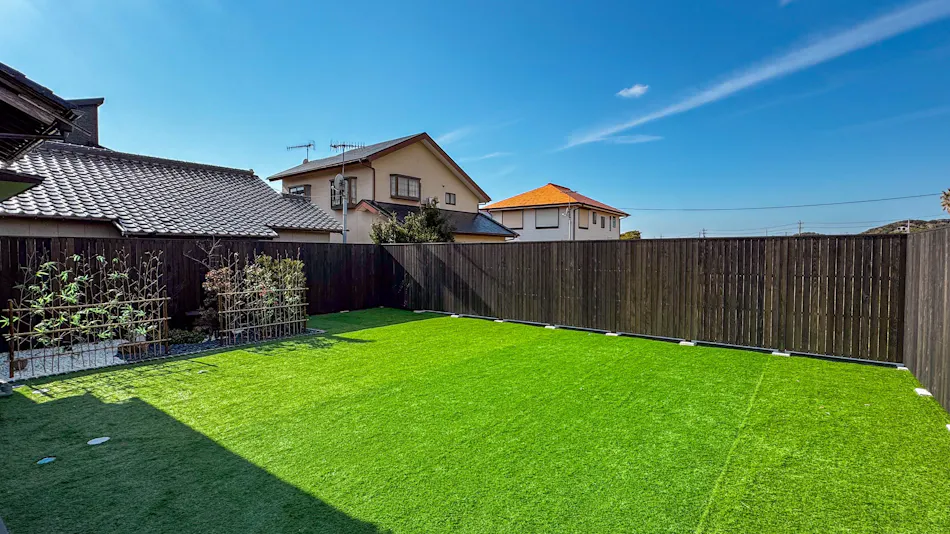
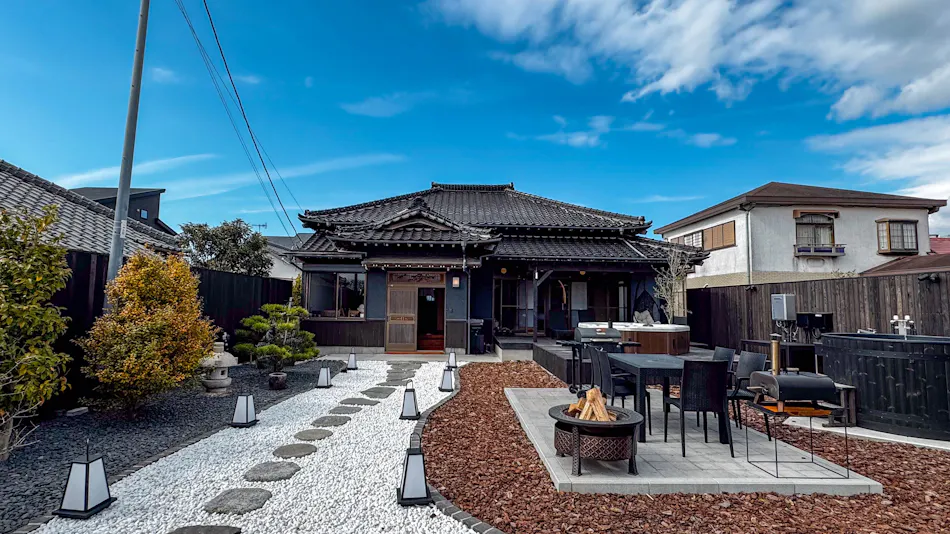

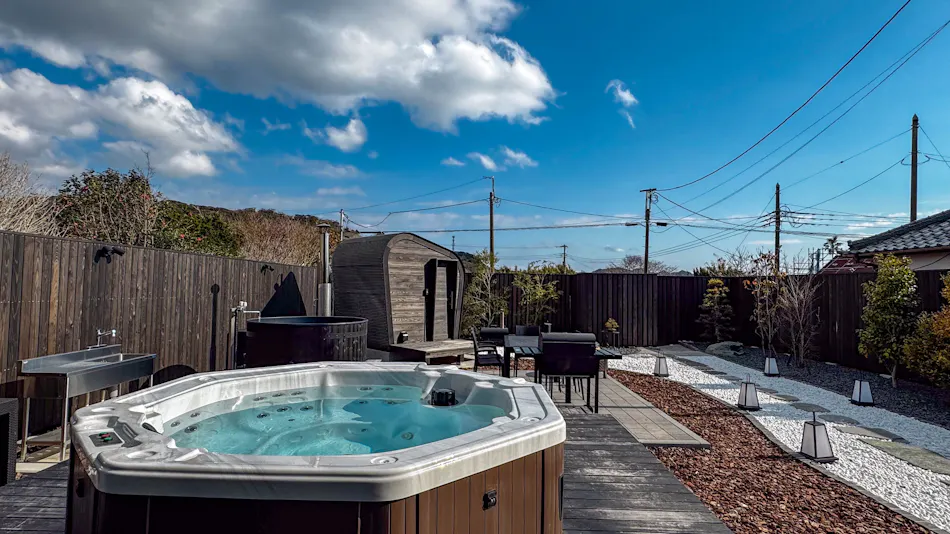
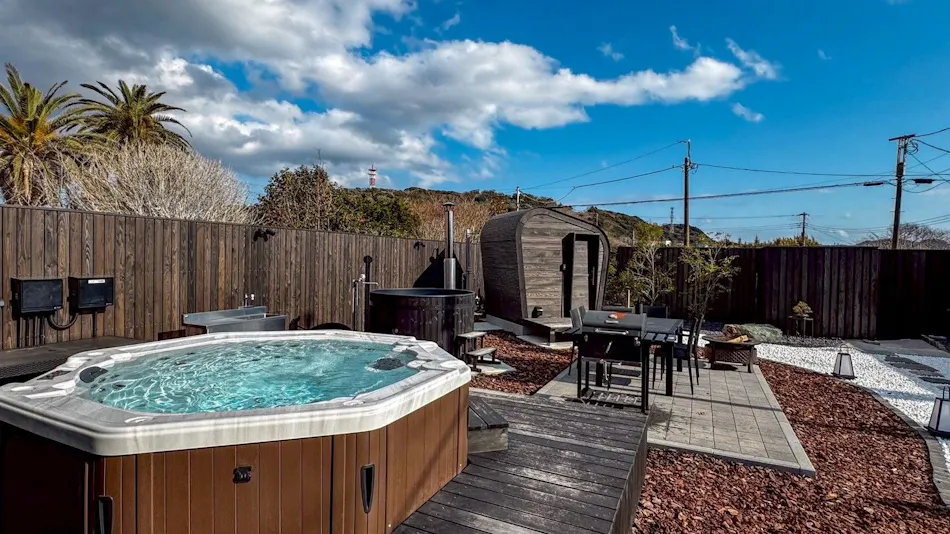
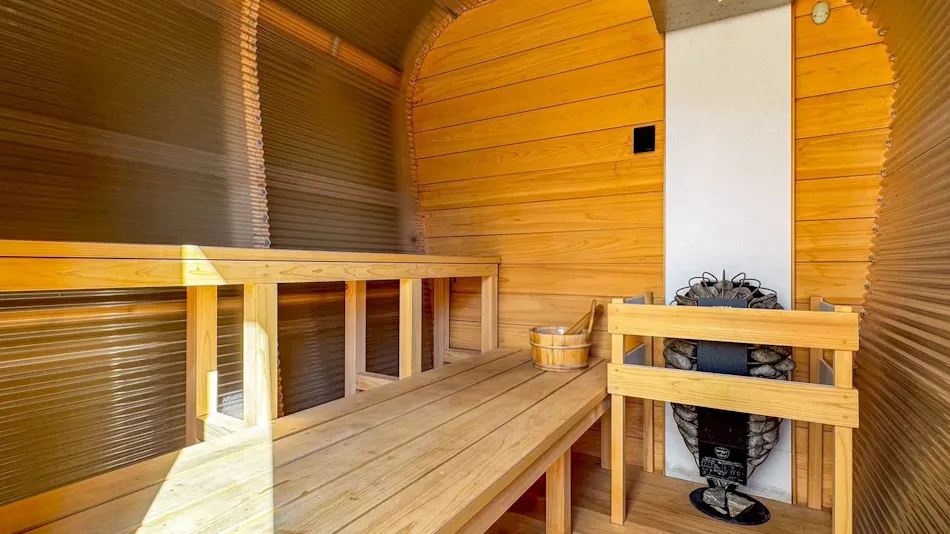
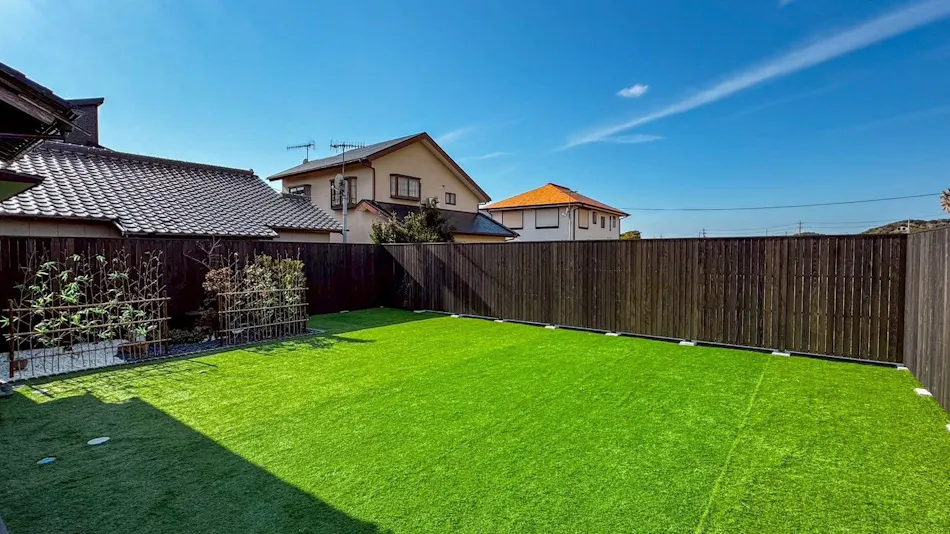
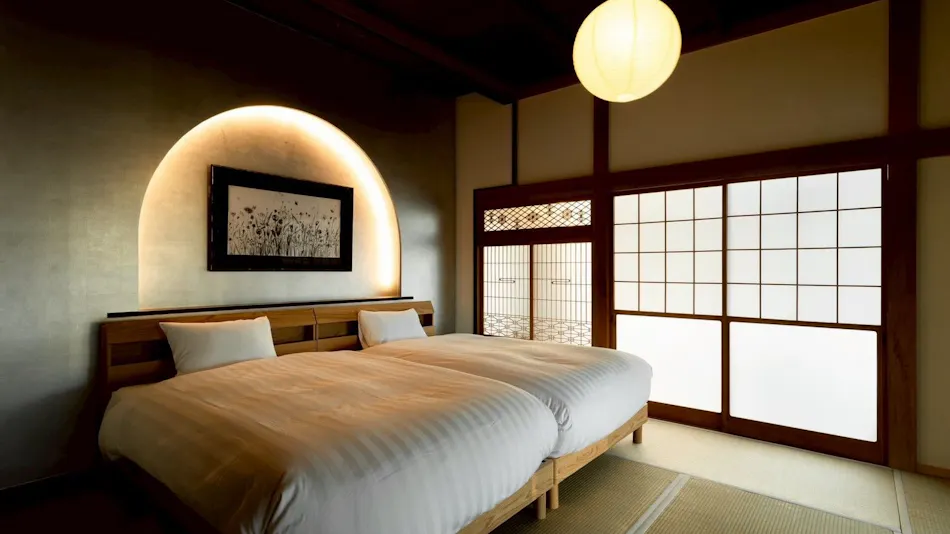


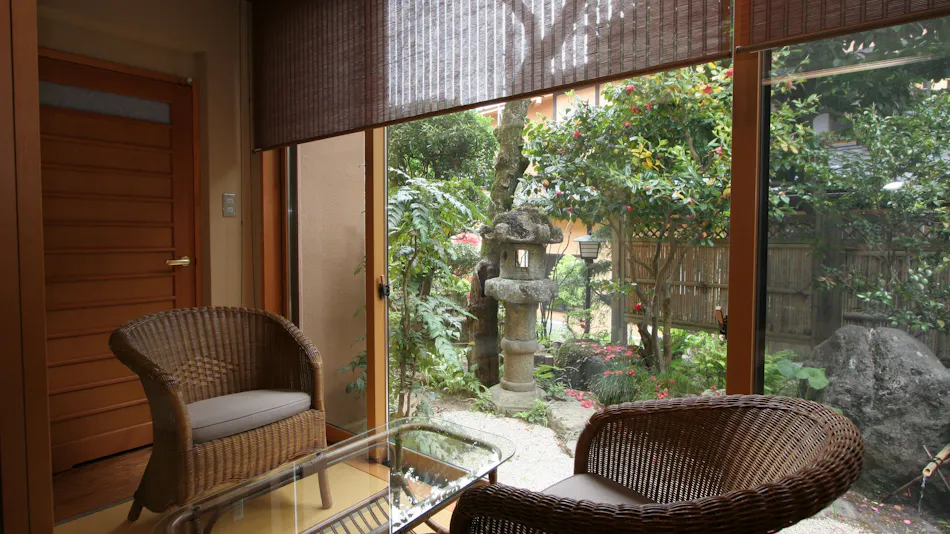


The Kyubei Ryokan, established in the mid-Edo period, is a small property featuring a Japanese garden.


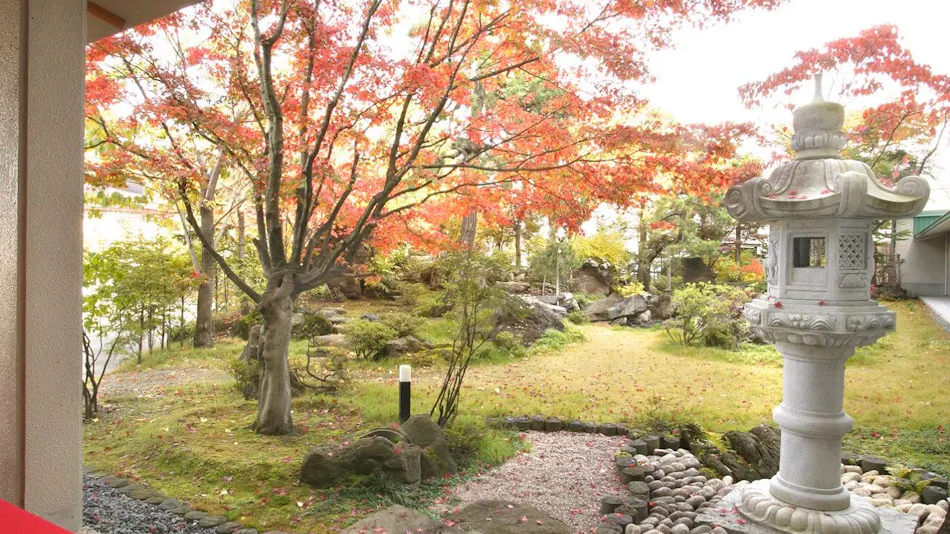
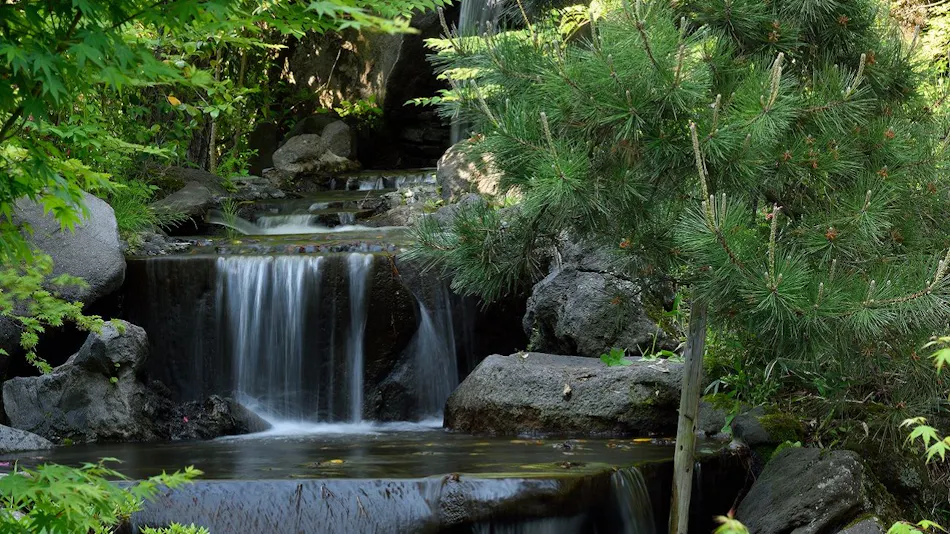
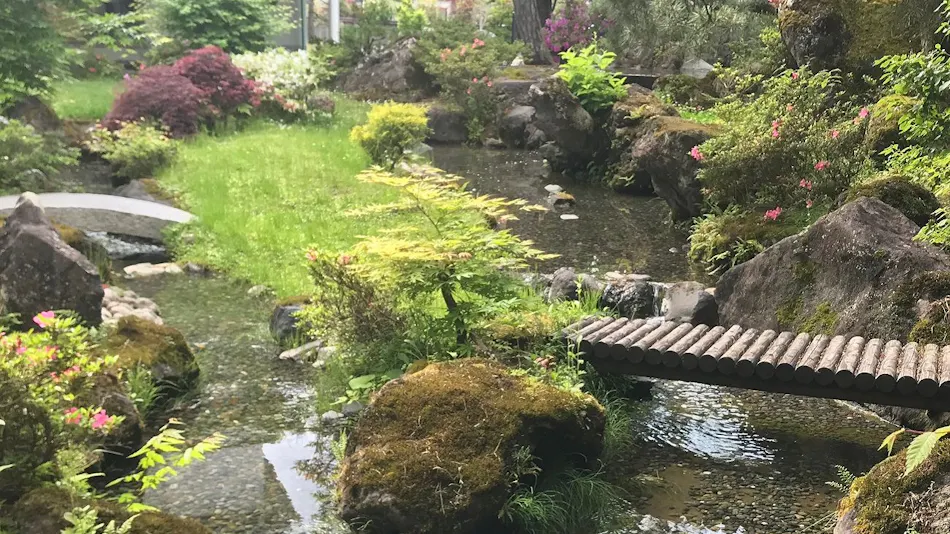


This property offers an emotional onsen experience while enjoying the beautiful Japanese garden that changes with the seasons. Conveniently located about a 10-minute drive from Hirosaki IC, it is recommended as a base for sightseeing or business. From the open-air baths and indoor baths in the garden, you can feel the seasonal transitions. Additionally, the cuisine, featuring seasonal ingredients unique to Aomori, is a highlight, offering carefully crafted seasonal kaiseki meals that showcase the blessings of Tsugaru's mountains and sea.


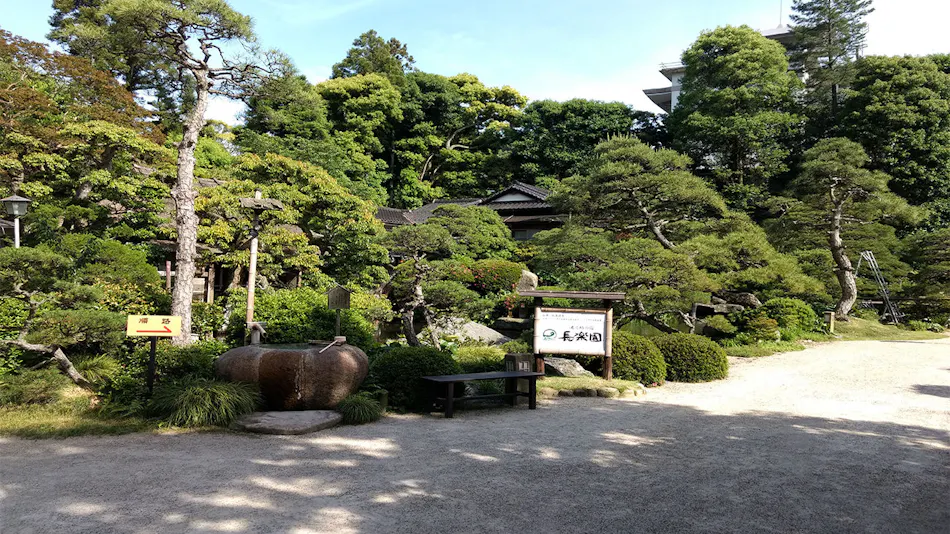
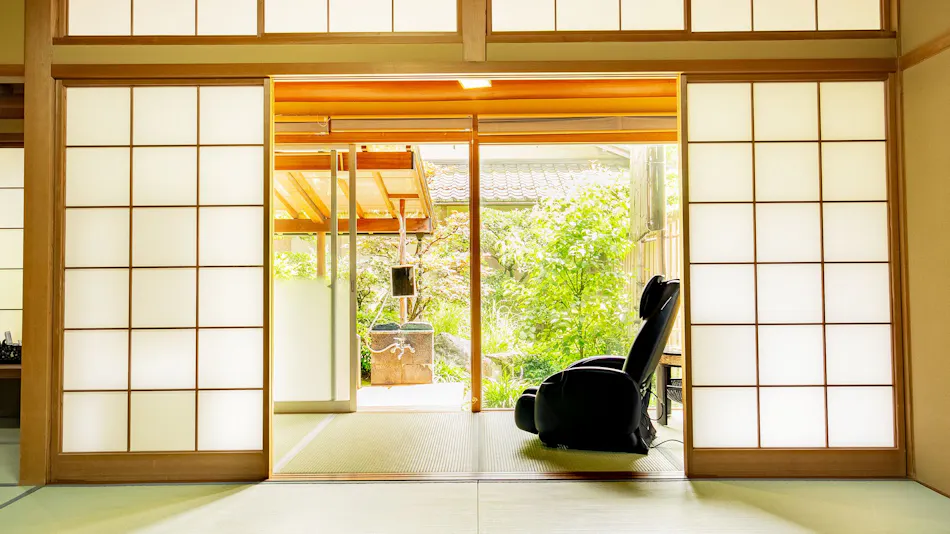
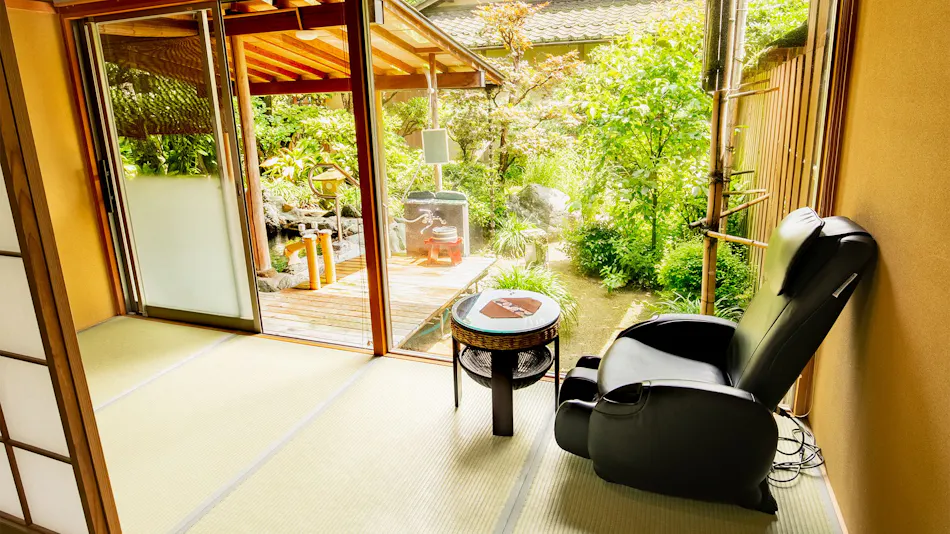
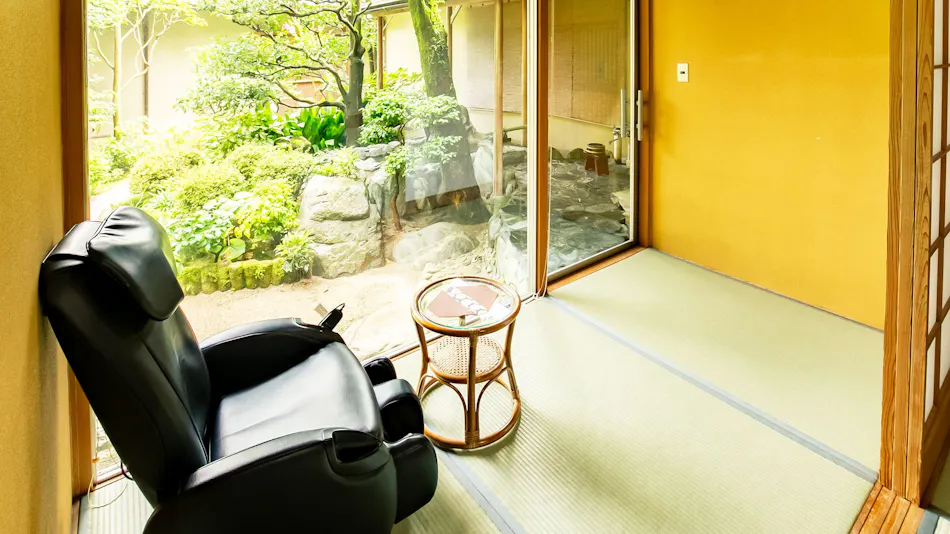


The history of Ryokan Chōraku-en Yunosuke at Tamatsukuri Onsen is the history of Tamatsukuri Onsen itself. Tamatsukuri Onsen was established in the early Nara period by our ancestor, Hasegawa Toshikata. During the Edo period, the Hasegawa family was entrusted with the management of Tamatsukuri Onsen by the Matsue domain, holding the official title of "Yunosuke." In the first year of the Meiji era, they began operating a ryokan under the name Chōraku-en. For 140 years, they have had the honor of hosting numerous literary figures, dignitaries, and occasionally members of the imperial family.
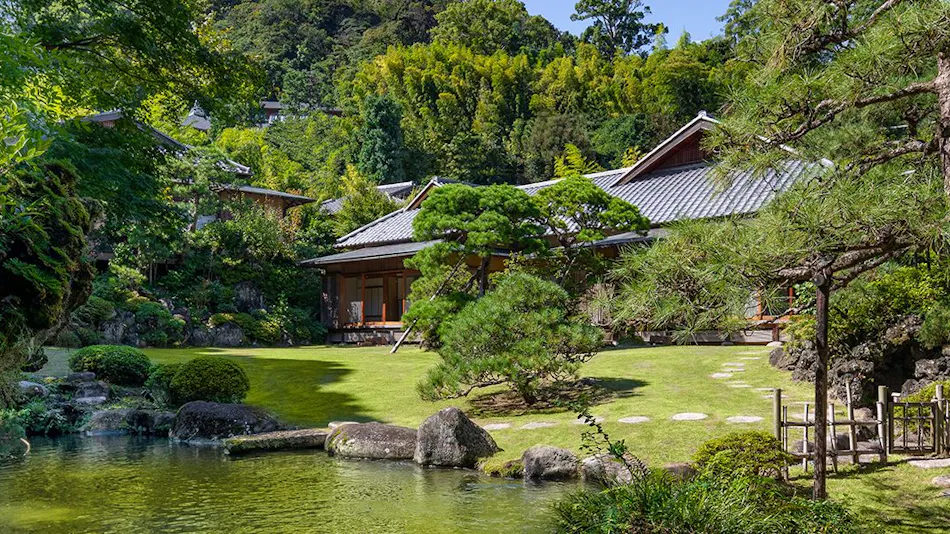
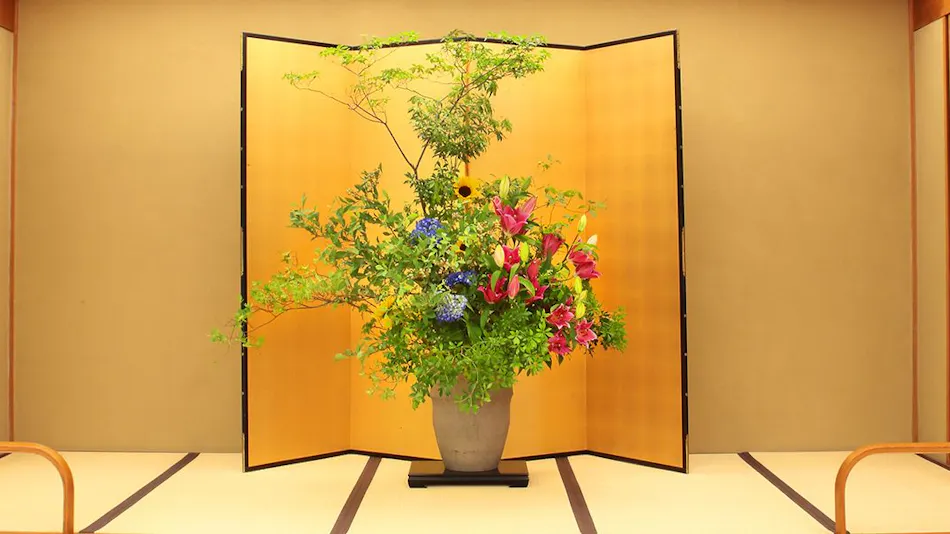
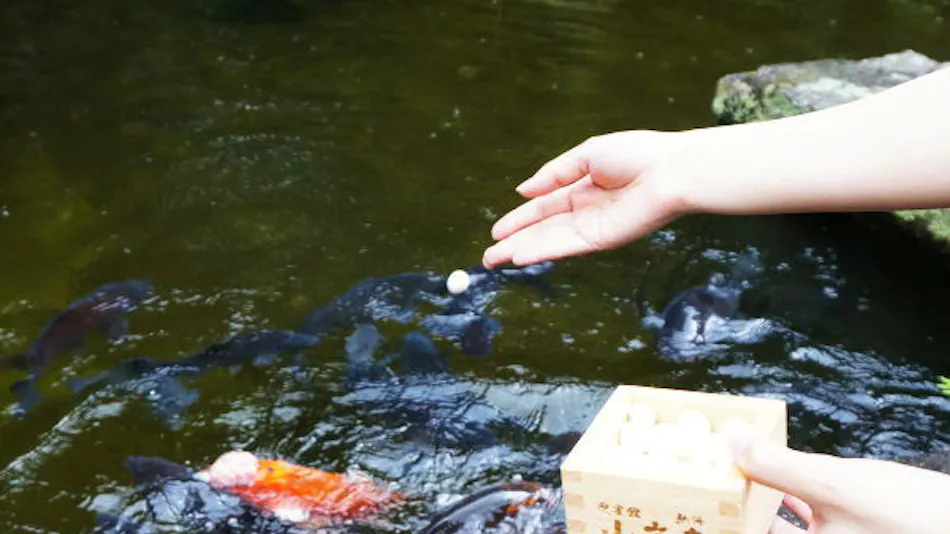
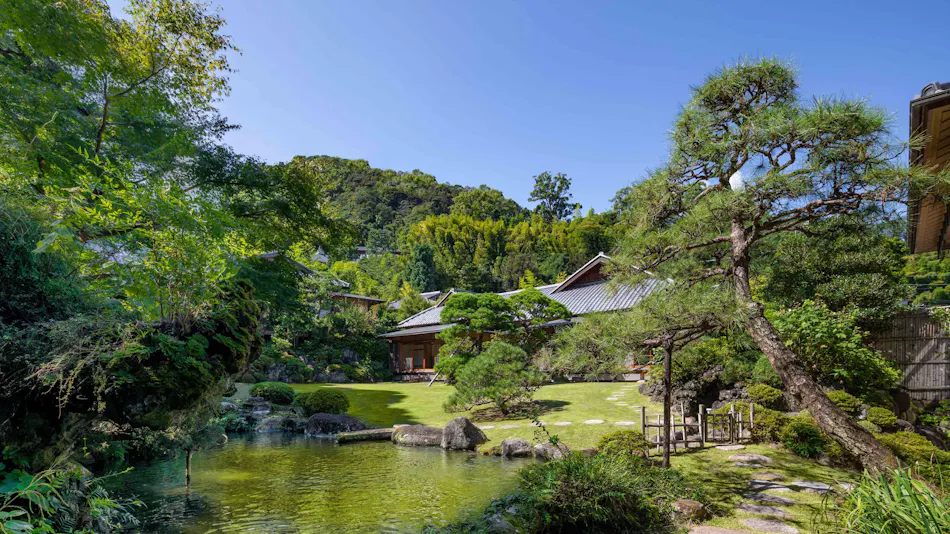
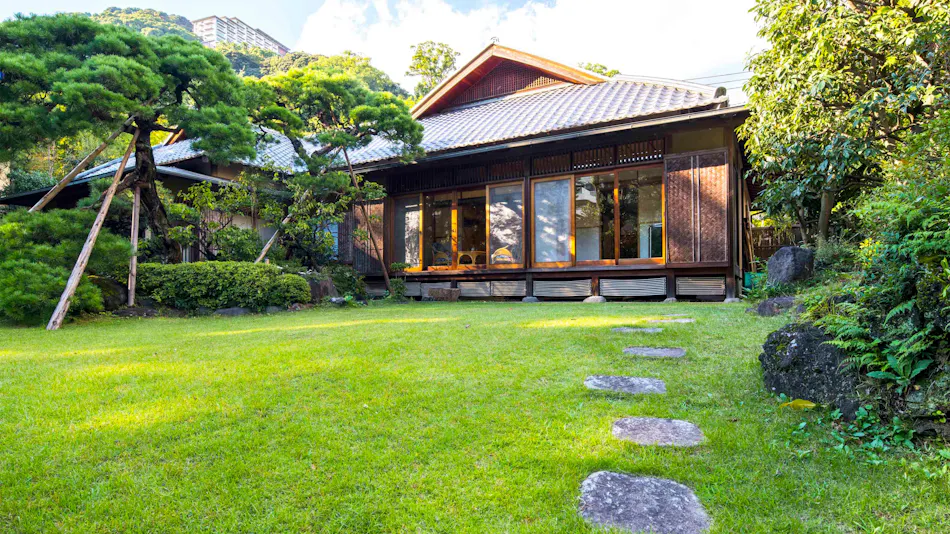
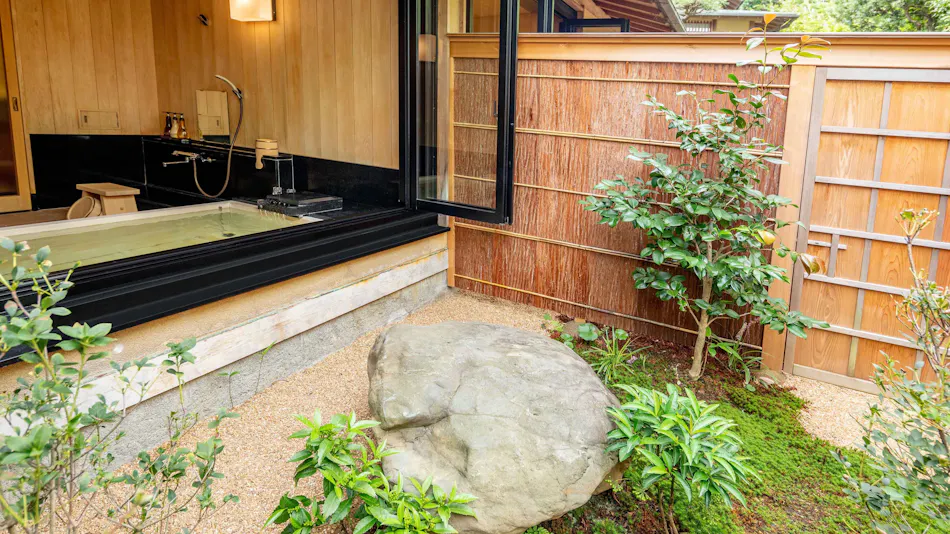
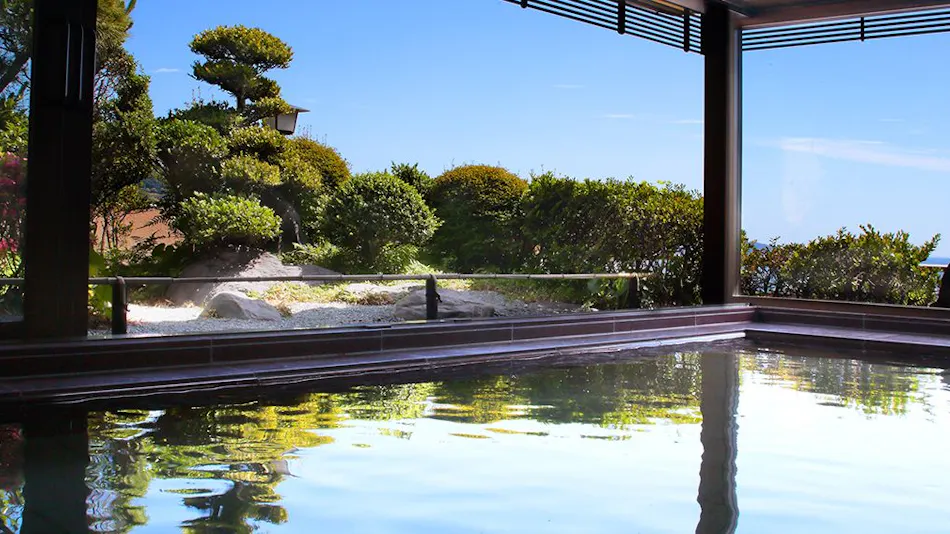
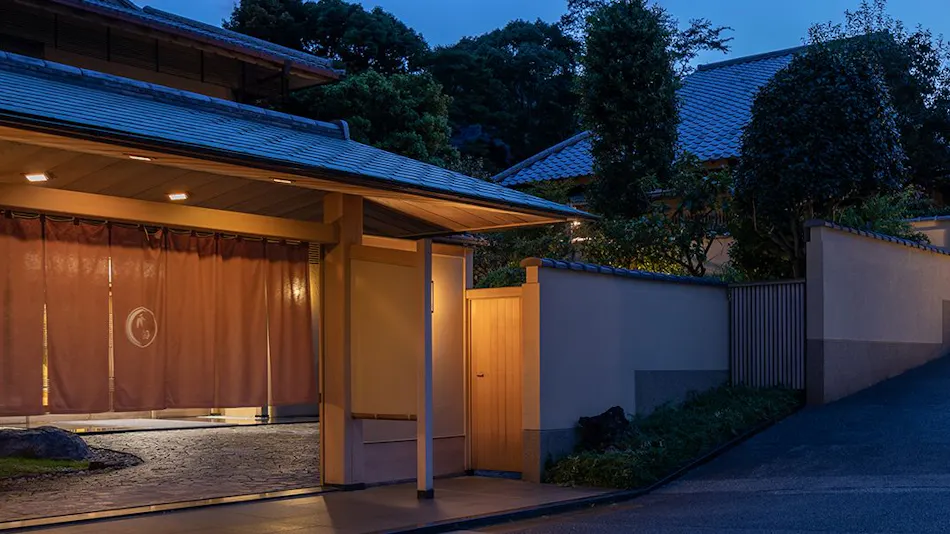
The serene hot spring town of Atami, where the waters flow abundantly. Against the backdrop of this fragrant nature and timeless history, our establishment traces its origins back to the mid-Meiji era, when it was built as the villa of Viscount Soga Yujun, who held the esteemed position of Togu Daibu. The distinguished heritage passed down from the Soga family can still be found throughout the premises. The traditional Sukiya-style architecture exudes the charm of Japanese aesthetics, complemented by the soothing warmth of nature. With heartfelt hospitality, we welcome you to Geihinkan Atami Koarashitei. A retreat filled with vibrant seasonal beauty, offering relaxation and tranquility.