Nationwide × Taisho Roman Style AccommodationRecommended Hotel·Ryokan - 2Page Number
入力欄の先頭で左矢印キーを押すと、選択中の検索条件に移動できます。chip上では左右矢印で移動し、DeleteキーまたはBackspaceキーで削除できます。
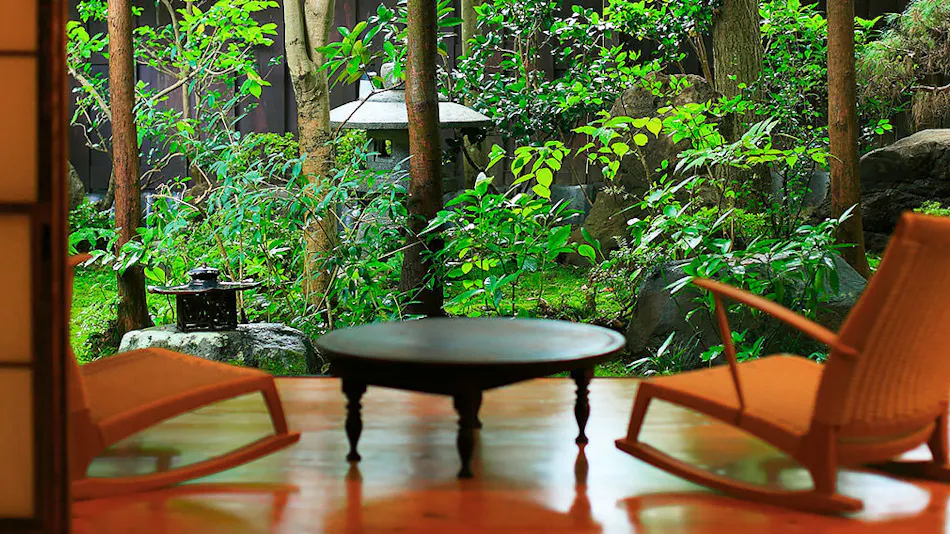
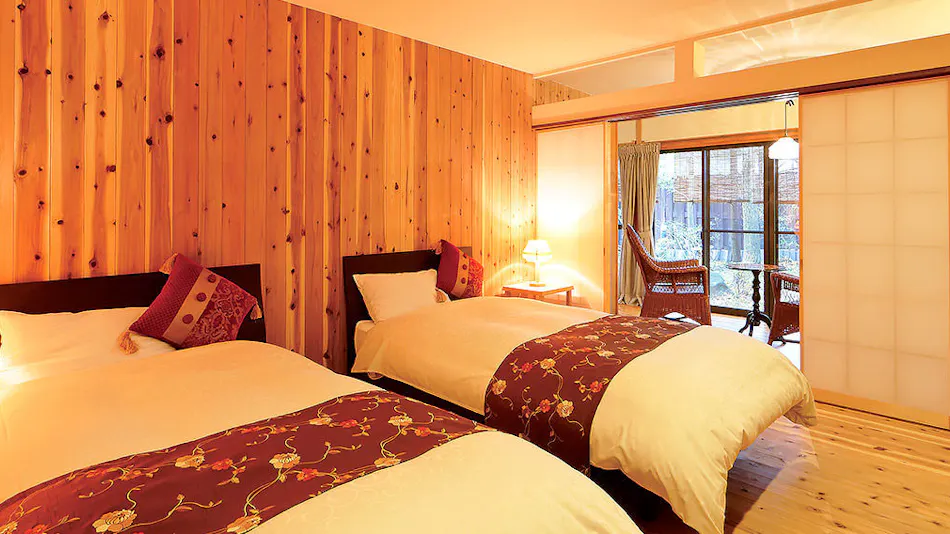
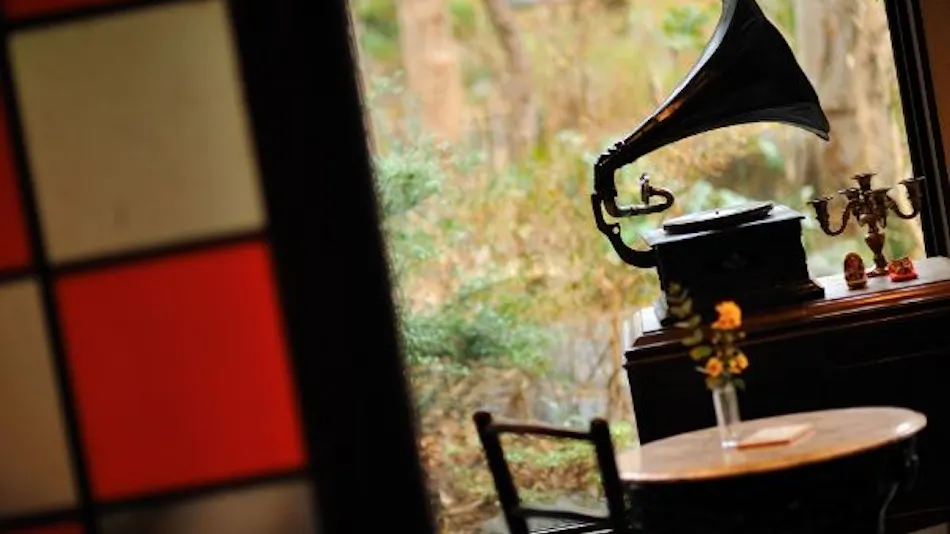
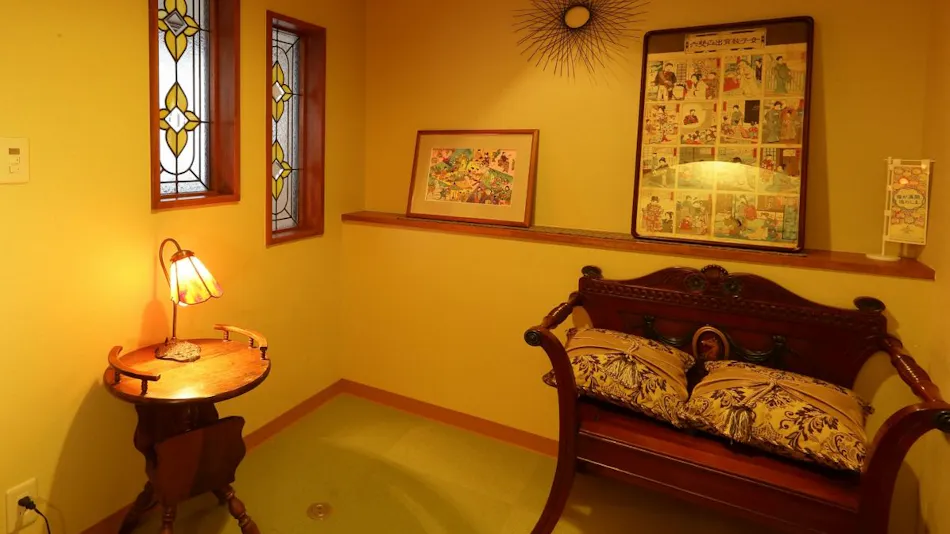
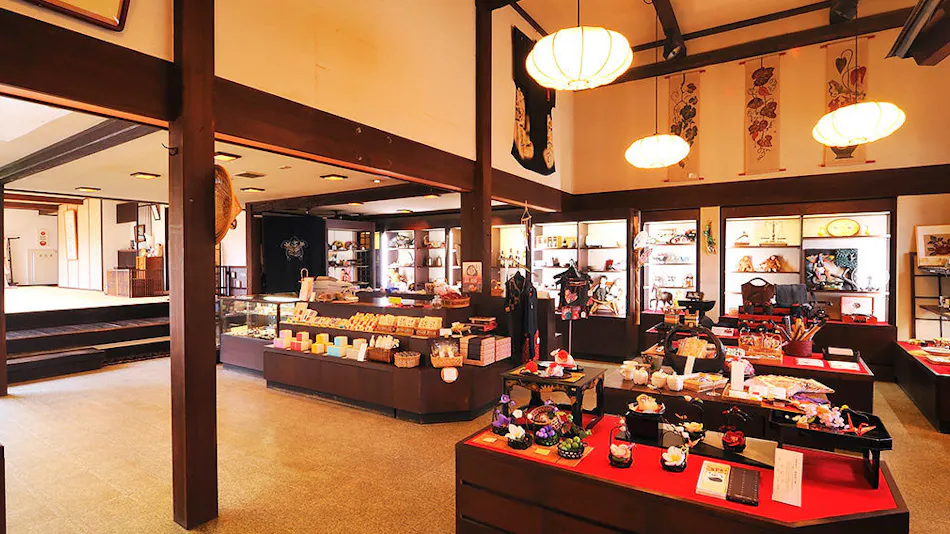
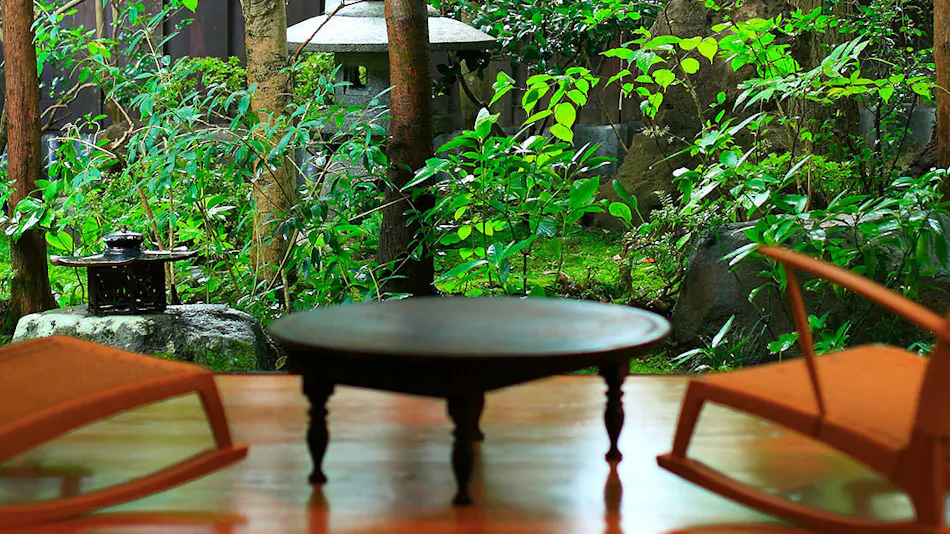
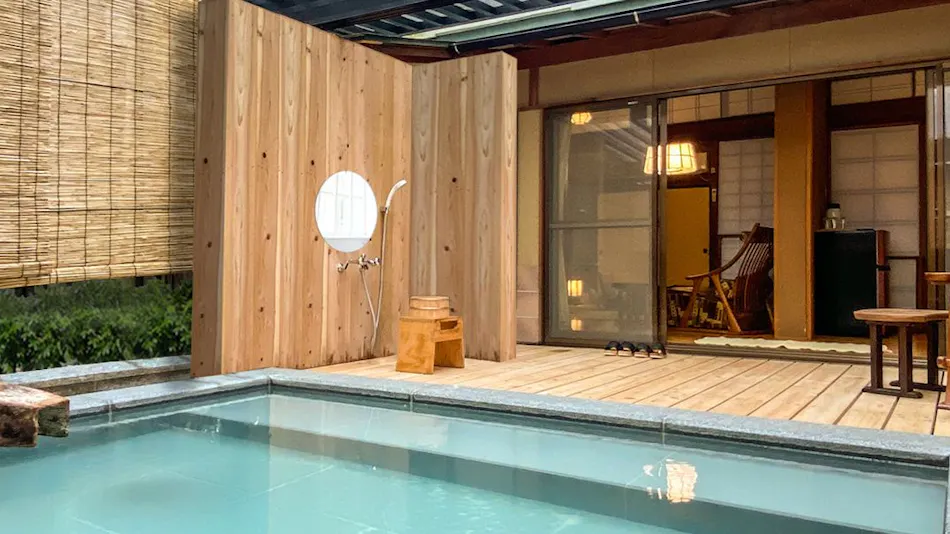
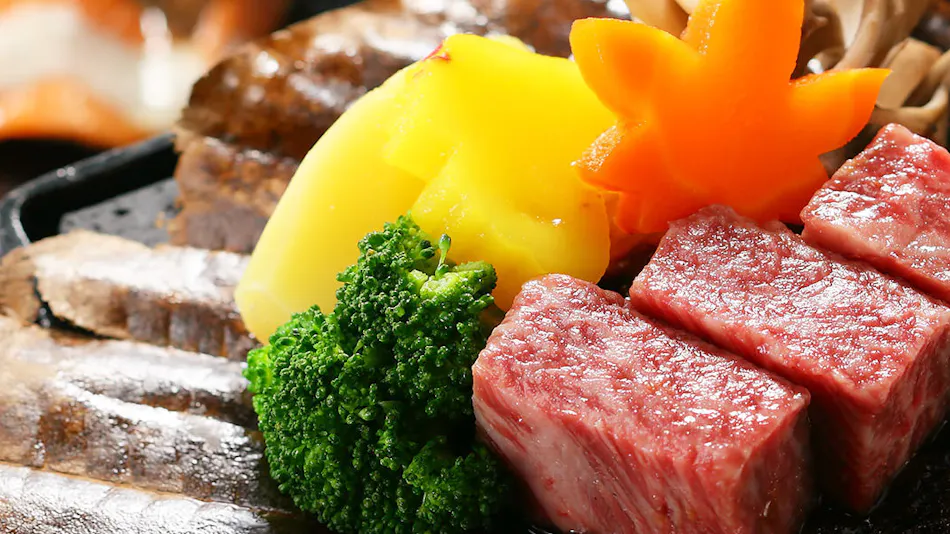
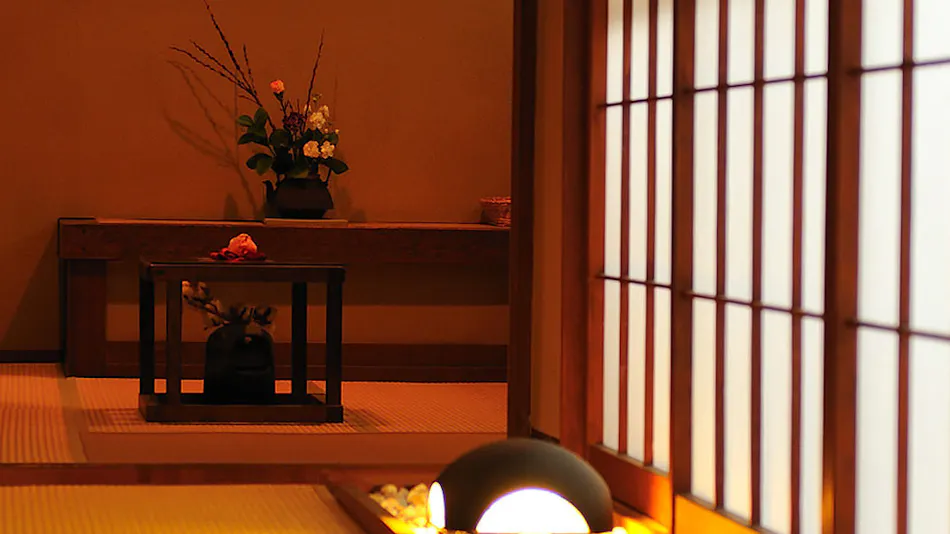
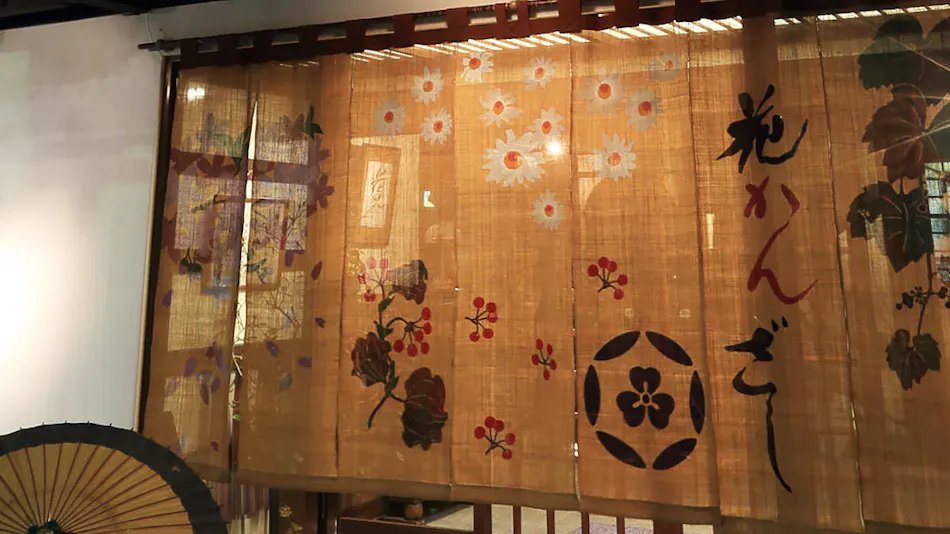
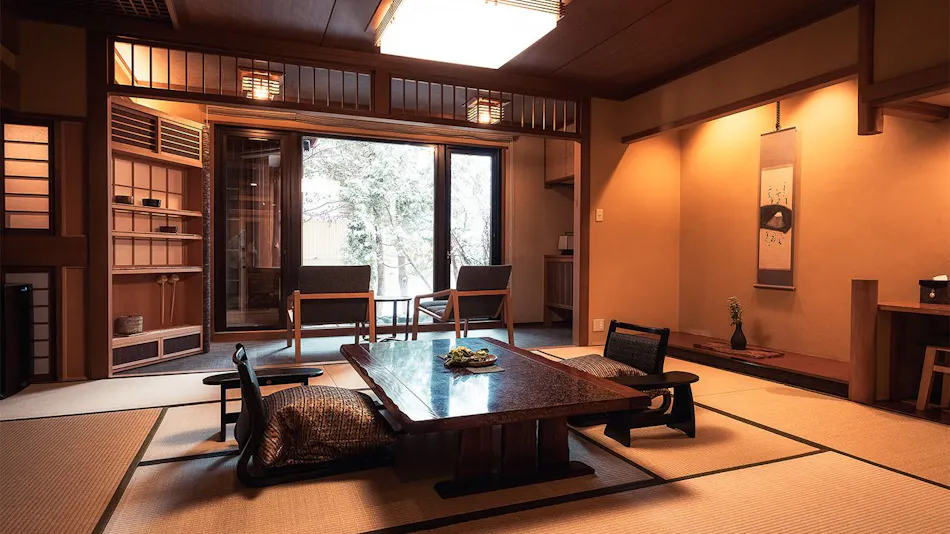
A small Accommodation in Dake Onsen with a charming Japanese ambiance reminiscent of the Taisho era. Our natural Onsen is 100% free-flowing from the source, piped in from the mountains at an elevation of 1,500 meters, and features a gentle simple acidic spring. Housed in an early Showa-era wooden building, the property offers just eight thoughtfully appointed rooms. Enjoy creative kaiseki cuisine made with seasonal ingredients, paired with renowned local sake from Fukushima. Relax and savor a quiet, soothing stay.
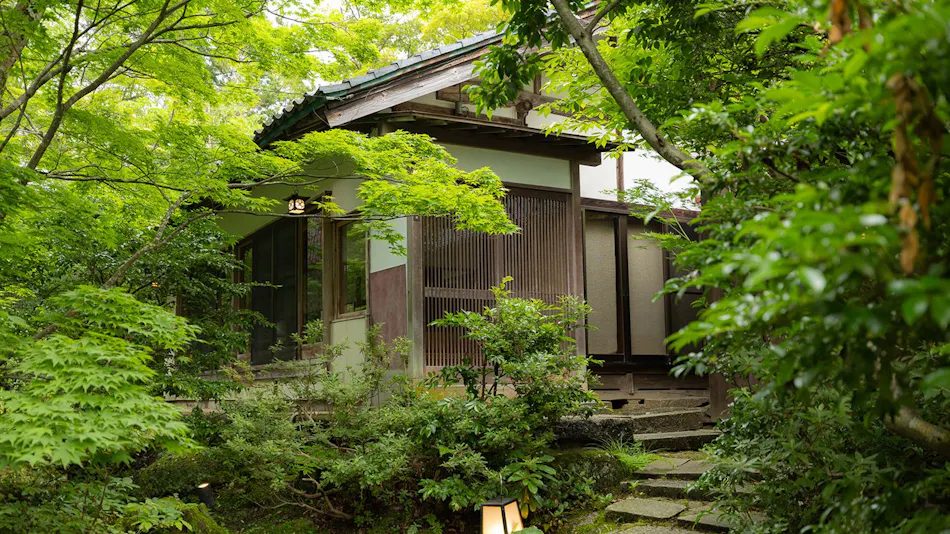
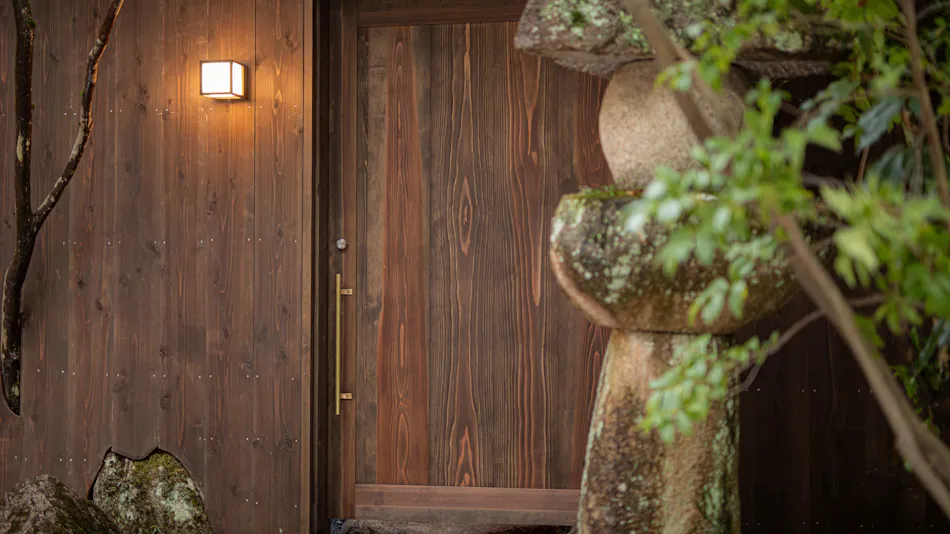
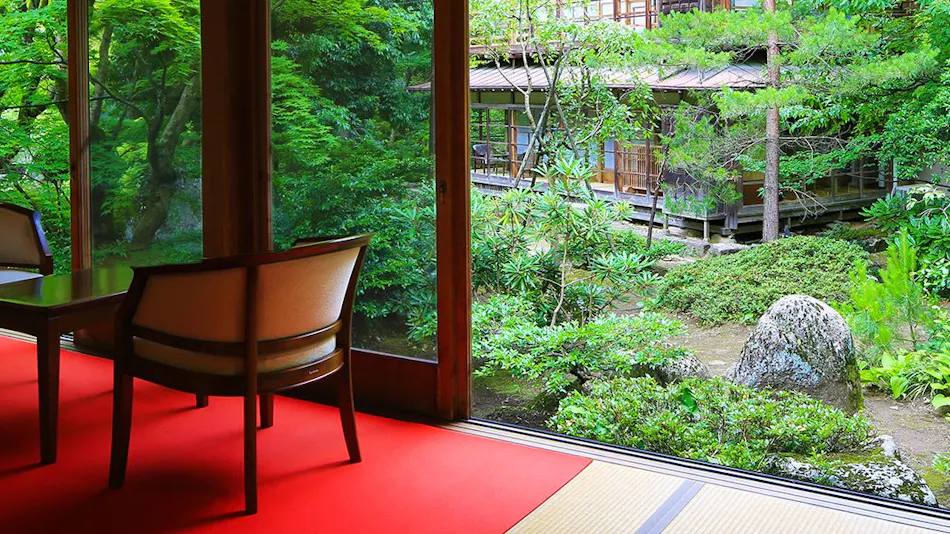
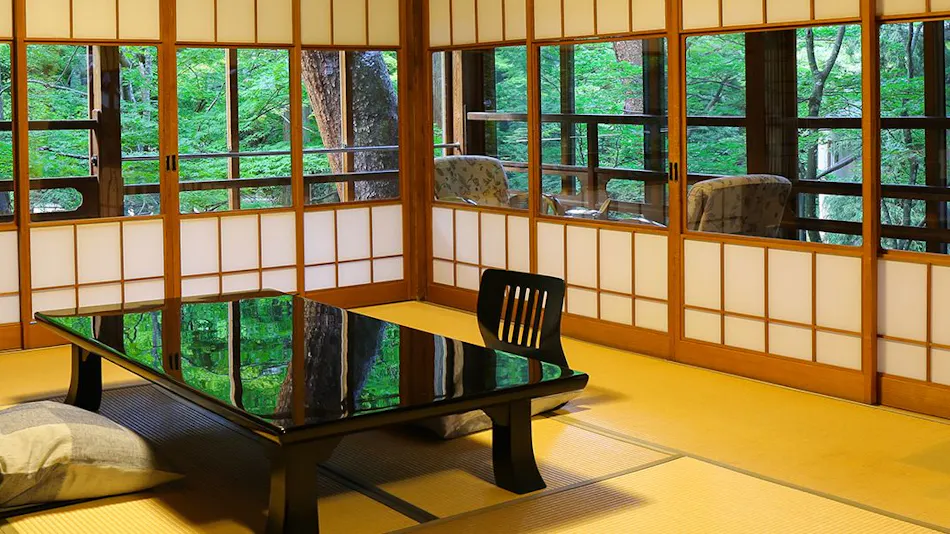
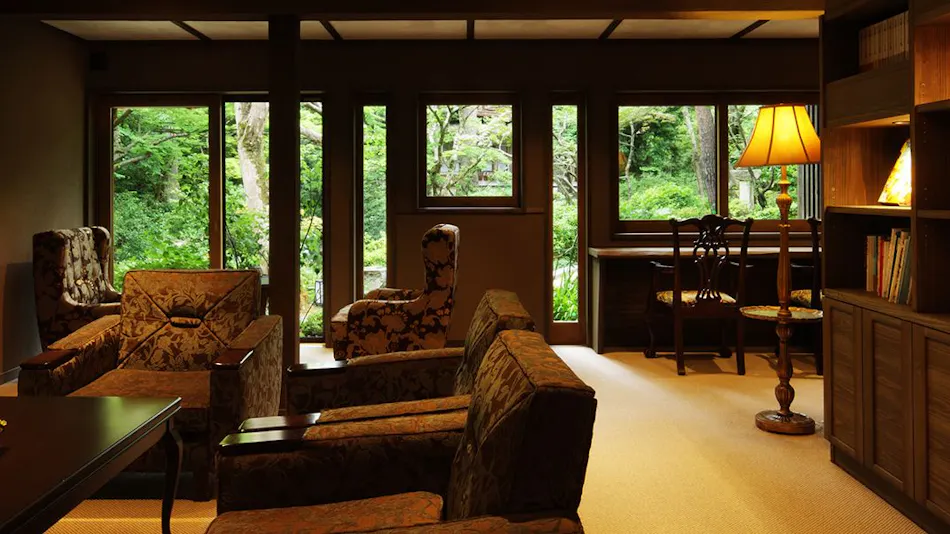
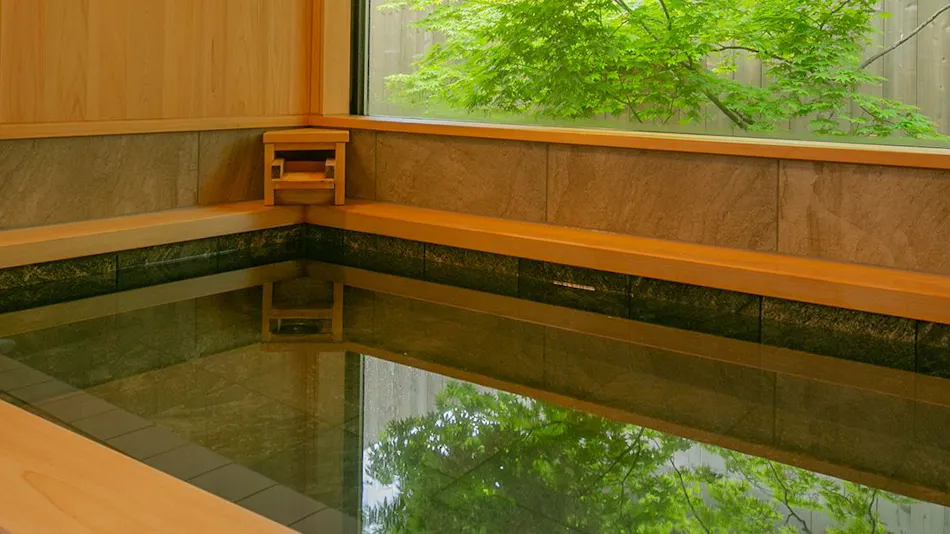
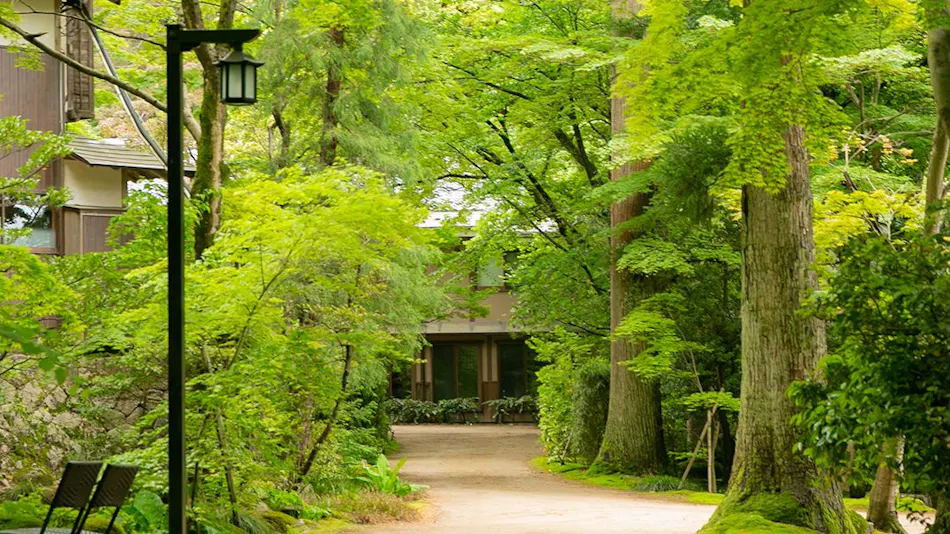
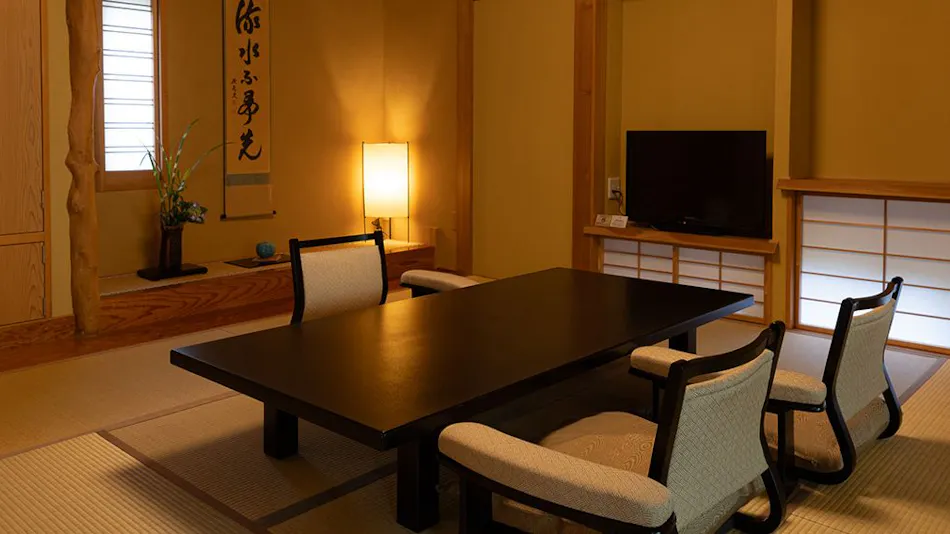
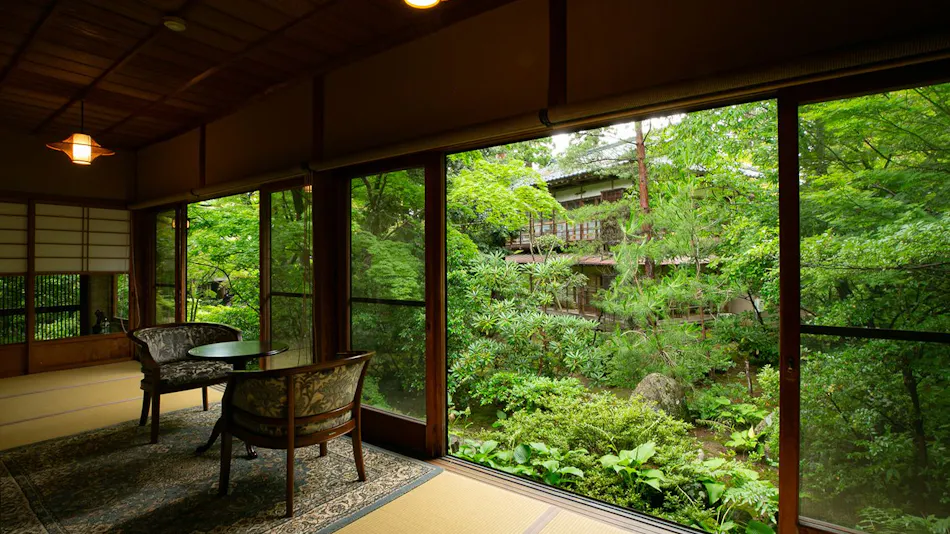
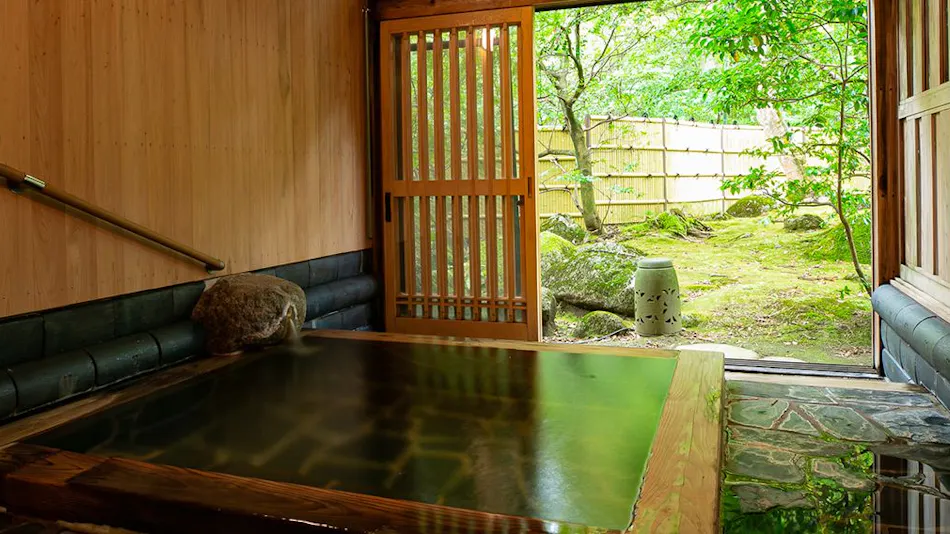
Stay in a historic building registered as a tangible cultural property, where all meals and Onsen experiences can be enjoyed entirely in your Room from check-in to check-out. Experience a private space that feels both nostalgic and fresh, harmonized with nature, and enjoy a deeply relaxing moment.
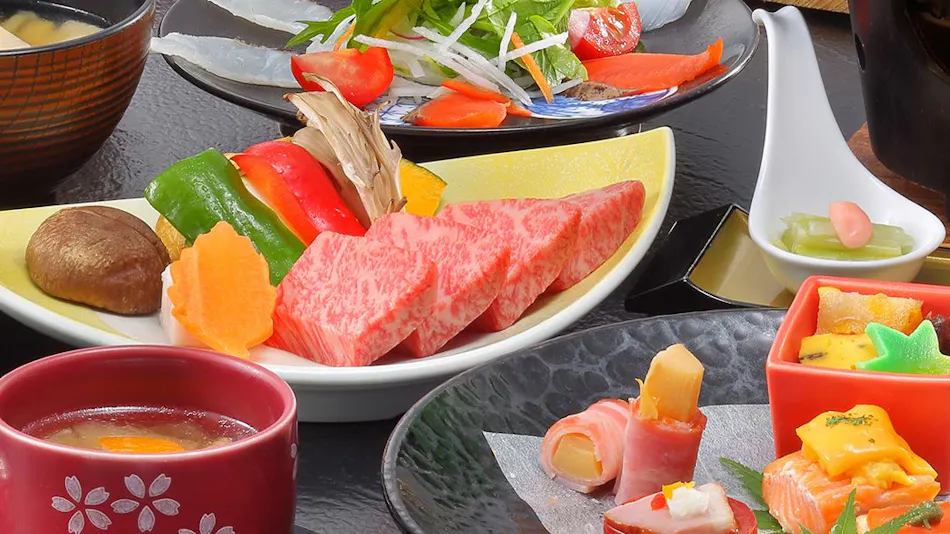
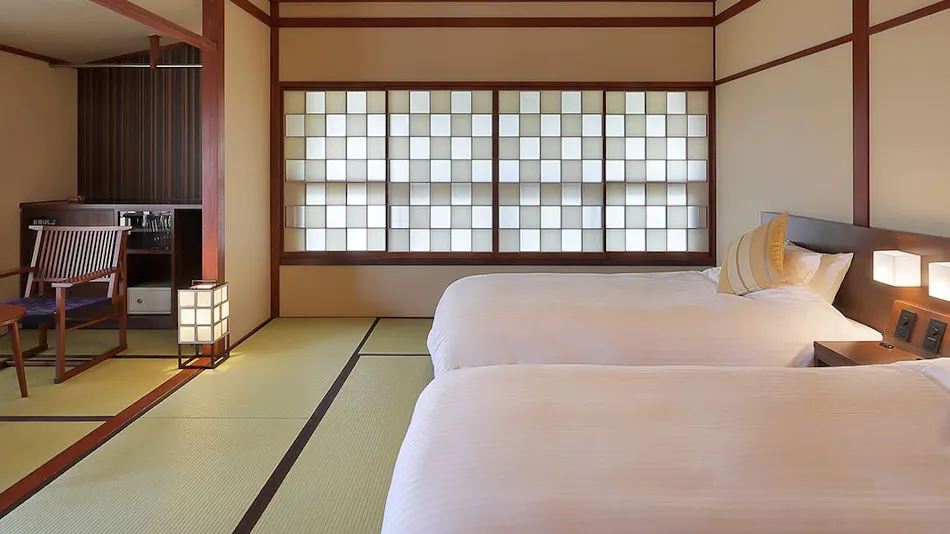
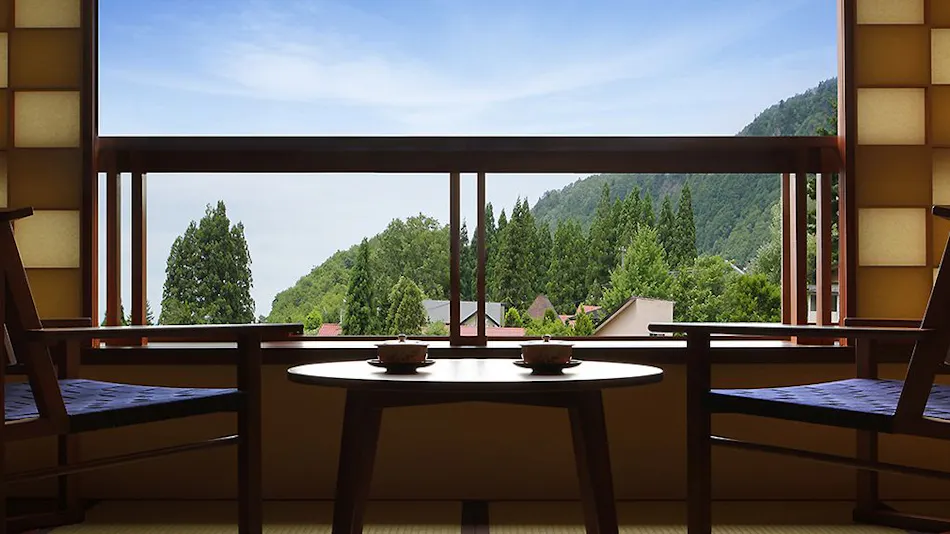
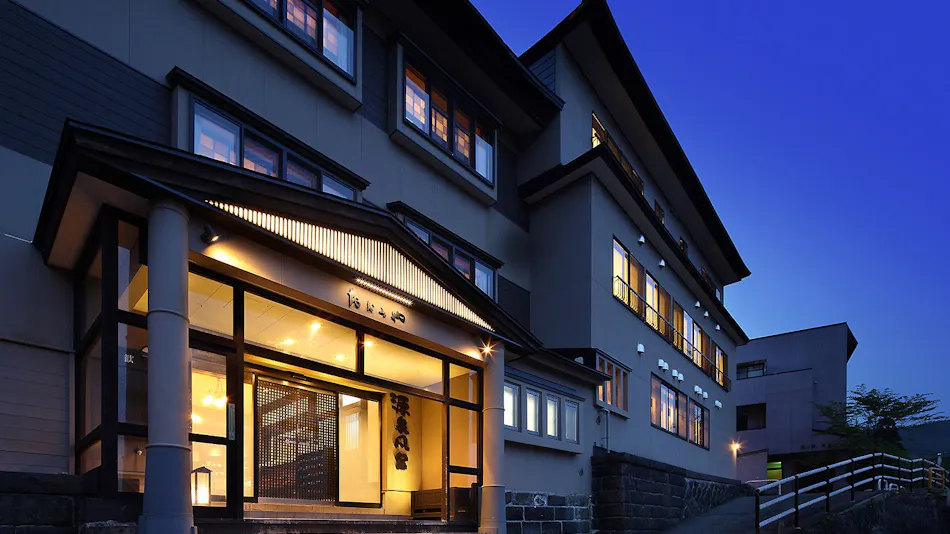
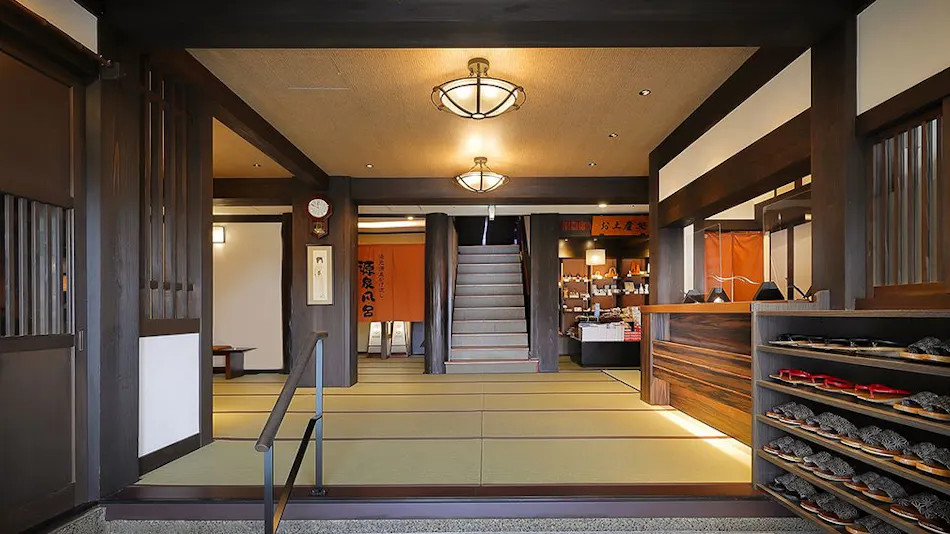
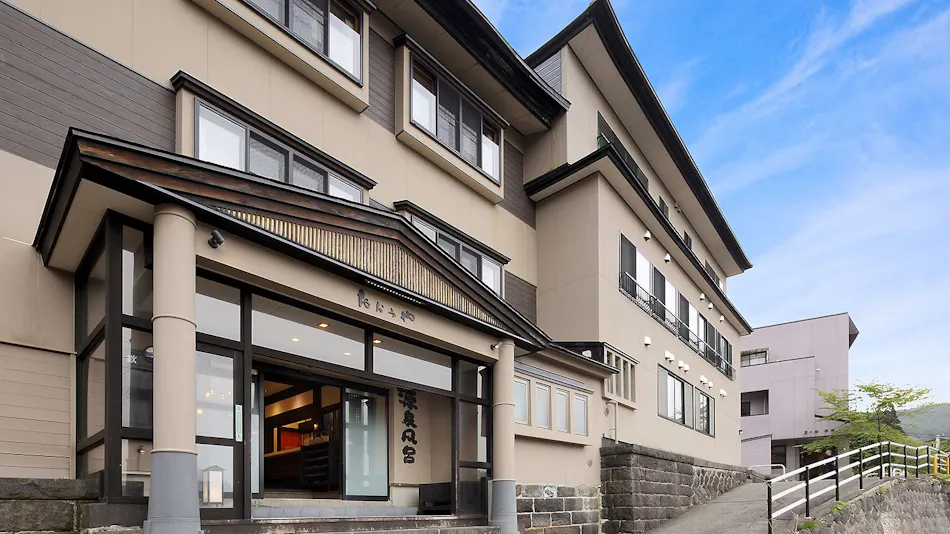
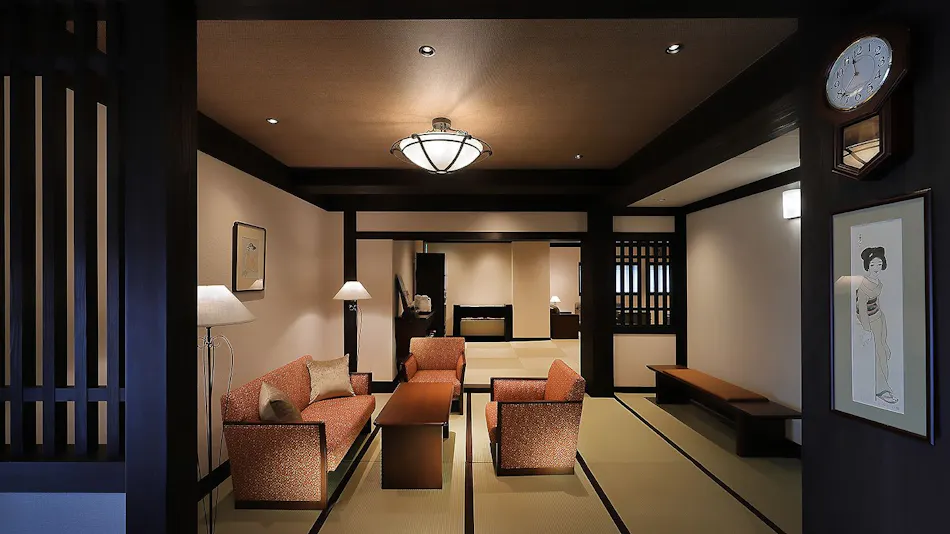
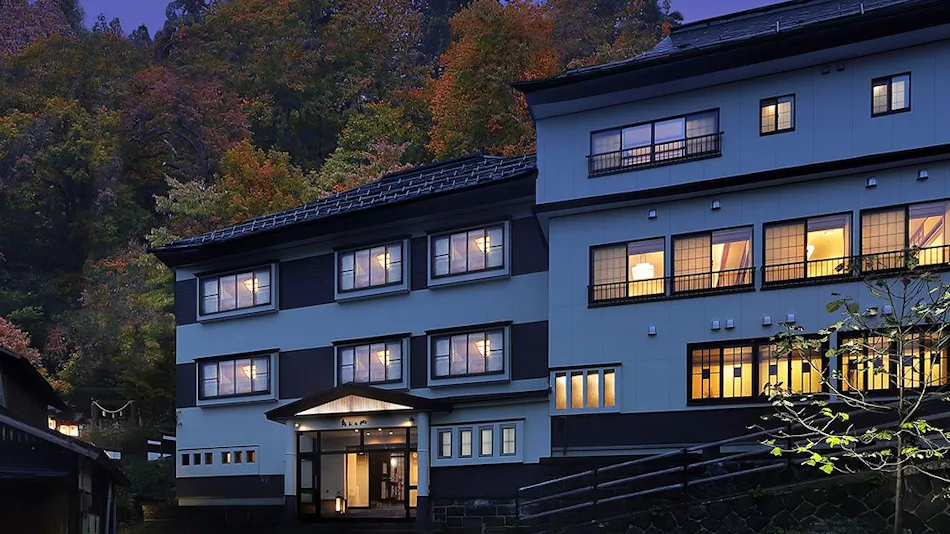
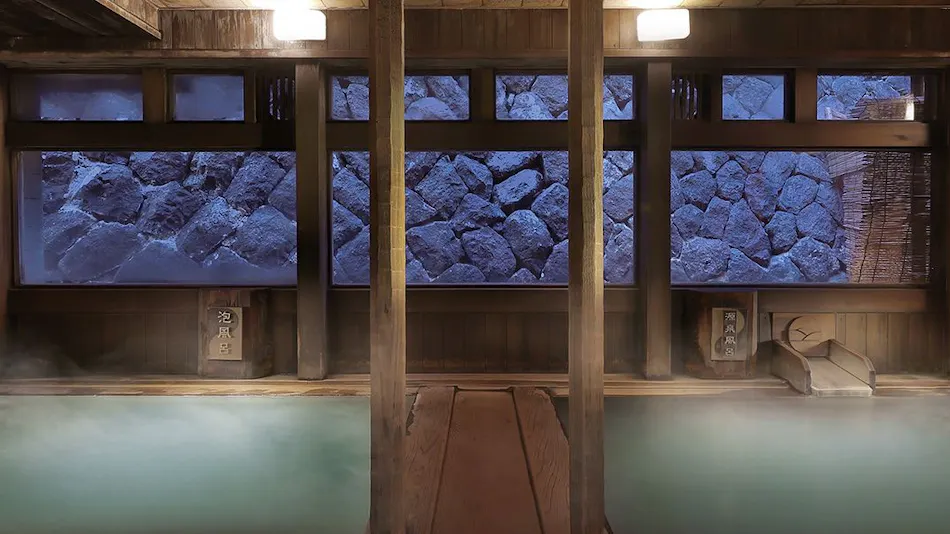
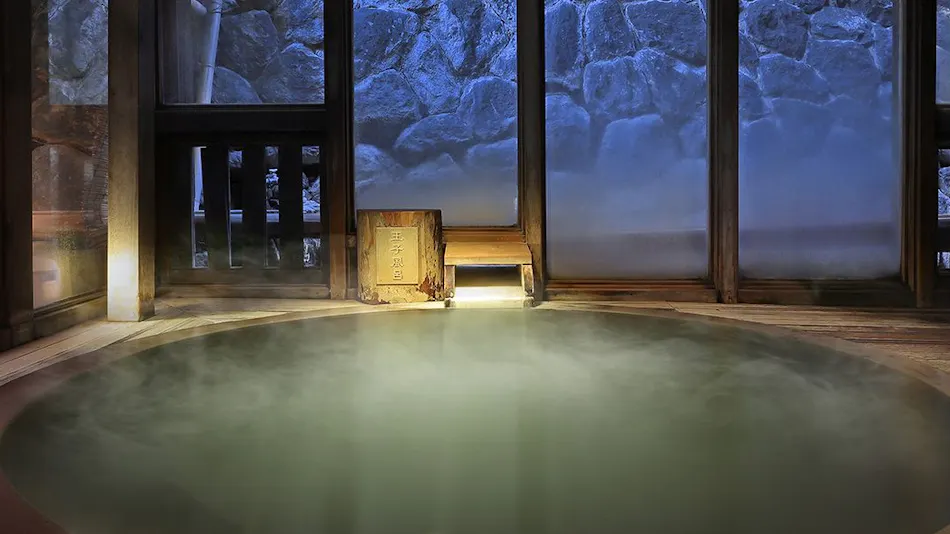
A long-established Ryokan in the Zao Onsen town with a proud history of over 1,000 years. The retro interior, filled with Taisho-era charm, features tatami flooring throughout the building. Enjoy our private hot spring source, producing an abundant 720 liters per minute, along with carefully crafted dishes made with delicious local ingredients.
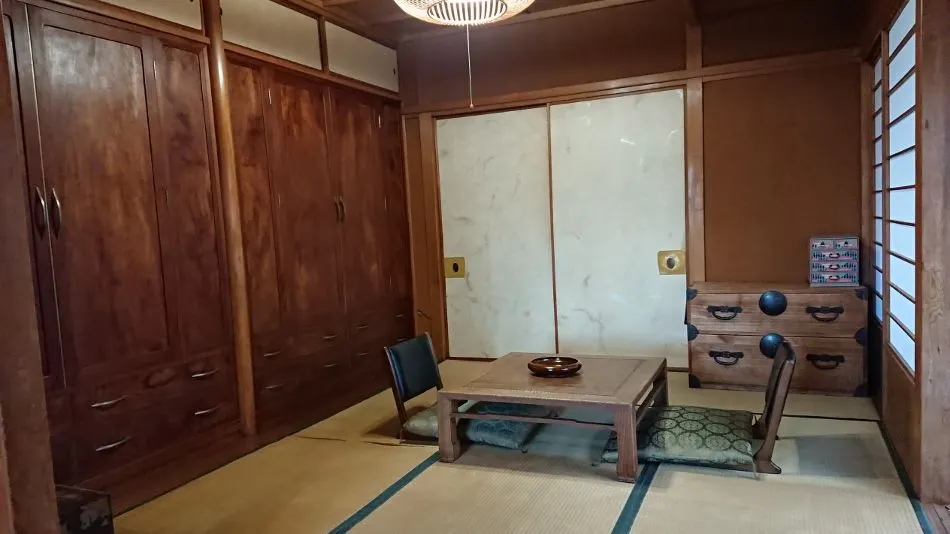
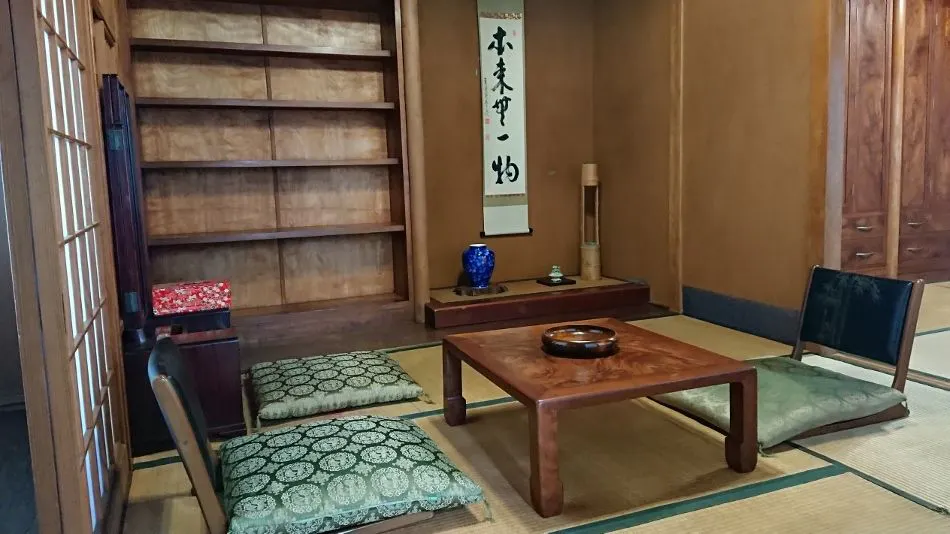
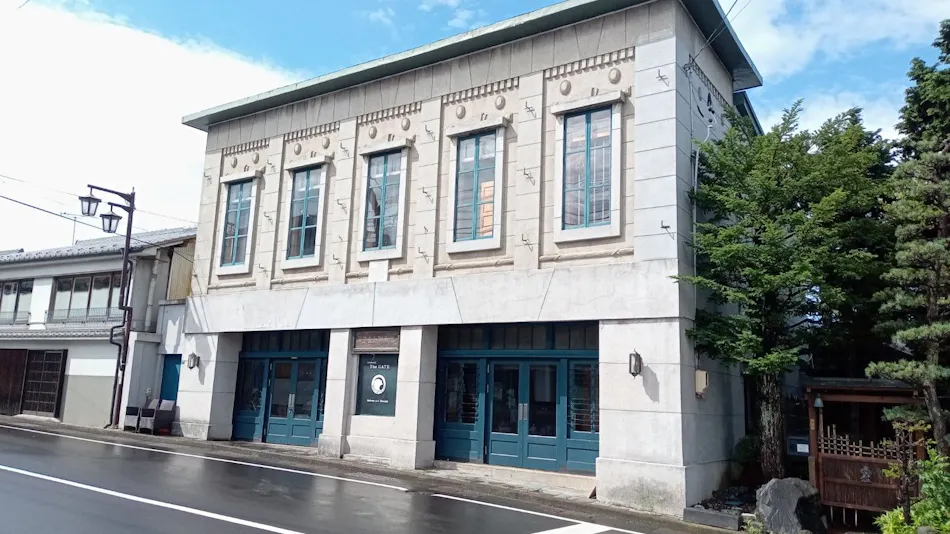
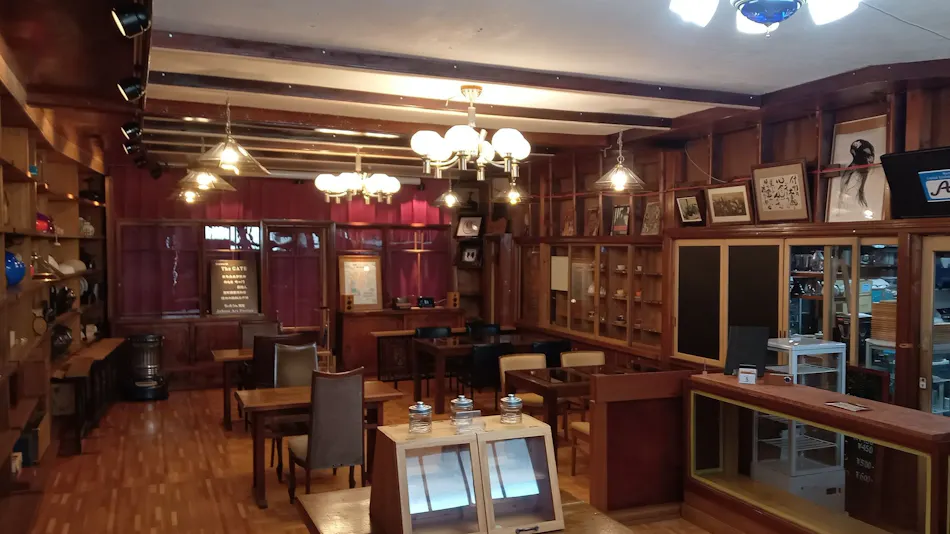
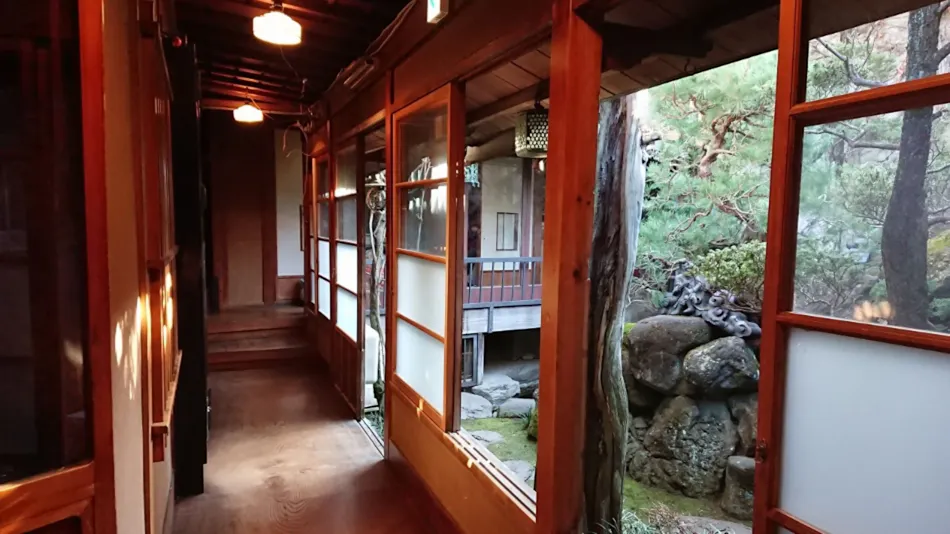
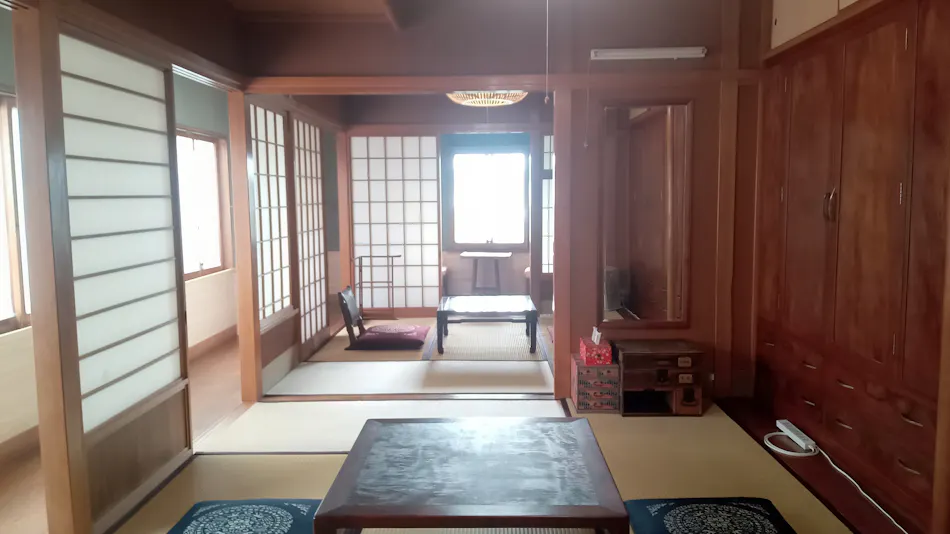
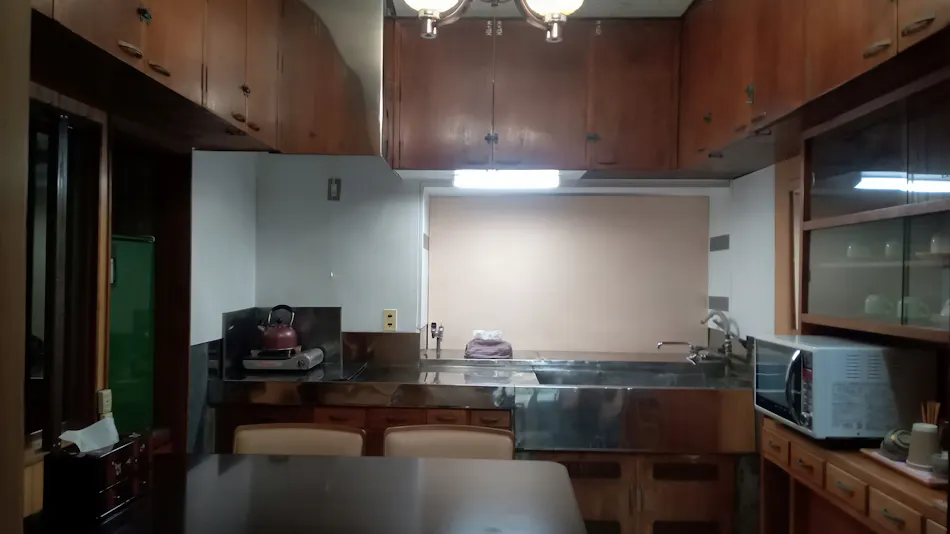
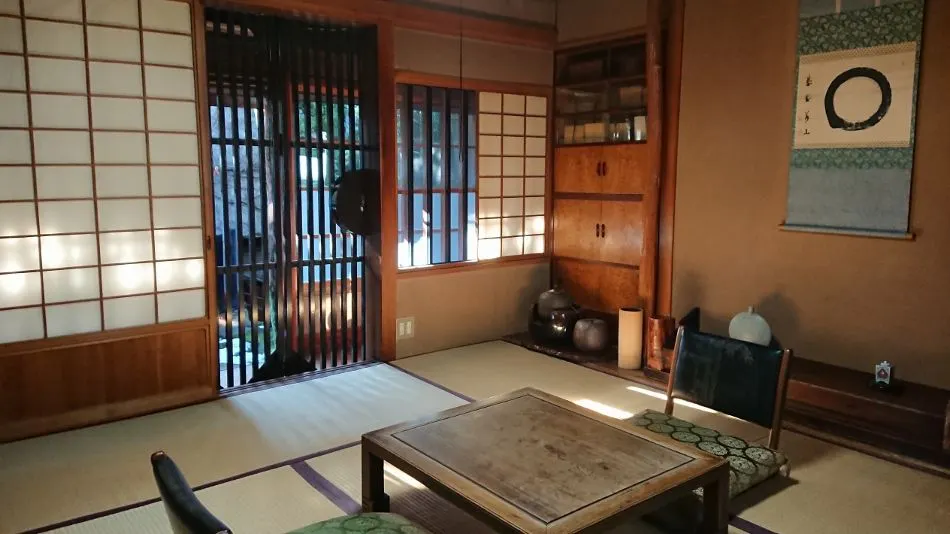
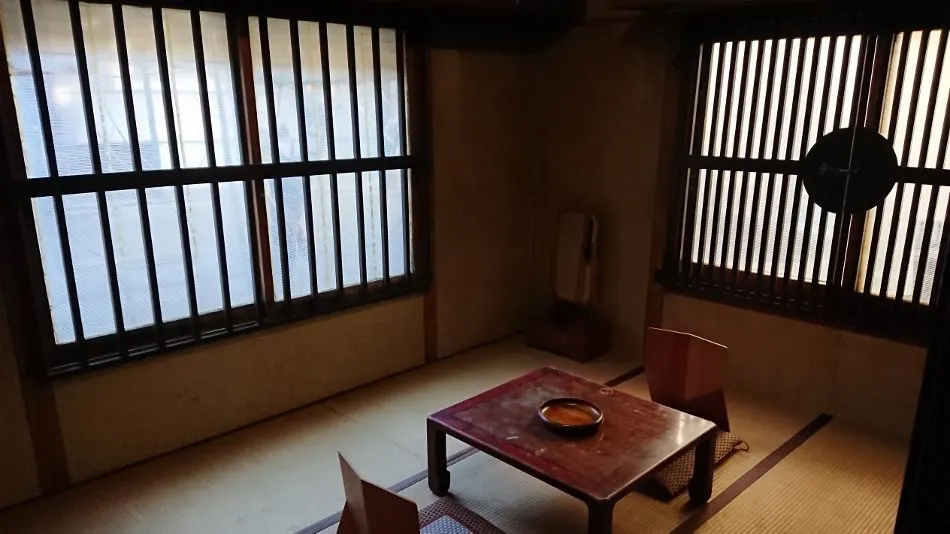
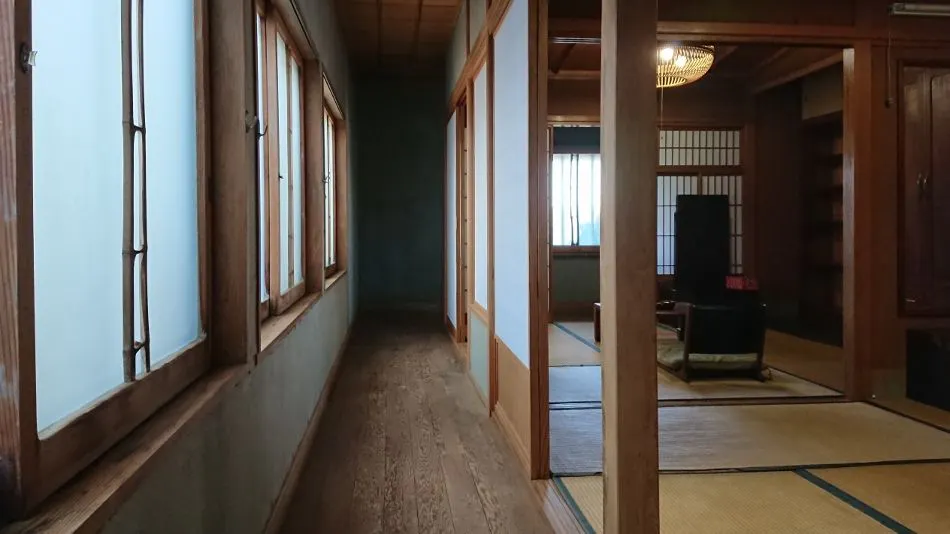
A highland town surrounded by the great nature of the Asama Mountain foothills, Komoro City, Nagano Prefecture. Once flourishing as a castle town of the former Komoro Domain and as a post town on the old Hokkokukaido Road, the town still retains its charming old streets. "Merchant's Era Property - Kaimonro Toki no Mon" is the world's only one-building rental Property where you can even stay in a traditional sitting room jail, adjacent to the nationally registered tangible cultural property "Former Yamazaki Chohei Store (currently Aramachi The GATE)." The Western-style store-cum-residence built in the late Taisho era (merchant architecture, signboard architecture) is lavishly constructed, reflecting the prosperity of the time. It offers a nostalgic experience with the concept of "staying as if living." Furthermore, as it is limited to one group per day, you can enjoy your stay without worrying about other guests. From solo travelers to families with children, group trips, or training trips, it is a safe and secure Property that caters to various needs. Having undergone renovations over approximately 100 years, the maze-like interior is adorned with intricate designs, allowing you to experience the playful spirit of Taisho-era merchants while enjoying a relaxing and safe stay. Located close to Karuizawa and with excellent access from major metropolitan areas, Komoro City is an ideal destination. When traveling, please consider staying at our Property, "Kaimonro Toki no Mon."
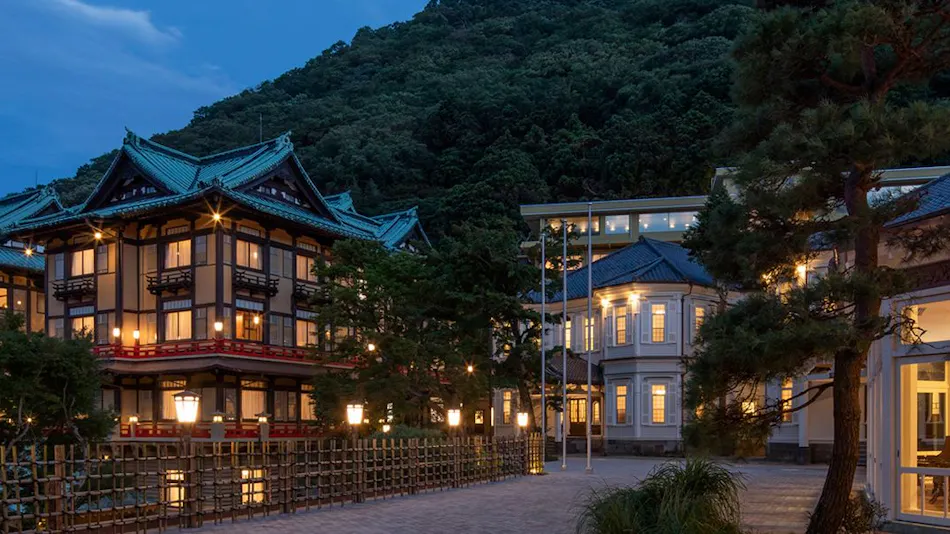
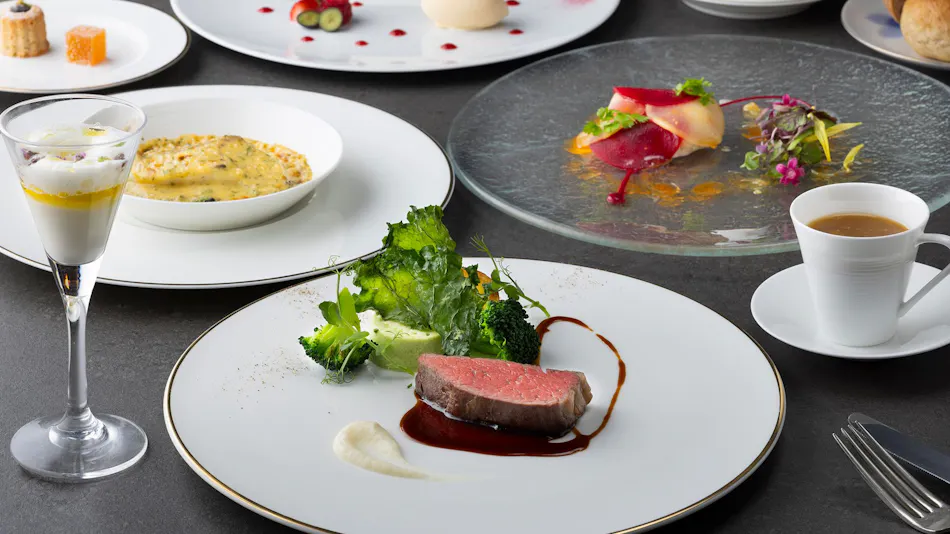
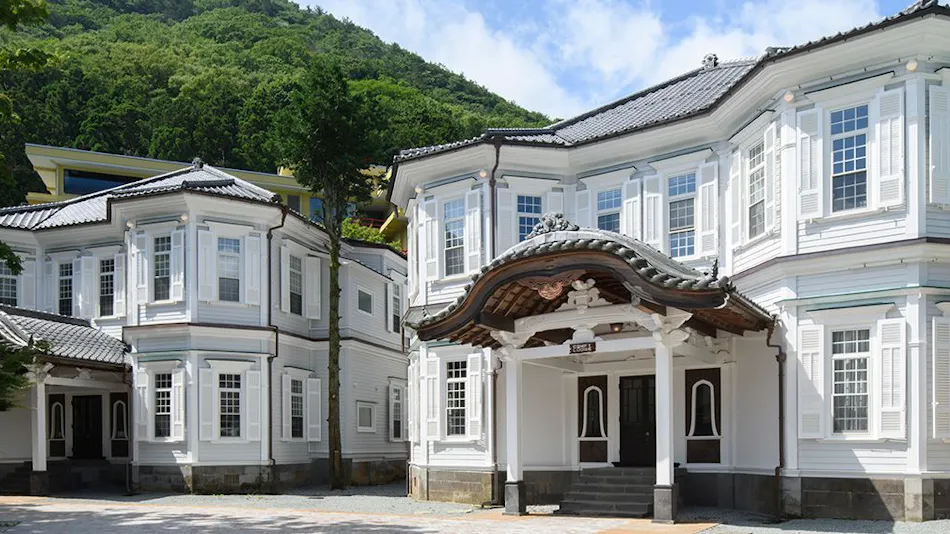
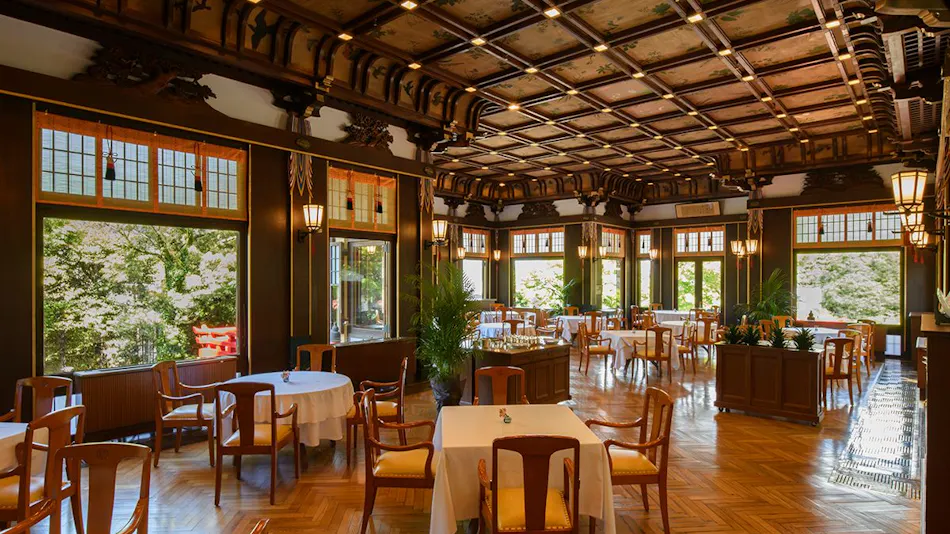
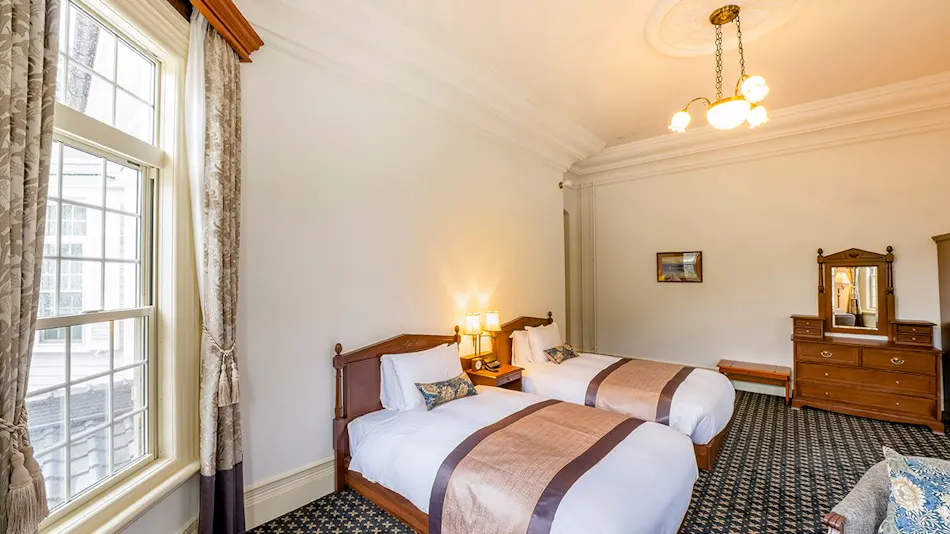
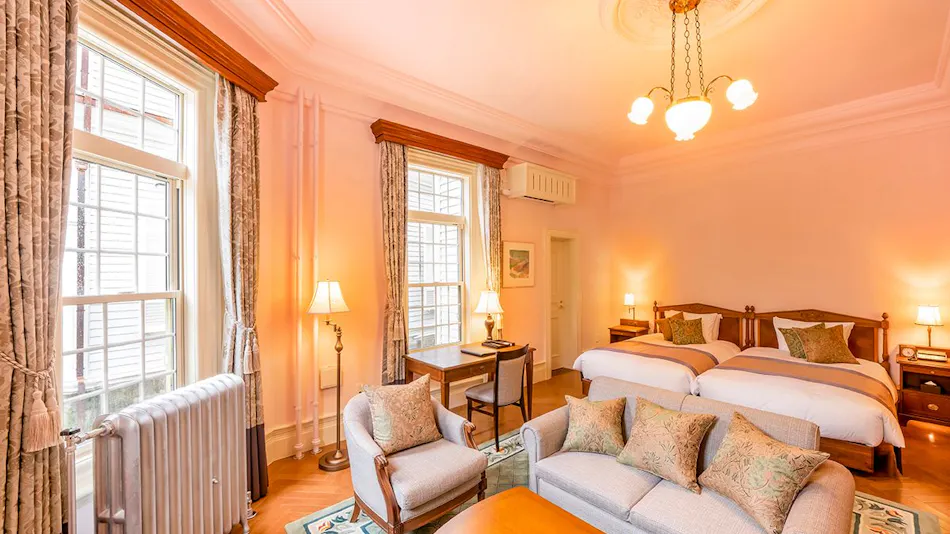
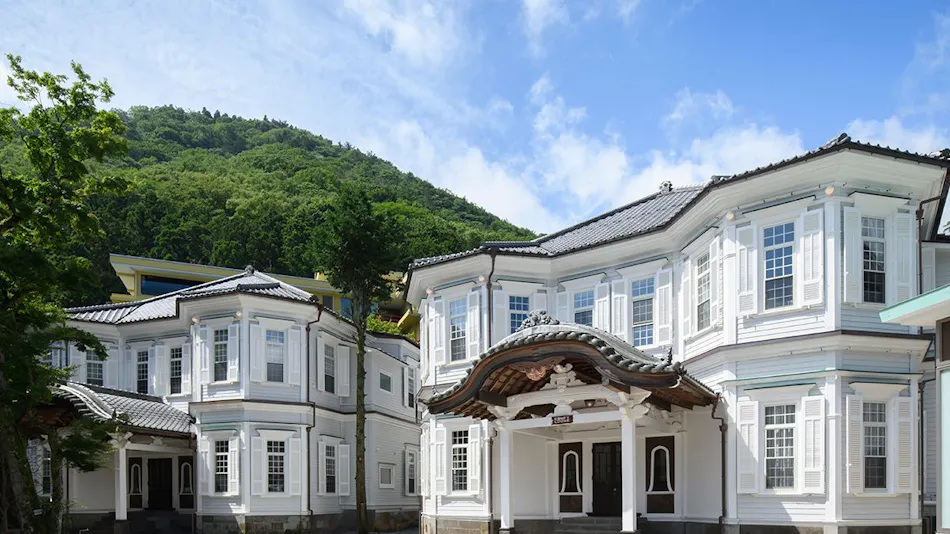
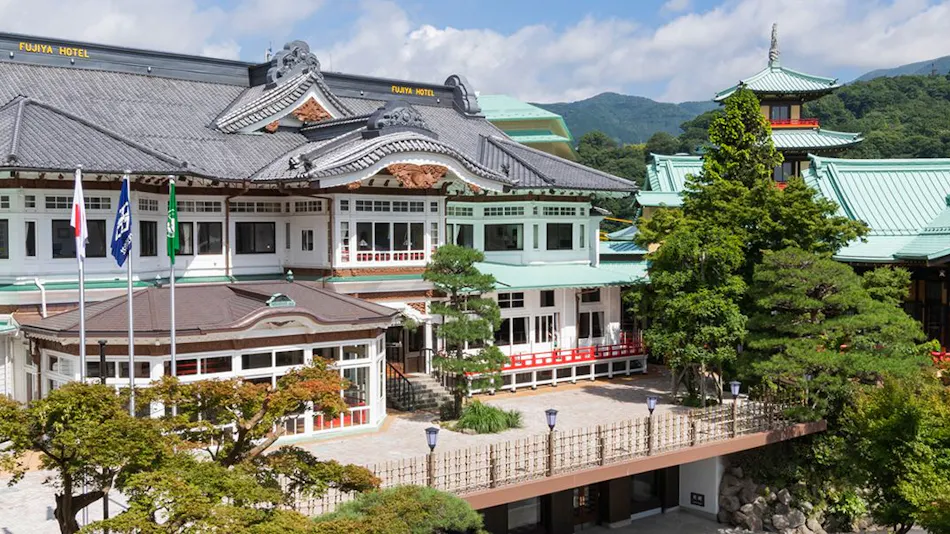
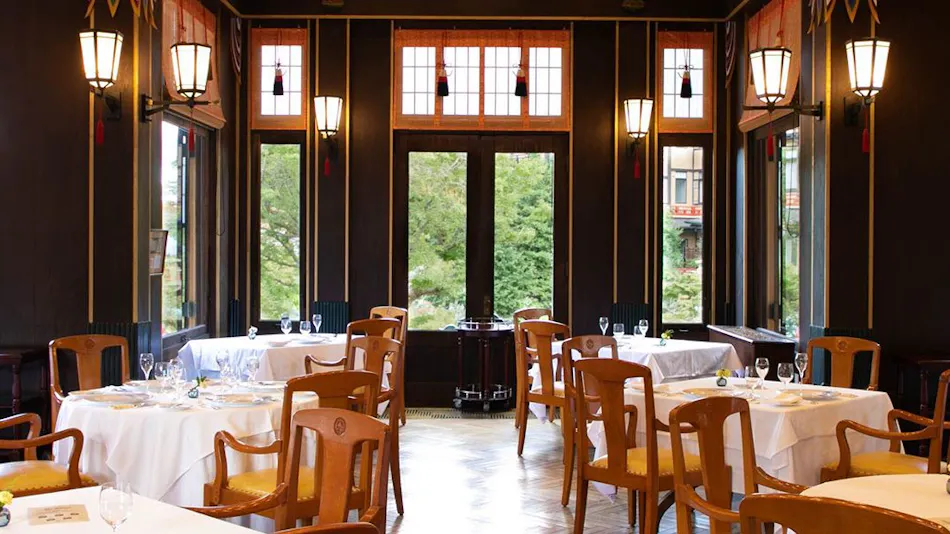

Established in 1878 as Japan's first full-scale Resort Hotel in Miyanoshita, Hakone, Fujiya Hotel began with a single Western-style building constructed by its founder, Sennosuke Yamaguchi. Over time, through numerous expansions and renovations, it has become a grand architectural symbol of Hakone. Having overcome many challenges, including natural disasters, much of the building was designated as a Registered Tangible Cultural Property in 1997. After more than two years of extensive renovations, the "new" Fujiya Hotel reopened in 2020. While preserving its timeless charm and design along with its spirit of hospitality, we continue to create new history as a pioneer among classic hotels to provide an even more comfortable and relaxing experience for our guests.


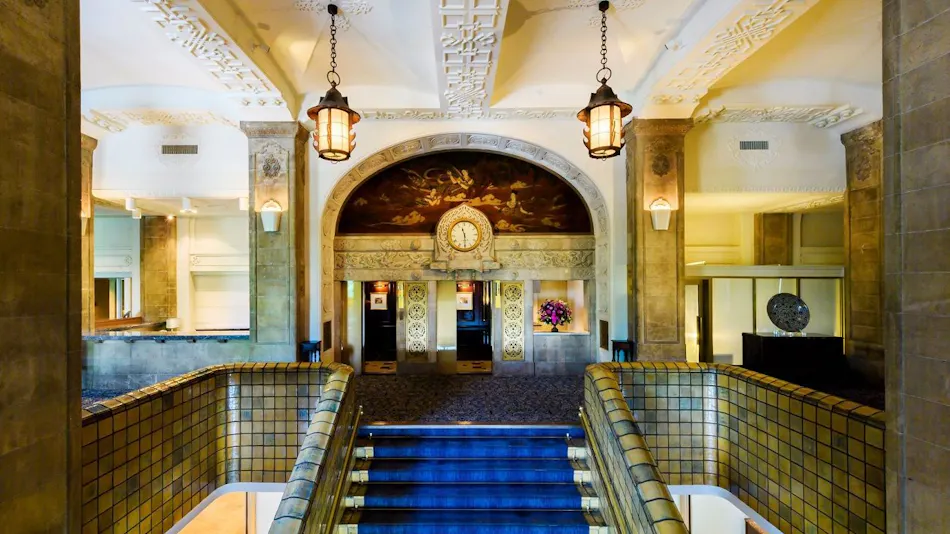
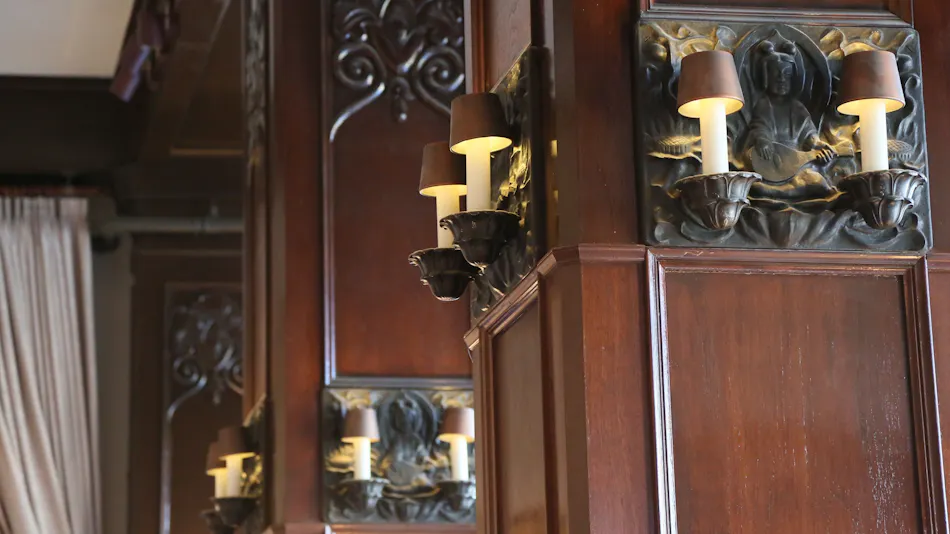

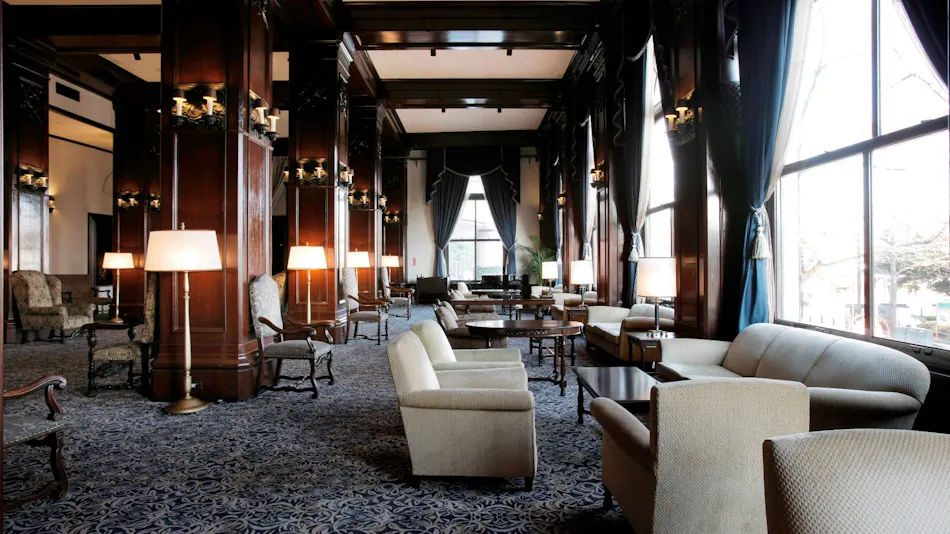


Opened in 1927, the main building has grown alongside Yokohama as a gateway to international culture and is one of Japan’s leading classic Hotels shaped by history. The 18-story tower wing, opened in 1991, also offers modern comfort befitting the international city of Yokohama, and from the front-facing guest rooms you can enjoy sweeping views of Yokohama Port, including the Bay Bridge and Osanbashi Pier.
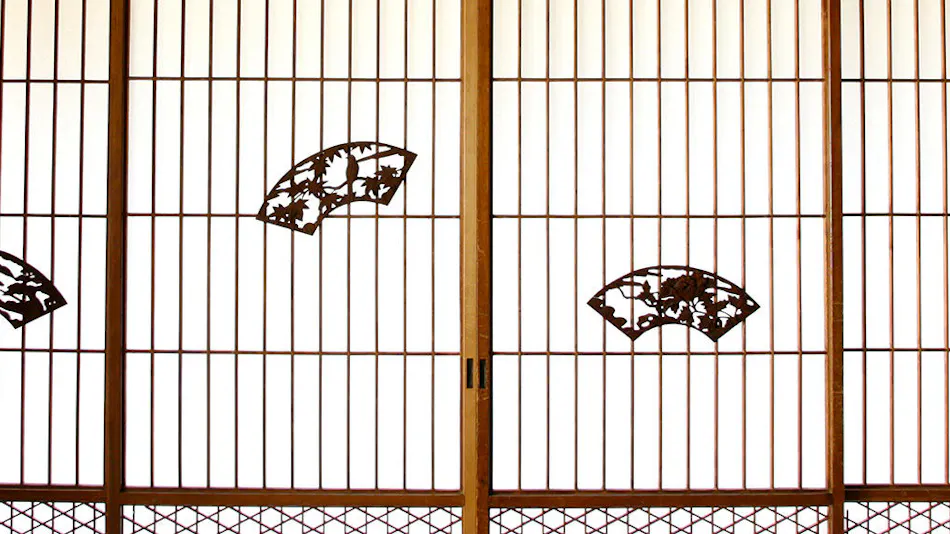

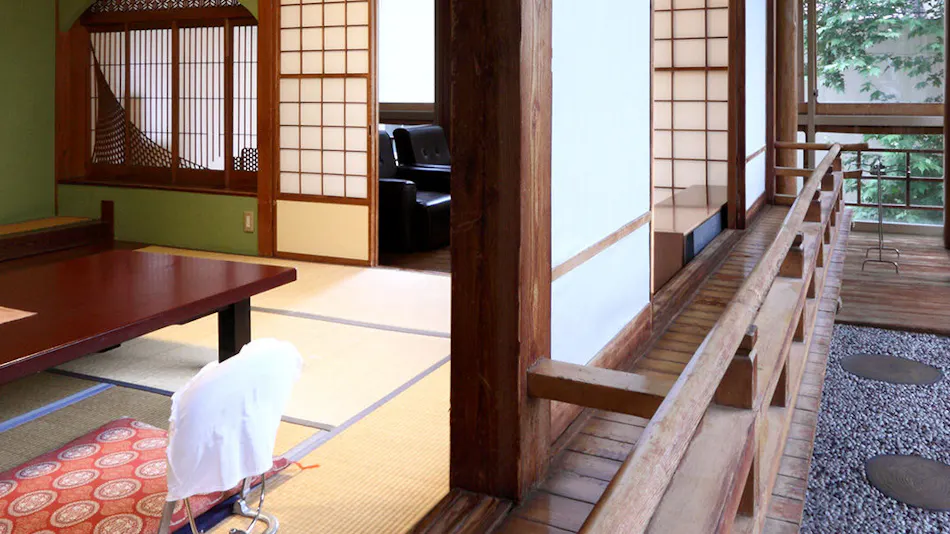
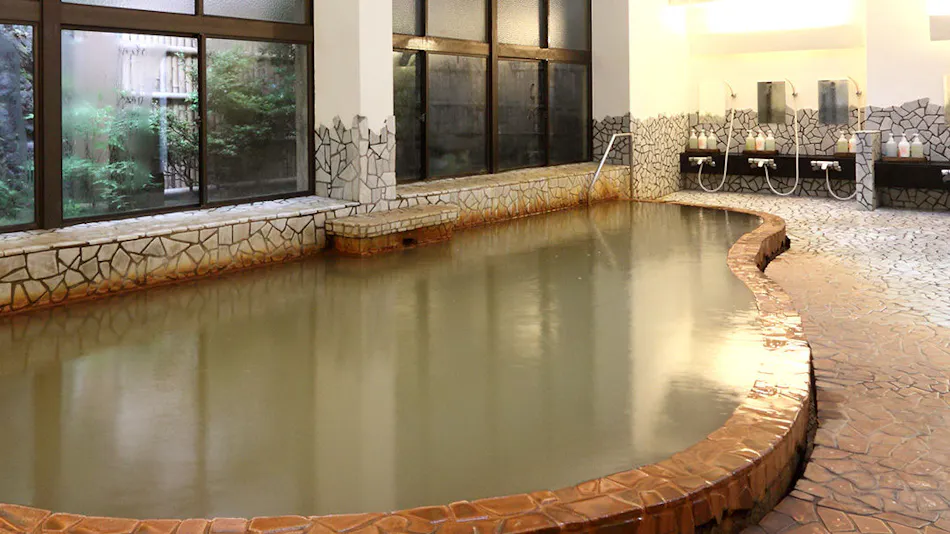
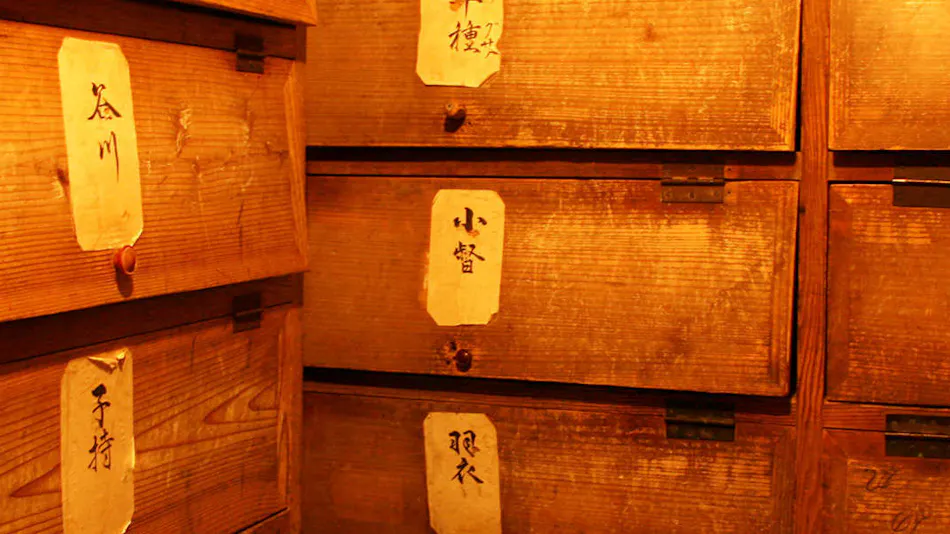
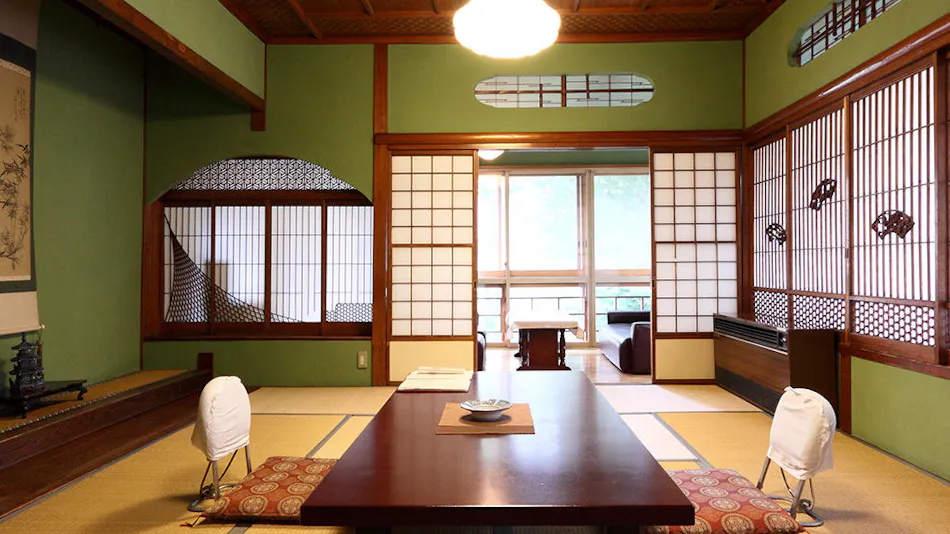
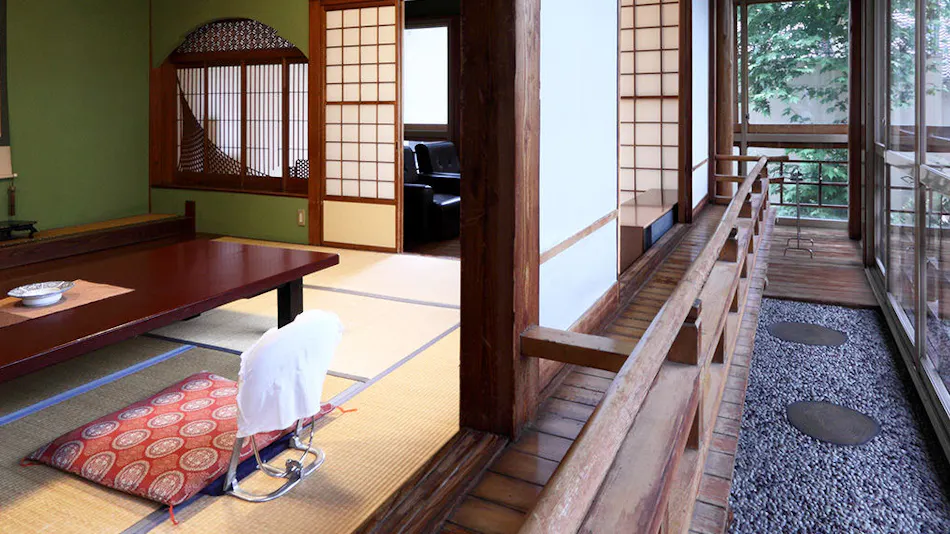
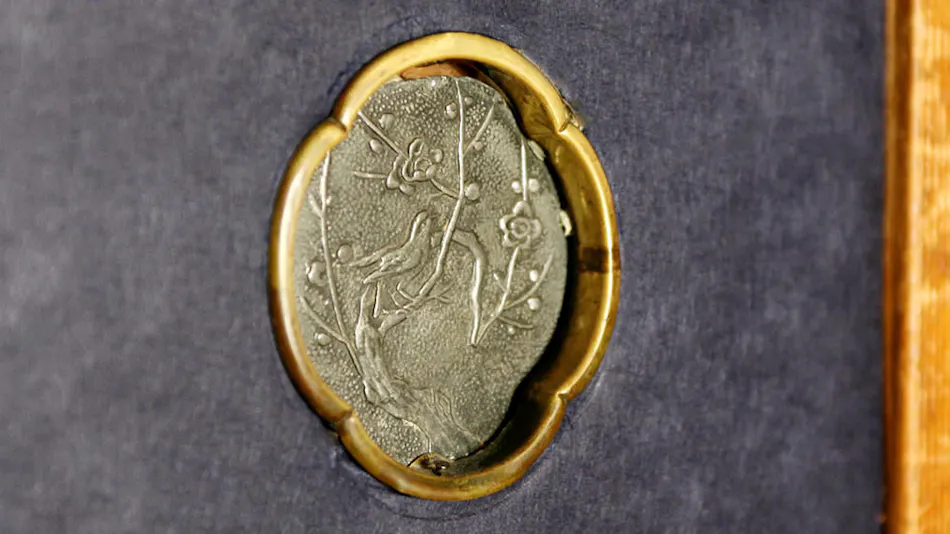
A historic Ryokan established in the Edo period, located midway along the famous "Stone Steps Street" of Ikaho. The main building is a "Registered Tangible Cultural Property of Japan." You can choose your Room from the western wing built in 1920 with cypress wood or the western wing renovated into a modern Japanese style. Experience the warmth of cypress and Taisho-era charm alongside our golden hot spring water directly sourced from its origin.
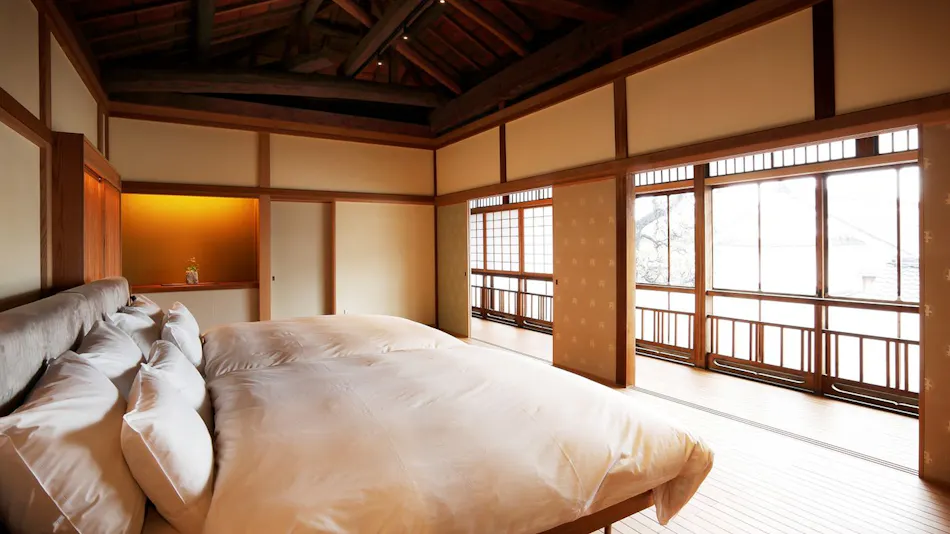
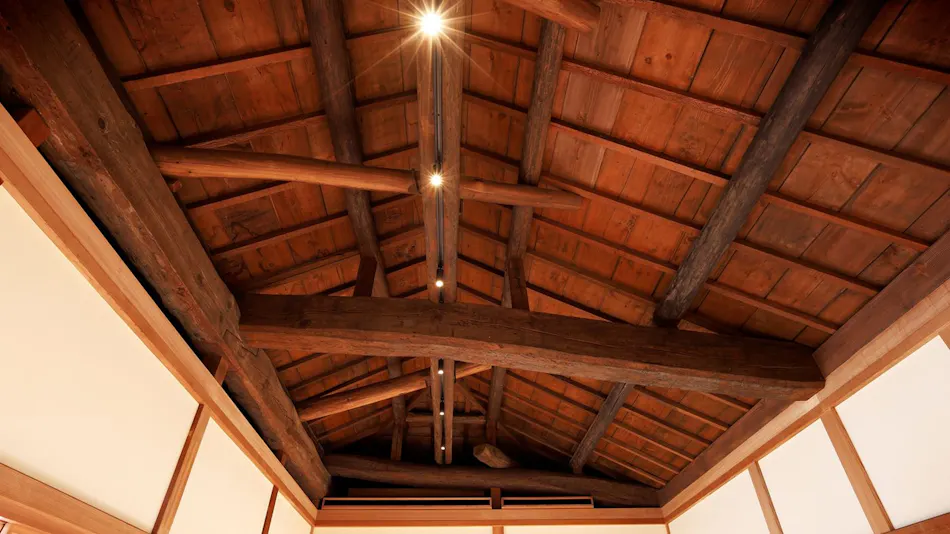
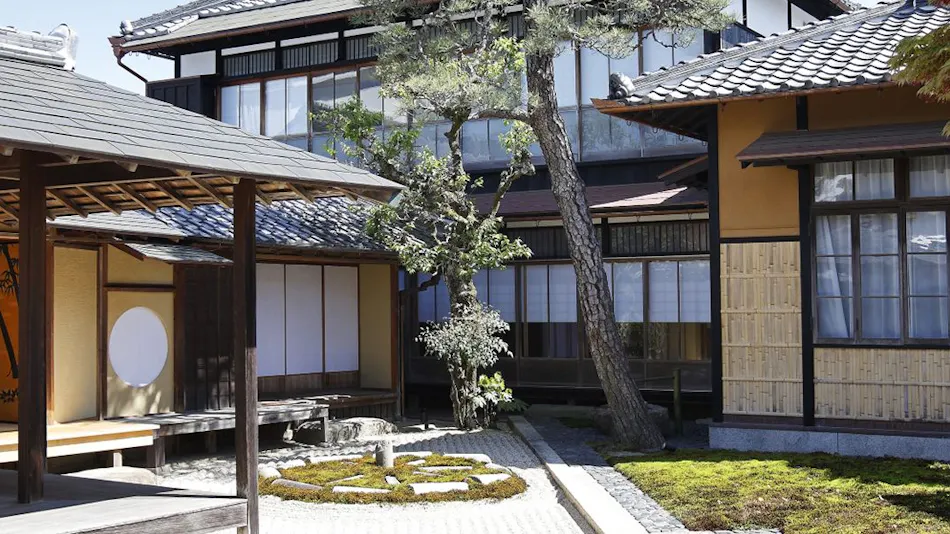
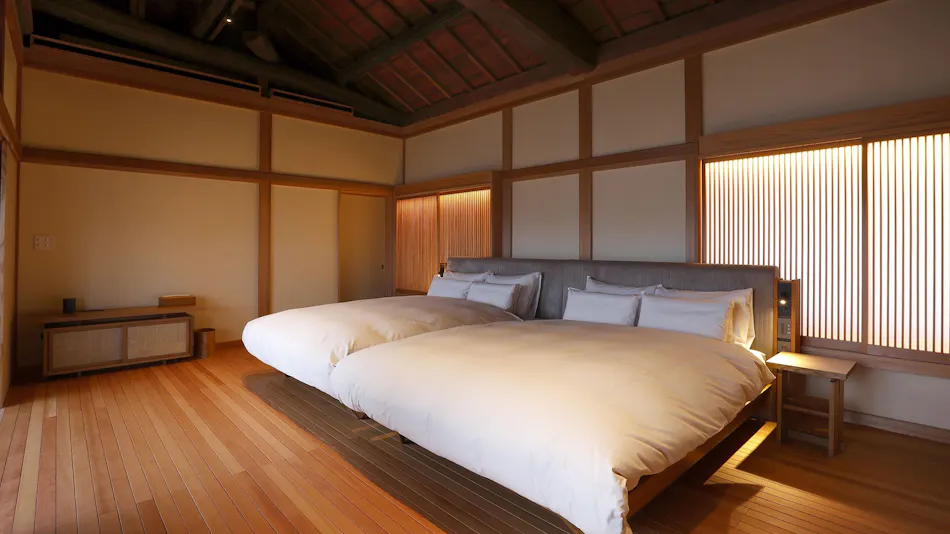
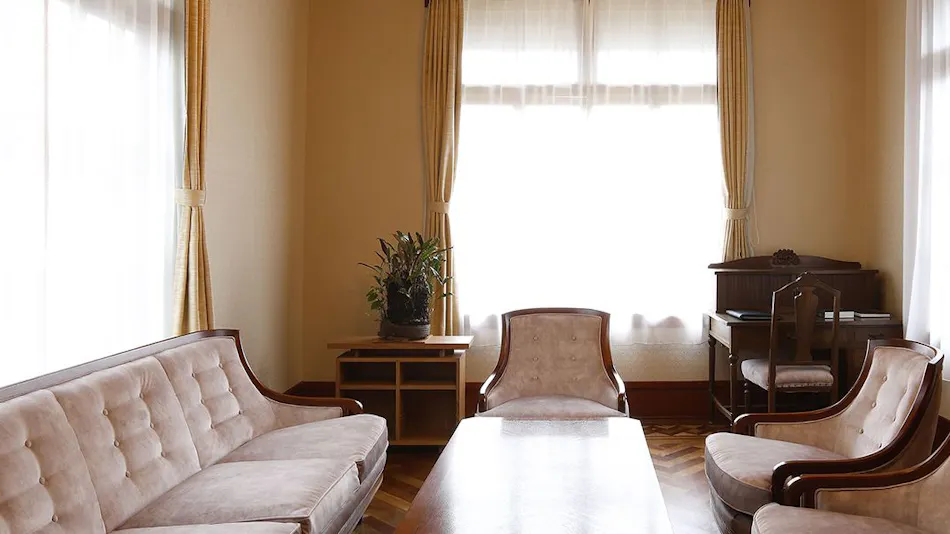
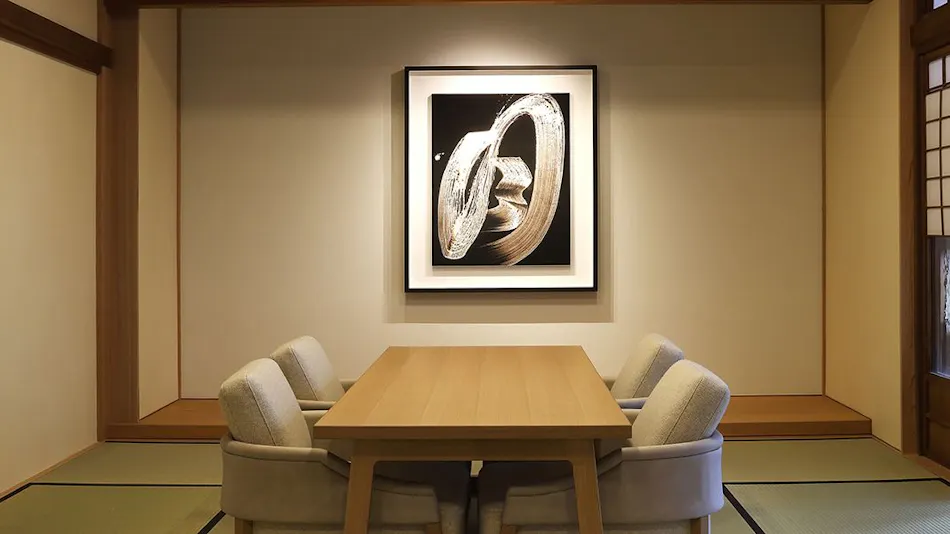
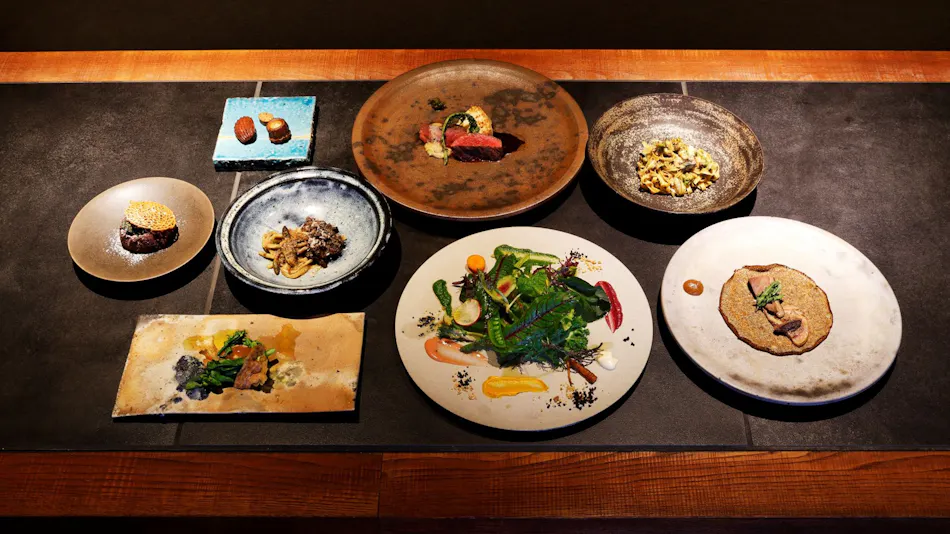
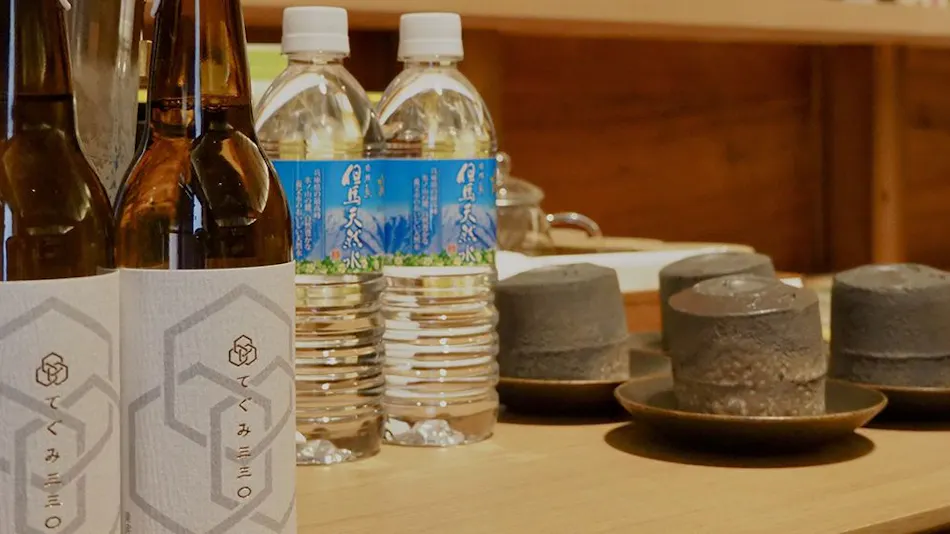
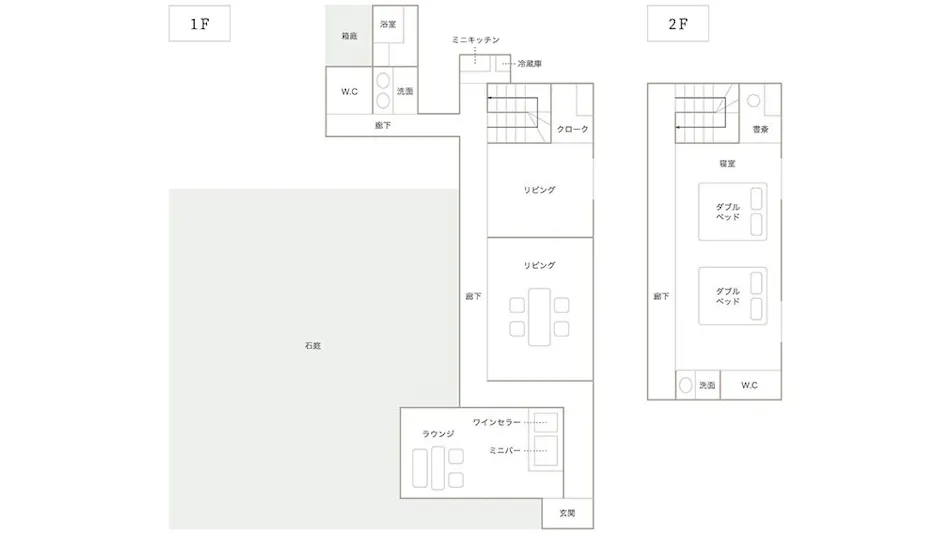
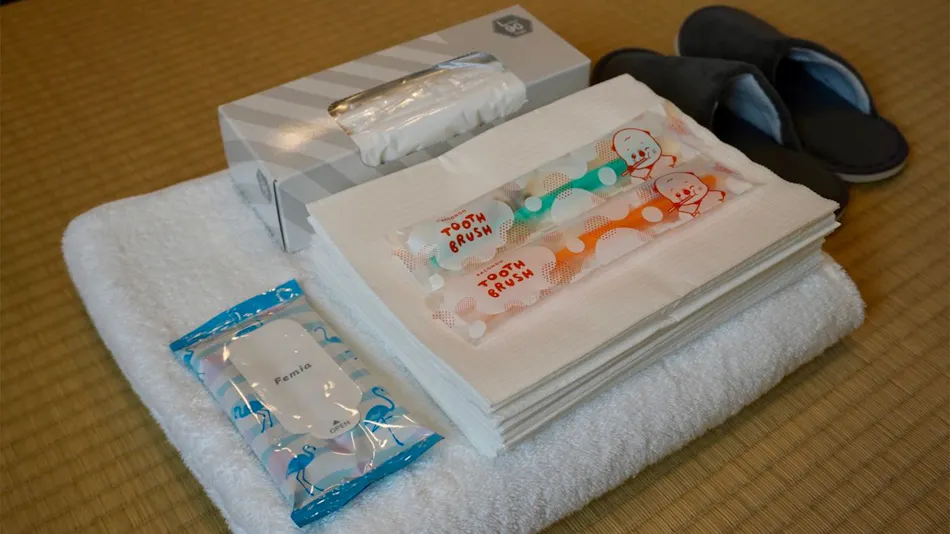
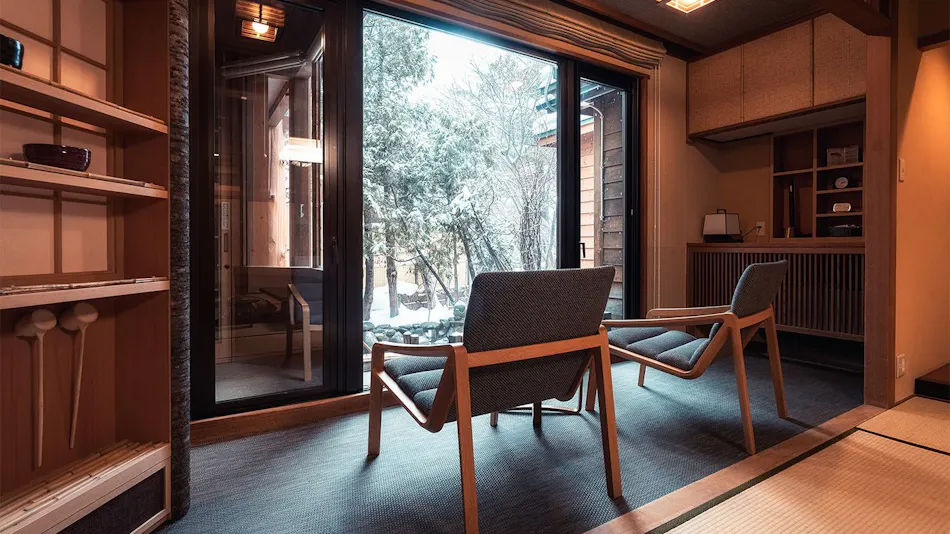
Mameya is a private rental Accommodation—an early Taisho-era nationally registered Tangible Cultural Property—renovated under the design of Shinsozai Kenkyujo. Surrounded by a landscape of stone garden and tiled roof, the space is filled with tranquility, and at night soft lights illuminate the garden. Reserve all four uniquely styled rooms and enjoy the original architectural details: a Western-style lounge that evokes the building’s early days, bedrooms with exposed beams, and views of the stone garden through yukimi shoji screens—an experience that feels like stepping back into the Taisho period. Spend a soothing moment at Mameya, a special place where Tamba-Sasayama’s history, nature, and art resonate together.


Do nothing. Simply indulge in the luxury of immersing yourself in the abundant onsen waters. This is a different world, proud of its heritage since the Taisho era rather than excessive glamour. Shogawa Onsen Village "Torikoshi no Yado Sanrakuen." In the past, it was famously known as "Torikoshi no Yu," where birds flying between Hida and Etchu rested their weary wings. Loved by many connoisseurs. You may return with an empty heart or with dreams expanded.
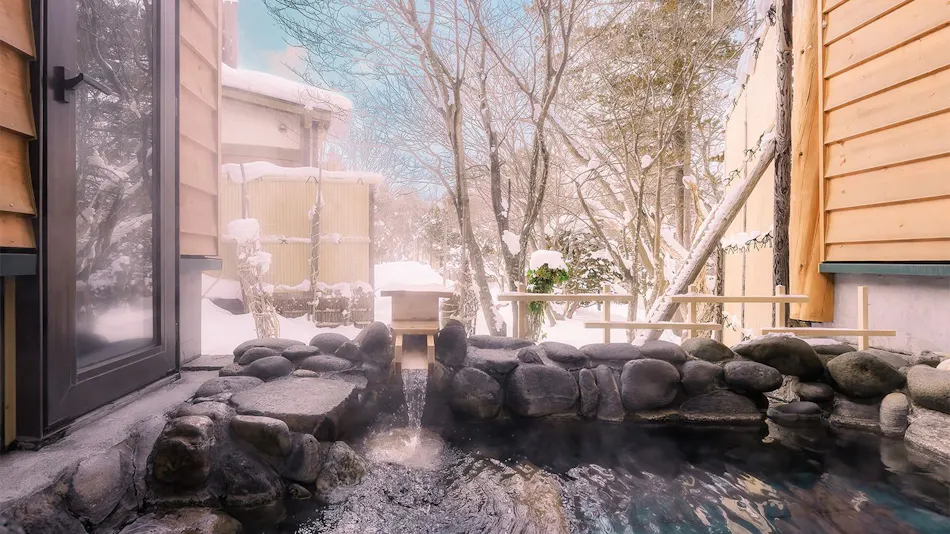
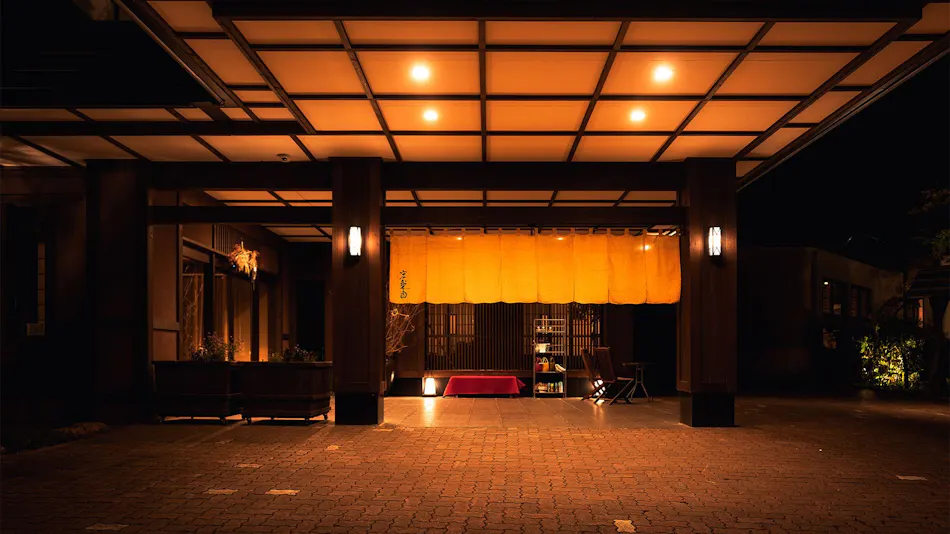
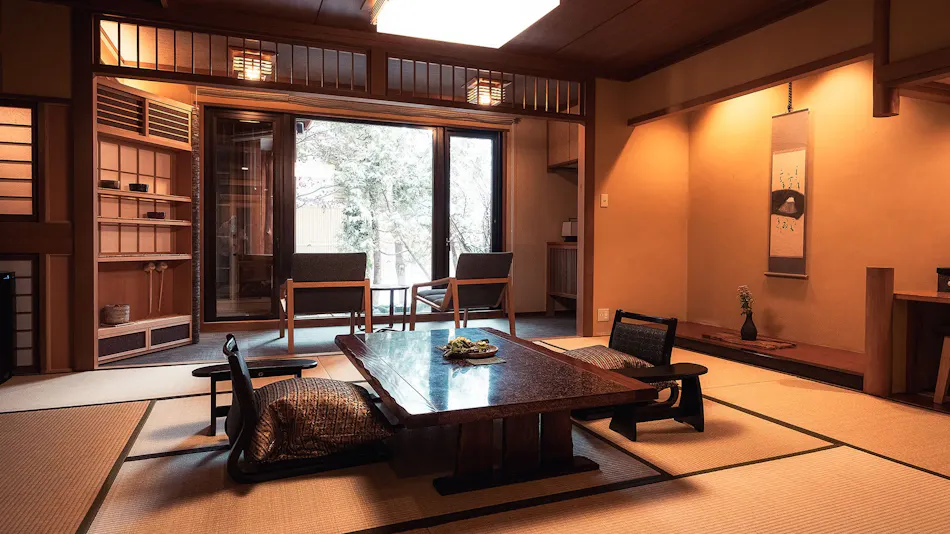
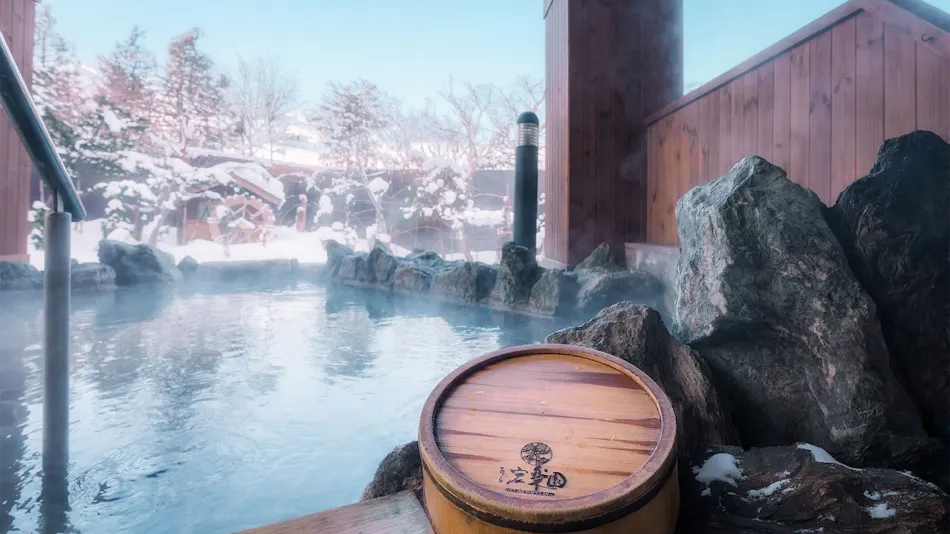
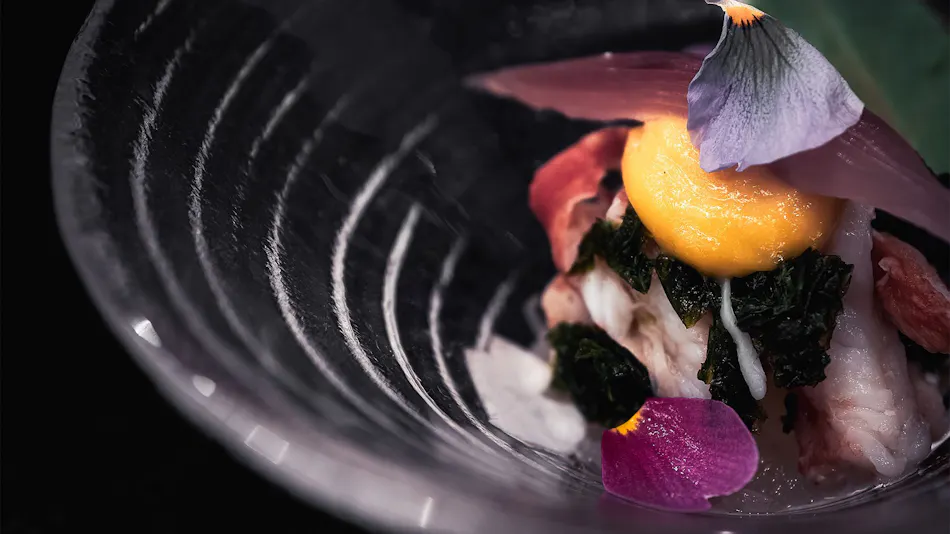
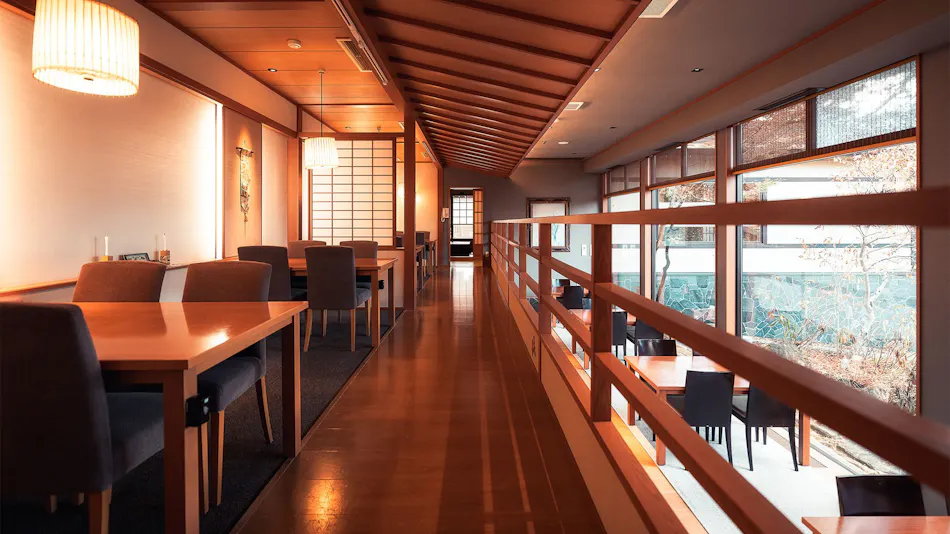
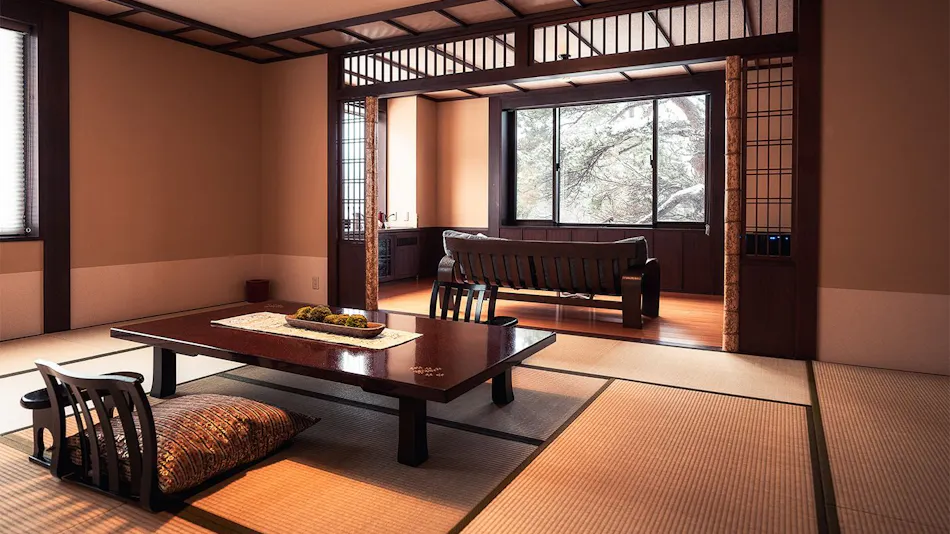
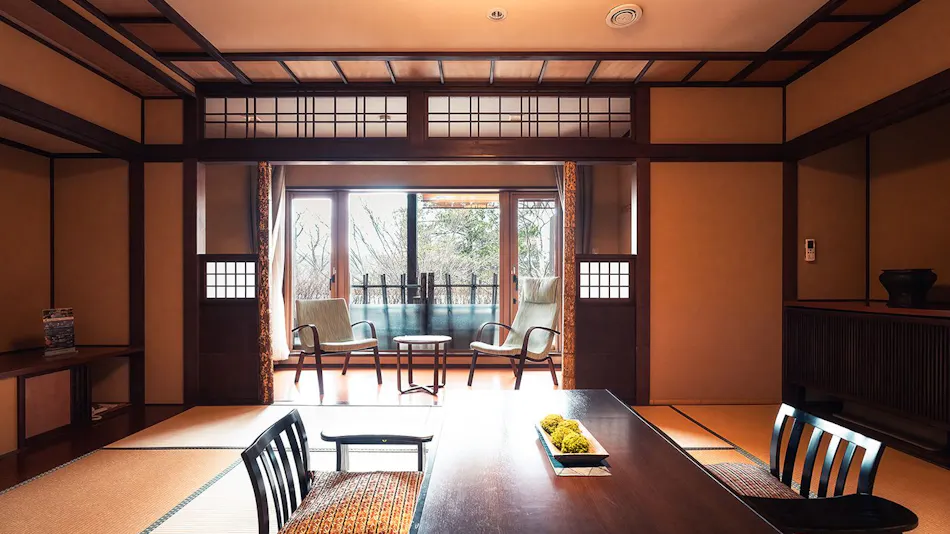
Our 8,000-tsubo garden, begun by my great-grandfather in the early Showa era, is surrounded by trees over 100 years old and is a celebrated spot in Otaru, with 200 cherry trees in full bloom in early May. From late May through June, wisteria trellises and azaleas follow, and in summer you can enjoy viburnum snowballs, hydrangeas, and carefully tended roses. I especially love the autumn foliage in late October, and the deep winter snow that transforms everything into a pure white landscape is equally refreshing for the soul.
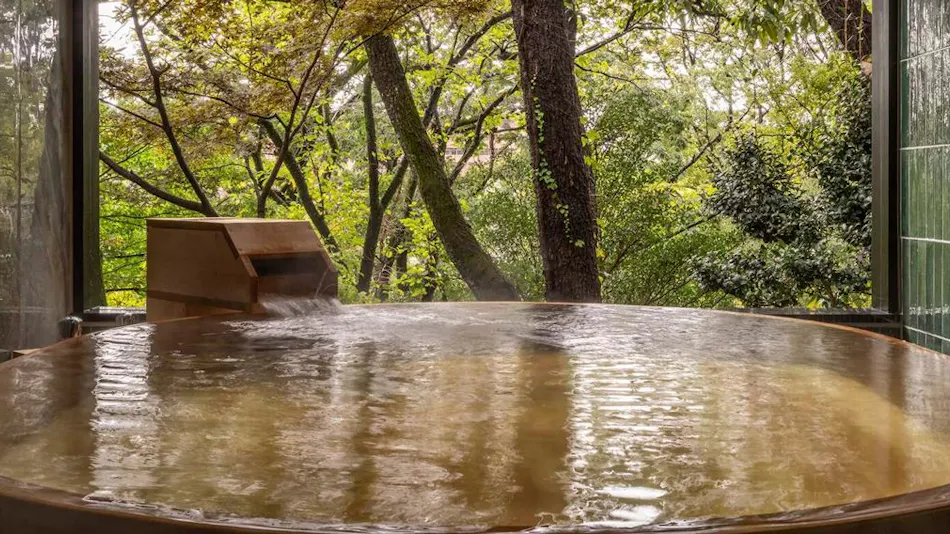
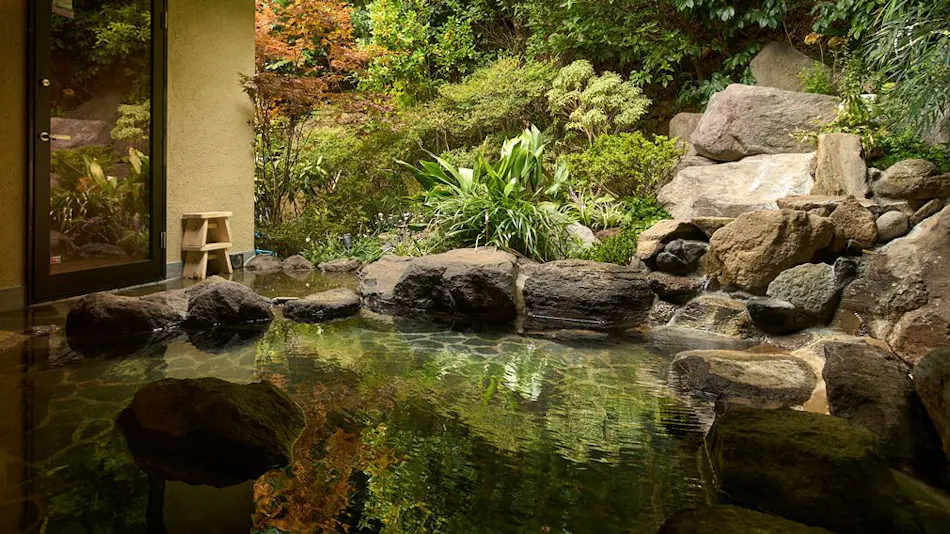

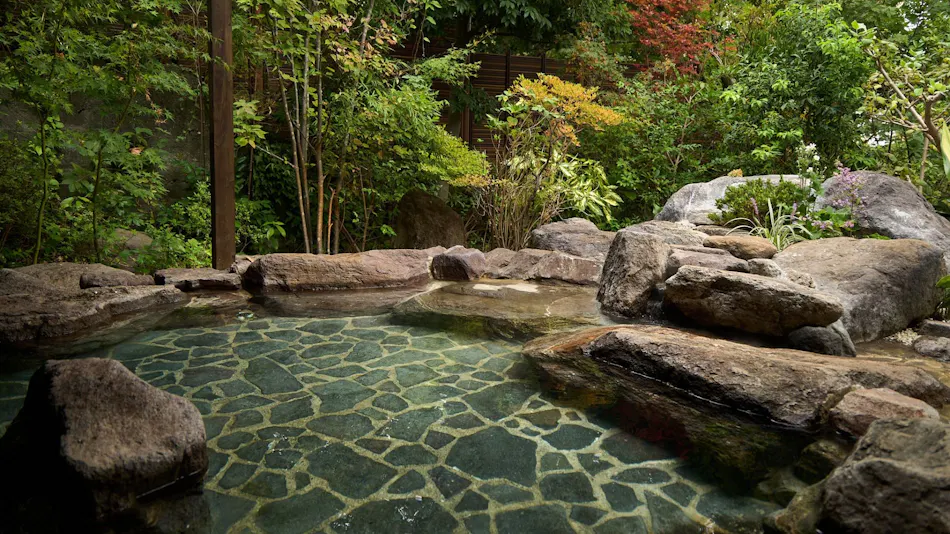

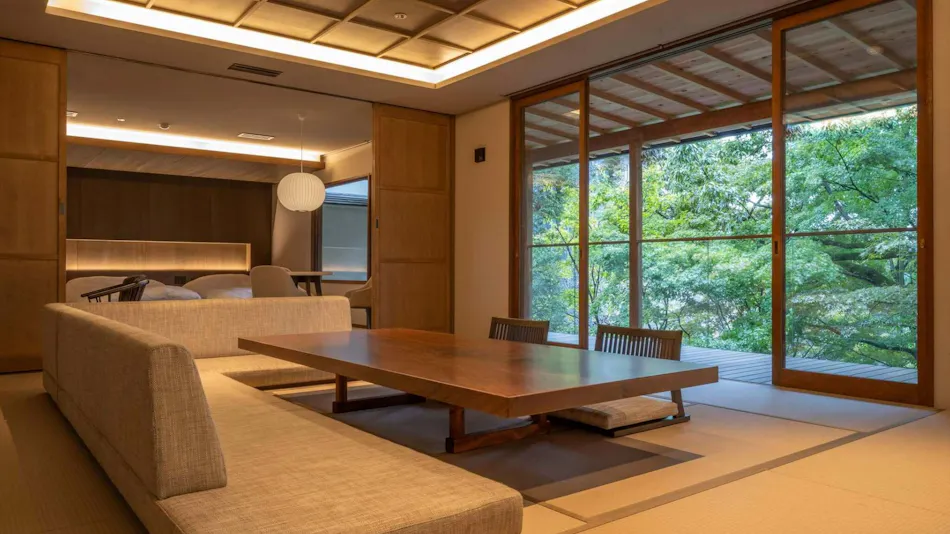

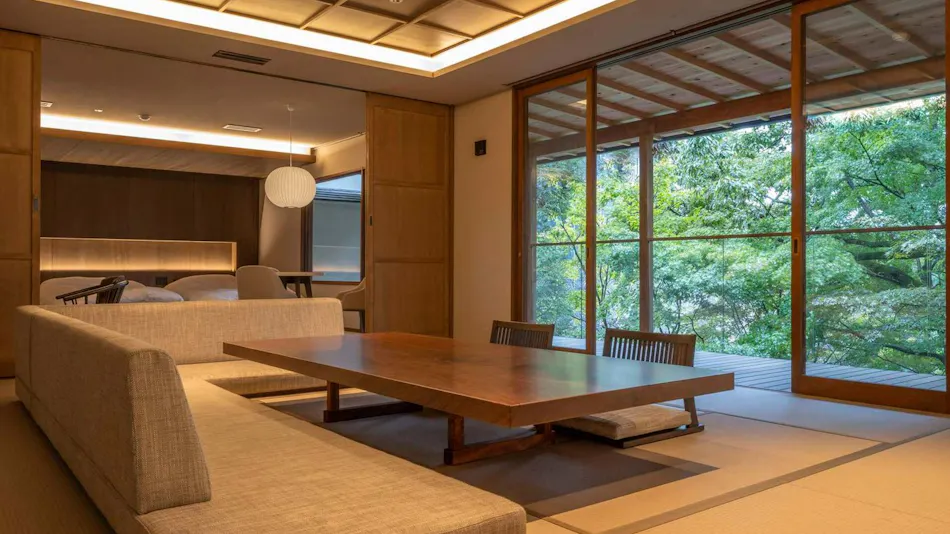
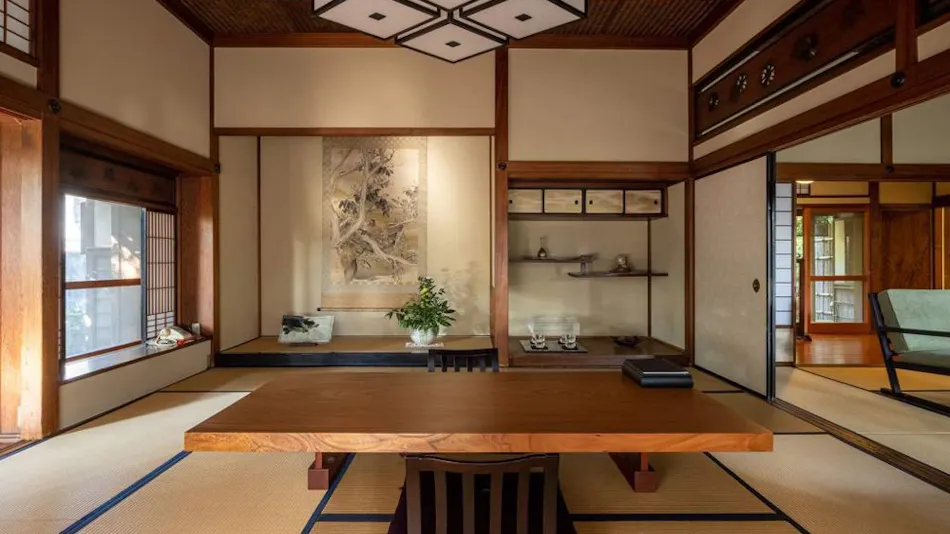
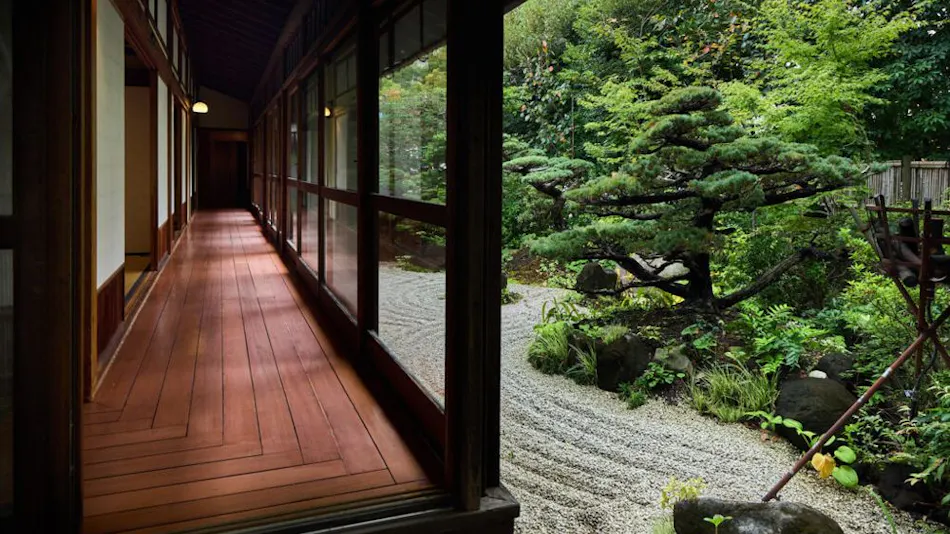
A long-established Ryokan in Tsurumaki Onsen, Kanagawa—Motoyu Jinya. All 16 Rooms feature private open-air baths, each with its own unique design. Enjoy kaiseki cuisine crafted from carefully selected seasonal ingredients. Take in the garden’s ever-changing scenery throughout the year—cherry blossoms in full bloom in spring and vivid autumn foliage, among other seasonal highlights. The hot spring waters of Tsurumaki, rising from deep beneath the Tanzawa mountain range, are renowned as one of the world’s leading calcium-rich Onsen. Just a 5-minute walk from Tsurumaki-Onsen Station, conveniently located between Tokyo and Hakone. This Ryokan is also famous as a venue for title matches in professional shogi. Ideal for anniversaries, families with babies or children, and multi-generational trips alike. Experience an extraordinary retreat where you can unwind in peaceful tranquility.


Inspired by the Taisho Roman concept, "Hirugami no Sumika Genchiku" blends tradition and modernity. Stepping into the property, you enter a different world. Everything you see evokes nostalgia and excitement. Guided to your room, you relax in the spacious area, listening to the sound of water from somewhere, experiencing moments of bliss unique to this place.


"Kinokawa Onsen Registered Tangible Cultural Property Inn Mikiyama" is a Japanese Ryokan with a 300-year history, located in the heart of the nostalgic Japanese Onsen town, Kinokawa Onsen. Renowned author Naoya Shiga made this Property his regular stay, where his famous short story "At Kinosaki" was born. The wooden architecture, built in 1927 and recognized as a Registered Tangible Cultural Property of Japan, along with a 300-tsubo Japanese garden, retains its charm. In November 2013, the Property underwent a major renovation of its lobby, dining area, and large public bath, transforming into a modern Japanese Ryokan that blends history with contemporary design.From the Room's veranda, guests can enjoy the changing seasons in the garden, or lose themselves in a book in the library. After changing into a yukata, take a leisurely stroll to explore the local Onsen baths, and then savor the delights of the Sea of Japan paired with local sake in the modern dining area. This is where the true pleasures of an Onsen Ryokan, fulfilling your intellectual curiosity, await.


Wami no Yado Kakujoro is a long-established Property founded in 1925, located at the tip of the Atsumi Peninsula. The main building, Kakujoro, and the annex, Izutsuro, are designated as Registered Tangible Cultural Properties of Japan, preserving their serene and nostalgic appearance. In June 2005, the newly constructed annexes "Unjoro" and "Suijoro," featuring rooms with open-air baths, were introduced, blending modern aesthetics with traditional charm to provide a comfortable and relaxing stay. For dining, guests can enjoy kaiseki cuisine prepared with fresh, seasonal seafood sourced from the Atsumi Peninsula area. Our specialty winter dish, the fugu kaiseki, allows you to savor the full flavor of natural tiger pufferfish, a luxurious delicacy. As a Property that offers a harmonious blend of tradition and modernity, along with exquisite culinary experiences, we would be delighted if you find joy and satisfaction during your stay.


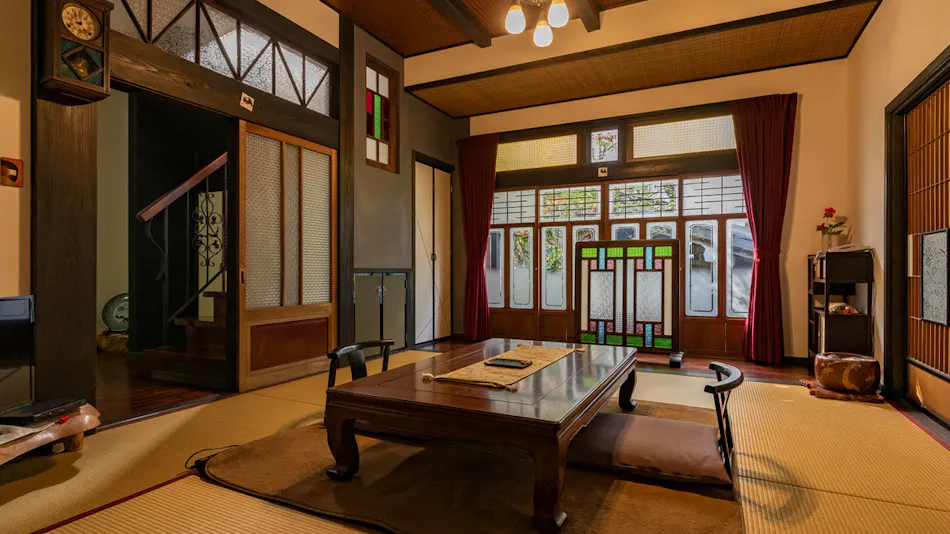
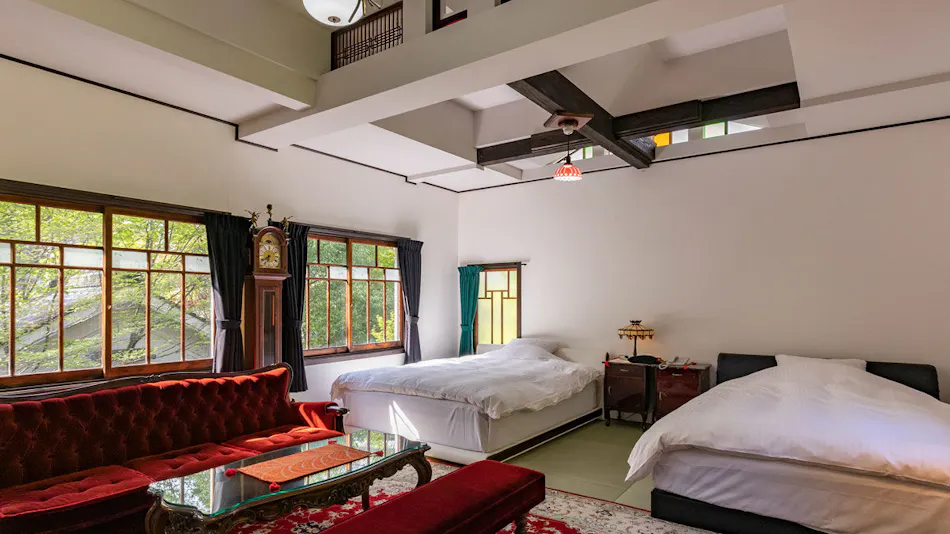
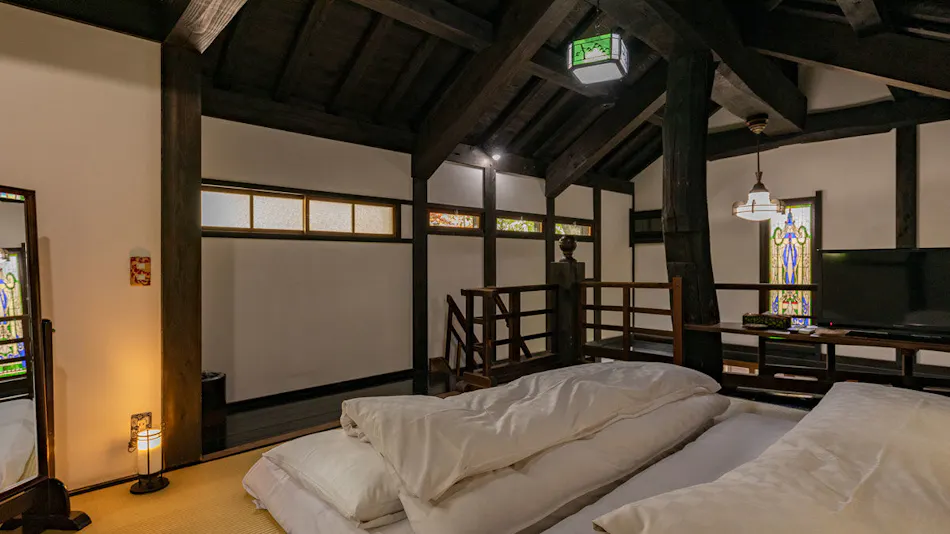
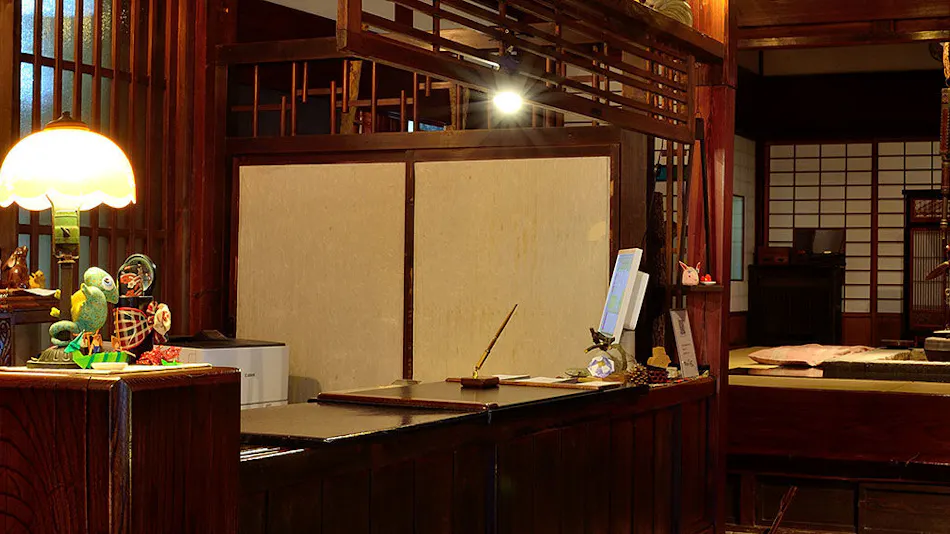


Located in Hita, the Little Kyoto of Kyushu, Oita, Hita Onsen is a historic hot spring area. The Ryokan Kayausagi is situated in Hita Onsen Kotohira. Enjoy the magnificent nature of Oita and Hita and the tranquility created by Kayausagi to the fullest.
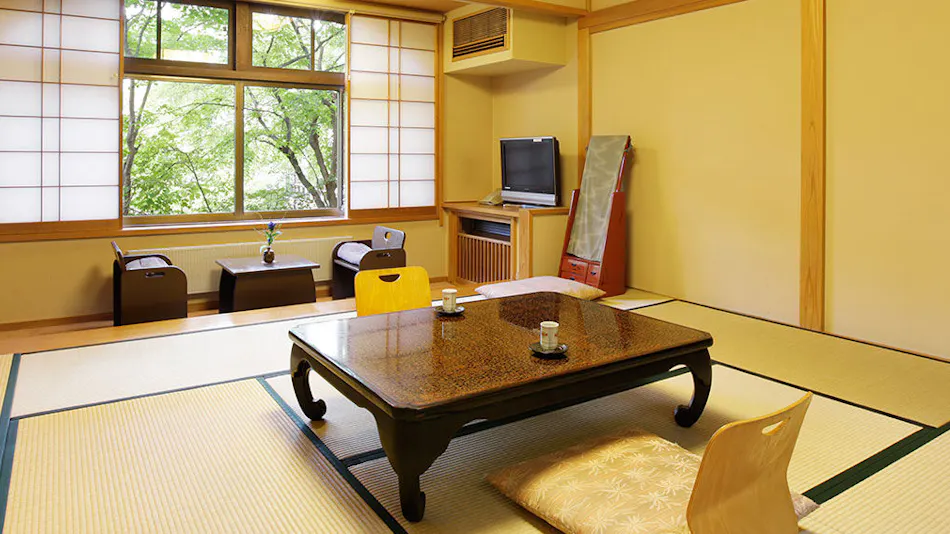
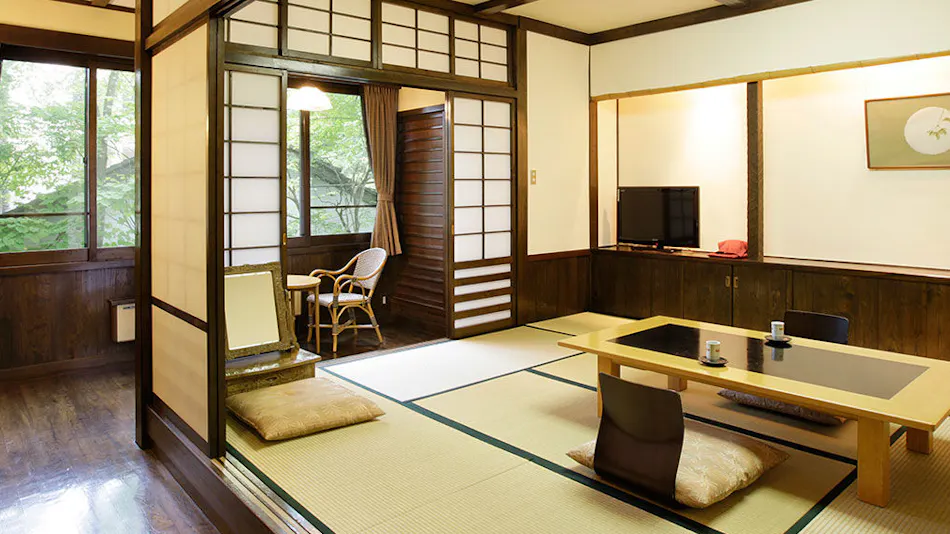
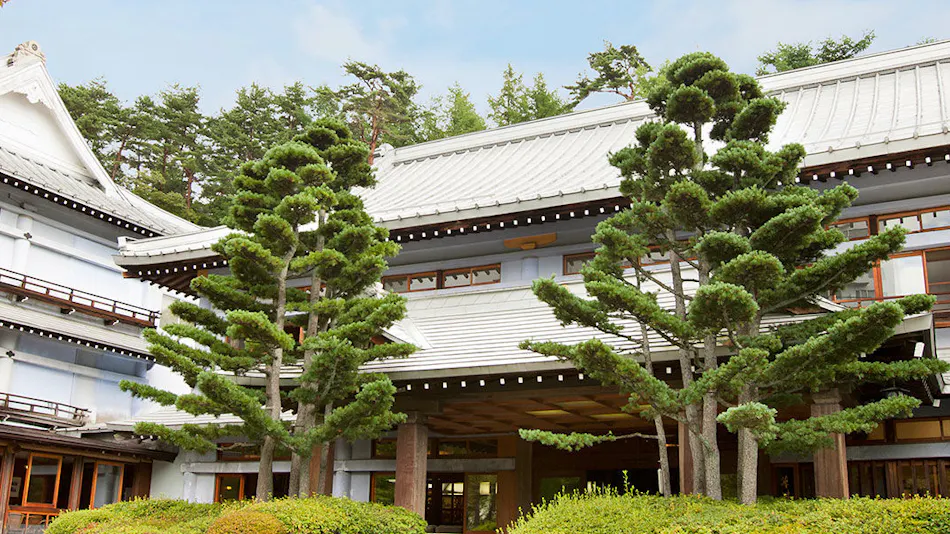
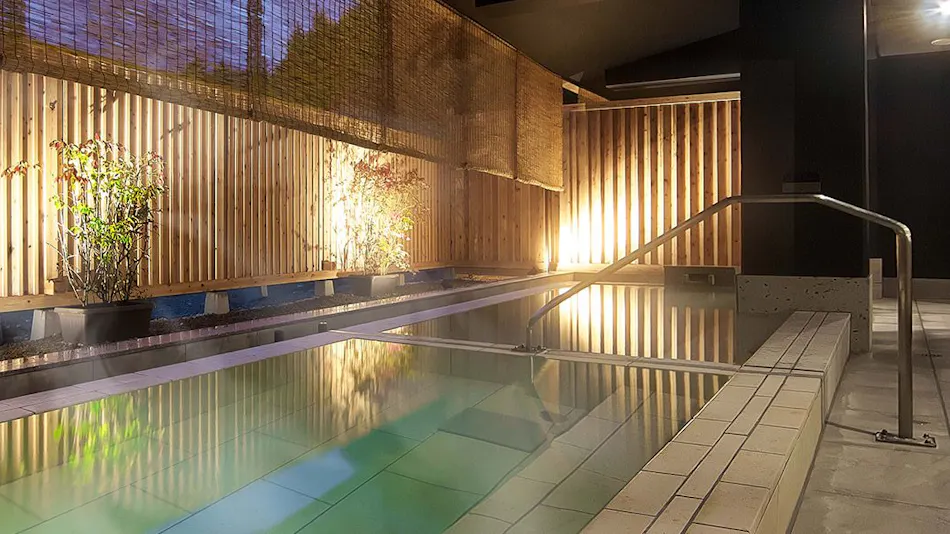
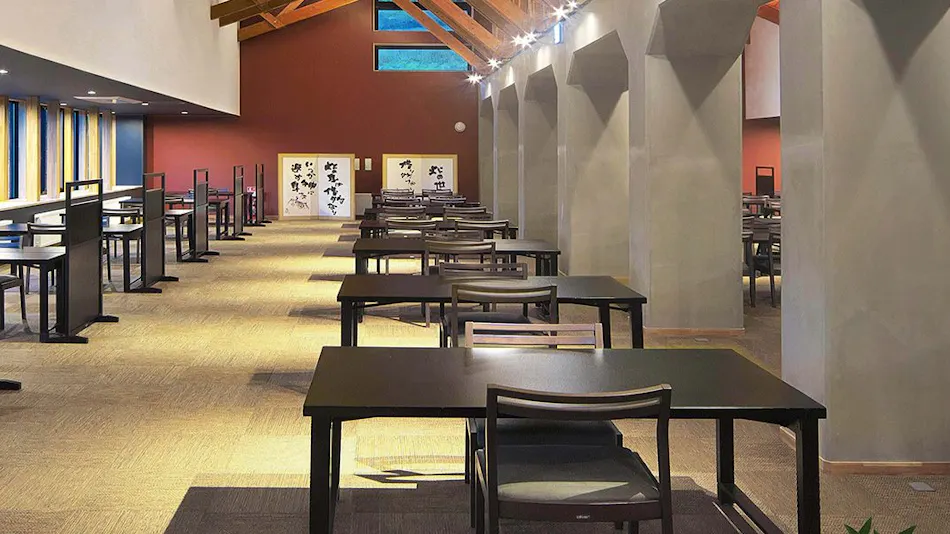
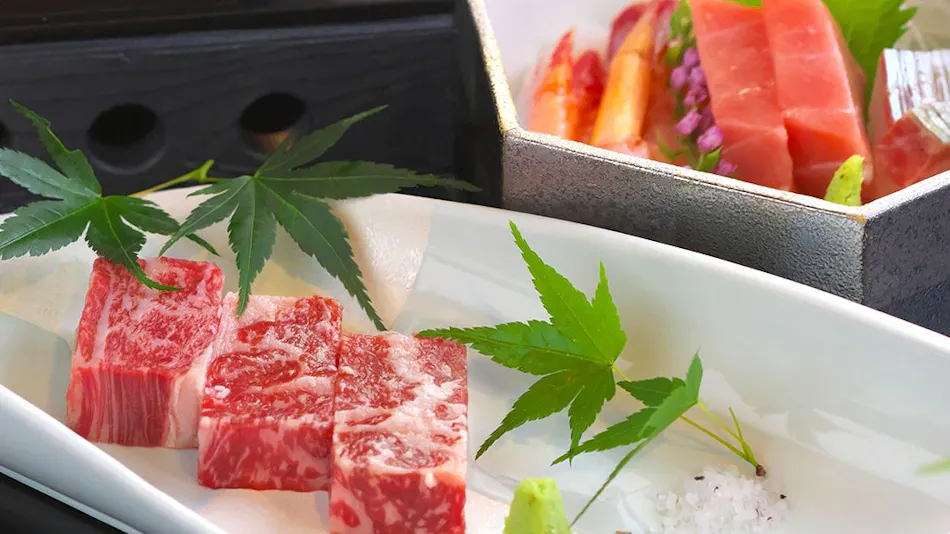
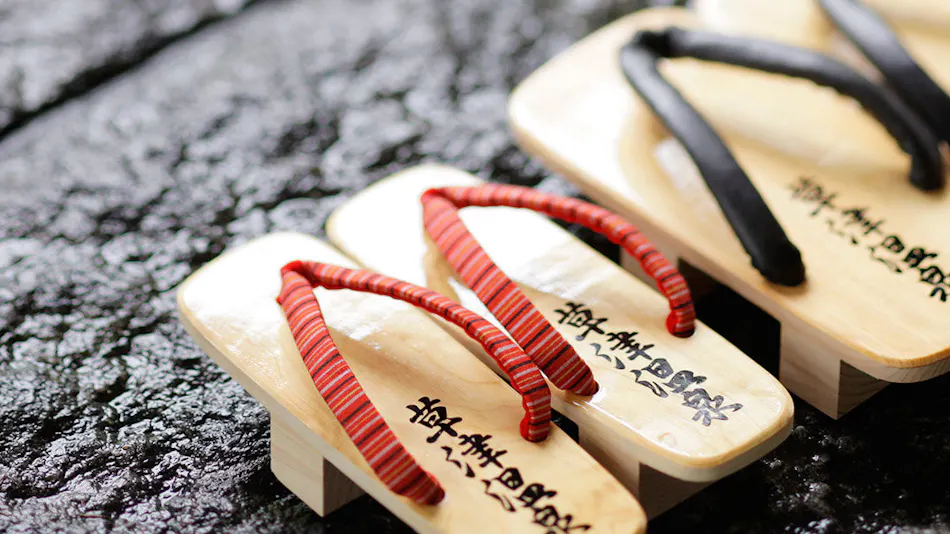
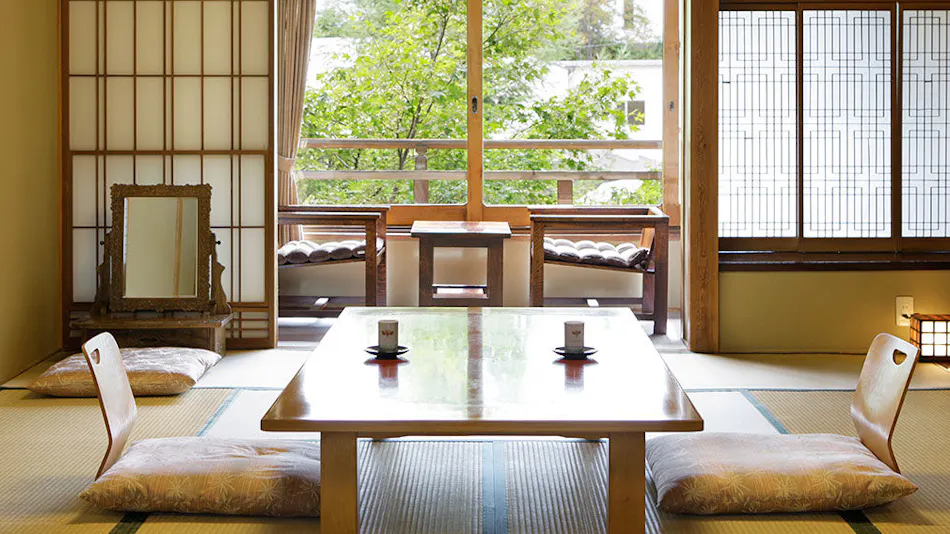
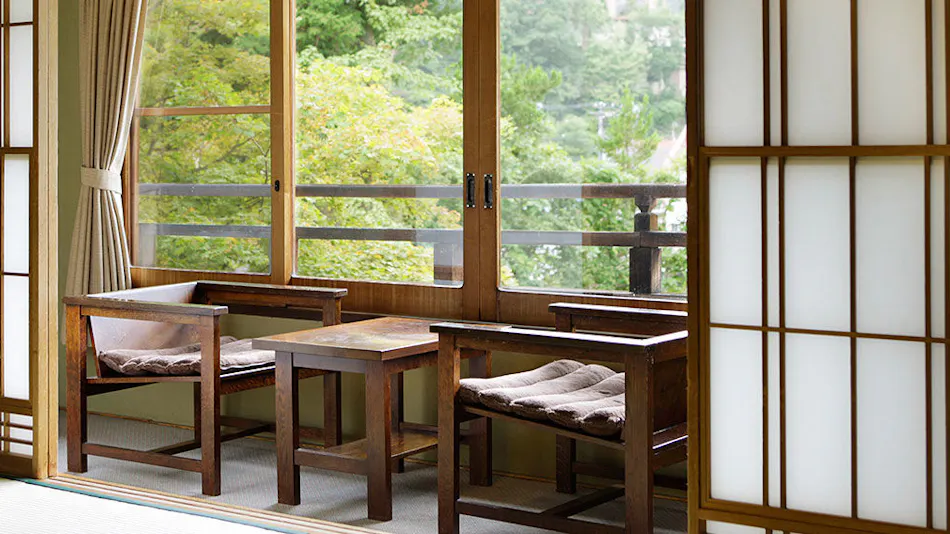
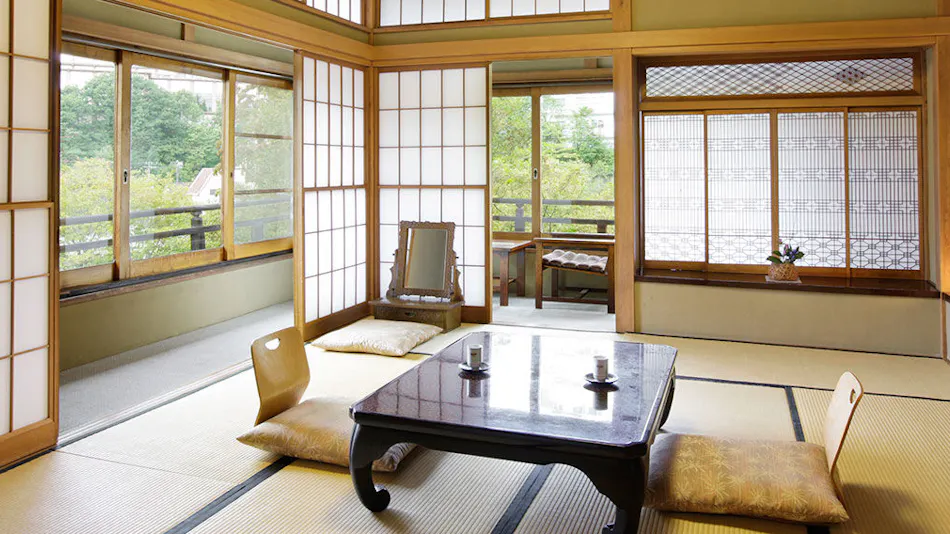
Kusatsu Hotel was established during the Taisho era as a Western-style "Hotel." During the Meiji period, Dr. Bertz, a German medical scientist, praised Kusatsu Onsen, attracting many foreign visitors to Kusatsu. Later, around Showa 27, the hotel was renovated into the current traditional Japanese-style Ryokan, but the name "Hotel" remained. The charm and spirit of hospitality from the Taisho era have been preserved to this day.

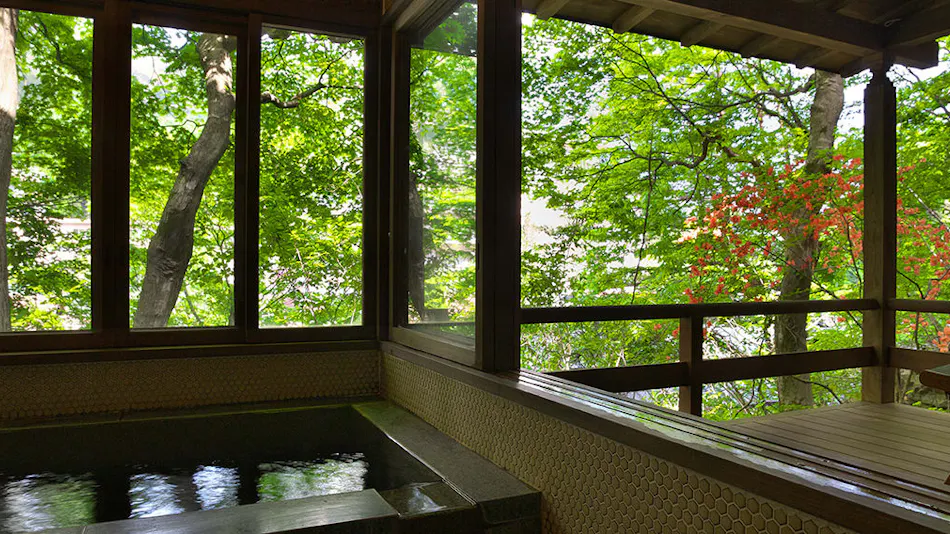
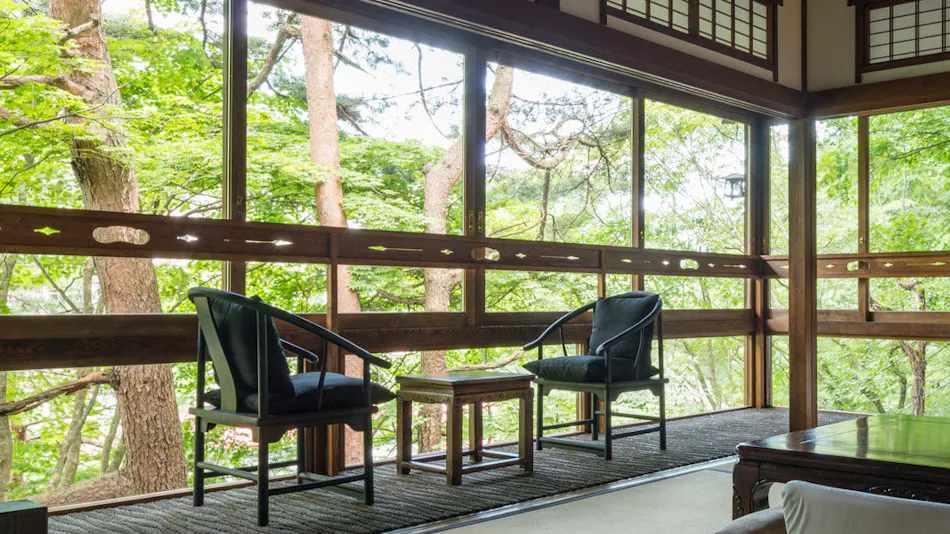
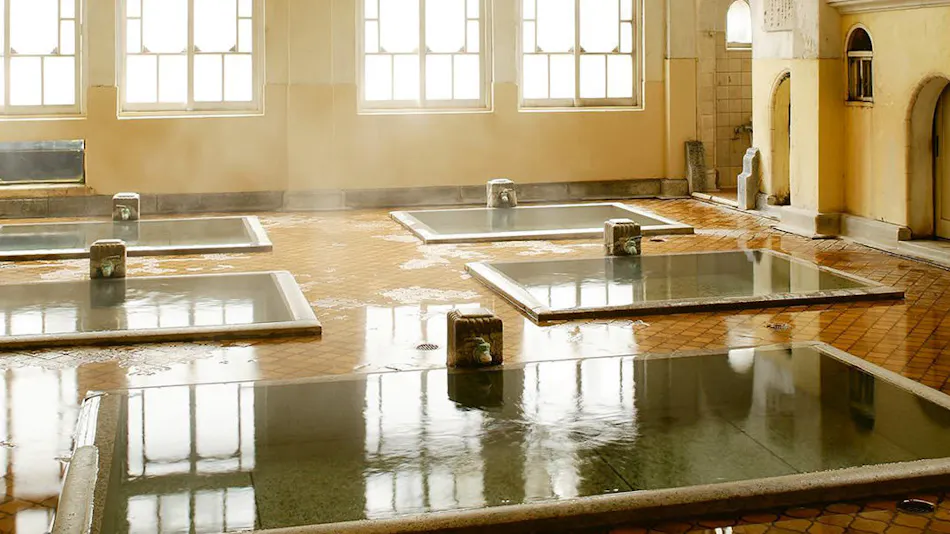
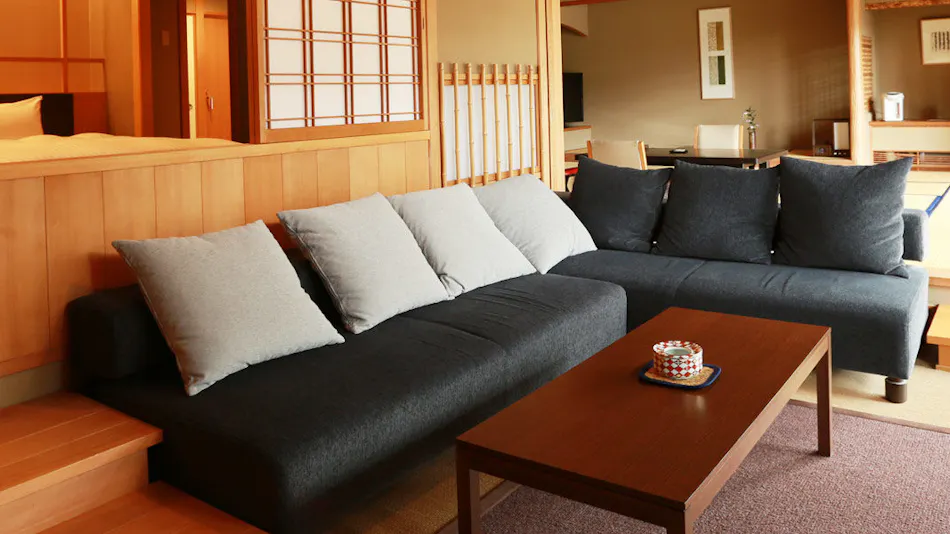
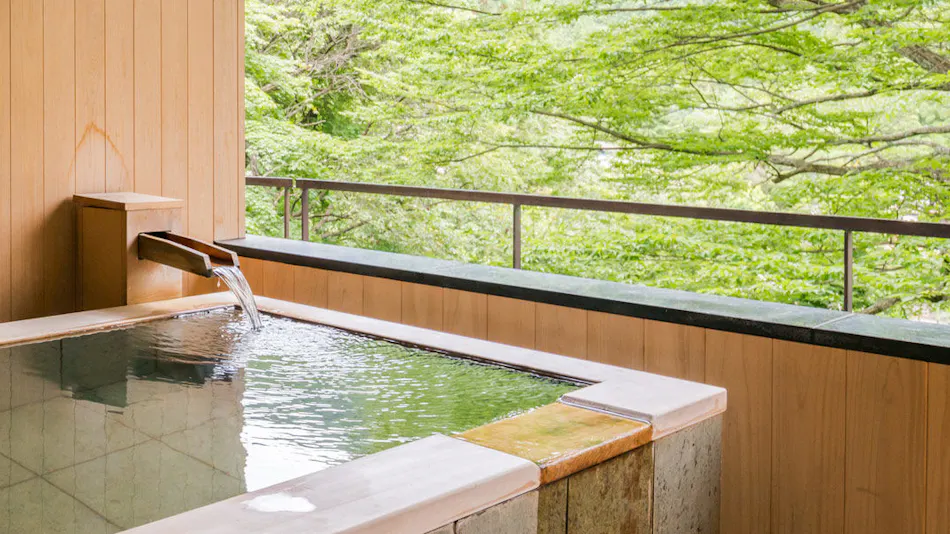
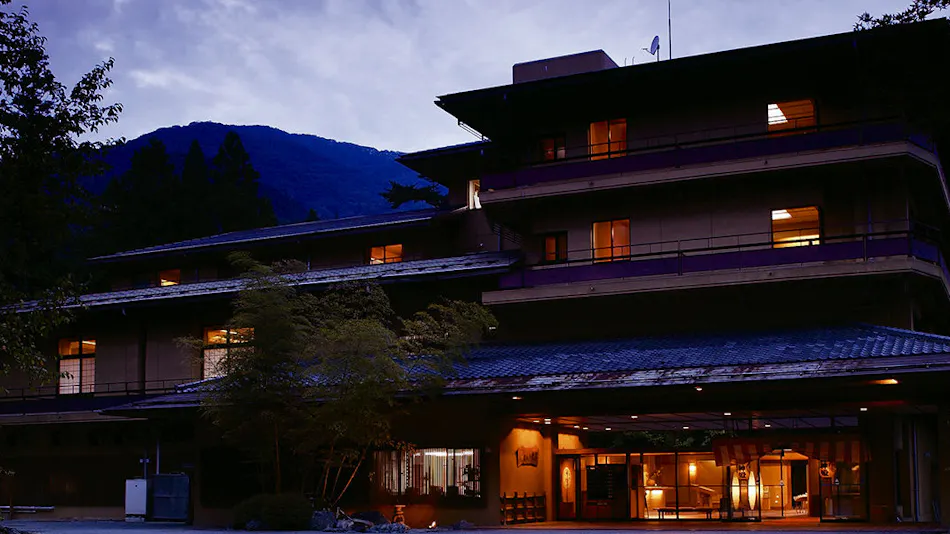
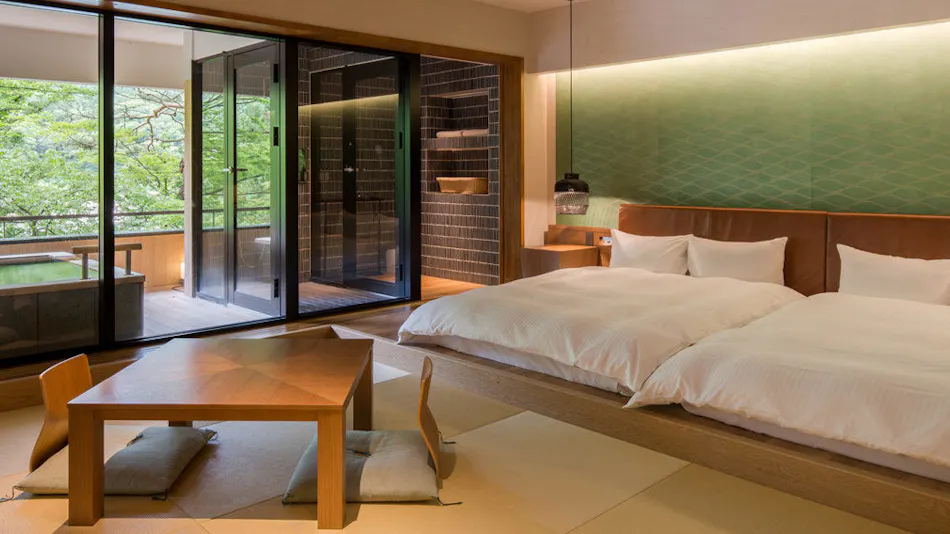


Since its establishment in Genroku 7 (1694), "Sekizenkan" has welcomed guests for over 300 years, with a constant flow of visitors seeking Onsen therapy. The Property features three distinct buildings: the "Main Building," known as the oldest Onsen inn architecture in Japan, where the culture of Onsen therapy still thrives; the "Sansou," designated as a Registered Tangible Cultural Property of Japan for its excellent design and architectural techniques in the Momoyama style; and the "Kashoutei," located at the highest point in Shima Onsen, surrounded by the tranquility of ancient pine trees. At Sansou and Kashoutei, guests can savor exquisite kaiseki cuisine prepared by the head chef. Enjoy a variety of Onsen experiences, including the retro-modern "Genroku no Yu" and the seasonal "Mori no Yu."
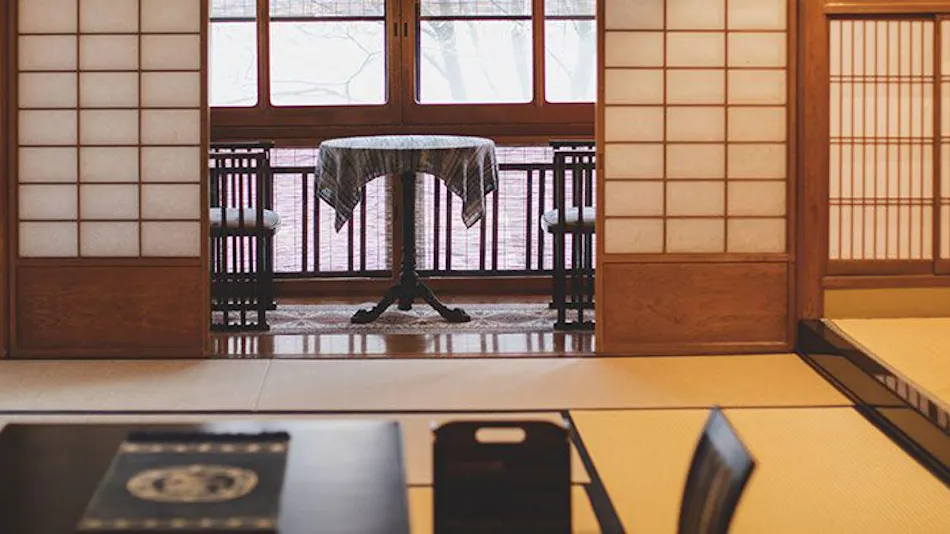
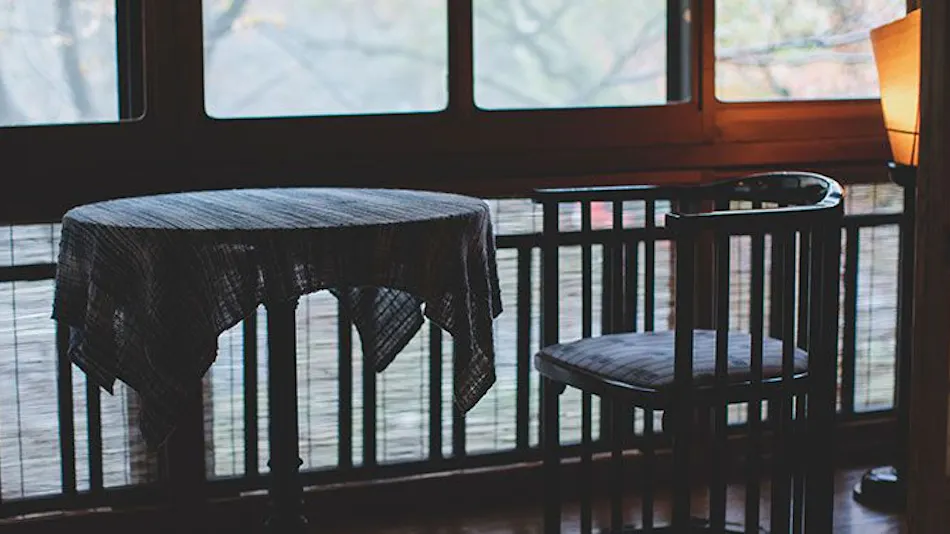
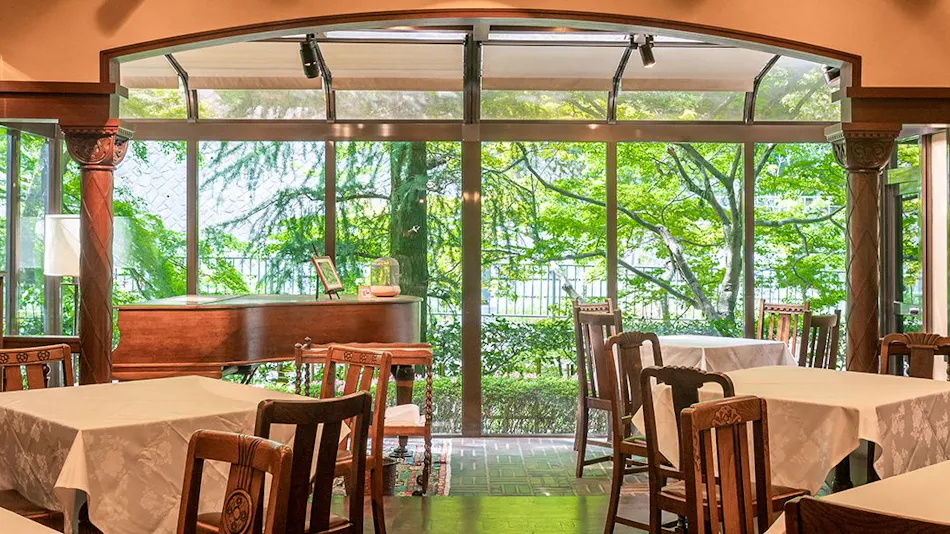
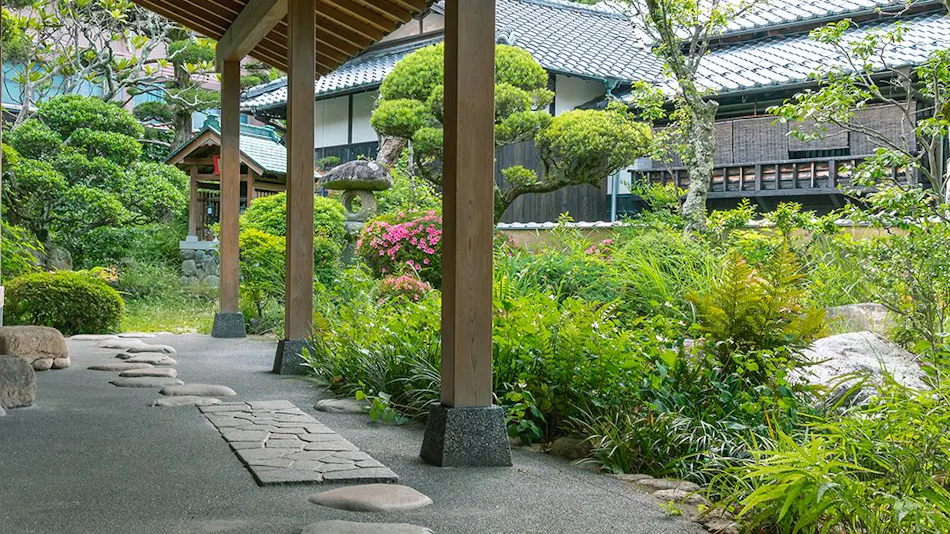
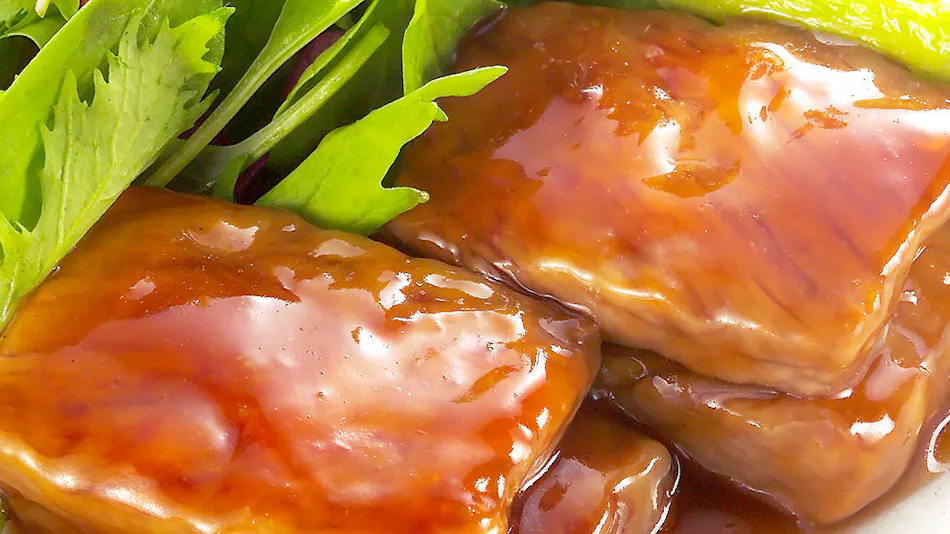
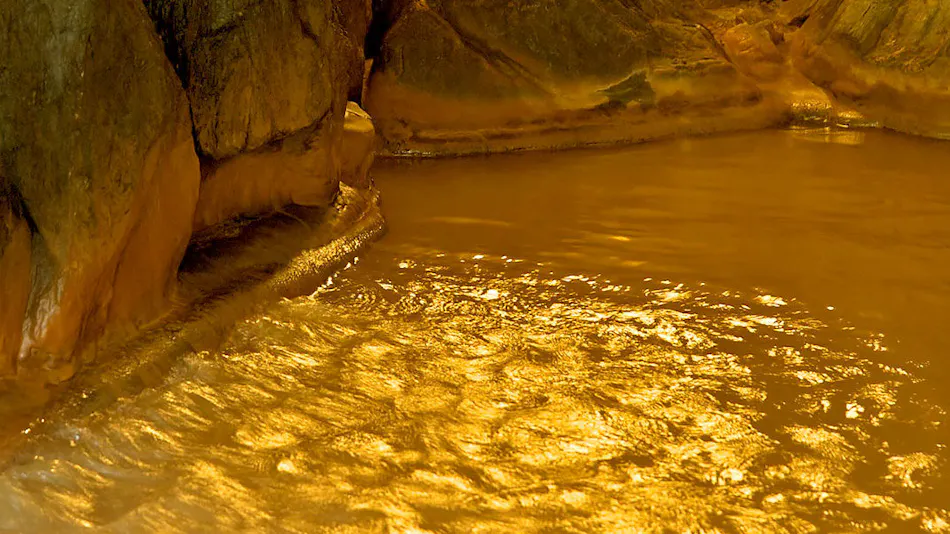
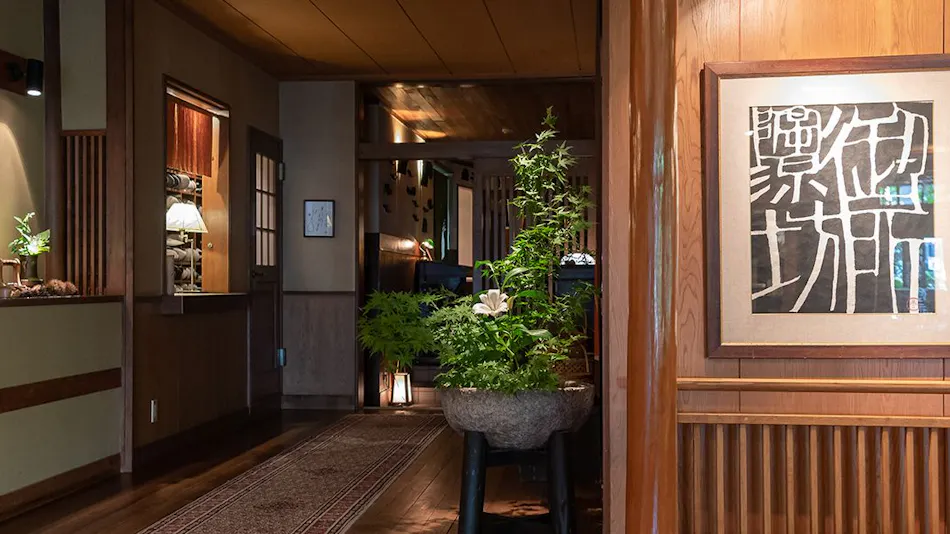
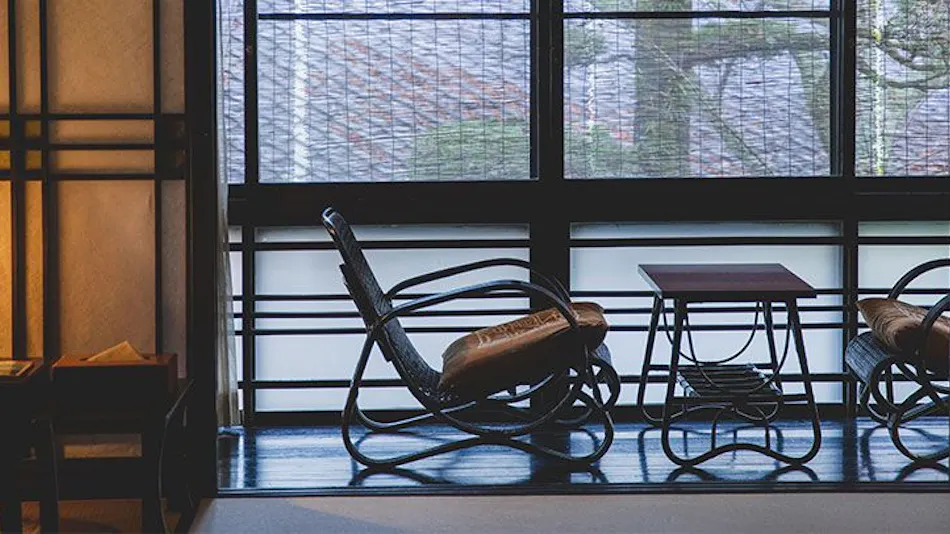
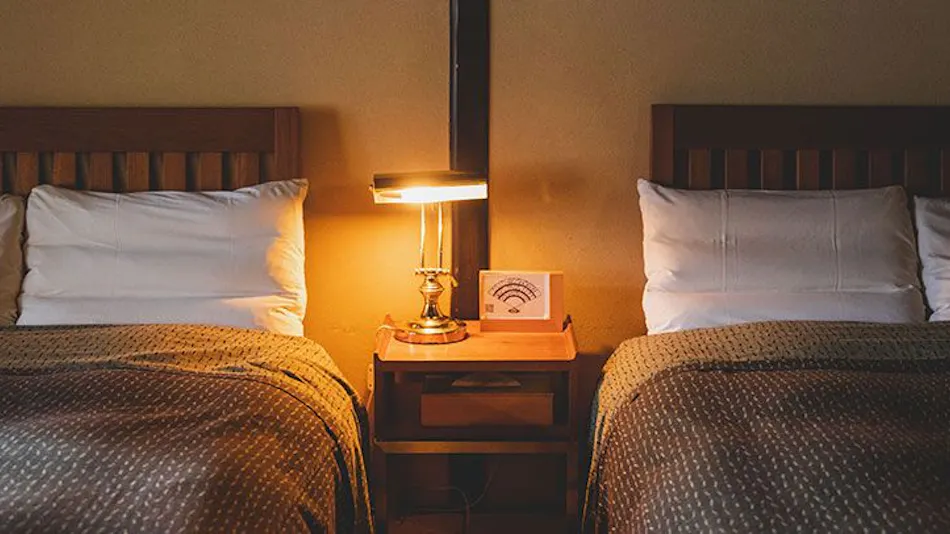
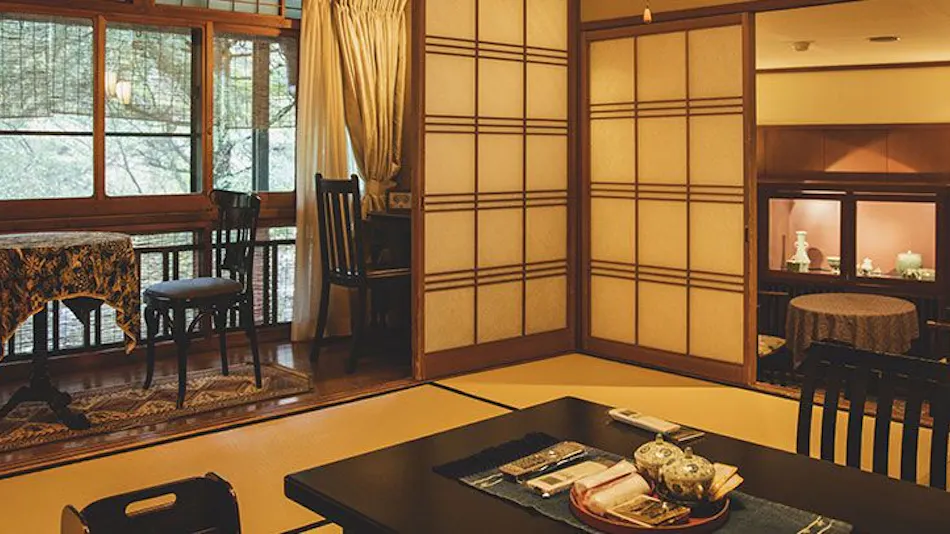
The oldest Accommodation in Arima Onsen. Its name preserves the history of Ashikaga Yoshimitsu’s stay, and its location bears traces of Hideyoshi’s fondness for Arima. Inside, once frequented by Junichiro Tanizaki, you’ll find the subtle beauty of light and shadow he admired, along with a curious atmosphere that evokes Kobe’s distinctive international flair.
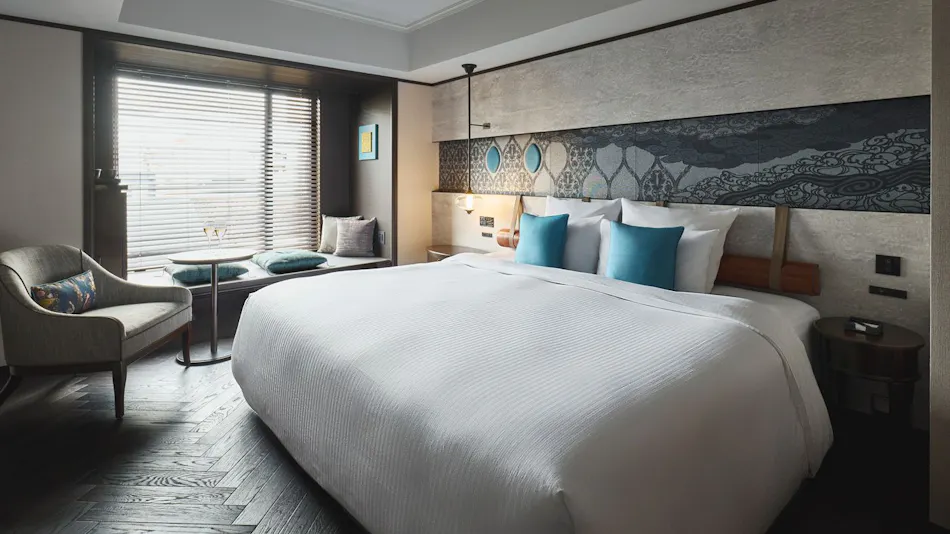
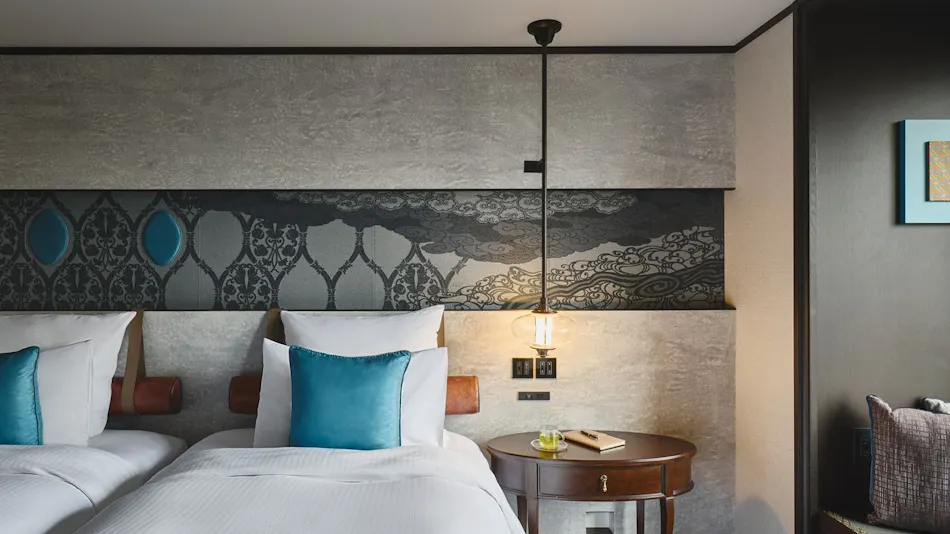
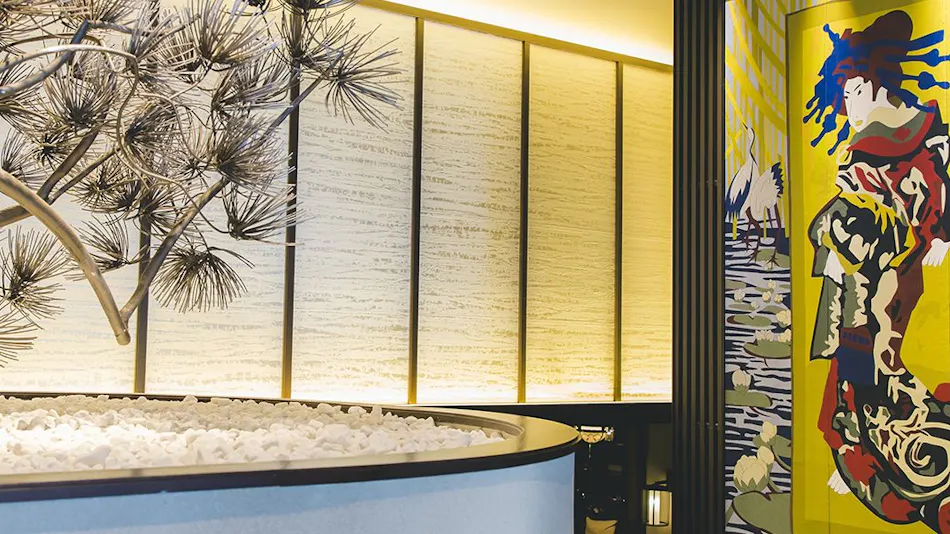

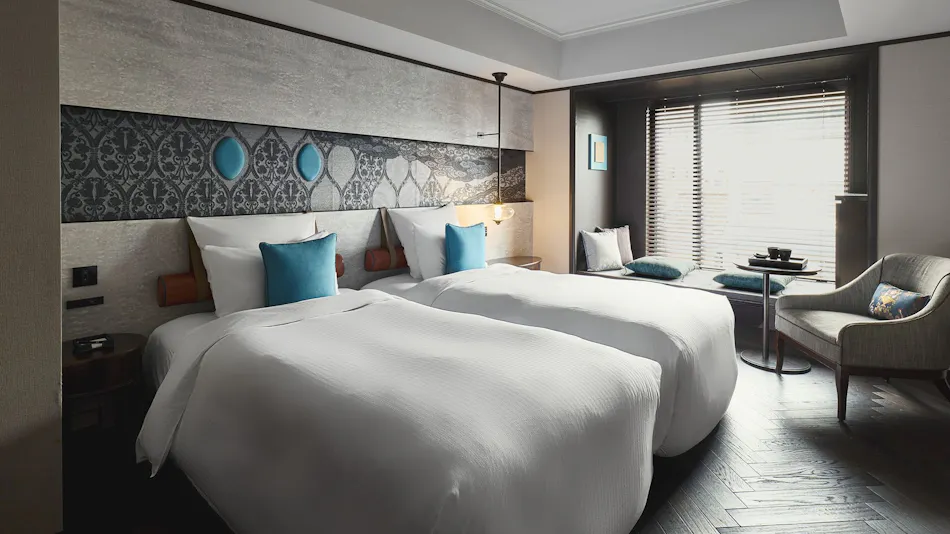
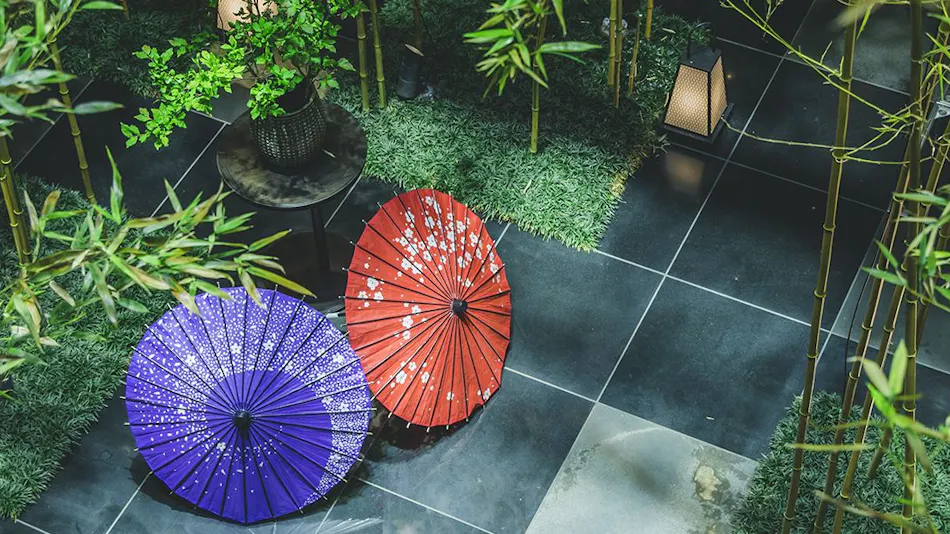
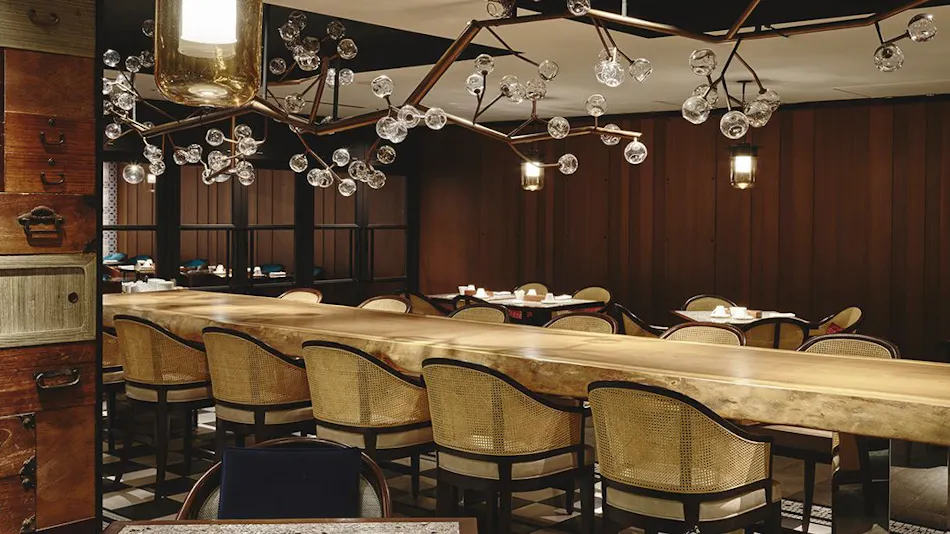
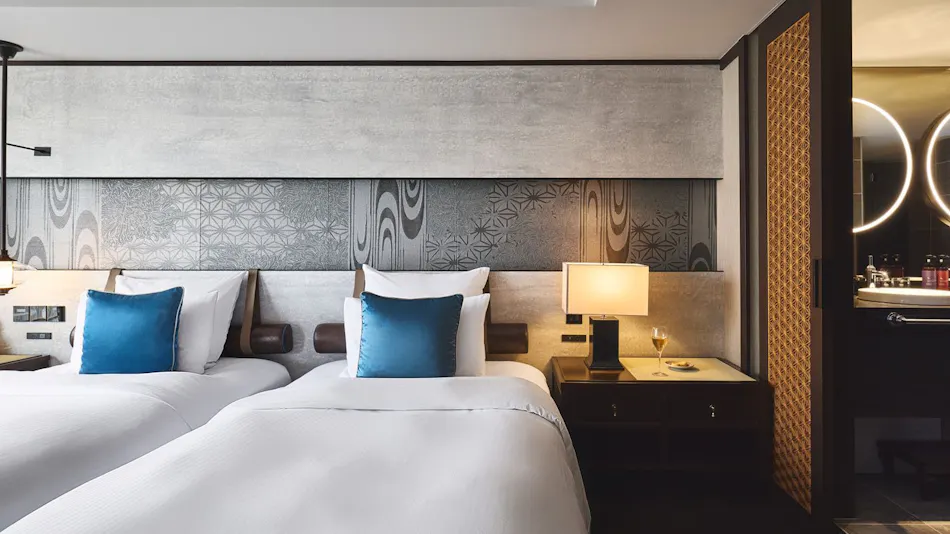
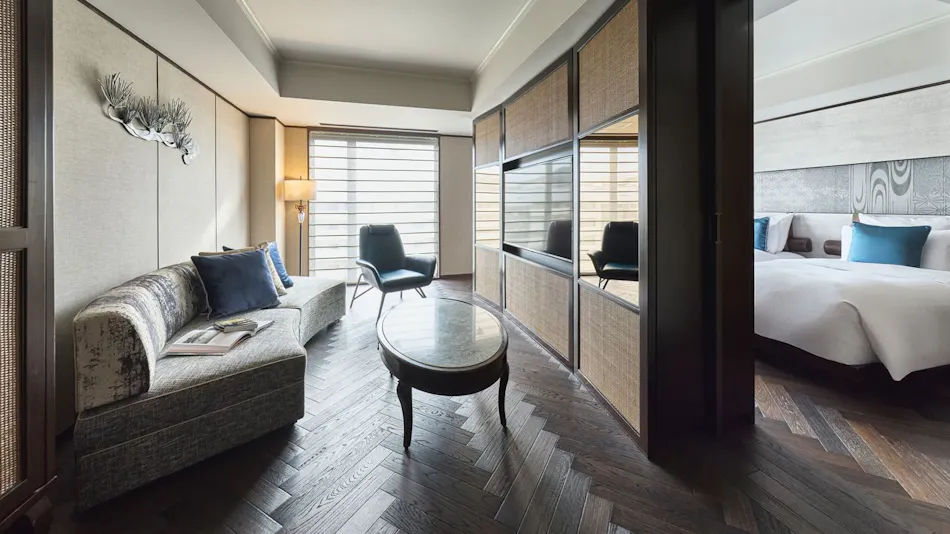
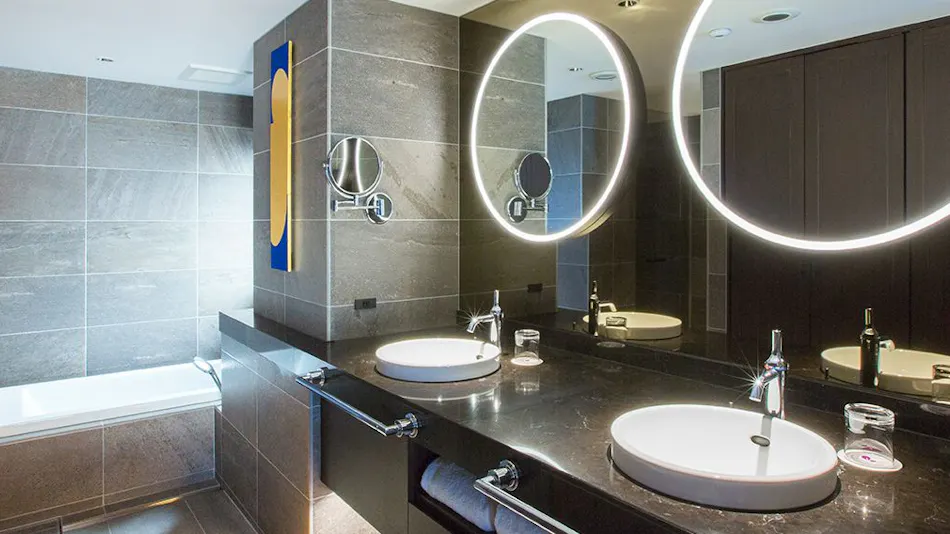
DHAWA, launched in 2015 as a sister brand of the luxury Hotel Banyan Tree that captivates celebrities around the world, has made its debut in Japan. We offer a comfortable space designed to bring our brand concept—“travel your own way”—to life. At the foot of Sanjo Ohashi Bridge, once Kyoto’s gateway for Western culture from the Meiji to Taisho eras, Dhawa Yura Kyoto blends Japanese and Western styles, retro charm and modern sensibility. Its refined design evokes Taisho-era romance and invites you on a journey through Kyoto’s timeless history. Located in central Kyoto’s Sanjo area with excellent access—within walking distance of shopping, Gion’s traditional entertainment districts, temples and shrines, and museums—we promise a truly memorable stay. On B1F, enjoy an anniversary-worthy grilled dinner at “GRILL 54TH” in an enchanting setting overlooking a bamboo courtyard garden.
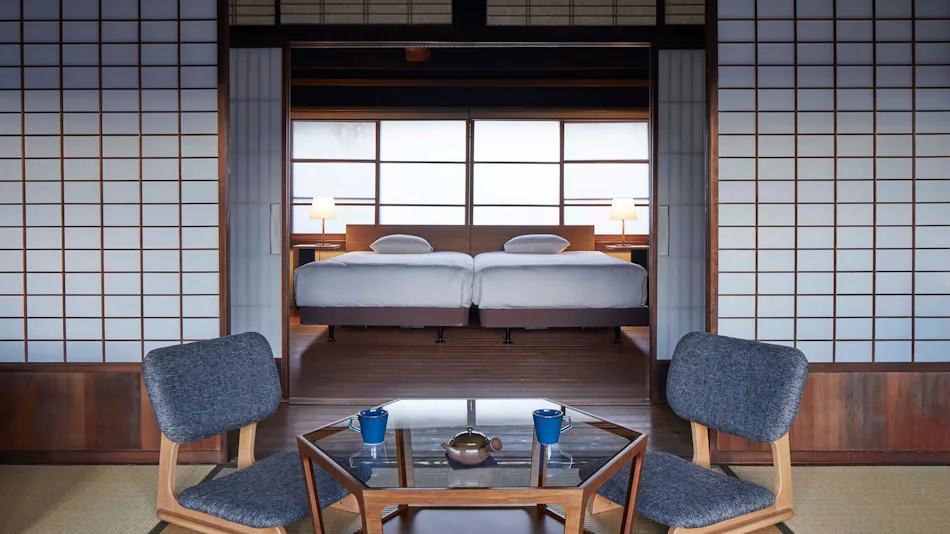
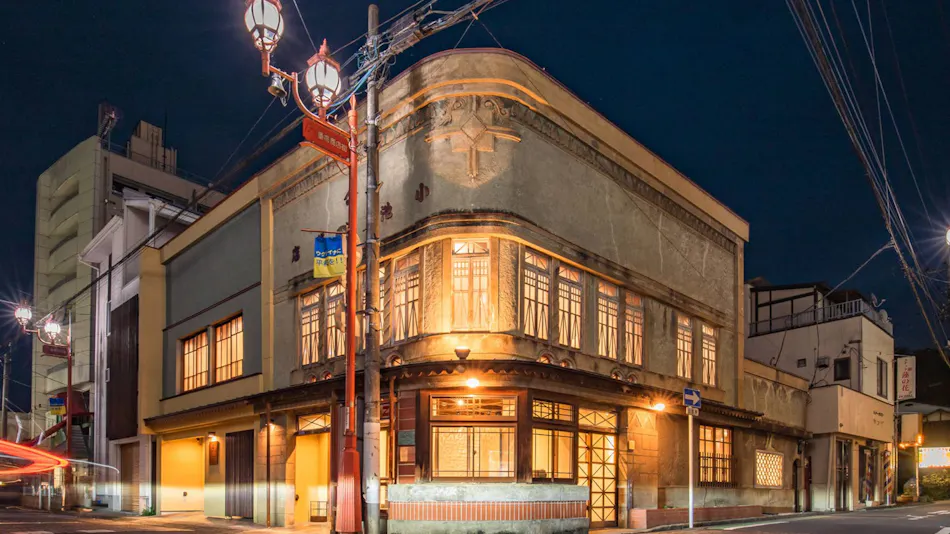


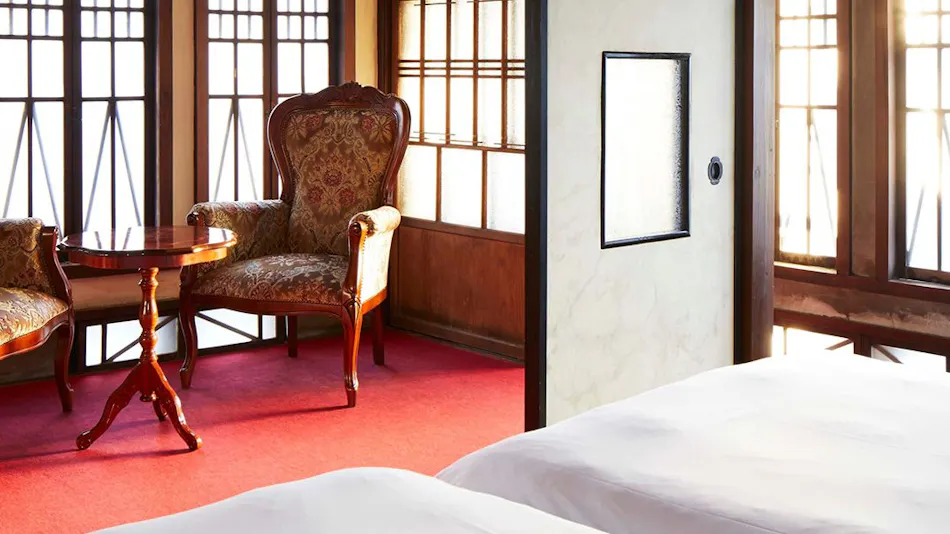

【About 70 minutes by express train from Ikebukuro】 A decentralized Hotel with 3 buildings and 8 rooms, nestled in a retro town reminiscent of the Taisho and Showa eras. The buildings, once cherished as a pharmacy and tobacco shop, retain features such as storehouses, beams, earthen walls, and Taisho-era romantic decor, creating a nostalgic and soothing atmosphere. Relax in the hinoki cypress baths available in every room to ease your travel fatigue. Then indulge in creative cuisine made with local ingredients. Enjoy strolling through the historic streets or experiencing the rich natural surroundings for a journey that refreshes both body and mind.