Nationwide × Accommodation With Famous ArchitectureRecommended Hotel·Ryokan - 8Page Number
入力欄の先頭で左矢印キーを押すと、選択中の検索条件に移動できます。chip上では左右矢印で移動し、DeleteキーまたはBackspaceキーで削除できます。
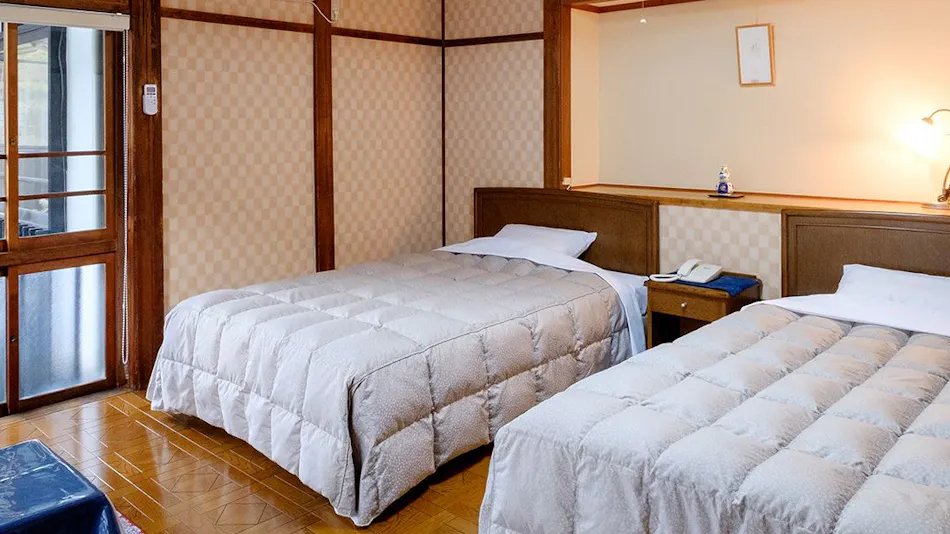
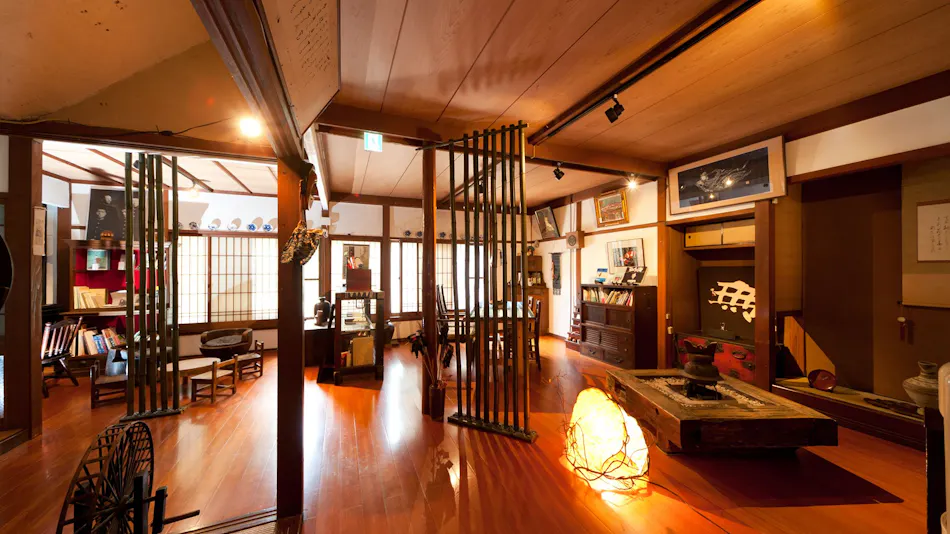
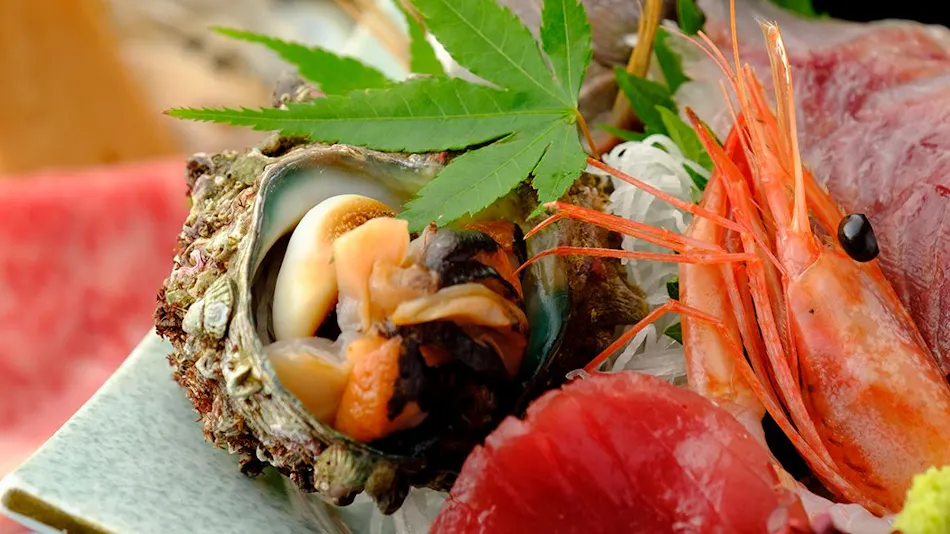
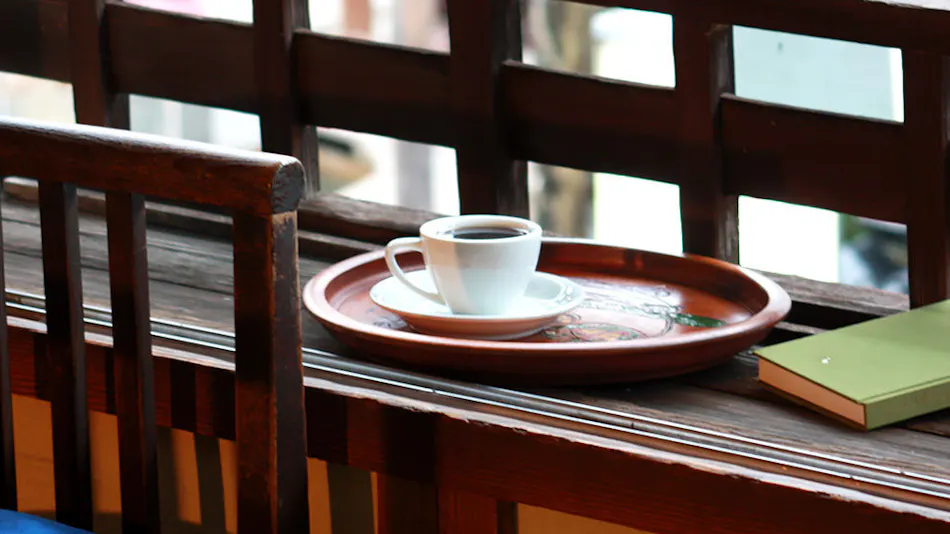
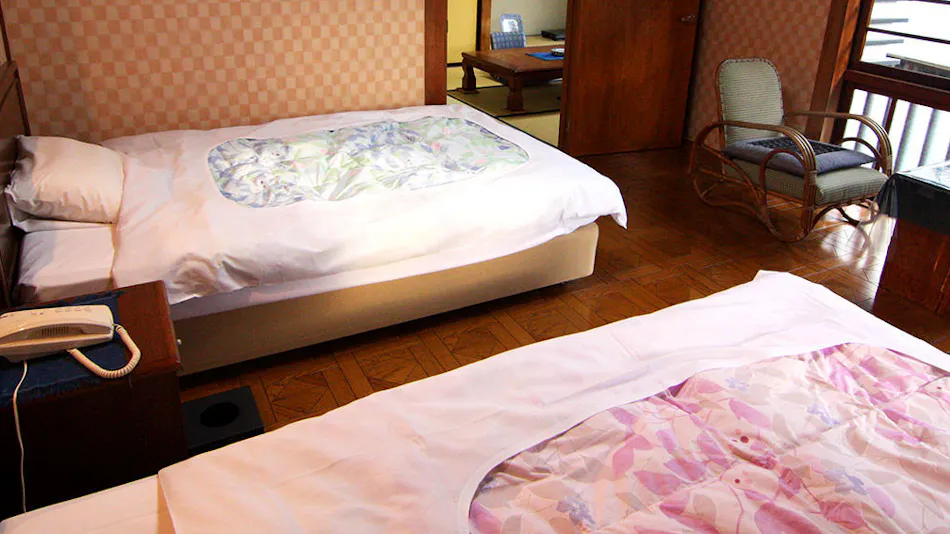
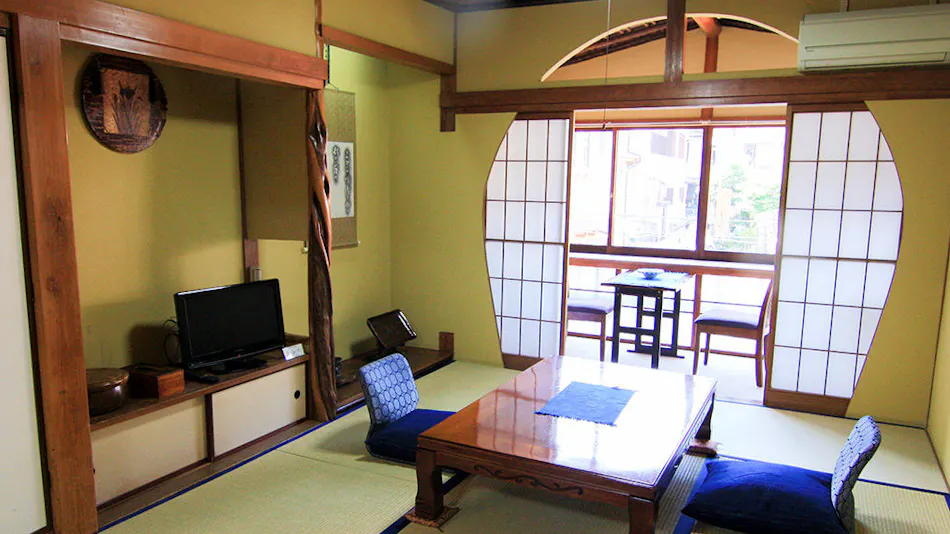
A historic accommodation established in the first year of the Meiji era, located in Misasa Onsen, renowned for its world-class radon content and registered as a National Tangible Cultural Property. Enjoy a rejuvenating journey with unique onsen directly sourced from beneath your feet, indigo dyeing experiences, Ondol yoga, Mitokusan tours (forest bathing), and various other activities to soothe your mind and body.


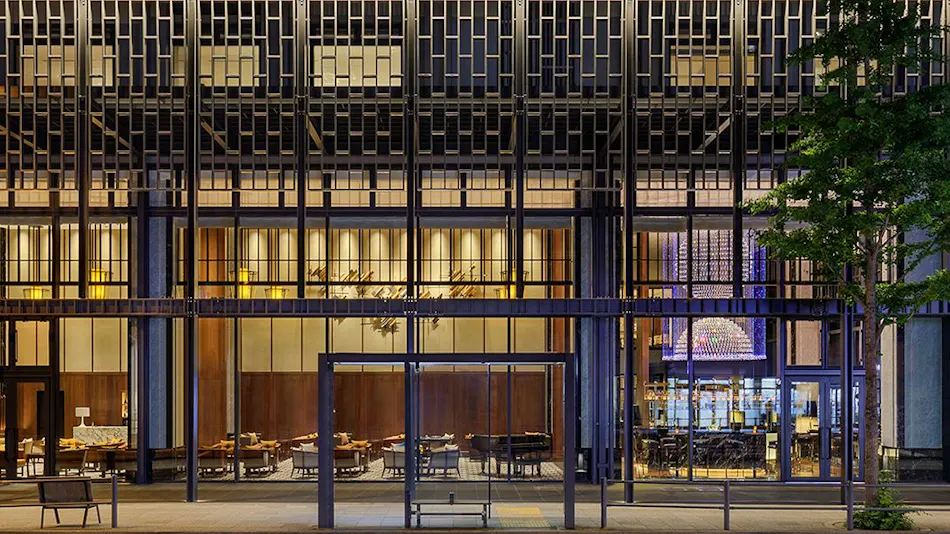
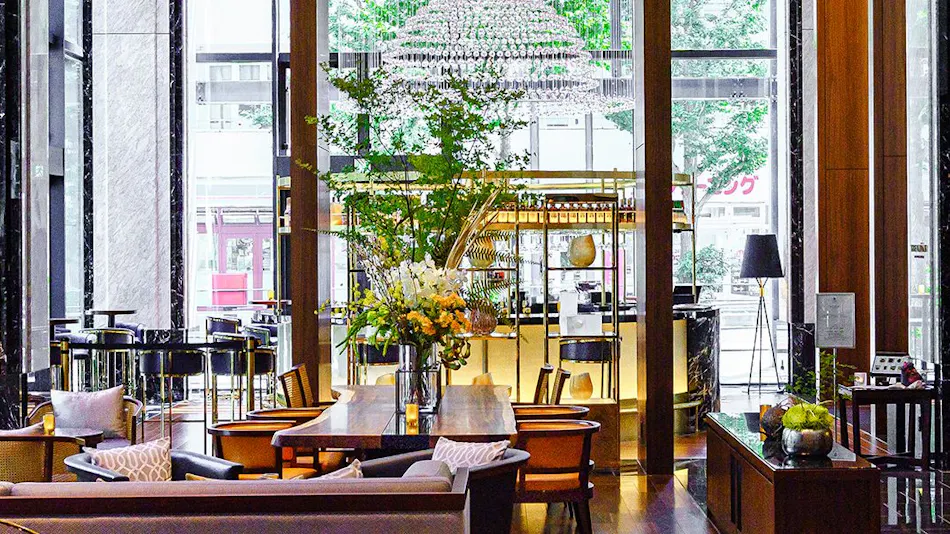
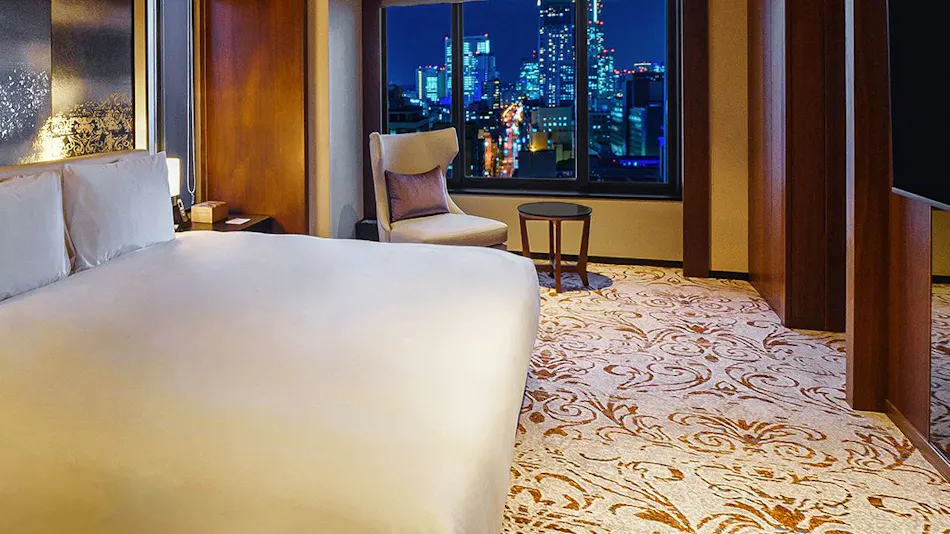

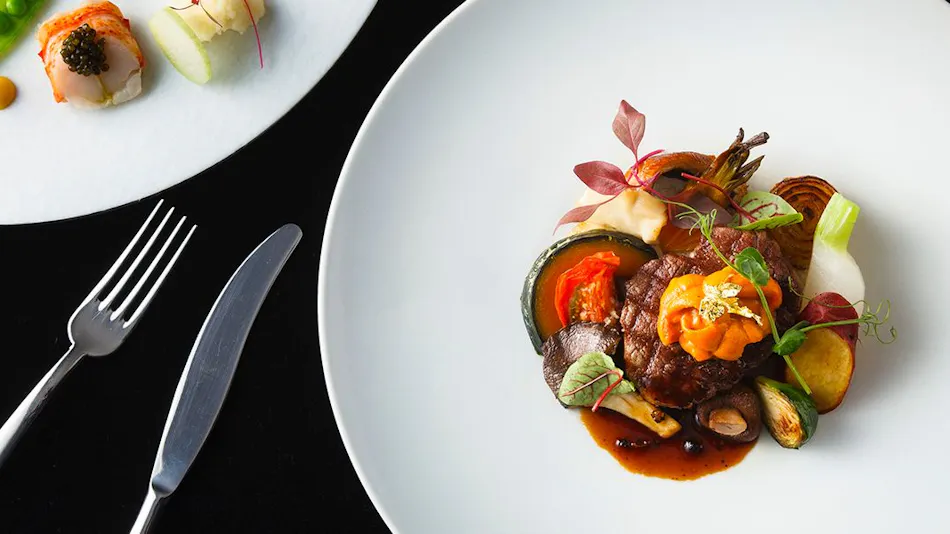
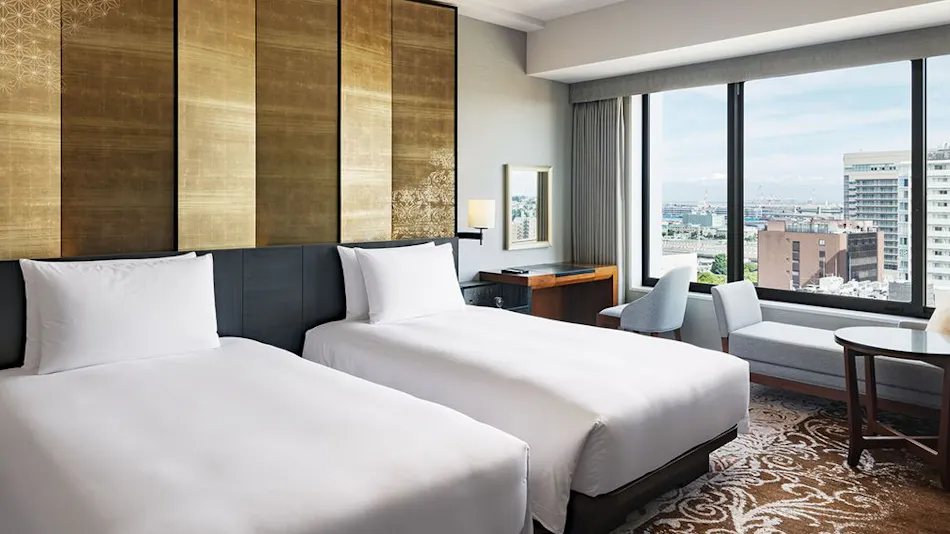


Just a short walk from Yamashita Park and Chinatown, and within walking distance of Osanbashi Pier with sweeping views over Minato Mirai and the Yokohama Bay area, the Hotel is an ideal base for experiencing all that Yokohama has to offer. Spacious guestrooms of 37 m² or more blend traditional Japanese beauty with urban sophistication, creating a refined setting that reflects Yokohama’s international charm. The Hotel features an airy bar lounge, a buffet-style all-day dining venue popular with local guests, a creative Italian specialty restaurant, as well as a club lounge and gym. Be sure to enjoy the Hotel’s highly rated breakfast buffet, crafted with pride by our chefs.
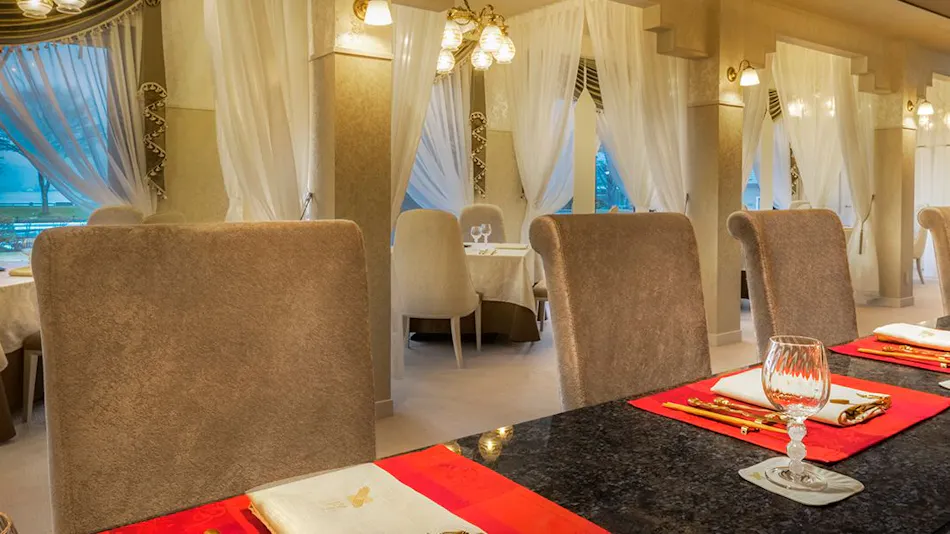
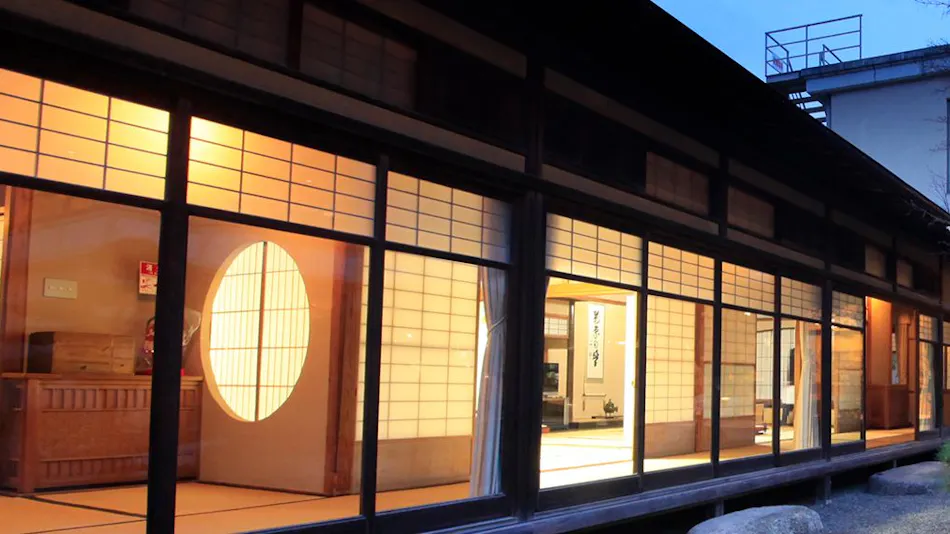
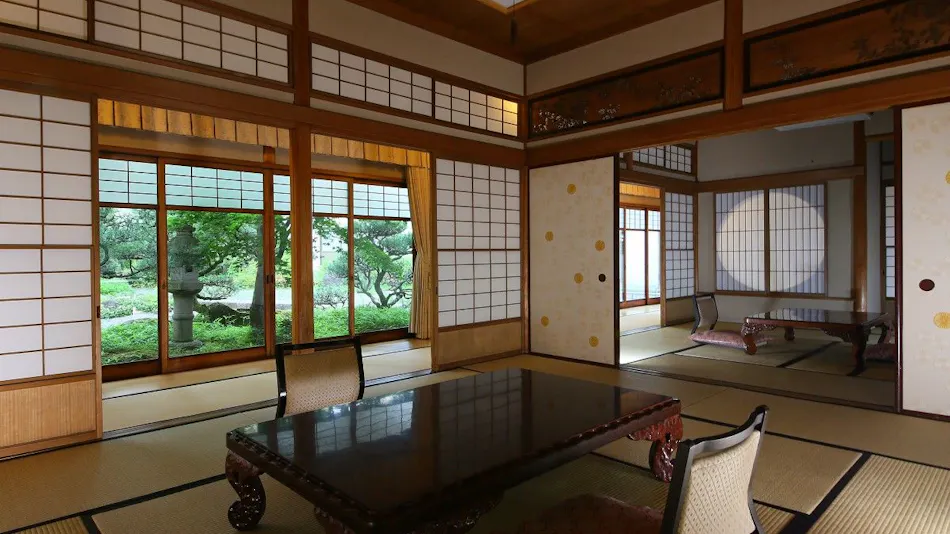
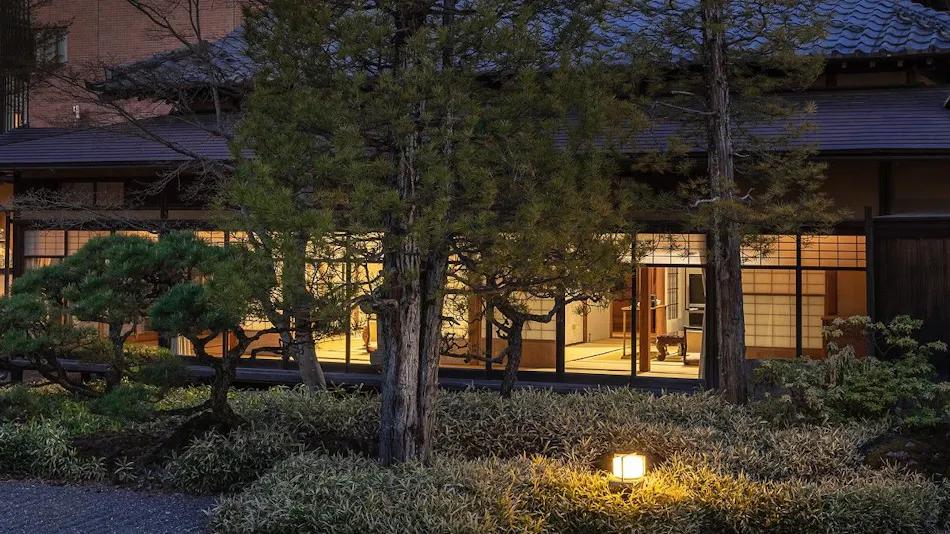
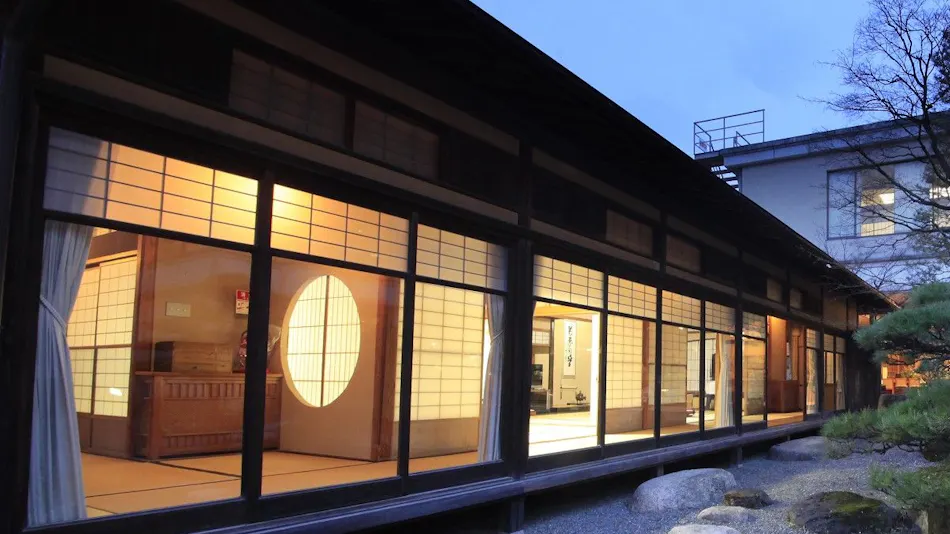
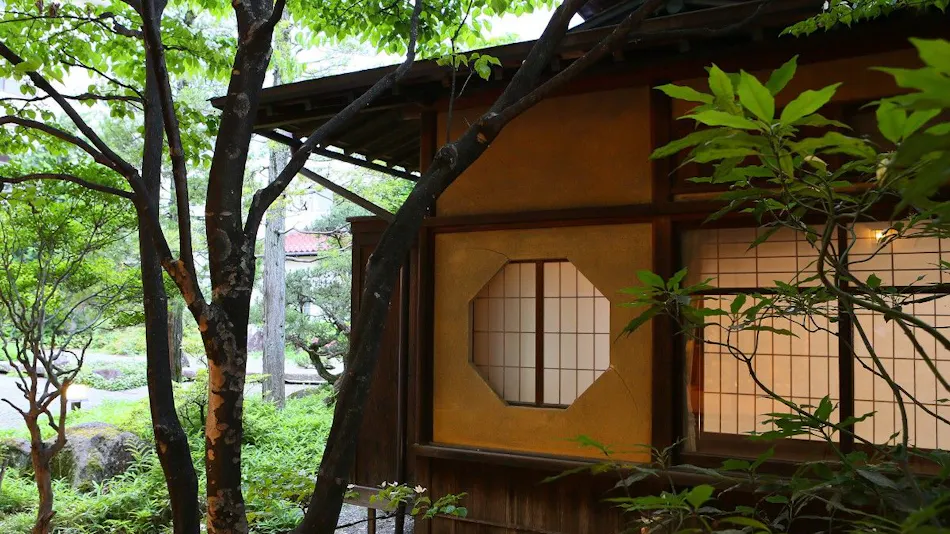
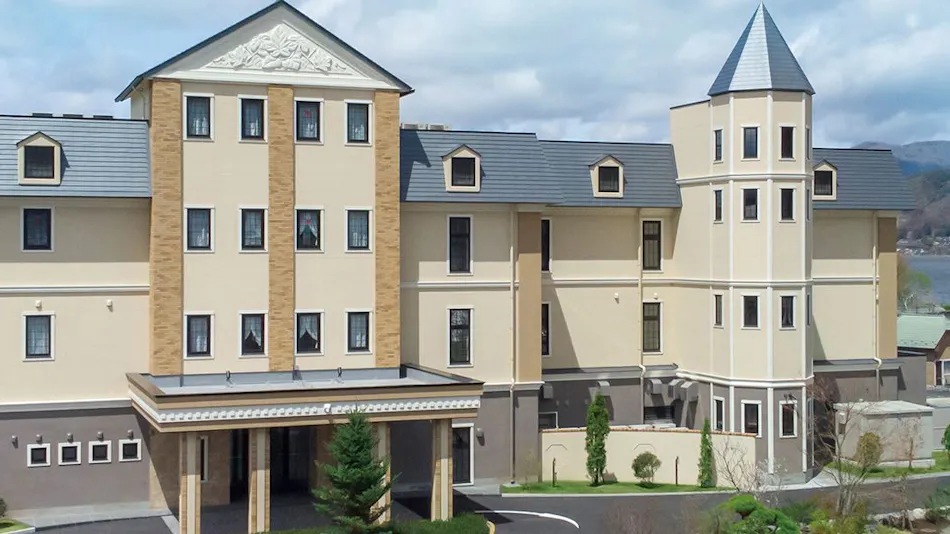
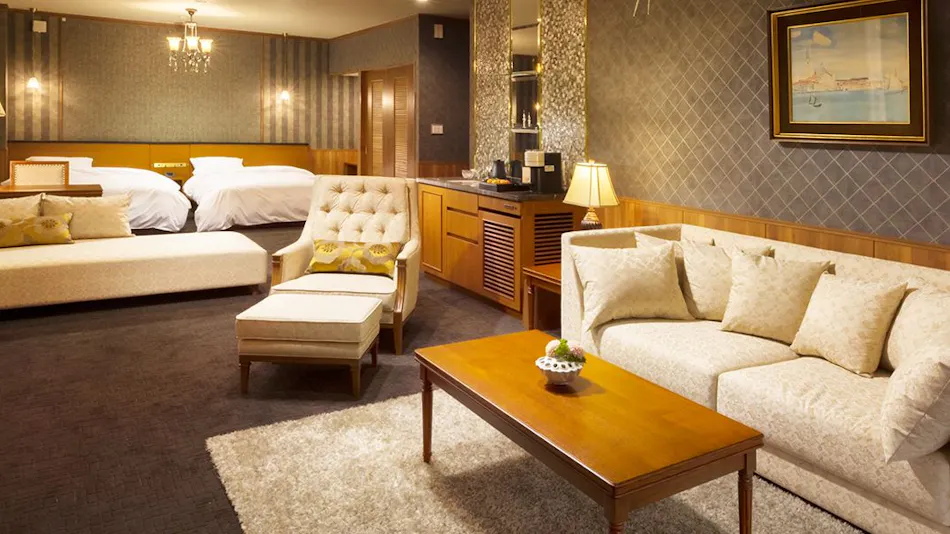
Weaving tradition, connecting emotions, continuing the story. ~Through unparalleled hospitality that satisfies all five senses~ The tradition of the "Katakura Family," which has continued to share the charm of Japan with the world through silk. The dedication and "thoughts" of local products and the community, infused into the hospitality of the Hotel. The "stories" of each guest spending their special day and precious moments. Katakura Silk Hotel offers smooth, delicate, and gentle hospitality, like silk itself, to turn your special moments into unforgettable memories. A journey wrapped in stylish moments that can only be experienced here.
Enjoy an exceptional location within walking distance of Kyoto’s most popular sights, including Yasaka Shrine, Kodaiji Temple, and the Gion geisha district, along with the rare luxury of renting an entire traditional two-story Japanese-style townhouse. Though set among these iconic attractions, this Accommodation offers a quiet, soothing retreat away from the city bustle. Experience the luxury of staying as if you live here, the joy of gathering with loved ones, and countless Kyoto memories born at Bettei Juge. Bettei Juge is located in a corner of Kiyomizu that still retains the charm of old Kyoto—halfway up a gently sloping stone-paved street with views of Yasaka Pagoda. With its elegant Kyoto-style exterior, a small courtyard garden (tsuboniwa), a bright living room filled with natural light, and an exclusive 122㎡ of total floor space all to yourself, it truly feels like a refined second home. Please relax and unwind at Bettei Juge (pronounced “Juge”), thoughtfully crafted with care for our guests.
Set in Otaru Asarigawa Onsen, once a thriving port town along the Kitamaebune shipping route, “Otaru Retreat Kuramure” is a 19-room retreat Hotel designed by architect Makoto Nakayama under the philosophy of “tranquility,” carrying on the legacy of historic stone warehouses. All guest rooms feature natural Onsen baths, and you can enjoy an all-inclusive stay with seasonal Hokkaido kaiseki cuisine and Hokkaido wines, as well as a fermented sawdust bath produced by Ohtaka Enzyme—unique blessings of this land. In a serene space in harmony with nature, step away from the rush of everyday life and savor a stay where you can slowly cultivate time that feels truly your own.
Koshi no Yado Takashimaya is an Accommodation designated as a National Registered Tangible Cultural Property, with its main building making use of a shoya (village headman) residence from the Edo period. In this historic Japanese setting, enjoy a relaxing and soothing stay.Takashimaya’s highlight is its open-air bath with 100% free-flowing hot spring water, featuring the rare “Kuroyu” unique to Iwamuro Onsen.Kuroyu is not a typical moor hot spring; it combines sulfur, salt content, and high mineral concentration—an Onsen that is rare even across The whole country.This black water, created by the bonding of iron and sulfur, is a distinctive feature found only at Iwamuro Onsen.A must-try for true hot-spring lovers.
Nagasaki is a port city where Japanese and international cultures have intersected, nurturing a distinctive sense of beauty. Hotel Indigo Nagasaki Glover Street is located in Minamiyamate, an area known for its refined, exotic streetscapes that symbolize the city.The main building is a traditional brick structure over 127 years old, once used as a convent and designated as a historic property. Preserving its heritage value, it continues to weave its story into the future as a luxury lifestyle Hotel where you can connect with history simply by staying.Throughout the Hotel and guestrooms, the design reflects the aesthetics of Nagasaki’s Wa–Ka–Ran culture—Japanese, Chinese, and Dutch influences. Original arched windows from around 127 years ago harmonize with art inspired by Nagasaki, turning your stay into an experience that feels like traveling through a story. At Restaurant Cathedréclat, set within what was once a chapel space, enjoy creative cuisine centered on local ingredients in a truly one-of-a-kind setting.History, architecture, and cuisine—come together in perfect harmony. Journey through time and enjoy a stay where every moment shines.
Park Hyatt Tokyo will reopen on December 9, 2025, following a major 18-month renovation. While preserving the appeal of its original design loved by guests around the world for over 30 years, it has evolved into a modern, comfortable space suited to today’s travel. Guest rooms located on floors 42–51 of Shinjuku Park Tower offer sweeping panoramic views. With residence-like interiors and the quiet serenity unique to the upper floors, you can enjoy a private and relaxing stay. The Hotel features a variety of restaurants and bars, including the renowned New York Grill & Bar, Girandole by Alain Ducasse, and Kozue (Japanese cuisine). It also offers Club on the Park—an exclusive spa & fitness Facility for staying guests—as well as a private library, delivering a luxurious and diverse Hotel experience.
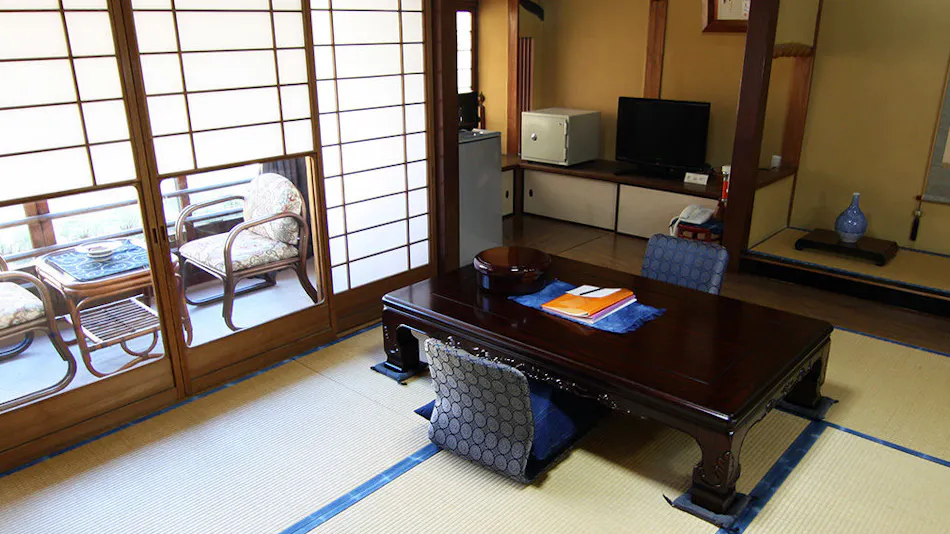
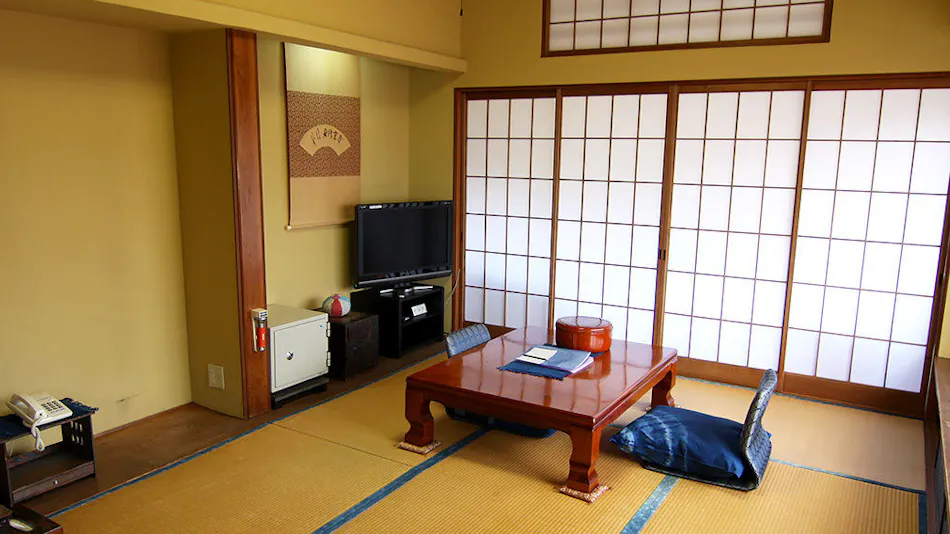
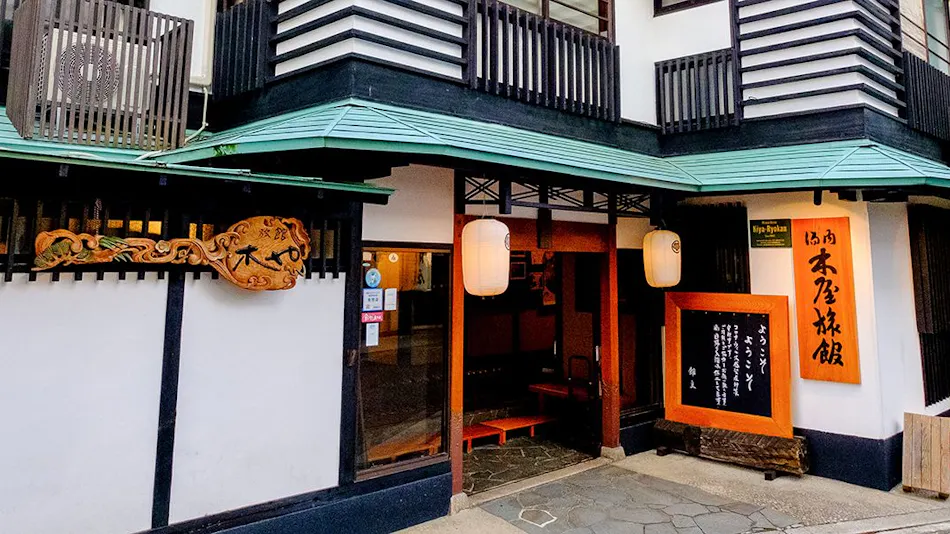
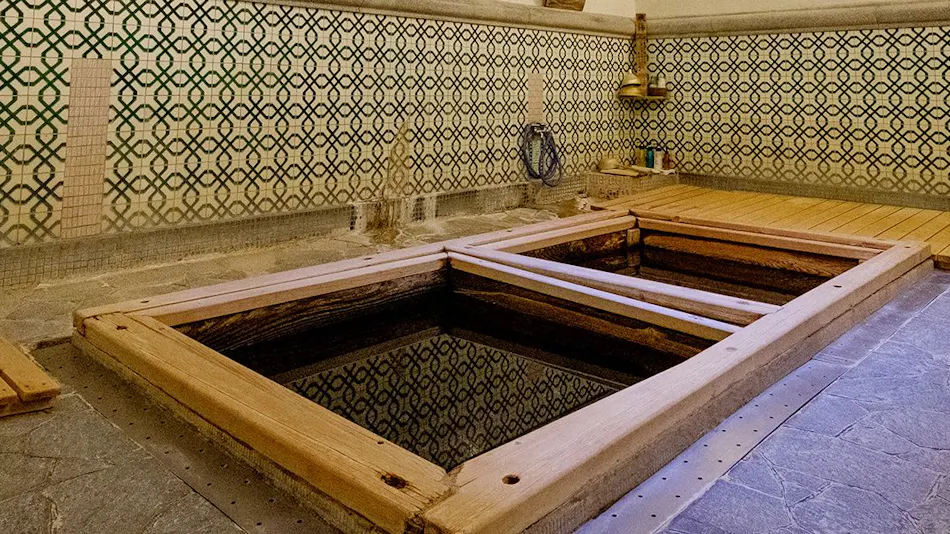
The Kiya Ryokan in Uwajima City, Ehime Prefecture, established in Meiji 44, has been renovated and reopened.A classic ryokan that once hosted notable figures such as politician Tsuyoshi Inukai and writer Ryotaro Shiba.The Kiya Ryokan has been reborn as a new type of property accommodating only one guest per day.
A property designated as a tangible cultural asset, built in Showa 13. Each room, crafted by palace carpenters showcasing their skills, exudes creativity and playfulness. The decorative windows and transoms, executed with precise techniques, create a precious traditional Japanese-style room. Among the main building, designated as a national tangible cultural asset, the third floor features specially designed rooms worth seeing. This property is highly recommended for those interested in classic Japanese architecture.
A keyaki-wood Onsen Ryokan—beloved by Kenji Miyazawa and Torahiko Tamiya—crafted entirely from zelkova, a style that can no longer be recreated today. The historic Namari Onsen, first opened around 600 years ago, offers exceptionally high-quality waters recognized by selections such as “New Japan’s 100 Famous Hot Springs,” “Japan’s 100 Famous Hot Springs,” and “Japan’s Onsen Heritage.” Unusually even among well-known hot spring areas, the property has five source springs, and all four baths on site are luxurious 100% free-flowing natural spring water (kakenagashi). It is also known as “Namari-no-Yu,” featured in Kenji Miyazawa’s masterpiece *The Bears of Nametoko Mountain*, making this a special Accommodation where the story’s world and a historic Onsen come together. In 2025, the main building—of outstanding historical value—was designated a National Registered Tangible Cultural Property, allowing you to fully enjoy the beauty of traditional Japanese architecture as well. In particular, we highly recommend the 100% natural self-springing rock bath “Hakuen-no-Yu,” said to be Japan’s deepest—a superb bath that warms you through to your core.
The Yugawara Onsen area, celebrated even in the ancient Manyoshu anthology, is renowned as a place where high-quality Onsen waters flow. Surrounded by famous hot springs, scenic views of the sea and mountains, and abundant local ingredients, it has long been cherished as a destination for leisure and relaxation. In particular, from the mid-Meiji period, many literary figures such as Doppo Kunikida, Natsume Soseki, Akiko Yosano, and Junichiro Tanizaki visited, fostering its development as a place for creativity and camaraderie. The history of Fujiya Ryokan is long-standing, with records indicating that its predecessor, an Onsen inn, existed as far back as the late Edo period. In fact, buildings from the end of the Edo era remained until 1968. According to the "Yugawara Guide" published in 1918, Fujiya Ryokan began as an Onsen Ryokan in 1876, and at the time, it was poetically named "Shuhoen." Crossing the Nagahashi Bridge over the Fujiki River, visitors would find a spacious property with pavilions and annexes, where flowers bloomed year-round. During the Meiji era, Fujiya Ryokan, Itoya Ryokan, Nakanishi Ryokan, and Amanoya were said to have formed a beautiful landscape with their main buildings, annexes, and other structures nestled amidst rich natural surroundings and gardens.
A serene and tranquil space with only 48 rooms spread across a 7,000-square-meter property, located just steps away from the bustling approach to the UNESCO World Heritage Site, Kiyomizu-dera Temple. The building, a modern architectural gem constructed in 1933 (Showa 8), has been preserved and repurposed to blend classic and modern aesthetics, offering picturesque spots throughout. In the guest lounge available to all guests, you can enjoy light snacks and beverages while admiring views of Hokanji Temple's Yasaka Pagoda and the seasonal beauty of nature. Take an early morning stroll through historic streets like Sannenzaka or visit Kiyomizu-dera for its peaceful morning atmosphere. Just a 10-minute walk away is Rokuharamitsu-ji Temple, home to treasures such as the statue of Kuya Shonin—artifacts often featured in textbooks. Enjoy an elegant stay at our Hotel in Kyoto’s Higashiyama area, filled with quintessential Kyoto charm.
Established about 400 years ago, this historic Ryokan is located along a mountain stream. The Taisho-era high-rise architecture is designated as a Registered Tangible Cultural Property of Japan. Enjoy the rich benefits of the flowing Onsen sourced from three natural springs and savor monthly changing kaiseki-style cuisine while immersing yourself in the atmosphere of traditional Japanese architecture.
Enjoy exclusive use of an entire 400-year-old former village headman’s residence, said to be eight years older than Himeji Castle. This nationally registered cultural property has been carefully restored, preserving its historic character.From the main house, you can look out over a Japanese garden that changes with the seasons. In the gourd-shaped hinoki (cypress) bath, relax and soak while taking in the garden view. The scenery shifts from morning to afternoon to night—an experience found only here.Inside, thick beams and pillars, traditional fittings, and other details preserve everyday culture dating back to the Edo period. This was also the birthplace of Tetsujuro Oguni, who helped save farmers during the Bantan Uprising, and it carries a history of watching over many lives as a local maternity home.Ideal for those who want to unwind with family or friends in a quiet setting, and for anyone seeking a special stay in a historic home.
In the first year of Ansei (1854), the founder of our Property, Iwakuniya Sobei, received permission from the magistrate's office to develop the area. He built a bridge over the Momiji River in front of the Property and established a teahouse by the stream as a resting place for travelers. This marked the beginning of "Miyajima no Yado Iwaso." Later, the bustling popularity continued, and the Property officially opened as a Ryokan in the early Meiji period. The main entrance building dates back to 1892 (Meiji 25), and the lobby was constructed during renovations in 1981 (Showa 56). Today, we draw natural Onsen, a rarity on the island, and offer accommodations in the main building, new building, and detached rooms. As a Ryokan nestled within a national park, we strive daily to ensure our guests can relax and enjoy their stay.
A culinary experience that draws out rich flavors over a wood fire, showcasing ingredients from the Setouchi region. In a space designed by architect and artist Fumihiko Sano, art by emerging creators comes to life. At the top-floor Sky Spa overlooking Miyajima, enjoy Miyahama Natural Onsen and a sauna in a shared, swimsuit-required setting—an elevated wellness experience to share views and time with someone special. Across all 34 rooms, where natural materials meet master craftsmanship, settle into a quiet stay immersed in Hiroshima’s climate and culture.
Sailors traveling around the world have been captivated by the beauty of Kushiro's sunsets, which have come to be known as one of the "World's Three Great Sunsets," alongside Bali and Manila. This reputation has spread across The whole country, and now many photographers visit Kushiro to capture its breathtaking beauty in their photos. Our Hotel is located in the best spot to enjoy these sunsets and twilight views, right on the riverside of the Kushiro River. When weather conditions align, you can take in the stunning view of the sun setting over the river mouth and the city of Kushiro bathed in dreamlike twilight colors. The Hotel was originally designed by the late Kiko Mozuna, a master of postmodern architecture from Kushiro, and opened in December 1987 as one of the pioneering designer hotels in Japan. In December 2015, the building was renovated, preserving Mozuna's architectural philosophy while incorporating the soft sensibilities of a female designer. It was reborn as a Hotel that combines "design" with "comfort." Additionally, the shopping mall "Fisherman's Wharf MOO," also designed by Mozuna, and the largest entertainment district in Eastern Hokkaido, Suehirocho, are just a 5-minute walk across the river. This makes the Hotel an extremely convenient base for business, sightseeing, shopping, and enjoying the culinary delights of Kushiro.